Paddington 4’s Writer Selection Hints at Political Satire for England’s Most Famous Bear
Marmalade and geopolitics go together after all.

As the world heads toward unprecedented corruption, governmental collapse, and extreme polarization, at least we have Paddington, an adorable protagonist and a shining light of optimistic apolitical escapism to turn to. Even that, however, may be changing with the arrival of his latest sequel, Paddington 4.
Armando Iannucci, the cynical genius behind the hit show Veep and dark comedy The Death of Stalin, has been tapped to write the fourth installment of the critical darling Paddington series alongside his writing partner Simon Blackwell.
Satire has defined Iannucci’s career. His early time in radio and broadcast television established him as “the hardman of political satire,” according to the Daily Telegraph, and led to his position at the head of the British comedy series The Thick of It and movie sequel In the Loop.
Government dysfunction is a staple throughout most of Iannucci’s work — The Thick of It spins nightmarishly incompetent yet entertaining tales of the bureaucratic British government, while Veep takes on the often sociopathic psyche of American politicians working within a poorly-constructed system. The Death of Stalin fictionalizes the real actions of high-ranking officials in the Soviet Union as they desperately grasp for power after (you guessed it) the death of dictator Joseph Stalin.
Paddington is not a political satire by any means. Paddington Bear loves marmalade jam, his adoptive family the Browns, and the Queen of England. His bumbling adventures are PG at their most extreme. Given this, Iannucci’s invitation onto the production budget of Paddington 4 may seem out of place.
However, Iannucci’s sense of humor and previous experience delving into human nature will potentially give audiences a deeper understanding of Paddington the character and could provide a more insightful social critique than the previous Paddington films have. Iannucci is also familiar with screen adaptations, having written and directed the critically acclaimed The Personal History of David Copperfield.
Iannucci is no stranger to stories with absurd premises. His previous work in political satire has prepared him to tell the story of a small anthropomorphic bear, his 100-year-old anthropomorphic bear aunt, and the family that adopts him — three ridiculous premises that somehow are less ridiculous than some of the most jarring moments from Veep.
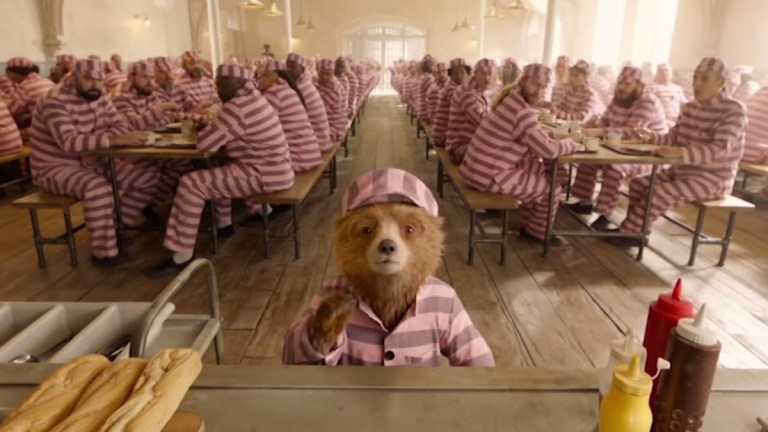
Additionally, the Paddington franchise is more ripe with political undertones than viewers may realize. Paddington 2, the most acclaimed of the three films so far, centers around Paddington’s false imprisonment and the struggles of his family as they attempt to exonerate him. It humanizes the imprisoned people who Paddington befriends, indicts the injustice of Paddington’s arrest, and criticizes the lazy policework of the London authorities. Paddington in Peru explores racial and colonial history alongside all-consuming greed through its central antagonist and plot. The first Paddington takes on the increasingly relevant themes of immigration and cultural assimilation vs. celebration.
All of these are things Iannucci’s eye for scathing political critique will easily be able to expand upon in the fourth installment of Paddington’s live action journey. At his most personal, Iannucci takes on themes of existentialism and human nature (just watch The Armando Iannucci Shows online).
Despite Paddington’s taxonomic classification as a bear, few are as human as he. Not everyone should be trusted with telling a story of human nature and political severity packaged in England’s beloved bear, but Iannucci certainly should be.