James Cameron Explains Difference Between Avatar and AI Actors
James Cameron loves technology, but he doesn't love AI actors.

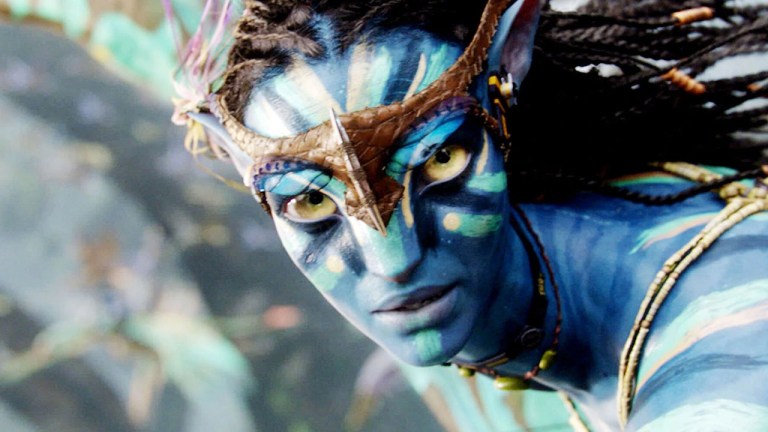
In just a few weeks, James Cameron will once again make us all care about weird-looking blue people as Avatar: Fire and Ash hits theaters. Even by Cameron’s standards, a guy who often seems to embark on crazy and expensive projects only to turn out blockbuster hits, the Avatar films seemed like a risk, thanks to their obvious themes and reliance on digital actors. And yet, both Avatar and the 2022 sequel The Way of Water were smash hits in the United States and worldwide.
Obviously, that type of success draws imitators. And with Avatar‘s use of digital performers, one could imagine that those imitators would include entrepreneurs looking to sell AI actor programs. But doing so misses the entire point of Cameron’s process, as the filmmaker recently made clear to Deadline. “That’s horrifying to me,” Cameron declared. “That’s the opposite. That’s exactly what we’re not doing.”
For Cameron, the difference lies in his movies’ treatment of the original actor’s work. “For years, there was this sense that, ‘Oh, they’re doing something strange with computers and they’re replacing actors,’” he pointed out; “when in fact, once you really drill down and you see what we’re doing, it’s a celebration of the actor-director moment, and the actor-to-actor moment. It’s a celebration of, I call it, the sanctity of the actor’s performance moment.”
Of course someone like Cameron would have a nuanced take on special effects as they relate to performances. He got into the film industry after watching Star Wars and particularly was drawn to technological advances in the field, working as a model maker for Roger Corman and eventually moving from special effects to directing for Piranha II: The Spawning (a film he disowns today).
Even as he moved into directing bigger features, Cameron still put technological innovations first. Terminator 2: Judgment Day was the most expensive movie ever made when it debuted in 1991, with much of the cost going toward spectacular set pieces and the innovative CGI used for the T-1000. Six years later, Titanic became the most expensive movie ever made, thanks to its faithful recreation of not just the titular boat but also its infamous sinking.
Amazing as movies are, they aren’t just about the technology. Cameron is an emotional filmmaker, sometimes to a fault. It’s not just Titanic that has soaring romance; similar pathos can be found in the parent/child relationships in Aliens and Avatar: The Way of Water, or the bond between John Connor and the T-800 in Terminator 2.
And that’s what people miss when they look at Avatar as a model of technology-focused movies: Cameron’s connection with his actors. “I don’t want a computer doing what I pride myself on being able to do with actors,” he declared. “I don’t want to replace actors, I love working with actors.”
Cameron goes so far as to call generative AI “the other end of the spectrum” to what he does, “where they can make up a character, they can make up an actor. They can make up a performance from scratch with a text prompt.”
That practice may have the technological innovations that Cameron loves, but it has none of the human element, and it’s that human element that has made the Avatar films such hits and has so many people excited about Fire and Ash.
Avatar: Fire and Ash releases December 19, 2025.