28 Years Later: The Bone Temple Director Explains What That Ending Means for the Franchise’s Future
The future of 28 Years Later is uncertain, even for The Bone Temple director Nia DaCosta.

This article contains full spoilers for 28 Days Later: The Bone Temple.
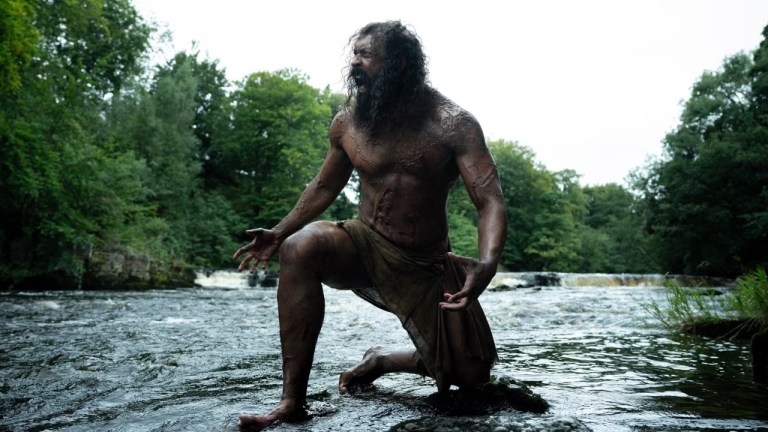
Twenty-eight years later, the rage virus still ravages the United Kingdom. But 28 years and 110 minutes later, or whenever the events of 28 Years Later: The Bone Temple finish, the tide begins to turn. Dr. Ian Kelson seems to have discovered a cure for the virus and administered it on his most dangerous patient, the hulking Alpha Infected he refers to as “Samson.” As Kelson succumbs to the wounds he received from the maniacal Sir Lord Jimmy Crystal, Samson arrives to thank the doctor—which he does by speaking words, recovering the language the virus seemed to strip away.
Does that mean the story is finished? The zombie threat has been solved and the good guys will live happily ever after? Not so, says Bone Temple director Nia DaCosta. In a debrief with The Hollywood Reporter, DaCosta points out that Samson is “not fully cured, and the level that he is healed is permanent. He’s not what he was, but is he one of us? I don’t know. But he’s not what he was.”
DaCosta visualizes that difference throughout the film. Even before Keslon (Ralph Fiennes) muses that the Infected must see things differently than uninfected people, we see through the perspective of Samson (Chi Lewis-Parry) in which other people become raging zombies from which he must defend himself. In one of the movie’s most poignant moments, Kelson’s treatments allow Samson to relive an experience on a commuter train, recalling the humanity that he once had. As Kelson puts it, the rage virus seems to cover over the person who was once there.
While some might object that Kelson’s field medicine would be able to find a cure went undiscovered by neither the U.S. military in 28 Weeks Later nor the Scandinavian officials seen in 28 Years Later, the discovery matches the movie’s theme. Writer Alex Garland continues the humanitarian worldview that he established in the previous film, suggesting here that some like Sir Jimmy (Jack O’Connell) use their pain to create a dogma that harms others in the name of charity, while others such as Kelson respond to hurt and threat by seeking the humanity in others. Kelson’s cure does exactly that, finding what remains in the Infected instead of destroying it.
The movie’s closing scene with Jim (Cillian Murphy) choosing to help Spike (Alfie Williams) and Kelli (Erin Kellyman)—after lecturing his daughter on the importance of helping rebuild an enemy instead of annihilating them, no less—suggests that the next movie will show how Kelson’s cure can spread across the Infected.
Then again, the future is uncertain, even for DaCosta. The same level of latitude that allowed her to make the movie her way means that she doesn’t necessarily have full insight in the next installment, which will be directed once again by Danny Boyle. She couched her answer in the admission that, although she recently spoke with Garland about it, she had “strong opinions about how I approached [the cure] for this movie” and didn’t want “to say anything that might need to be retconned.”
In other words, we won’t know for sure until 28 Years Later 3 comes out. But after two and a half decades, what’s another couple of months?
28 Years Later: The Bone Temple is now playing worldwide.