THE ONE PIECE: Inside Netflix’s New Anime Adaptation of a Manga Classic
Netflix's THE ONE PIECE sets sail for a brand-new take on one of anime's most iconic series that's bigger, bolder, and more accessible than ever.

This article appears in the new issue of DEN OF GEEK magazine. Find out how you can subscribe to get the full physical copy right here!
Eiichiro Oda’s ONE PIECE isn’t just a groundbreaking pillar of the anime industry, it’s a Guinness World Record-holding pop culture sensation that’s more popular than ever. ONE PIECE’s icon Monkey D. Luffy has proudly been featured in the Macy’s Thanksgiving Day Parade, the series has inspired a New York Fashion Week runway event, and even launched a collaboration with the NBA that recently saw Luffy become an honorary member of the New York Knicks! After 22 seasons, more than 1165 episodes, and 15 movies, it’s hard for ONE PIECE to genuinely do something new at this point. So it’s perhaps only fitting for the swashbuckling shonen series to go back to where it all began – literally.
“We got a contact from Netflix,” explains George Wada, co-founder and president of WIT Studio. “They asked me if I wanted to challenge myself to a task.” And what’s a greater challenge than reinventing ONE PIECE for a whole new generation of fans?
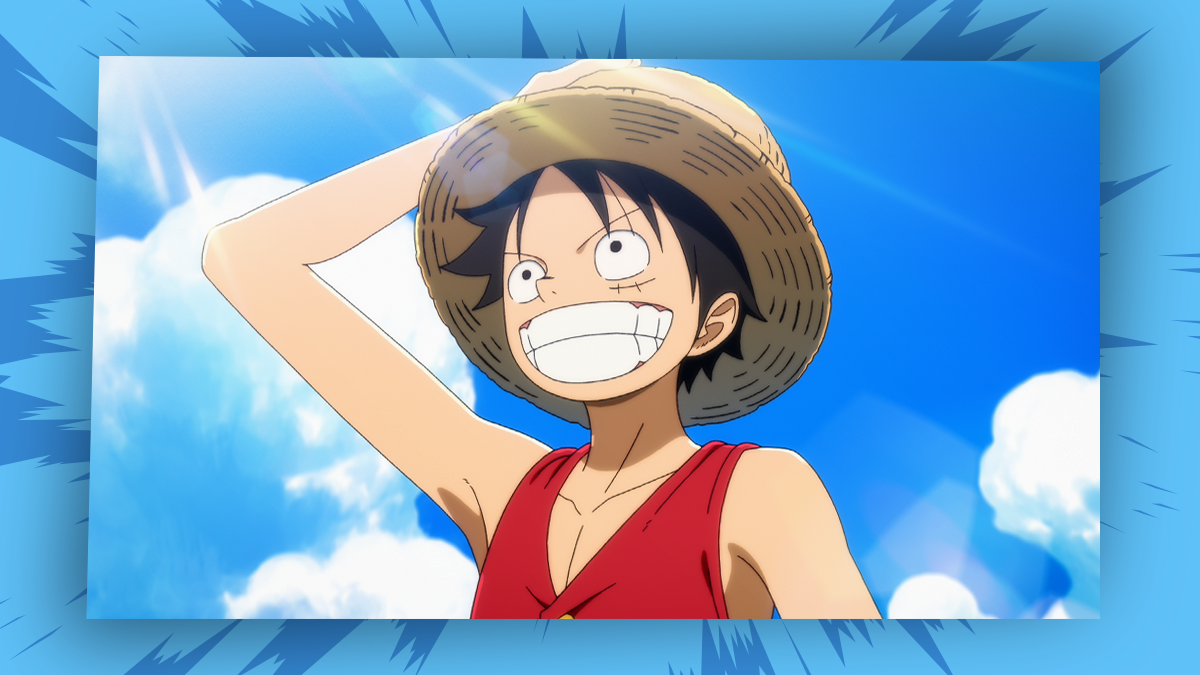
For nearly three decades ONE PIECE has represented the epitome of action-adventure anime. Monkey D. Luffy and his intrepid Straw Hat Pirate crew have defeated incredible rivals and covered unbelievable ground since the humble start of their voyage. Now, with Oda’s manga soaring to new heights, Netflix anime THE ONE PIECE is a bold new adaptation with cutting-edge visuals and a fresh creative approach.
THE ONE PIECE turns the clock all the way back to the original manga’s introductory East Blue Saga in which Luffy assembles his Straw Hat Pirate crew and befriends evergreen allies like Nami and Zoro. Coming from the acclaimed WIT Studio, which is responsible for Ranking of Kings, Great Pretender, Bubble, and Attack on Titan’s first three seasons, THE ONE PIECE is guaranteed to be a visually beautiful reinvention of this shonen staple. The East Blue has never looked so fresh.
THE ONE PIECE comes along at a time when modern reboots of cherished classics are having a bit of a moment between Urusei Yatsura, Hell Teacher Nube, Ranma1/2, and the upcoming Dragon Ball Super reboot. What helps THE ONE PIECE stand out from its peers is the unabashed passion that’s been assembled for this exciting vision.
“I took this project because I didn’t want anyone else working on it,” admits THE ONE PIECE director Masashi Koizuka (Attack on Titan, Moonrise) who first discovered ONE PIECE when he was a teenager in high school. “I remember the feeling of this new series making a splash even among heavy hitters. It was packed with a sense of wonder, an excitement of facing the unknown.”
This passion translates into a unique identity and voice for THE ONE PIECE, albeit a spin that’s still faithful to Oda’s sensibilities. “I had to possess him [Oda] in myself,” explains Kyoji Asano, THE ONE PIECE’s character design and chief animation director on the unusual process of revising an iconic classic. “For these two months, I was determined to just draw ONE PIECE, which was why I shut myself in.”
Koizuka elaborates upon the unusual expectations that arise with any adaptation, let alone for ONE PIECE. “I want you all to express, rather than copy and paste the work,” is advice that Oda wished upon THE ONE PIECE’s staff, according to Koizuka. “For example, it’s creating your interpretation and expression instead of recreating a panel from the manga.”
The people working on THE ONE PIECE are genuine fans who have lived and breathed the series. This delicate balance that celebrates the original’s essence, but still pushes the source material forward, is essential for THE ONE PIECE’s success and the whole point of this project.
The sense of adventure and enthusiasm from the Straw Hat Pirates transferred over to Koizuka. “It kept me at the edge of my seat every single week, and I remember being hooked to that feeling.” Now he’s recreating that experience for a new generation. “If kids across the world could feel the same way I did when I was a high schooler, if they could experience the same thing, I’d love nothing more.”
THE ONE PIECE does take some liberties with its characters’ designs and the presentation of its iconic story. This 2027 anime doesn’t just redesign the original, but it incorporates quality of life updates that highlight how much the anime industry has evolved in the past 27 years.
Additionally, ONE PIECE’s lofty reputation precedes itself. It’s great that there’s so much of ONE PIECE to enjoy, but it’s honestly intimidating to just casually jump into an anime after hundreds of episodes. Even with guides that attempt to streamline the ONE PIECE experience, it’s still a lengthy commitment that’s enough to dissuade curious fans. THE ONE PIECE breaks down this barrier and makes ONE PIECE more accessible than it’s ever been. It is the perfect equalizer for both seasoned Straw Hat Pirate fans and those who have been curious to set sail for the Grand Line.
THE ONE PIECE will distill the manga’s first 50 chapters into seven episodes that will accumulate to around 300 minutes. THE ONE PIECE’s first season should conclude around the point in the Baratie Arc when Luffy meets Sanji – an ideal entry point for new fans, and a fresh lens through which longtime fans can experience the adventure all over again.
ONE PIECE’s East Blue Saga would be an unreasonable binge in its current state. However, THE ONE PIECE flips the script and opts for a style of frenzied, serialized viewing. Netflix will be dropping all seven episodes of THE ONE PIECE at the same time in February 2027. A weekly release model wouldn’t have been unheard of, considering that’s how ONE PIECE has aired for decades in Japan. But a deliberate shift to a binge-watch model reflects the more modern sensibility that’s being applied to THE ONE PIECE and why it’s a fresh take on this story for a new time and audience, rather than claiming to be the definitive version of Oda’s story.
With well over 1000 chapters of manga to pull from for inspiration, the sky’s the limit for THE ONE PIECE. While there were initially predictions that THE ONE PIECE would be a one-off miniseries, WIT Studio has indicated that they’d like this version of Oda’s story to run for as long as possible and are interested in bringing all of Luffy’s adventures to life, in time. In fact, the project’s size and scope continued to expand during production. “The series has a runtime of 300 minutes,” clarifies Koizuka. “It was originally planned to be shorter than that, but I had so many things I loved and wanted to include, the runtime just kept getting longer and longer.”
Koizuka and his team were determined to tap into the manga’s timeless quality and this story’s ability to connect on a universal level, “We want you to experience a new ONE PIECE from the very beginning, all over again.”
It all feeds into a grander desire for ONE PIECE to evolve into something even greater this decade. Netflix is far from finished with ONE PIECE as its universe continues to grow between the existing anime series, the live-action series, and now THE ONE PIECE. It’s an embarrassment of ONE PIECE riches that’s fit for a king of pirates.