Andy Serkis: The Hunt for Gollum ‘Absolutely Will Be Like’ How They Made Lord of the Rings
Exclusive: Andy Serkis updates us about The Lord of the Rings: The Hunt for Gollum, including why Aragorn is called Strider and how this film will be a return to the old ways of blockbuster moviemaking.

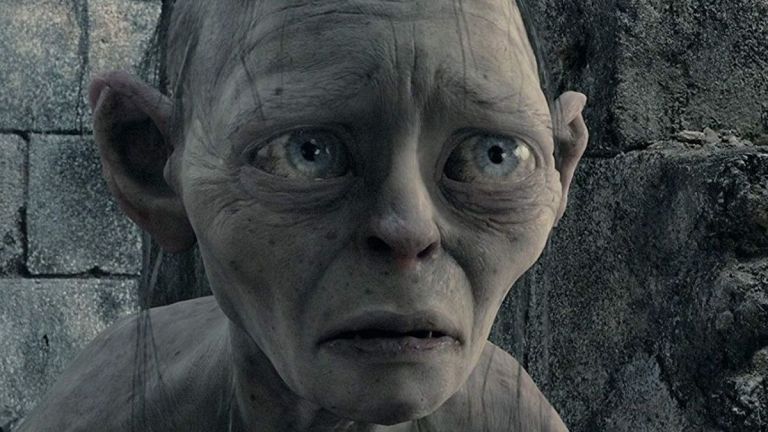
It’s become cliché in modern pop culture discourse to lament they couldn’t make The Lord of the Rings today like they did at the turn of the century. When Peter Jackson came down from the proverbial Mountains of Moria, he and an army of craftspeople brought with them a set of movies that combined a century’s worth of classical filmmaking techniques with what now looks like the early pioneer days of digital effects.
But the most intrepid of these CG-explorers, Andy Serkis, does not agree with the sentiment that those days can never come again. And when I caught up with him on New York’s Upper East Side, he was adamant that Middle-earth’s halcyon era is about to return as he gears up to take on the director’s chair in The Lord of the Rings: The Hunt for Gollum.
“I absolutely think you can make them like that because we are doing it,” Serkis says. “All the same people who worked on the original movies have come back to the set department; the set designers; we’re using miniatures; we’re employing some of the older techniques and bringing some of the new techniques to bear as well. So we will be walking the tightrope of creating a world that people are familiar with, but also it’s an entirely new story.”
The placement of that story is indeed one of the most intriguing things about Gollum. Originally expected by fans to take place in the hazy gap in Fellowship of the Ring between Ian McKellen’s Gandalf the Grey discovering the Baggins’ ring and his return with foreboding news of its power—which on the page actually spans 17 years!—reports have since suggested The Hunt for Gollum is a full-fledged prequel set entirely before the events of the original trilogy. This is a development which Serkis seems to confirm.
“I’m very excited, and not just it being a nostalgia trip. There’s actually a lot to explore with the character of Gollum,” Serkis continues. “We are using more prosthetics for the orcs, for instance and shooting all on location. This film sits between the world of the Hobbit trilogy and the original trilogy, so within the law and canon, it sits perfectly in there, but technically, visually, and stylistically, it wants to merge those two [trilogies].”
The character of Gollum is a profound one for Serkis, who acknowledges the poor wretch is never far from the surface of his subconscious. Still, he refrains from reprising the character in his personal life, making only special occasions for some fans, particularly those with stories about finding unlikely hope from this admittedly “deeply malevolent character.” Like Serkis, they see Gollum as a metaphor for surviving addiction.
The director also leaves us with one last tease about another character returning in The Search for Gollum: the man who would be king, Aragorn. Initially played by Viggo Mortensen, the heir to the throne has been recast with the younger Jamie Dornan. With that said, he might come across as quite different from how viewers remember, as signaled in the casting announcement where Dornan is credited simply as “Strider.”
“That’s where he is at this particular part of the journey,” says Serkis. “He wouldn’t think of himself as Aragorn, son of Arathon, at this part of the journey. He’s living in the wilderness. He’s a doomed lone ranger.”
Check out our full profile of Serkis for more about the actor’s career, his passions, and his inspirations, from King Kong to Animal Farm.