The Simpsons Boss Describes How the Show Would End
The Simpsons might never end, but if it does, it won't try to do a series finale.

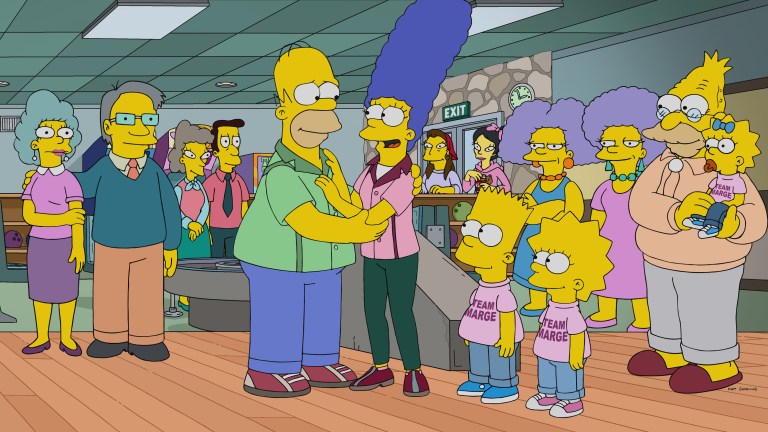
The Simpsons has been a TV staple since it first debuted on Fox in 1989, but with over 800 episodes under its belt, there are no plans to wrap up the series any time soon. One might imagine that if it ever did end, it could put a neat bow on the lives of Springfield’s beloved animated family, but showrunner Matt Selman says that wouldn’t be the case.
Referencing the season 26 episode “Bart’s Birthday,” Selman told The Wrap that The Simpsons has already parodied the concept of a series finale, so it never needs to actually do one.
“We jammed every possible series finale concept into one show, so that was sort of my way of saying we’re never going to do a series finale,” he explained. “We did a series finale in the middle of the show that made fun of all the ideas of wrapping everything up or ending.”
Selman added that The Simpsons resets every week, like Groundhog Day, and isn’t really meant to change. “If the show ever did end, there’s no finale; it would just be a regular episode that has the family in it. Probably a little Easter egg here and there, but no ‘I’m going to miss this place.’”
Selman also had some thoughts about The Simpsons’ uncanny ability to see the future. The show has previously predicted a range of political and cultural events, from Donald Trump’s presidency to a Siegfried & Roy tiger attack, but Selman says the show doesn’t set out to predict anything.
“We just know that people are silly and make bad decisions, and the people in Springfield are easily misled and are kind of Ding-Dongs. They’re good at heart, just like everybody is kind of good at heart, but they can be misled into making bad choices and manipulated and being short-sighted and selfish and all these things,” Selman said. “That’s a universal thing that doesn’t change over time, so we just study history, we study humanity, we study the past, we study culture, and these things seem to repeat themselves more than you would think.”