The 15 Weirdest Attempts at Sci-Fi the ’70s Had to Offer


Technology advances faster than we could ever wrap our heads around, particularly in recent times. But even back in the day, imaginations ran wild picturing what the future, cosmos, or possible realities could look like, bringing those pictures to life in film.
The 70s in particular were a time of experimentation, where the medium of movies and cinematography was being put to the test. We all know and love Star Wars, but many other projects tried to catch that lighting in a bottle. These are the other marvelous sci-fi projects of that era.
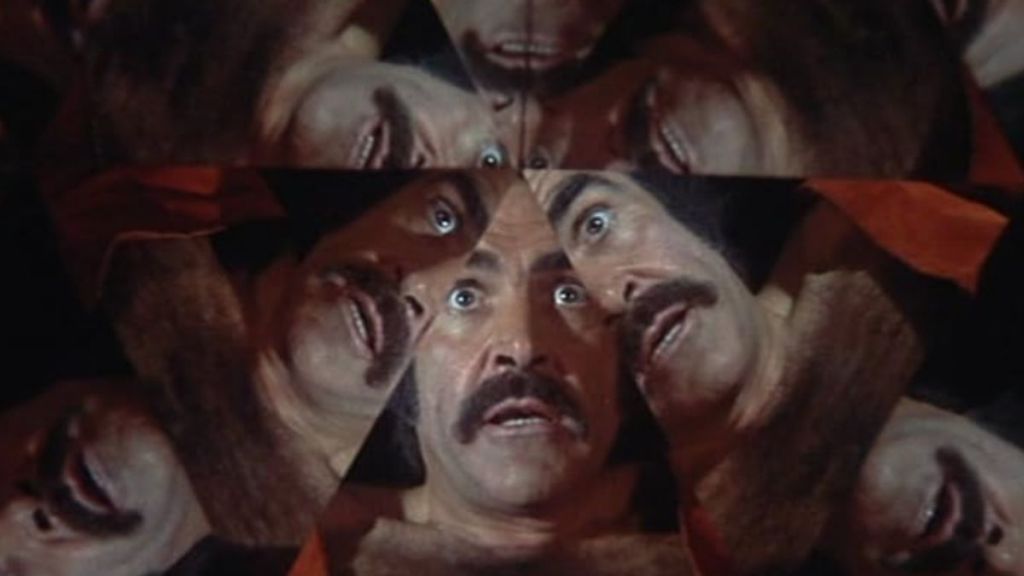
Zardoz
This bizarre dystopian sci-fi film stars Sean Connery in a red loincloth, serving a giant floating stone head. Its mix of philosophy, surreal imagery, and confusing world-building has made it one of the strangest genre entries of the decade.
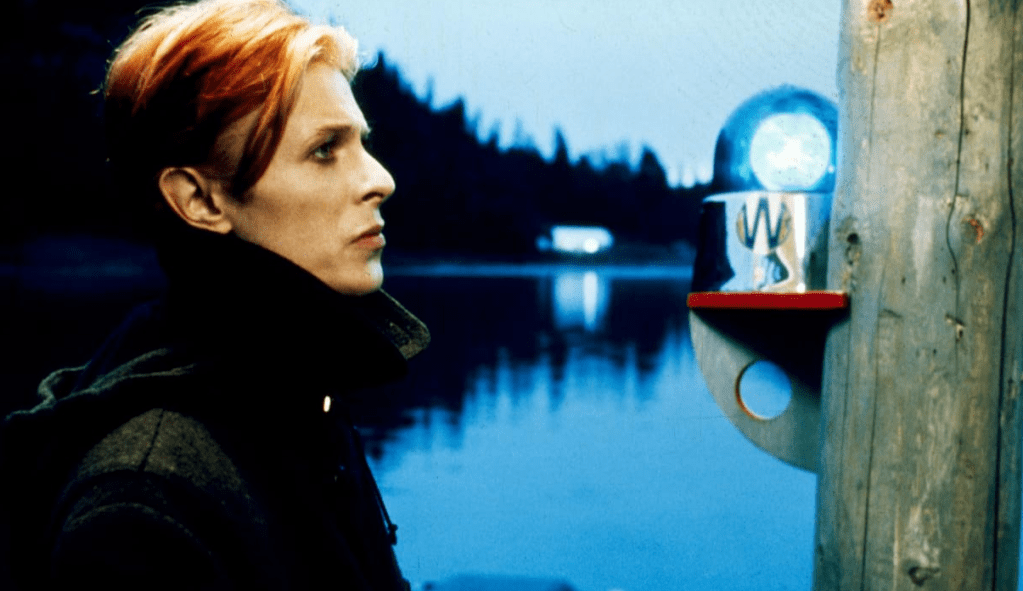
The Man Who Fell to Earth
Starring David Bowie as an alien, the film leans heavily into abstract storytelling and disjointed imagery. Its fragmented narrative and detached tone make it feel more like an art experiment than traditional science fiction.

Phase IV
Focused on highly intelligent ants threatening humanity, this film takes a minimalistic and almost clinical approach. Its slow pacing and unconventional ending give it a strange, unsettling edge compared to typical creature features.
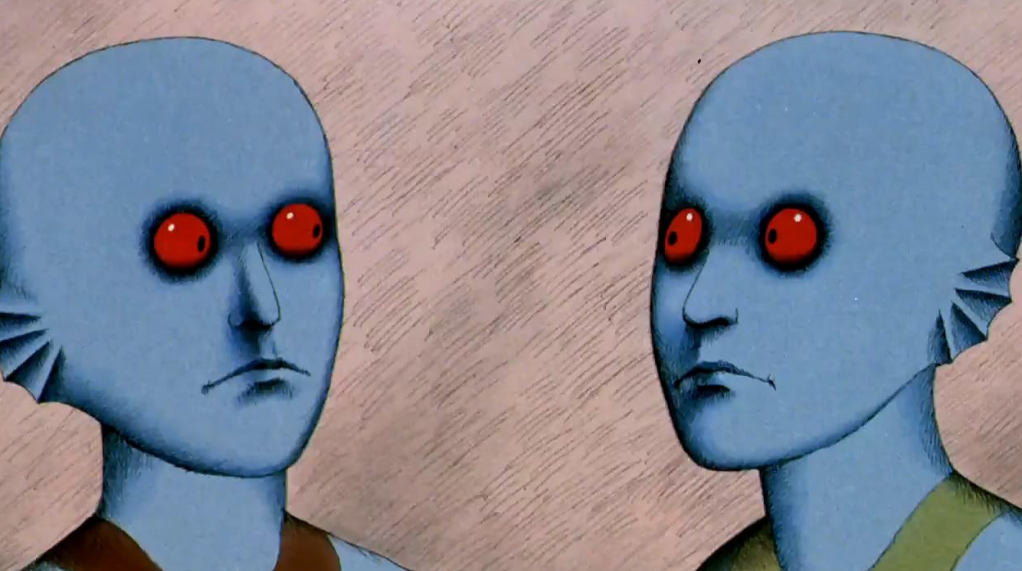
Fantastic Planet
This animated sci-fi film features surreal visuals and an allegorical story about giant blue aliens dominating humans. Its dreamlike animation and unsettling tone make it one of the most distinctive and unusual sci-fi films of the era.
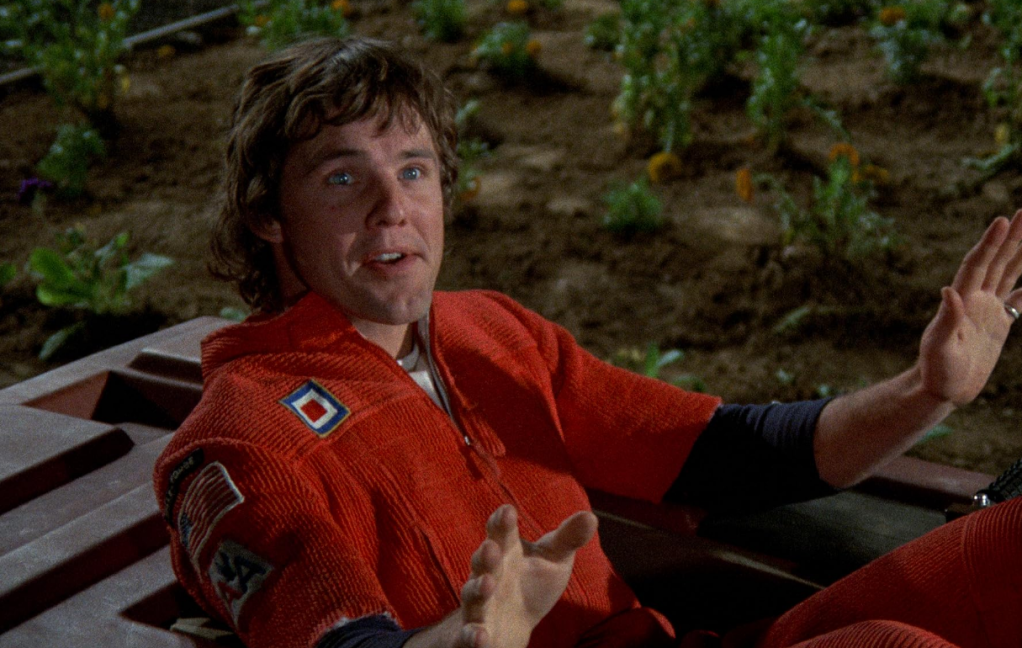
Silent Running
A lone botanist tends to Earth’s last forests in space, assisted by small robots. The film blends environmental themes with quiet, introspective storytelling, creating a tone that feels unusually somber and contemplative for sci-fi.
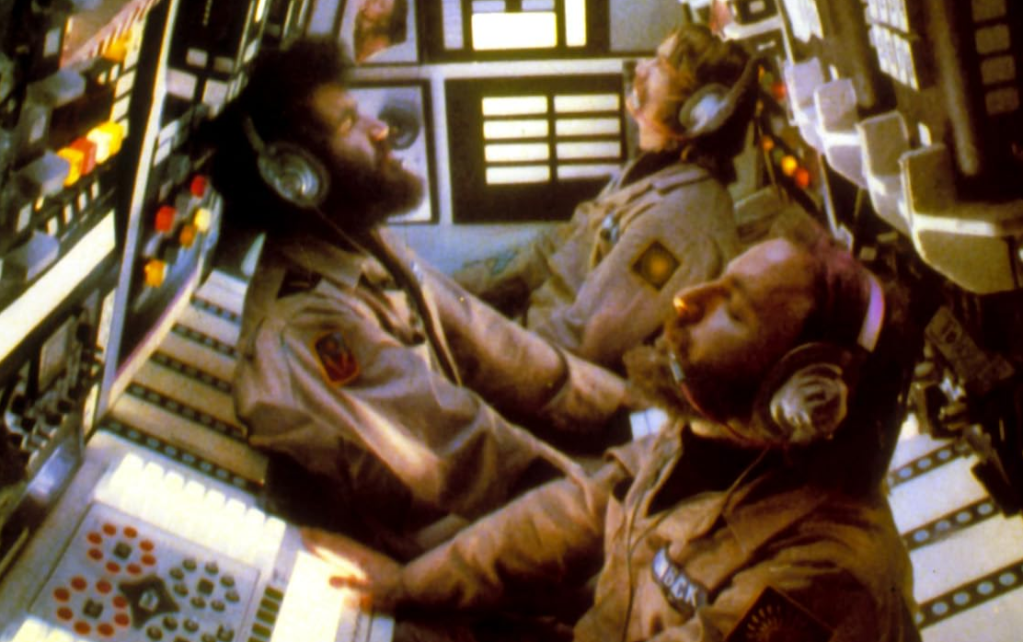
Dark Star
Directed by John Carpenter, this low-budget sci-fi comedy features bored astronauts and a talking bomb. Its absurd humor and unconventional pacing make it feel unlike most space-themed films.
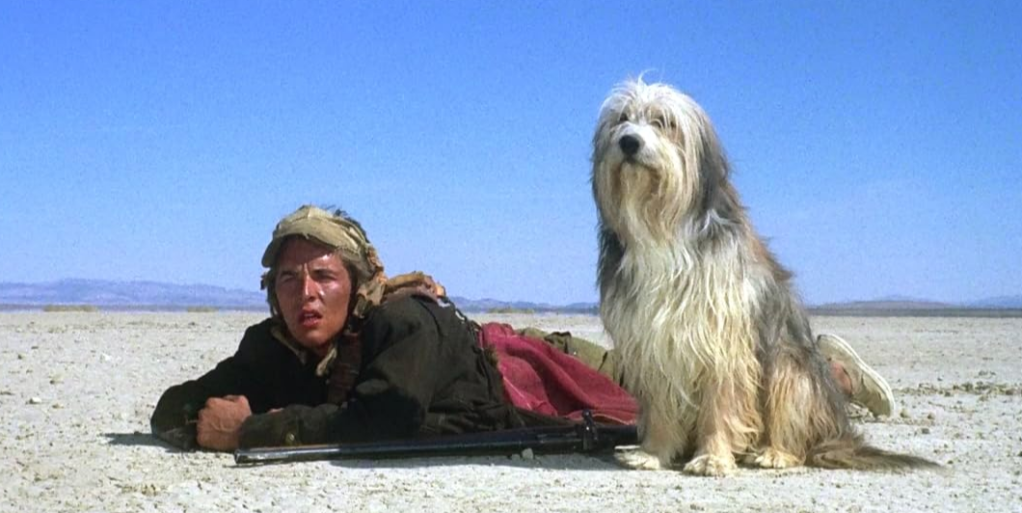
A Boy and His Dog
Set in a post-apocalyptic world, the story follows a young man and his telepathic dog. Its dark humor and controversial themes make it a deeply unusual and often uncomfortable viewing experience.
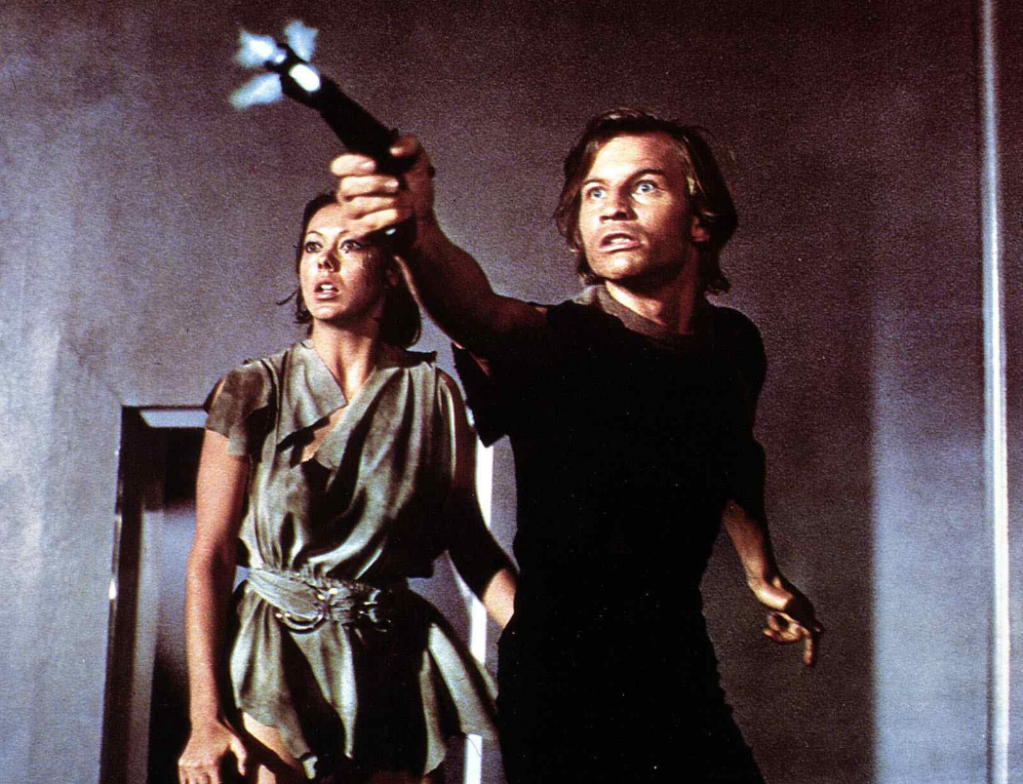
Logan’s Run
While more mainstream, its concept of enforced death at age 30 and domed utopia gives it a strange edge. The mix of futuristic aesthetics and rigid societal rules creates a distinctive, sometimes surreal tone.
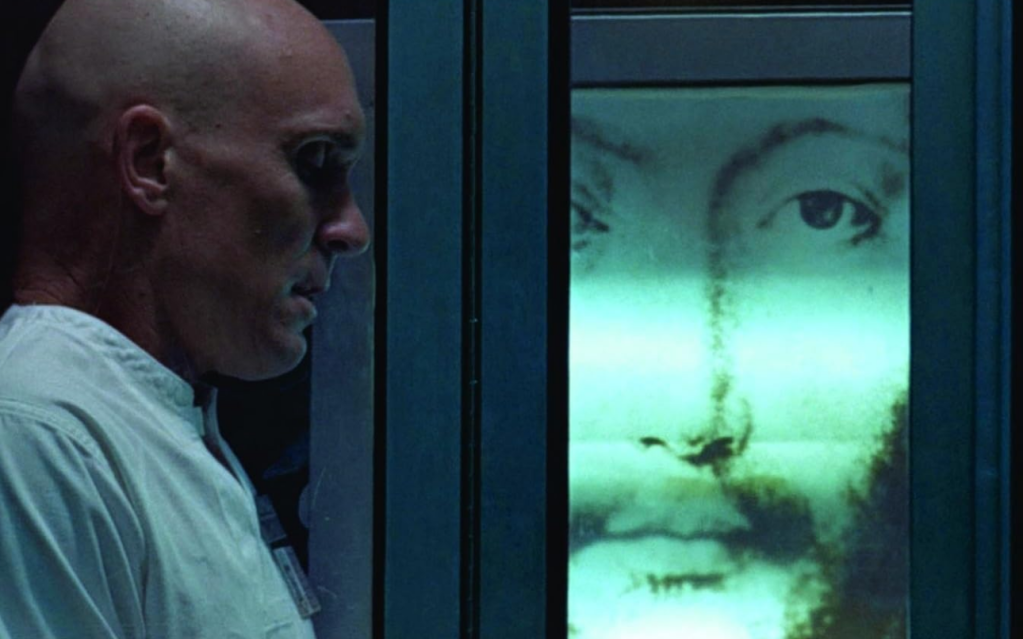
THX 1138
Directed by George Lucas, this dystopian film strips away emotion and individuality. Its stark visuals and minimal dialogue make it feel cold, abstract, and unusually experimental.
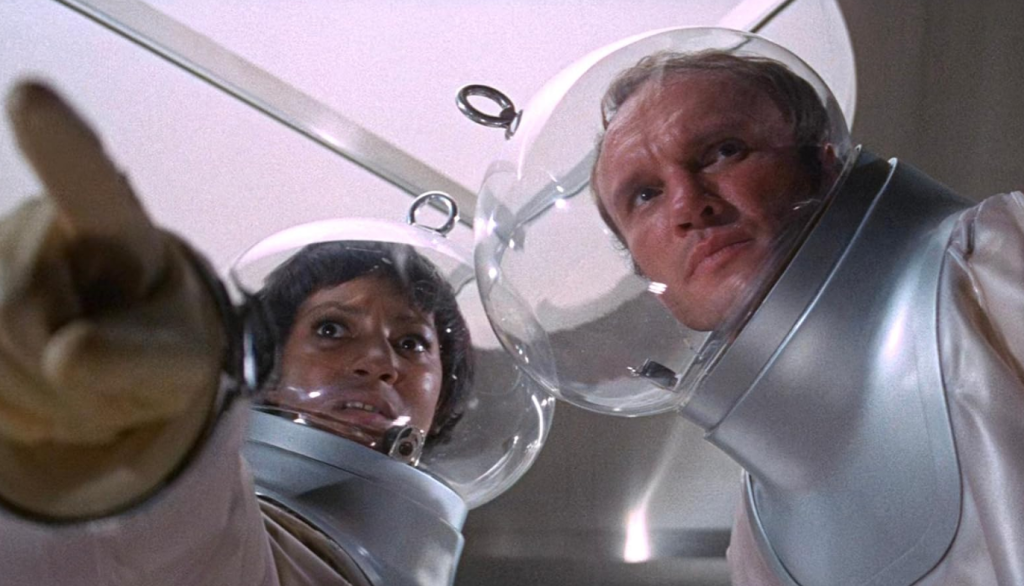
The Andromeda Strain
This film takes a procedural approach to a deadly alien microorganism. Its heavy focus on scientific detail and sterile environments gives it a detached, almost documentary-like feel uncommon in sci-fi thrillers.

Quintet
Set in a frozen future society obsessed with a deadly board game, this film blends science fiction with bleak existential themes. Its slow pace and unusual premise make it one of the more obscure and strange entries of the decade.
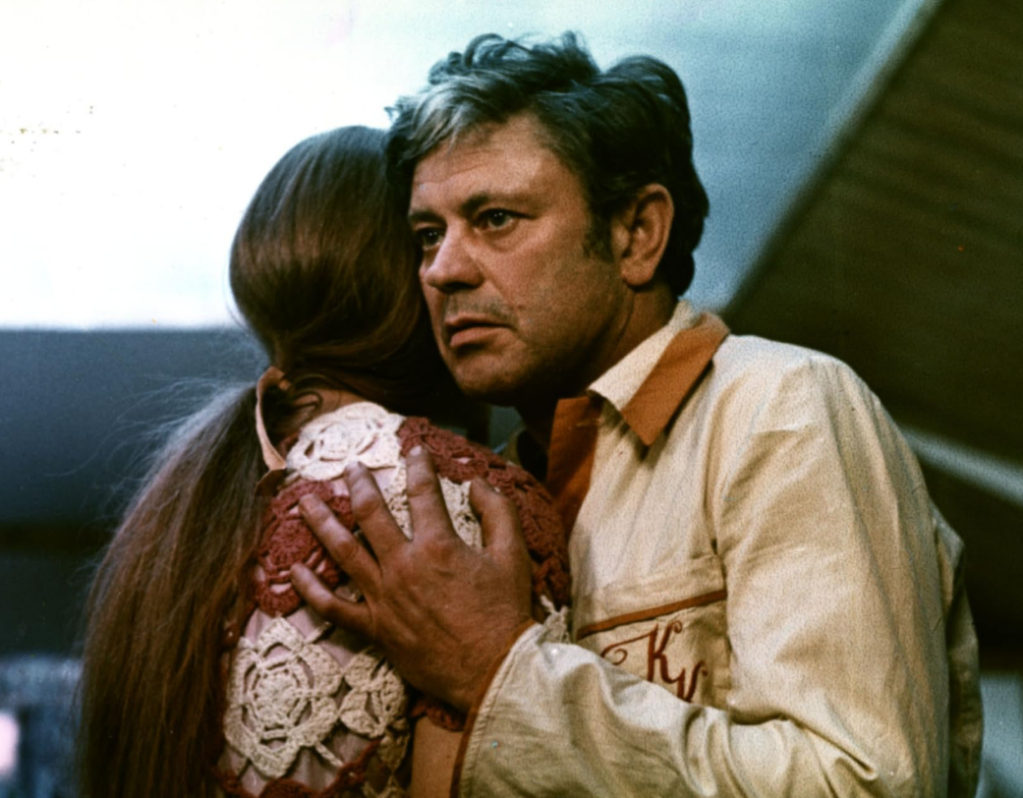
Solaris
Directed by Andrei Tarkovsky, this film explores memory and identity through a mysterious planet. Its slow, philosophical approach sets it apart from more action-oriented sci-fi.
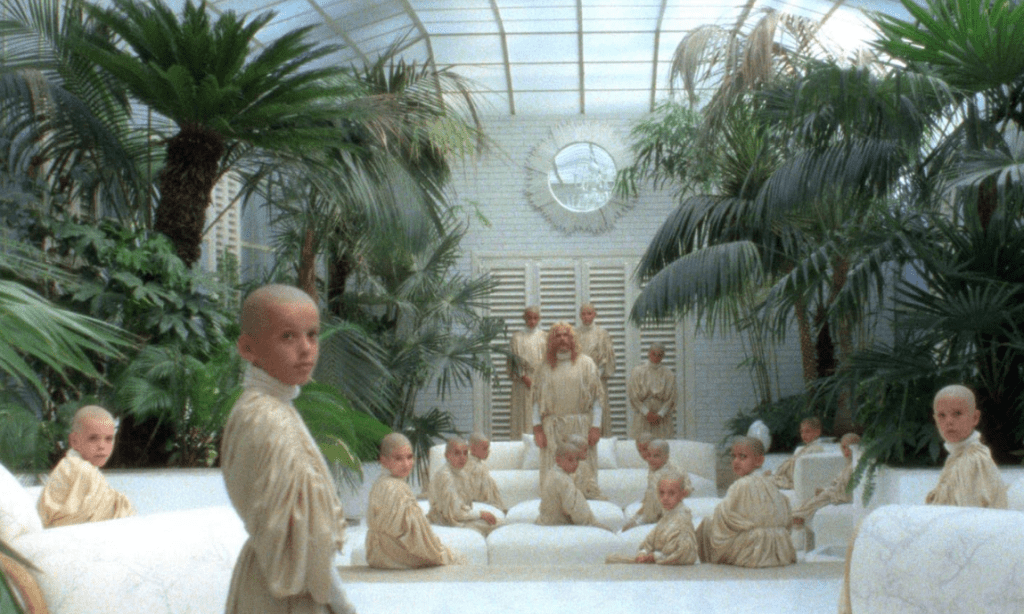
The Visitor
This film mixes sci-fi, horror, and religious themes in a confusing narrative involving a supernatural child. Its unpredictable tone and unusual plot twists have made it a cult curiosity.
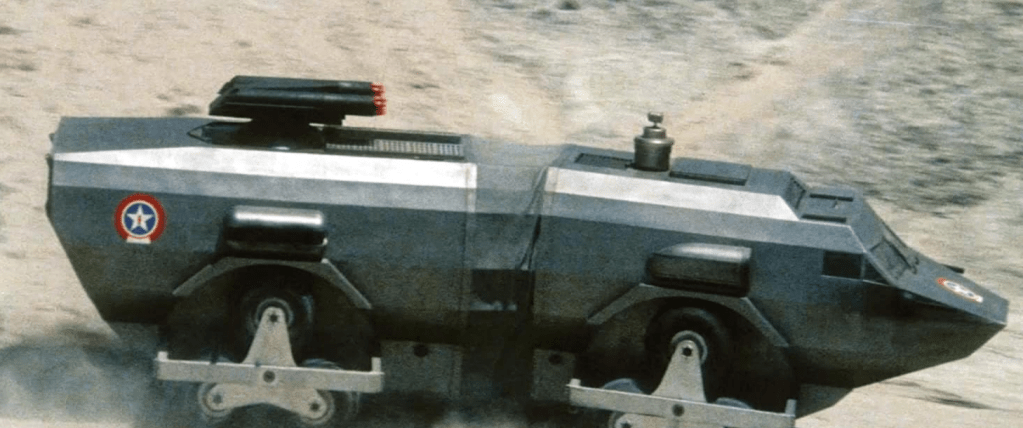
Damnation Alley
Featuring a heavily armored vehicle crossing a devastated Earth, the film combines post-apocalyptic elements with strange environmental hazards. Its tone shifts and visual choices give it an oddly uneven feel.
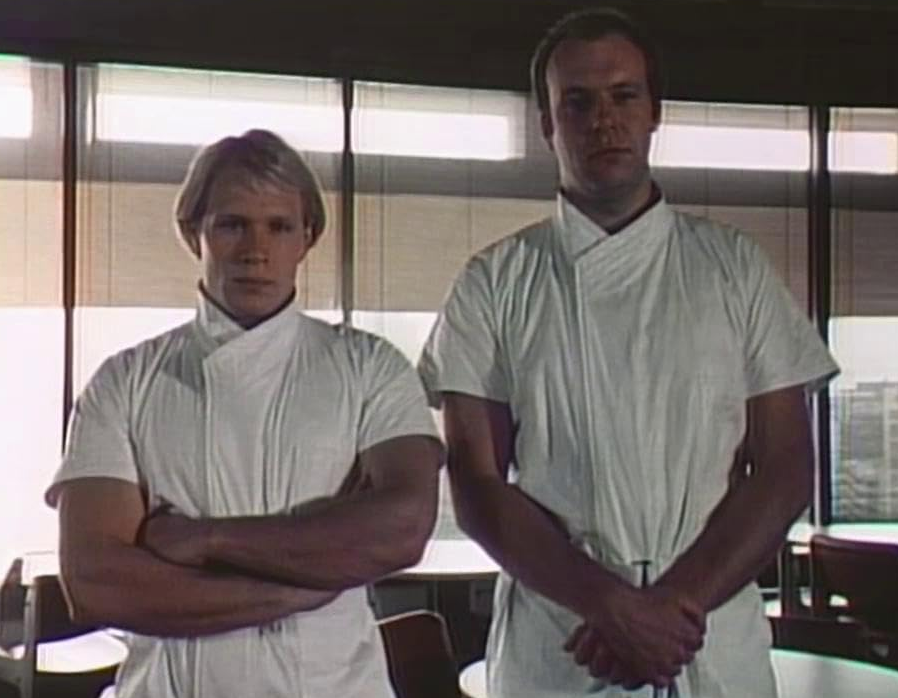
The Lathe of Heaven
Though technically released in 1980, it reflects late ’70s sci-fi sensibilities. Based on Ursula K. Le Guin’s work, it explores reality-altering dreams, creating a concept-driven story that feels both cerebral and unsettling.