15 Unsettling Movie Details We Still Think You Should Know


Not all movie scares come from jump scares. Some of the most unsettling details in film are the ones hiding in plain sight, presenting themselves as barely visible background figures.
No matter if it’s a moment or an entire film, these motion picture facts are worth sharing for their unsettling nature alone.
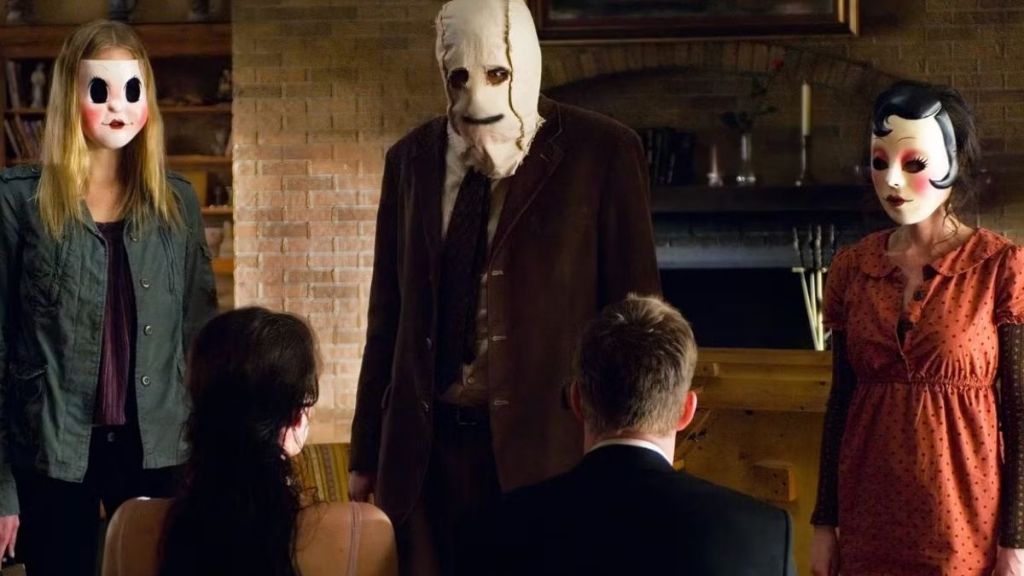
The Strangers
A masked intruder silently appears in the background during an early scene without music cues, something many viewers miss initially, which adds a deeply realistic and unsettling sense of intrusion.

The Blair Witch Project
Actors were deliberately deprived of food and comfort during filming to heighten tension, meaning much of the fear and exhaustion seen on screen is genuine.
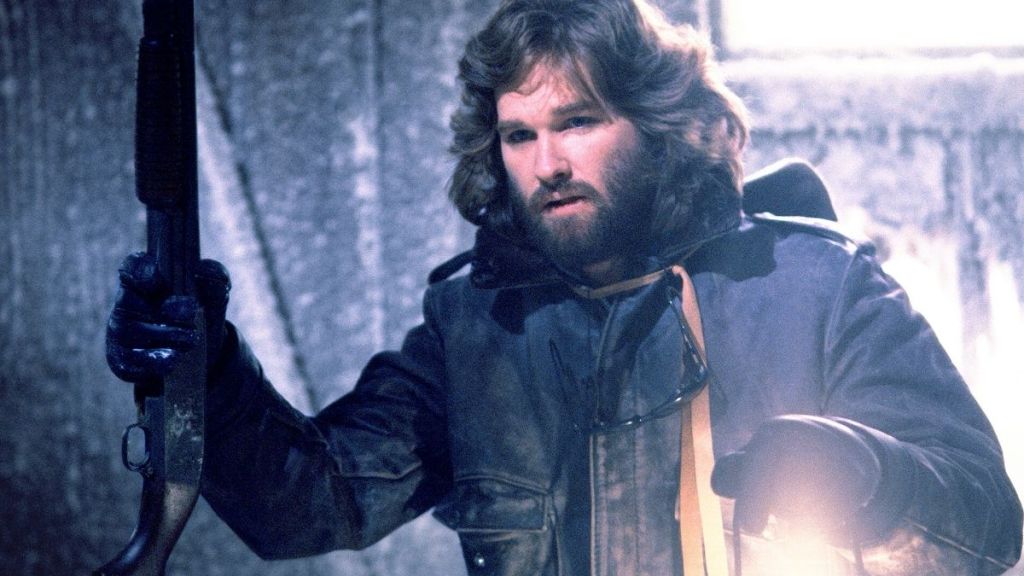
The Thing
The ambiguity of who is infected extends even into the final scene, leaving viewers with lingering paranoia about identity and trust.

Annihilation
The film’s ending deliberately avoids explanation, creating a sustained sense of unease that ends up as unresolved dread rather than traditional horror.
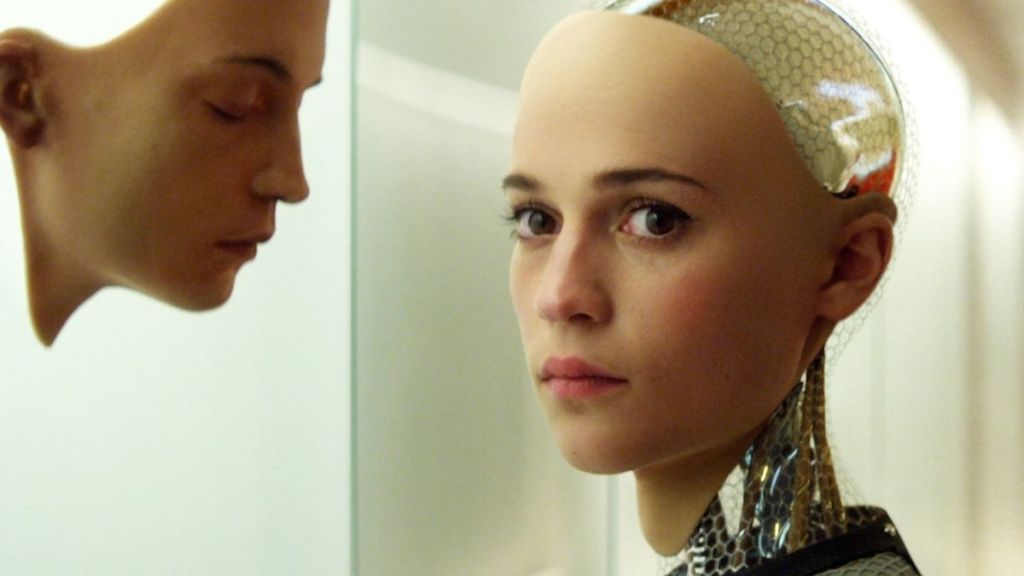
Ex Machina
The creator of the AI fails to implement basic safety measures, a detail often highlighted online as quietly terrifying given its real-world technological implications.
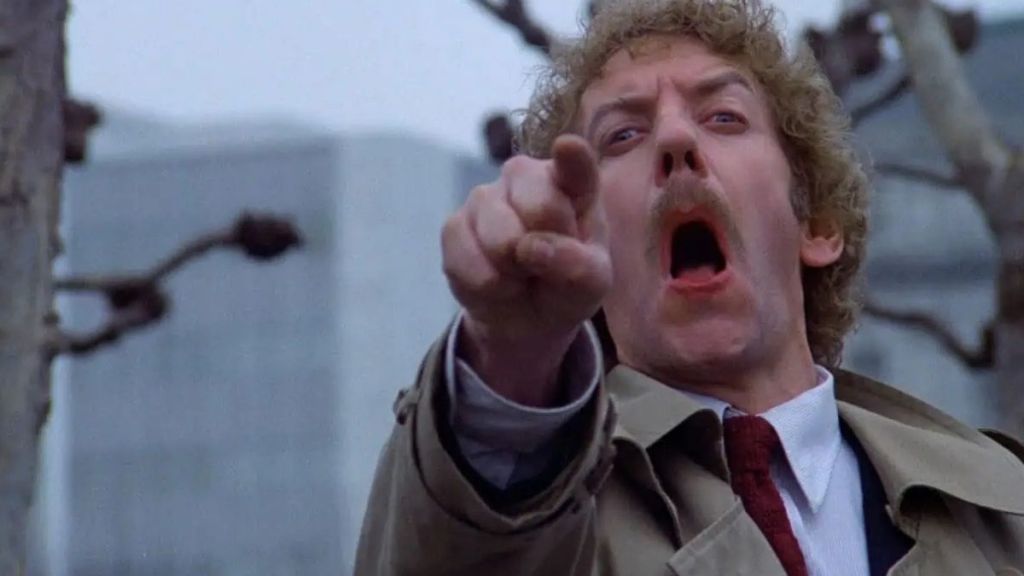
Invasion of the Body Snatchers
Background extras subtly behave “off” before the plot reveals the invasion, creating an uncanny atmosphere that many viewers only recognize on repeat viewings.
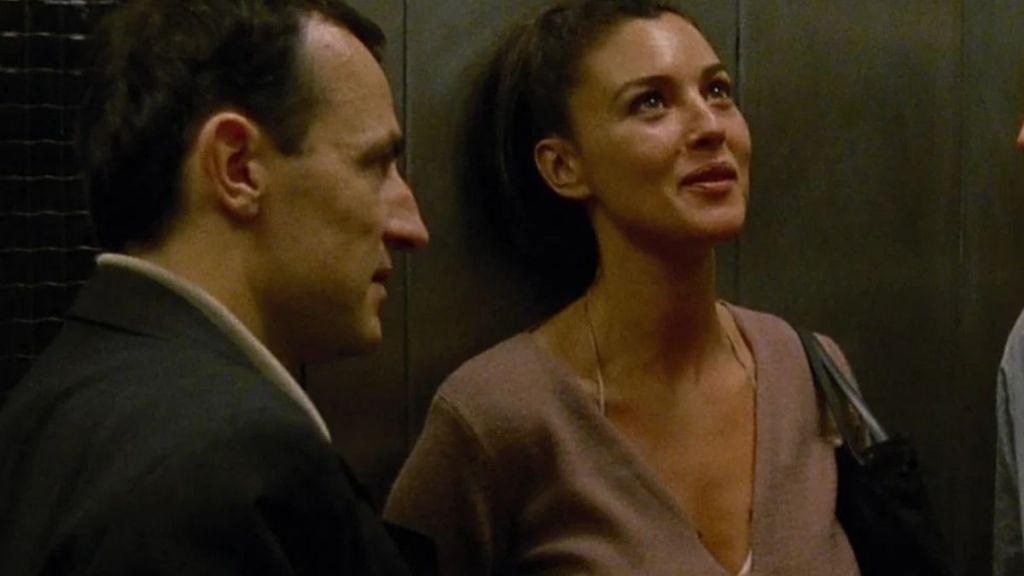
Irreversible
The film uses extremely low-frequency sound to induce nausea and anxiety in viewers, a technique often cited online as contributing to its overwhelming discomfort.

Under the Skin
Scenes involving victims sinking into black liquid are staged with minimal explanation, creating a surreal, dreamlike horror that many viewers find deeply unsettling.
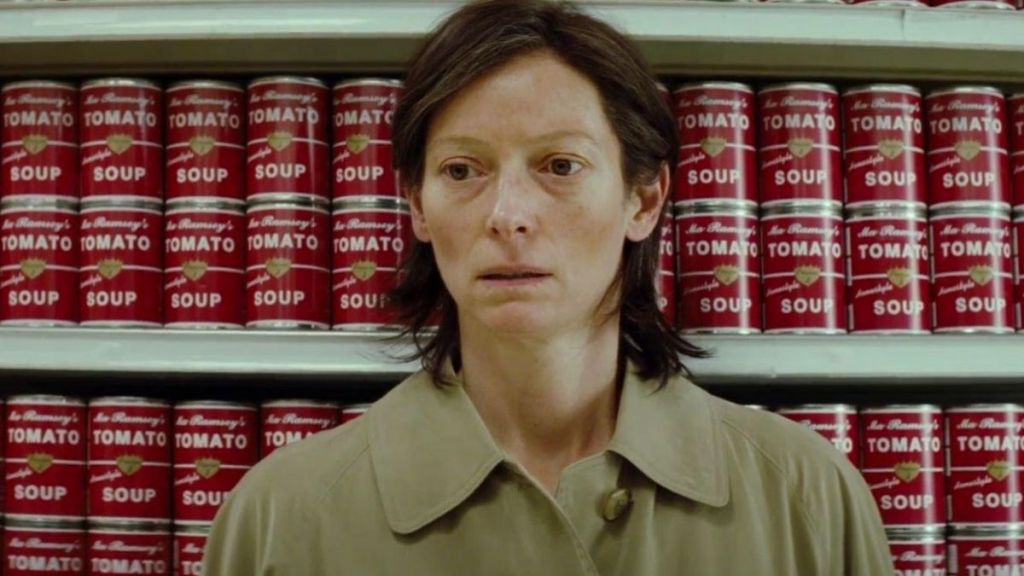
We Need to Talk About Kevin
The film’s cold tone and lack of clear answers about the protagonist’s behavior create a lingering psychological discomfort that permeates through its runtime.
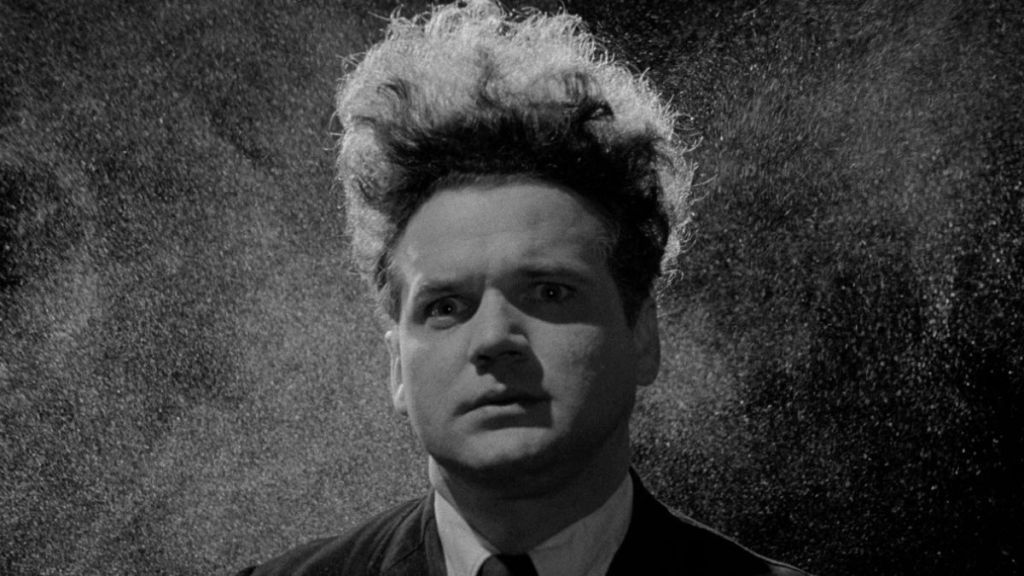
Eraserhead
Its industrial sound design and surreal imagery create a constant sense of dread, with viewers frequently describing it as nightmare-like even without traditional horror elements.
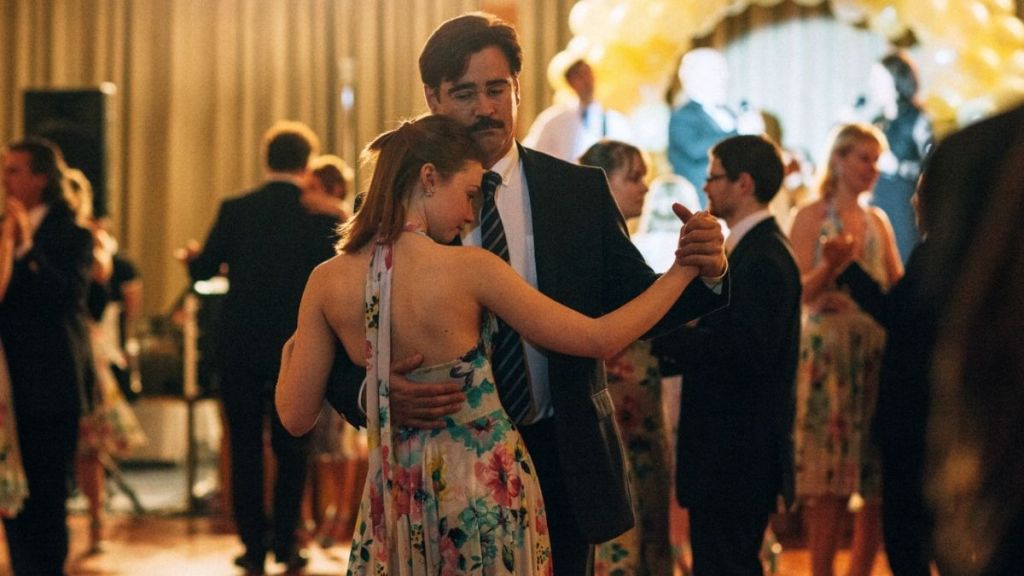
The Lobster
The film’s bizarre premise, where single people are turned into animals, is played completely straight, making its world feel disturbingly plausible in tone.
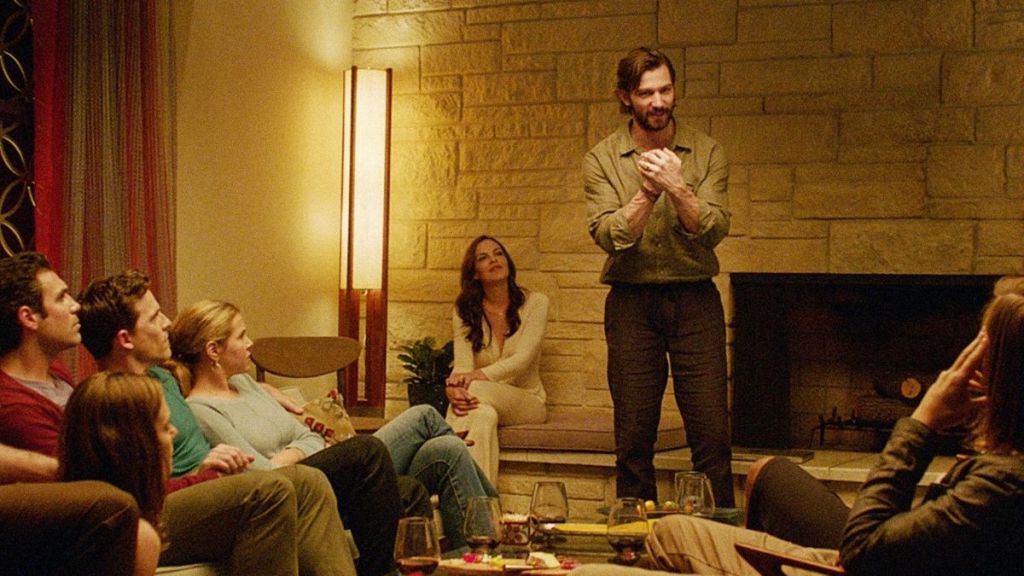
The Invitation
The slow, awkward dinner setting builds unease long before anything violent happens, a technique frequently praised for creating psychological dread.
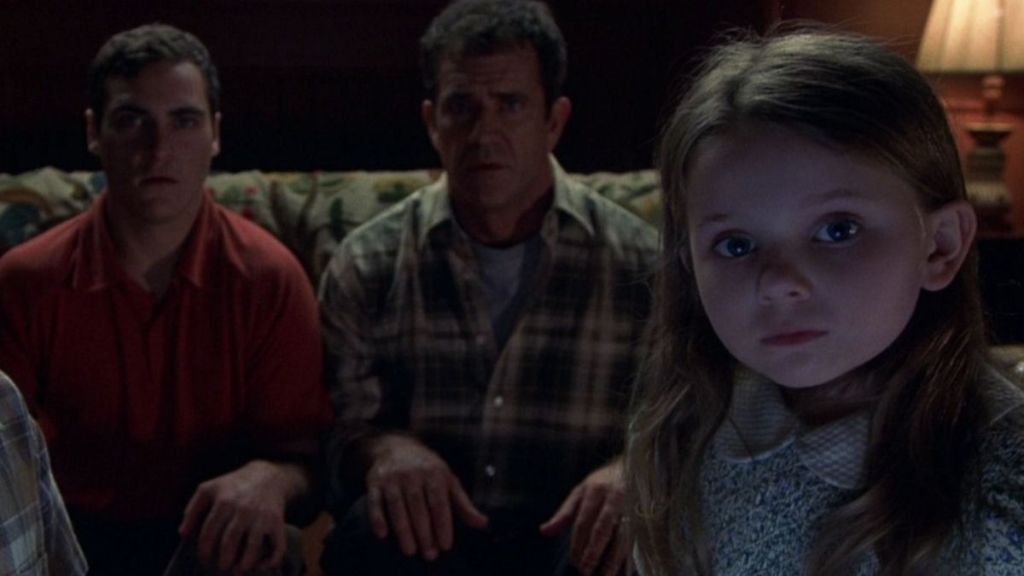
Signs
The brief, almost casual reveal of an alien at a children’s party is frequently cited as one of the most unexpectedly terrifying moments in cinema.
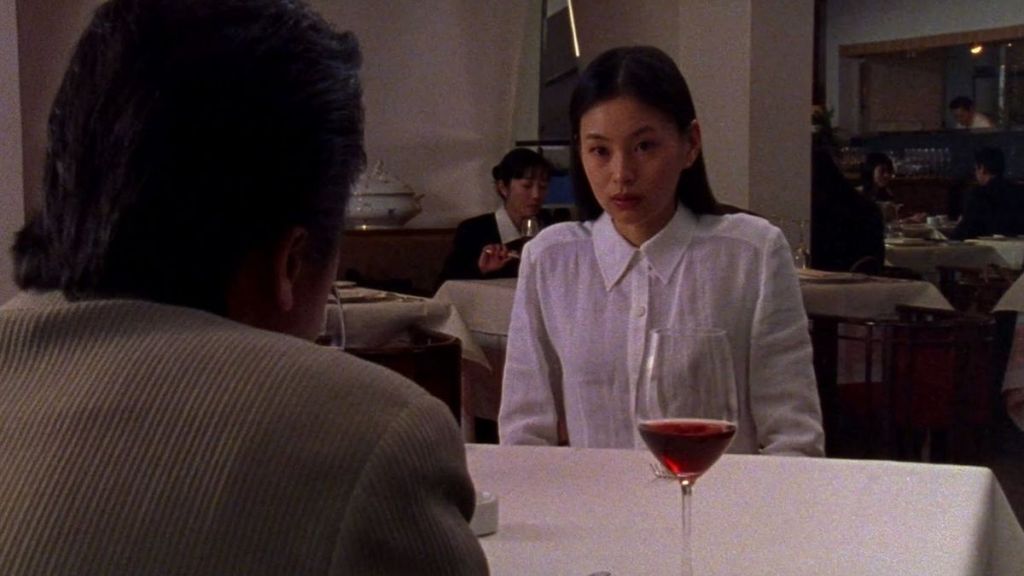
Audition
The film’s shift from calm drama to extreme psychological horror catches viewers off guard, making its later scenes significantly more disturbing.
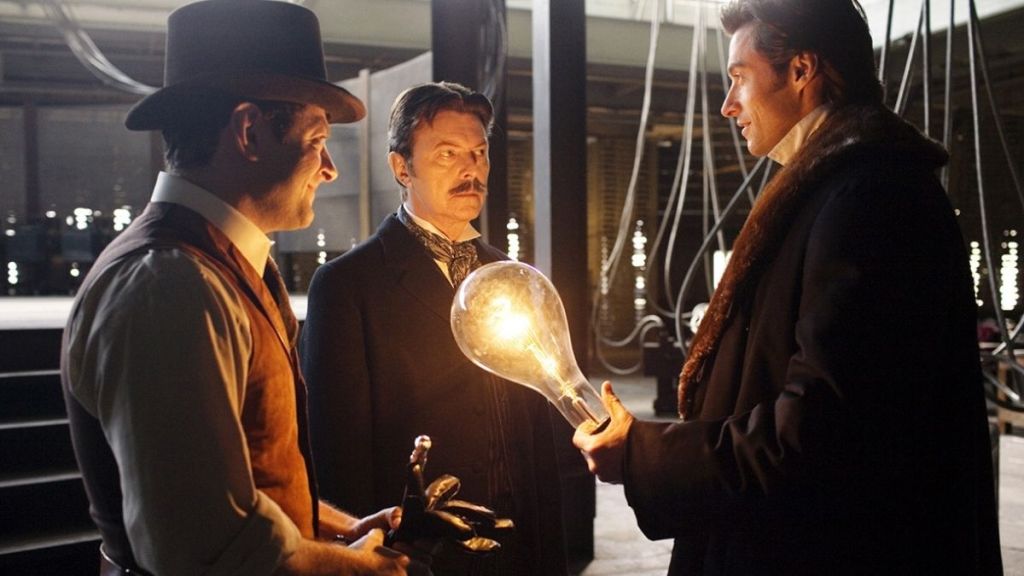
The Prestige
The revelation that a magician repeatedly sacrifices himself for his trick introduces a disturbing layer to what initially appears to be a simple rivalry story.