15 Special Interests That Automatically Make You a Nerd

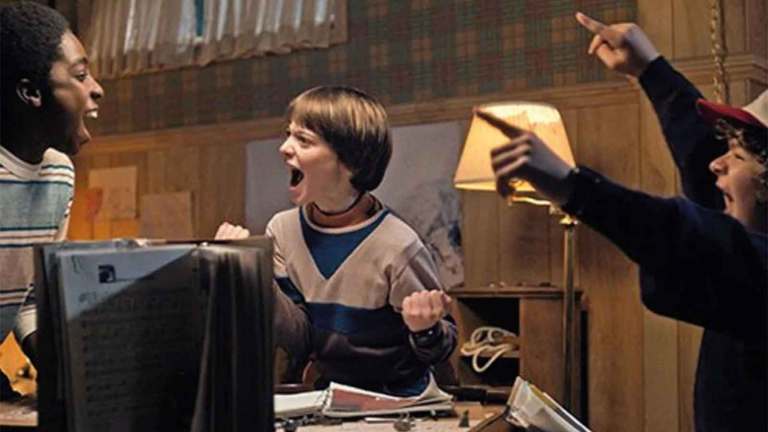
Having a passing interest in things like video games or movies doesn’t usually mark someone as a nerd, since being one is about the passion that goes into the interest. Turning something into a hobby that you pour hours of your life into is the essence of a nerd, regardless of topic.
Of course, when we say someone is a nerd in a general sense, we usually don’t mean a movie nerd or a sports nerd. We mean the type of nerd that spends time in fantasy worlds, or making the perfect deck for a tournament. As a proud nerd myself, these are the special interests that mark someone as such.
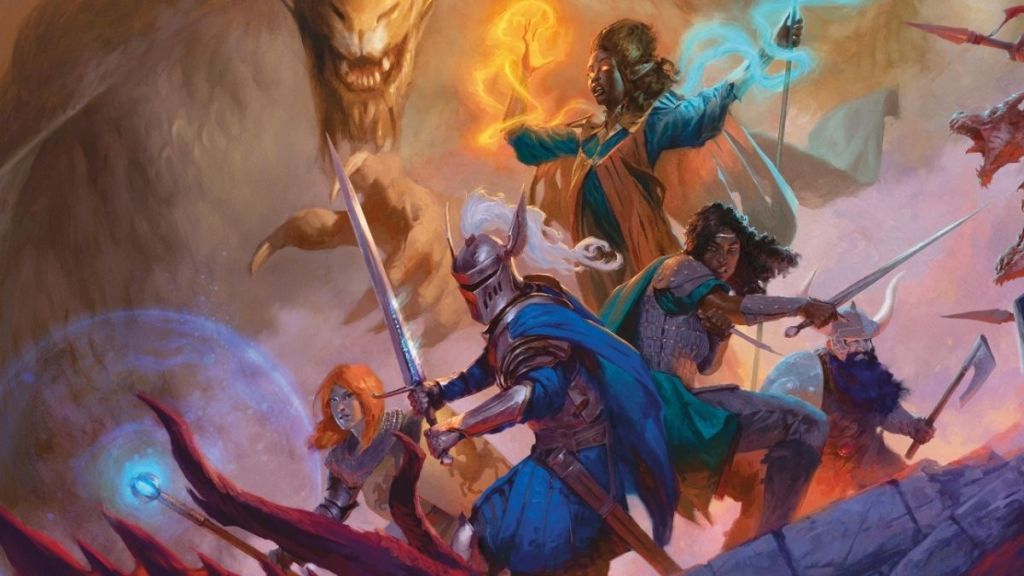
Dungeons & Dragons
The classic tabletop RPG is often the first thing people associate with nerd culture. Its reliance on imagination, rules, character sheets, and long campaigns has made it a defining hobby for deeply invested, detail-oriented players.
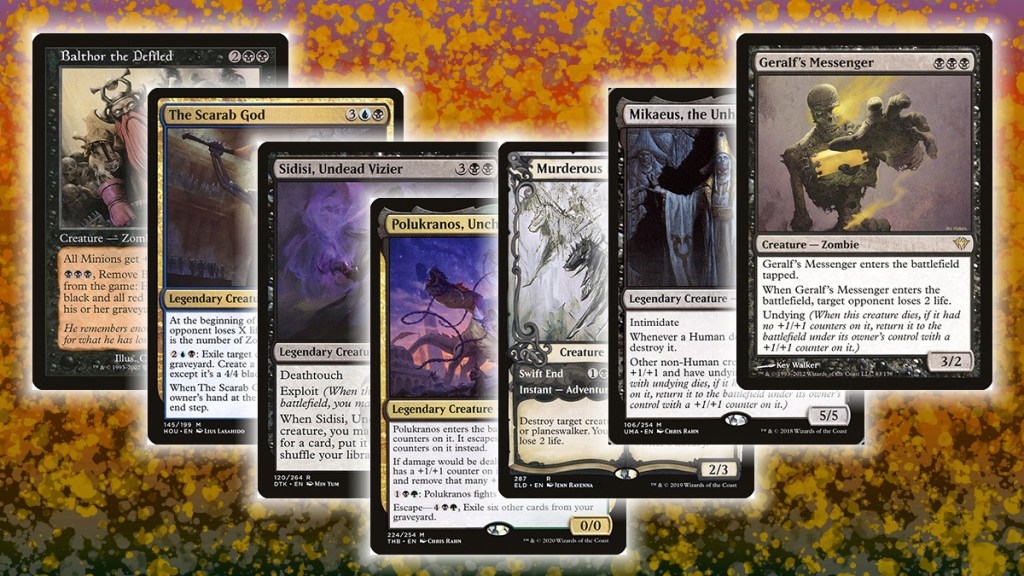
Magic: The Gathering
With intricate mechanics, constant expansions, and competitive play, Magic demands both strategic thinking and ongoing investment. Its mix of collecting and gameplay has made it one of the most recognizable “nerdy” hobbies for decades. Other card games have an equal amount of ‘nerd’ energy, but Magic is the most representative.

Star Wars
Beyond the films, Star Wars includes extensive lore, spin-offs, and fan theories. Following the universe closely often means engaging with a massive amount of content, something strongly associated with dedicated fandom culture.
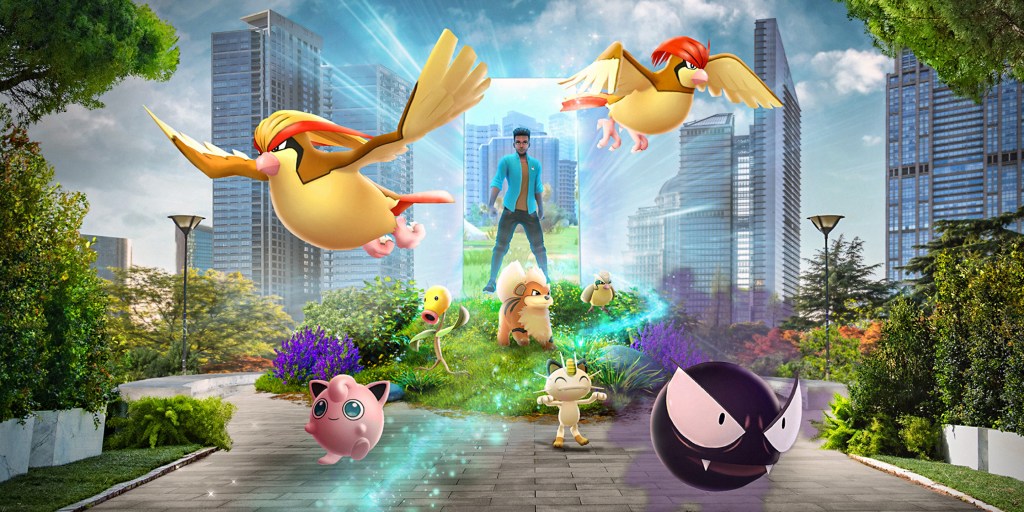
Pokemon
What starts as a simple game or show often evolves into deep knowledge of generations, stats, and mechanics. Competitive battling and collecting habits reinforce its reputation as a detail-heavy, enthusiast-driven interest.
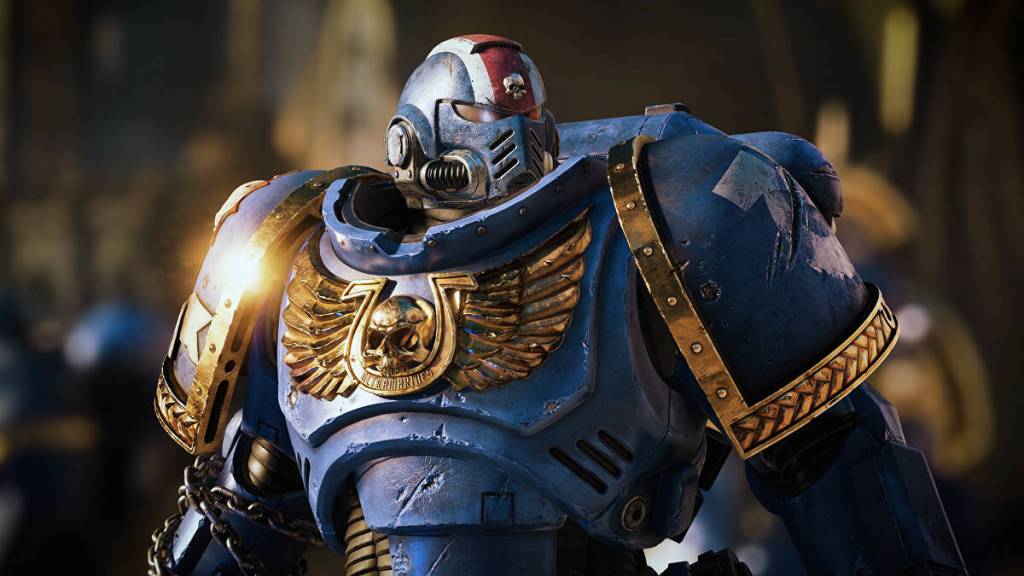
Warhammer
Known for its dense lore and complex tabletop gameplay, Warhammer blends strategy with painting and collecting miniatures. The level of commitment required makes it one of the most stereotypically “nerdy” hobbies, and an expensive one at that.
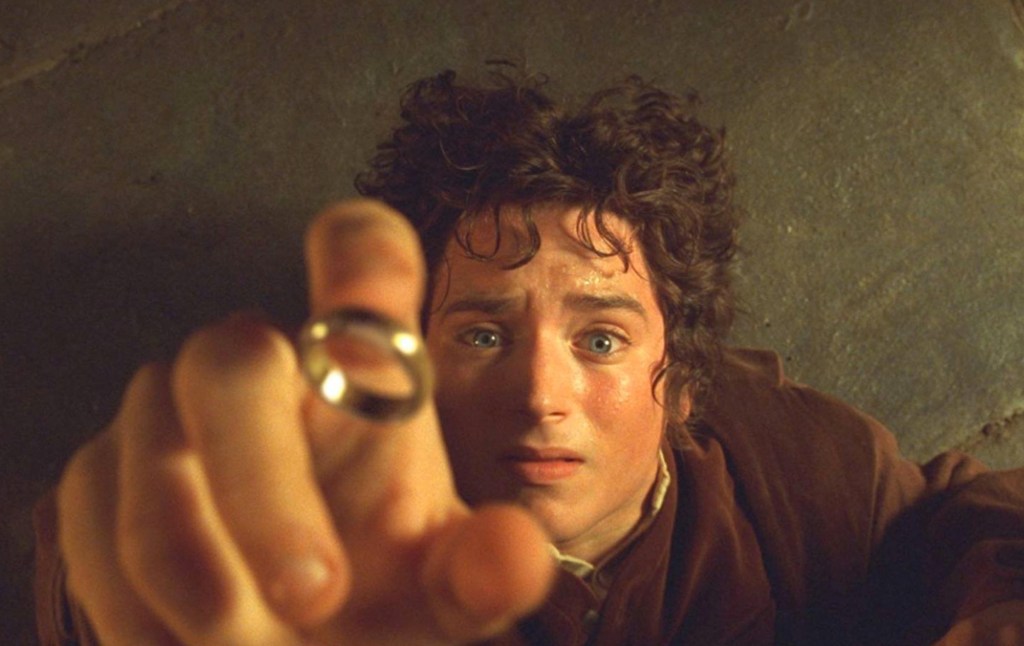
The Lord of the Rings
A cornerstone of modern fantasy, it attracts fans who dive into languages, histories, and extended lore. That depth of engagement has long tied it to traditional perceptions of nerd culture.
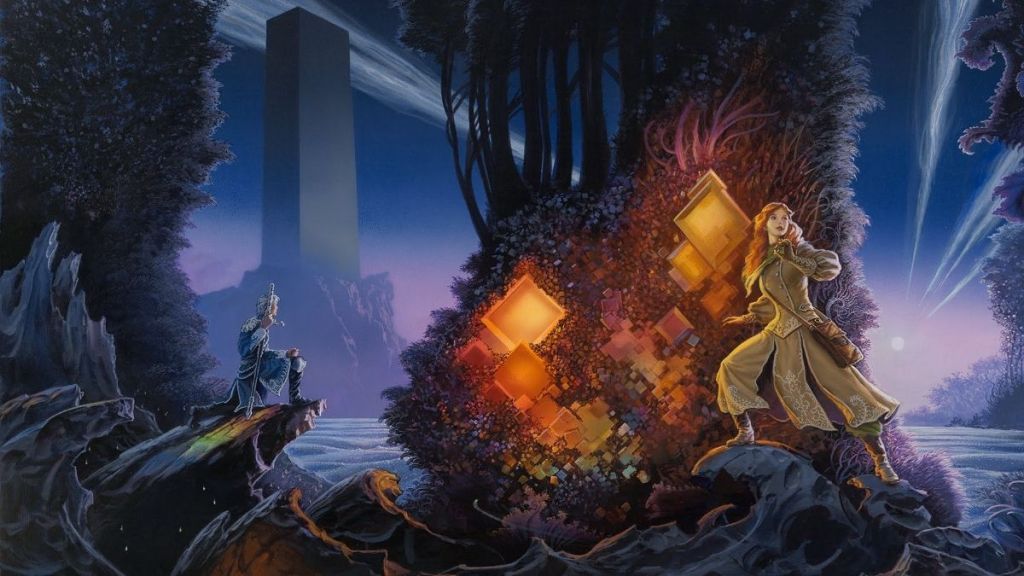
Cosmere
Following the Cosmere often means tracking interconnected stories, hidden details, and overarching lore. Its complexity and theory-heavy fandom make it a modern example of deeply engaged, knowledge-driven interest.

Harry Potter
While widely popular, dedicated fans often engage deeply with lore, houses, and extended material. That level of continued involvement places it firmly within recognizable fandom and “nerd” culture spaces.
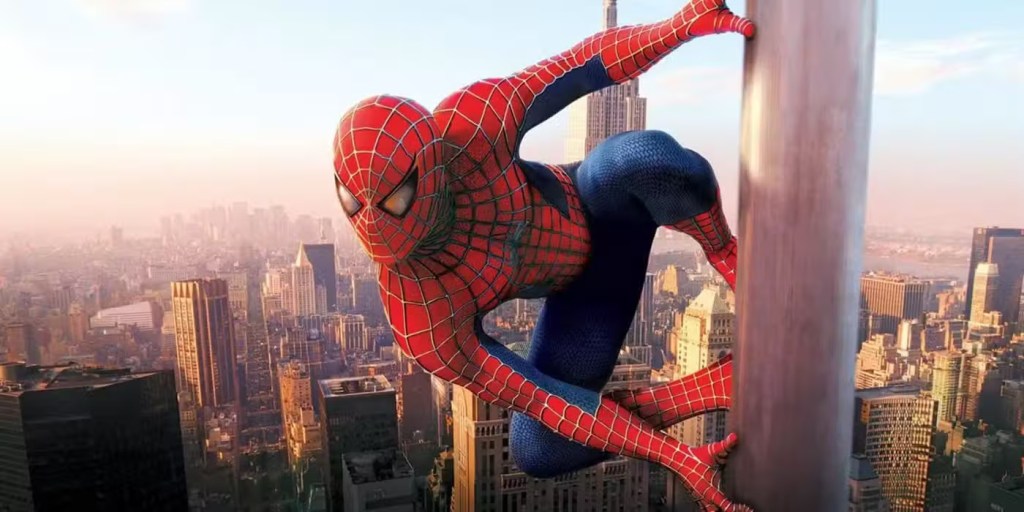
Comic Books
Keeping up with comic continuity often involves decades of storylines, reboots, and alternate universes. That complexity, combined with collecting, has long made comics a core pillar of nerd identity. Following the Spider-Man movies won’t make you a nerd, but following the comics will.
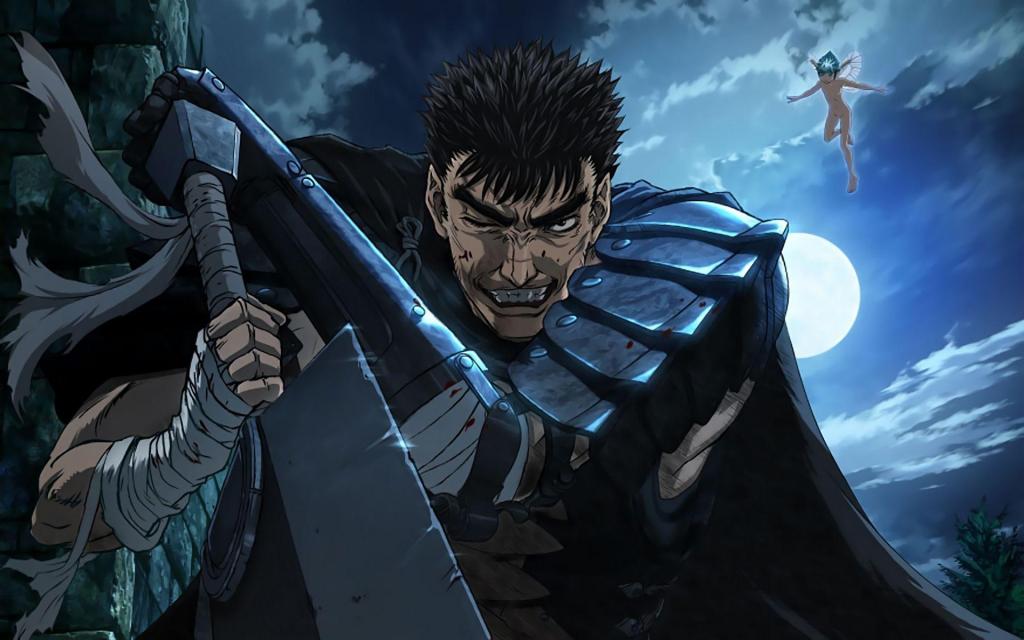
Manga
For western audiences, manga is just as nerdy or even more so than comic books, since they are read “backwards.” Anime is becoming more and more popular, to the point where few are considered nerds just from watching anime, but the same is not true for following manga.
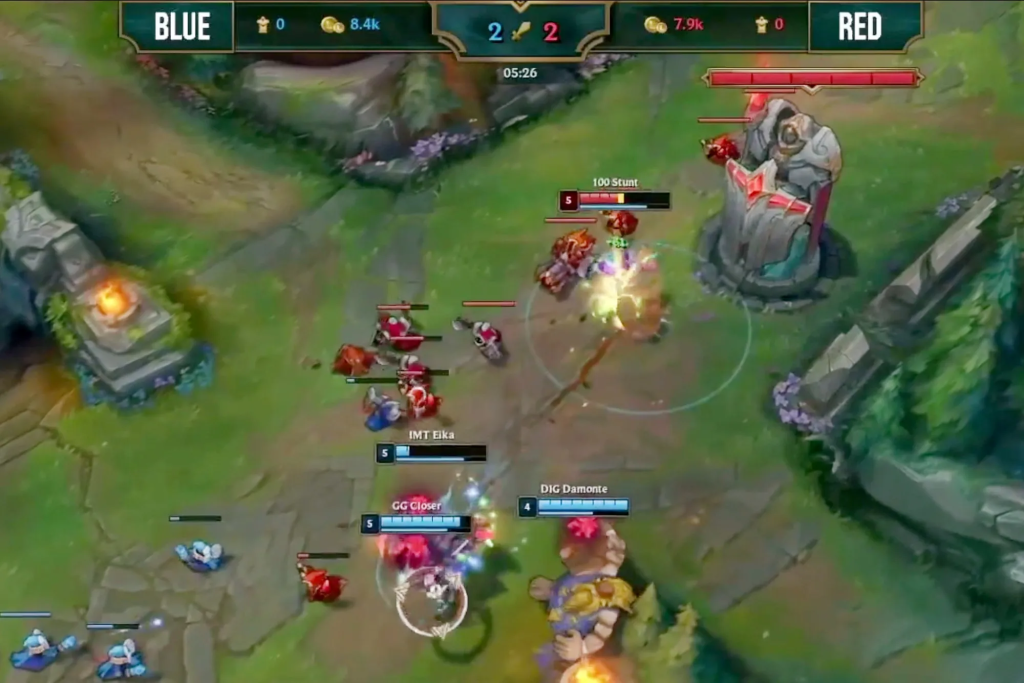
League of Legends
With its steep learning curve, evolving meta, and competitive environment, League of Legends attracts players who invest significant time mastering mechanics and strategies, reinforcing its association with dedicated gaming culture.

Esports
Following esports involves tracking teams, players, and constantly shifting metas across multiple games. Its analytical and time-intensive nature makes it a clear example of modern “nerd” engagement, showing that you don’t have to play video games to enjoy them.
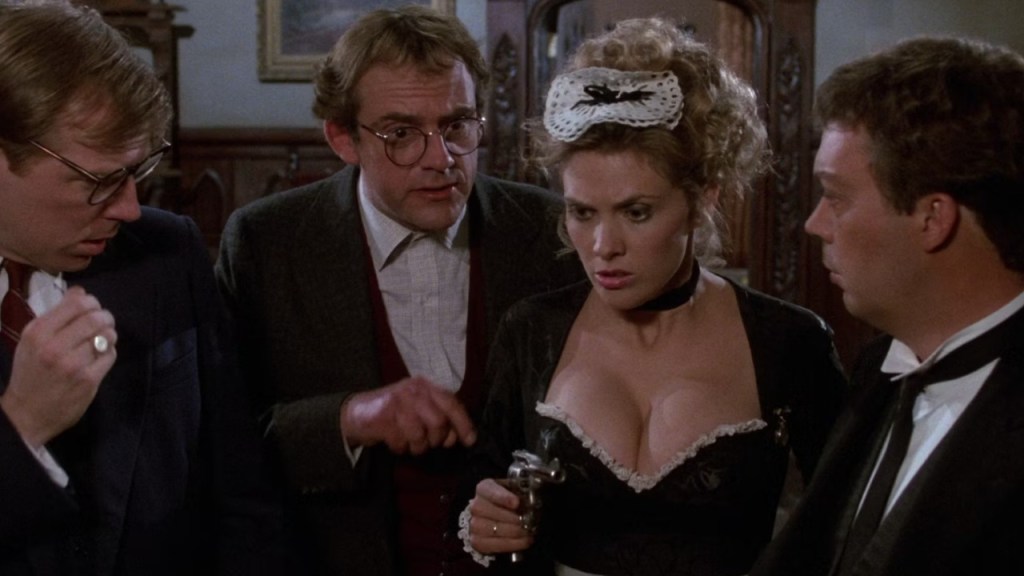
Board Games
Having a few board games for your monthly wine party is not nerd-worthy, but having a growing collection of board games you barely (if ever) touch certainly is. And we’re not talking about Clue or Monopoly, but board games with rules so intricate it takes longer to explain than to play.
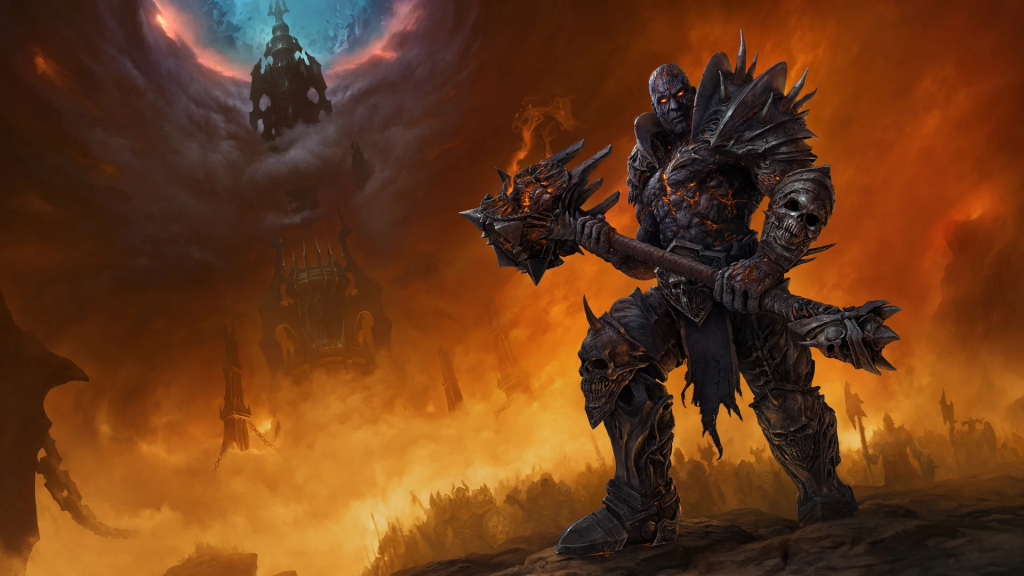
World of Warcraft
As one of the most influential MMOs, it demands long-term commitment, knowledge of systems, and social coordination. Its scale and depth have made it a defining example of immersive gaming culture.

Doctor Who
With decades of continuity and a constantly evolving storyline, Doctor Who rewards long-term viewers. Its mix of sci-fi concepts and deep lore has made it a staple of classic fandom culture, with each fan having their own favourite season, cast and Doctor.