15 Bad Movie Mistakes That Should Never Have Made it Past Editing

As audience members, we can look past many mistakes and understand the effort that goes into the craft. But if a movie contains too many of them, it becomes bothersome. It’s even worse once you know of the mistakes, since you can’t ever unknow them. You’ve been warned.
These are the mistakes that make us wonder: how didn’t they catch that? We know that the scenes are fiction, that actors aren’t actually in danger or using real vehicles, but our suspension of disbelief has a limit. Some mistakes are just too much.
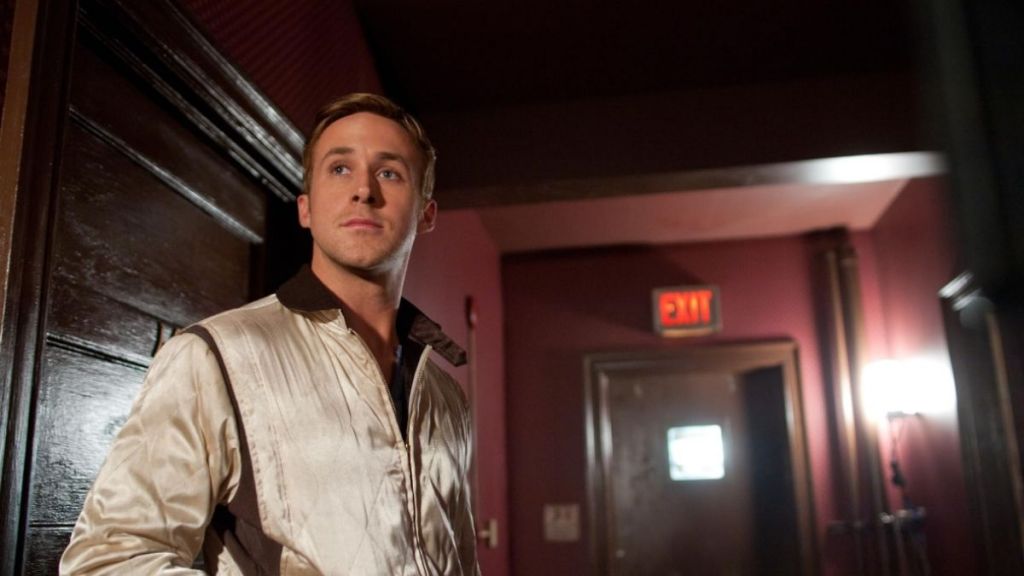
Drive (2011)
During several driving sequences, the car’s dashboard gauges remain completely static, even while accelerating or turning. It’s a small but noticeable detail that clashes with the film’s otherwise meticulous attention to realism and mechanical authenticity.
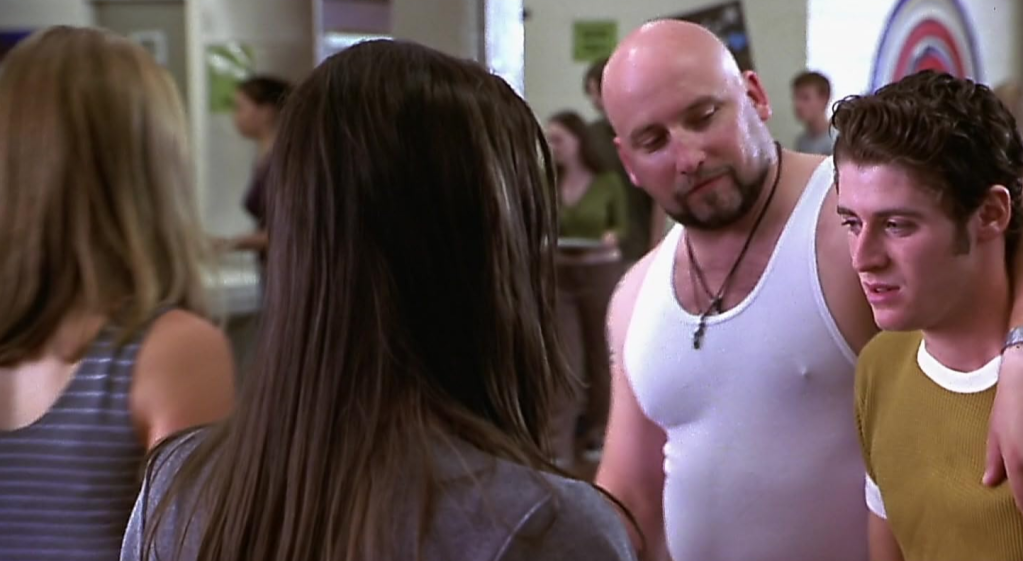
Scary Movie (2000)
In a background shot at school, the same extra with a grey shirt walks past multiple times in the same direction. The repetition stands out once noticed, especially in a film already packed with visual gags and chaotic editing.
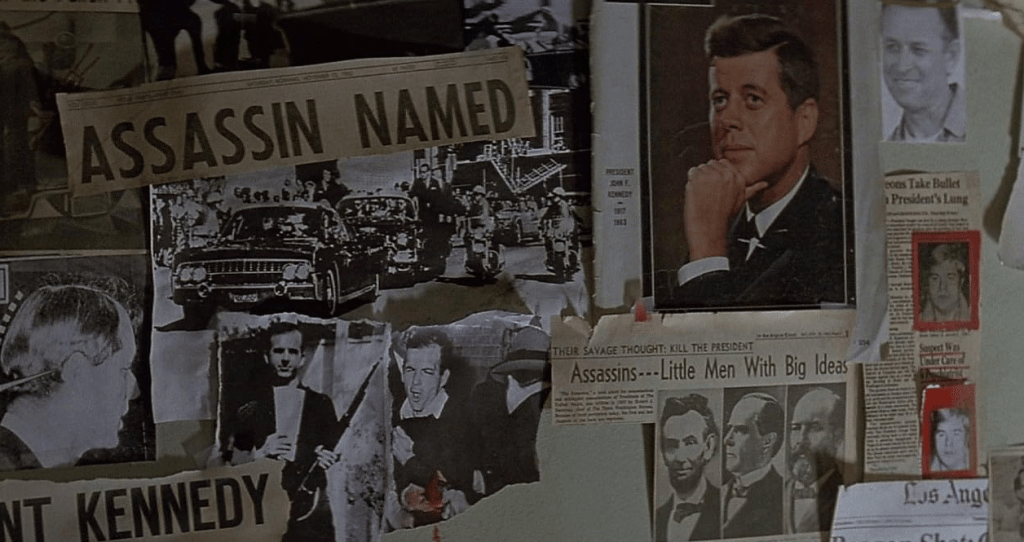
In the Line of Fire (1993)
A photograph of a motorcade featuring a circled suspect changes between shots, with the red marking shifting position. The inconsistency undermines what should be a precise visual clue in a tightly constructed thriller.
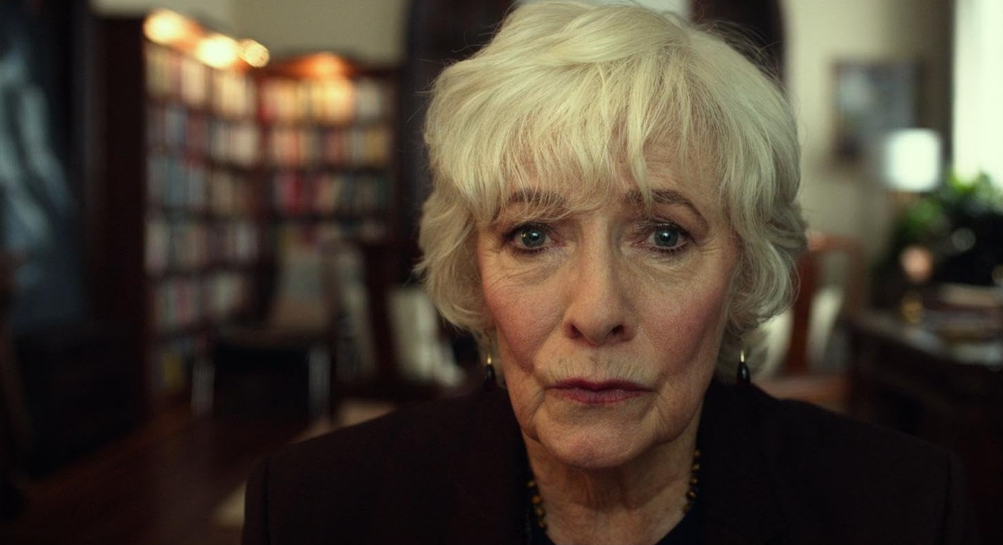
Split (2016)
Dr. Fletcher’s framed degree briefly displays the misspelling “political SCINECES” instead of “sciences.” The error is clearly visible on screen, making it a surprising oversight in an otherwise carefully crafted psychological film.
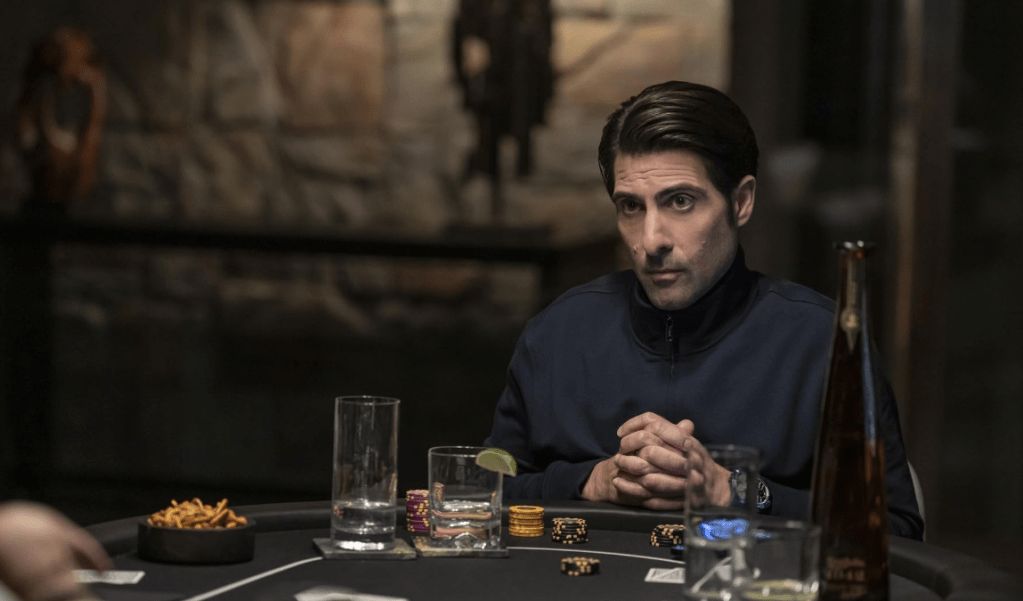
Mountainhead (2025)
In one scene, a Nintendo Switch placed at the edge of a bed disappears and reappears between shots. The continuity error is easy to spot due to the console’s placement in frame.
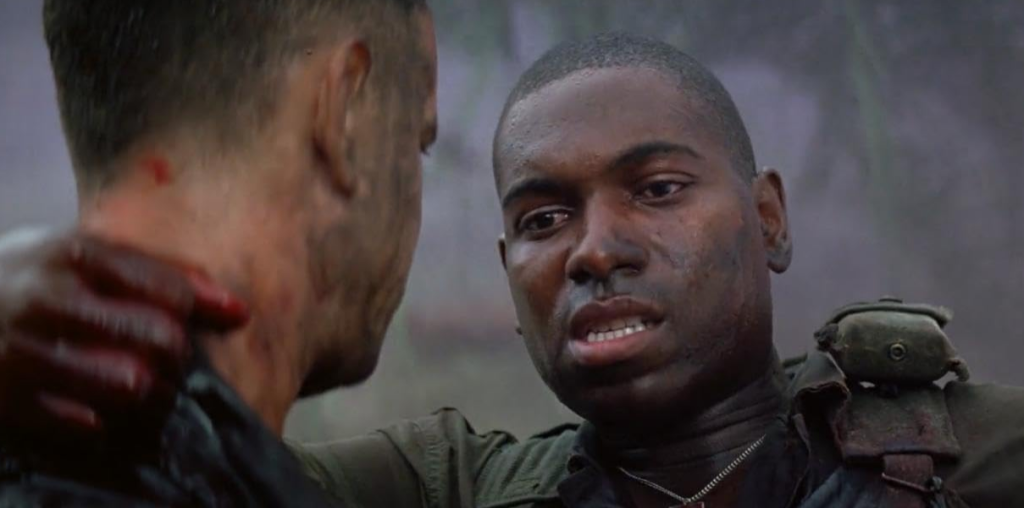
Forrest Gump (1994)
Bubba is known for his distinct lower lip protrusion, but in one helicopter scene the actor drops the mannerism entirely. The inconsistency breaks character continuity, especially for such a defining physical trait.
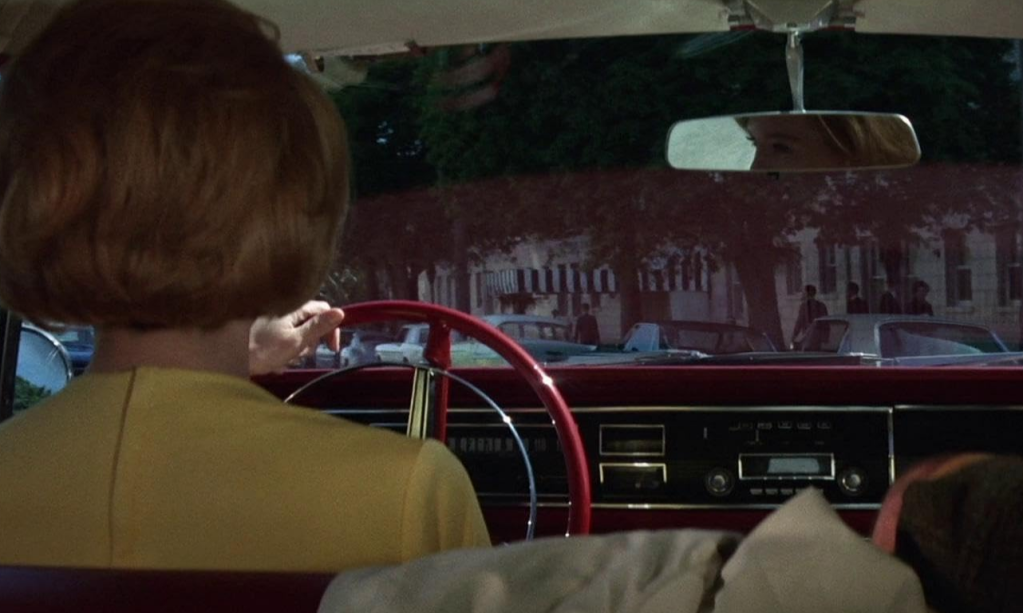
Point Blank (1967)
During a driving sequence, the background street footage visibly loops, repeating the same visuals. The effect creates an artificial feel, breaking immersion in an otherwise gritty and stylized crime film.
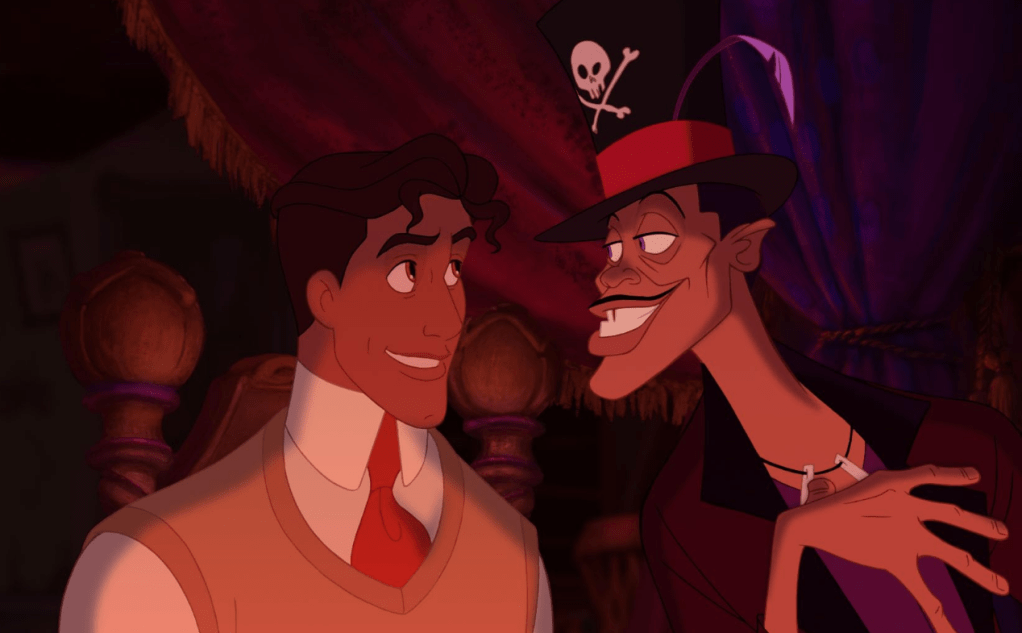
The Princess and the Frog (2009)
A newspaper is dated Friday, April 25, 1926, but the film takes place during Mardi Gras, which occurred on Tuesday, February 16 that year. The mismatch is a clear historical inconsistency.
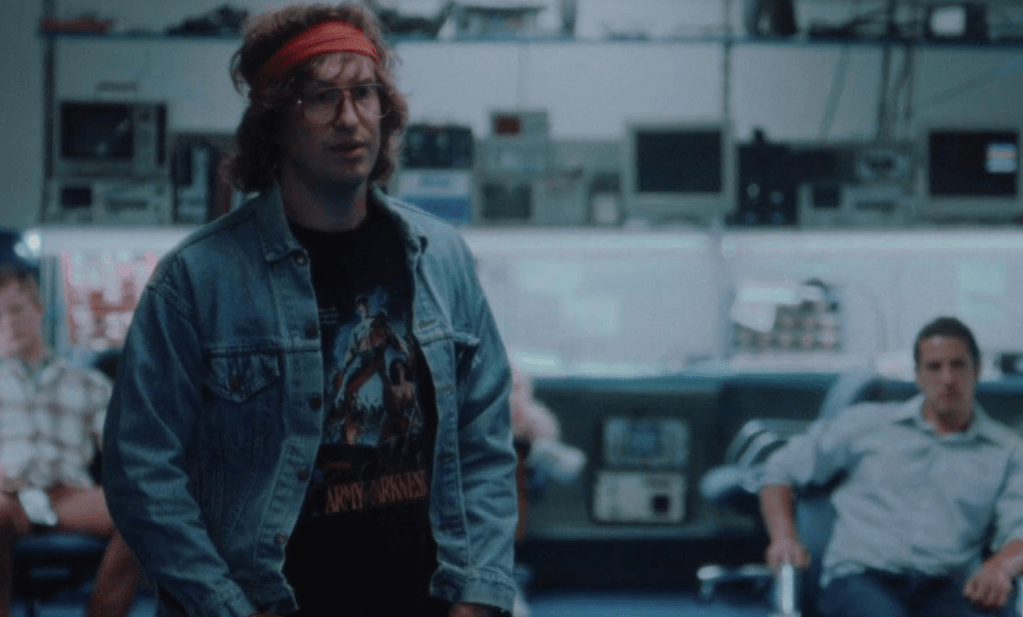
BlackBerry (2023)
A character wears a shirt for the band Alesana in a scene set in 2003, despite the band not forming until 2004. It’s a small but precise anachronism that attentive viewers have pointed out.
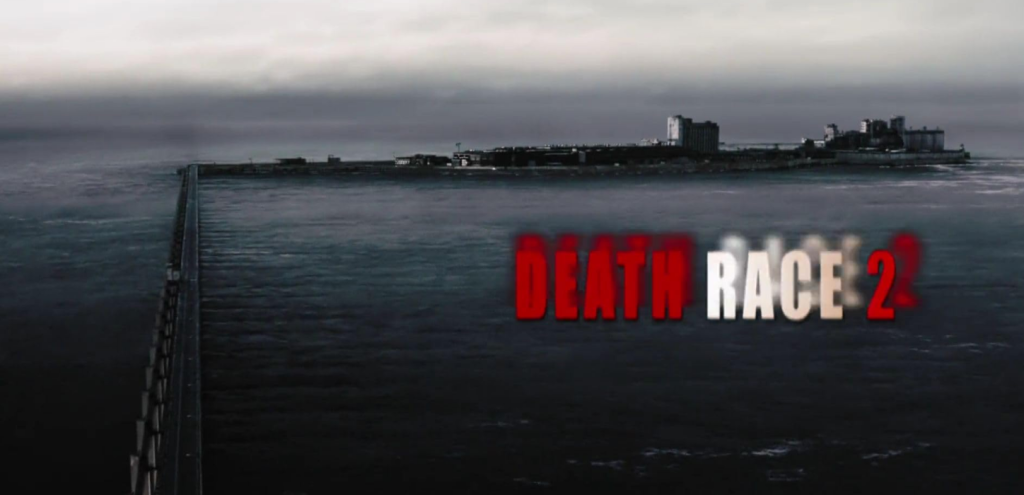
Death Race 2 (2010)
Across the Death Race films, Terminal Island is shown on different sides depending on the shot. The shifting geography creates a continuity issue that becomes noticeable when comparing scenes.
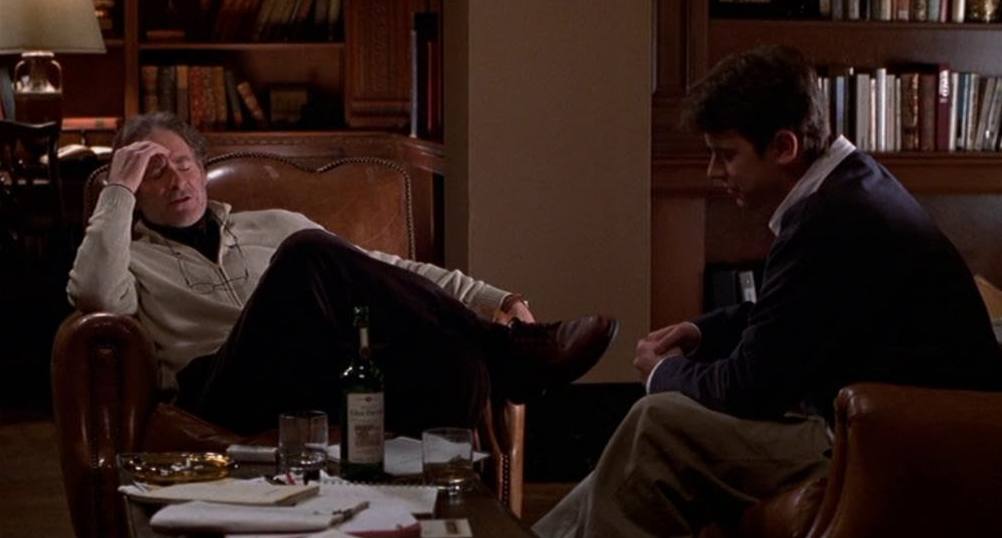
Orange County (2002)
In one party scene, Colin Hanks’ character is seated on different couches between cuts. The sudden change in position is jarring once noticed, suggesting a clear lapse in continuity tracking.
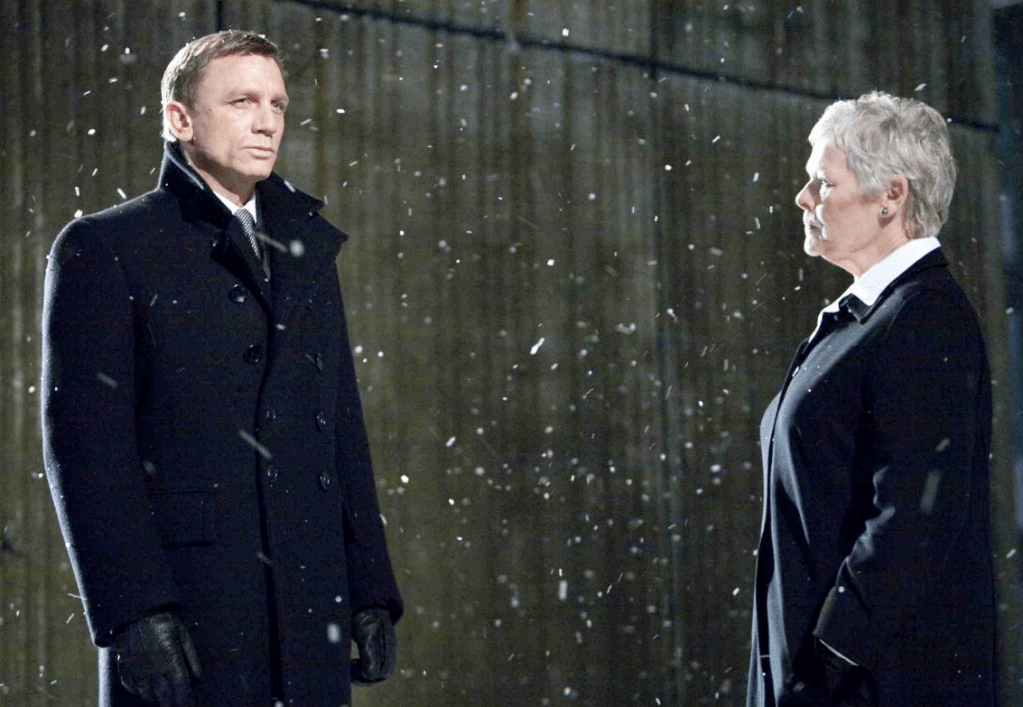
Quantum of Solace (2008)
During a scene where Bond is sitting on his motorcicle, an extra can be seen sweeping at nothing, its broom never touching the ground. The futile motion unintentionally draws attention to the artificiality of the moment.
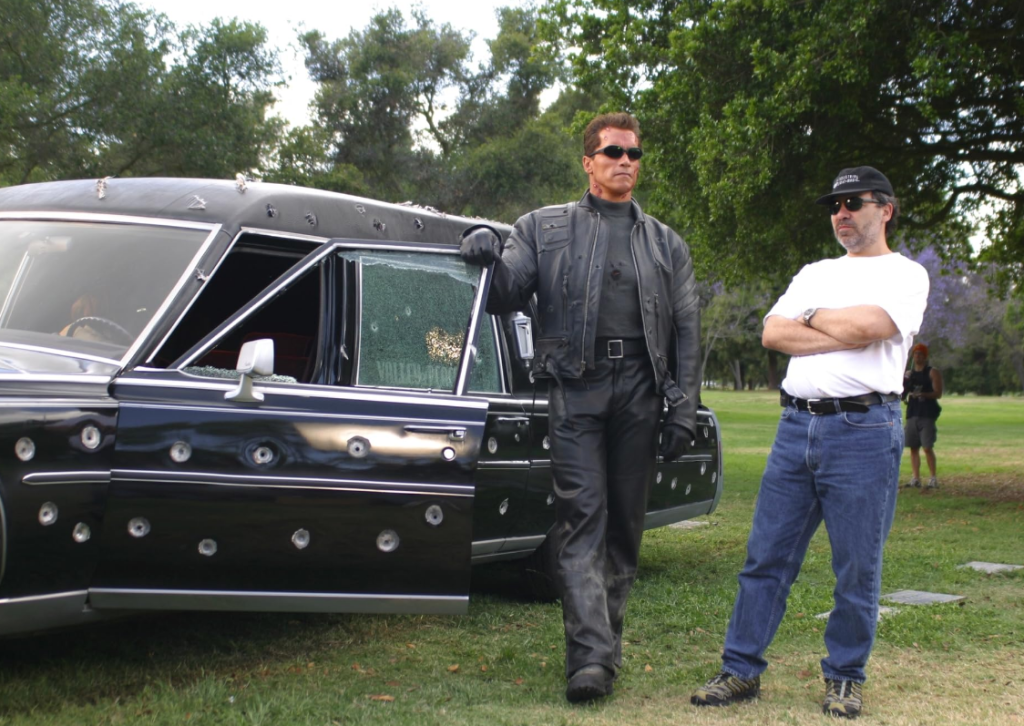
Terminator 3: Rise of the Machines (2003)
In the cemetery shootout, bullet holes in a coffin appear and disappear between shots. The inconsistency is easy to catch in a scene that otherwise focuses heavily on destruction and visual detail.
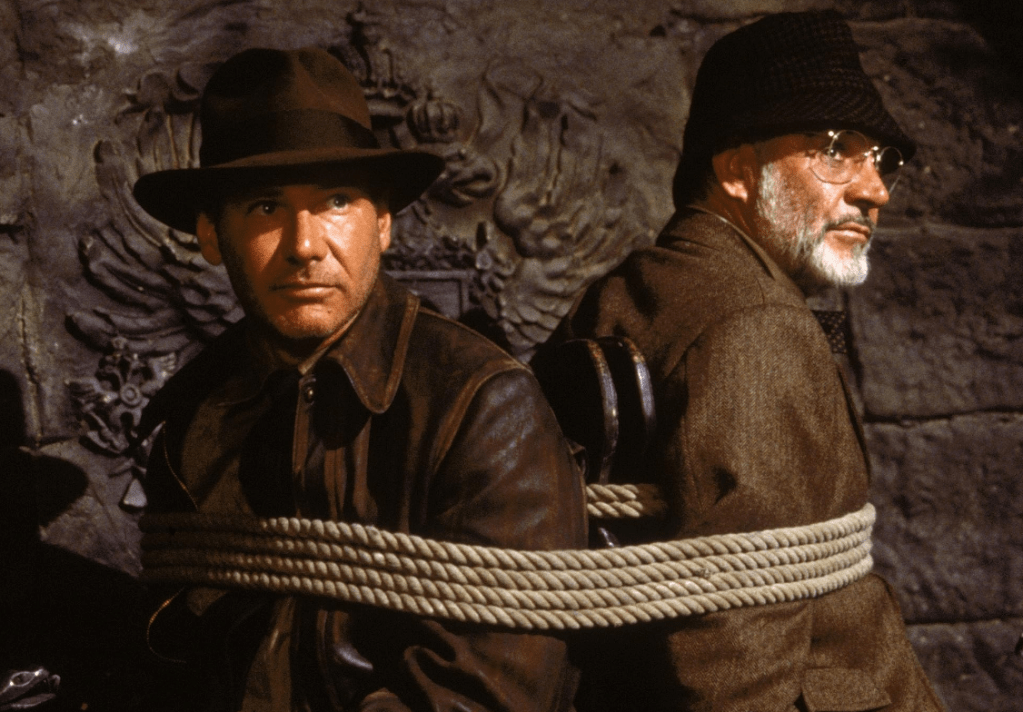
Indiana Jones and the Last Crusade (1989)
During a chase sequence, Indy’s bag strap appears to get caught and then suddenly freed between shots without explanation. The continuity hiccup is subtle but noticeable during repeat viewings.
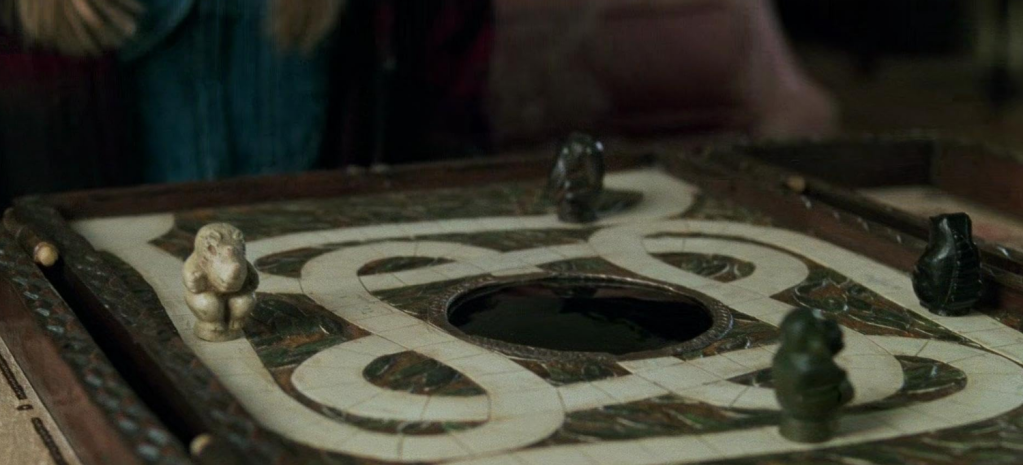
Jumanji (1995)
A stack of board games changes between shots during a room scene. The changing arrangement is minor but noticeable, especially given the film’s focus on board games as a whole.