20 Actors Who Refuse to be Typecast

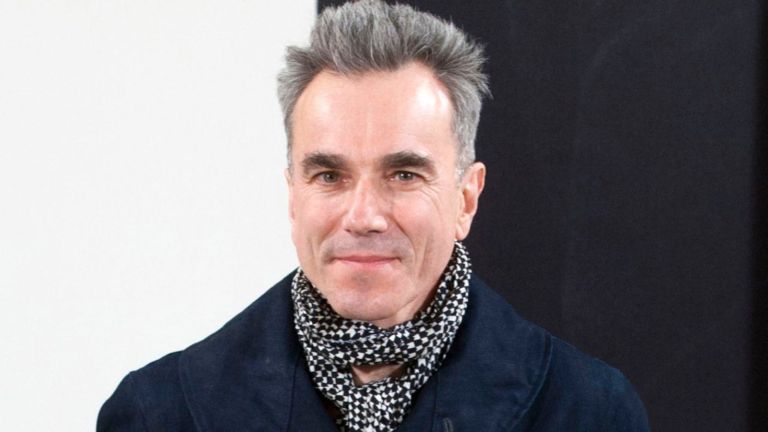
Hollywood loves to put actors in neat little boxes. One breakout role, one signature character, and suddenly that’s all you’re “allowed” to be. But some actors have spent their entire careers fighting against that idea. Whether jumping between genres, taking risky roles, or intentionally sabotaging audience expectations, these performers refused to be typecast. Sometimes it cost them popularity, sometimes it reinvented their careers, but it always proved one thing: they were more interested in longevity and craft than playing it safe. Here are 20 actors who consistently said “no thanks” to being the same character over and over again.
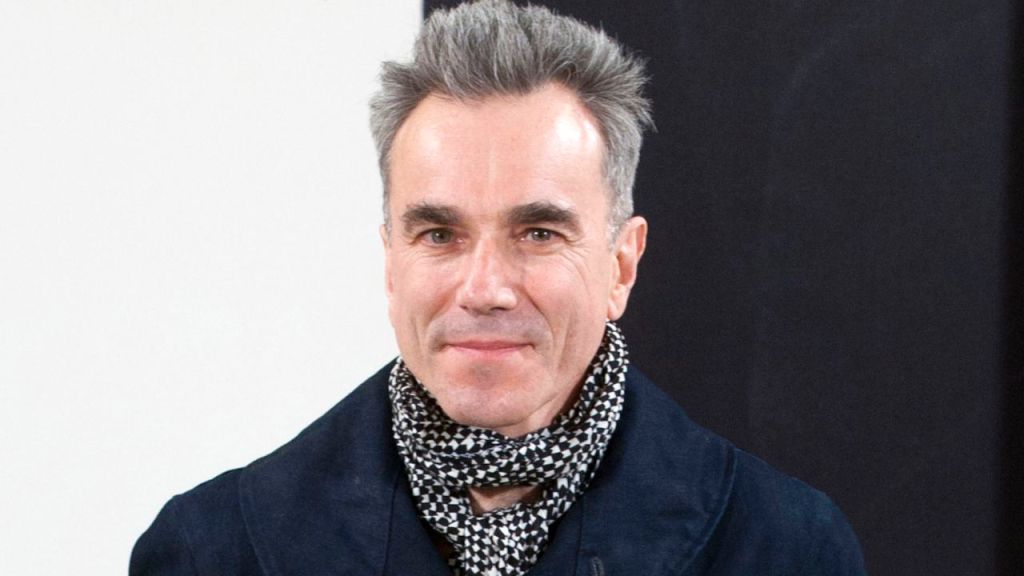
Daniel Day-Lewis
Disappearing into characters so completely that he often vanished between roles, he made unpredictability his mark. From a ruthless baron to a disabled writer, repetition was never an option
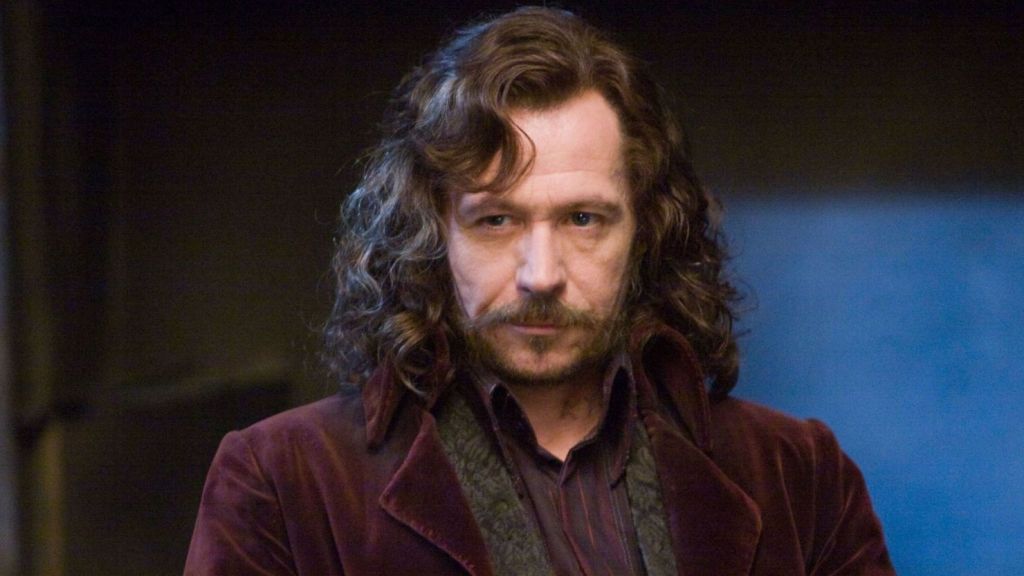
Gary Oldman
Oldman built a career on being unrecognizable. Villains, heroes, historical figures, accents from everywhere, half the time, audiences didn’t realize it was him until the credits rolled.
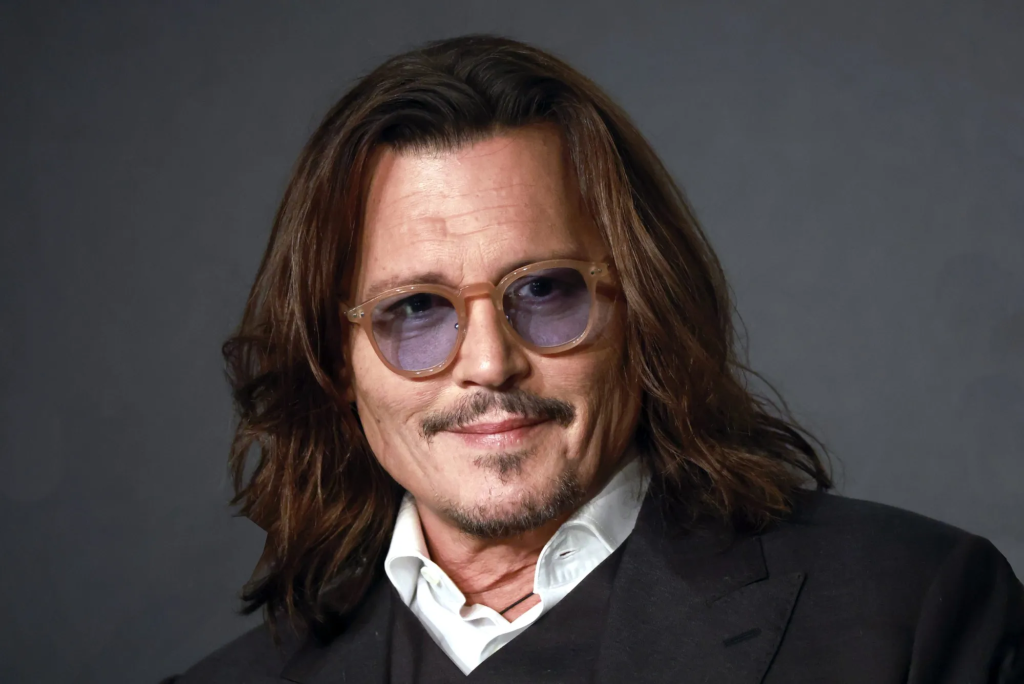
Johnny Depp
After early heartthrob roles, Depp deliberately chose eccentric, offbeat characters. His partnership with Tim Burton alone ensured he’d never be stuck playing the same man twice.
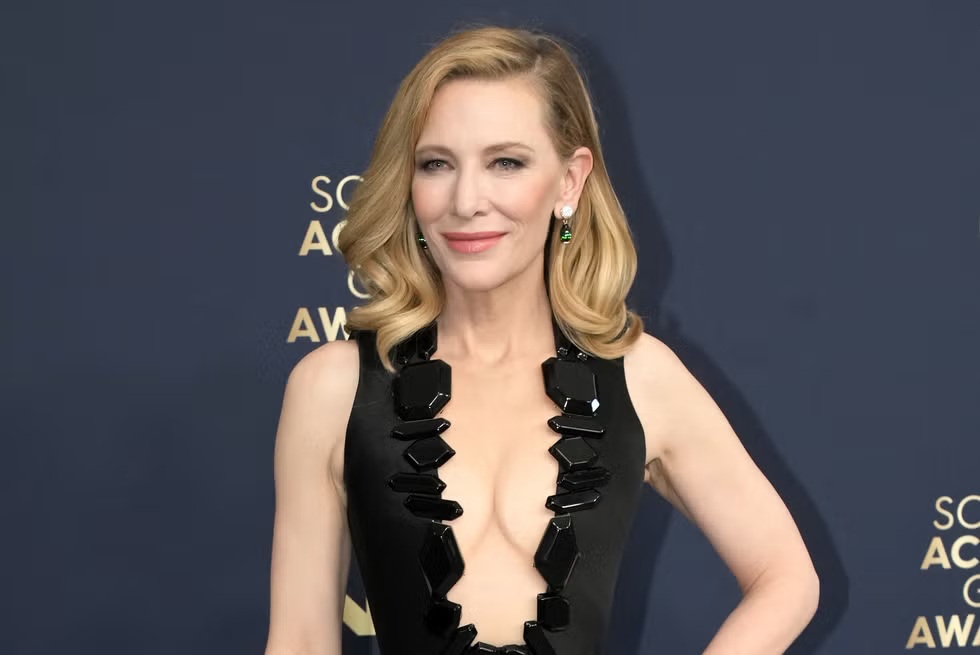
Cate Blanchett
Blanchett moves effortlessly between blockbusters, indie films, theater, and gender-bending roles. Her range makes it nearly impossible to define her by a single archetype.
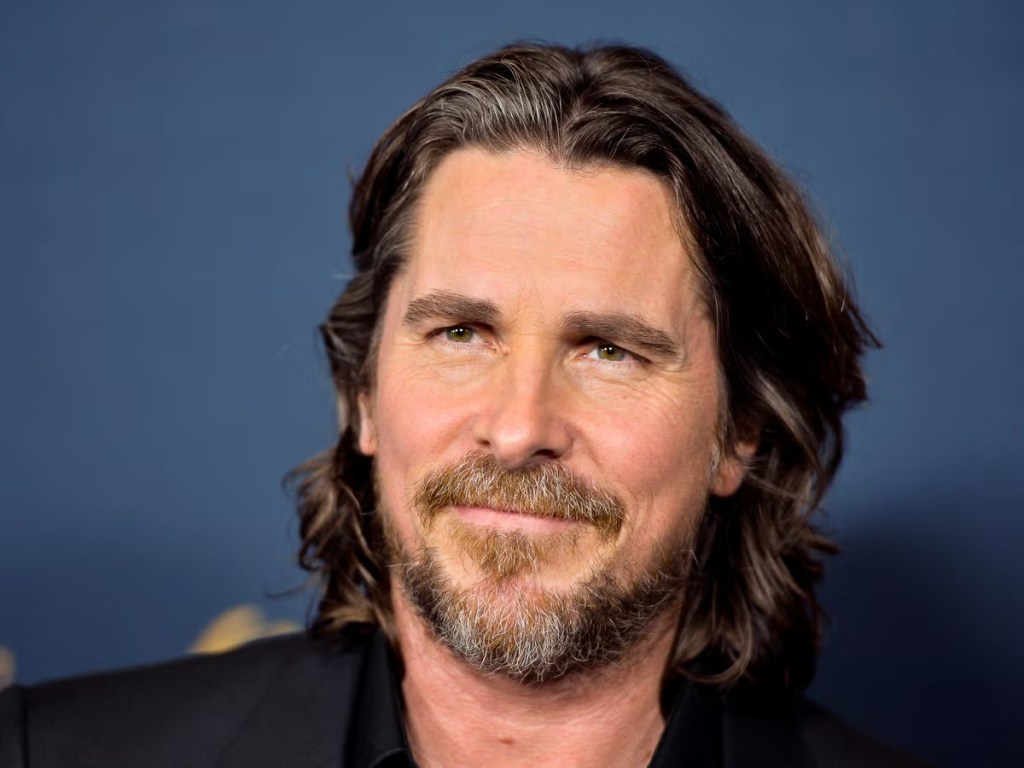
Christian Bale
Known for extreme physical transformations, Bale rejects comfort in favor of challenge. From superheroes to unstable outsiders, his career is built on constant reinvention.
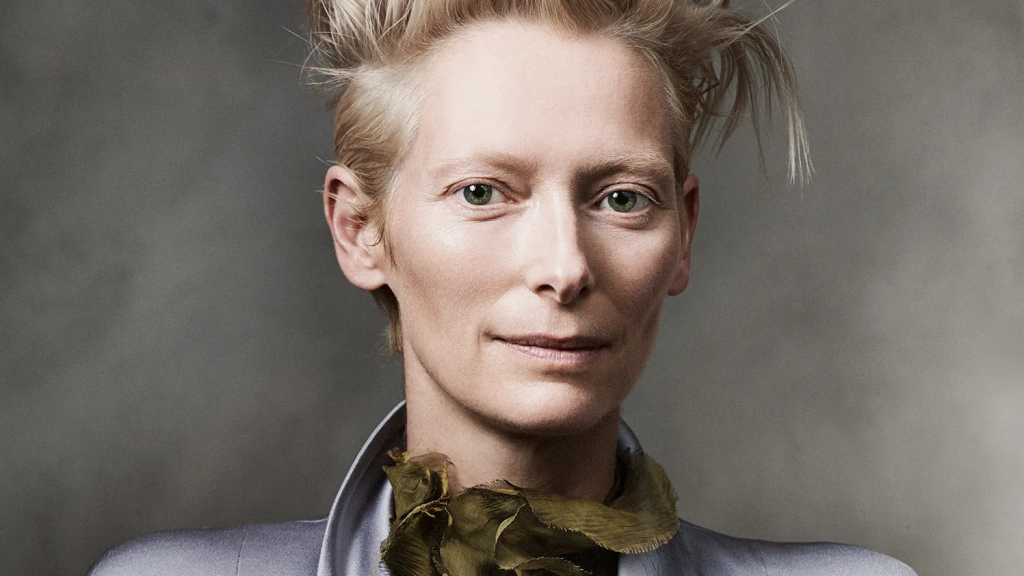
Tilda Swinton
Swinton ignores traditional casting rules altogether. She shifts between sci-fi, arthouse, fantasy, and roles that defy gender or age expectations with ease.
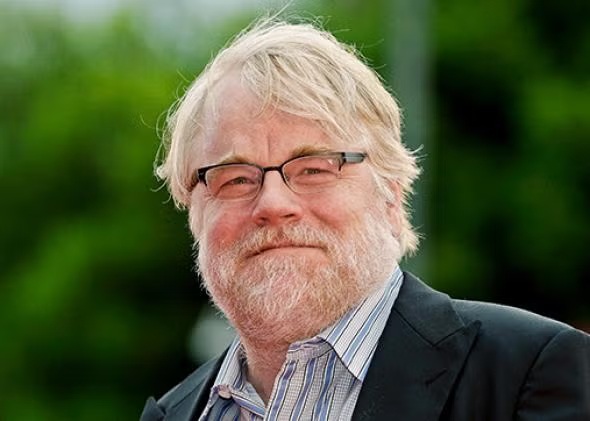
Philip Seymour Hoffman
Hoffman avoided leading-man stereotypes, choosing deeply human, often uncomfortable characters. His performances proved that range doesn’t require glamour.

Charlize Theron
Theron famously shattered her glamorous image with brutal, transformative roles. She’s moved fluidly between action, drama, comedy, and villainy ever since.
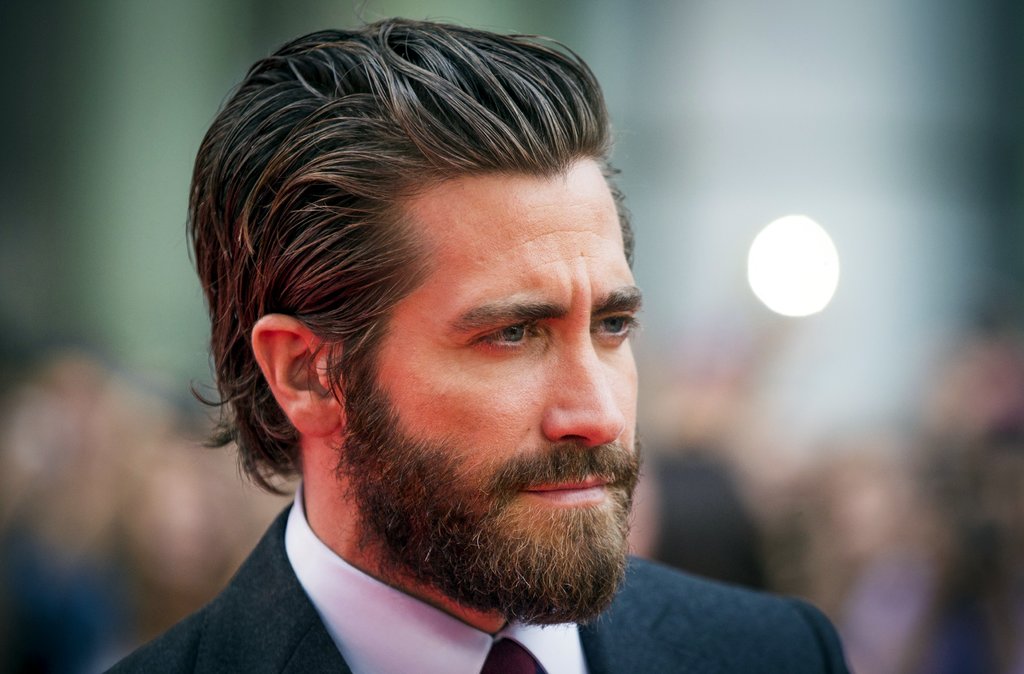
Jake Gyllenhaal
Rather than settle into mainstream stardom, Gyllenhaal leaned into dark, risky, and often unsettling roles that constantly challenged audience expectations.
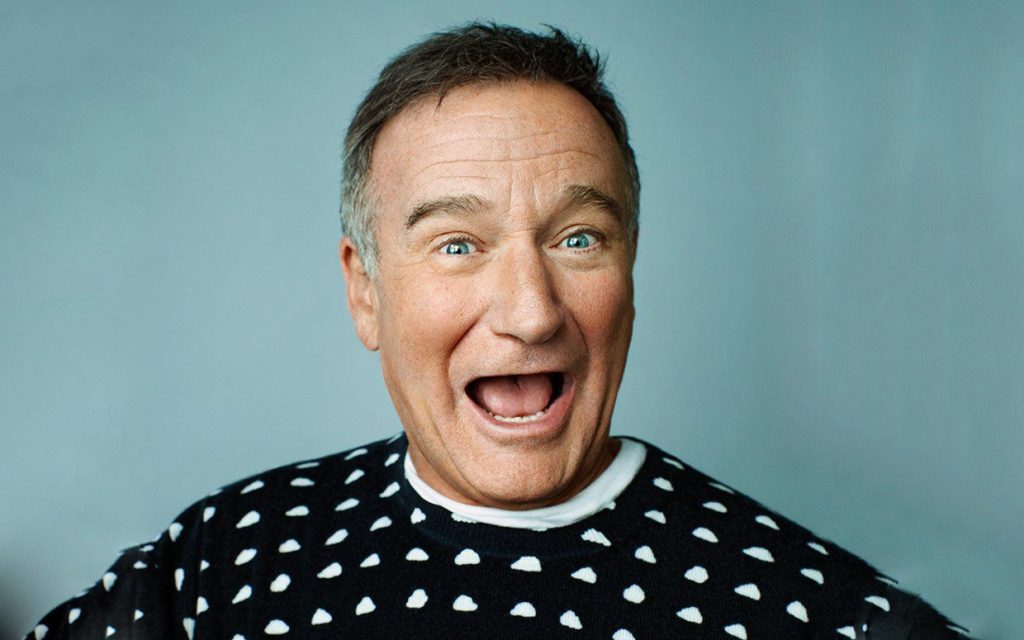
Robin Williams
Known first for manic comedy, Williams stunned audiences by pivoting into heartbreaking dramatic performances. He refused to let humor define his limits.
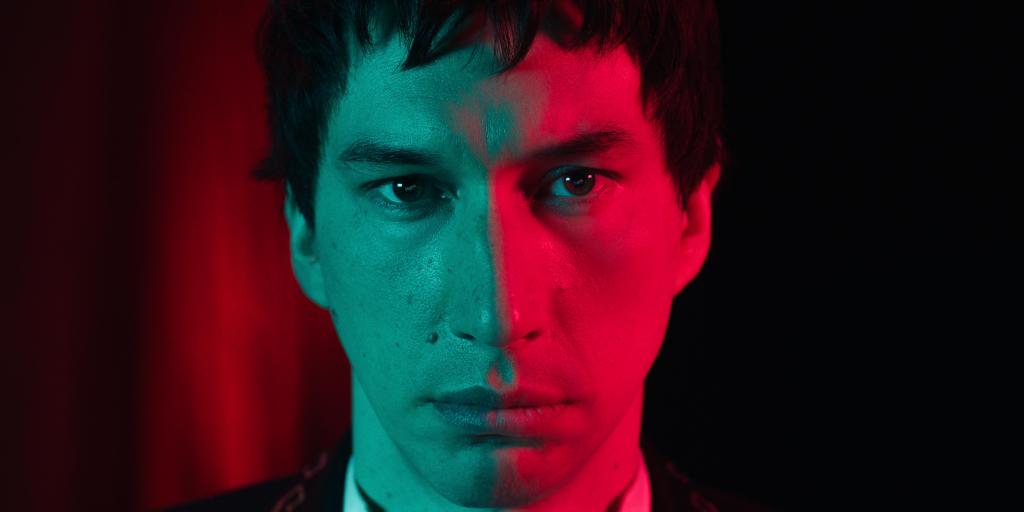
Adam Driver
Driver jumped between indie films, prestige dramas, musicals, and blockbuster franchises without settling into any single lane, keeping his career unpredictable.
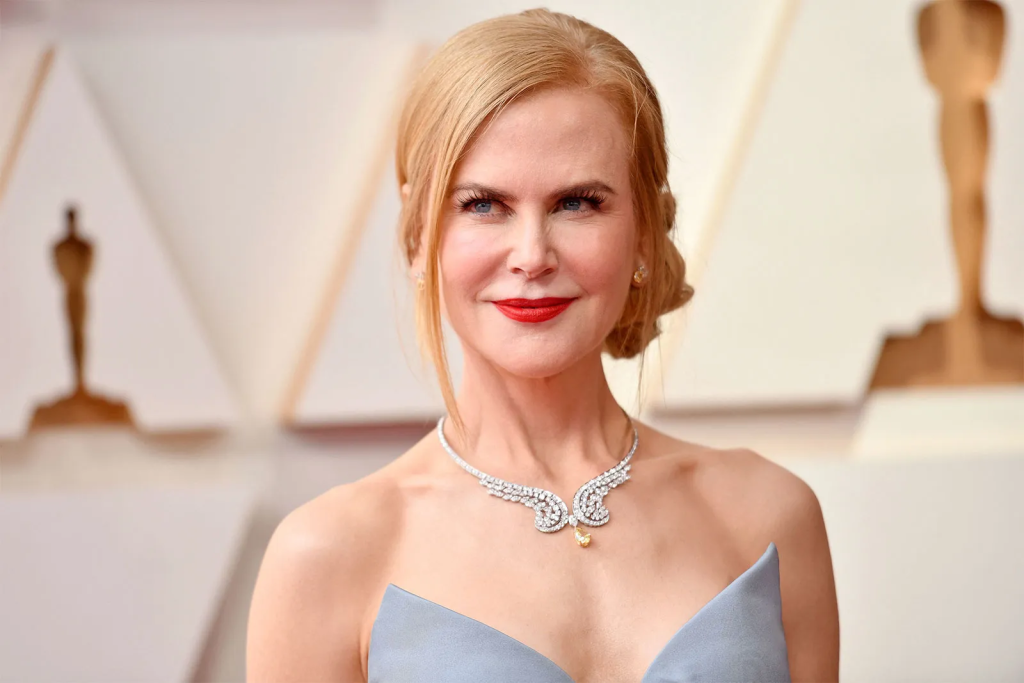
Nicole Kidman
Kidman consistently avoided being boxed in as a romantic lead. Her choices range from psychological thrillers to experimental roles that dismantle her star image.
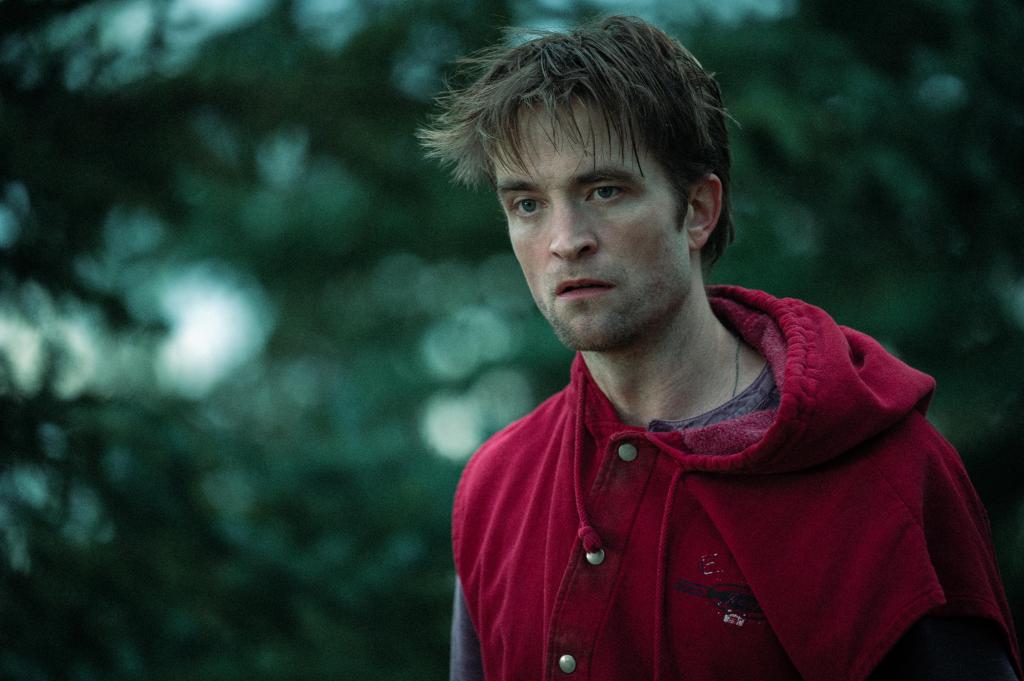
Robert Pattinson
After Twilight, Pattinson intentionally chose strange, challenging indie projects. The strategy worked, fully redefining him as a serious, risk-taking actor.
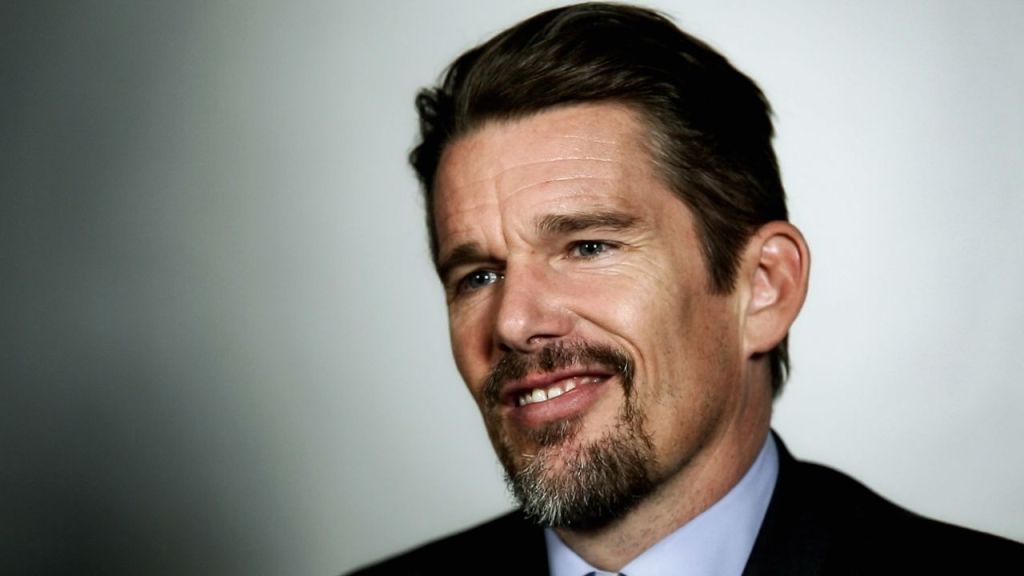
Ethan Hawke
Hawke balanced mainstream films, indie projects, theater, and directing. His career resists categorization by design rather than accident.
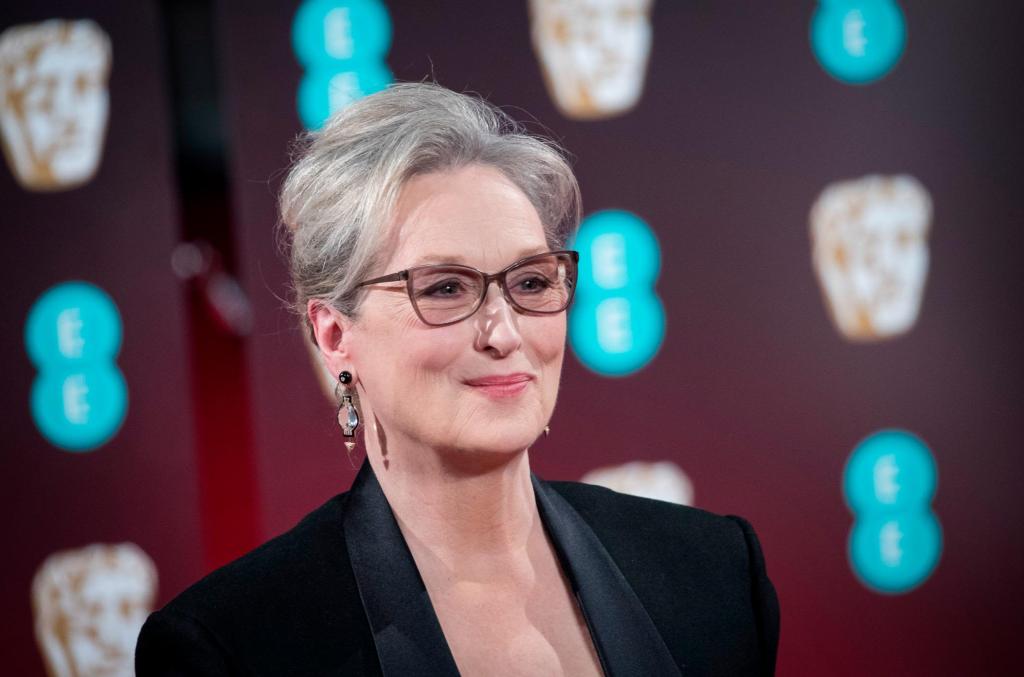
Meryl Streep
If typecasting ever tried to catch her, it failed. Accents, genres, eras, Streep treated versatility as a baseline expectation, not a bonus.
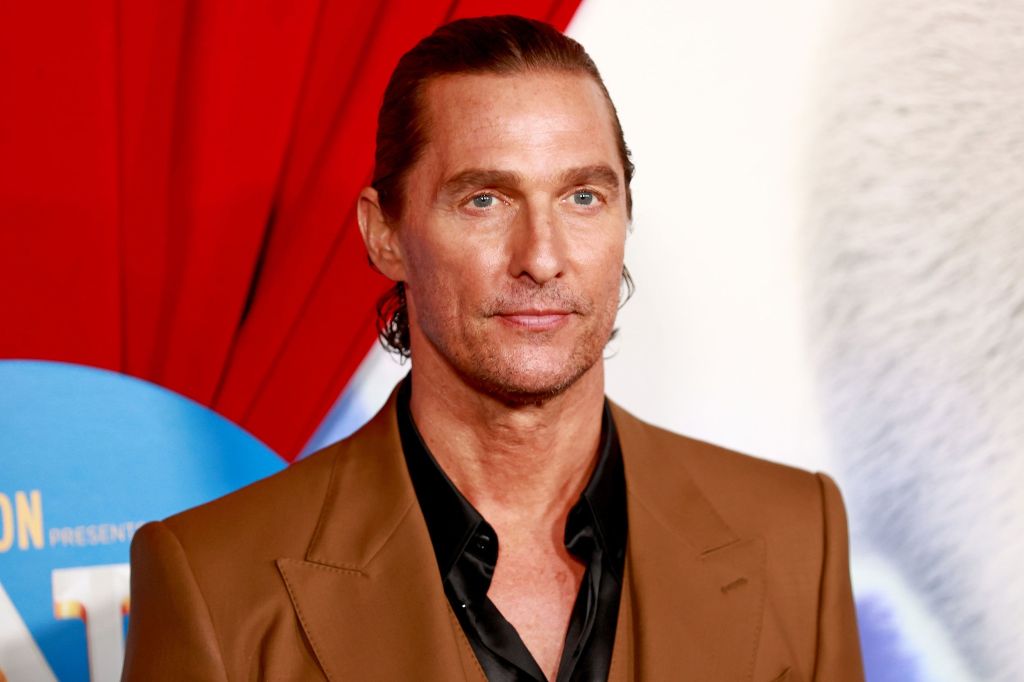
Matthew McConaughey
Once stuck in rom-com territory, McConaughey deliberately disappeared, then returned with darker, more complex roles that reshaped his entire career.
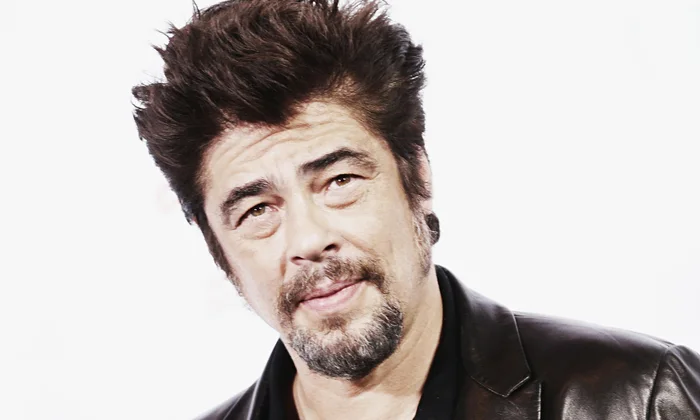
Benicio del Toro
Del Toro avoided clean-cut leads in favor of morally ambiguous, often unsettling characters. His unpredictability became his signature.
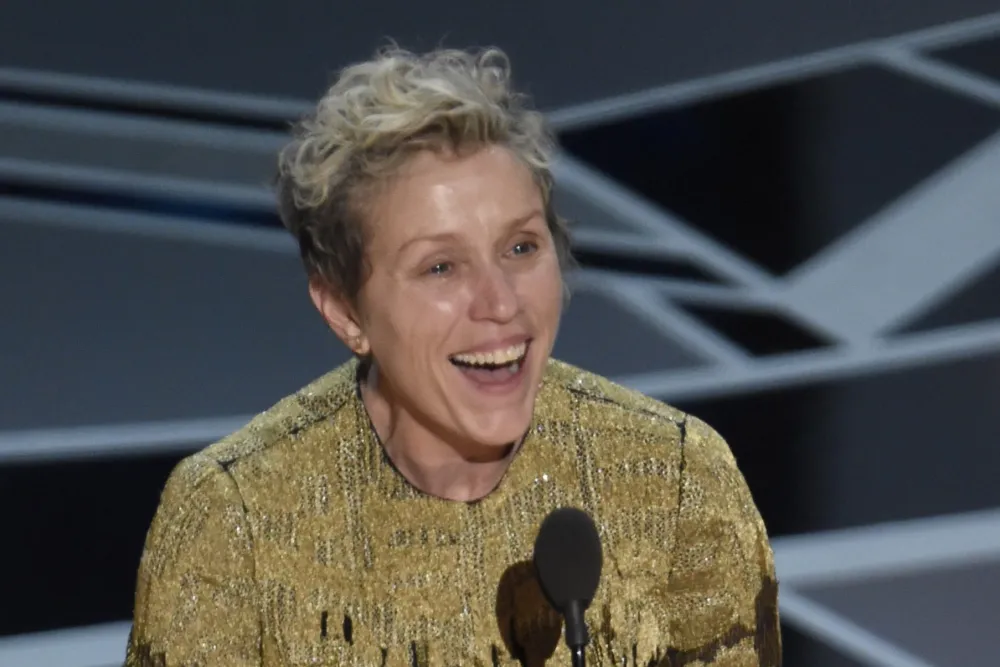
Frances McDormand
McDormand never chased traditional stardom. Her characters are grounded, strange, powerful, and impossible to reduce to a single type.
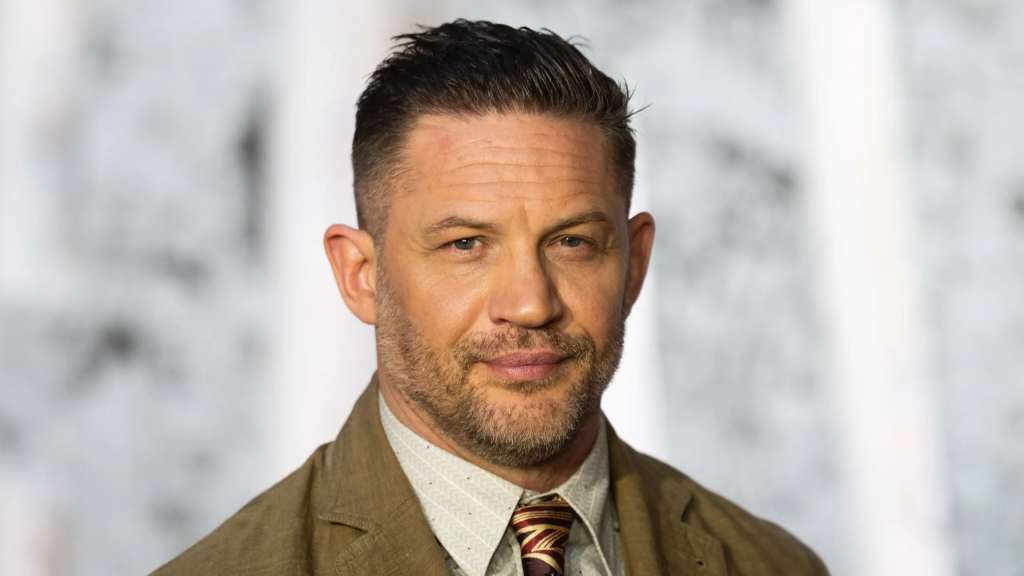
Tom Hardy
Accents, masks, and transformations, Hardy often disappears beneath his characters. His willingness to become unrecognizable keeps him impossible to pin down.
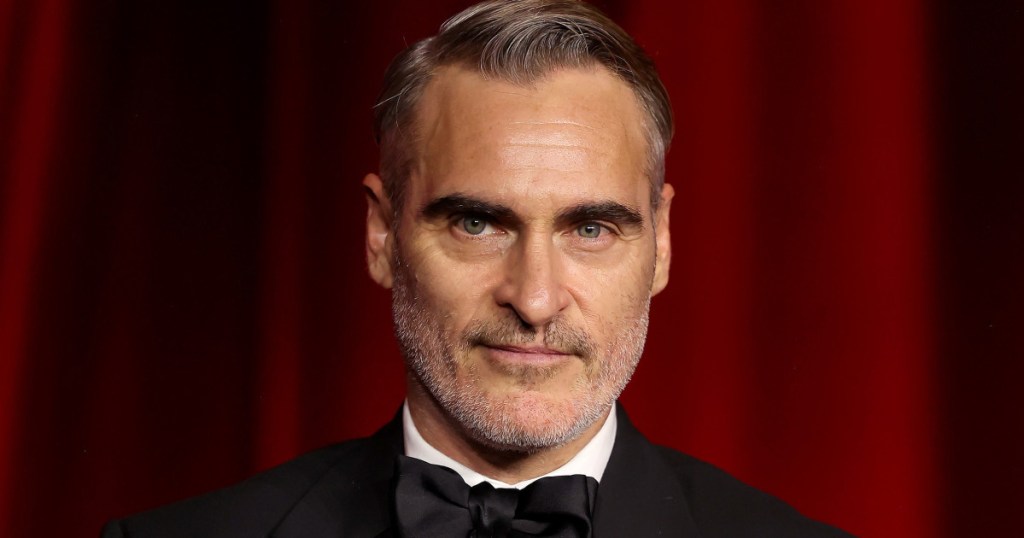
Joaquin Phoenix
Phoenix actively resists audience comfort. Each role feels like a rejection of the last, ensuring his career remains unpredictable and uncompromising.