15 Times the Budget Didn’t Meet Ambition


Hollywood dreams big, but sometimes even the most ambitious films can’t stretch a budget far enough. Elaborate sets get simplified, CGI gets scaled back, and practical effects are cut or replaced entirely. But these compromises don’t always ruin the movie, in fact, they often lead to creative solutions. In this gallery, we explore 15 films where the budget couldn’t fully match the ambition. From grandiose action sequences to intricate period details, these movies pushed the limits of what money could buy, showing that filmmaking is as much about ingenuity as it is about dollars.
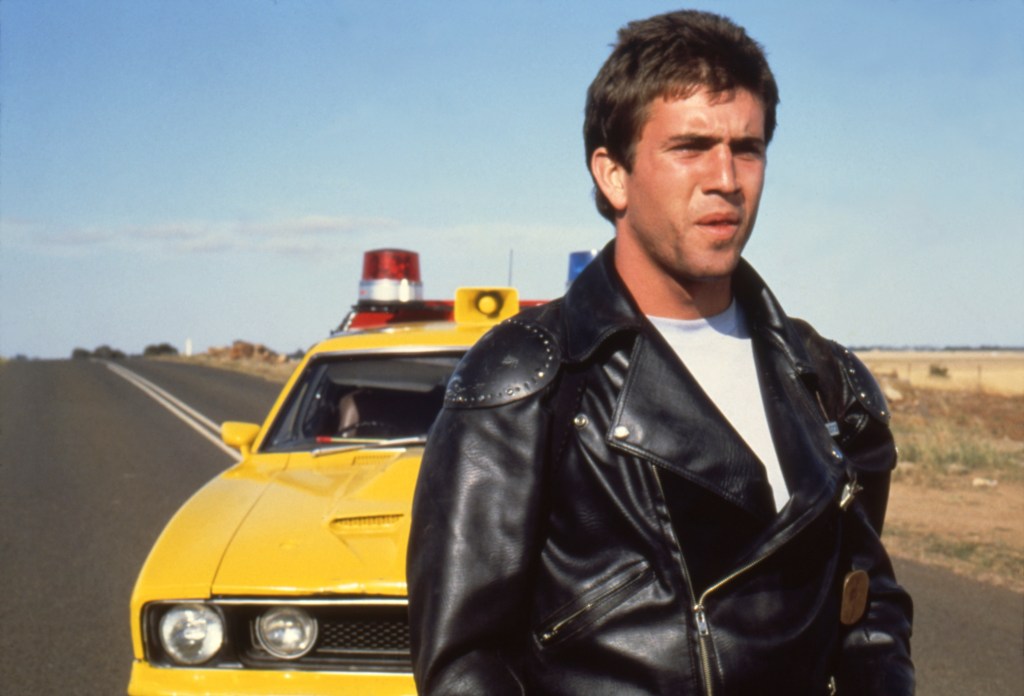
Mad Max
George Miller couldn’t afford hordes of extras or extensive effects, resulting in an emptier, more haunting world that nonetheless shaped the film’s gritty aesthetic.
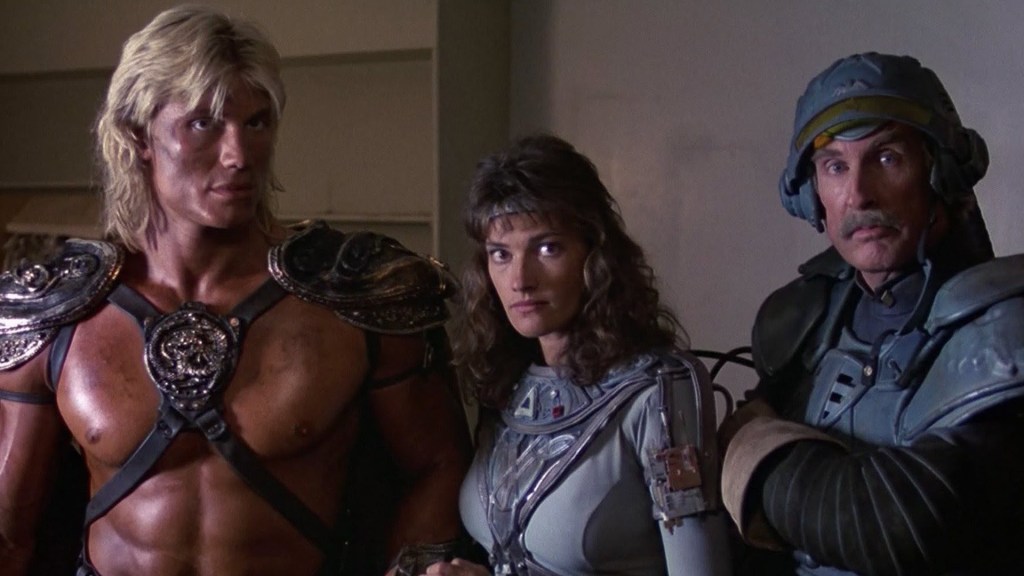
Masters of the Universe
The epic final showdown between He‑Man and Skeletor was meant to be a grand spectacle, but budget constraints forced a visually underwhelming fight in a bare space with minimal effects.
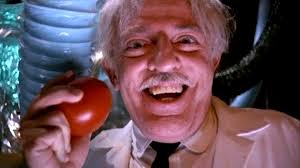
Return of the Killer Tomatoes!
This cult comedy literally ran out of money partway through, leading to a haphazard finale and heavy product placement to fill gaps.
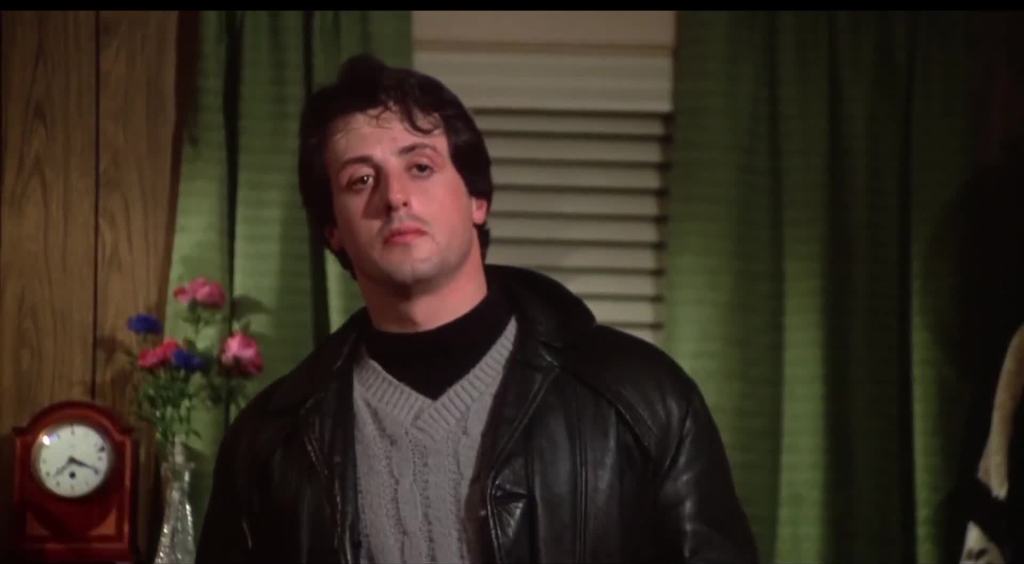
Rocky
Stallone had hoped for a more populated skating sequence, but running out of money meant a nearly empty rink, a simplicity that plausibly became part of the film’s charm.

Spawn
The film’s ambitious supernatural visuals were hampered by limited CGI resources, resulting in effects that appear flat or repetitive.
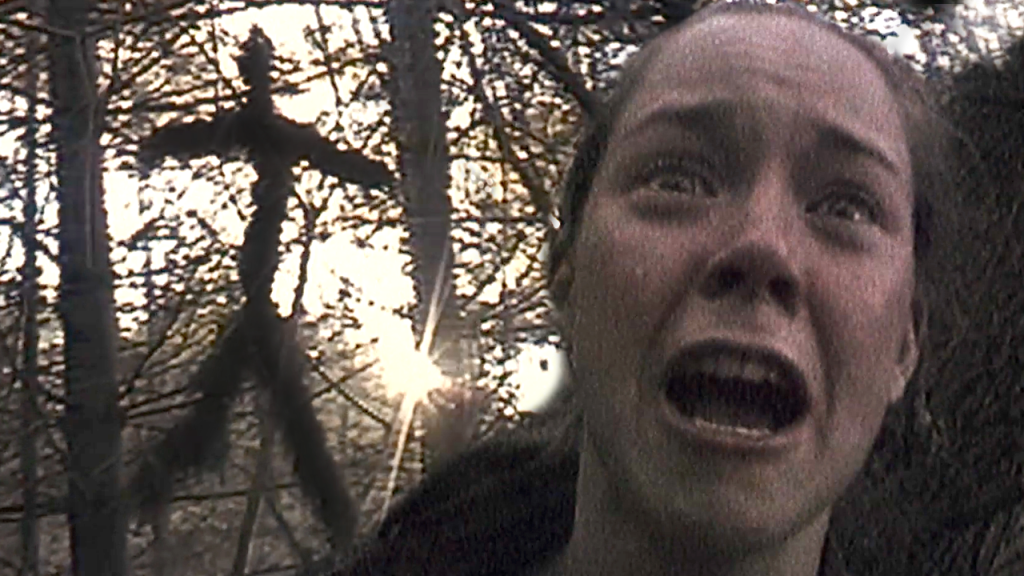
The Blair Witch Project
Plans for more elaborate supernatural sequences were scrapped due to lack of funds; the film embraced a minimal, implied horror approach instead.
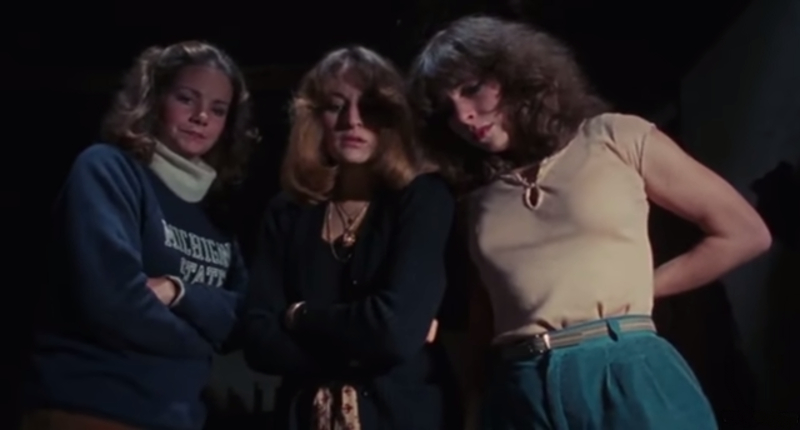
The Evil Dead
Sam Raimi ran out of money during shooting, forcing rough practical effects and multiple stop‑starts that nonetheless defined the film’s raw energy.

The Lone Ranger
Production shut down mid‑shoot because costs ballooned; when filming resumed, spectacle and risky sequences were scaled back significantly.

The Snowman
Budget and production issues led to an abrupt, incoherent conclusion where intended plot points were never fully realized.
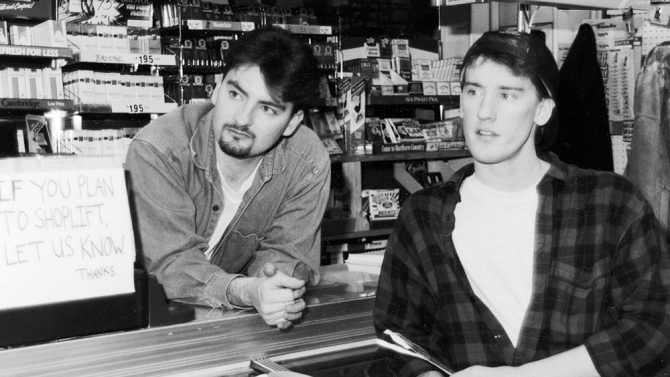
Clerks
With virtually no budget beyond maxed‑out credit cards, Kevin Smith confined the film to a single convenience store, shaping its story around financial necessity.
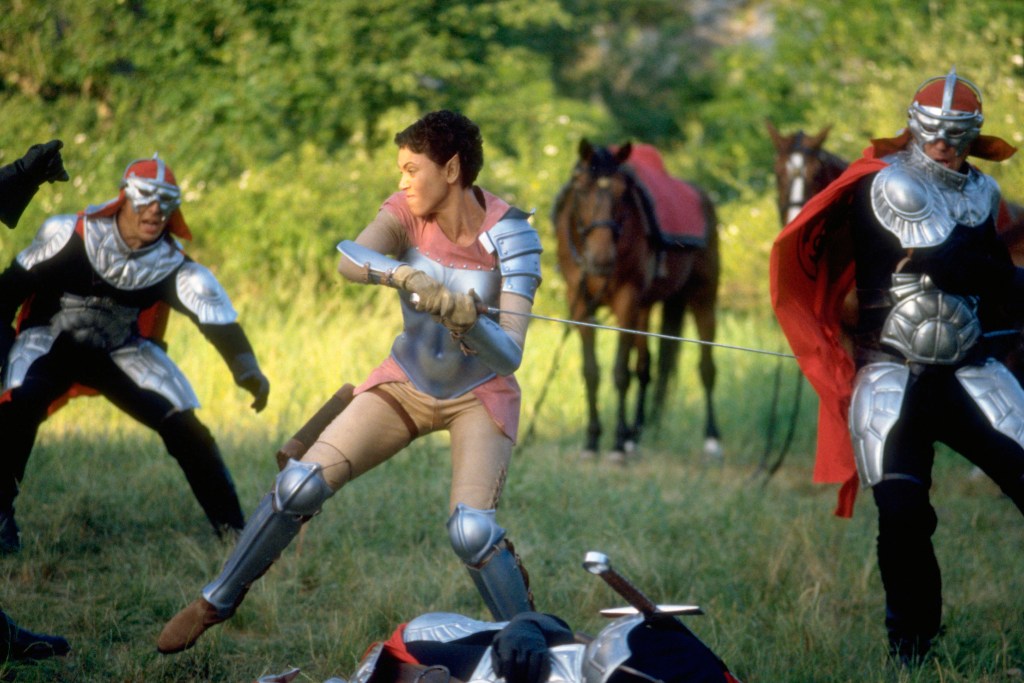
Dungeons & Dragons
A key fantasy world was largely discussed by characters instead of shown on screen because the special effects and CGI to realize it weren’t affordable.
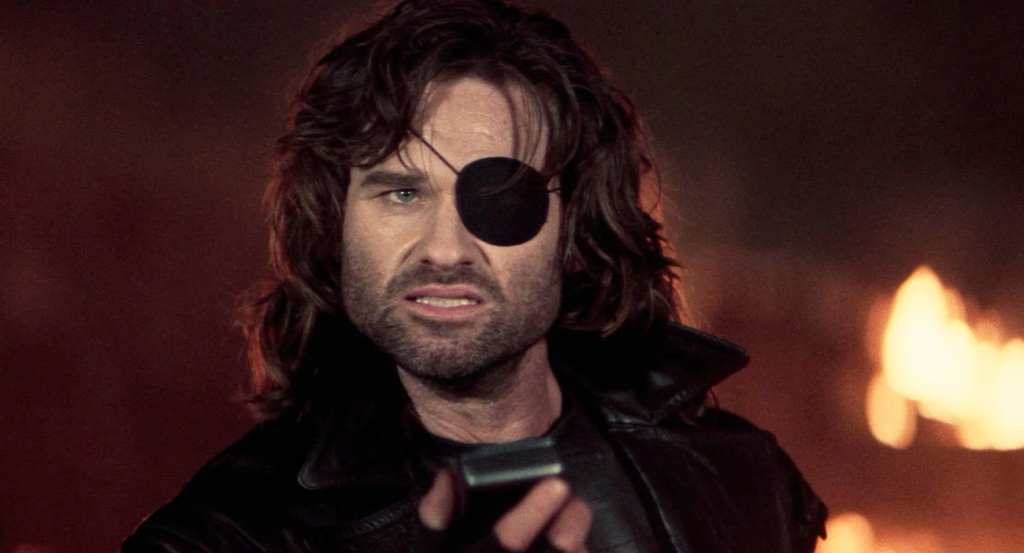
Escape from L.A.
A planned high‑stakes submarine action scene ended up with compromised effects and visuals due to financial limitations.
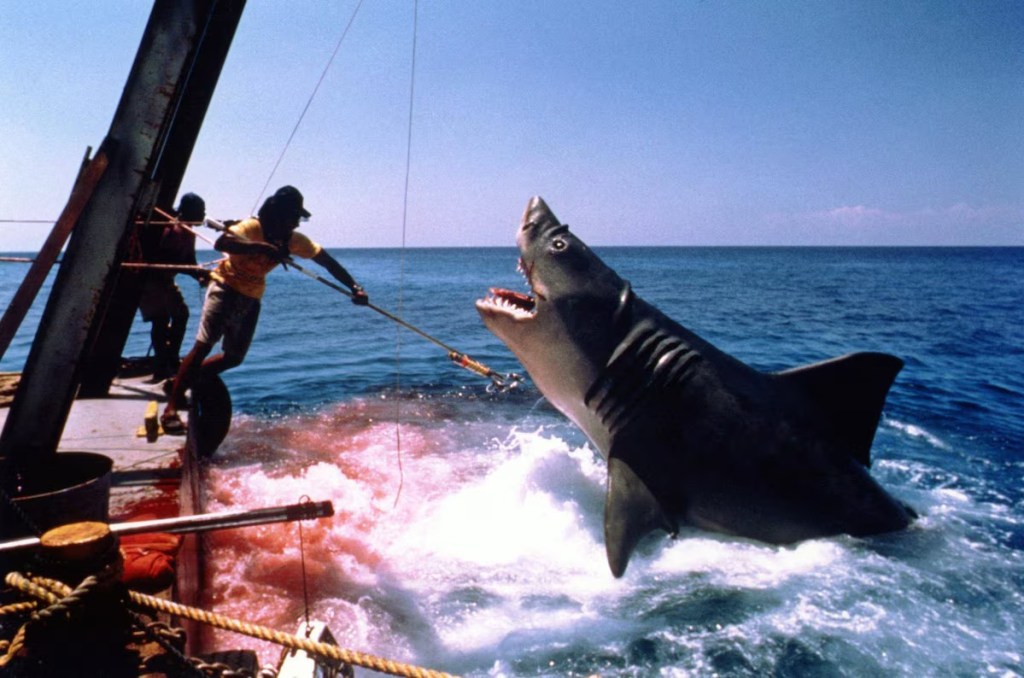
Jaws
Spielberg’s mechanical shark was notoriously difficult and costly to operate; limited functioning days led to more ominous camera work rather than showing the shark outright.
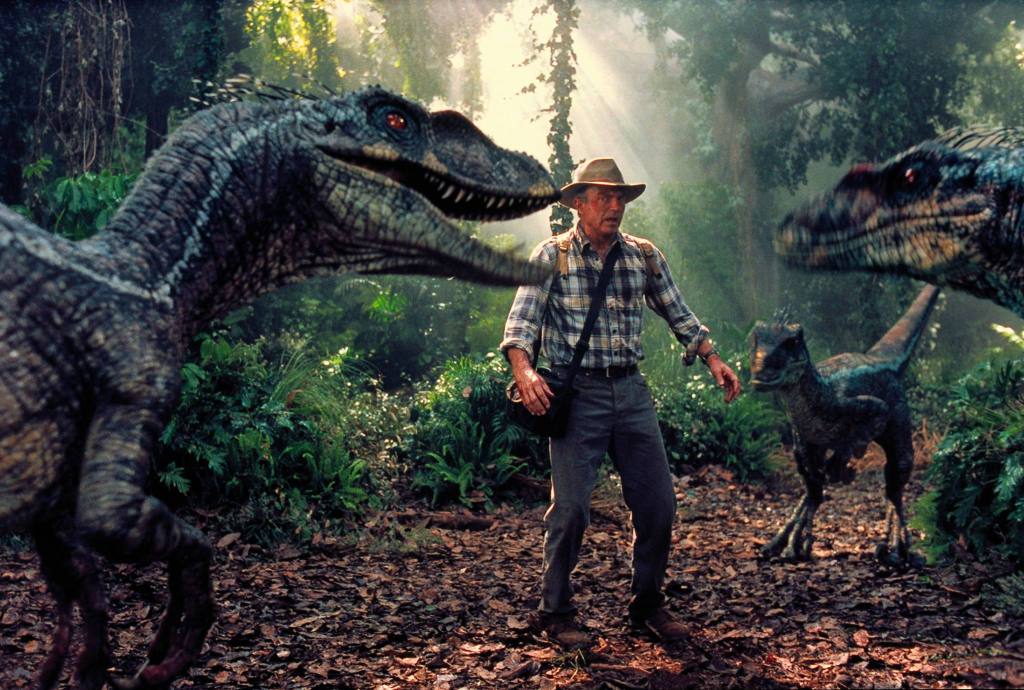
Jurassic Park III
As the production ran low on funds toward the end, a more expansive climax was scaled back and replaced with a simpler, less dramatic resolution.
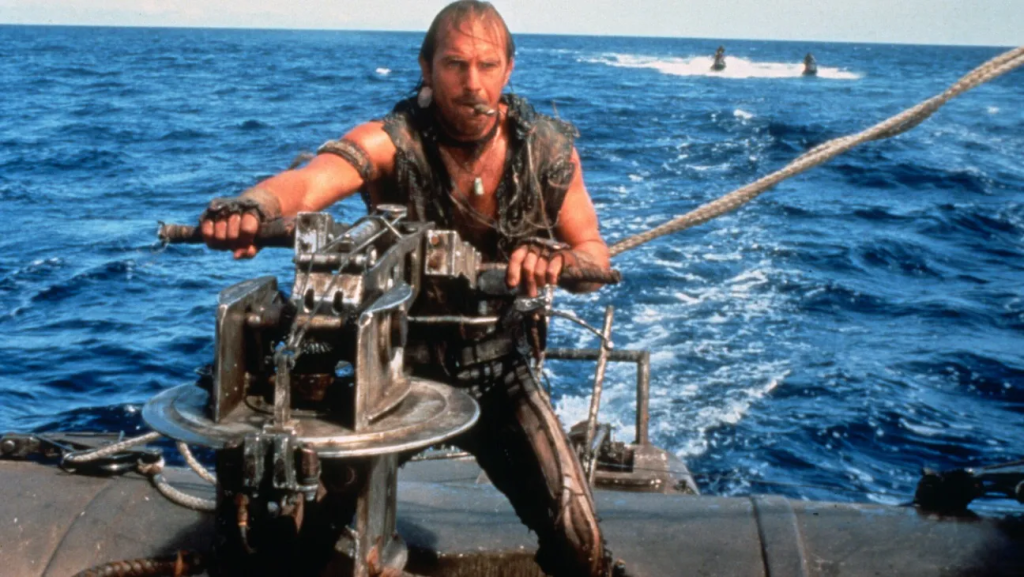
Waterworld
Though ambitiously conceived, massive floating set pieces repeatedly broke and required costly fixes, draining resources and complicating shooting.