15 Times Sci-Fi Tech Predicted the Real World

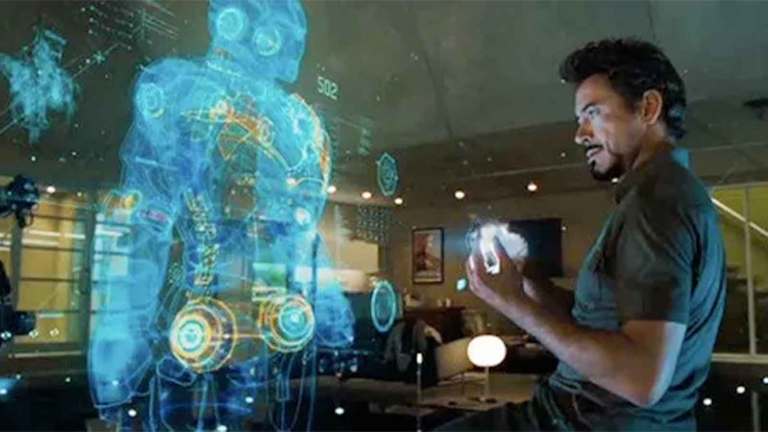
Science fiction has long imagined technologies that did not yet exist, often extrapolating from contemporary research or social trends. In some cases, those fictional devices or systems later appeared in recognizable form in the real world. While sci-fi writers are not prophets, many have paid close attention to scientific development, communication tools, and emerging industries. From handheld communicators to artificial intelligence systems, certain concepts moved from screen or page into daily life. This list looks at 15 moments when sci-fi technology closely anticipated real world innovation, highlighting where fiction and engineering briefly aligned.
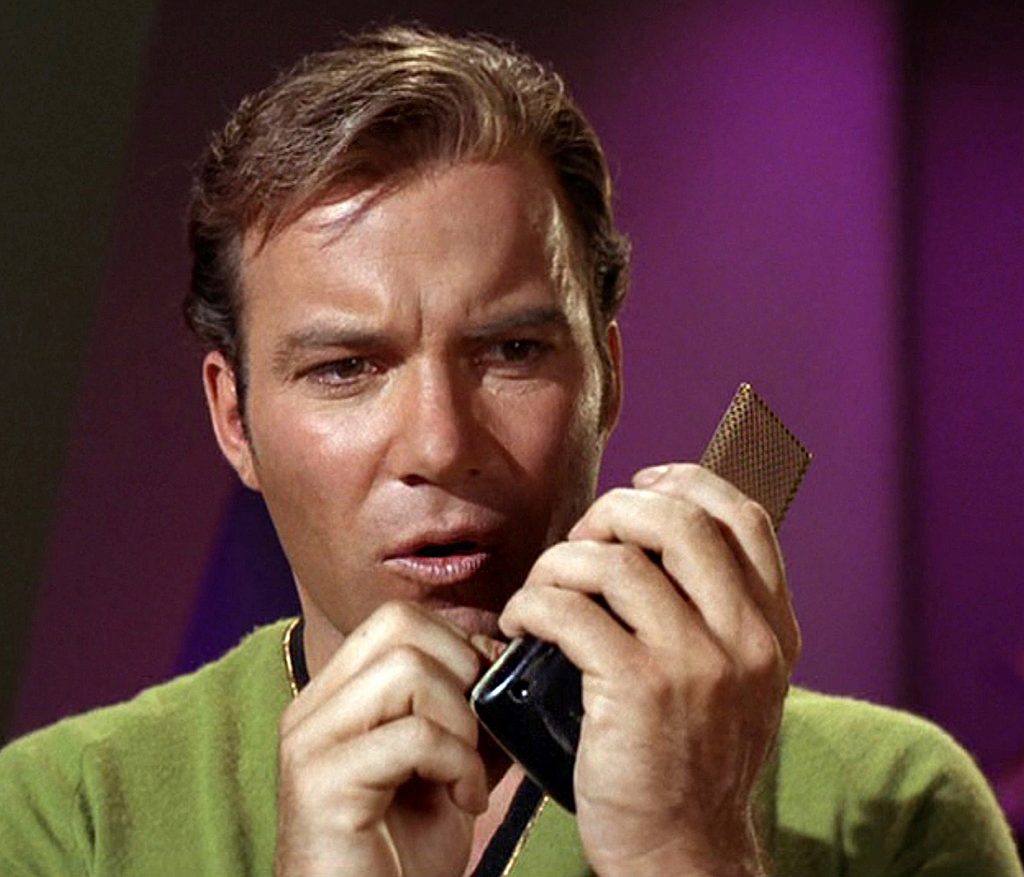
Star Trek Communicators and Mobile Phones
The handheld communicators used in Star Trek during the 1960s closely resemble early flip phones developed decades later, both in design and function.
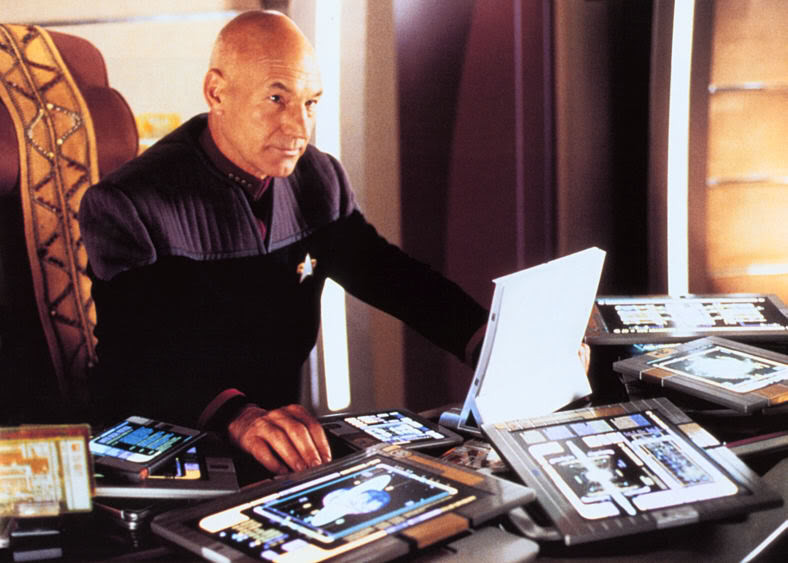
Star Trek Tablets and Modern Touchscreens
The PADD devices in Star Trek: The Next Generation anticipated tablet computers, featuring flat screens used for reading reports and accessing data.
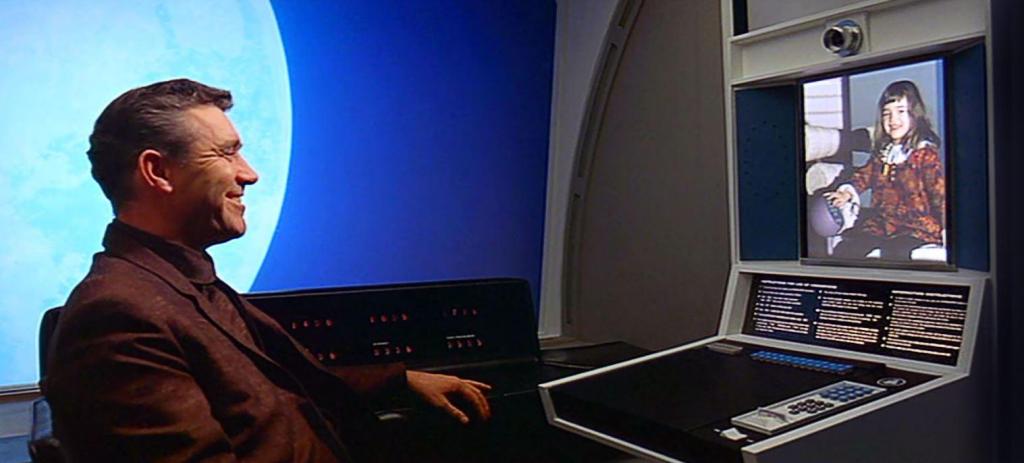
2001 A Space Odyssey and Video Calling
The film depicts characters making video phone calls, a concept that is now standard through smartphones and conferencing software.
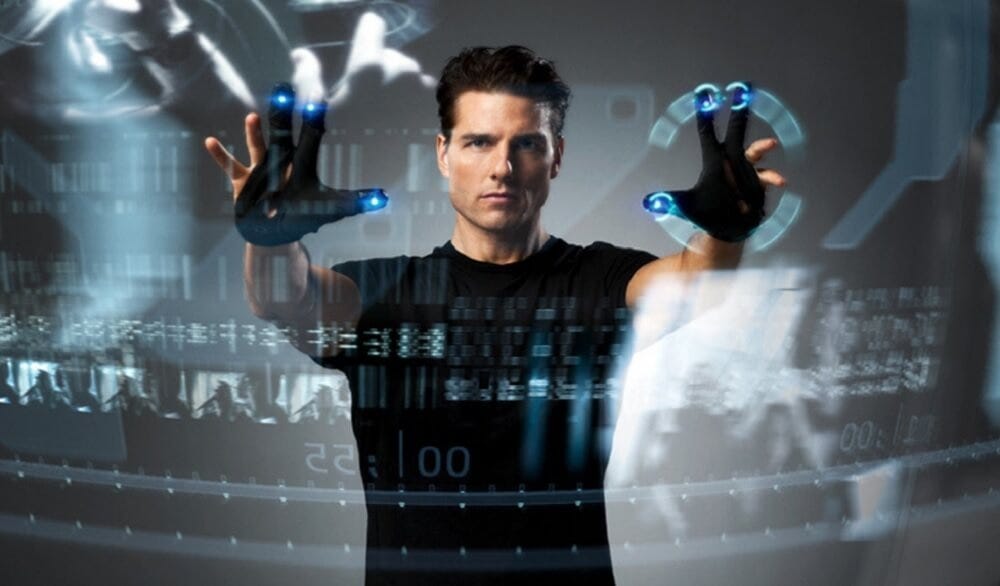
Minority Report and Gesture Interfaces
The 2002 film showed Tom Cruise manipulating digital screens with hand gestures, similar to motion based controls and touchless interfaces developed later.
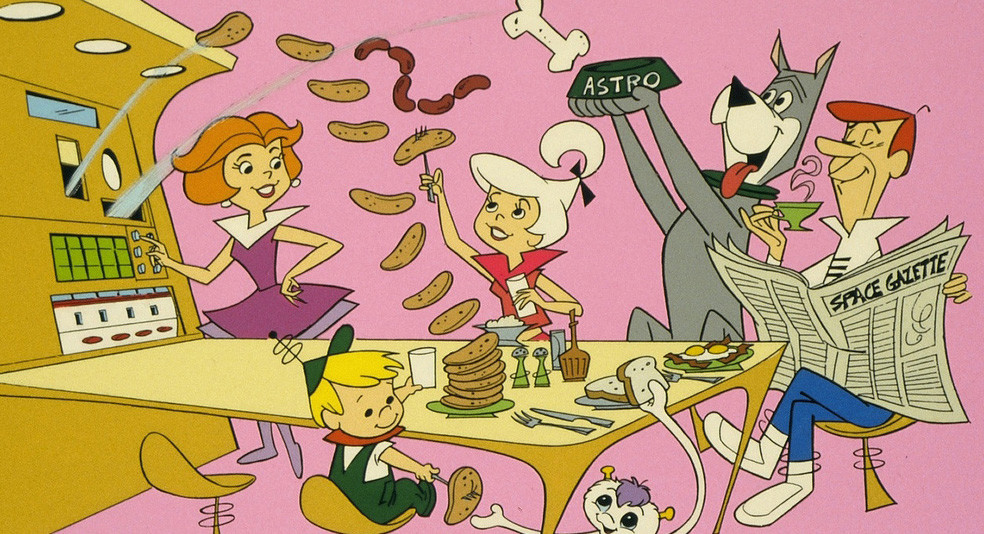
The Jetsons and Smart Homes
The animated series imagined automated homes with voice controls and robotic assistance, features now common in smart home systems.
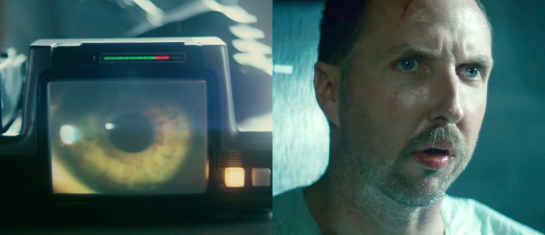
Blade Runner and Facial Recognition
The film includes biometric scanning tools that resemble modern facial recognition technology used in security and personal devices.
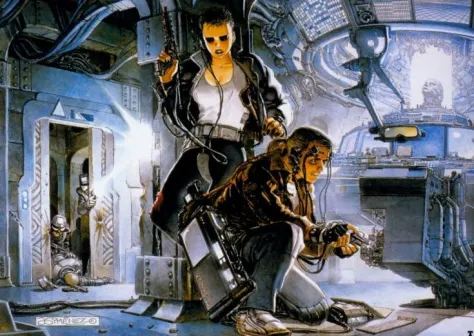
Neuromancer and the Internet
William Gibson’s 1984 novel described a networked digital space called cyberspace, predating widespread public access to the modern internet.
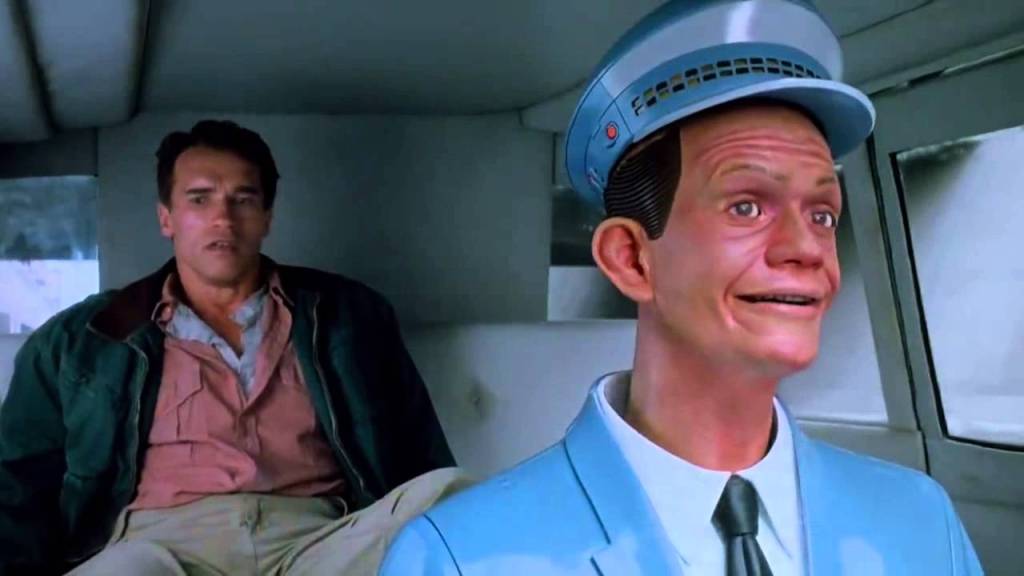
Total Recall and Self Driving Vehicles
The 1990 film featured automated taxis capable of navigating without human drivers, similar to today’s autonomous vehicle prototypes.
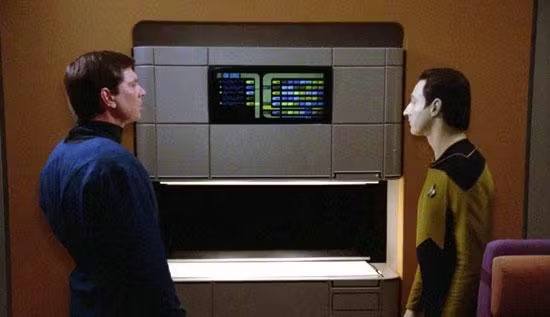
Star Trek Replicators and 3D Printing
The concept of machines that produce physical objects on demand parallels modern 3D printing technology.
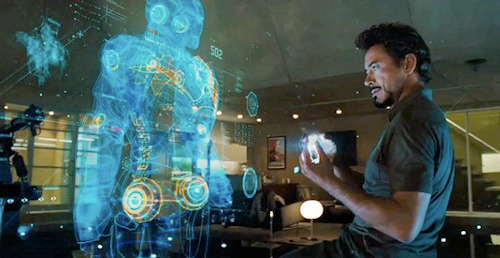
Iron Man and Augmented Reality Displays
Tony Stark’s helmet display reflects real-world augmented reality systems used in aviation, the military, and industry.
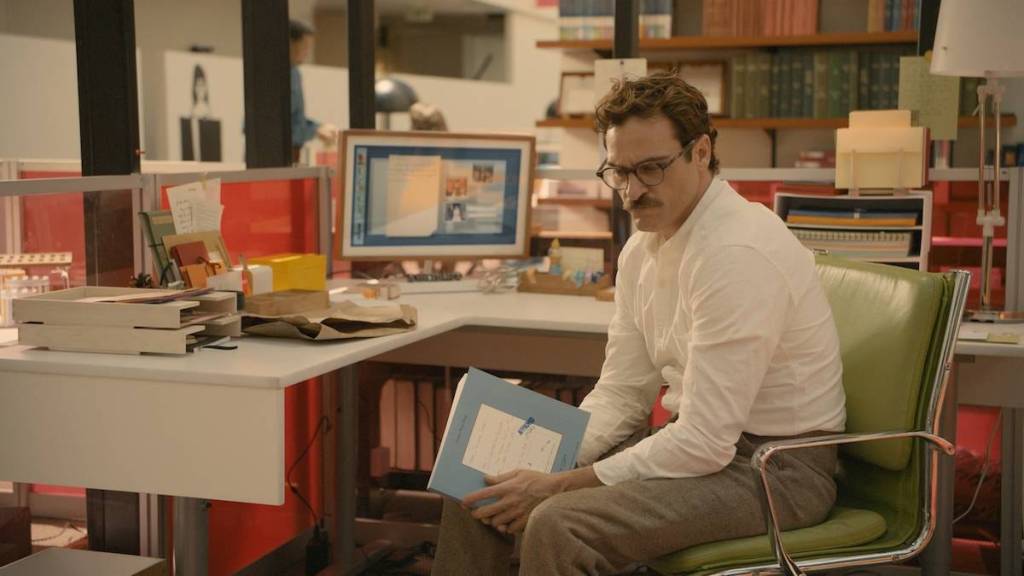
Her and AI Assistants
The 2013 film portrayed a conversational artificial intelligence operating system, similar to modern voice assistants powered by machine learning.
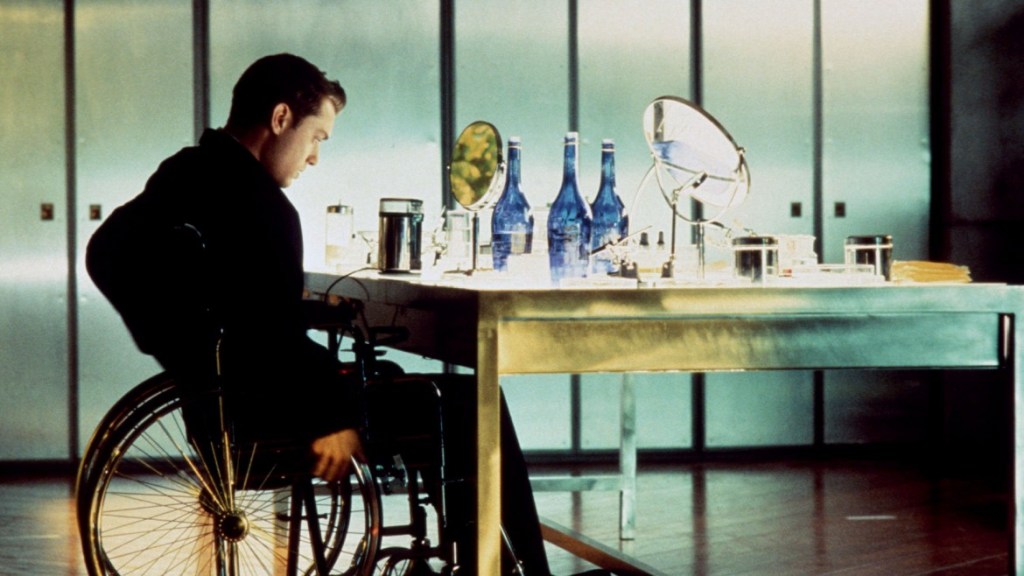
Gattaca and Genetic Screening
The film depicted a society shaped by genetic selection, reflecting real-world advances in DNA testing and gene-editing research.
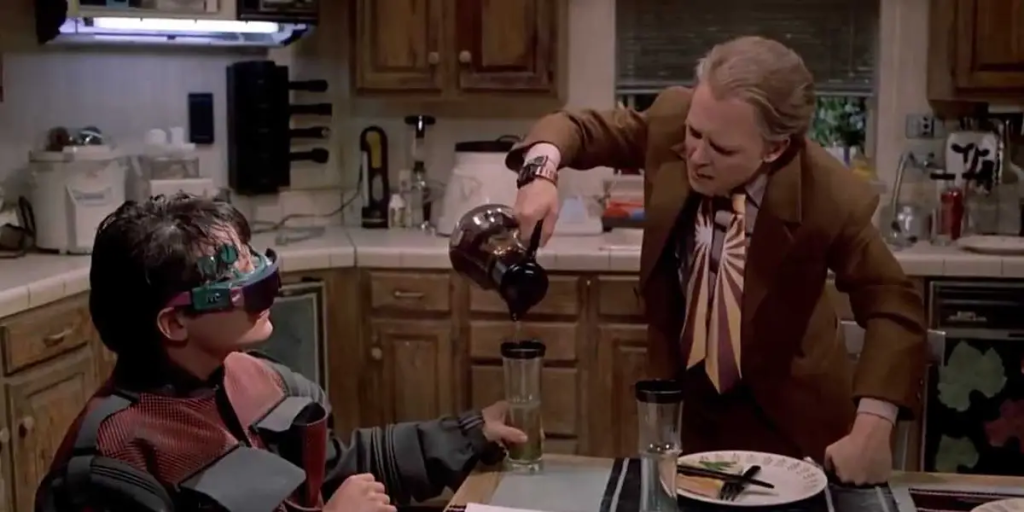
Back to the Future Part II and Wearable Tech
The film imagined wearable devices and smart glasses, concepts now realized through fitness trackers and augmented reality headsets.
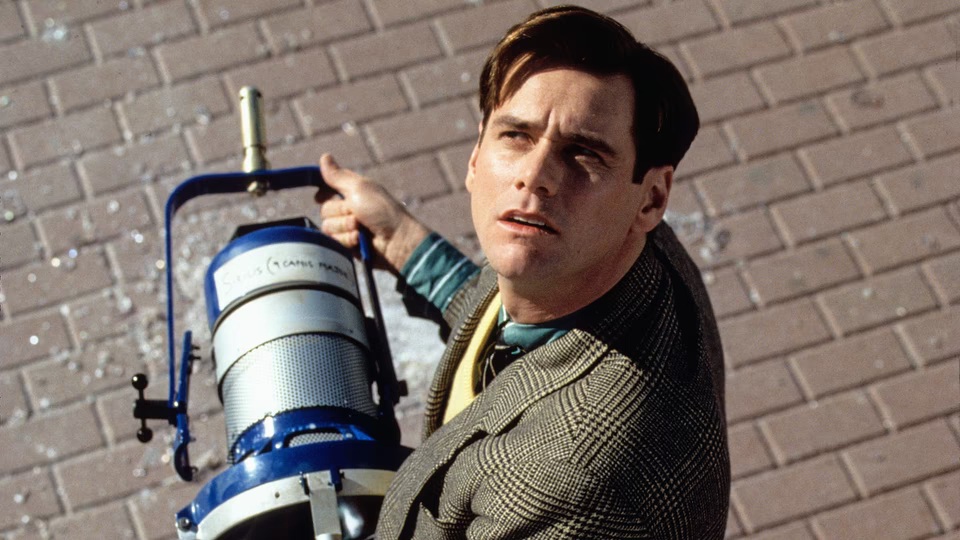
The Truman Show and Reality Television
While not a device, the film anticipated the scale and format of reality television, where ordinary lives are broadcast continuously to mass audiences.
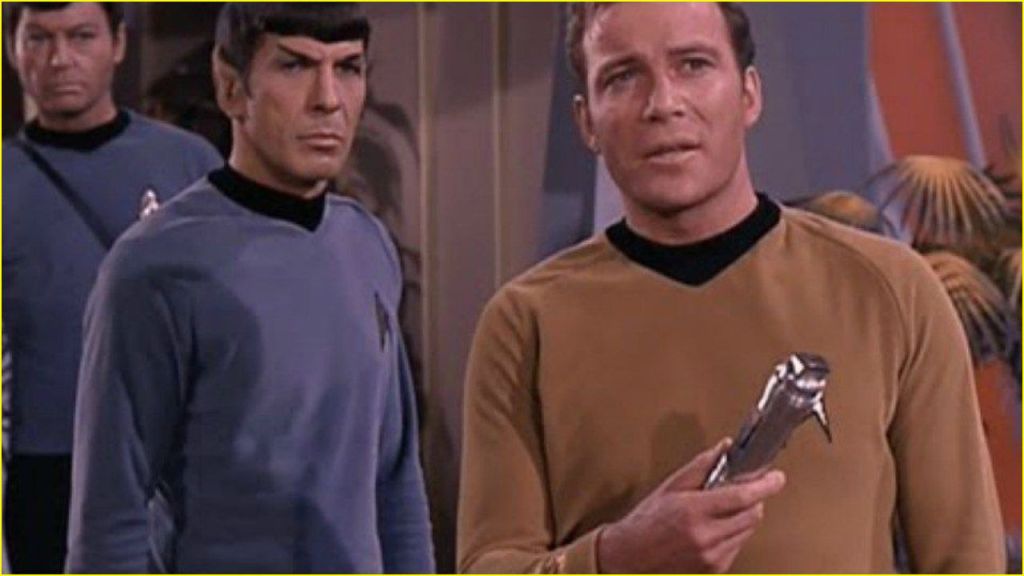
Star Trek and Universal Translators
The series featured devices capable of translating alien languages instantly, a concept that parallels modern real time translation tools and AI-powered language apps used in global communication today.