15 Times it Really Was All a Dream

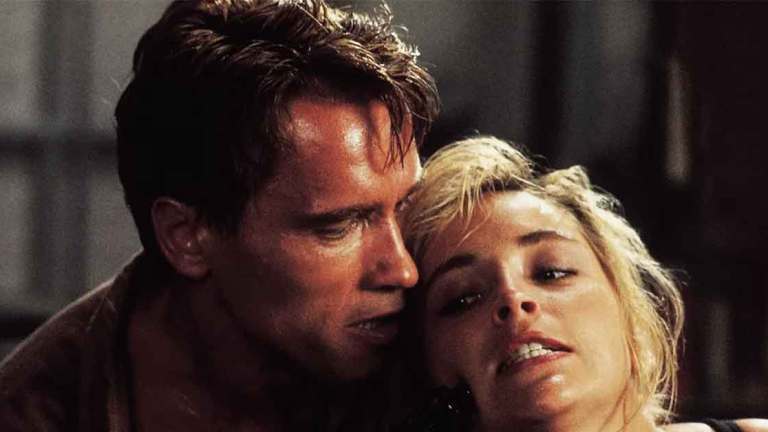
Some stories build entire worlds only to reveal that much of what unfolded was not real within the narrative. The dream twist can reshape everything the audience thought they understood, changing the meaning of events and character choices. When used well, it adds ambiguity and invites interpretation. But let’s be honest, nobody wants to watch a whole movie only to find out that it was all a dream. Here are fifteen times it was.
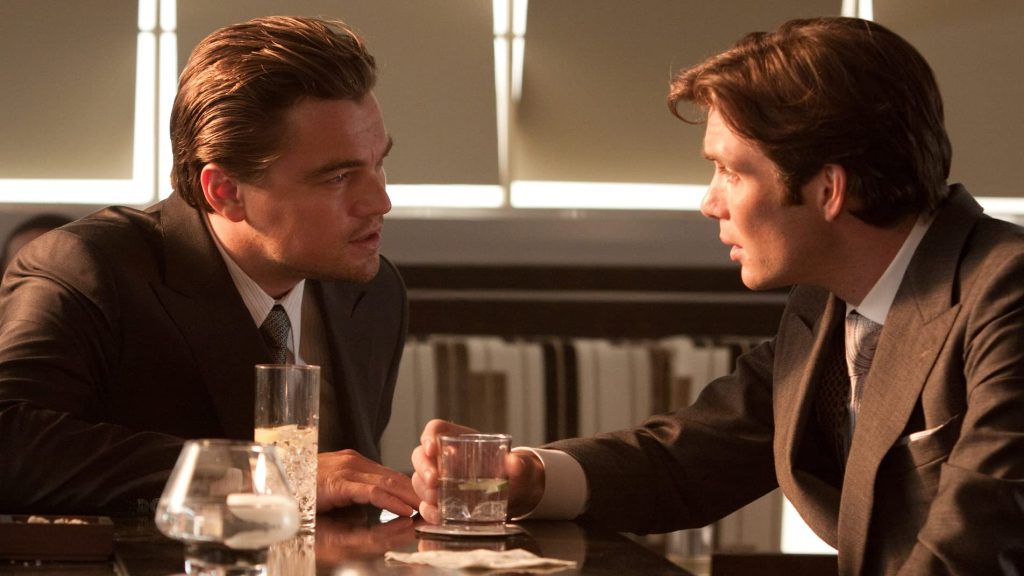
Inception (2010)
Layers of dreams blur reality to the point where even the ending leaves open whether the final moment exists within a dream or not.
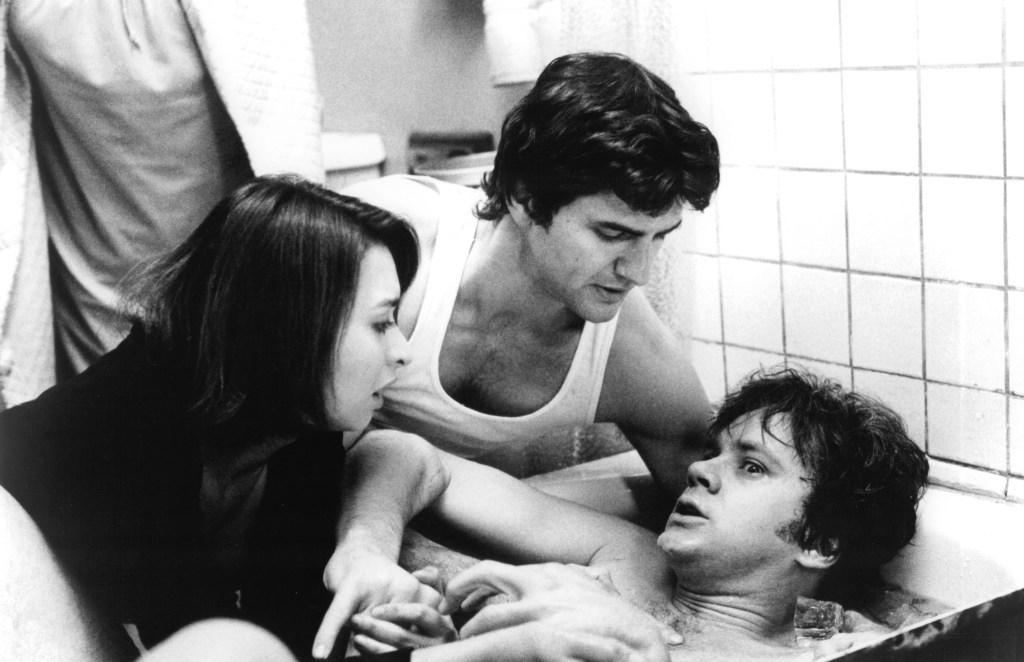
Jacob’s Ladder (1990)
The film suggests that much of what is seen may exist within a dreamlike state during the character’s final moments.
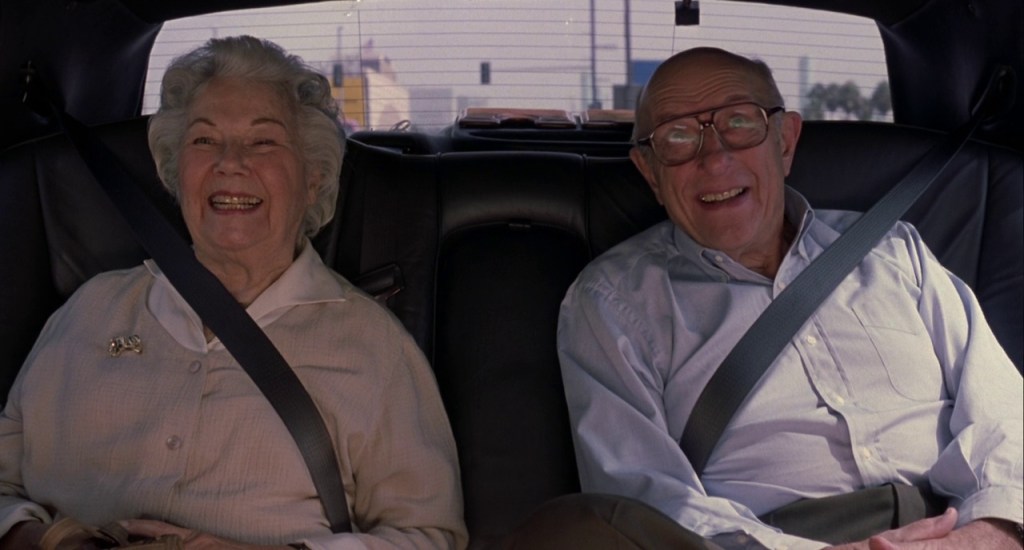
Mulholland Drive (2001)
Much of the narrative is interpreted as a dream or altered reality, shifting the meaning of the characters and events.
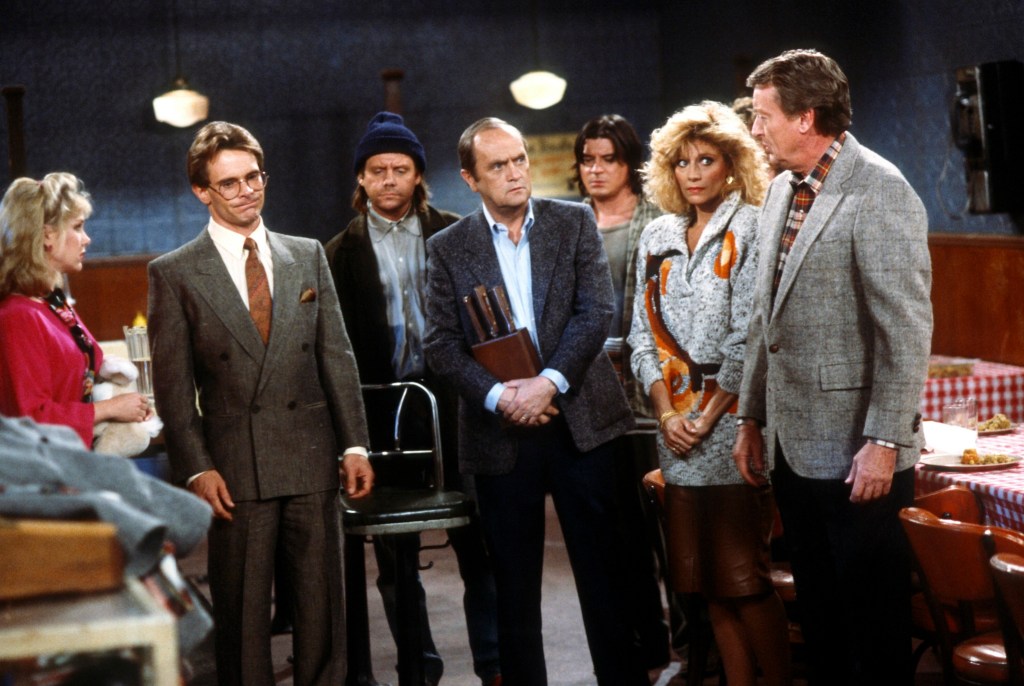
Newhart (1982)
The finale reveals that the entire show was a dream of the main character from a previous series.
Open Your Eyes (1997)
Much of the narrative unfolds within a dreamlike constructed reality that replaces the protagonist’s life.

Paprika (2006)
Dreams and reality merge completely, making it difficult to separate what is truly happening from what is imagined.
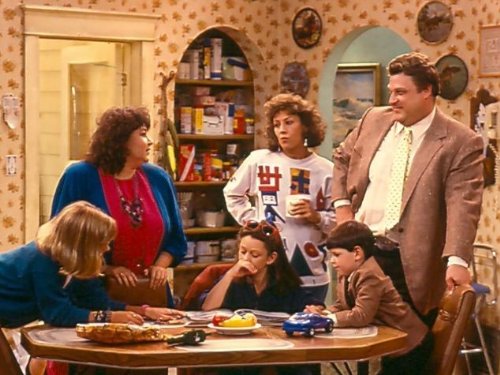
Roseanne (1988)
The final season reframes major elements of the story as part of a fictionalized narrative within the show.
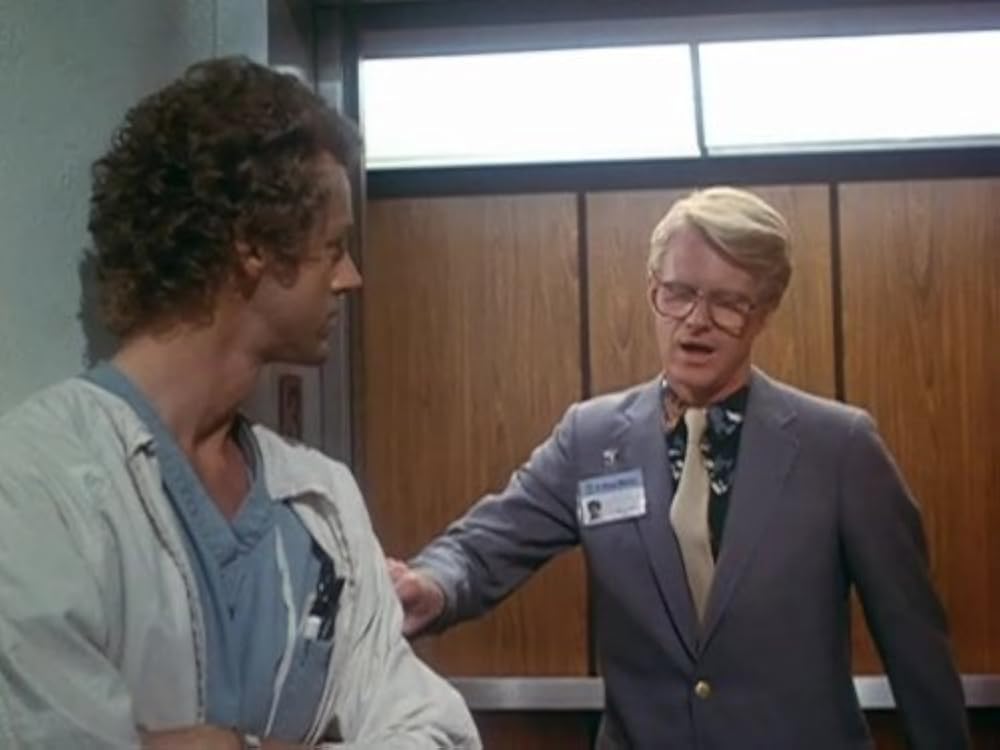
St. Elsewhere (1982)
The ending implies that the entire series may have taken place within a child’s imagination.
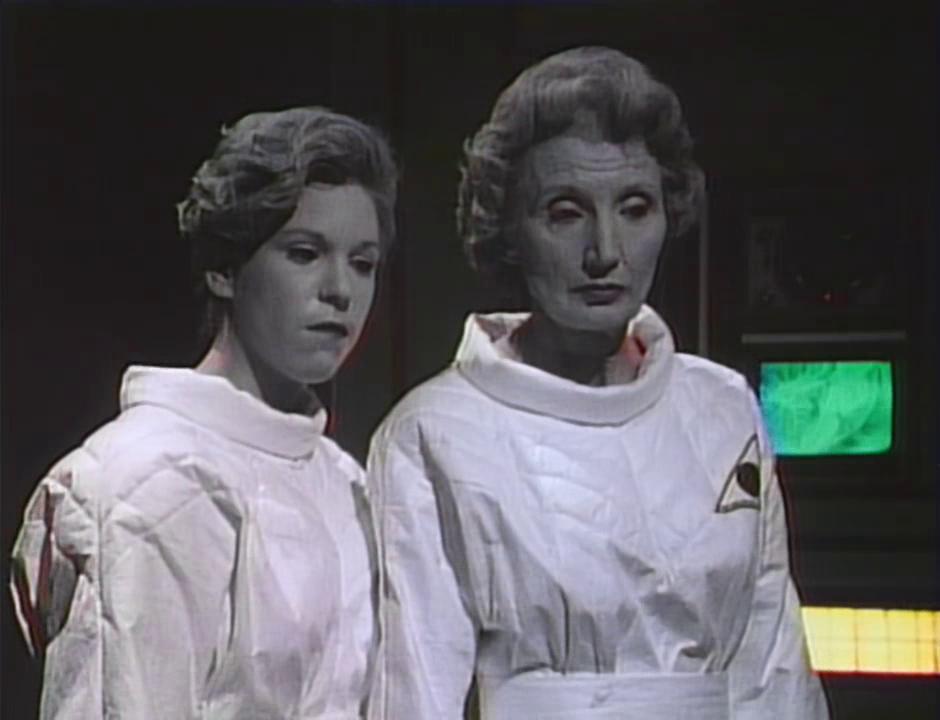
The Lathe of Heaven (1971)
Dreams actively reshape reality, blurring the line between what is imagined and what exists.
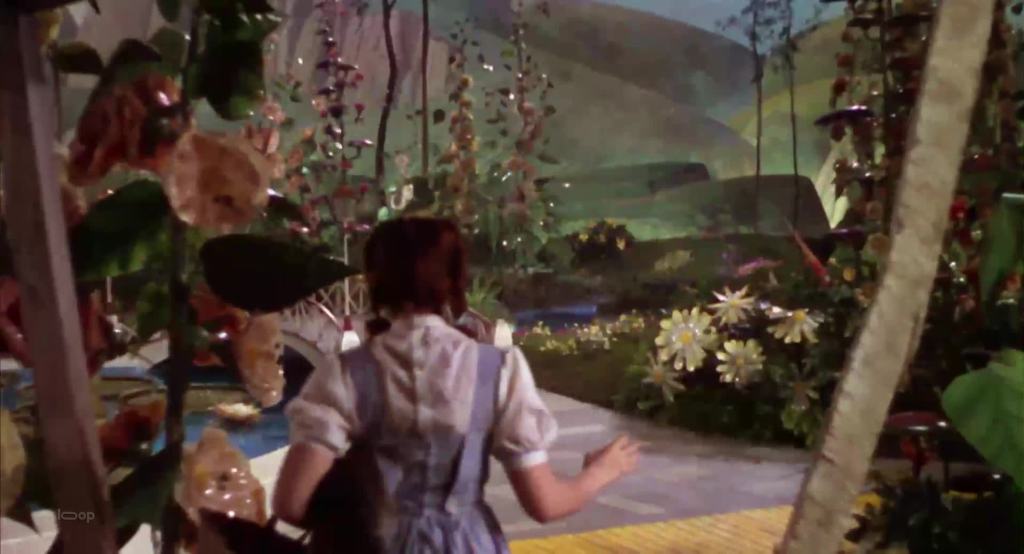
The Wizard of Oz (1939)
Dorothy’s journey is ultimately framed as a dream, recontextualizing the entire adventure.
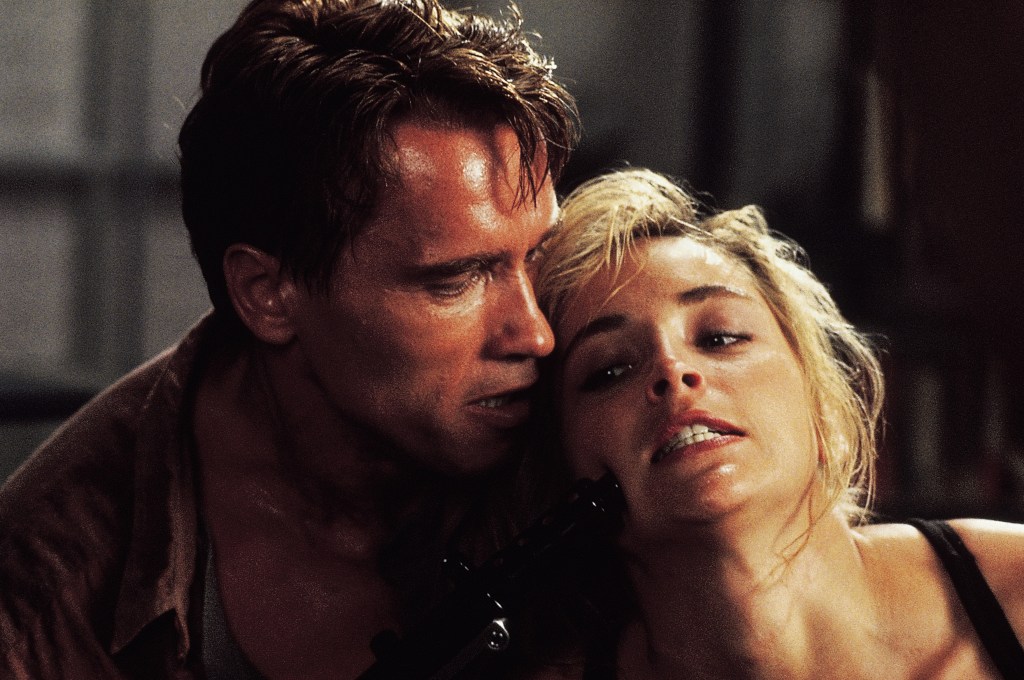
Total Recall (1990)
The entire adventure may be a dream or implanted memory, leaving the true reality uncertain.
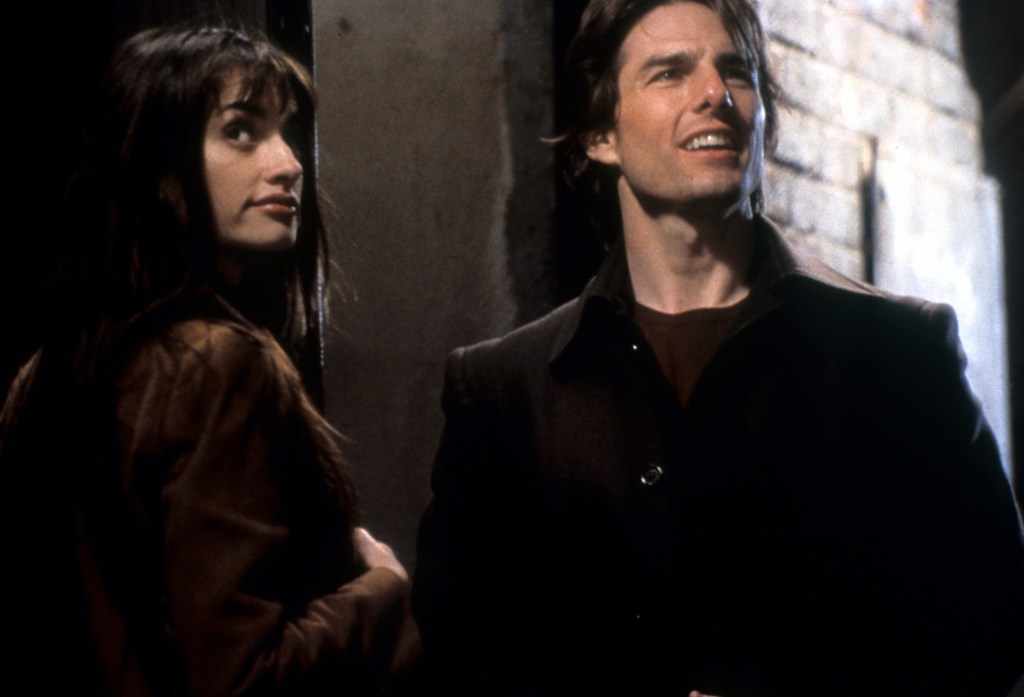
Vanilla Sky (2001)
The reality of the protagonist’s life is revealed to be a constructed dream state.
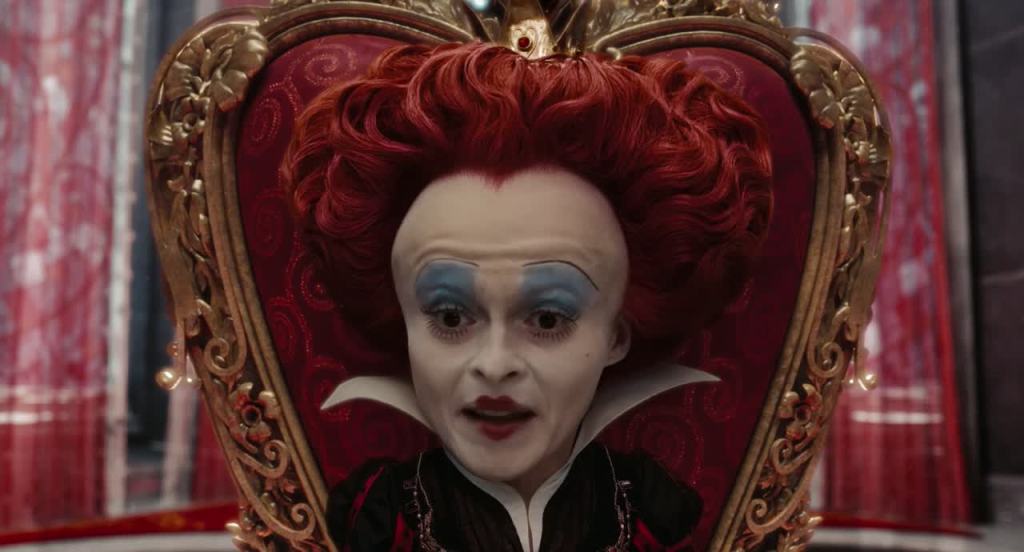
Alice’s Adventures in Wonderland (1865)
Alice’s strange journey is revealed to be a dream, framing the surreal events as imagination.
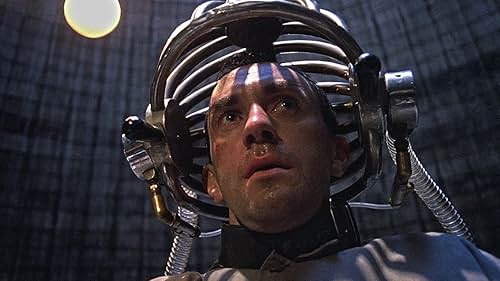
Brazil (1985)
The ending suggests that the protagonist escapes into a dream world rather than reality.
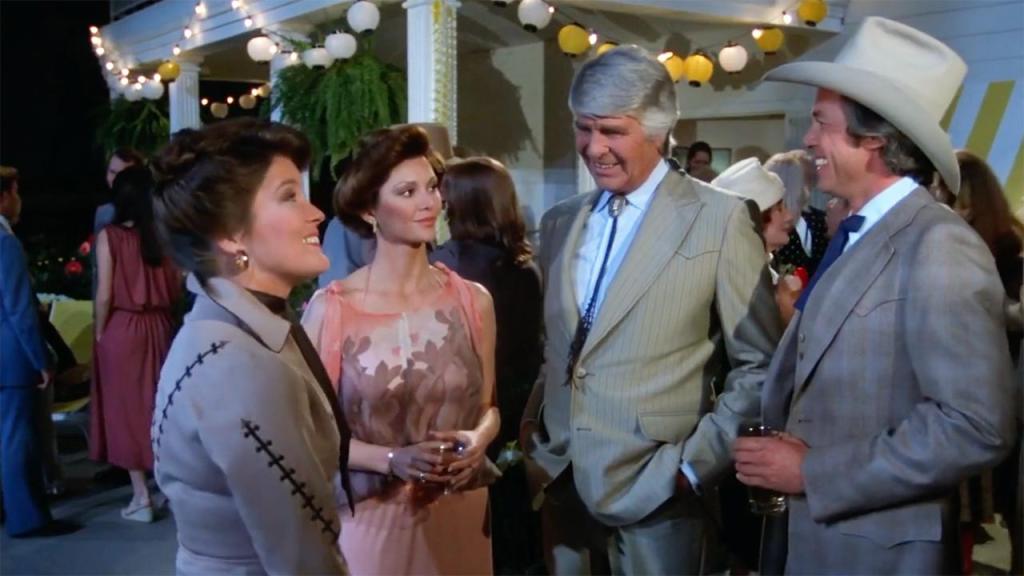
Dallas (1978)
A major storyline was famously revealed to be a dream, resetting events in a way that became part of television history.