15 Movies You Need to See to Call Yourself a Cinephile

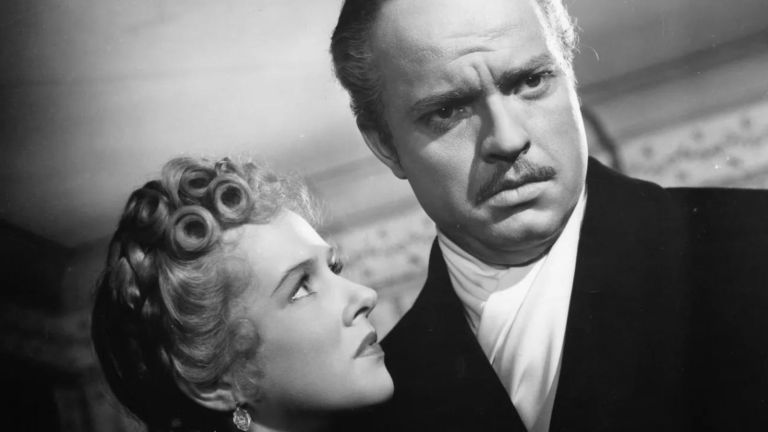
Being a cinephile goes beyond simply watching a lot of movies. It is about understanding the language of cinema, recognizing influence, and appreciating the films that shaped the medium in lasting ways. Some movies leave a mark not only because of their stories, but because of how they were made and what they represent within film history. These are the kinds of films that stay with you and deepen your perspective every time you watch them. Here are some essential titles that help define what it means to truly love and understand cinema.
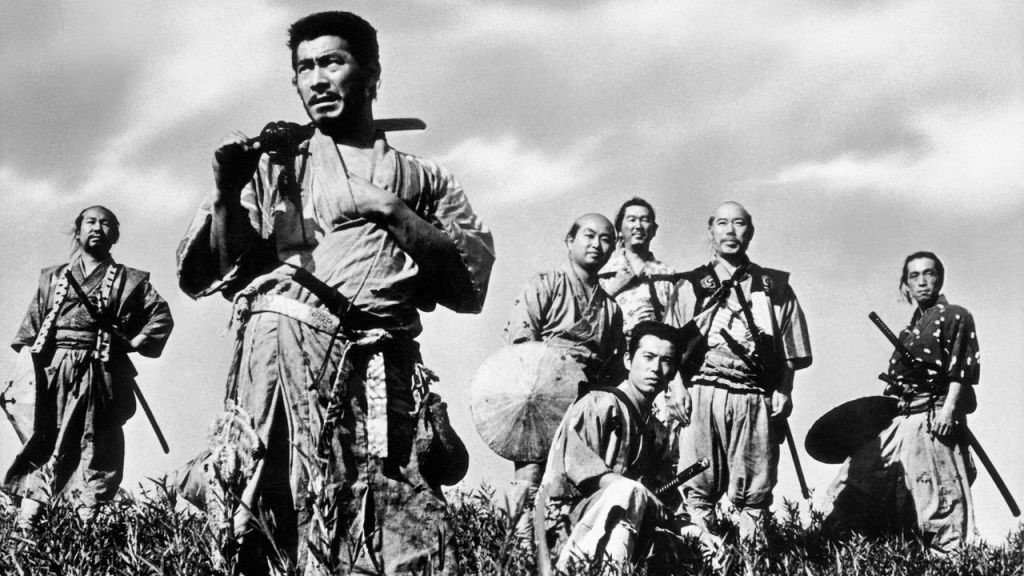
Seven Samurai (1954)
Akira Kurosawa created a blueprint for ensemble storytelling and action that has been echoed in countless films ever since.

Taxi Driver (1976)
Directed by Martin Scorsese, this film offers an intense character study that helped redefine psychological storytelling in cinema.
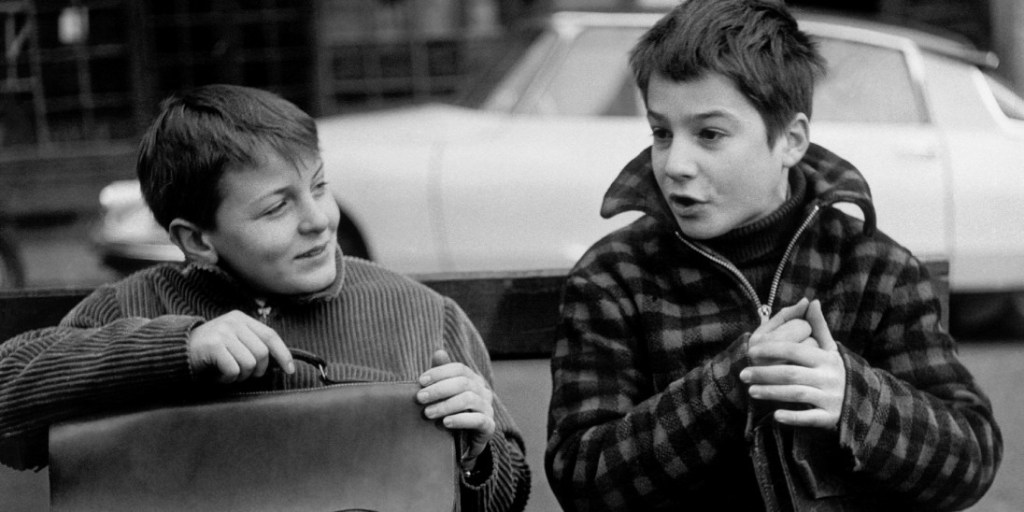
The 400 Blows (1959)
François Truffaut helped define the French New Wave with a deeply personal and realistic coming-of-age story.
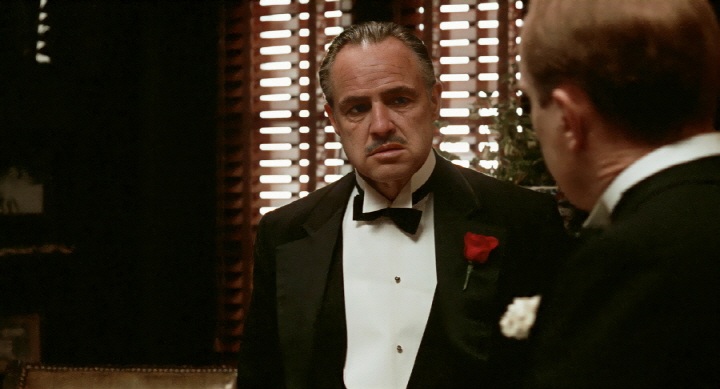
The Godfather (1972)
Francis Ford Coppola crafted a deeply immersive world where character, atmosphere, and storytelling come together in a way that defined modern filmmaking.
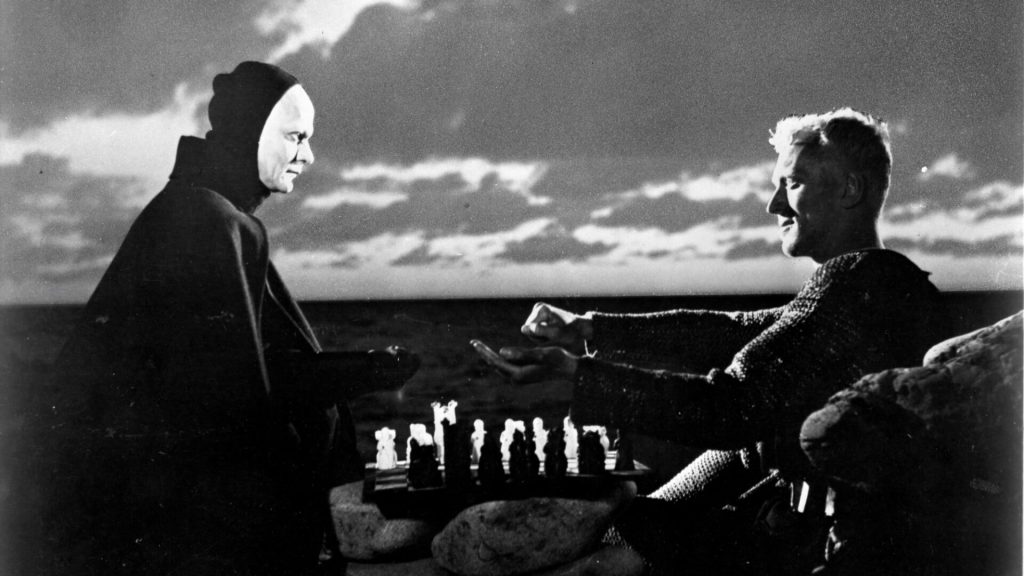
The Seventh Seal (1957)
Ingmar Bergman blends philosophy and storytelling into a powerful meditation on life, death, and belief.
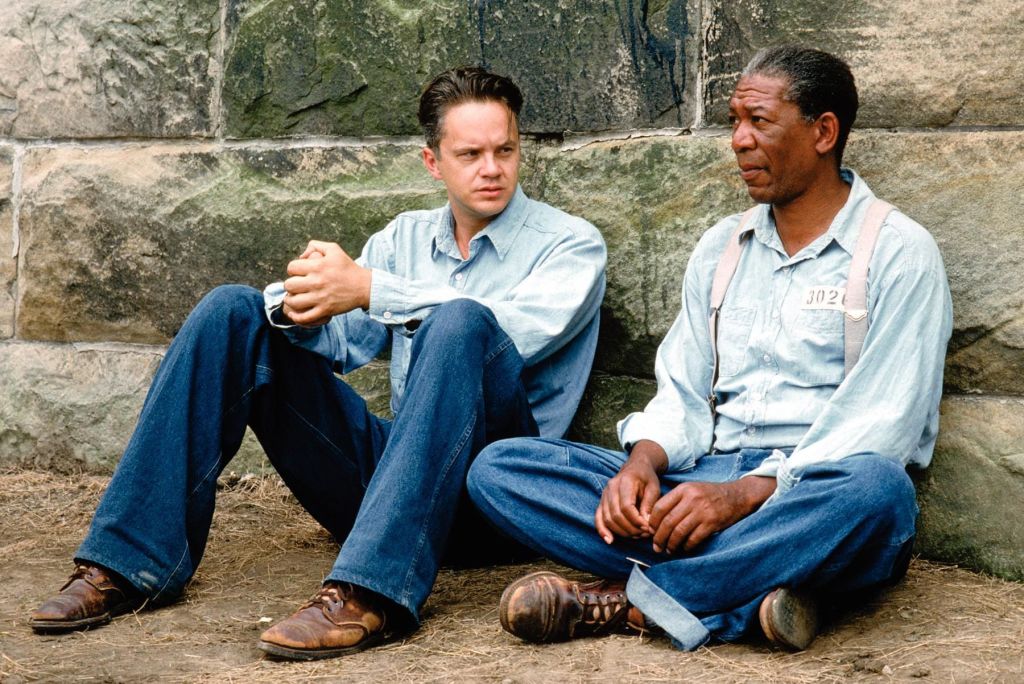
The Shawshank Redemption (1994)
A powerful story of hope and resilience that has become one of the most beloved films among audiences worldwide.
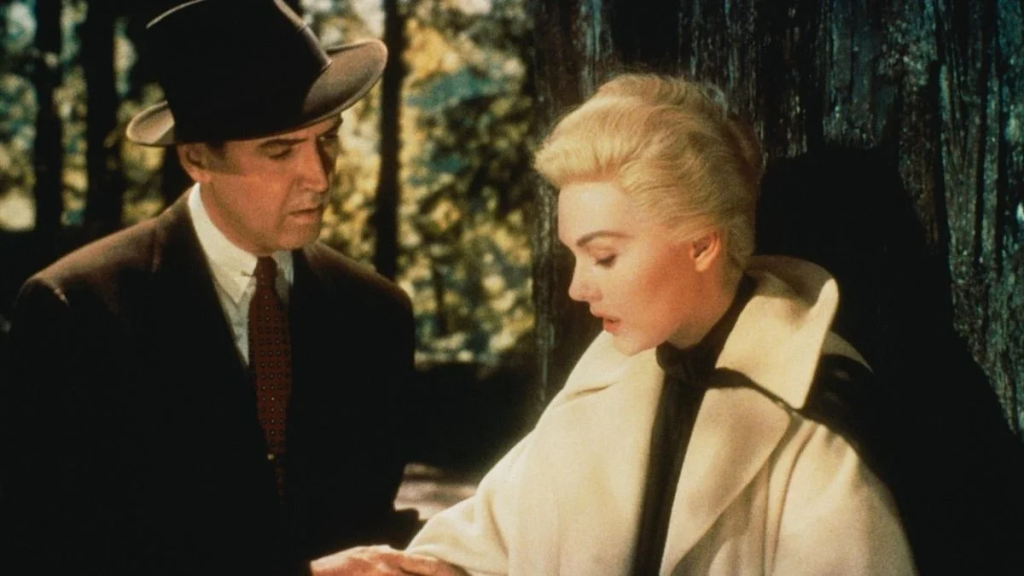
Vertigo (1958)
Alfred Hitchcock crafted a deeply unsettling and visually striking exploration of obsession and identity.
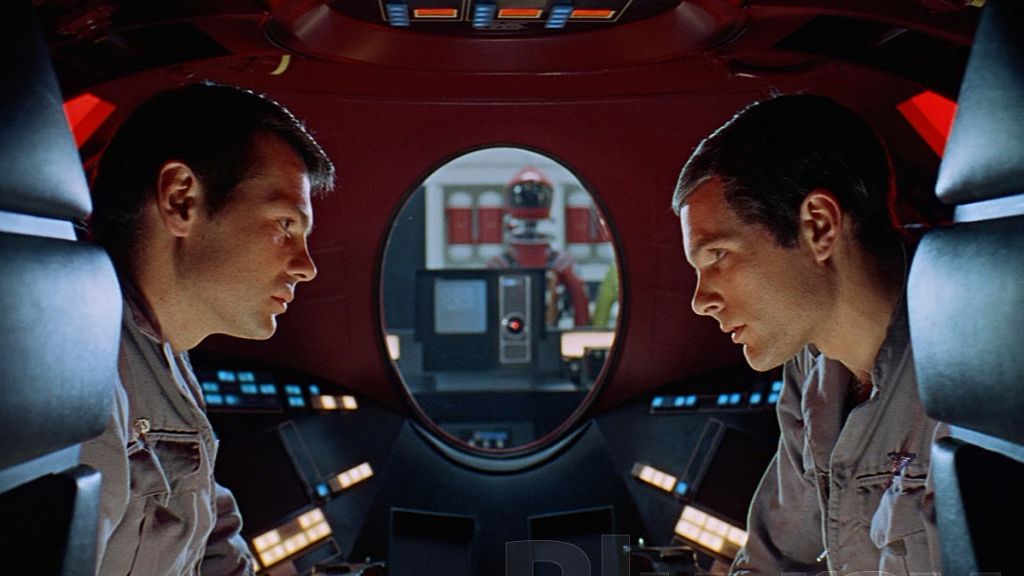
2001: A Space Odyssey (1968)
Stanley Kubrick delivered a visually groundbreaking film that explores themes of humanity, technology, and existence with minimal dialogue.
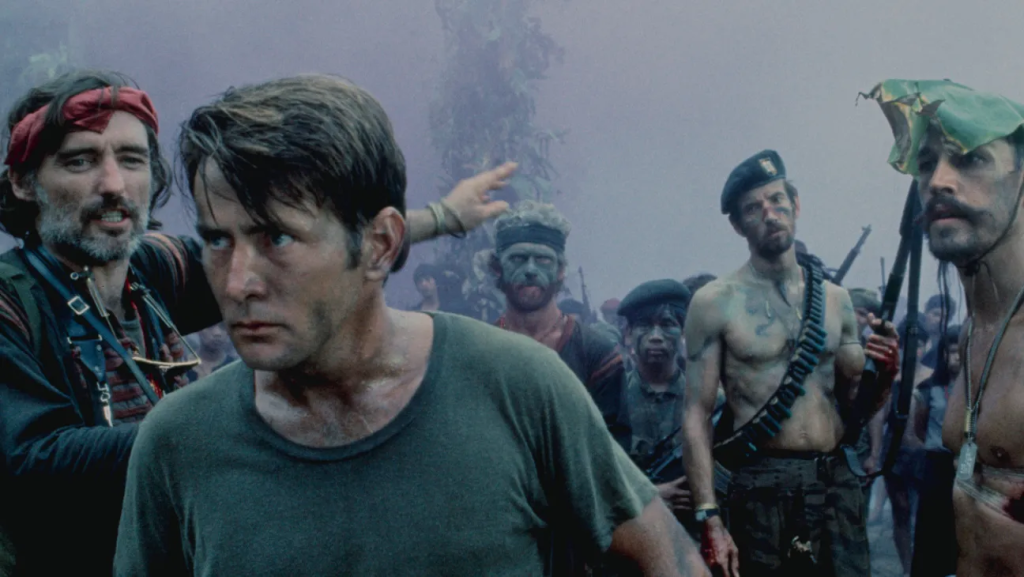
Apocalypse Now (1979)
A bold and ambitious work from Francis Ford Coppola that blends war, psychology, and surreal imagery into a singular cinematic experience.
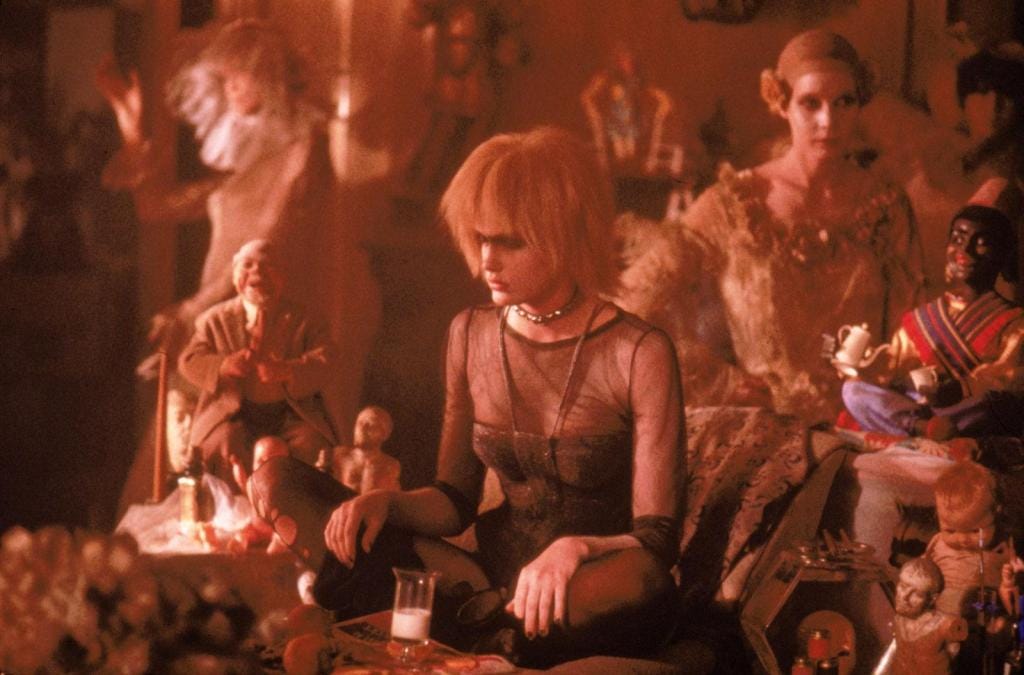
Blade Runner (1982)
A visually influential film that shaped the look and feel of science fiction for decades to come.
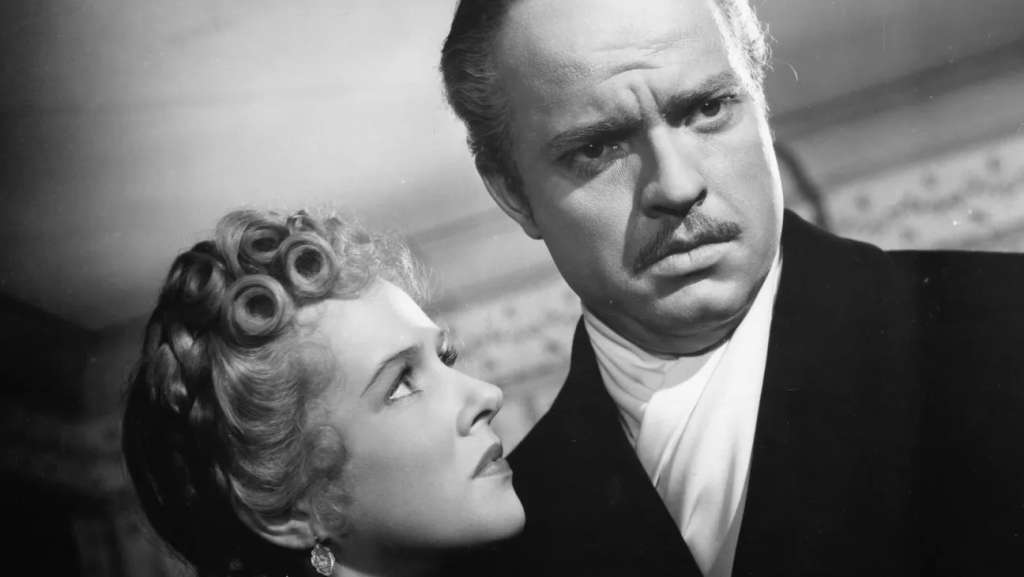
Citizen Kane (1941)
Directed by Orson Welles, this film changed how stories could be told on screen, with innovative structure and visual techniques that still influence cinema today.
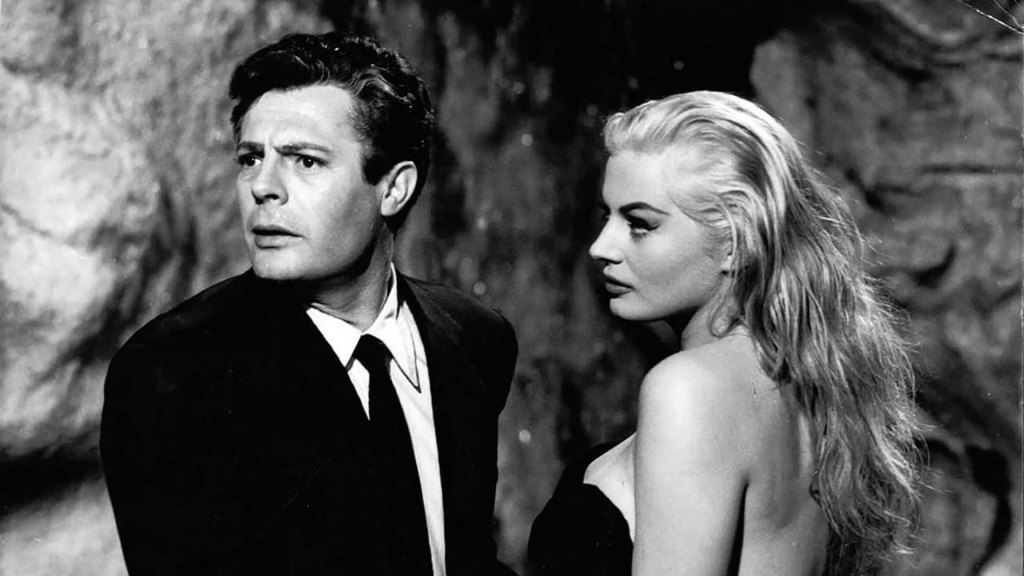
La Dolce Vita (1960)
Federico Fellini captures a moment in culture with a style and tone that feels both reflective and timeless.

Mulholland Drive (2001)
David Lynch delivers a complex and dreamlike narrative that challenges viewers and rewards interpretation.
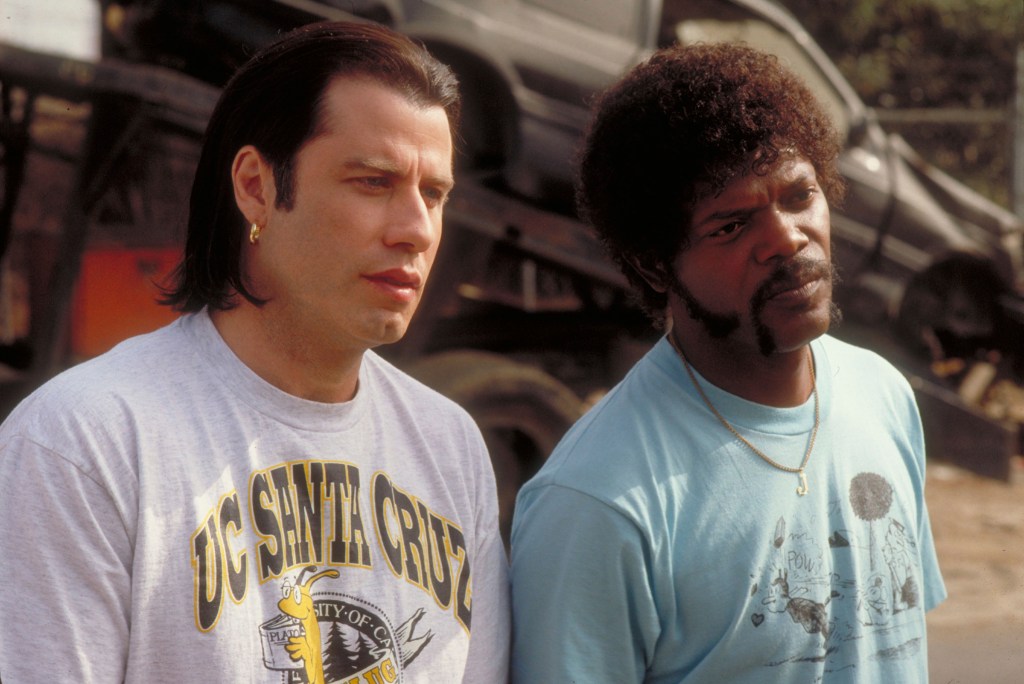
Pulp Fiction (1994)
Quentin Tarantino reshaped narrative structure with its non-linear storytelling and sharp dialogue, leaving a lasting cultural impact.
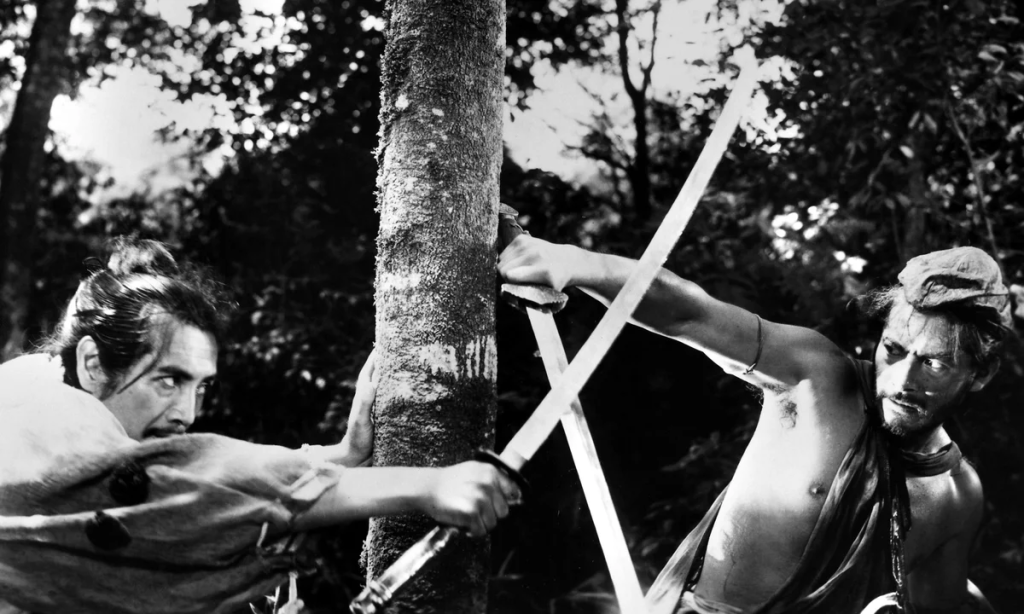
Rashomon (1950)
Another landmark by Akira Kurosawa, this film introduced a narrative style that examines truth through multiple perspectives.