15 Movies Where Time Travel Makes Absolutely No Sense


Time travel has always been one of the more fascinating concepts in storytelling, offering endless possibilities for twists, paradoxes, and alternate realities. Some films embrace its complex rules, while others brush aside continuity for the sake of the story. The result can still be entertaining, even when the mechanics fall apart under closer inspection. Here are fifteen movies where time travel makes absolutely no sense.

The Butterfly Effect (2004)
Every change creates new timelines with shifting rules that never fully stabilize. The cause and effect relationships keep resetting, making it hard to understand what truly carries over between versions.

The Time Traveler’s Wife (2009)
The emotional story remains central, but the mechanics behind the time jumps are never clearly defined. Events seem fixed and flexible at the same time.
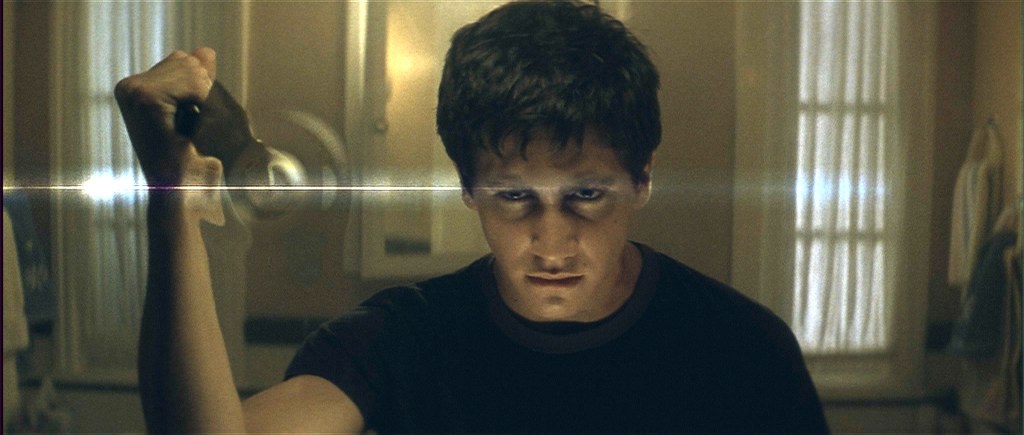
Donnie Darko (2001)
The story combines time loops, alternate realities, and abstract concepts. Its internal logic remains intentionally ambiguous and difficult to fully decode.
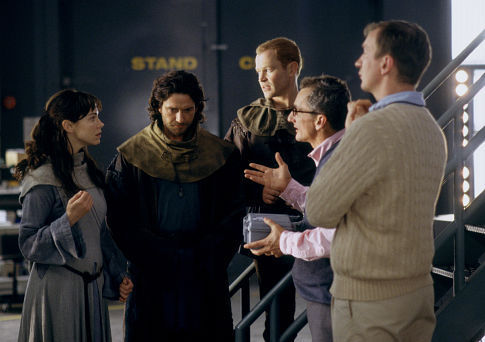
Timeline (2003)
Scientific explanations are introduced, but quickly become secondary to the action. The logic behind how characters move through time becomes difficult to follow.
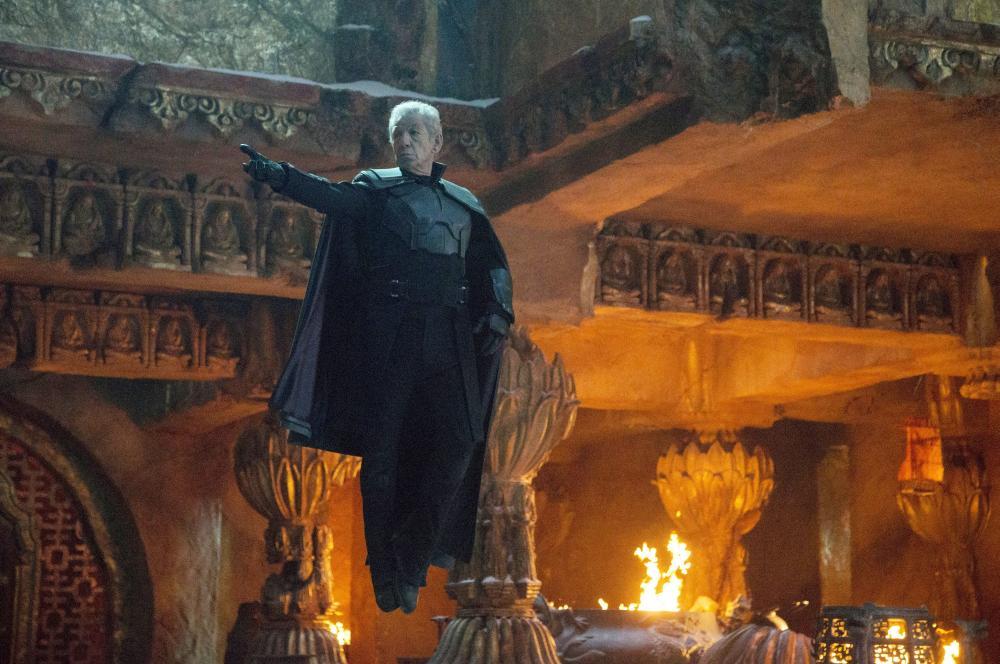
X-Men: Days of Future Past (2014)
Altering the past somehow rewrites the future in real time. Characters retain memories that logically should no longer exist, creating confusion about how timelines actually function.

Avengers: Endgame (2019)
The film establishes a branching timeline system, but previous franchise logic contradicts it. The rules seem to shift depending on what the story needs in each moment.
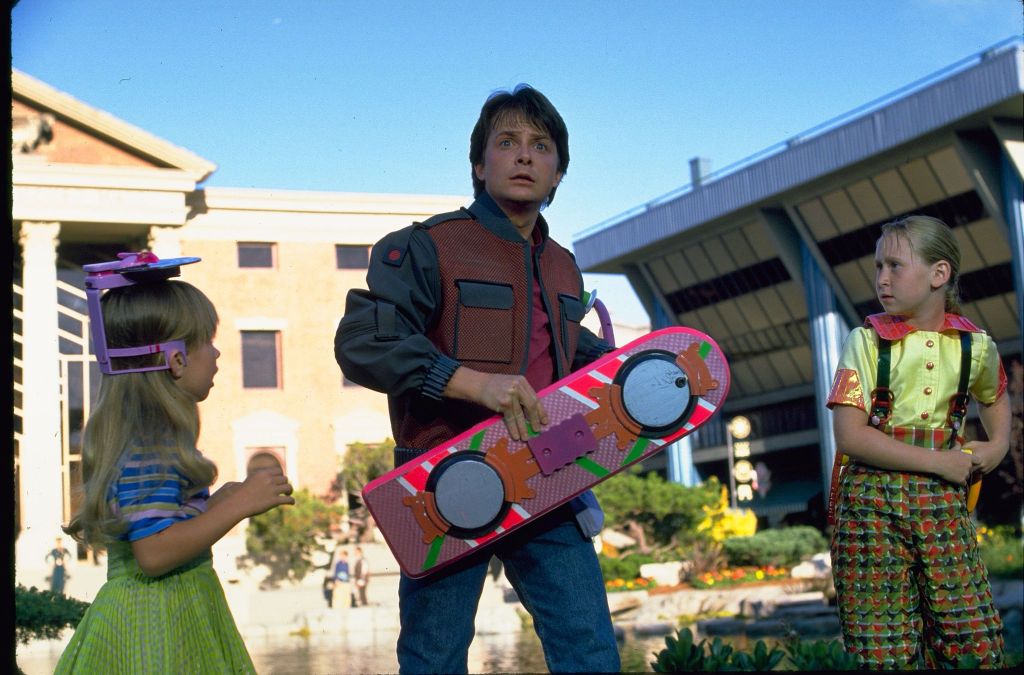
Back to the Future Part II (1989)
The introduction of alternate timelines adds complexity that clashes with earlier rules. Changes in one timeline do not always produce consistent or logical outcomes.

Click (2006)
Time manipulation is used as a narrative tool with flexible rules. The mechanics change depending on the emotional direction of the story rather than consistency.
Déjà Vu (2006)
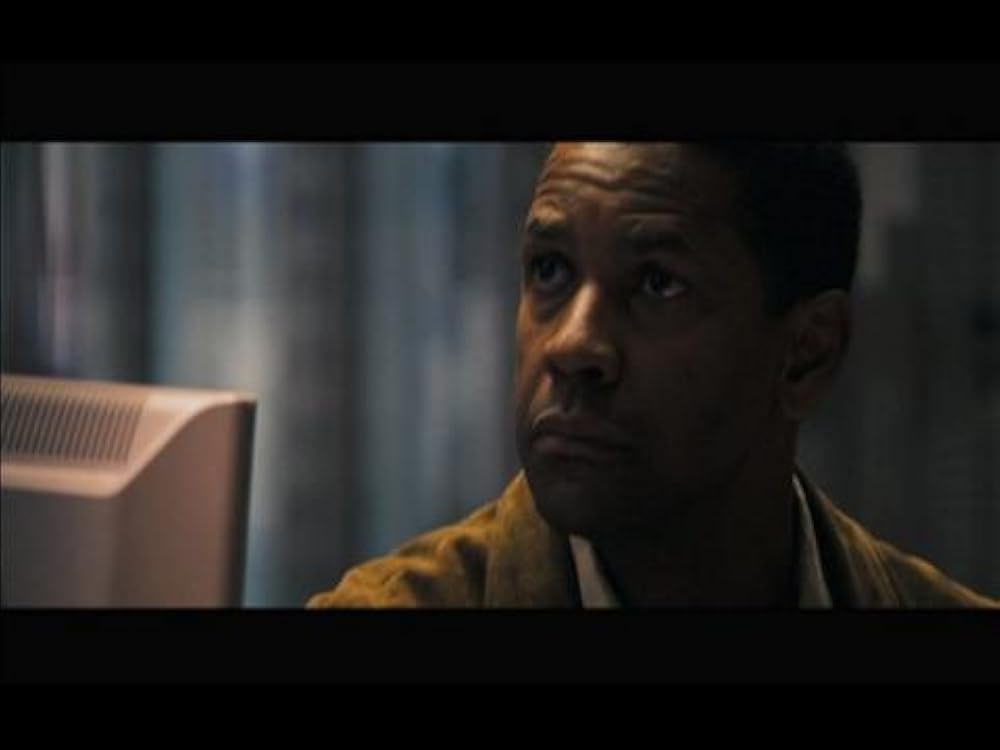
The film blends surveillance of the past with actual time travel in ways that blur its own rules. The transition between observation and interaction is never fully explained.
Hot Tub Time Machine (2010)
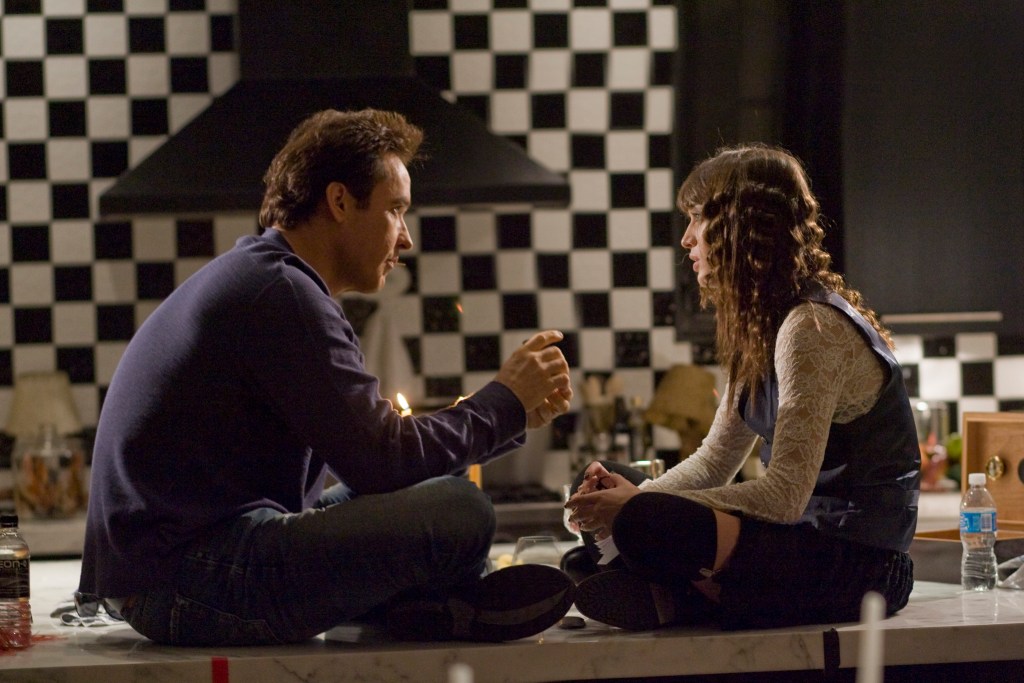
The film treats time travel loosely, allowing major changes with minimal consequences. Outcomes shift freely without consistent rules governing them.

Looper (2012)
The film introduces clear rules about time travel early on, but gradually ignores them. The way characters physically change based on future actions creates contradictions that never fully resolve.
Predestination (2014)
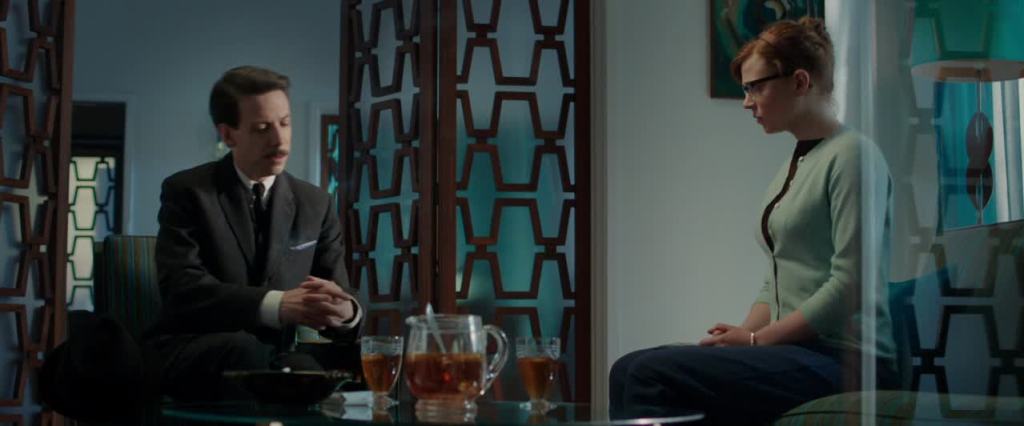
The narrative creates a closed loop where cause and effect feed into each other endlessly. Identity and origin blur together in a way that raises more questions than answers.

Project Almanac (2015)
Each change to the past creates ripple effects that do not follow a stable pattern. The more the characters interfere, the less coherent the timeline becomes.

Source Code (2011)
The time loop behaves more like parallel realities than repeated moments. The distinction between simulation and reality becomes increasingly unclear.

Terminator Genisys (2015)
Multiple timelines overlap and reset without a clear structure. Key events are changed or erased, but characters continue as if the original sequence still matters.