15 Movies That Changed Their Ending at the Last Minute

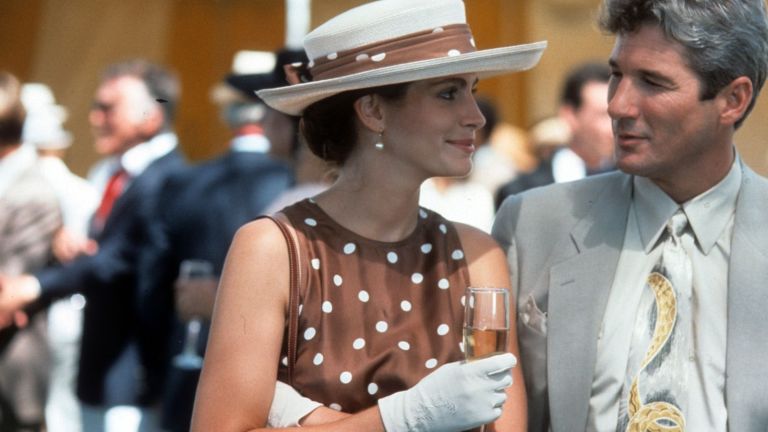
Some movies feel perfectly crafted from beginning to end, but behind the scenes, things aren’t always so planned. In many cases, filmmakers change the ending at the last minute, whether due to test screenings, studio pressure, or a sudden creative decision. These changes can completely alter the tone of a film, sometimes making it more satisfying, more shocking, or more open to interpretation. What makes it even more interesting is imagining how different the movie would feel with its original ending. This list looks at fifteen movies that changed their ending at the last minute, and how those decisions shaped the final result audiences saw on screen.
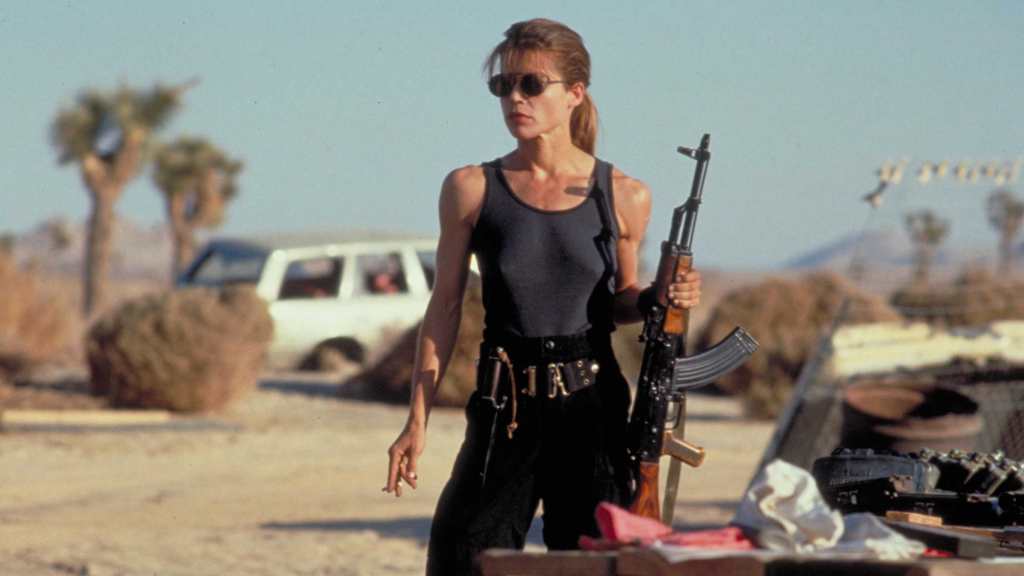
Terminator 2 (1991)
An alternate ending showing an older Sarah Connor was filmed, but the final cut kept things more open-ended and iconic.
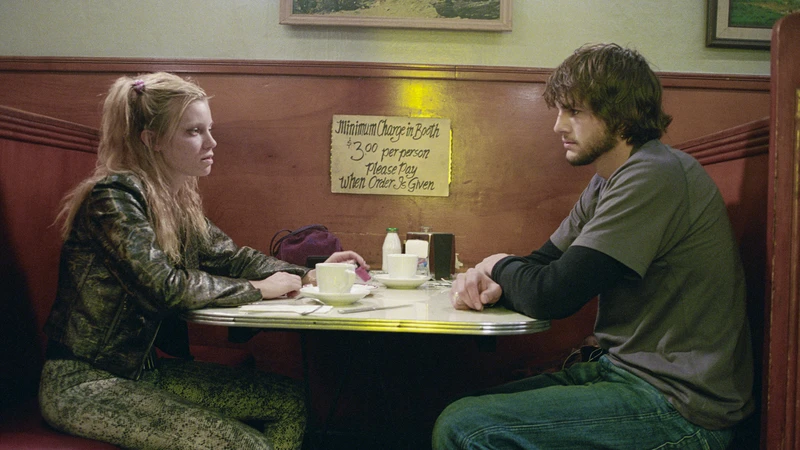
The Butterfly Effect (2004)
Multiple endings were filmed, including a much darker one. The theatrical version was chosen to be less disturbing and more accessible.
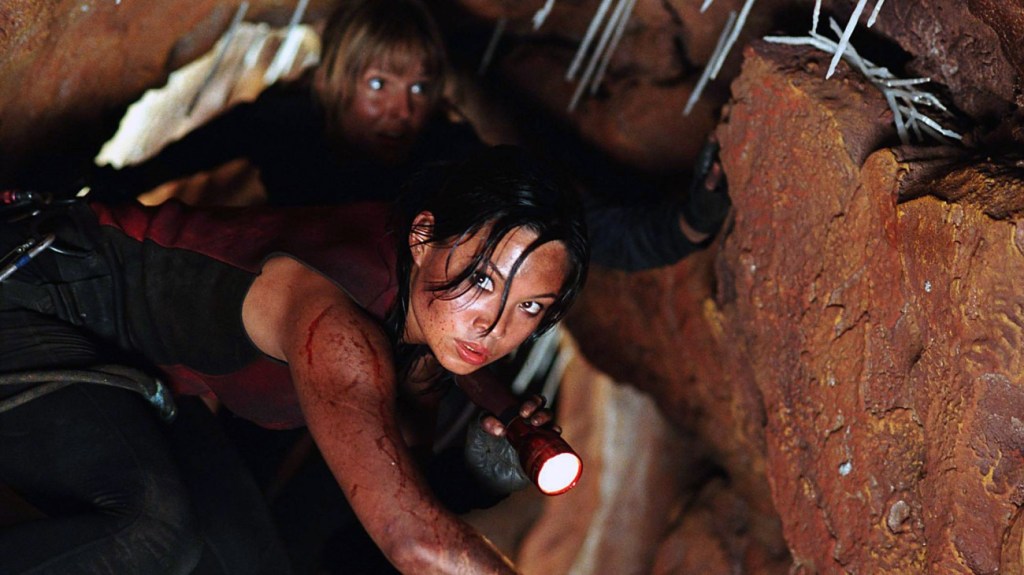
The Descent (2005)
Different regions received different endings, with the original being far darker and more hopeless than the theatrical version in some markets.
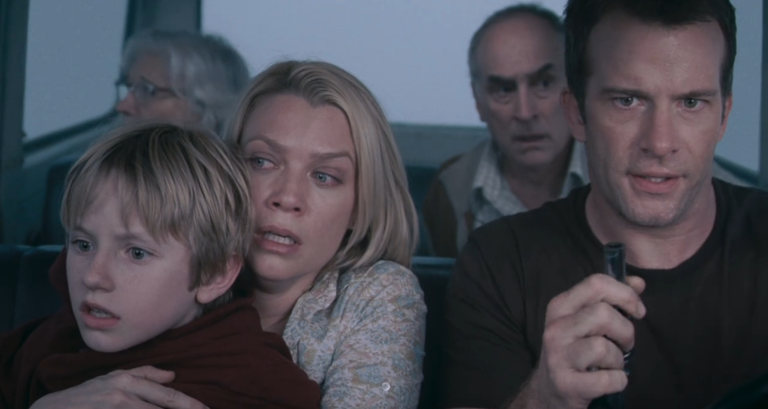
The Mist (2007)
While the film’s ending differs from the original story, it was a last-minute creative decision that made it far more shocking and memorable.
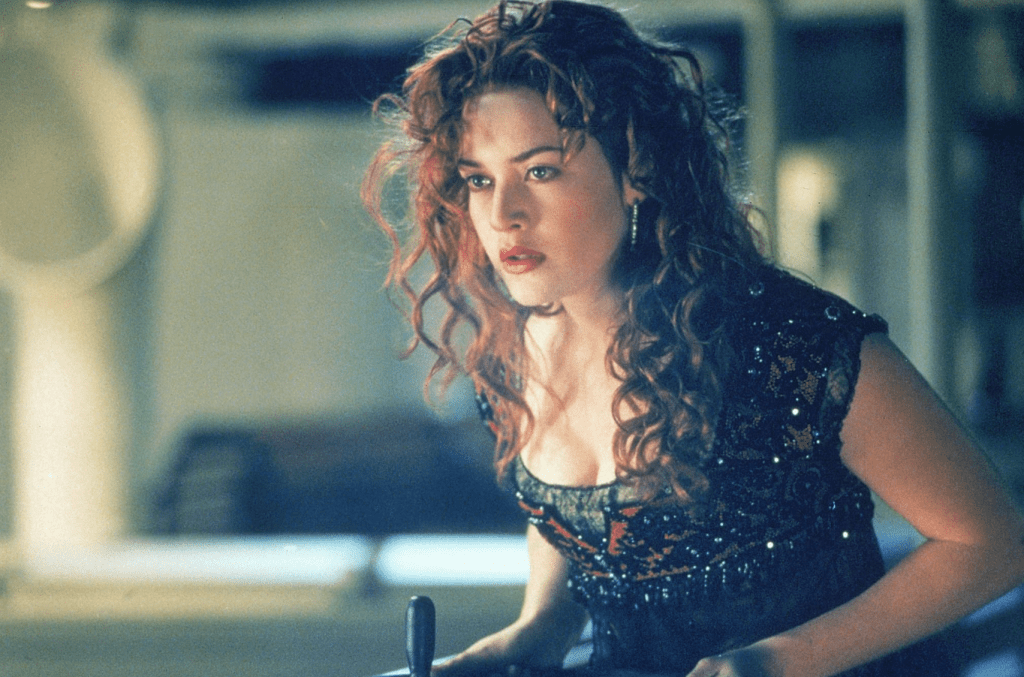
Titanic (1997)
Several alternate endings were shot, including one with modern-day characters reacting differently, but the final version kept things more emotional and focused.
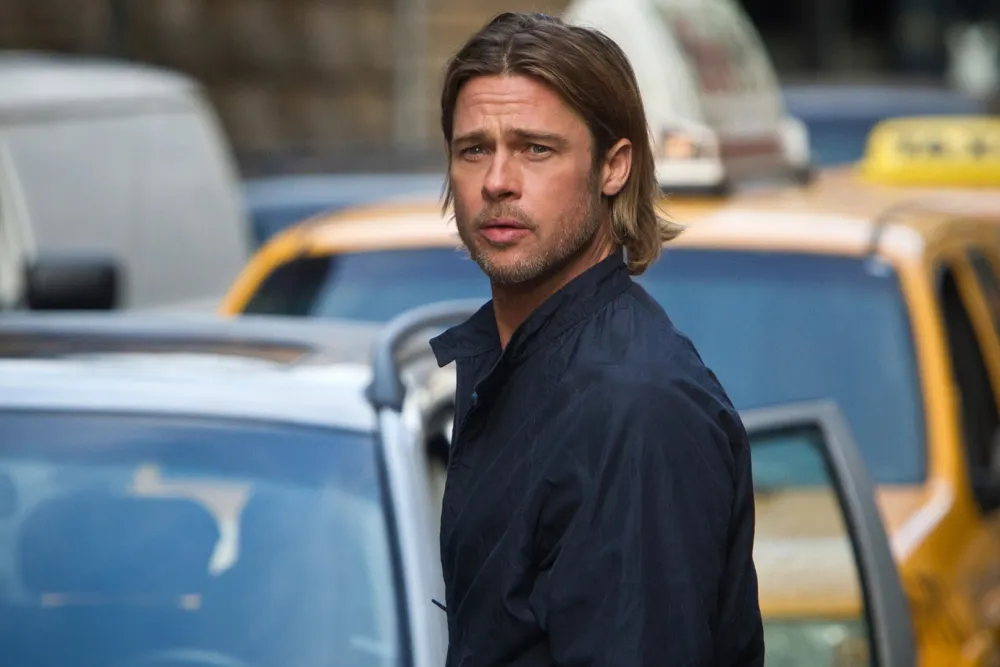
World War Z (2013)
The entire third act was rewritten and reshot, shifting from a large-scale battle to a more contained and suspenseful ending.
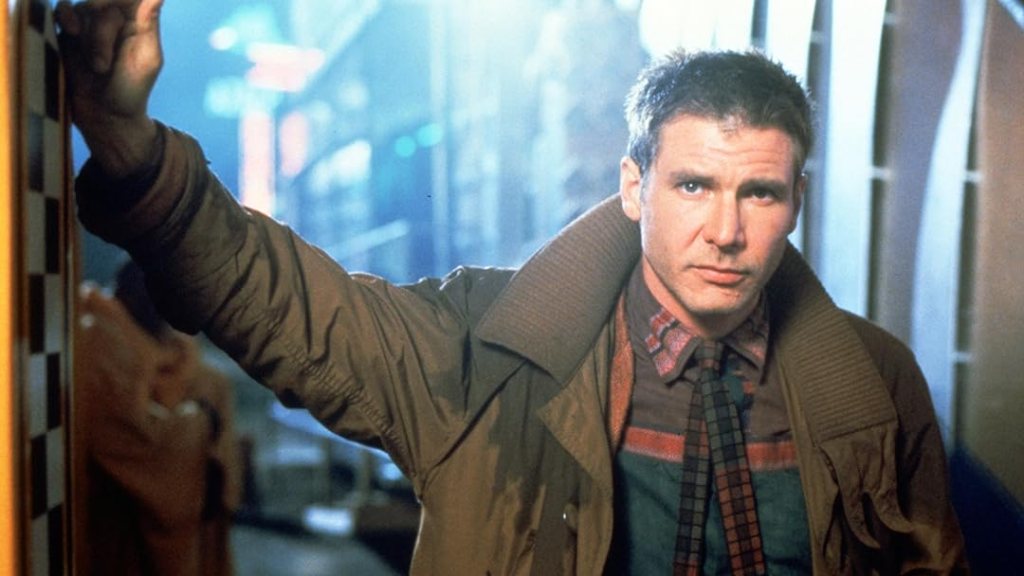
Blade Runner (1982)
The studio pushed for a more optimistic ending with narration, which contrasts heavily with the darker tone of later director’s cuts.
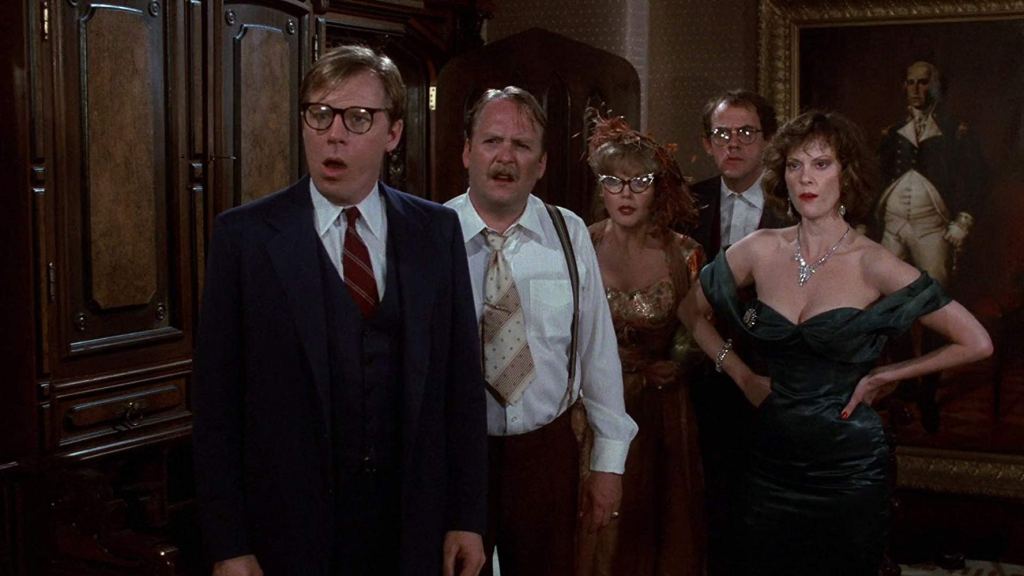
Clue (1985)
The film famously features multiple endings, originally shown in different theaters, making the “true” ending a unique concept.
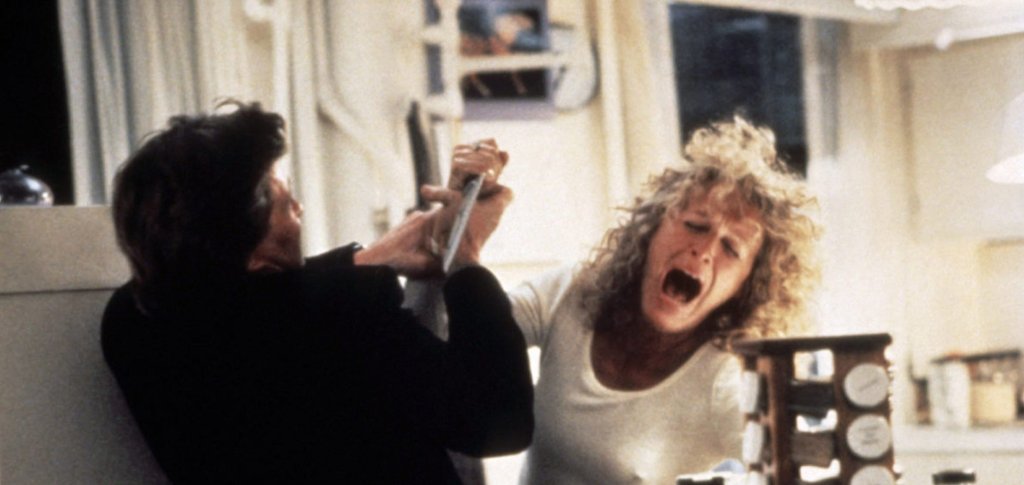
Fatal Attraction (1987)
The original ending had Alex take her own life, but test audiences rejected it. The reshot, more violent confrontation made the film far more intense and commercially successful.
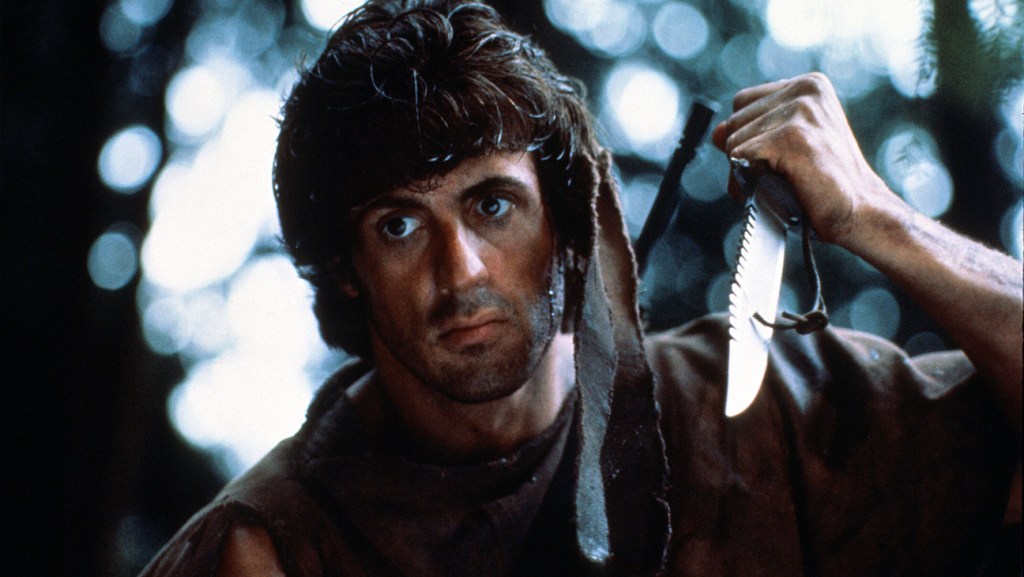
First Blood (1982)
John Rambo originally died at the end, but the ending was changed to keep the character alive, leading to an entire franchise.
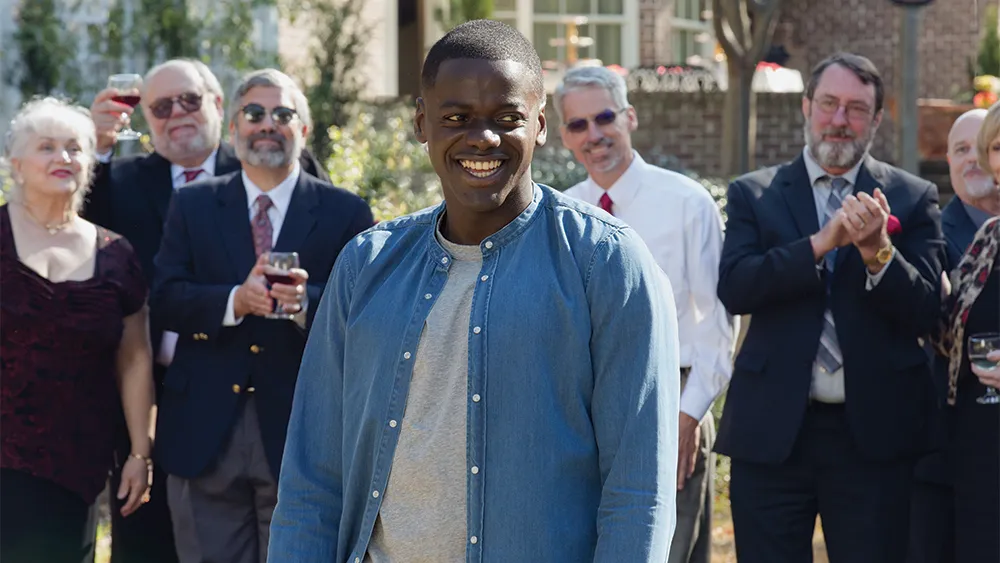
Get Out (2017)
The original ending was far more tragic, with Chris being arrested. The final version offered a more satisfying and relieving conclusion for audiences.
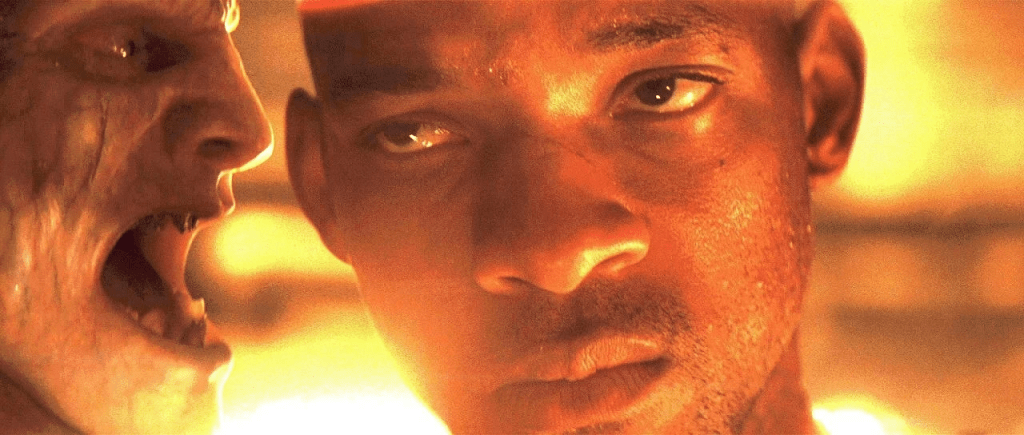
I Am Legend (2007)
The theatrical ending turns Neville into a heroic martyr, but the original version revealed the creatures had intelligence, completely changing the moral perspective.
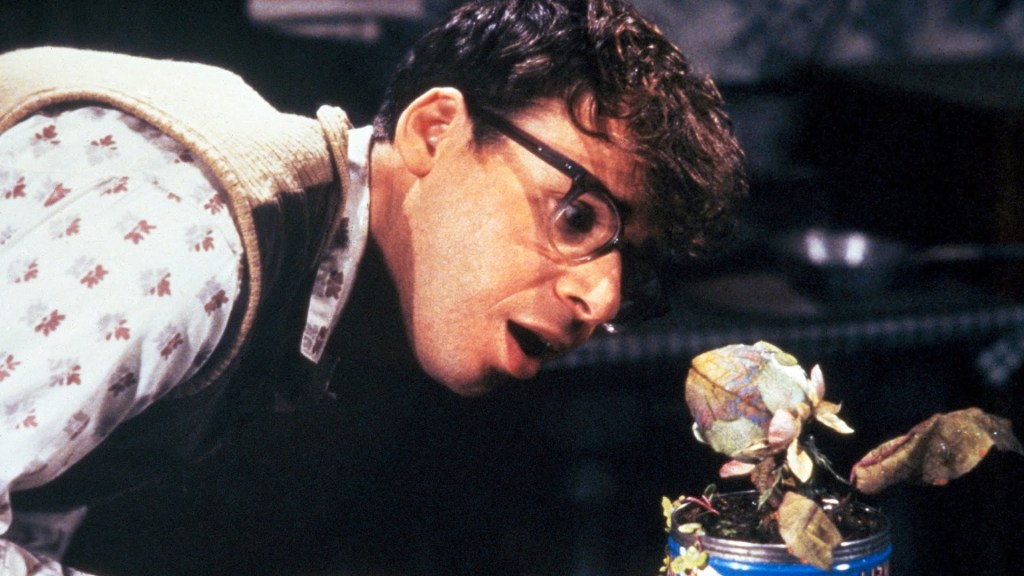
Little Shop of Horrors (1986)
The original ending had the plants taking over the world, but audiences preferred a happier resolution, leading to a complete change.
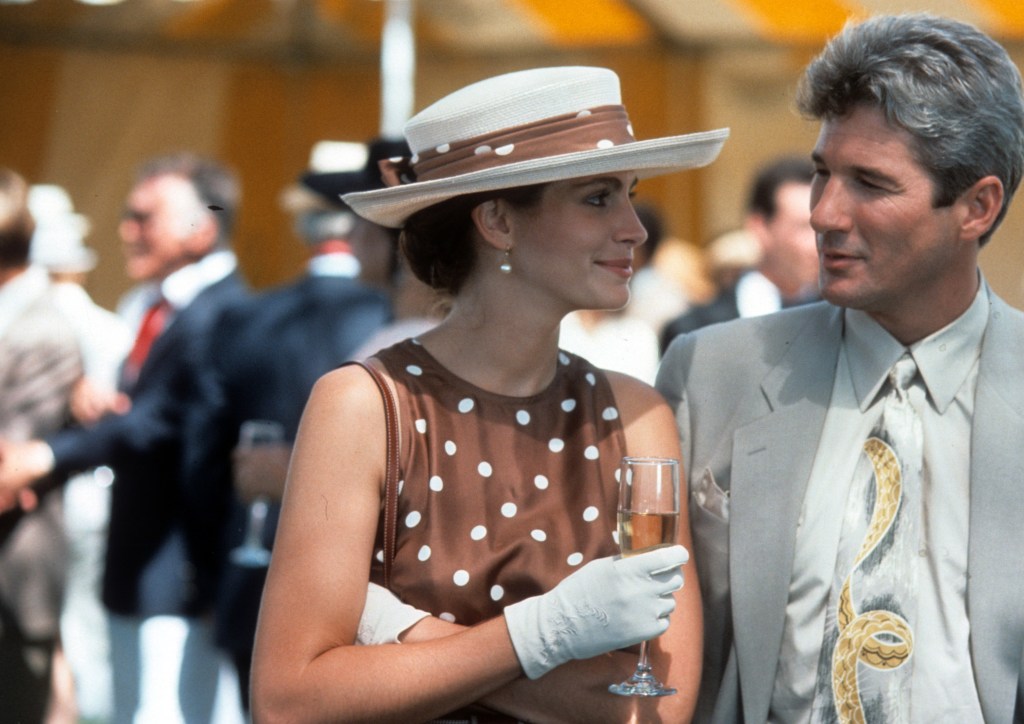
Pretty Woman (1990)
Originally written as a much darker story, the ending was changed to a romantic, feel-good resolution that defined the film’s success.
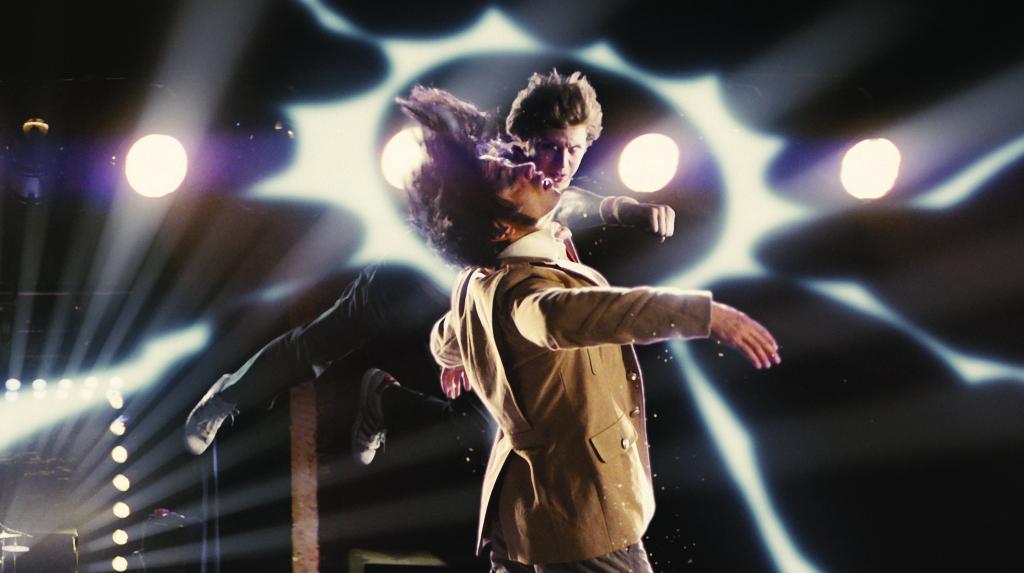
Scott Pilgrim vs. the World (2010)
The original ending had Scott ending up with Knives instead of Ramona, but it was changed to better fit audience expectations.