15 Hyped Video Game Rollouts That Were Total Flops

Marketing cycles in the gaming industry can stretch for years, building anticipation through cinematic trailers, developer promises, and carefully staged reveals. But sometimes, when launch day finally arrives, the reality fails to match the hype. Technical issues, missing features, delayed content, or fundamental design missteps can quickly erode player goodwill. In some cases, the damage is temporary. In others, it permanently alters a franchise’s reputation. From ambitious reboots to long awaited sequels, here are fifteen hyped video game rollouts that ultimately stumbled when it mattered most.
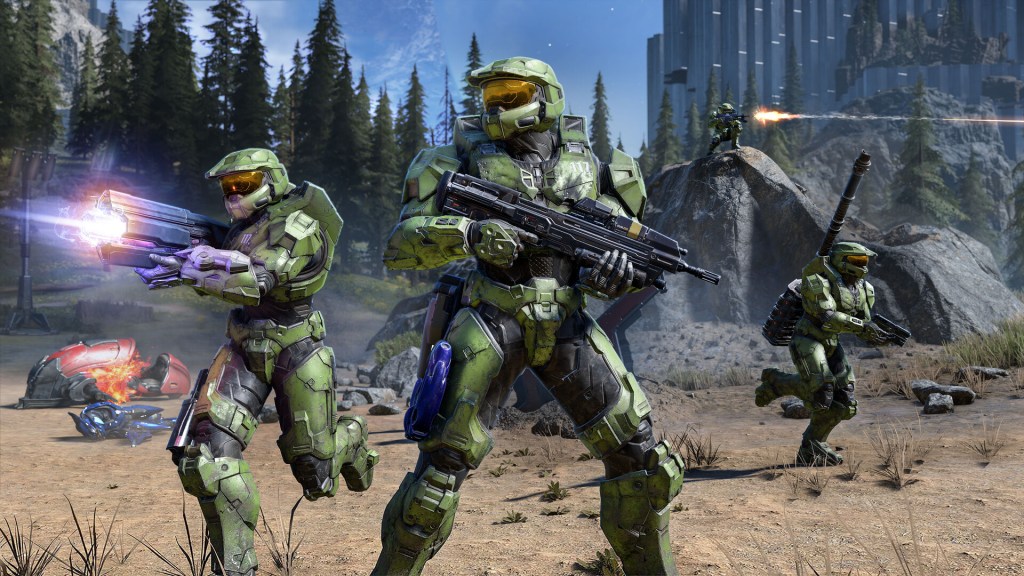
Halo Infinite
Marketed as the triumphant return of Master Chief, Halo Infinite generated enormous anticipation. However, its launch was overshadowed by missing core features like campaign co op and Forge mode, along with a controversial progression system in multiplayer. While the gameplay foundation was praised, the incomplete rollout left many fans disappointed.
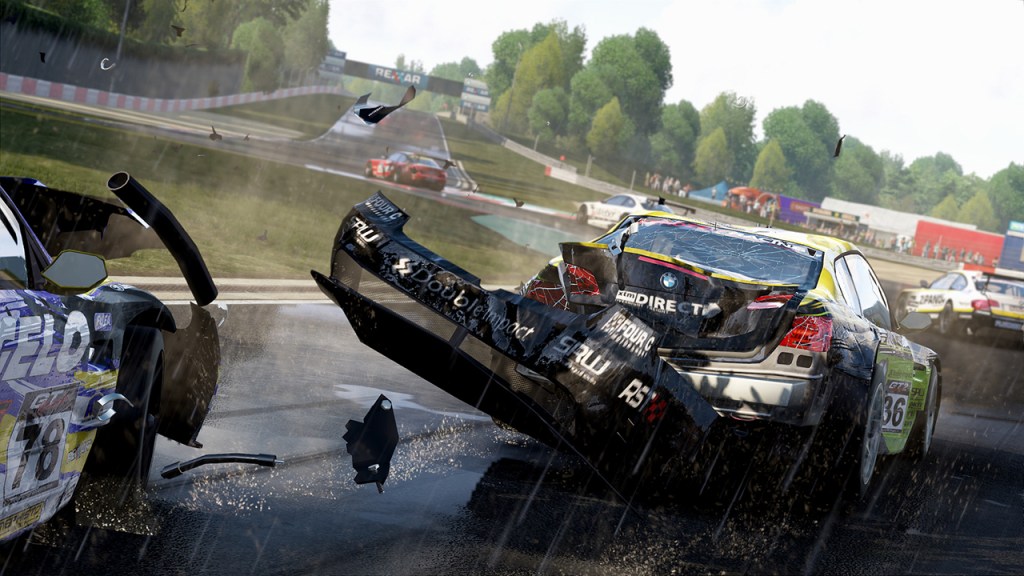
Project Cars
Promoted as a realistic racing simulator built with community input, Project Cars arrived with technical inconsistencies across platforms. Performance issues and uneven AI behavior undercut the bold promises made during its extended crowdfunding fueled marketing campaign.
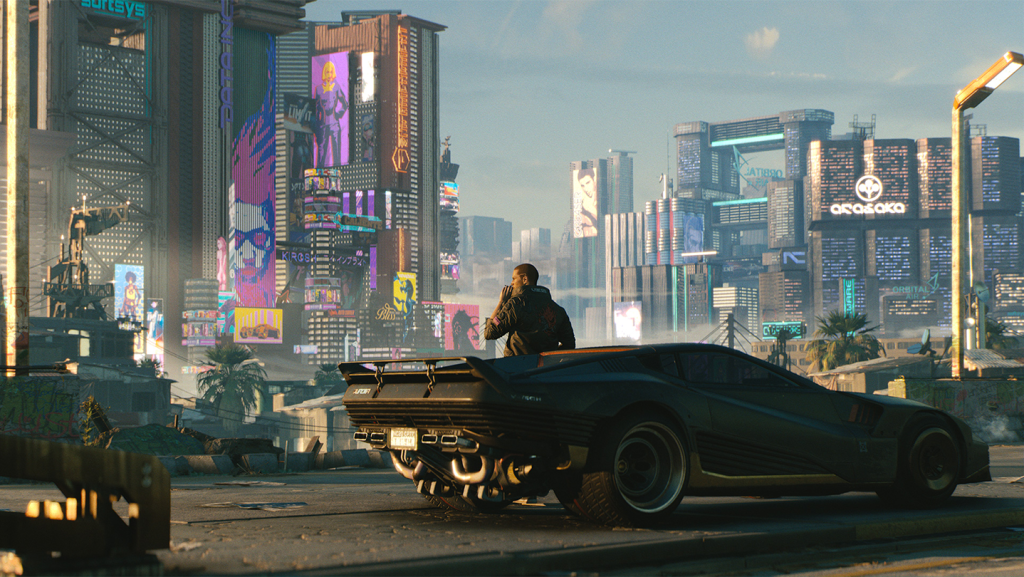
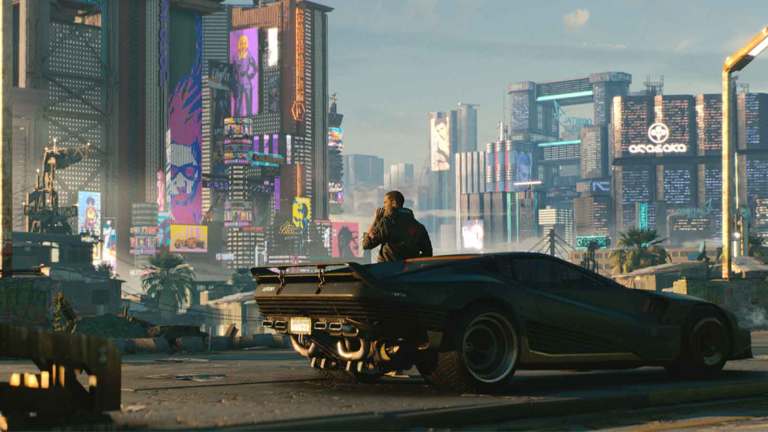
Cyberpunk 2077
Years of cinematic trailers and ambitious claims positioned Cyberpunk 2077 as a generational leap. Instead, its launch was plagued by severe performance problems, especially on consoles, leading to refunds, delistings, and widespread backlash that overshadowed the game’s strengths.
No Man’s Sky
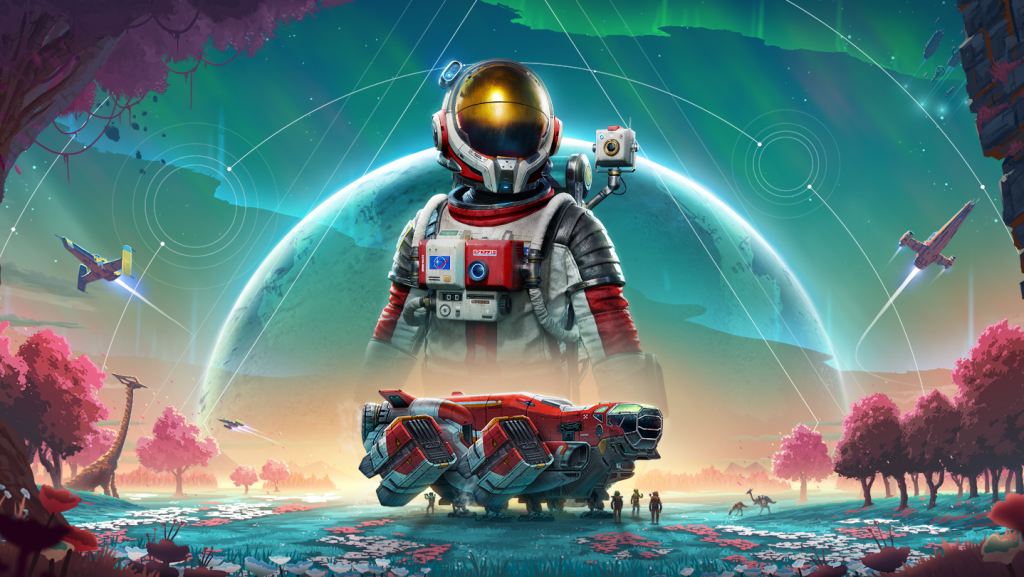
Touted as an infinite universe with limitless possibilities, No Man’s Sky launched missing several heavily implied features. The disconnect between pre release interviews and the day one experience created one of the most infamous hype collapses in modern gaming.
Anthem
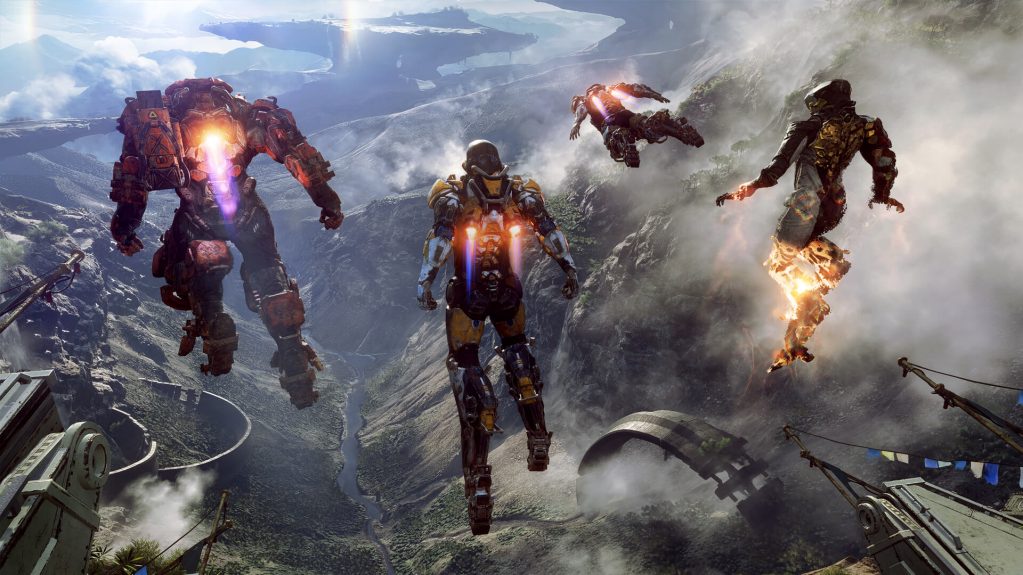
Backed by a major publisher and developed by a respected RPG studio, Anthem promised a living world and deep progression. Instead, repetitive missions, shallow endgame content, and technical issues caused player interest to drop rapidly after launch.
Fallout 76
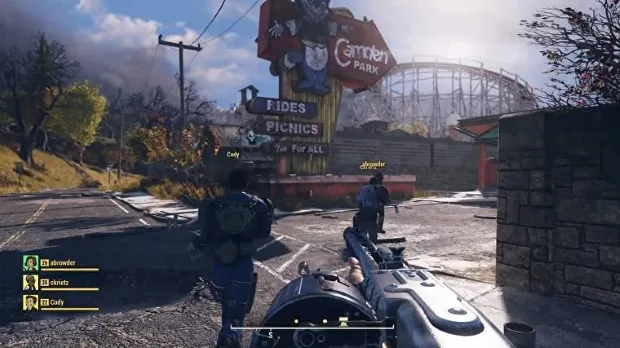
The first multiplayer focused entry in the franchise, Fallout 76 was introduced with bold ambition. At release, it suffered from bugs, server instability, and a lack of meaningful NPC interaction, resulting in heavy criticism and a damaged brand reputation.
Battlefield 2042
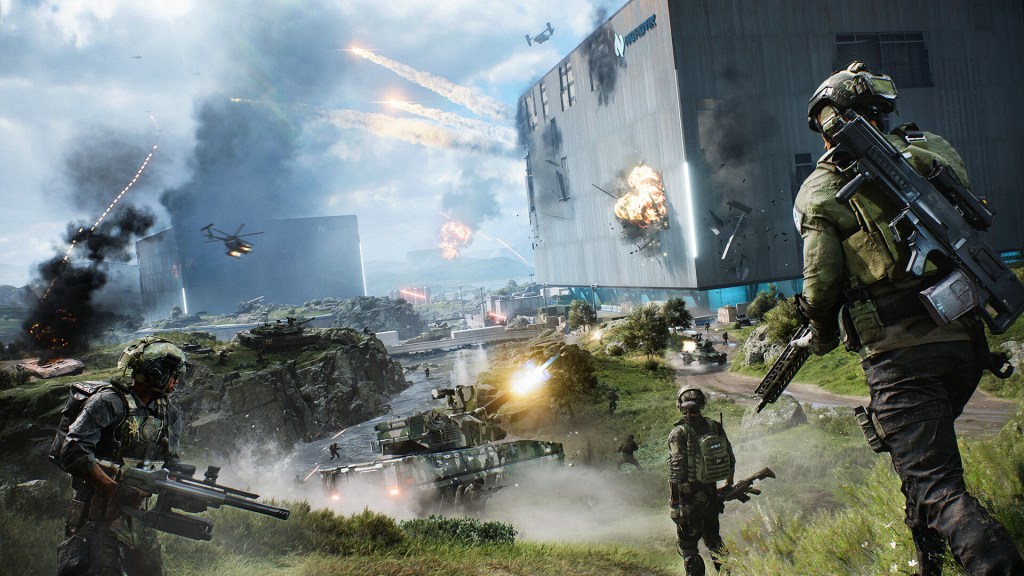
Marketed as a return to large scale warfare, Battlefield 2042 launched without a traditional single player campaign and with numerous technical problems. Missing legacy features and map design complaints quickly deflated the initial excitement.
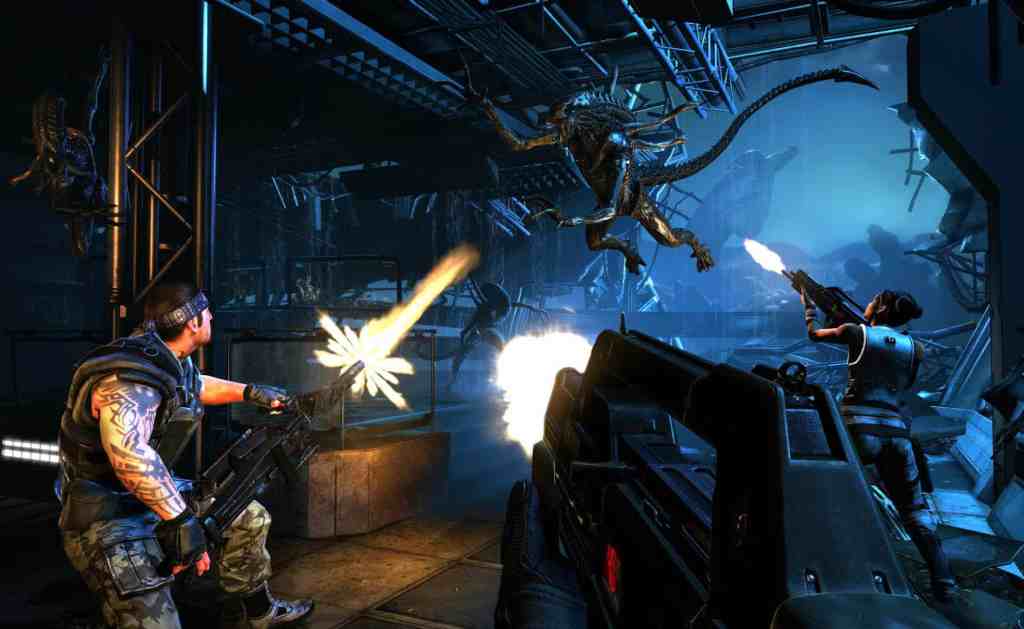
Aliens Colonial Marines
Early gameplay demonstrations for Aliens Colonial Marines impressed fans of the franchise. The final release, however, featured downgraded visuals and underwhelming AI, sparking accusations that the marketing materials misrepresented the product.
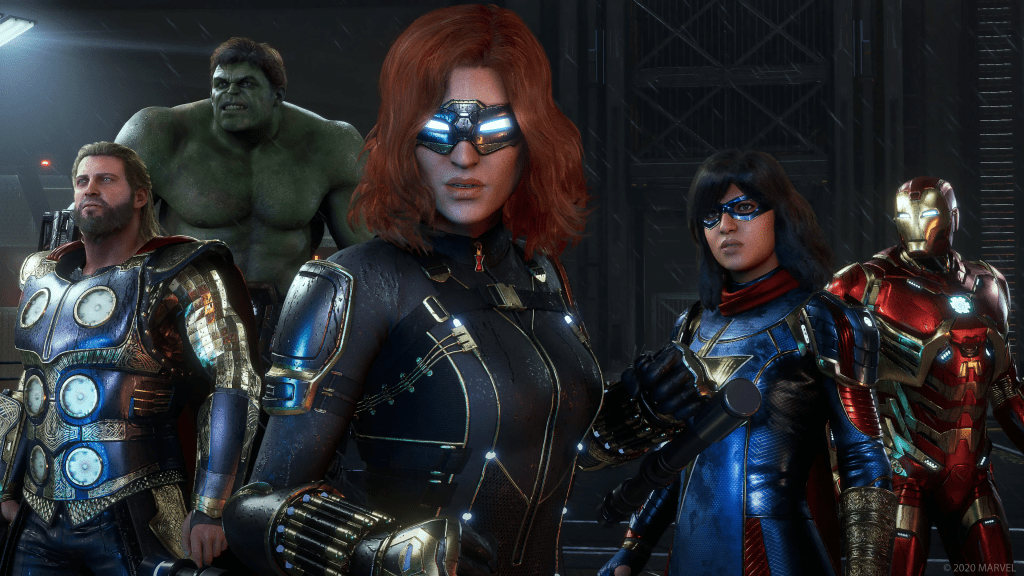
Marvel’s Avengers
Combining a beloved IP with live service ambitions, Marvel’s Avengers was expected to dominate the multiplayer space. Instead, repetitive missions and limited post launch content led to declining engagement shortly after release.
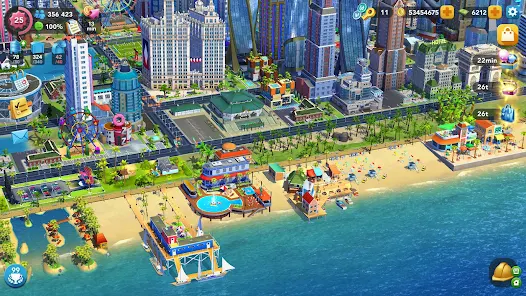
SimCity
The reboot of SimCity required a constant online connection, which caused server failures at launch. Players were locked out of a single player city builder due to infrastructure issues, turning excitement into frustration almost instantly.
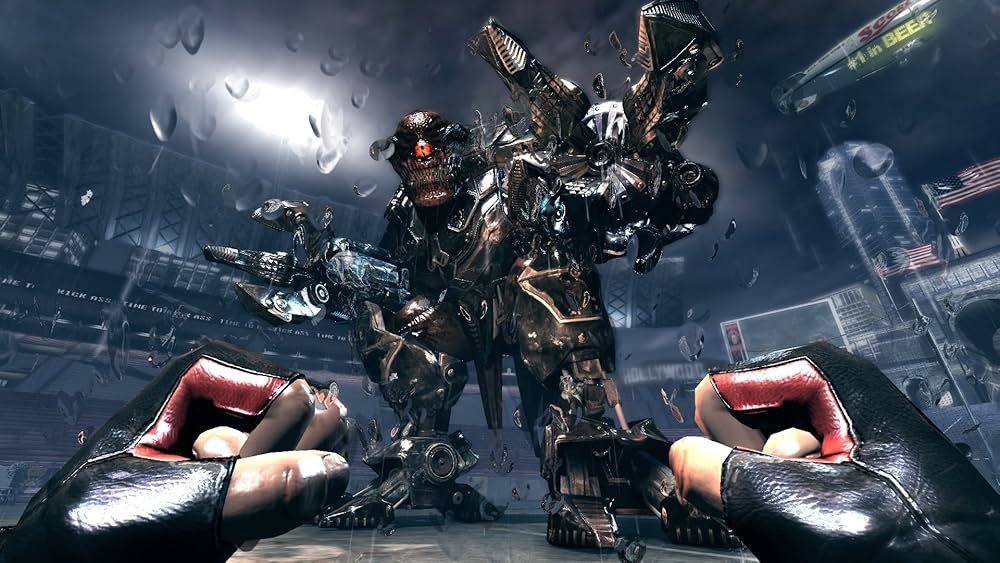
Duke Nukem Forever
After more than a decade of development and repeated delays, Duke Nukem Forever became a symbol of vaporware hype. When it finally released, outdated design and weak mechanics made it feel like a relic from another era.
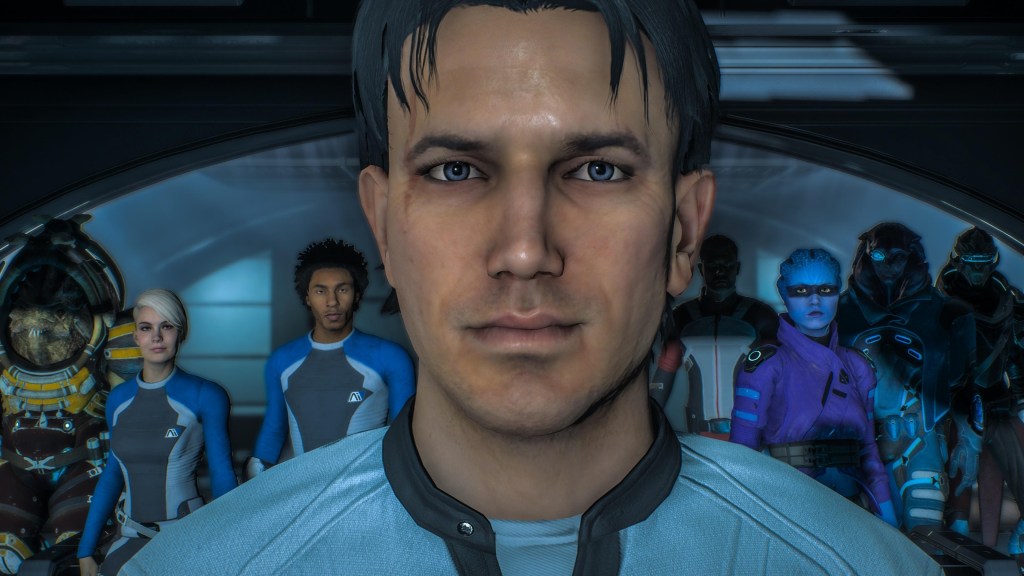
Mass Effect Andromeda
Positioned as a fresh start for the franchise, Mass Effect Andromeda faced backlash over facial animations, technical bugs, and uneven writing. The rocky launch stalled what was meant to be a bold new chapter.
The Order 1886
With cinematic trailers showcasing stunning visuals, The Order 1886 was hyped as a next generation showcase. At release, its short runtime and limited gameplay depth left players feeling the experience did not justify the buildup.
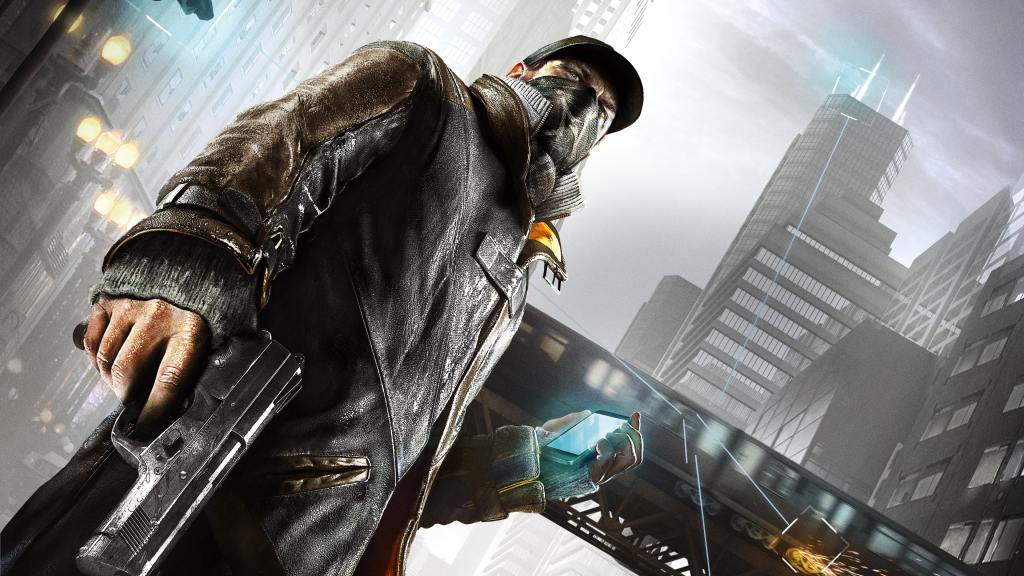
Watch Dogs
Early demonstrations of Watch Dogs displayed cutting edge graphics and dynamic systems. The retail version appeared visually downgraded, and while commercially successful, the perception of overpromising lingered around its launch.
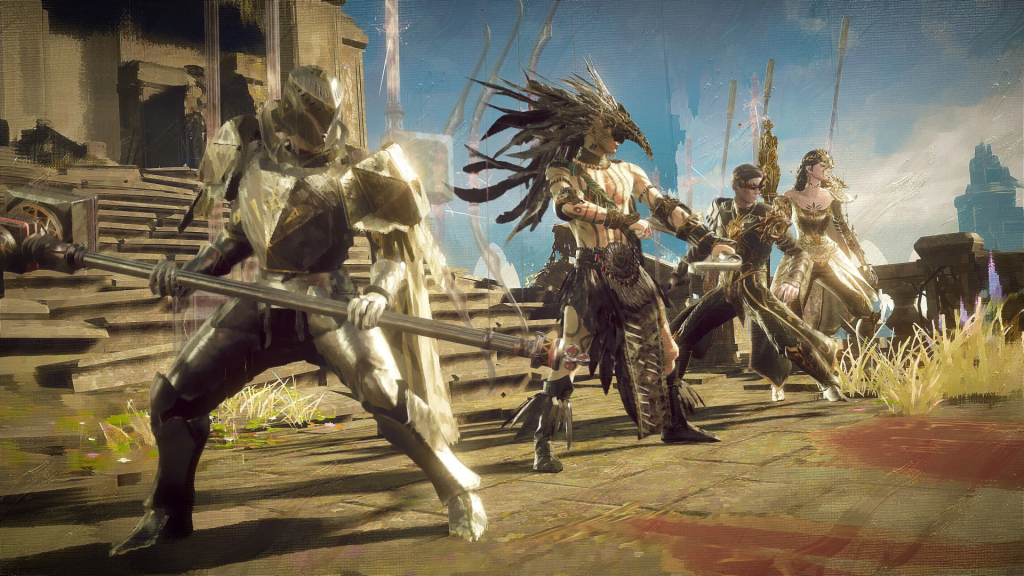
Babylon’s Fall
Announced with a pedigree behind it, Babylon’s Fall struggled to maintain player interest almost immediately. Minimal engagement, repetitive structure, and weak reception turned what was intended as a long term live service into a short lived experiment.