James Gunn Exiting DC Studios Could Set Superhero Movies Back 25 Years
James Gunn and Peter Safran are out at DC Studios, and that's not a good thing.

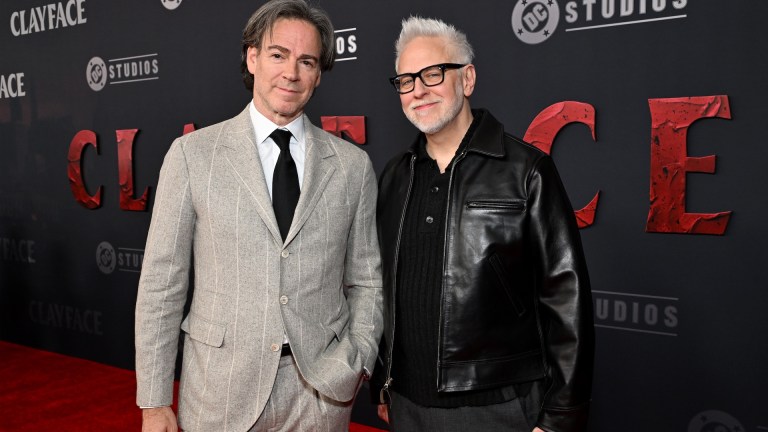
In a total shocker, James Gunn and Peter Safran are no longer serving as co-heads of DC Studios. According to a news report from Variety, the duo “are stepping down as co-presidents of DC Studios” and will be replaced by Jeremy Latcham, a producer on Marvel Cinematic Universe entries such as Iron Man and The Avengers.
Of course, fans were worried about Gunn and Safran’s position at DC Studios when Warner Bros. was sold to Paramount owner David Ellison, who has close ties to Trump administration and previously oversaw an ideological staffing shakeup at CBS News program 60 Minutes. Moreover, much has been written about the sizable debt wracked up to buy Warner Bros. and combine it with Paramount to form a new company, Skydance.
At this point, we don’t know why exactly Gunn and Safran are leaving the position, especially after the duo were named as members of Ellison’s leadership team. A post on social media from Gunn makes it sound as though this was their decision as much or more than that of Ellison’s. However, we can say one things with some certainty: superhero movies are moving backwards.
Whatever one feels about Gunn as a filmmaker, no one can deny that he loved the weird parts of superhero lore. He turned a space tree who could only say its name and a gun-toting raccoon into fan favorites with Guardians of the Galaxy. He made the Polka-Dot Man into a rich, sympathetic figure in The Suicide Squad. He gave Z-lister Peacemaker two seasons of a prestige HBO series.
That’s a far cry from the earlier days of superhero movies, when only Superman and Batman could carry a film, and not even reliably then. Sure, the (then) D-lister Blade kicked off the second wave of superhero movies in 1997, an era that saw some lesser-known characters like Jonah Hex and the Spirit get feature films. But even that era was still defined by the big guns, Batman and Spider-Man. It’s only after Iron Man and The Avengers kicked off the third wave of superhero movies that the genre got weird. And, unsurprisingly, they got weird under James Gunn, starting with the first Guardians of the Galaxy in 2014.
But it wasn’t just that Gunn loved the goofy side of superheroes. It’s also that he gave them meaning. Peacemaker isn’t just a show about a muscle man with a stupid silver helmet on his head played by John Cena. It’s also a show about toxic masculinity, about unlearning the hurt one picks up from childhood. Superman, certainly an A-lister if there ever was one, is about the power of kindness and peace, especially in light of those who would hurt others to compensate for their weakness, like Lex Luthor. Even the projects that Gunn didn’t directly make but greenlit show this adventurousness, namely the detective series Lanterns and the horror film Clayface. Obviously, Gunn saw superheroes as rich subject matter, suitable for all types of stories.
Surely, Gunn isn’t the only person in Hollywood who thinks this way. Moreover, he explicitly stated that he and Safran are not “immediately done with DC or superheroes,” citing both the Superman sequel Man of Tomorrow and another project that he’s writing. But the fact of the matter is that Gunn and Safran couldn’t make their vision at DC Studios work under the increasingly small studio system makes us wonder if anyone else can do it better. Surely, we’ll get more superhero movies from the DC Universe. But it’s hard to believe that they’ll be anything other than what we’re getting at Marvel, safe and bland retreads, as Avengers: Doomsday seems to be.
And so, even though it’s early, we can’t help but feel like the age of superhero movies has come to an end. It’s been 26 years since X-Men picked up where Blade left off, shifting from minor superheroes with some potential to the big name characters. With Gunn and his odd sensibilities pushed to the sidelines, it seems like we’re going back to that era, when studios wanted safe, predictable movies about the mainline heroes. Which is better than nothing, but not as good as it’s been.