Warhound: Genetically Enhanced War Dogs Startup Claims It Could Have Major Applications for Pet Owners
Exclusive: We speak about the potential “healthspan” extending possibilities with one of the billionaires who helped conceive the Warhound startup.

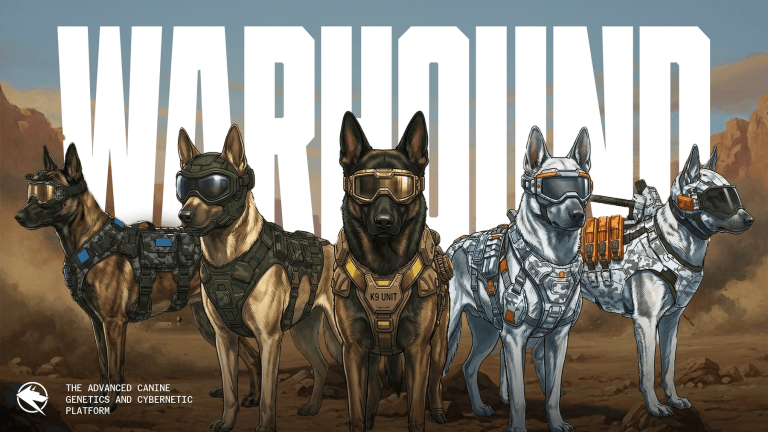
What brave new world is this where genetically engineered military work dogs are not the stuff of science fiction but, soon, the stuff of science fact? That is one of the upshots from news that Forbes first broke Thursday evening about American billionaires Ben Lamm and Palmer Luckey collaborating on a new startup titled Warhound, and already it has in stealth raised $200 million in seed funding. The stated goal is to use some of the same technology of Lamm’s Colossal Biosciences to clone military work dogs that can be genetically altered to serve the U.S. military, a client Luckey’s Anduril Industries is intimately afmiliar with.
While Lamm and Lucky dreamed up the company, and Lamm will sit on its board, Warhound has tapped former U.S. Marine David Spirk as its CEO, and it is positioning itself as fulfilling a very real need for the U.S. military. As of press time, the federal government acquires more than 80 percent of its work dogs for the various military branches from European firms, only about half of which are ever actually deemed fit for service. That is to say for every 100 puppies recruited from European breeders this year, maybe 50 will be deployed in the field in 2029. These are the dogs used to sniff out explosives and narcotics, guard parameters, and track suspects.
There has been a perhaps unsurprising skepticism online to the idea of using some of the same methods as Colossal—the company Lamm co-founded and which made global headlines last year when it announced it had brought back the dire wolf (or a functional version of the dire wolf)—to genetically enhance living breeds of dogs like German Shepherds. It is likely for this reason that Warhound stressed in a press release that it is also working with the American Humane Society, the famed animal welfare organization that has agreed to certify Warhound’s training program and the unification of military working dogs with their former handlers and adoption protocols.
Still, the thing that gave this writer pause is exactly how the science of genetically-manipulated canines would be used to enhance and improve the health of lab-created work dogs—and are there larger, perhaps more benign, applications for this technology beyond military use? In an exchange of text messages with Ben Lamm, the Texas entrepreneur insisted that the north star is expanding the quality of health of these dogs… and potentially making it available one day to the civilian population’s pets as well.
“Our first goal is to extend health span,” Lamm said in a written message, “helping dogs stay healthier and active for longer by reducing harmful genetic variants linked to inherited diseases and muscle degeneration.” While Lamm stops short of directly stating it could be used to also expand a dog’s lifespan, acknowledging it’s “too early” to say if it could add years to a dog’s life, he noted “addressing those conditions could ultimately extend lifespan as well. Some single-gene disorders may be directly targetable while traits such as longevity, scent, temperament, agility, and heat tolerance involve many genes, plus training and environment. We’re studying proven working dogs to understand what is responsibly actionable and what we learn could eventually benefit the dogs in our homes too.”
The last point is curious since much of Colossal’s conservation efforts and technology innovations have become open-sourced and made available to various conservation partners around the world. Lamm declines from saying whether any such advancements from Warhound would become open-sourced. However, he did note, “We will be able to test for mutations and go in and genetically fix things like muscle atrophy and hip dysplasia. Therapeutics and solutions from Warhound that could have health benefits for dogs will be made available to the public.”
I’m not sure this will assuage those concerned with the ethics of genetically altering and breeding the clones of military work dogs, however it does suggest the same technology that certainly captivated the world last year could one day be used to minimize genetic disorders that haunt and despair thousands of pet owners this and every other year. Brave new world, indeed.