15 of Television’s Most Annoying Characters


Stories are driven through conflicts, showing us how characters either solve these conflicts or make them worse. If everyone in these tales acted rationally or without ill intent, stories would go nowhere, so there is a need for conflict-seeking characters. Even if, sometimes, they feel like too much.
And too much they are, since there are characters that people can’t stop complaining about online, often years after their given show has ended. While their antics pushed their stories forward, audiences around the world feel like their tales would’ve been better without them.

Skyler White, Breaking Bad
Skyler often became a polarizing figure due to her opposition to Walter’s actions. While grounded in realism, her resistance and emotional reactions were frequently perceived by viewers as frustrating, sparking ongoing debate.

Janice Soprano, The Sopranos
Janice’s manipulative tendencies and constant self-interest make her a recurring source of tension. Her behavior often complicates situations, reinforcing her role as one of the show’s most aggravating personalities.
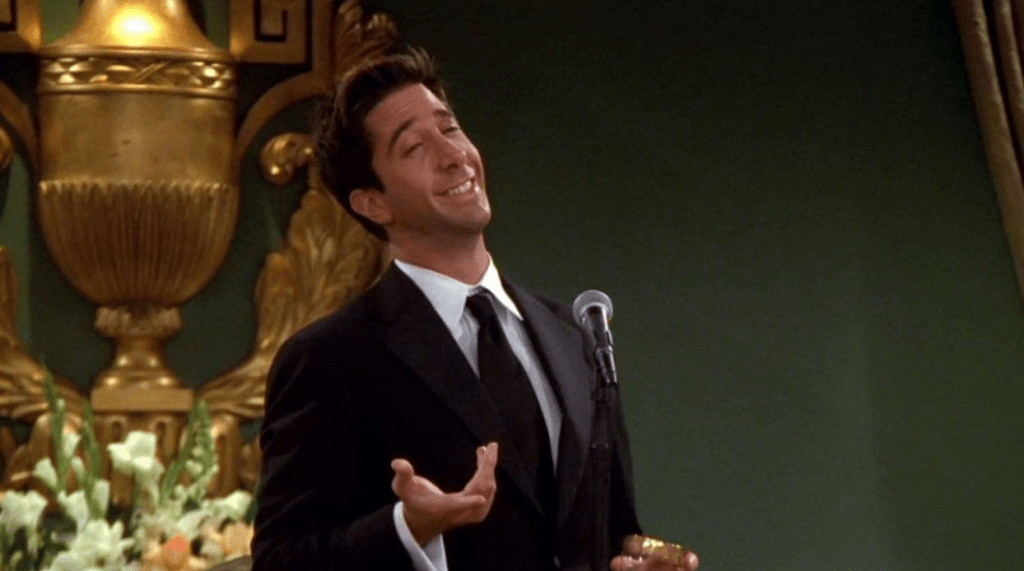
Ross Geller, Friends
Ross is often portrayed as overly insecure and prone to jealousy. His repeated relationship mistakes and neediness have made him a frequent target of criticism among viewers despite being one of the central characters.
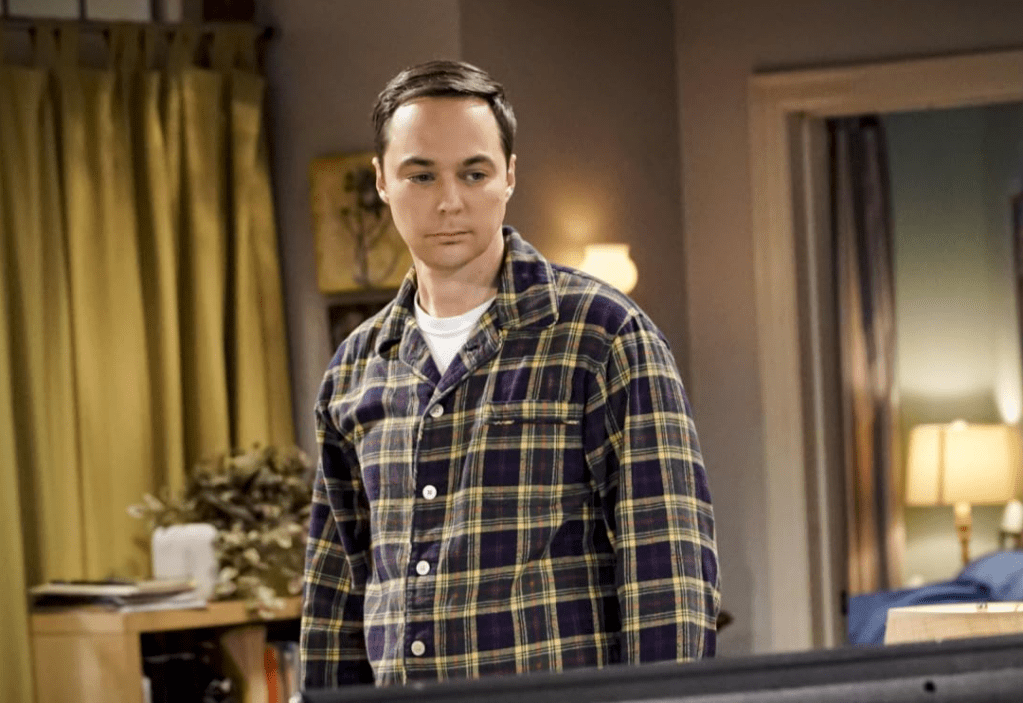
Sheldon Cooper, The Big Bang Theory
Sheldon’s rigid behavior and lack of social awareness are central to the show’s humor. However, his self-centered tendencies and constant need for control can make him frustrating to watch for some audiences.
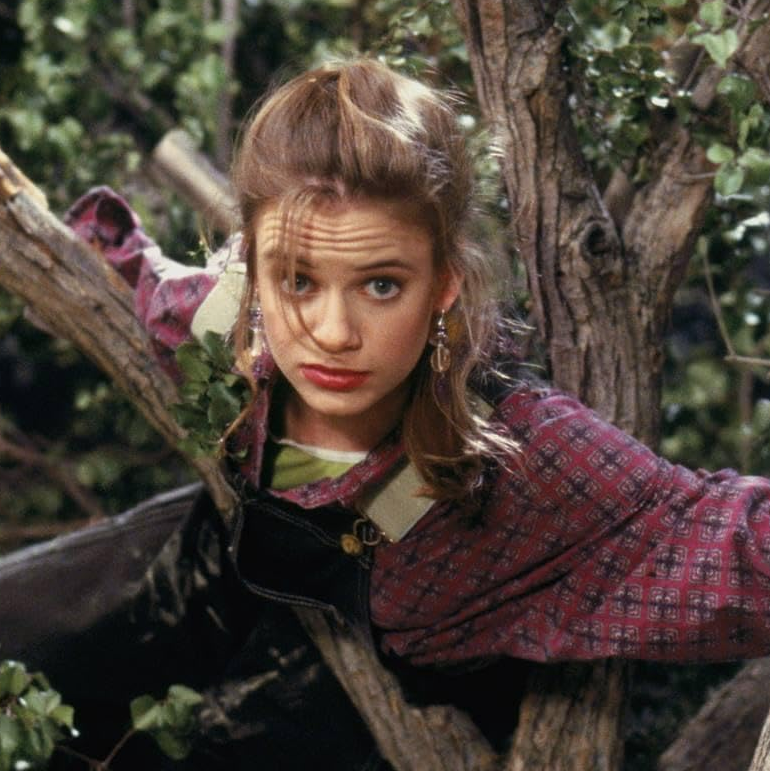
Kimmy Gibbler, Full House
Kimmy is intentionally written as obnoxious, frequently ignoring boundaries and inserting herself into situations. Her exaggerated personality made her memorable, but also one of the more irritating recurring characters of the era.

Dawn Summers, Buffy the Vampire Slayer
Introduced later in the series, Dawn is often portrayed as emotional and impulsive. Her frequent need for attention and involvement in dangerous situations made her a divisive addition among fans.
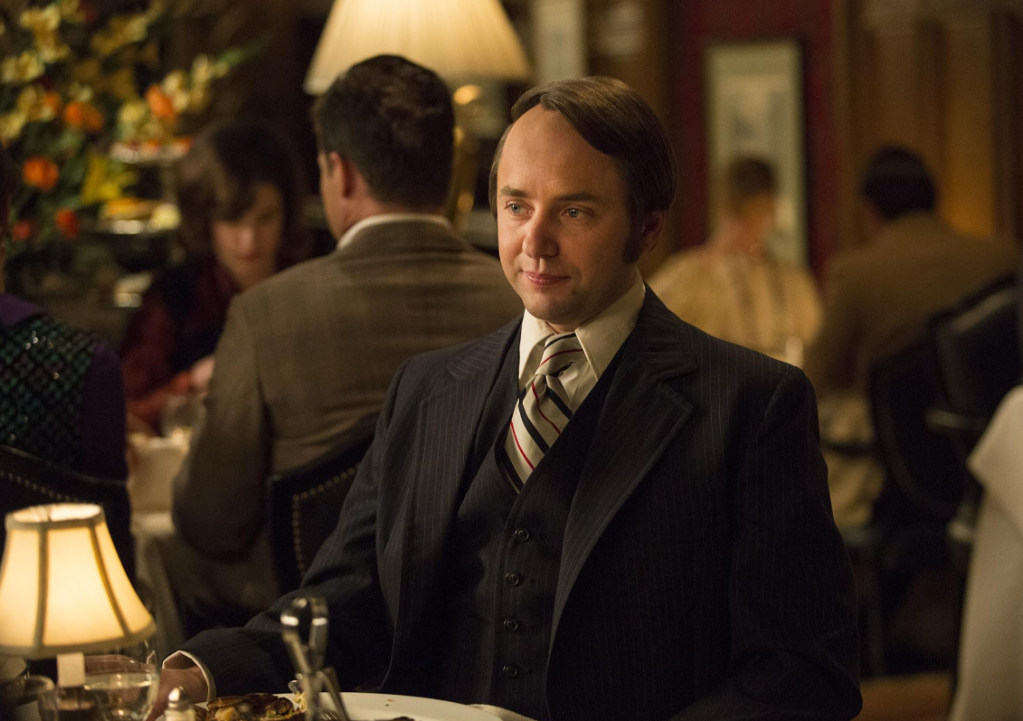
Pete Campbell, Mad Men
Pete’s ambition and entitlement often come across as grating. His tendency to undermine others and seek validation makes him a consistent source of frustration within the show’s corporate environment.

Lori Grimes, The Walking Dead
Lori’s decisions and shifting loyalties frequently drew criticism from viewers. Her actions often complicated survival situations, making her one of the more debated characters in the show’s early seasons.

Ted Mosby, How I Met Your Mother
Ted’s romantic idealism often turns into stubbornness and self-sabotage. His repeated mistakes, indecision, and tendency to overcomplicate relationships made him increasingly frustrating for viewers, especially as the series progressed and his character showed limited growth.
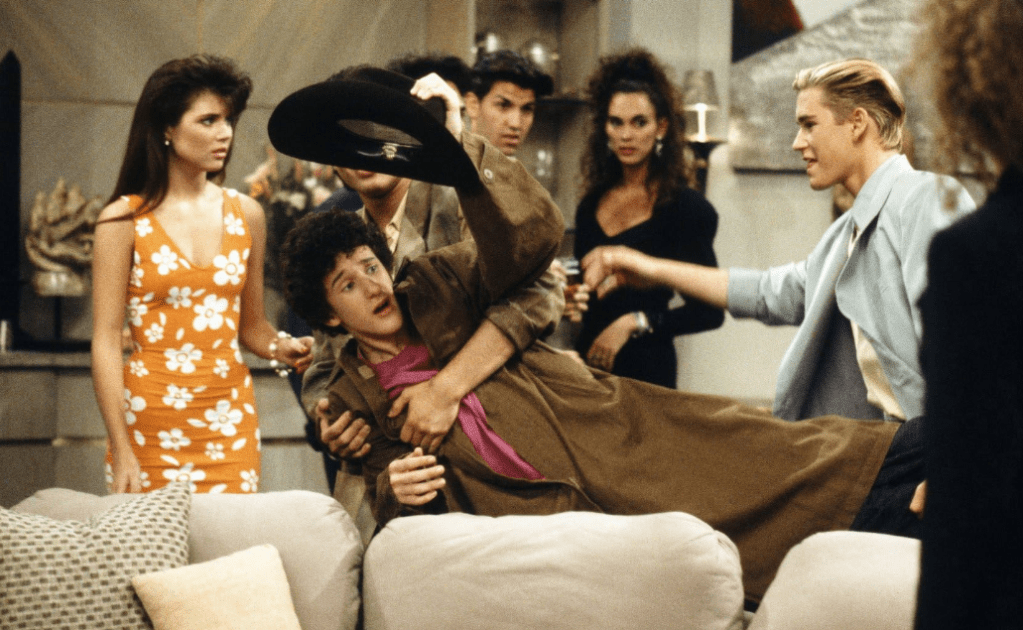
Screech, Saved by the Bell
Screech’s exaggerated awkwardness and constant need for attention made him a defining comic relief character. However, those same traits often pushed him into overly irritating territory.

Paige Jennings, The Americans
Paige’s evolving awareness of her parents’ secrets leads to frequent tension. Her reactions, while understandable, often disrupt carefully constructed plans, making her a frustrating presence in a high-stakes narrative.

Jack Shepard, Lost
Jack’s leadership style and stubborn decision-making often divide viewers. His insistence on control and frequent clashes with others contribute to his reputation as an occasionally exasperating protagonist.

Andrea Harrison, The Walking Dead
Andrea’s choices and alliances frequently placed her at odds with other characters. Her shifting loyalties and decisions under pressure made her one of the more controversial figures in the series.

Ezra Fitz, Pretty Little Liars
Ezra’s secretive behavior and questionable decisions create ongoing tension. His storyline often relies on withheld information, which can make his character frustrating to follow.
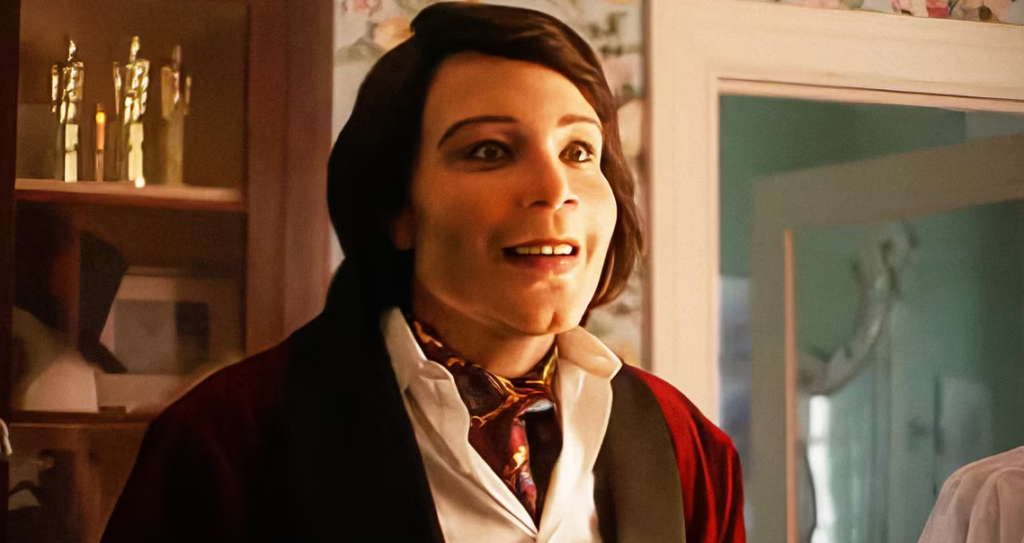
Teddy Perkins, Atlanta
While intentionally unsettling, Teddy Perkins’ behavior and mannerisms create discomfort that borders on irritation. His presence is designed to provoke, making him memorable but difficult to watch.