15 Classic Movies We’re Not Allowed to Love Anymore

Some movies were once beloved, quoted, and rewatched over and over by the whole family. But cultural perspectives shift over time, and certain elements that once flew under the radar are now viewed quite differently. Whether it’s outdated humor, stereotypes, or themes that don’t align with current sensibilities, these films have become more complicated to a modern audience. They remain influential and, in many cases, still beloved, but they also spark discussion about how standards evolve. Here are fifteen classic movies that, if released today, would likely face significant backlash or be viewed through a far more critical lens.
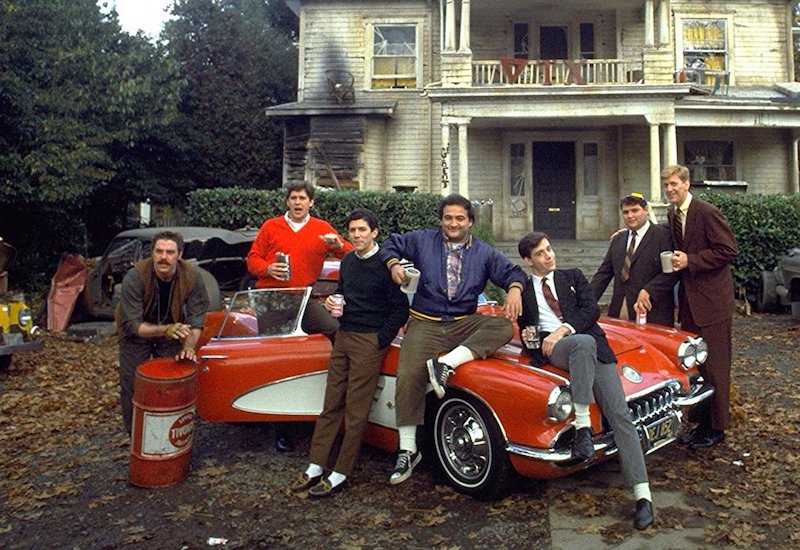
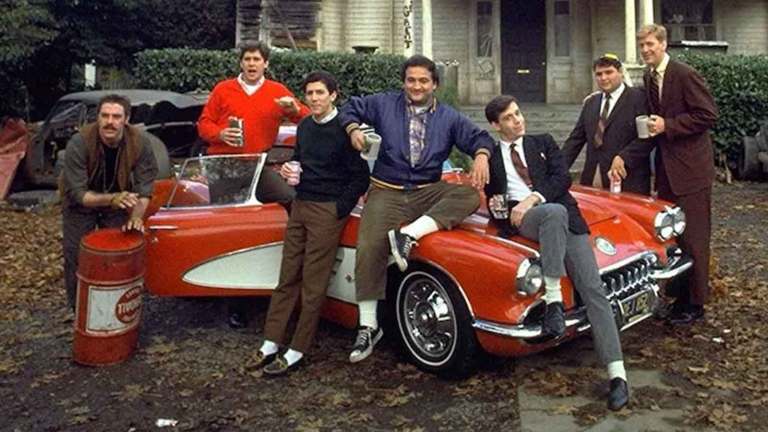
Animal House
Much of the film’s comedy is built around behaviour that today would be framed very differently, especially scenes involving spying on women and situations where consent is treated as a punchline. What once played as rebellious humour would now likely trigger strong backlash.
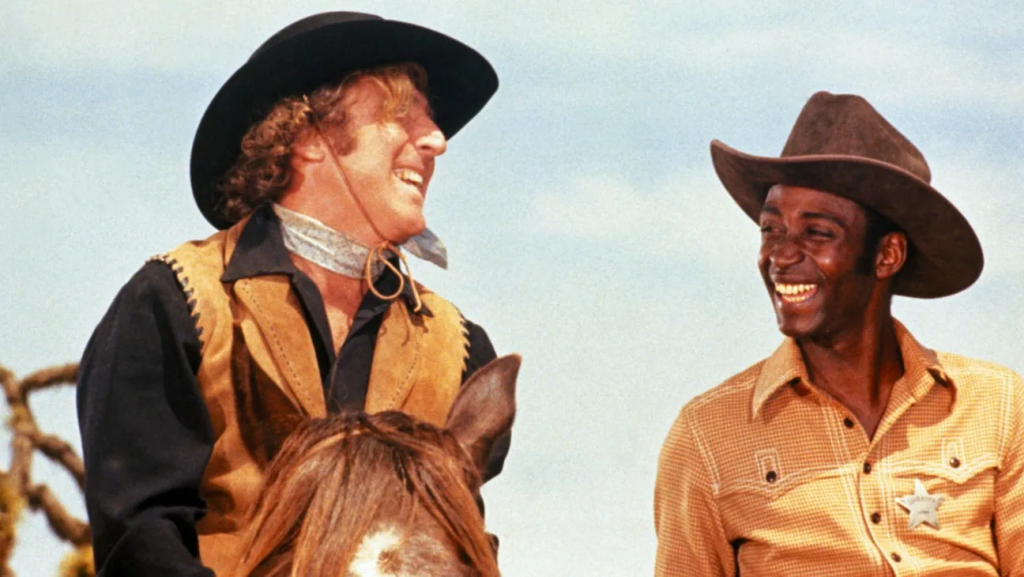
Blazing Saddles
Even though it’s clearly satire aimed at exposing racism, the sheer volume of offensive language and imagery would likely overshadow its intent in today’s climate, making it a lightning rod for controversy.
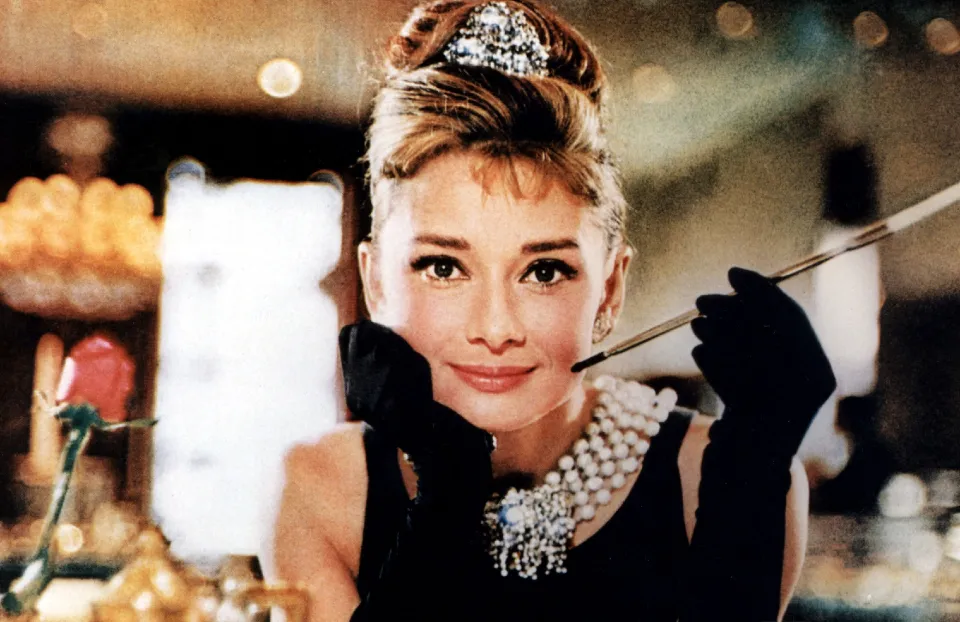
Breakfast at Tiffany’s
The portrayal of Mr. Yunioshi relies on exaggerated stereotypes and makeup that would now be widely condemned, often cited as a clear example of outdated and offensive representation.
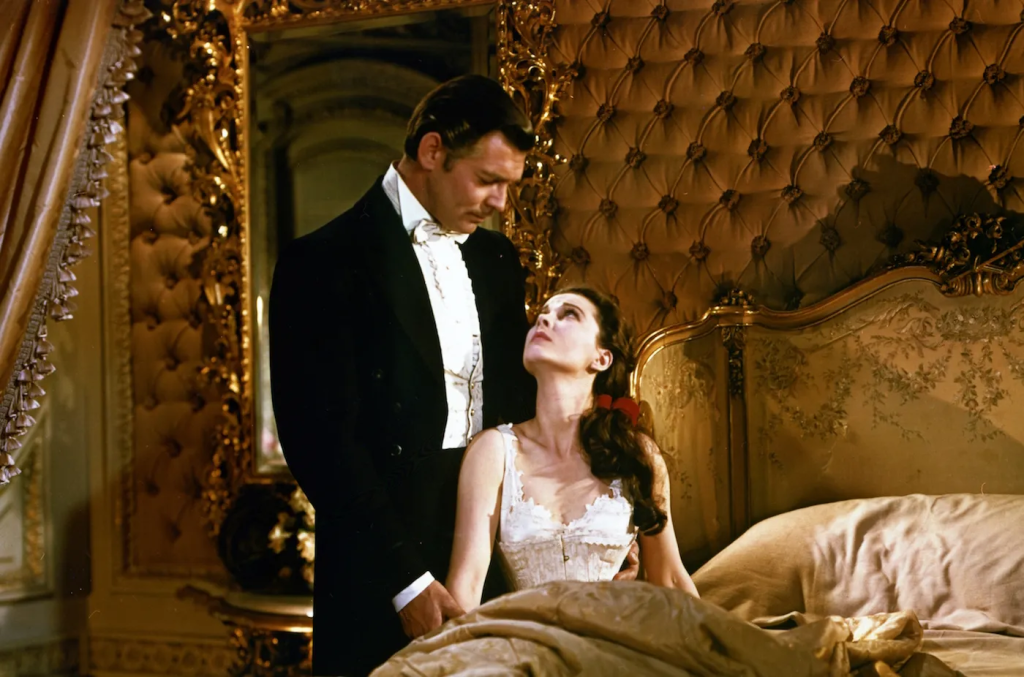
Gone with the Wind
Its depiction of the American South romanticizes a period tied to slavery, while sidelining or simplifying the realities of that history, which has led to ongoing criticism and reevaluation.
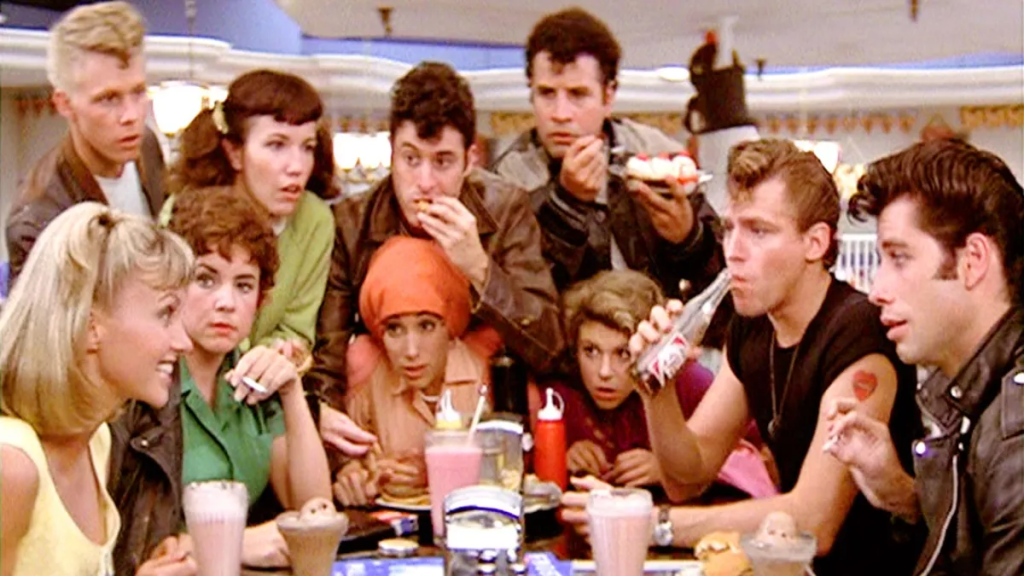
Grease
Some of the film’s messaging around relationships and identity, particularly the idea of changing oneself to be accepted, has been reexamined and criticized in recent years.
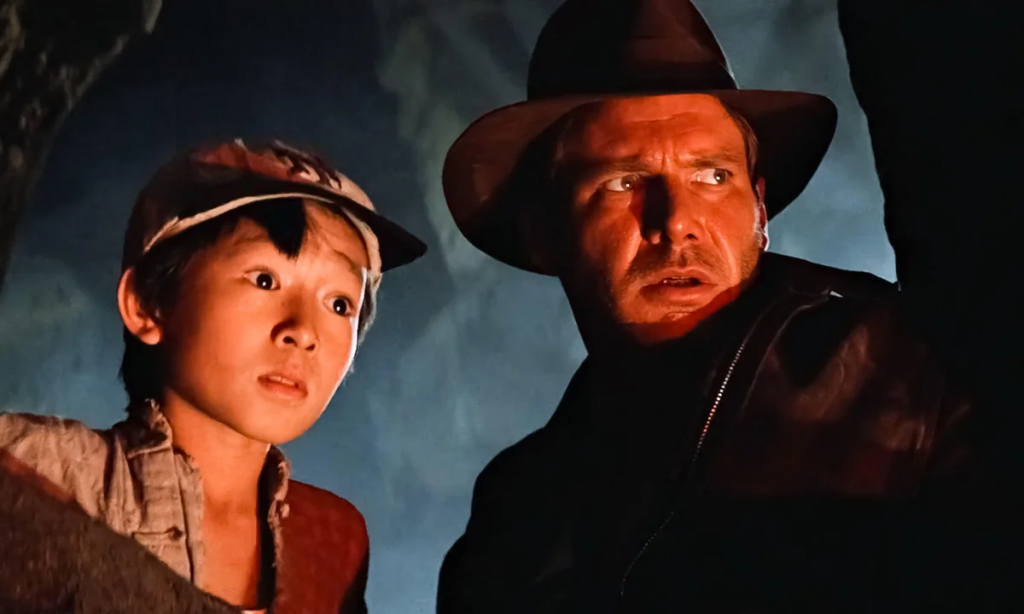
Indiana Jones and the Temple of Doom
The depiction of Indian culture relies heavily on stereotypes and exaggerated imagery, which has led to criticism about cultural insensitivity.
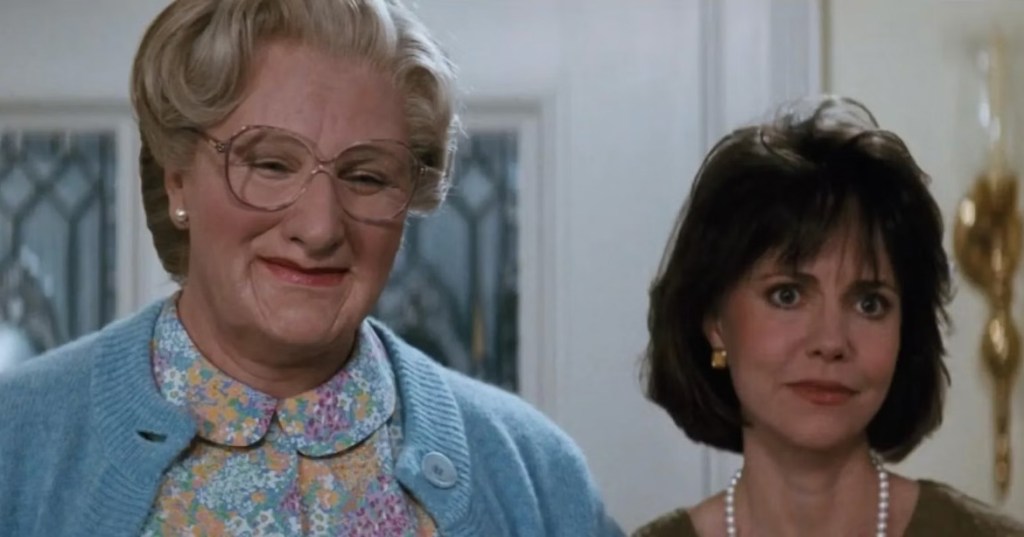
Mrs. Doubtfire
While framed as heartfelt comedy, the central deception, posing as someone else to access family members, raises ethical concerns that are more closely scrutinized now.
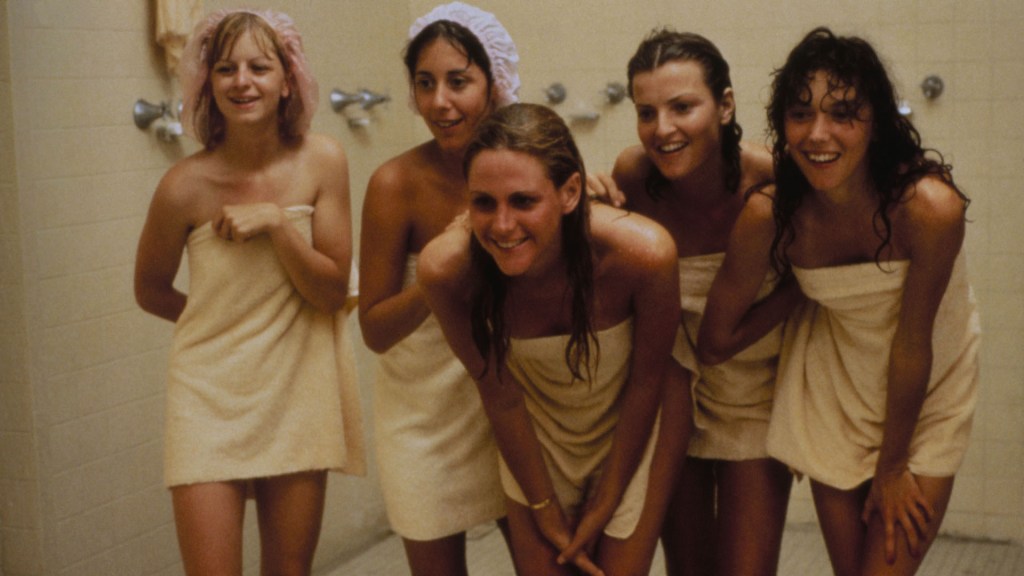
Porky’s
Its humour frequently revolves around objectifying women and invasive behaviour, elements that would likely face significant criticism rather than being accepted as typical teen comedy.
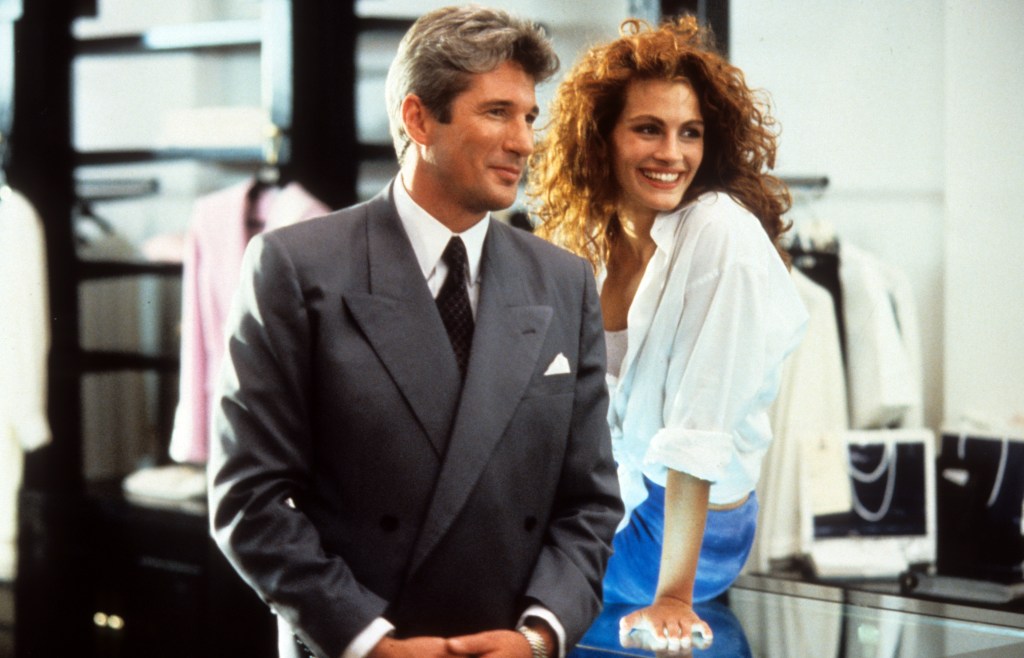
Pretty Woman
The romantic framing of a relationship built on unequal power dynamics has led to more critical interpretations over time.
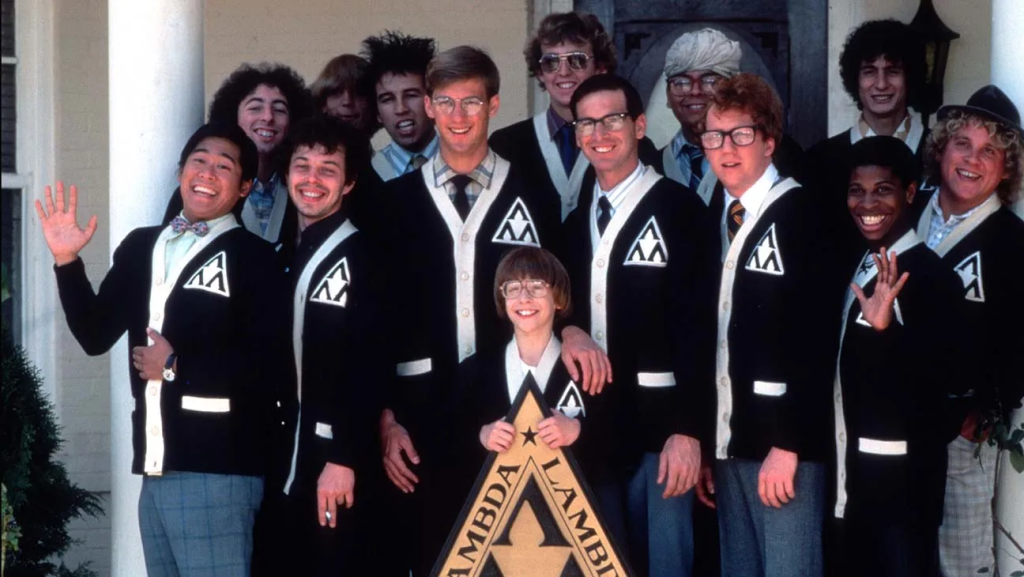
Revenge of the Nerds
A key plot point involves deception in a sexual context that is played for laughs, something that today is widely recognized as deeply problematic and inappropriate.
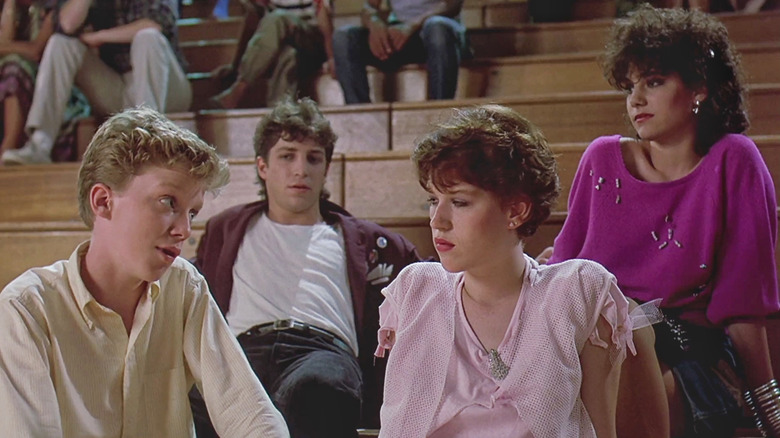
Sixteen Candles
The film includes racial stereotypes and a storyline where a character’s lack of consent is dismissed as part of the joke. These elements have become central to why modern audiences revisit it with discomfort.
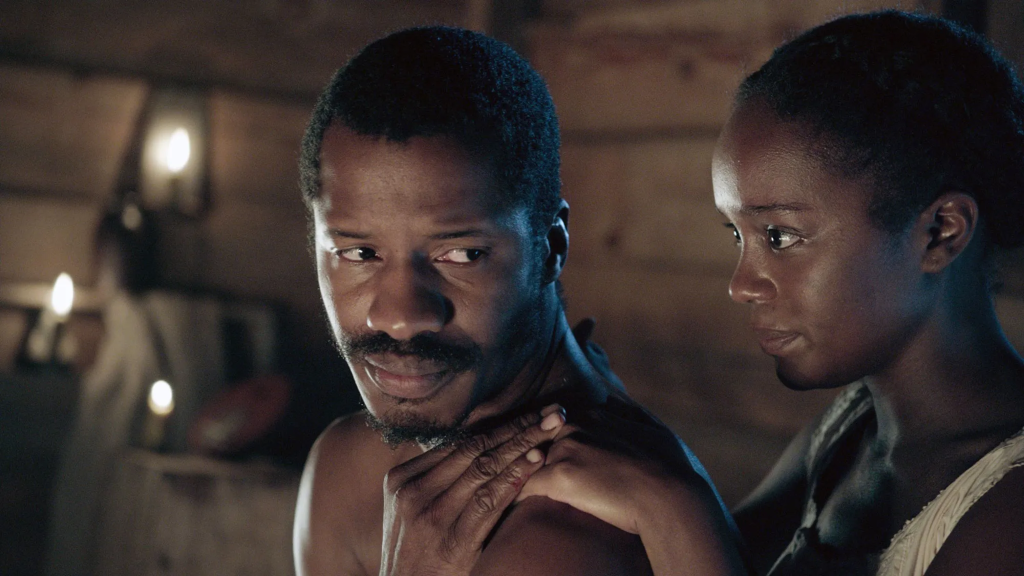
The Birth of a Nation
Its overtly racist narrative and portrayal of historical events have made it one of the most criticized films ever, despite its technical innovations.
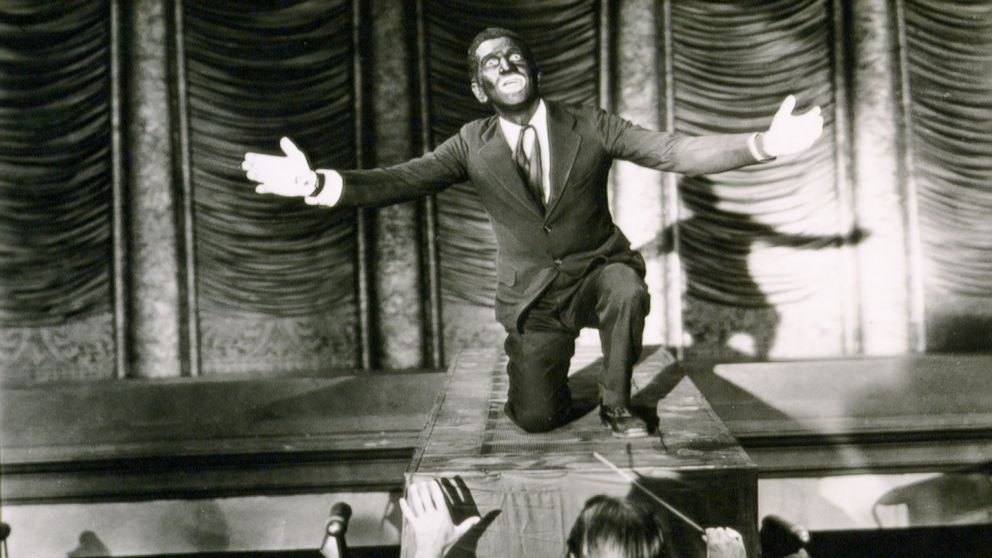
The Jazz Singer
Its use of blackface is central to its controversy today, making it difficult to separate its historical significance from its offensive elements.
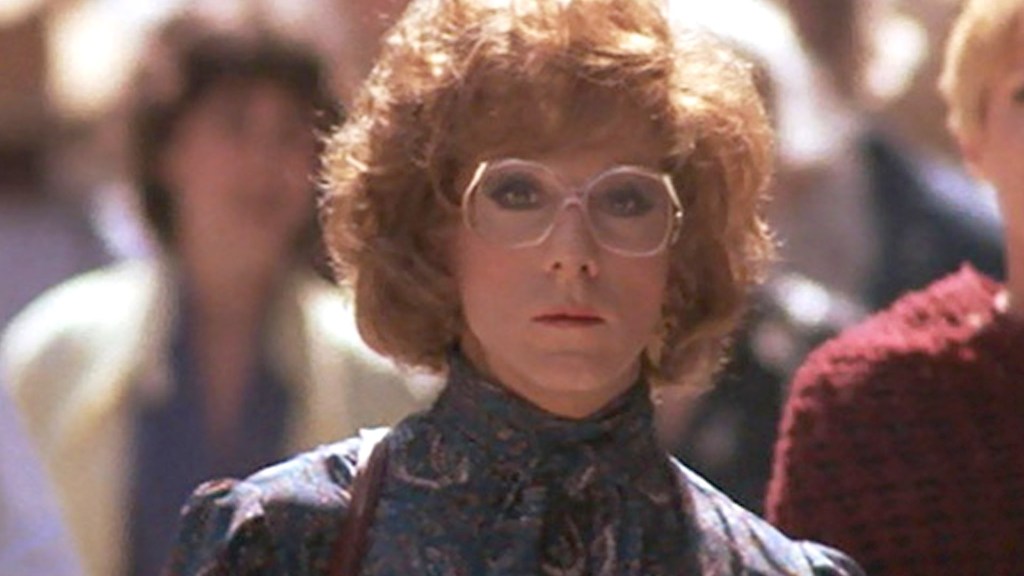
Tootsie
The premise of adopting another identity for personal gain, particularly around gender, is now viewed through a more critical lens regarding representation and intent.
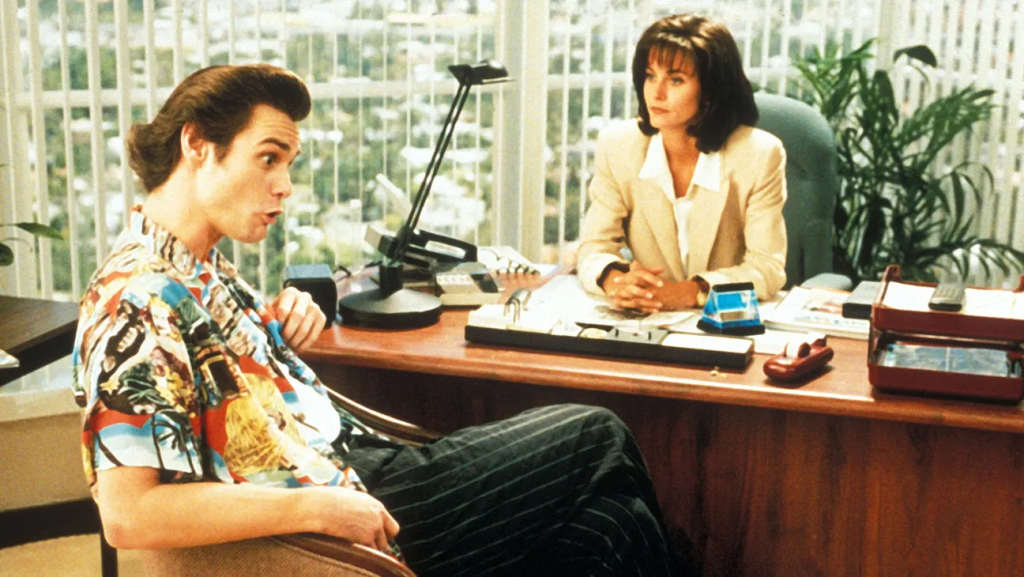
Ace Ventura: Pet Detective
The film’s handling of gender identity is played as a shock joke, which is now widely viewed as harmful and insensitive.