15 Things That Really Didn’t Need Their Own Movie

Studios have spent decades turning recognizable IP into feature films, often stretching thin concepts into full-length productions. From books padded far beyond their scope to video games and toys with little narrative foundation, many adaptations have faced criticism for existing more as brand extensions than creative necessities.
While some projects find success, others become shorthand for excess, misjudgment, or missed potential. Here, we highlight films frequently cited in that conversation, focusing on releases that struggled to justify their own existence despite built-in recognition. Each example reflects a broader trend of prioritizing familiarity over storytelling in modern Hollywood production cycles.

Battleship
A loose adaptation of a board game with minimal narrative basis, widely criticized for generic blockbuster storytelling and poor reception, ultimately losing significant money despite its massive budget.
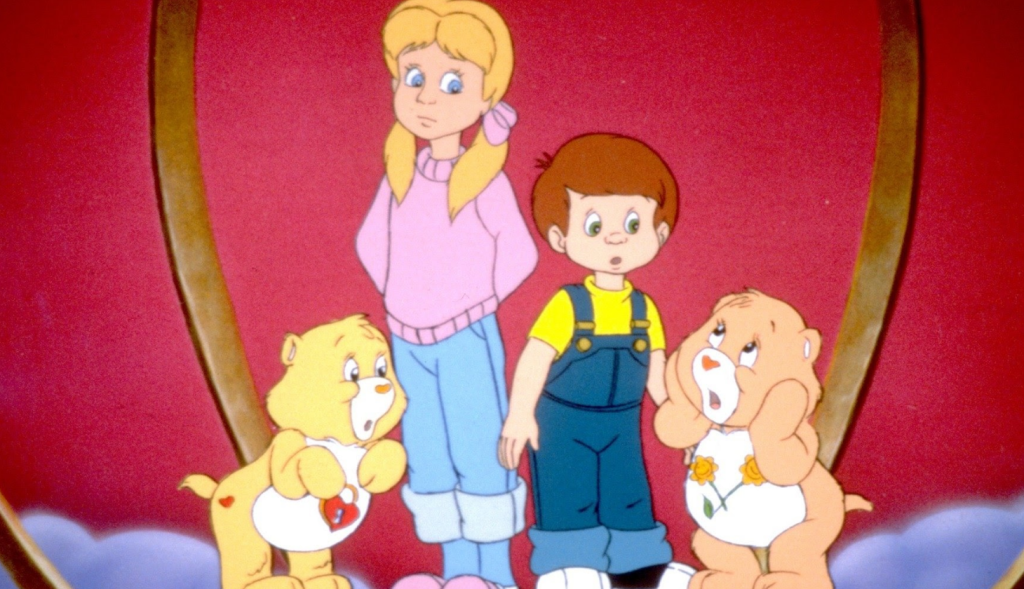
The Care Bears Movie
Frequently described as a feature-length commercial for a toy line, emblematic of early merchandising-driven filmmaking despite moderate box office success.
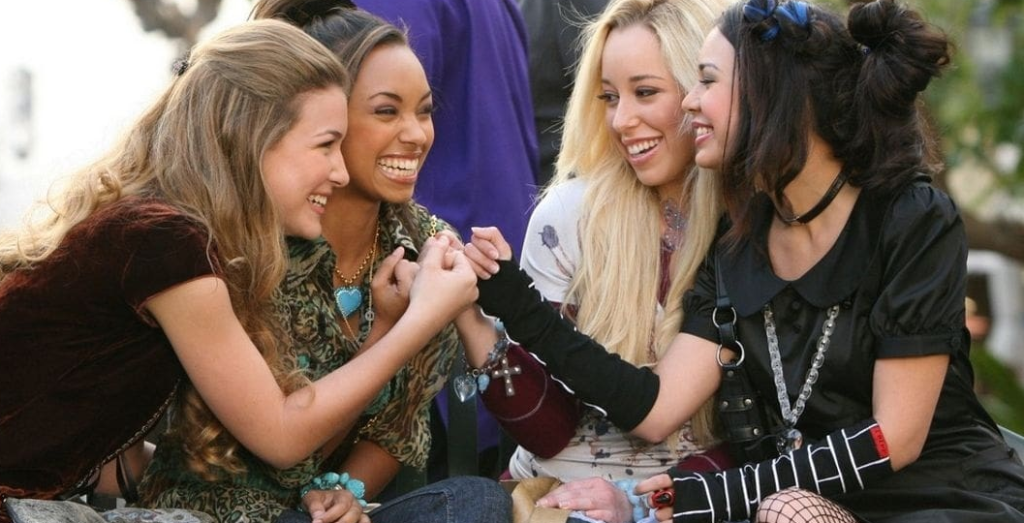
Bratz
A doll-based adaptation heavily criticized for shallow storytelling and poor execution, often cited among failed attempts to turn toy brands into viable film franchises.
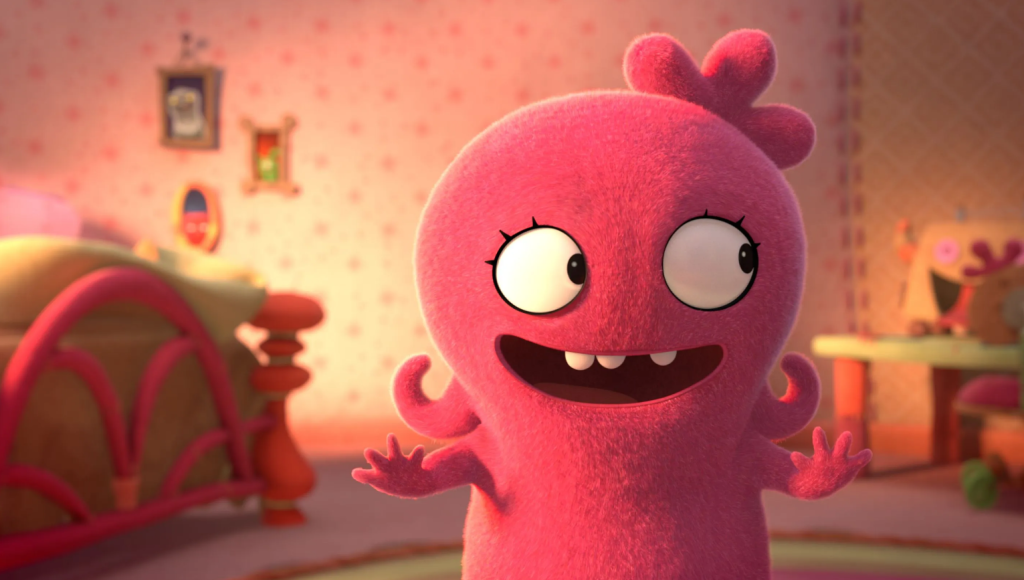
UglyDolls
Based on plush toys, the film drew criticism for predictable storytelling and reliance on brand recognition rather than compelling narrative.
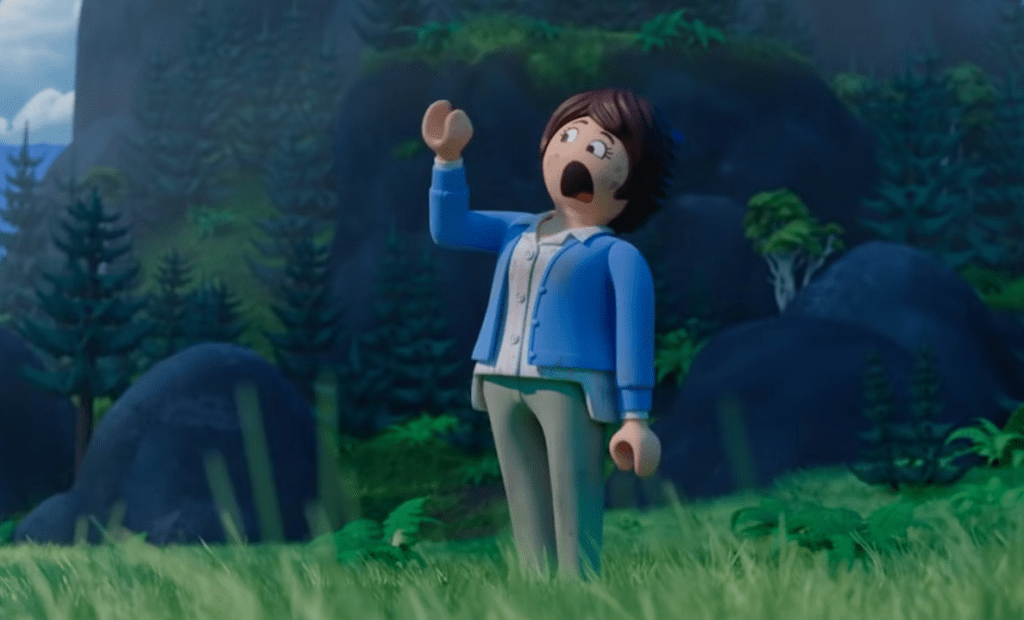
Playmobil: The Movie
Compared unfavorably to more successful toy adaptations, often criticized for lacking originality and failing to justify its existence beyond brand promotion.
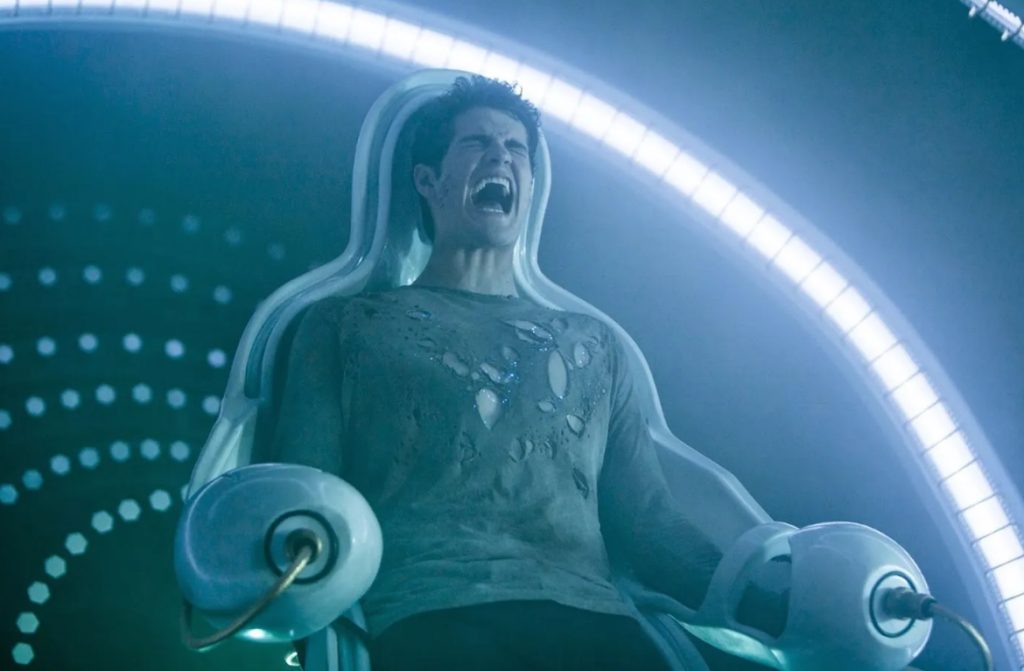
Max Steel
A box office failure based on an action figure line, criticized for weak plotting and generic superhero tropes.
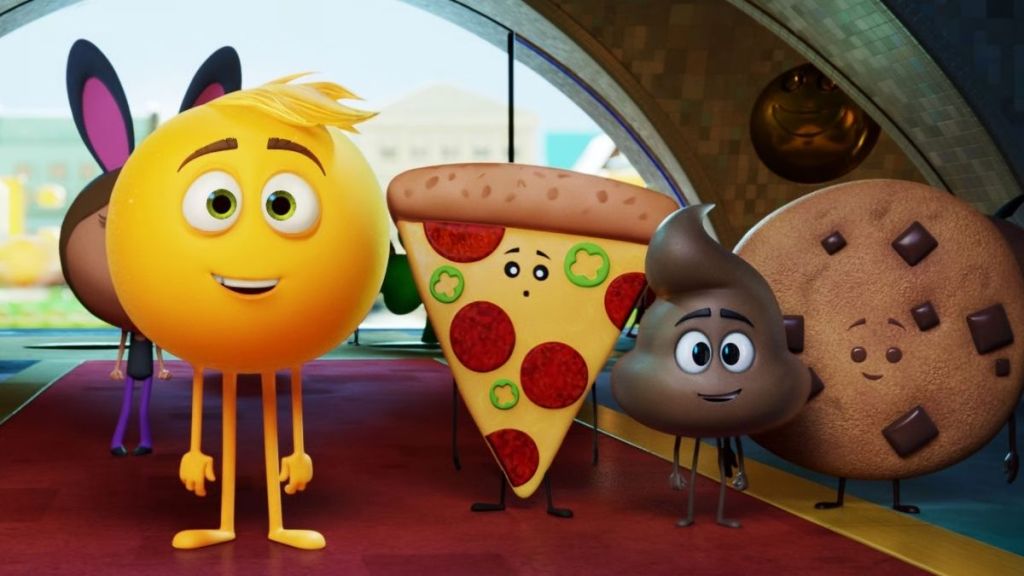
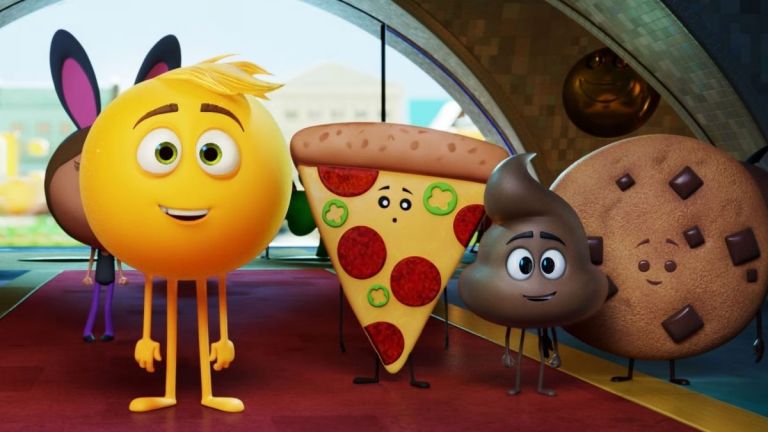
The Emoji Movie
Widely mocked as an example of adapting non-narrative concepts, criticized for being overly commercial and creatively thin.
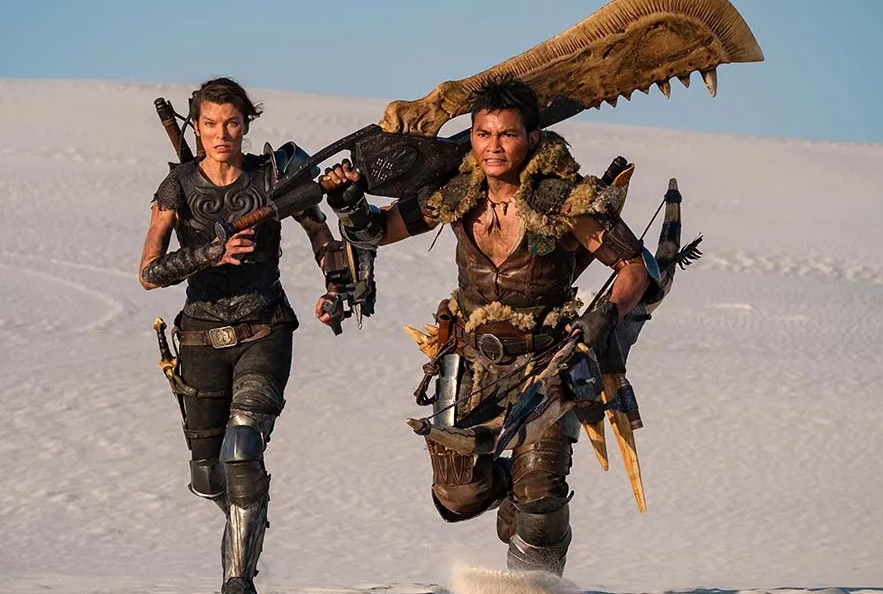
Monster Hunter
A video game adaptation frequently cited for straying from its source material and delivering a generic action narrative.
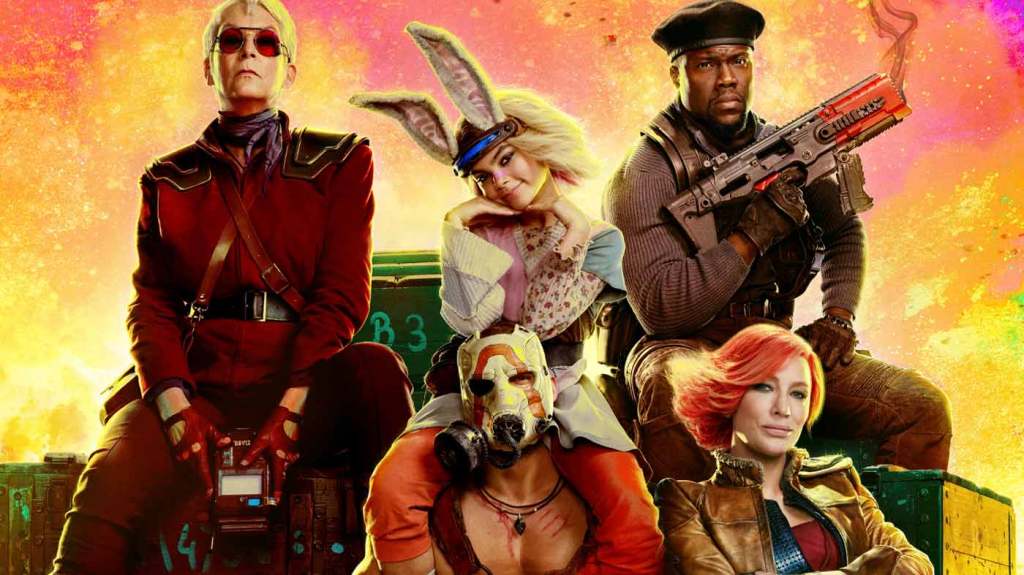
Borderlands
Critically panned upon release, with reviewers calling it generic and poorly executed, often listed among the worst films of its year.
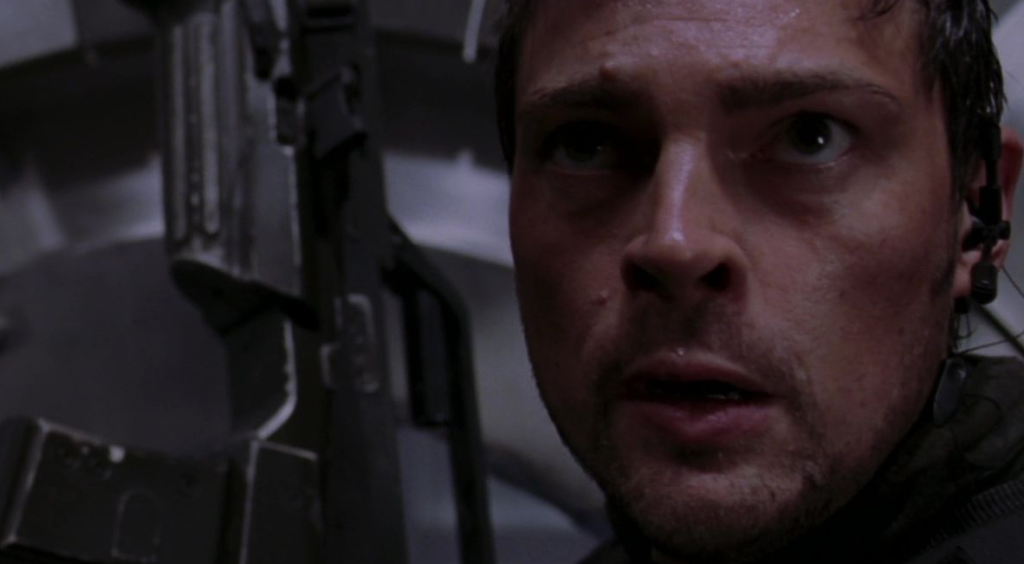
Doom
Based on a minimal-story shooter, often cited as an example of stretching a thin premise into a full-length feature.
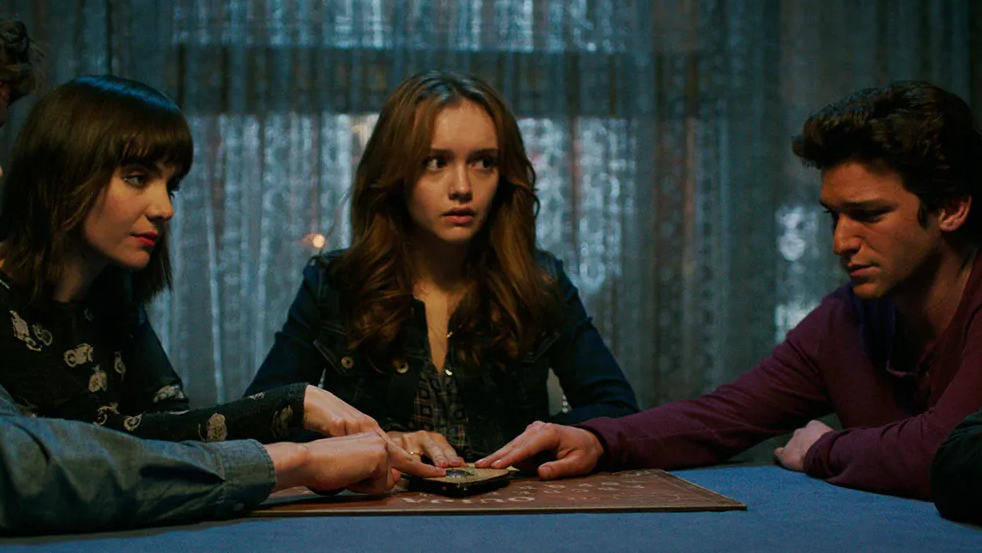
Ouija
Based on a spirit board, frequently cited as a concept stretched into a horror film primarily due to brand recognition.
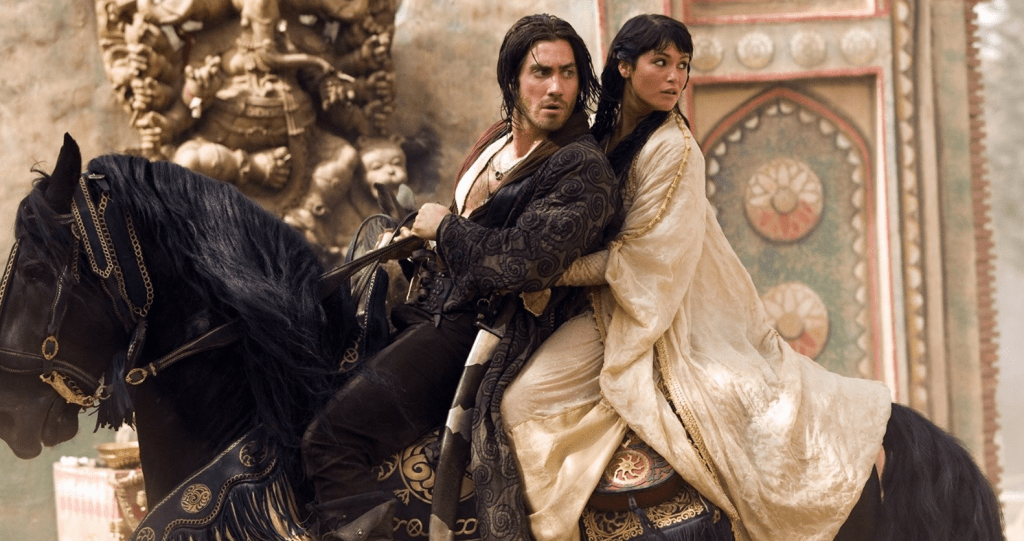
Prince of Persia: The Sands of Time
A big-budget adaptation of the video game series that drew criticism for its generic adventure tone and deviations from the source material, often cited as an unnecessary attempt to launch a franchise that never materialized.
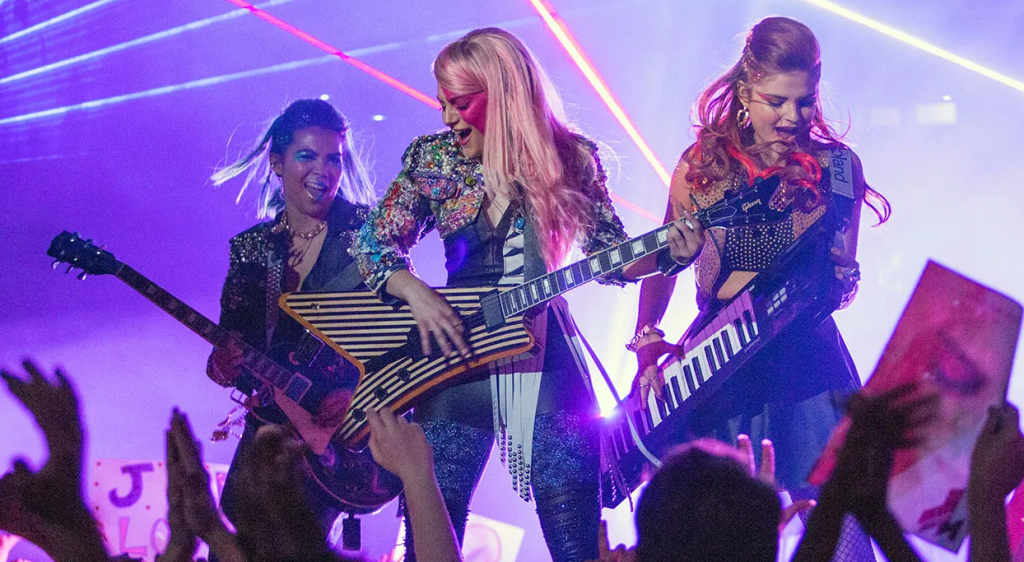
Jem and the Holograms
A poorly received adaptation of a toy-linked franchise, criticized for failing to capture the appeal of its source material.
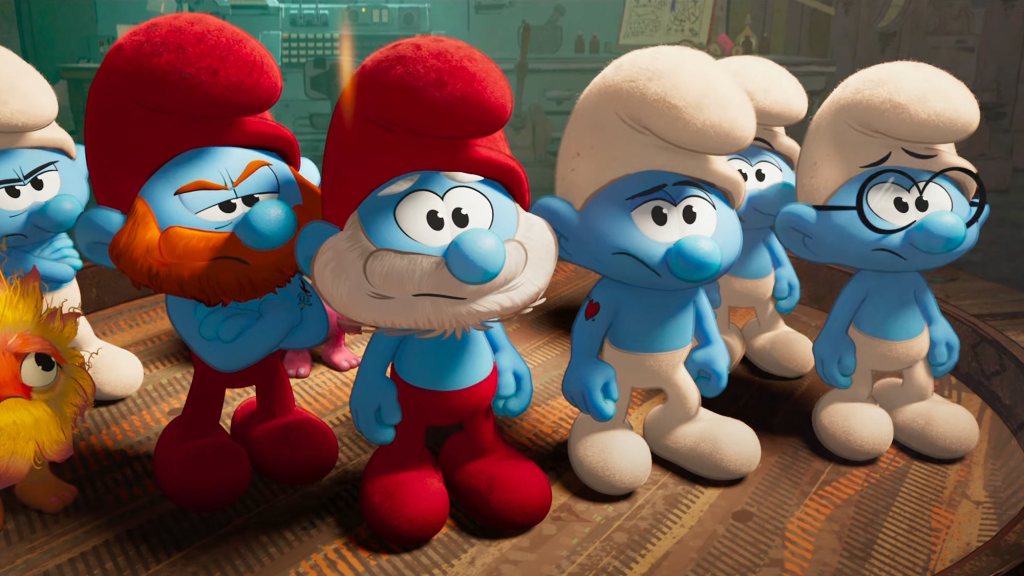
The Smurfs
A heavily commercialized adaptation often criticized for blending live-action and animation without strong narrative justification.
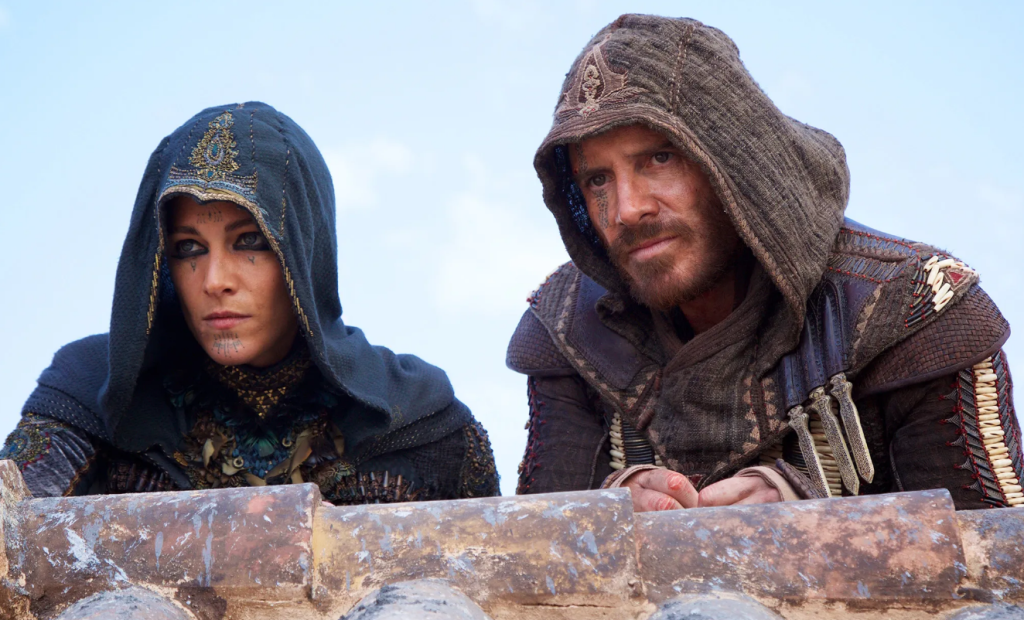
Assassin’s Creed
Despite the popularity of the games, the film received mixed-to-negative reviews for its convoluted narrative and heavy exposition, frequently referenced as a case where a strong IP didn’t translate into a compelling or necessary film adaptation.