15 Video Games So Good That the Story Doesn’t Matter

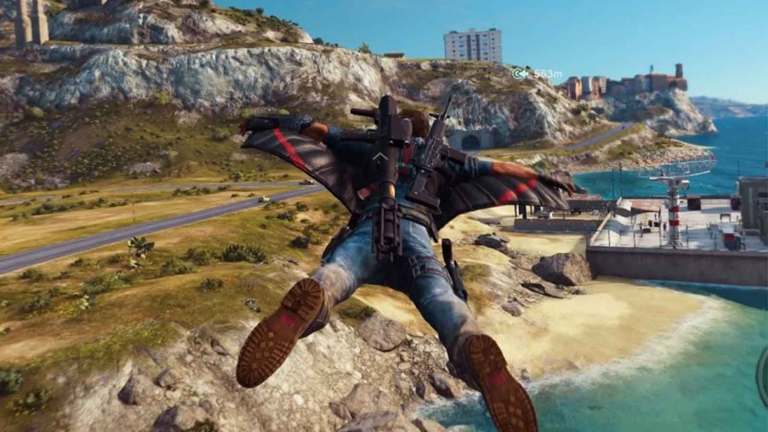
A good story always enriches the experience with any game, but as an interactive medium, it isn’t a necessity. When a given gameplay loop is good enough, players will keep coming back no matter what, even when the narrative makes little to no sense.
Mind you, this isn’t to say that the games shown here have bad stories; in many cases, their lore is fascinating and worth knowing. What’s important to note is that delving in that story isn’t important, required, or expected, since you’ll get everything you need from simply playing the game.
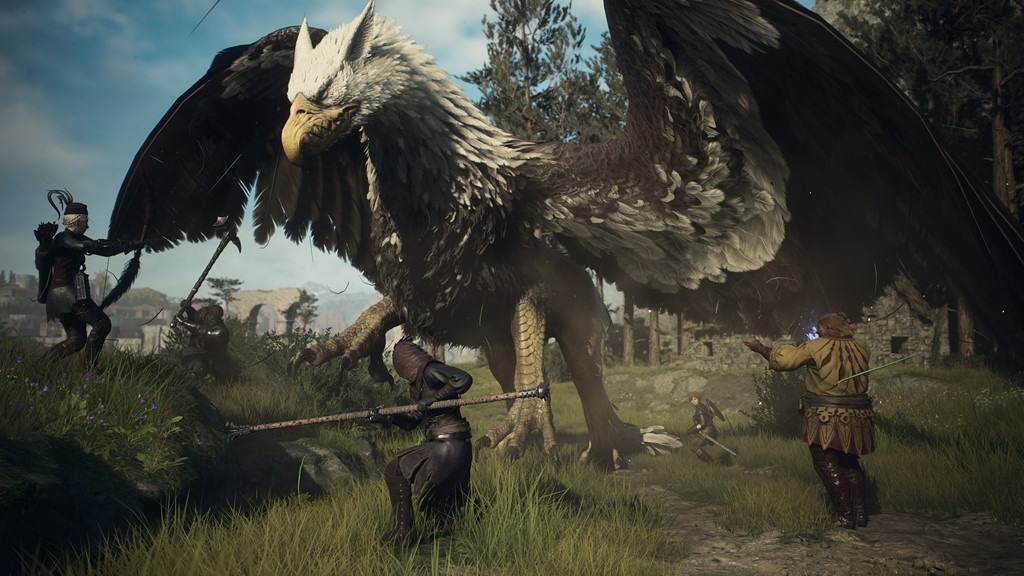
Dragon’s Dogma 2
Praised for its emergent gameplay and dynamic world, the game shines through combat and exploration, while its narrative takes a backseat. Even fans admit the story presentation feels thin compared to how strong the gameplay loop is.
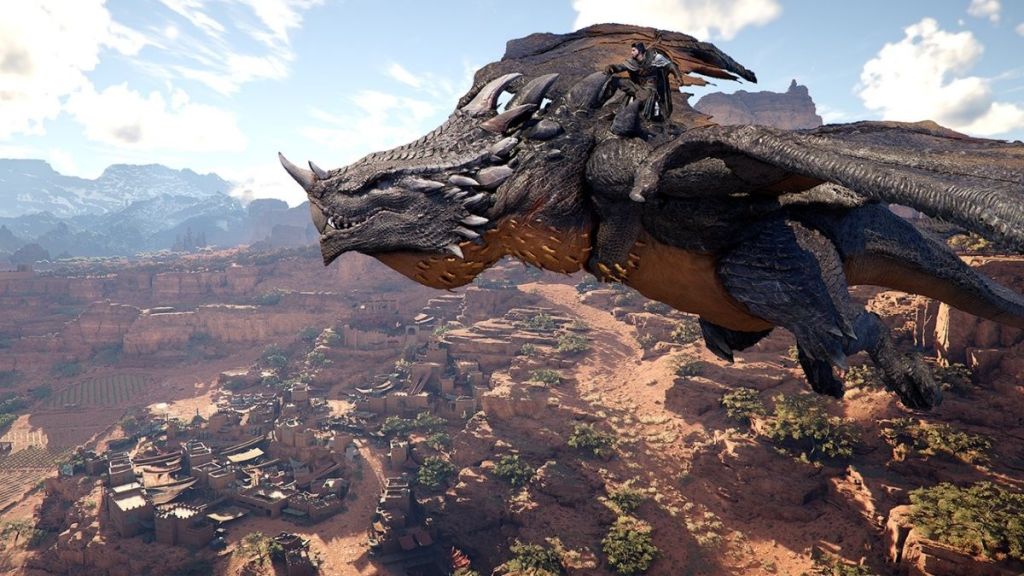
Crimson Desert
Delivers a large-scale open-world experience centered on combat, exploration, and player-driven encounters across the continent of Pywel. While it does have a central narrative about rebuilding the Greymane faction, player engagement largely comes from its systems and freedom rather than story depth.
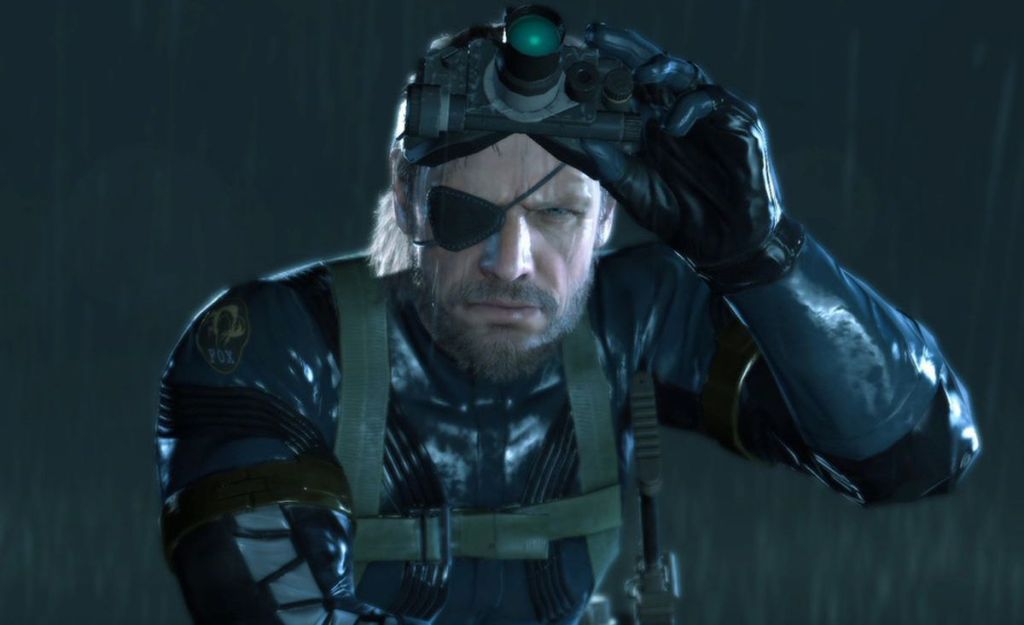
Metal Gear Solid V: The Phantom Pain
Widely praised for its “near-impeccable” gameplay and open-ended mission design, the story was criticized as “aimless” and incomplete, especially in its second half, leaving gameplay as the clear standout.
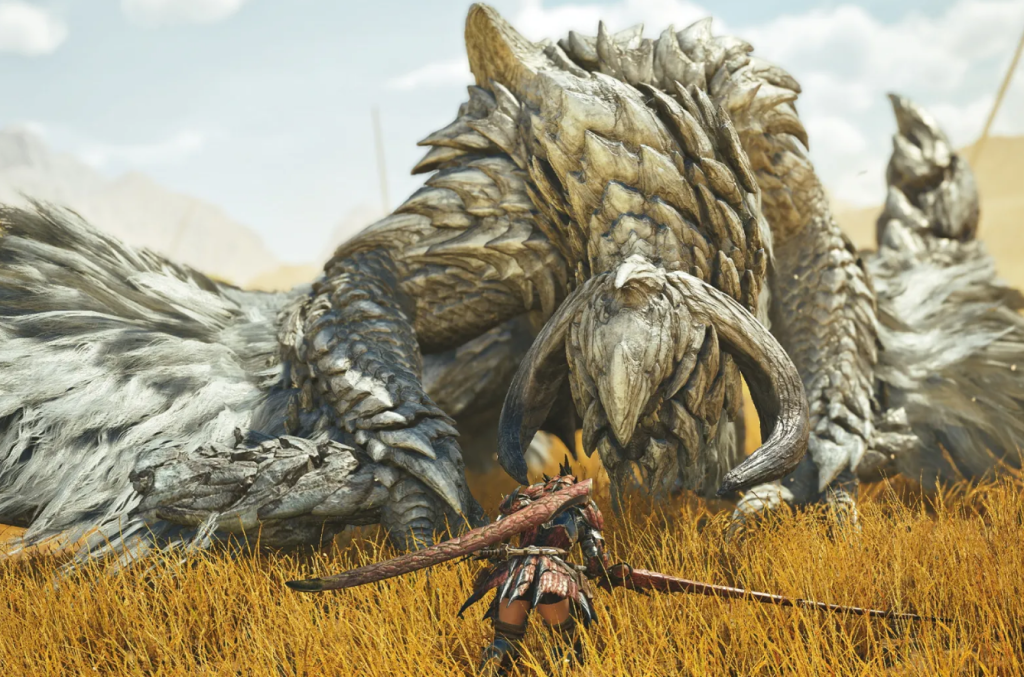
Monster Hunter Wilds
The story exists mainly to push players toward hunts, but the real appeal is mastering weapons, fighting monsters, and refining builds, making narrative largely irrelevant to the overall experience. This is true for nearly all the Monster Hunter games.
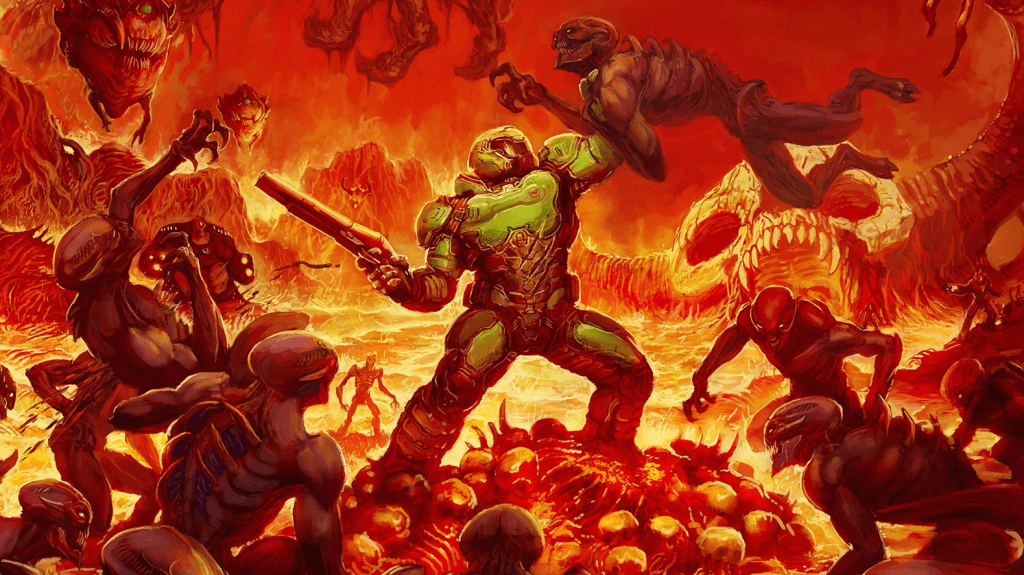
DOOM (2016)
The game intentionally downplays its story, even having the protagonist dismiss exposition. Its fast, aggressive combat loop is the real focus, making narrative details almost optional.
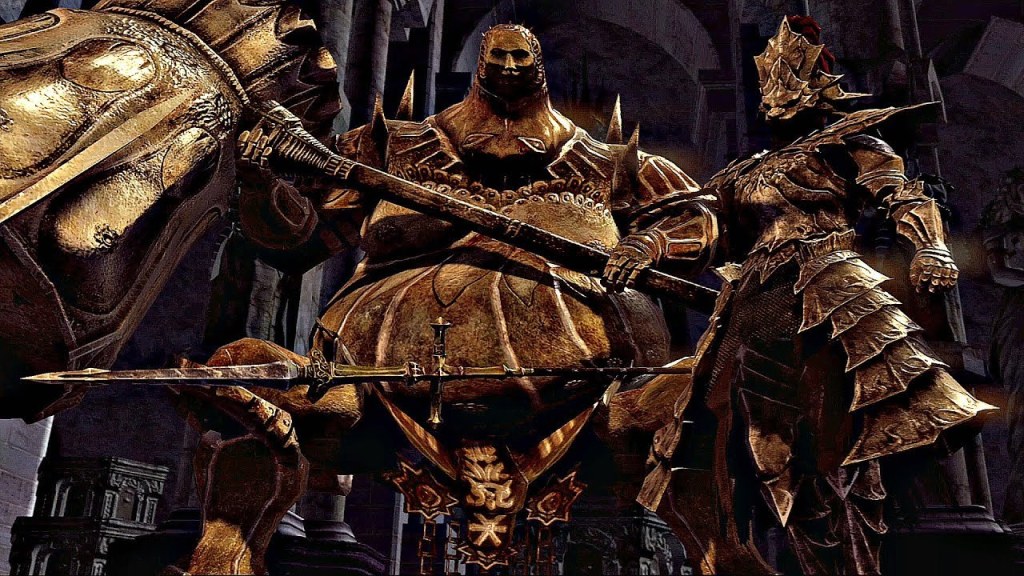
Dark Souls
Its lore is deep but deliberately obscure, leaving most players confused about the story while still fully engaged thanks to its challenging combat and interconnected world design.
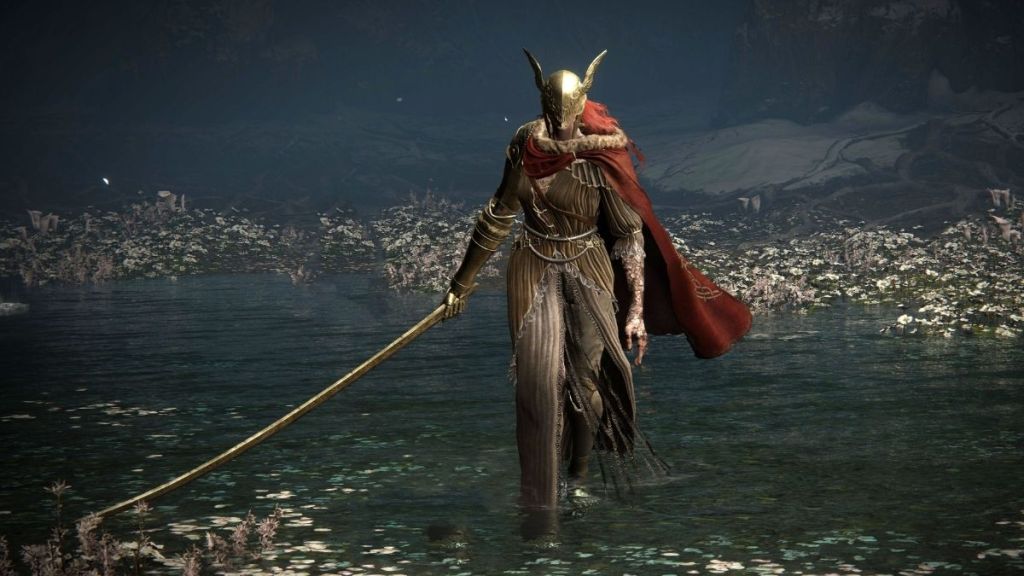
Elden Ring
Similar to Dark Souls, the narrative is fragmented and difficult to follow, but exploration, combat, and build variety drive the experience, making story comprehension optional rather than essential.
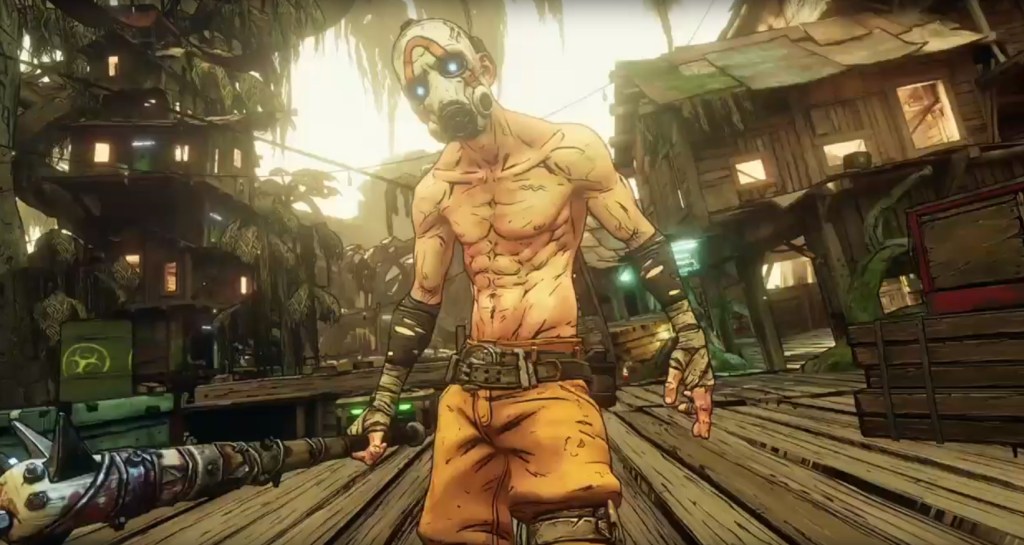
Borderlands 3
While previous entries had memorable writing, this installment’s story received criticism, but the chaotic gunplay and loot system remained strong enough to carry the game.
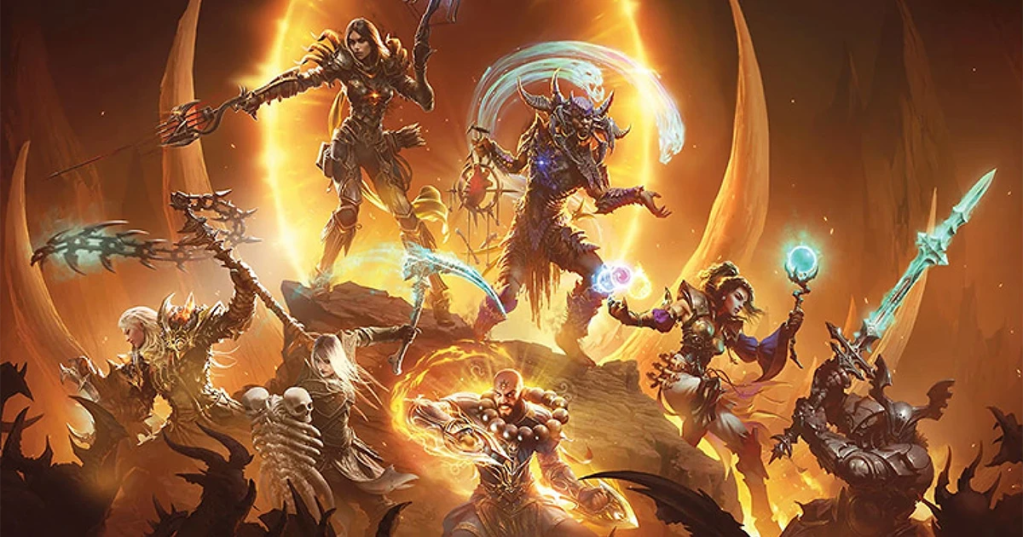
Diablo III
The story was widely seen as weaker than its predecessor, but the addictive gameplay loop of combat and loot progression kept players hooked for hundreds of hours.
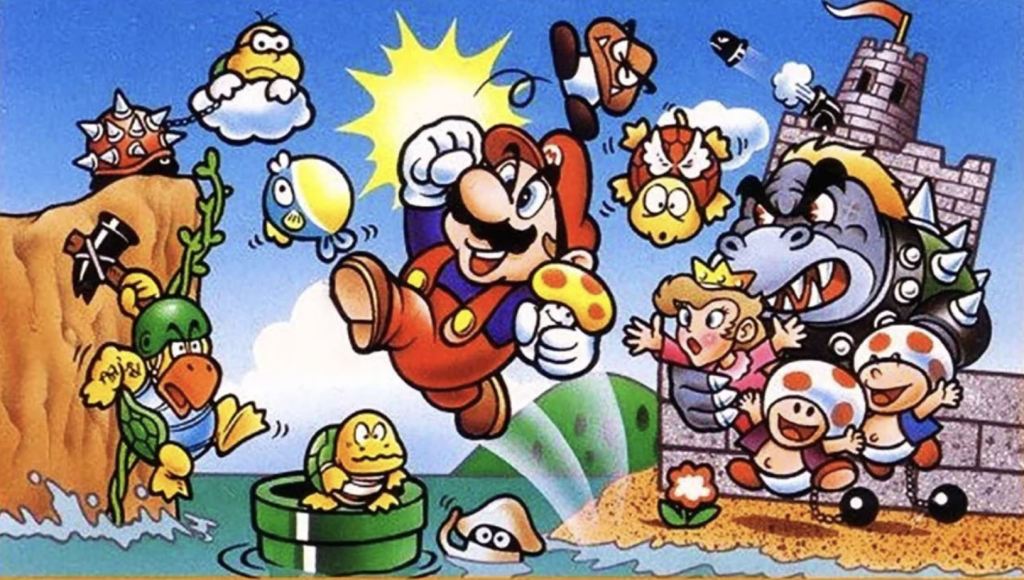
Super Mario Bros.
The story is extremely basic, but the platforming design and gameplay innovation made it one of the most influential games ever created.
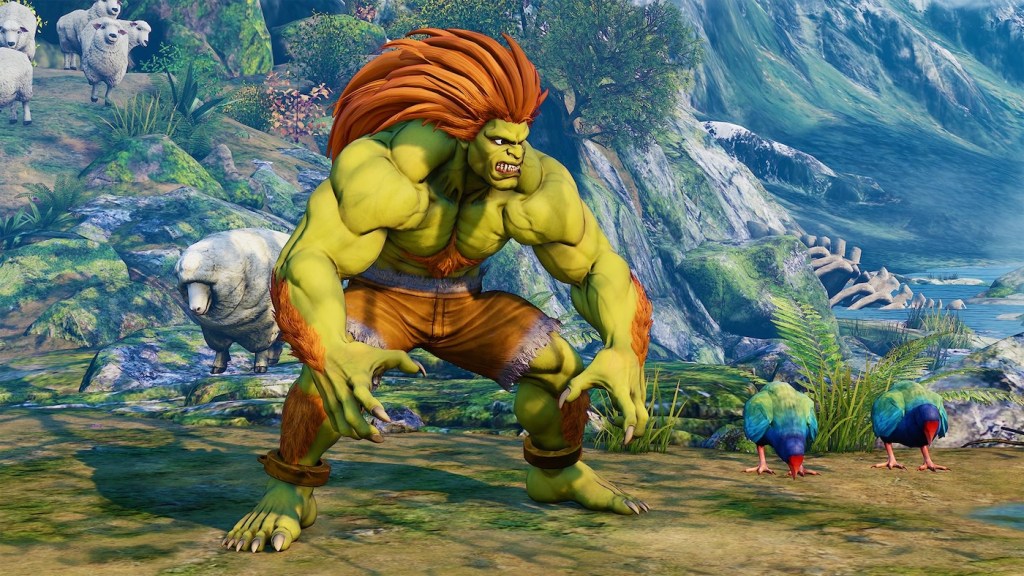
Street Fighter V
The story mode received criticism, but the tight fighting mechanics and competitive depth ensured the game remained popular.
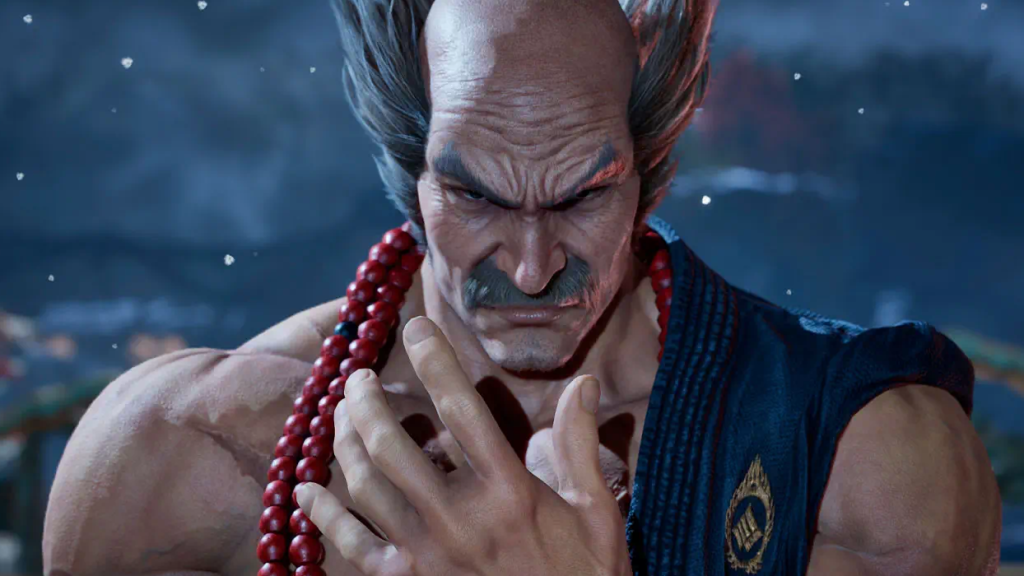
Tekken 8
Despite a convoluted and often confusing storyline, the game thrives on its deep combat system and competitive appeal.
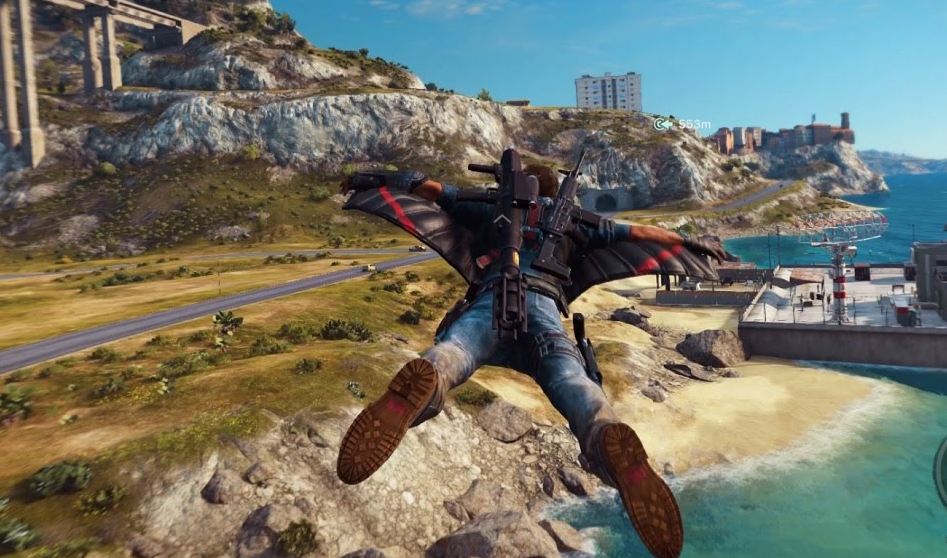
Just Cause 3
The story is largely forgettable, but the open-world destruction, traversal mechanics, and chaos-driven gameplay are the real focus.
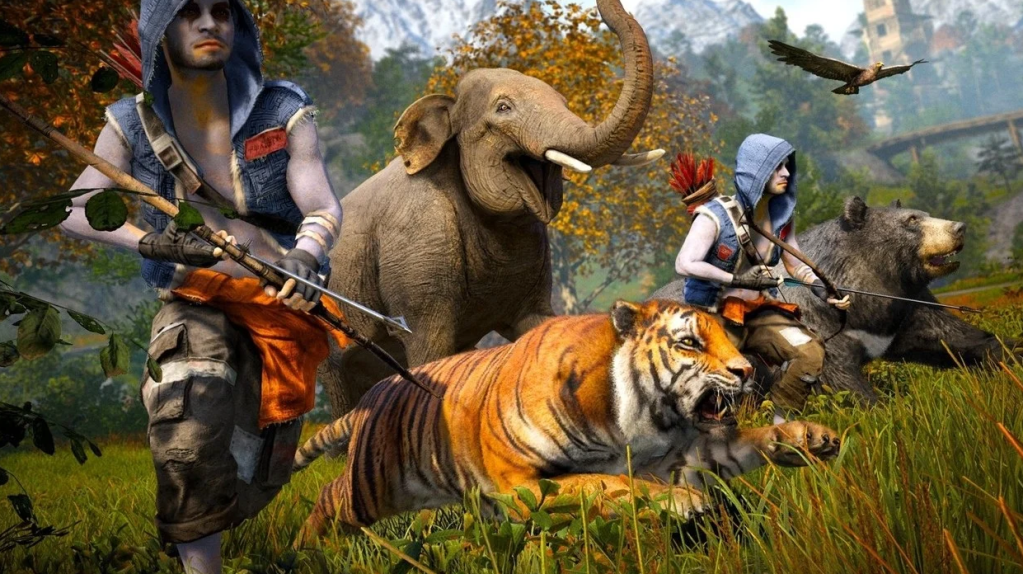
Far Cry 4
While it has a narrative, many players engage more with the open-world gameplay and emergent encounters than the actual story progression.
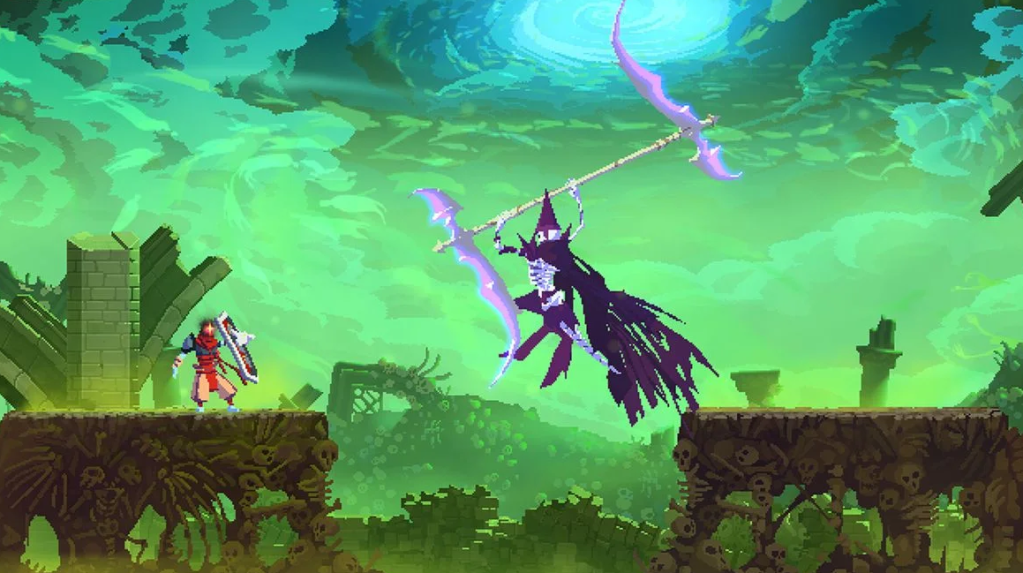
Dead Cells
The game offers only fragments of story, but its fast-paced roguelike gameplay loop is what keeps players coming back.