10 Unsettling Movie Facts You May Not Have Caught

Some of the most unsettling things in movies aren’t obvious at all. They’re hidden in the background, buried in production choices, or quietly embedded in performances that feel just a little too real. These details often go unnoticed on a first watch, yet they add an extra layer of discomfort once you discover them. Whether intentional or not, they can completely change how you see a scene or even an entire film. Here are 10 unsettling movie facts you may not have caught, each one making its story just a bit more disturbing than it first appeared.
Donnie Darko
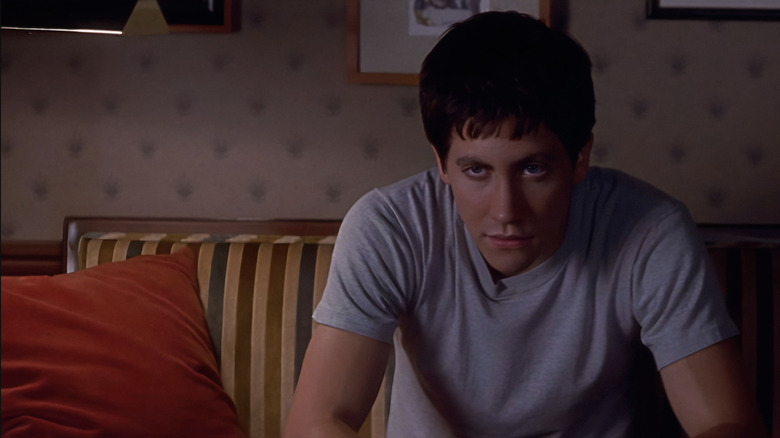
Many background details and dialogue lines subtly reference time loops and alternate realities, but they’re easy to miss, making the story feel more disturbing the more you analyze it.
Jacob’s Ladder
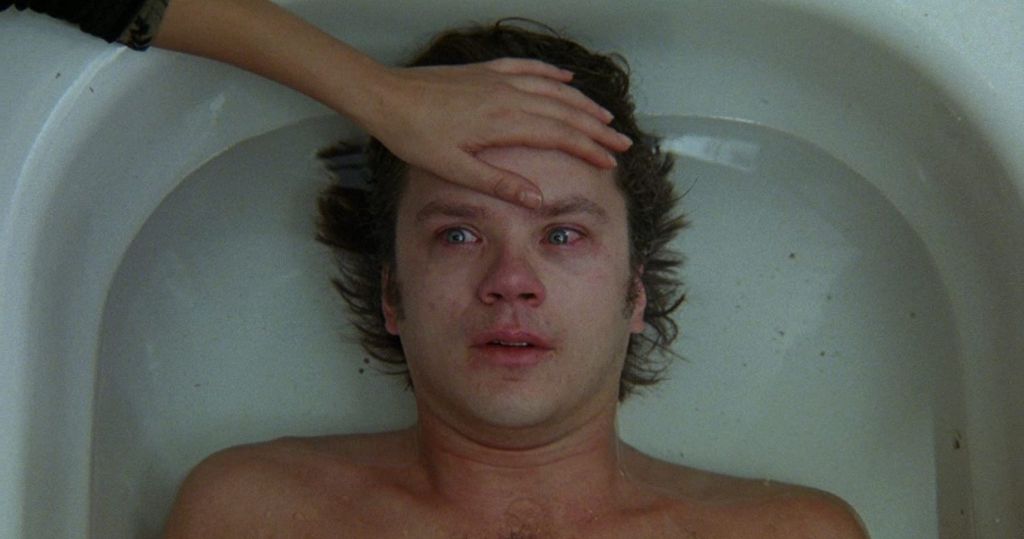
The rapid head-shaking effect seen in hallucination scenes was created using practical techniques rather than CGI, making the movements feel unnaturally real and deeply unsettling.
Prisoners
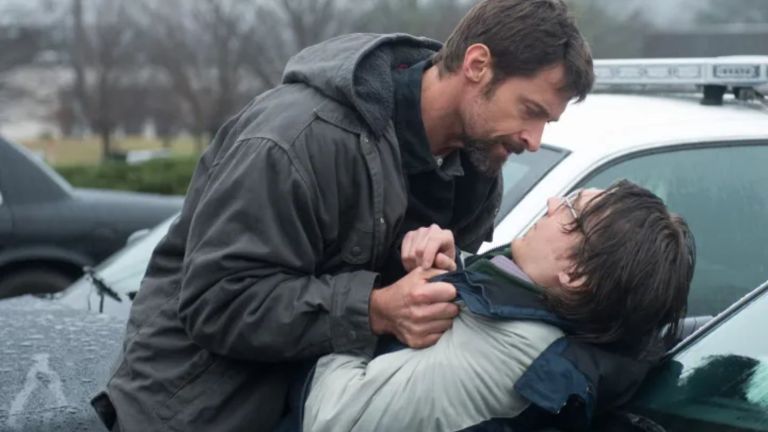
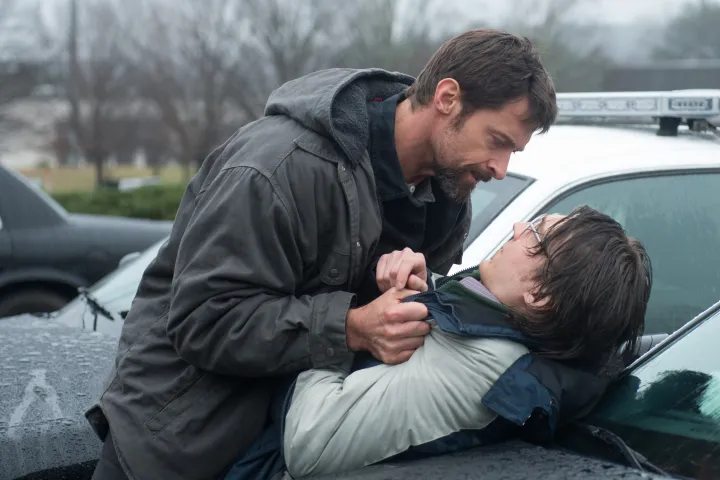
Hugh Jackman reportedly stayed in an intense emotional state between takes, making his performance feel raw and unpredictable, which adds a layer of discomfort to already heavy scenes.
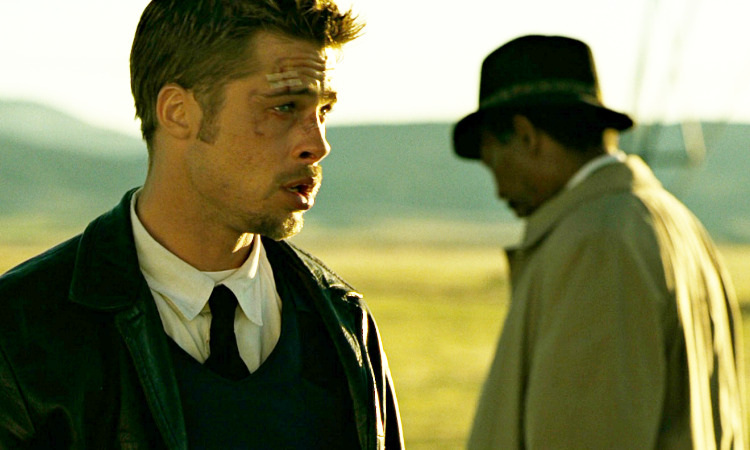
Se7en
The notebooks found in the killer’s apartment were filled with thousands of handwritten pages created by artists, making them disturbingly real and detailed despite barely being seen on screen.
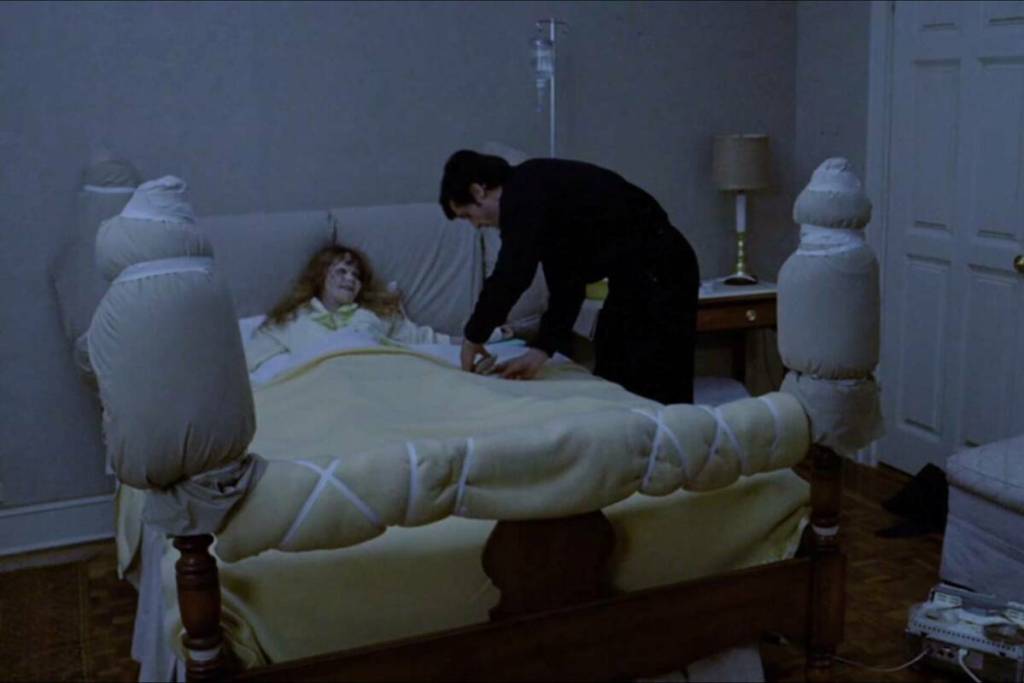
The Exorcist
Several actors reported injuries and strange accidents during filming, but what makes it unsettling is that many of these incidents were later used to enhance the film’s eerie reputation, blurring the line between coincidence and myth.
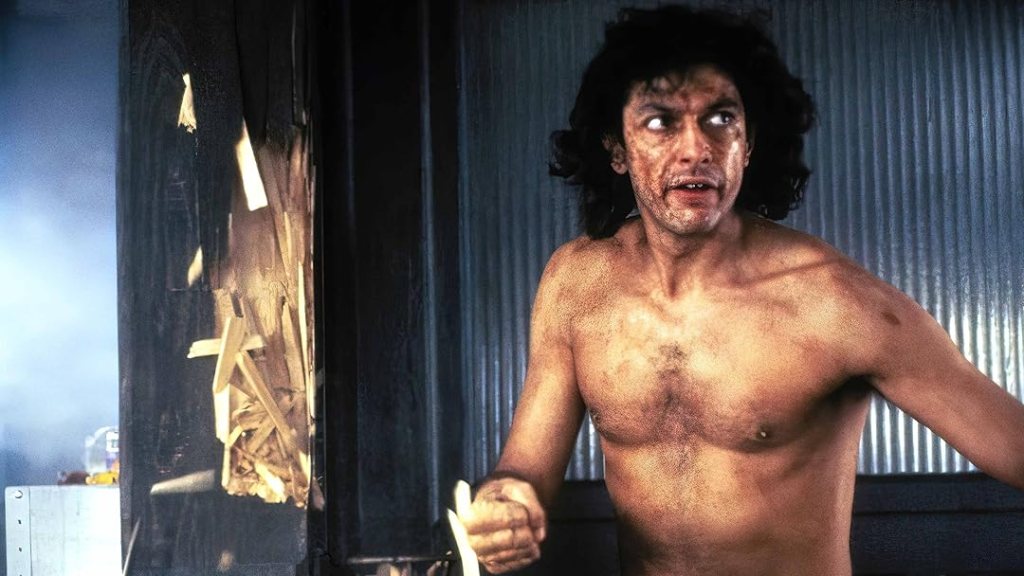
The Fly
Jeff Goldblum’s transformation scenes relied heavily on practical effects that required hours of uncomfortable prosthetics, giving the film a disturbingly real physical decay.
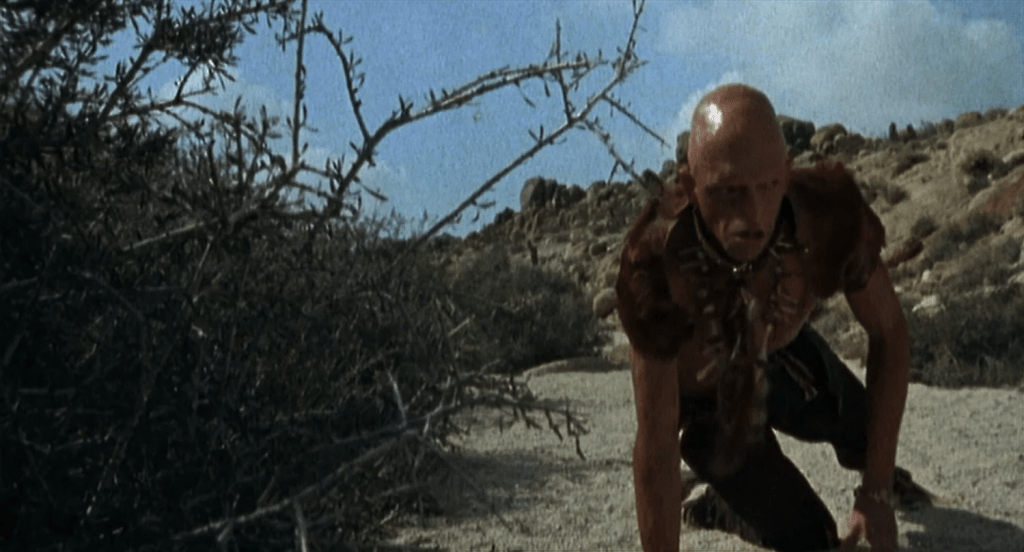
The Hills Have Eyes
Some of the film’s most disturbing scenes were shot in real desert conditions, adding a sense of isolation and discomfort that makes the violence feel more intense.
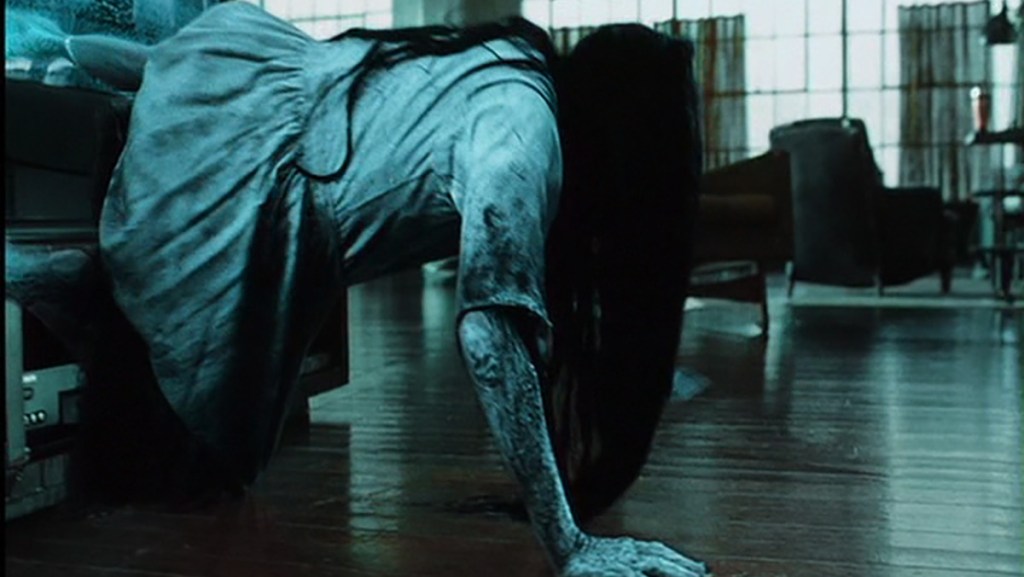
The Ring
The cursed videotape was designed with intentionally disjointed, disturbing imagery that has no clear meaning, making it feel more like a nightmare than something logically constructed.
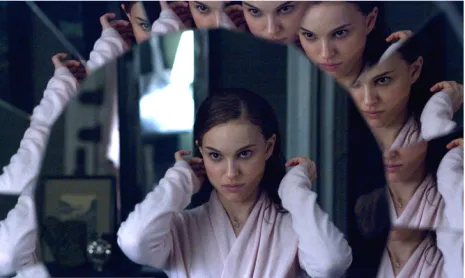
Black Swan
Natalie Portman physically and mentally pushed herself to extreme limits for the role, and many of the injuries and exhaustion seen on screen were real, adding to the film’s unsettling authenticity.
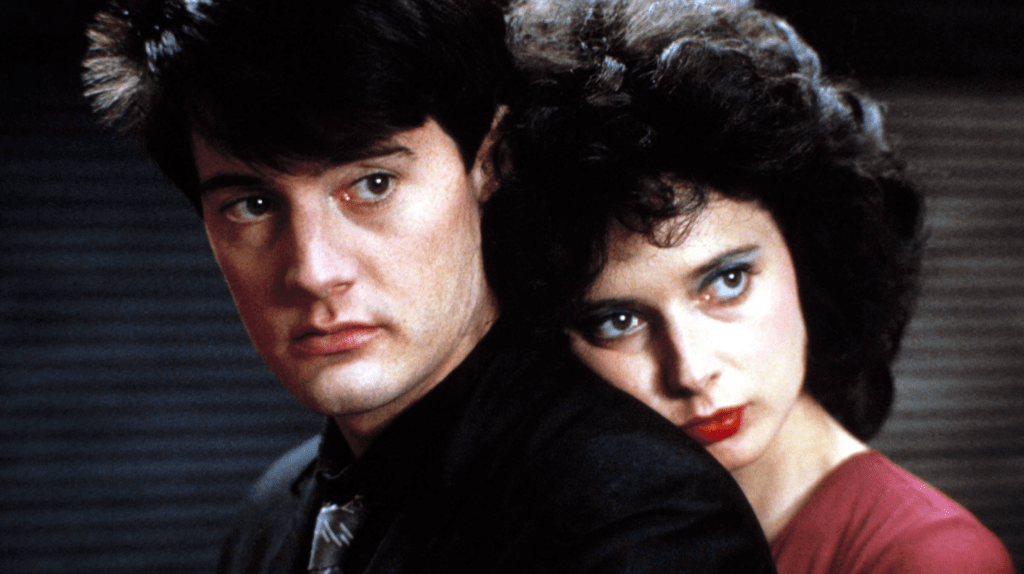
Blue Velvet
David Lynch deliberately inserted surreal, unexplained moments that never get resolved, creating a lingering sense that something is deeply wrong beneath the surface of the story.