10 Times De-Aging Graced Our Screens, For Better or for Worse

Digital de-aging has become a common tool in modern filmmaking. Studios use visual effects to make actors appear decades younger, whether for flashbacks, sequels, or full-length performances set in the past. The results vary. In some cases, the technology blends seamlessly with live action footage. In others, audiences notice stiffness, lighting inconsistencies, or uncanny facial movement. As visual effects budgets grow and software improves, de-aging has shifted from novelty to standard practice in major franchises. Here are 10 notable examples where filmmakers used the technique, with mixed reactions from viewers and critics.
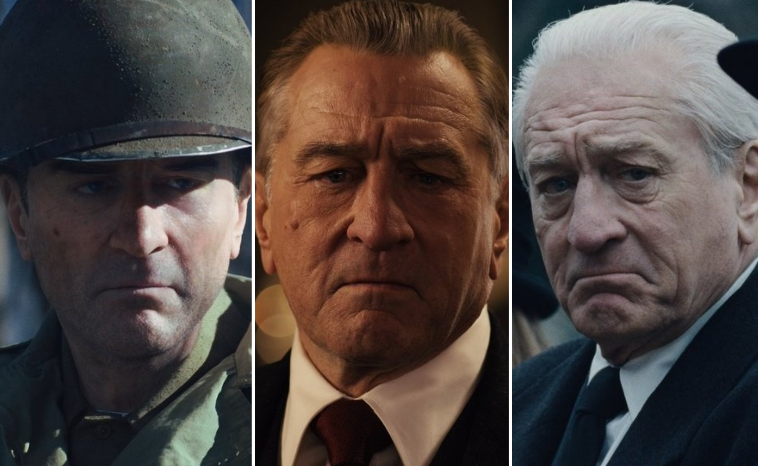
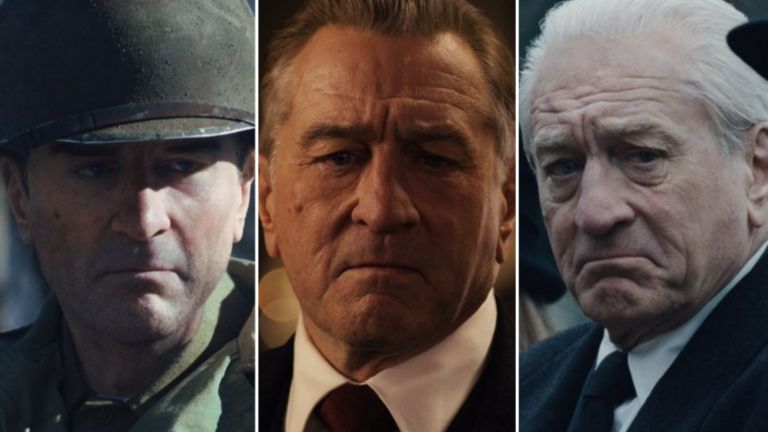
The Irishman
Digital de-aging allowed decades to be shown on a single actor. The effect worked very well, staying mostly natural, though some facial movements look slightly off.
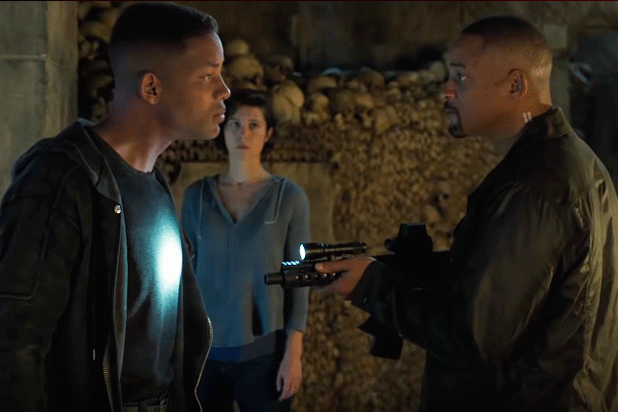
Gemini Man
Will Smith played both his current and younger self. The effect was visually impressive, but some critics found facial expressions slightly unnatural.
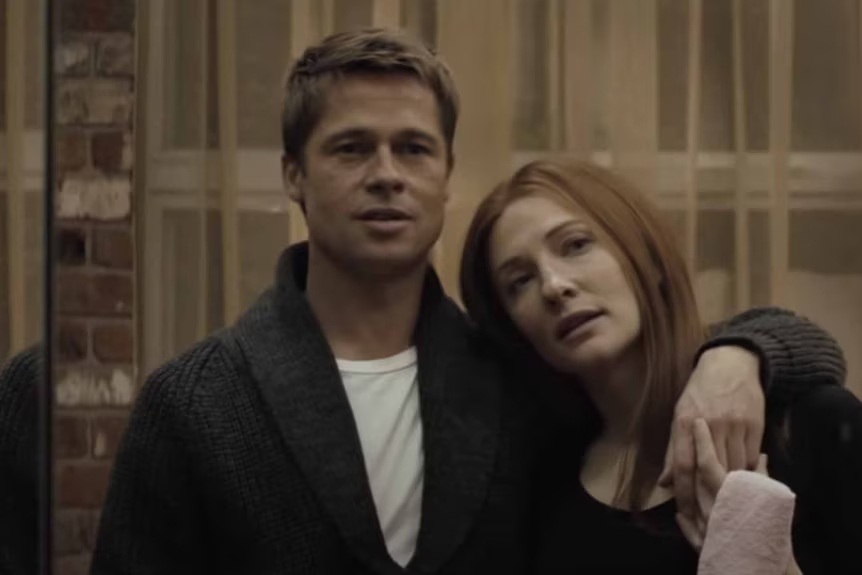
The Curious Case of Benjamin Button
Brad Pitt ages backward across the film. The de-aging was effective and contributed meaningfully to the story.
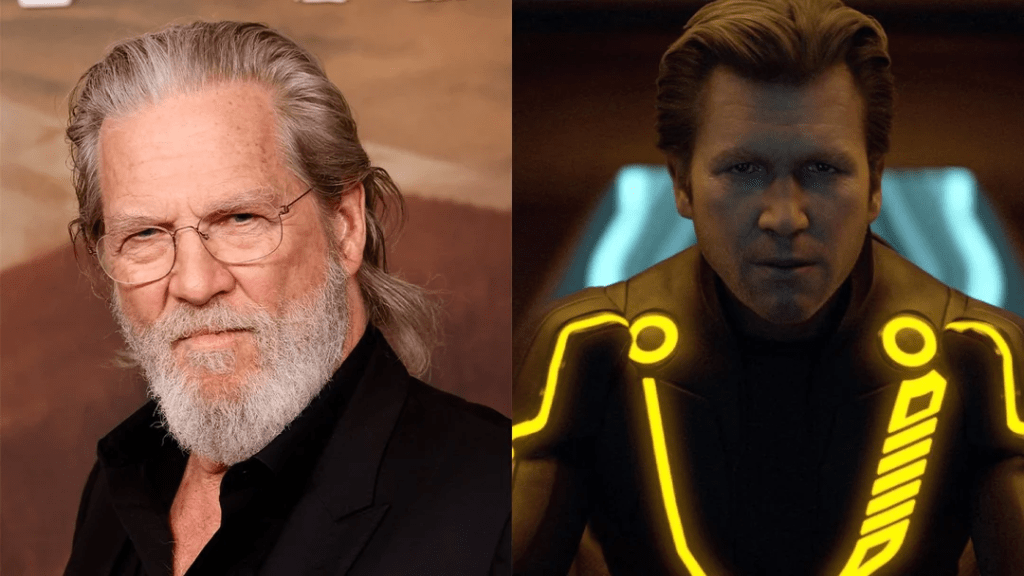
Tron: Legacy
Jeff Bridges appeared as a younger version of his character in certain sequences, blending CGI with performance capture, and the result was effective for action sequences.
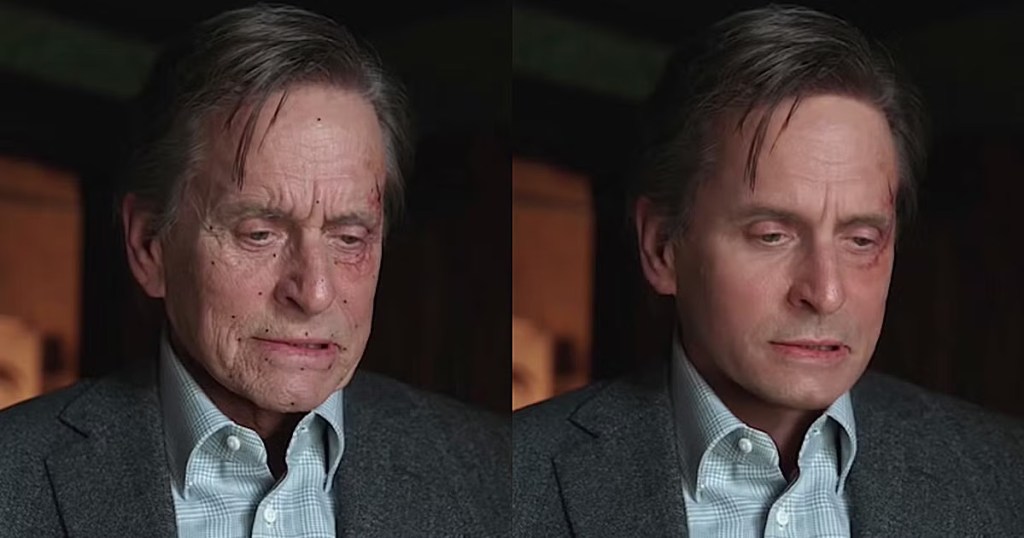
Ant-Man
Flashback scenes used subtle de-aging to show younger versions of supporting characters without breaking visual continuity. The effect was barely noticeable, which worked in its favor.
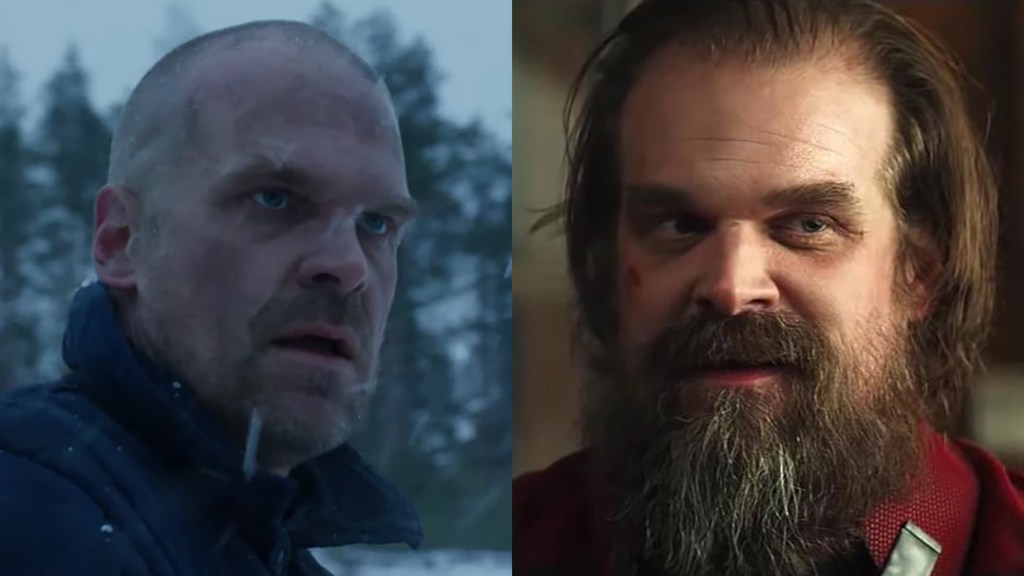
Black Widow
David Harbour was digitally de-aged in flashback scenes alongside Florence Pugh, maintaining continuity without distracting from the story.
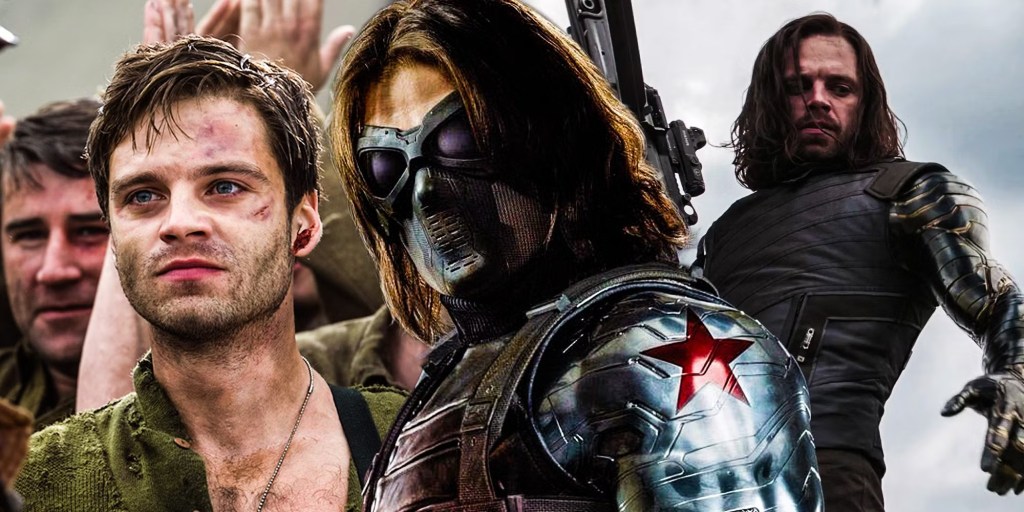
Captain America: Civil War
Sebastian Stan’s Bucky Barnes was de-aged in flashbacks to depict events during World War II. The effect was subtle and visually coherent.
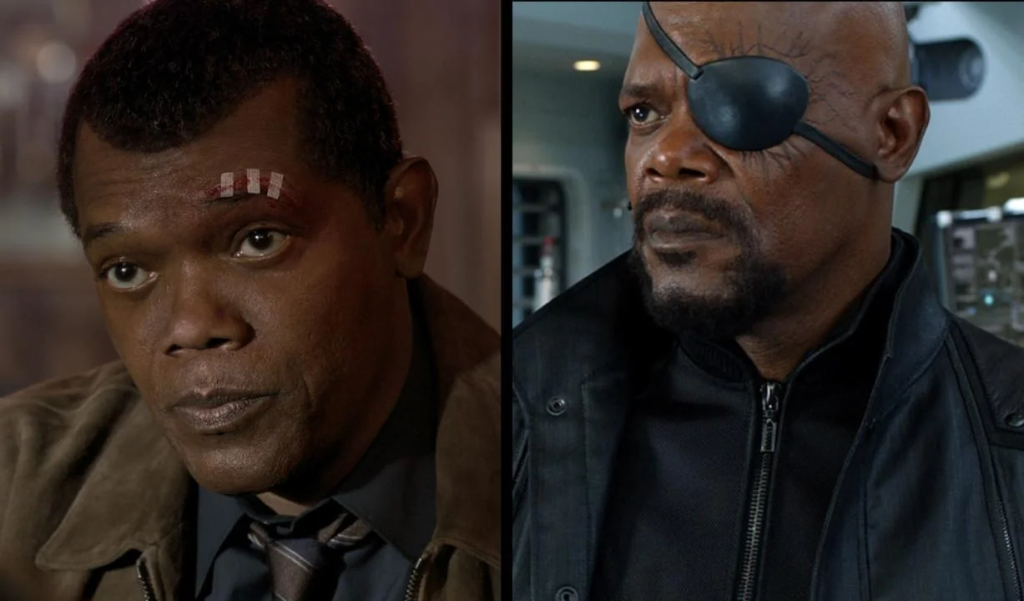
Captain Marvel
Samuel L. Jackson was de-aged to play a younger version of Nick Fury, maintaining continuity with the character’s earlier backstory in the MCU. The result looked natural and consistent.
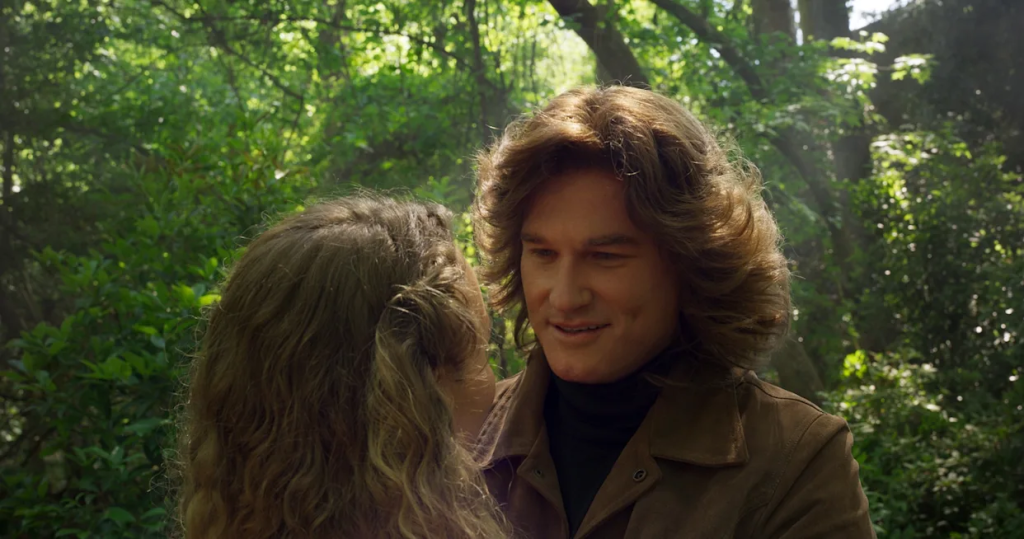
Guardians of the Galaxy Vol.2
Kurt Russell appeared de-aged briefly in a flashback scene to portray a younger Ego. The effect was limited but effective for storytelling.
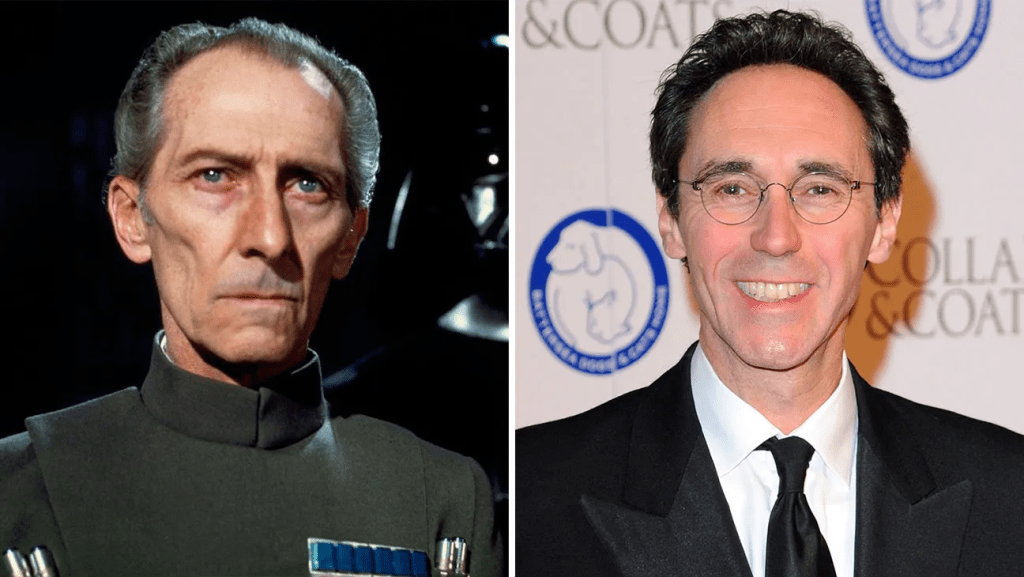
Star Wars: Rogue One
Peter Cushing, who had passed away decades earlier, was digitally recreated to reprise his role as Grand Moff Tarkin.