The 10 Best ‘70s Crime Movies Ever Made
Lets look at the best movies about the worst people of the 1970s.

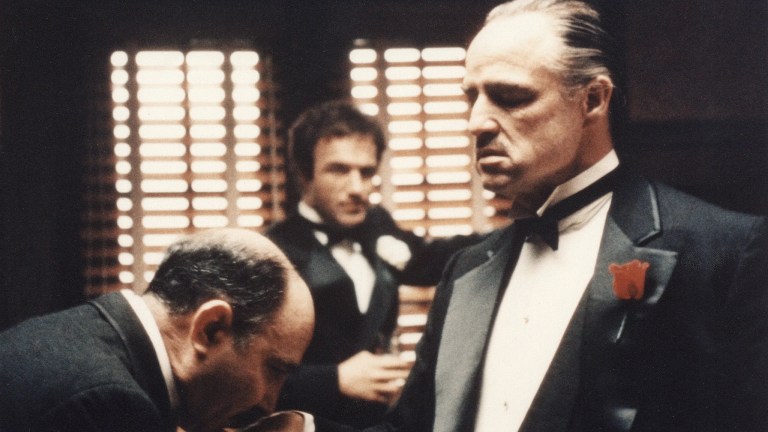
The New Hollywood movement may have broken the classic studio system and opened the way for the smaller, more personal films of the 1960s and ’70s, but they never forgot about genre movies. In fact, the first proper New Hollywood film was Arthur Penn’s Bonnie and Clyde (1967), a crime movie. It’s not hard to see why crime movies would capture the imagination of filmmakers at the time: New Hollywood movies tended to focus on complicated men at the bottom rungs of society, men who had to make hard decisions. Throw in the general unease that Americans felt after the turbulence of the ’60s and sensationalist cases such as the Zodiac murders, and moviegoers were ready to see the breakdown of law and order on screen.
Yet, because of their sometimes nasty content, crime movies don’t always get the same praise as their counterparts from the era. Sure, some were instantly canonized and showered with Academy Awards, but others remain underrated masterpieces that deserve more attention. We’ll gather them all for this list, a compilation of the 10(ish) movies about the worst parts of society.
Shaft (1971)
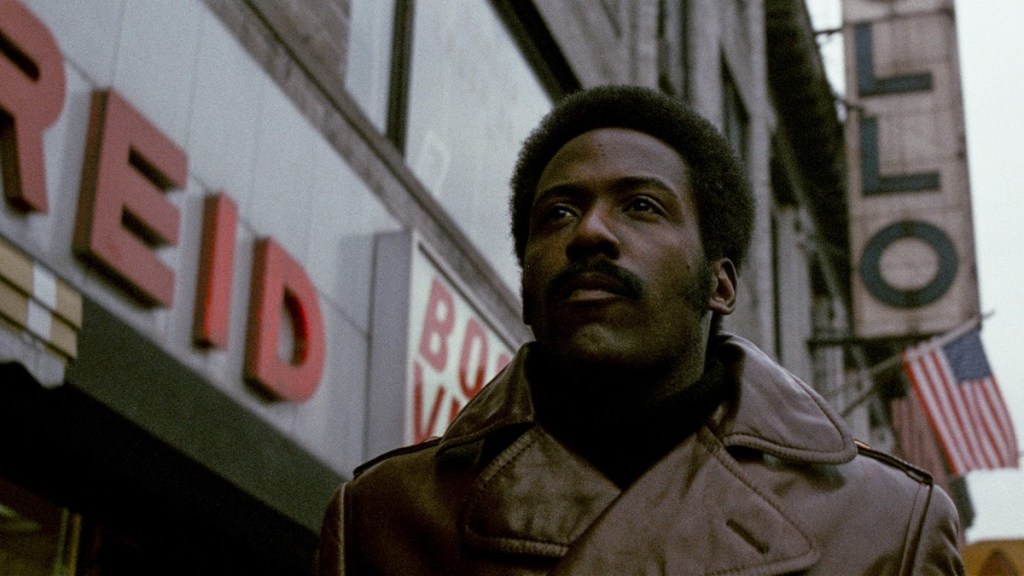
Most of the films on this list come from the New Hollywood movement, which considered themselves high art, despite their rough-hewn subject matter. But Shaft comes from the Blaxploitation genre, which had no such pretensions, at least not on the part of the producers. Instead, studios saw money to be made with African American audiences, churning out genre cheapies with Black casts (but usually white creatives behind the camera). However, because these movies gave Black actors more leading opportunities than those made by mainline Hollywood, Blaxploitation films often exceeded expectations on the back of some outstanding performances.
Case in point: Shaft, starring the magnetic Richard Roundtree as the titular private detective. Directed by Gordon Parks and based on the novel by Ernest Tidyman, who co-wrote the screenplay with John D. F. Black, Shaft follows the titular detective as he tries to retrieve the daughter of a Harlem-based mobster (Moses Gunn) from the Italian mafiosos who kidnapped her. Even outside of the praises heaped on him by Isaac Hayes’s famous theme song, John Shaft may be the most righteous of the protagonists on this list. Yet, Shaft shows how even a man like him must negotiate cops and criminals in pursuit of justice.
The French Connection (1971)
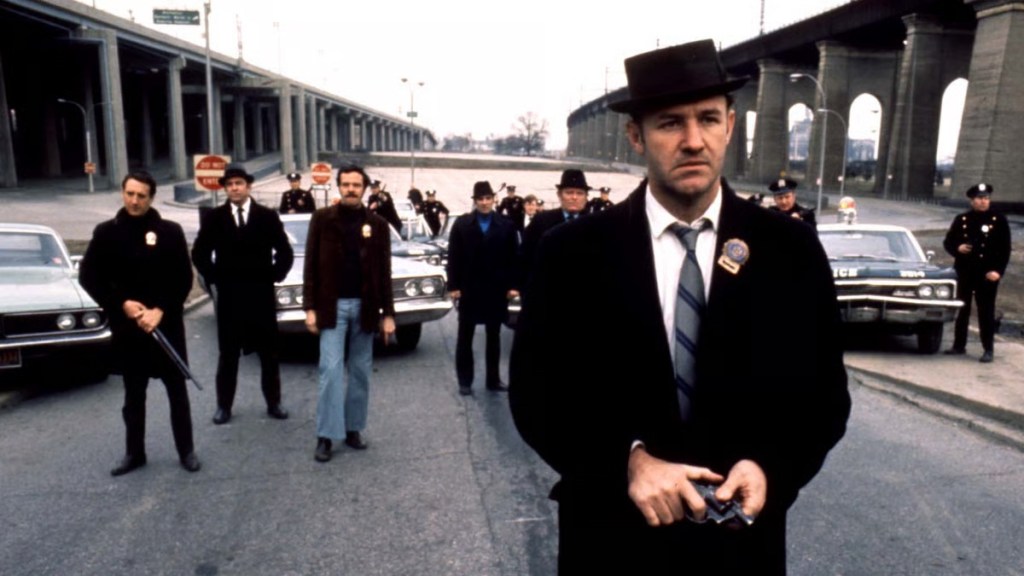
By the time of his death in 2023, William Friedkin left behind a filmography filled with great narrative features. But he got his start shooting documentaries, unvarnished looks at real life, including the 1966 film The Thin Blue Line. As he transitioned to narrative features in the early ’70s, Friedkin kept those sensibilities, as evident in the sister to The Thin Blue Line, The French Connection.
Although based on a hit non-fiction book and about a sensational real-world case of international intrigue, Friedkin plays down the glitz and glamor and instead puts most of his attention on Popeye Doyle, a blustering, cruel, and largely ineffective narcotics cop played by Gene Hackman. Popeye and his partner Cloudy Russo (Roy Scheider) bluster their way through their job when they run across a heroin-trafficking ring operated by Frenchman Alain Charnier (Fernando Rey), who smuggles drugs into the US via the car of a celebrity (Frédéric de Pasquale). Friedkin certainly takes advantage of the big moments offered by the narrative, including a visceral car chase sequence. But the film’s power comes from watching the bull-headed Popeye’s unglamorous pursuit of his man.
Dirty Harry (1971)
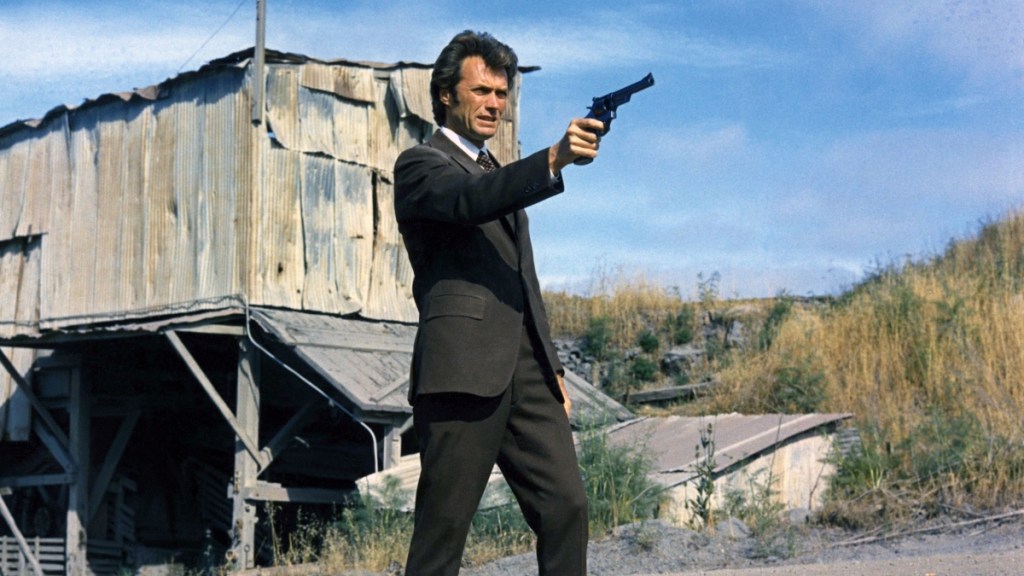
As with The French Connection, one might argue that a movie about a cop doesn’t belong in a list of crime films. But like most movies about cops, Dirty Harry is just as much about crime—namely, the reign of terror that the psychotic Scorpio killer (Andrew Robinson) unleashes on San Fransisco—as it is the police. Moreover, Inspector Harry Callahan is a particularly lawless officer, which gives the movie an undeniable tension.
Clint Eastwood plays Callahan as a modern version of the cowboys he brought to life in countless Westerns, a tough guy of few words. But where Josey Wales or the Man With No Name could simply gun people down without consequence, Callahan has to put up with legal protections and police guidelines, a fact that Scorpio gladly exploits. Callahan’s resistance to regulations in the face of the threat posed by Scorpio often makes Dirty Harry feel fascist, but director Don Seigel and his team of screenwriters—including Harry Julian Fink, R.M. Fink, and Dean Riesner—find notes of ambiguity that underscore the moral cost of Callahan’s actions.
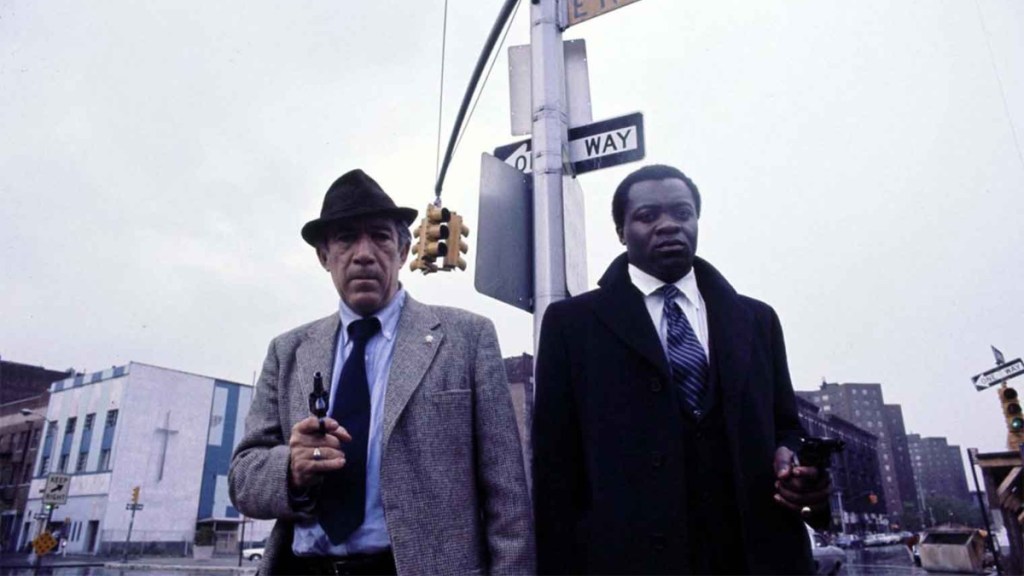
Across 110th Street (1972)
These days, most cinephiles only know the Barry Shear crime epic Across 110th Street for its incredible theme song by Bobby Womack, used to great effect in the opening credits of Quentin Tarantino‘s Jackie Brown. But Across 110th Street deserves to be known for being an excellent film in its own right. Based on the novel by Wally Ferris, adapted for the screen by Luther Davis, the movie marries Blaxploitation with a standard crime movie, resulting in one of the more layered and exhilarating entries on this list.
Anthony Quinn and Yaphet Kotto star as Captain Frank Mattelli and Lieutenant William Pope, both police officers working in Harlem, the former a white man entrenched in the system and the latter a young Black investigator. The two come together after a botched heist pits the city’s Black mob against the local Italian mafia, forcing them to not just deal with legalities, but social systems that force minorities to fight each other.
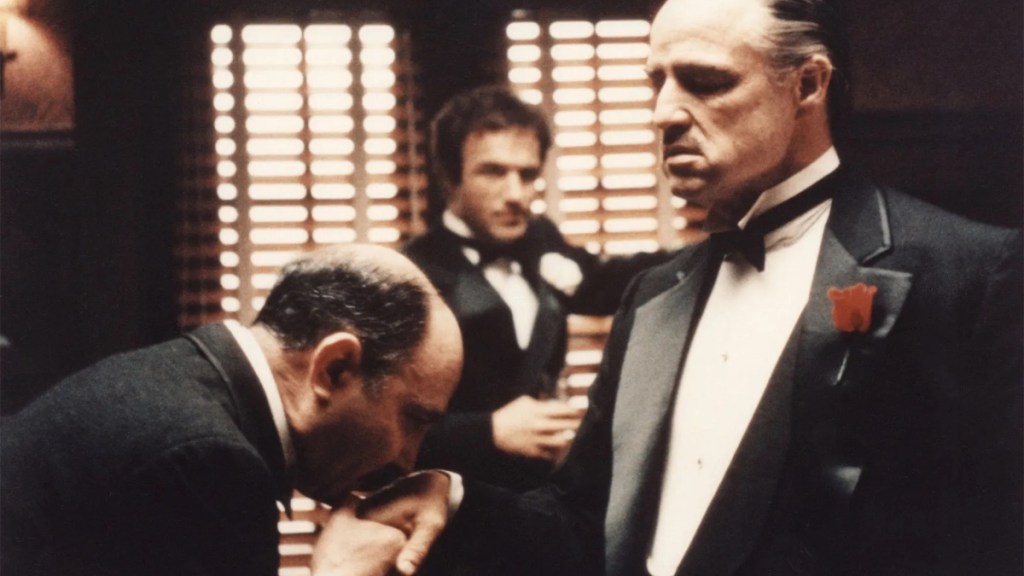
The Godfather/The Godfather Part II (1972, 1974)
Look, this is a list about crime movies, so of course we need to break some rules. Honestly, we’re lumping the two Godfathers together in one entry, not because they don’t stand alone as individual films (they certainly do), but because Francis Ford Coppola‘s epics loom so large over this list that we wanted to acknowledge them while making room for others.
Everything you need to know about The Godfather and its sequels is established in the opening scene of the first movie, in which a desperate undertaker (Salvatore Corsitto), bathed in shadow (thanks to the glorious cinematography of Gordon Willis) declares his belief in America, but seeks justice via the only path available to Italian immigrants like him, through organized crime. That rationale helps understand everything that Michael Corleone (Al Pacino) and his father Vito (Marlon Brando) do throughout the six-plus hours of story that follow. Every time Michael tries and fails to make his father’s organization into something legitimate, we’re reminded of the non-existent line between American capitalism and organized crime.
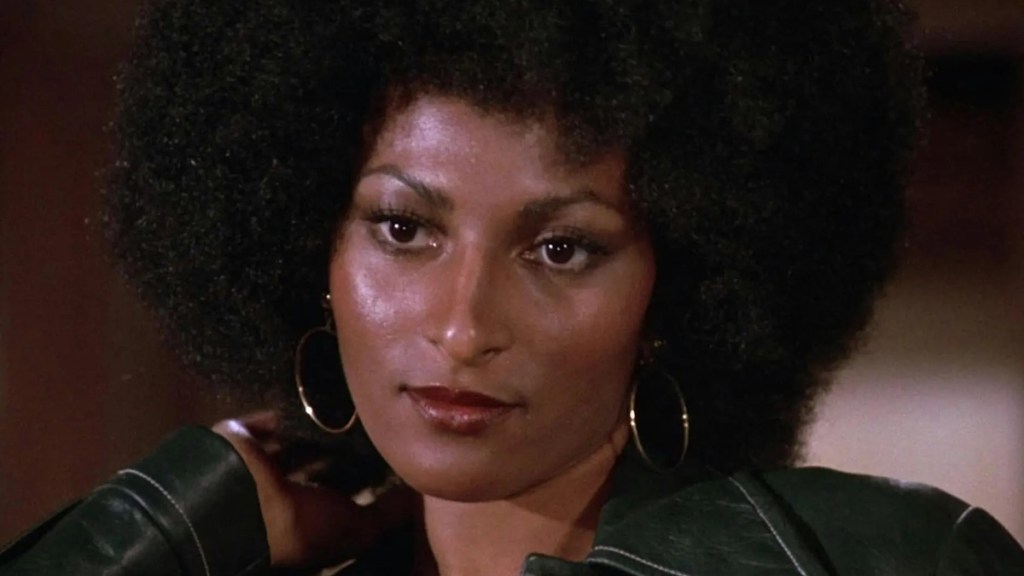
Foxy Brown (1974)
As this list makes plain, the crime movies of the ’70s were mostly concerned with men behaving badly. However, women did occasionally get the chance to break some rules themselves, none more so than Pam Grier, who starred in several Blaxploitation movies of the era, including Coffy and Sheba, Baby. Grier shines in every entry, fully embodying her characters’ toughness and vulnerability, especially in 1974’s Foxy Brown, written and directed by Jack Hill.
After her DEA agent boyfriend is killed by a drug ring masquerading as a modeling agency, Foxy goes undercover to infiltrate the organization and get revenge. Working her way up to the ring’s leaders, Stevie Elias (Peter Brown) and Miss Katherine Wall (Kathryn Loder), Foxy gets a new mission to save those forced into the trade… until she too gets captured, leading to her own escape and bloody confrontation. Trashy as the plot may often get, Foxy Brown never feels demeaning, thanks to Grier’s powerful performance.
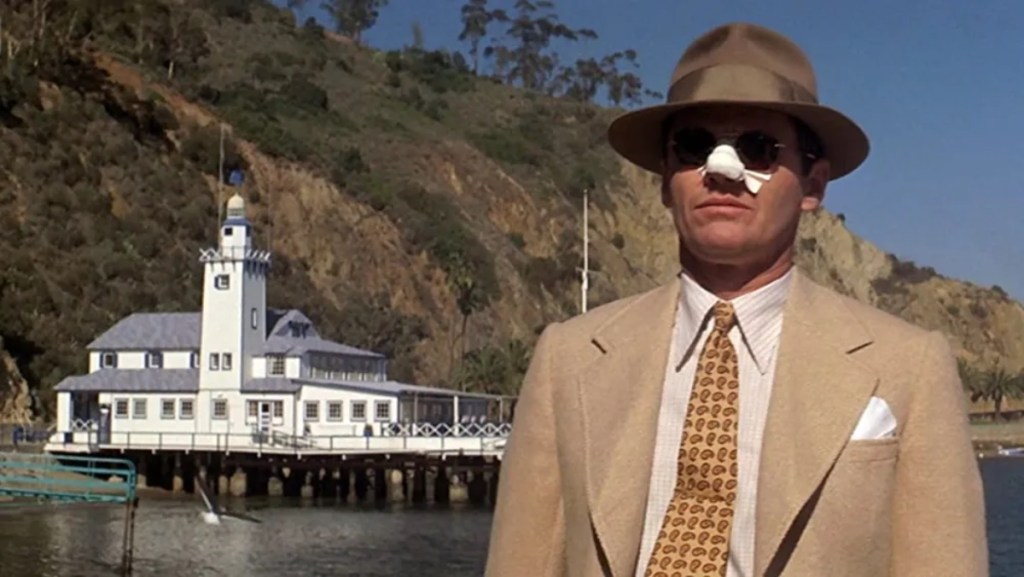
Chinatown (1974)
No movie has ever ended on a bleaker note than Chinatown, in which protagonist Jake Gittes (Jack Nicholson) faces the full extent of the inhumanity and corruption in 1930s Los Angeles, and is simply told, “Forget it, Jake. It’s Chinatown.” Director Roman Polanski and co-writer Robert Towne pull heavily from noir films of the 1940s and ’50s to tell their story, channeling the down-trodden gumshoes played by Humphrey Bogart. But where those films could only gesture at the horrors committed by those in power, Chinatown shouts the ugly truth.
Chinatown begins simply enough, with a woman named Evelyne (Faye Dunaway) hiring Gittes to find her missing husband, an employee at the Department of Water and Power. From there, Gittes gets pulled into a conspiracy about land and water rights, one that forces him to confront some of the most powerful people in the city and their horrific appetites. Even a cynical movie would at least hint at Gittes’s ability to make a difference, but not Chinatown. Anyone who comes to the movie looking for something like hope, redemption, or decency should just forget it.

The Taking of Pelham One Two Three (1974)
Even during the grittier ’70s, Hollywood films still preferred to focus on handsome leading men and matinee idols. That’s not the case with The Taking of Pelham One Two Three, in which it falls upon a group of municipal workers, led by Walter Matthau, to deal with a precise criminal plot to capture and hold for ransom a New York City subway train. Masterminding the plot is Robert Shaw at his chilliest, leading three other professionals (Martin Balsam, Héctor Elizondo, and Earl Hindman) in a precise strategy, one that includes calling one another only according to color codenames, a concept borrowed by Tarantino’s Reservoir Dogs.
As exciting as it is to watch steely criminals enact their plan, and as thrilling as it is to see the New Yorkers aboard the train deal with their predicament, the real pleasure of The Taking of Phelam One Two Three comes from the actions of the municipal workers, a bunch of working schlubs whose knowledge of city infrastructure becomes the citizens’ only hope. Director Joseph Sargent and writer Peter Stone build incredible scenes out of just watching people do their jobs, responding to the extraordinary with the ordinary annoyances of a working stiff.
Taxi Driver (1976)
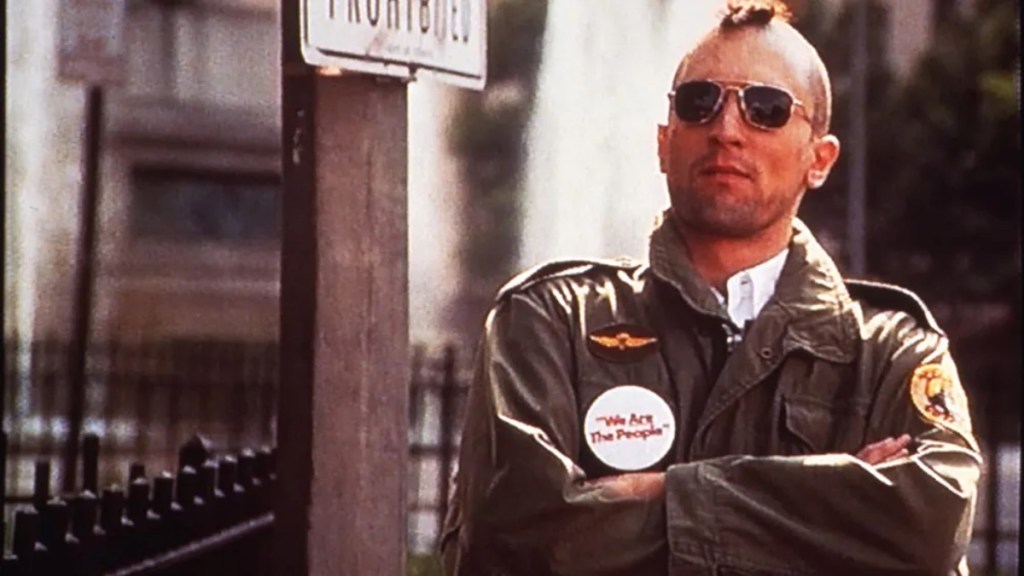
Although Martin Scorsese often explores the workings of various types of gangs, as seen in Goodfellas and The Wolf of Wall Street, Scorsese’s greatest crime movie deals with a decidedly solitary individual, Travis Bickle of Taxi Driver, played with disturbing magnetism by Robert De Niro.
As the title indicates, Taxi Driver follows the routines of Vietnam vet Bickle, whose only human connection comes from the various fares he shuttles around in the middle of the night. Screenwriter Paul Schrader pours all of his feelings of religious guilt and isolation into the character, especially as Bickel embarks on a plan, first to assassinate a presidential candidate and then to rescue a teen sex worker (Jodie Foster) from her pimp (Harvey Keitel). Whether or not the bloody climax of Taxi Driver happened outside of Travis’s imagination remains a topic of debate. But there’s no question that the movie features some manner of crime, even if it’s only a violation of the mind.
Blue Collar (1978)
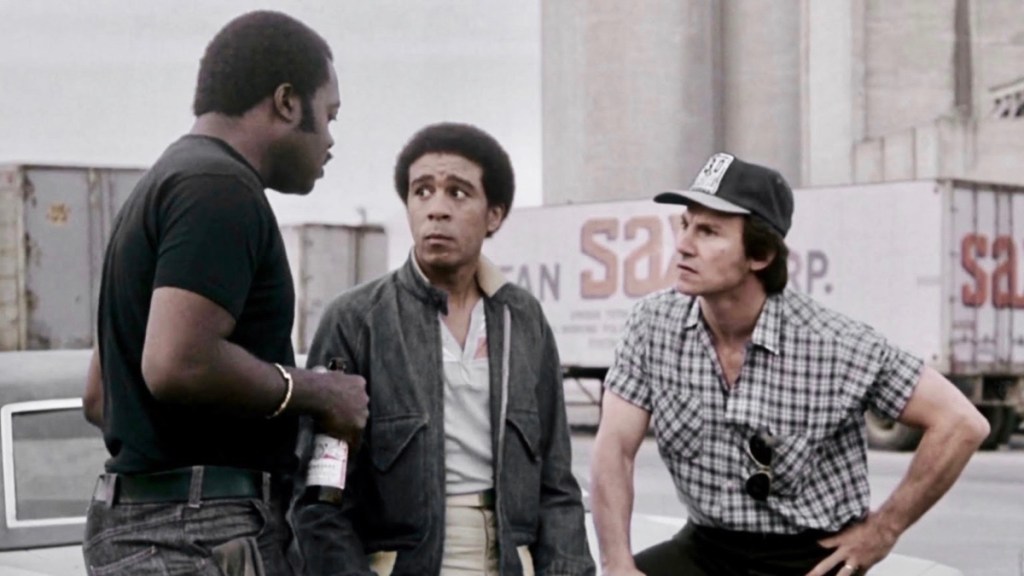
After writing Taxi Driver and three other screenplays, Paul Schrader stepped into the director’s chair to make Blue Collar, co-written by Leonard Schrader. Unsurprisingly, Blue Collar once again deals with isolated men who feel that they have no choice but to turn to a life of crime. What does make Blue Collar unique, however, is that these men initially have what most would consider a good, reliable job, making their descent into crime all the more tragic and all the more damning of the American economy.
Blue Collar follows auto workers at a Detroit plant: Zeke Brown (Richard Pryor), Smokey James (Yaphet Kotto), and Jerry Bartowski (Keitel). Feeling disregarded by management and ignored by their labor union, the trio decides to rob the union safe. However, what should have been a simple job soon spirals out of control, in no small part because of the mistrust between the trio. What follows is perhaps the most cynical movie on this list, not because of the stakes of the heist, but because of its utter rejection of human goodness.