15 Films That Accidentally Predicted Real World Events


Some films set out to imagine the future, and creating stories shaped by what feels real. In certain cases, those fictional elements later echoed real world developments in unexpected ways. These moments stand out because they captured patterns, fears, or innovations that became part of our lived experience. Here are fifteen films that accidentally predicted real world events.

The Truman Show (1998)
Its concept of a life broadcast for entertainment anticipated the rise of reality television and constant online exposure.
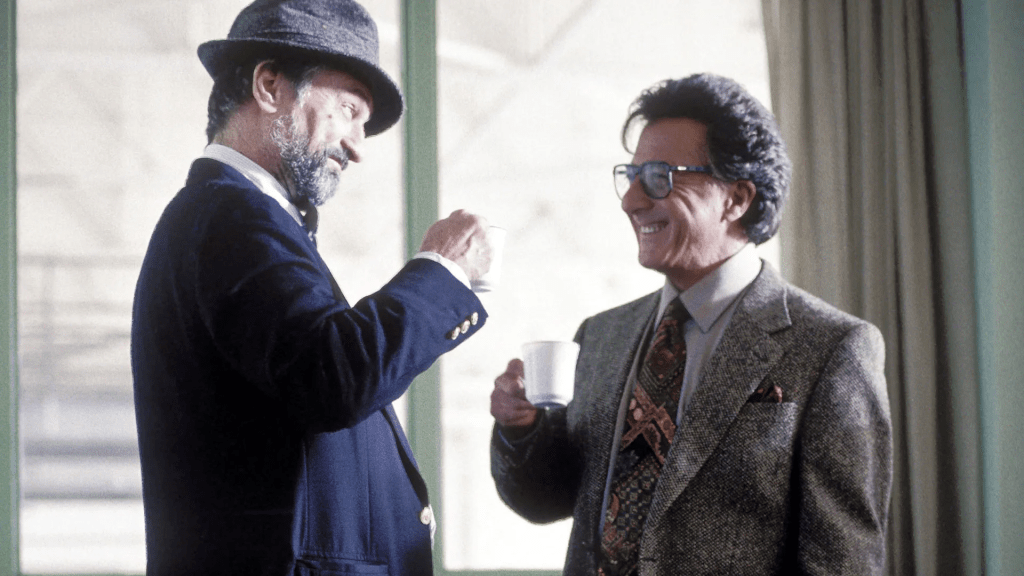
Wag the Dog (1997)
Manufactured narratives and media manipulation reflect later concerns about information control.
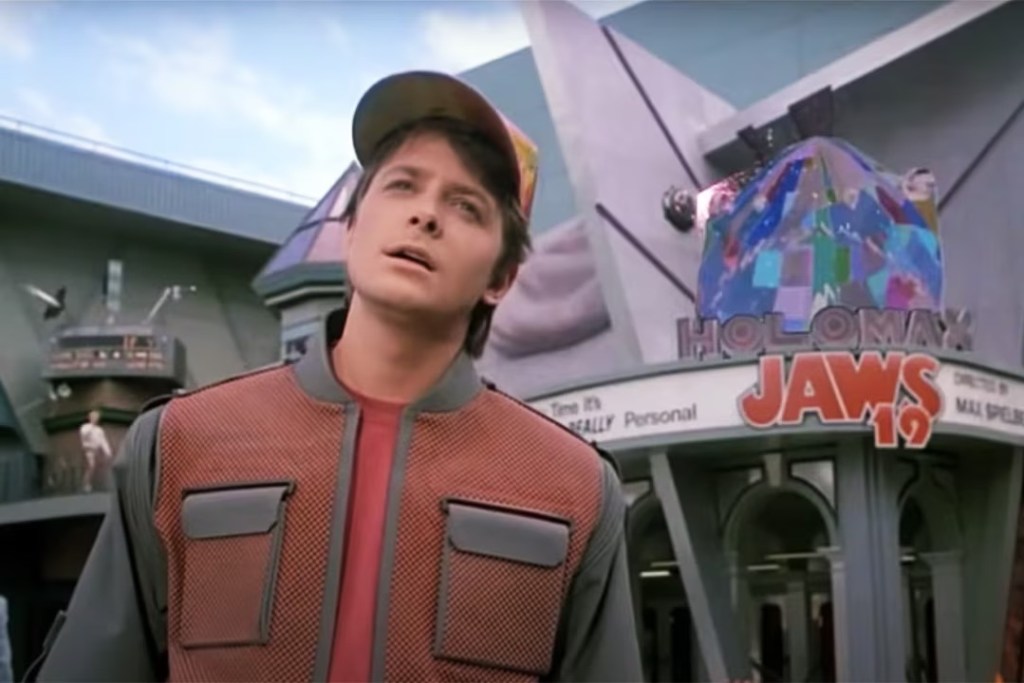
Back to the Future Part II (1989)
Video calls, wearable tech, and immersive environments are anticipated to be common technological experiences.
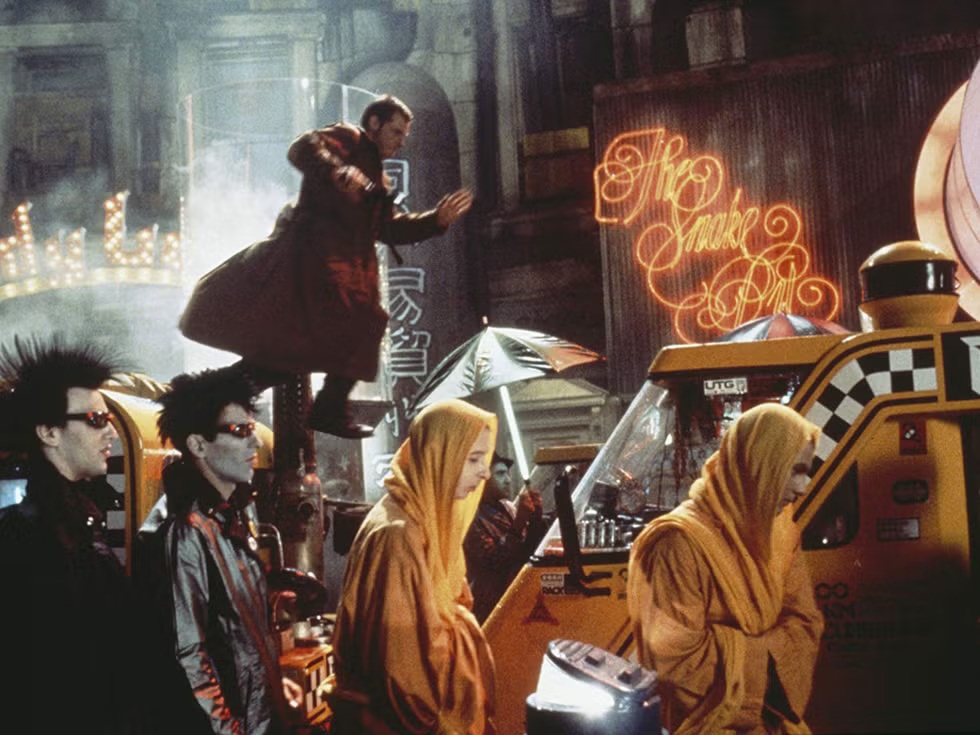
Blade Runner (1982)
Urban density, artificial beings, and environmental decline echo real world concerns.
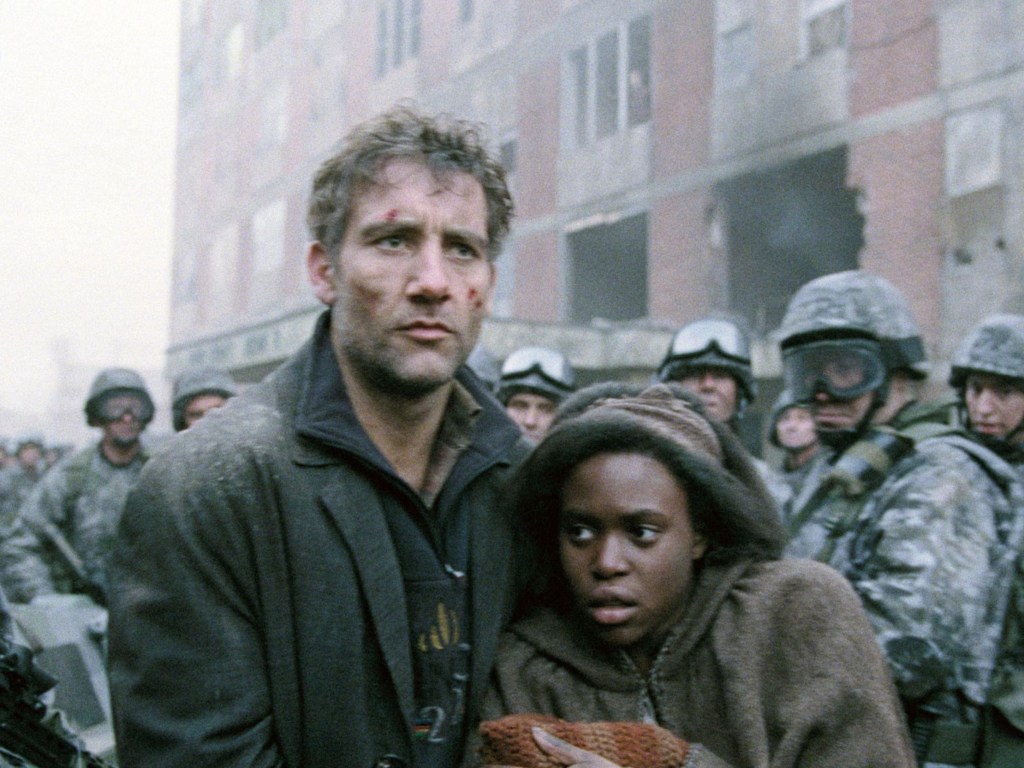
Children of Men (2006)
Themes of migration crises and social instability echo ongoing global tensions.

Contagion (2011)
The spread of a global virus and public reaction felt eerily close to real world pandemic dynamics.
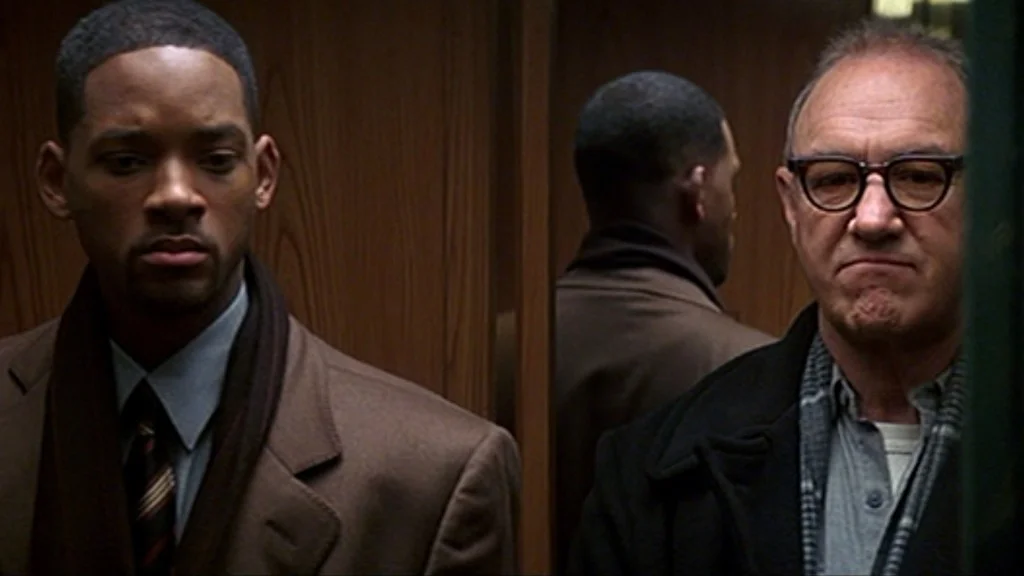
Enemy of the State (1998)
Government surveillance capabilities depicted in the film align with revelations that came years later.

Her (2013)
Emotional relationships with artificial intelligence resemble current conversations around advanced digital companions.

Idiocracy (2006)
Its exaggerated portrayal of culture and public discourse is often referenced in modern commentary.
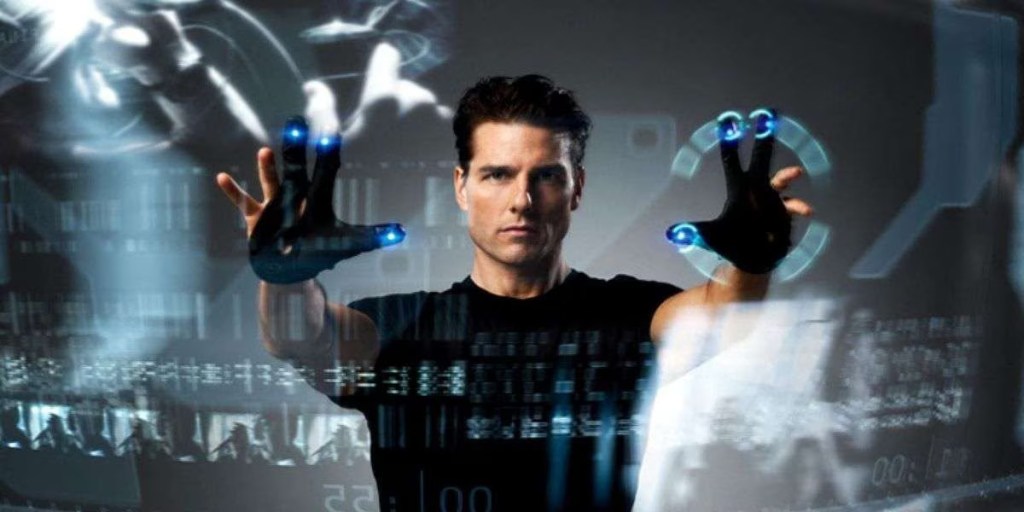
Minority Report (2002)
Personalized advertising and predictive surveillance reflected technologies that later became part of daily life.
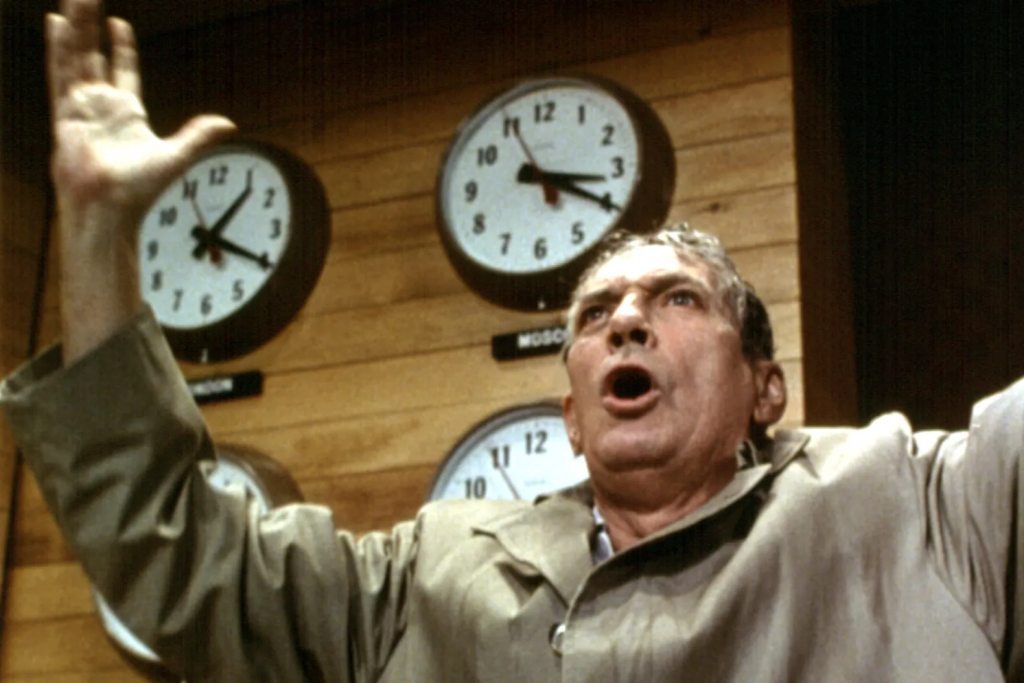
Network (1976)
Media driven outrage and spectacle based news cycles mirror the tone of modern broadcasting.
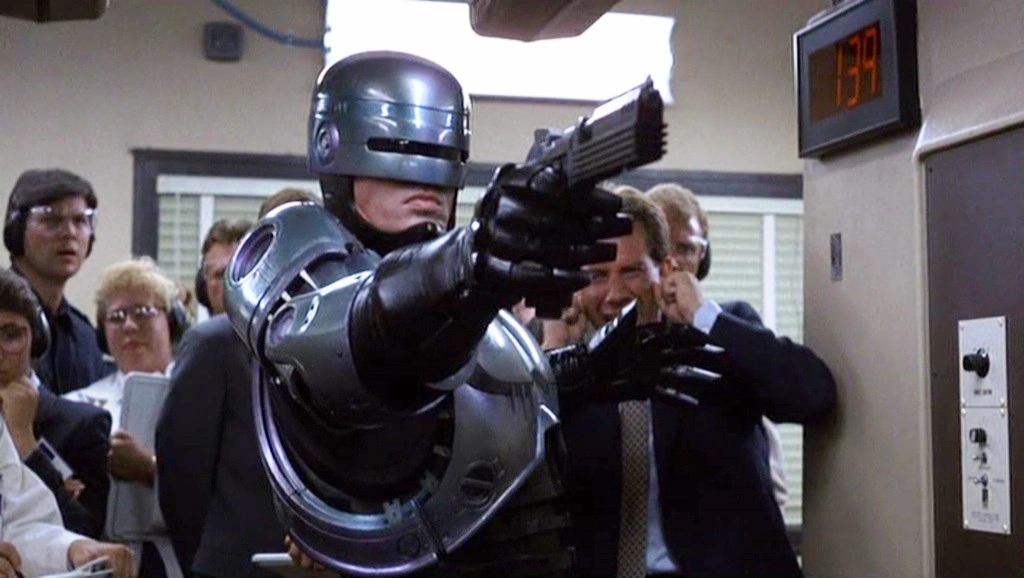
Robocop (1987)
Corporate influence over public services and militarized policing feels increasingly relevant.
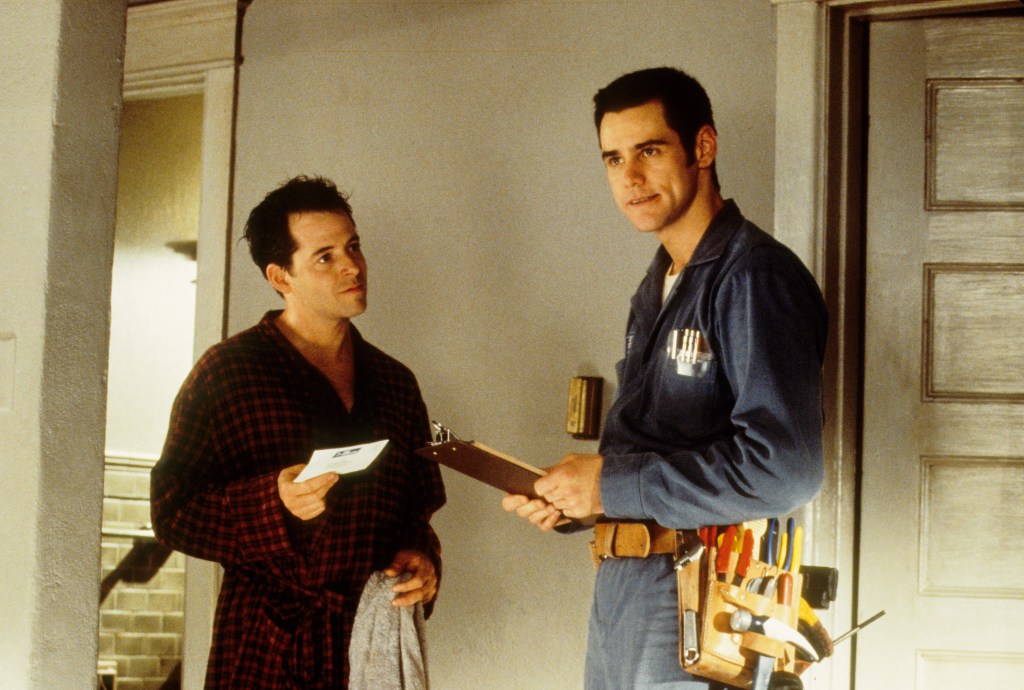
The Cable Guy (1996)
Obsession with media connectivity and isolation foreshadowed aspects of modern digital life.
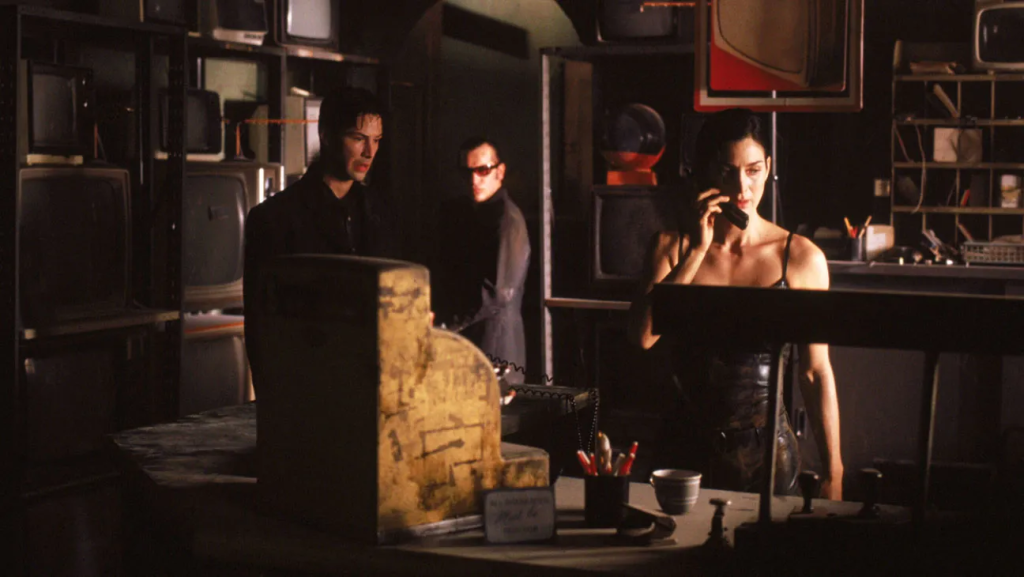
The Matrix (1999)
Questions about simulated realities and digital dependence resonate strongly in modern discussions.
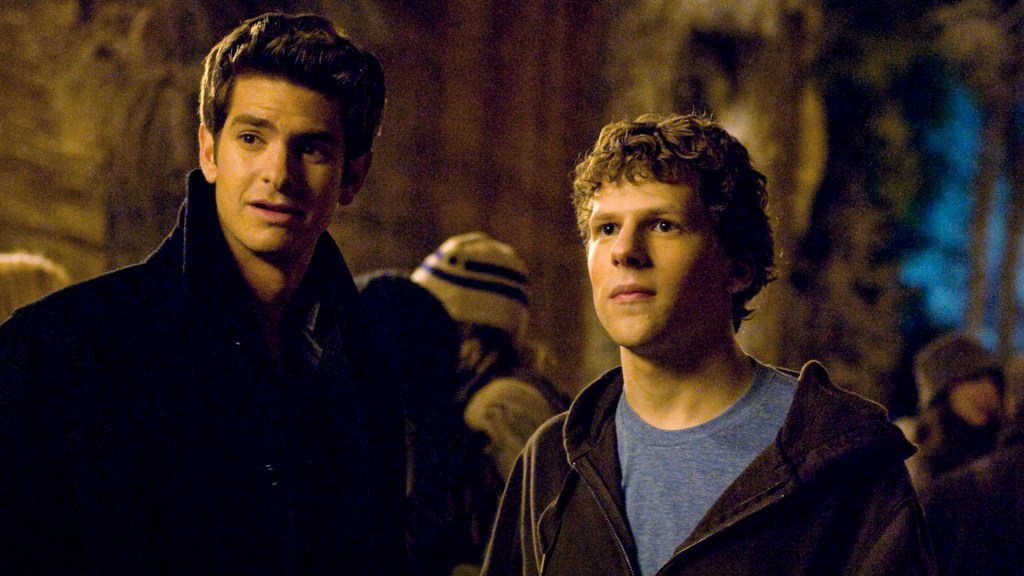
The Social Network (2010)
The influence of social platforms on communication and power structures became even more significant over time.