The 15 Horror Flicks That Keep Us Up at Night the Most

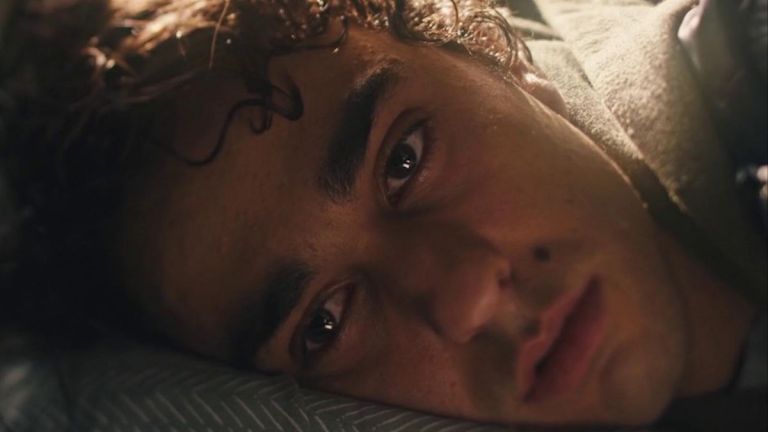
There are plenty of movies that are meant to be scary, with gore to impact us and jump scares to startle us. Yet not all of them stay with us after the credit’s roll, making us second guess every shadow in our house late at night. That level of horror is deeper, more personal.
If you don’t mind not sleeping for about a week, we have a selection of movies that touch on that level of horror. Some, of course, are classics that you’ve probably seen dozens of times. But you’re likely to find at least one film that will keep you up at night, something that shooks you to your core.
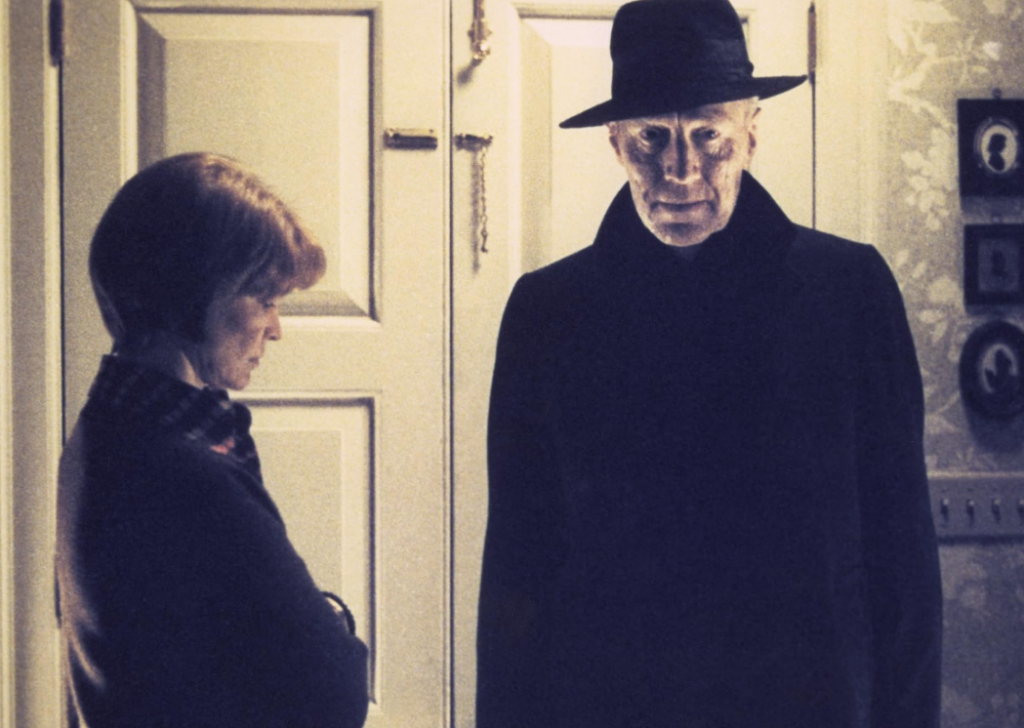
The Exorcist
William Friedkin’s classic remains terrifying because it grounds its supernatural horror in an ordinary family. The unsettling transformation of Regan and the film’s deeply serious tone continue to disturb audiences decades after its release.
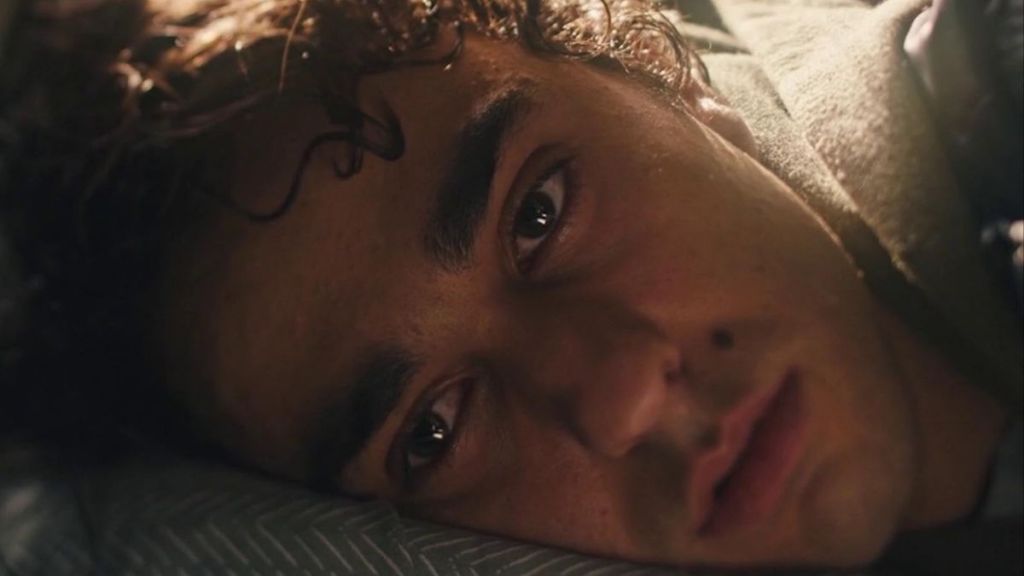
Hereditary
Grief, family trauma, and occult horror combine to create an overwhelming sense of dread. Ari Aster slowly builds toward a devastating finale that leaves viewers questioning whether the characters ever had any chance of escaping their fate.
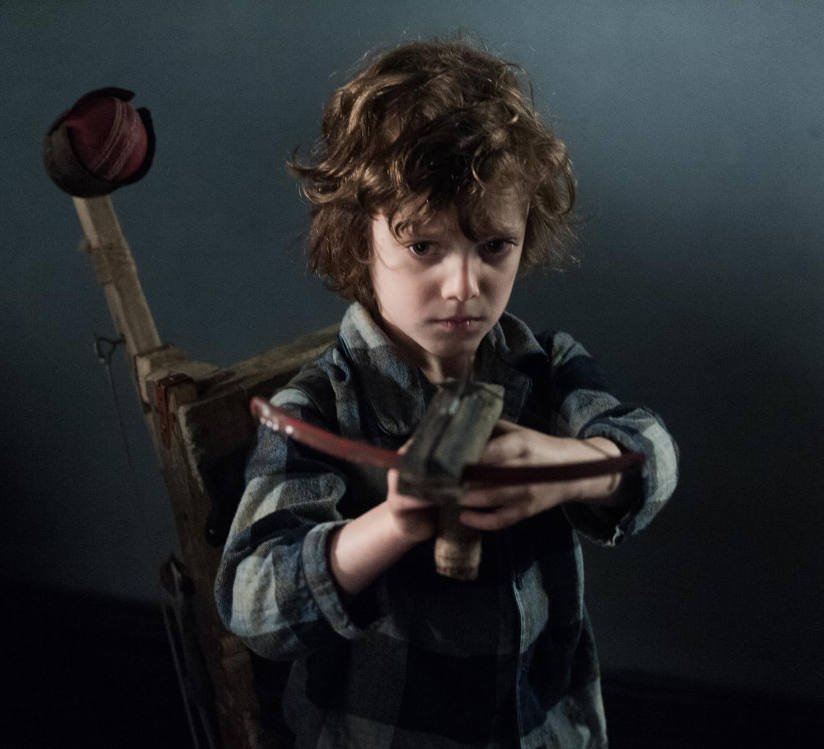
The Babadook
On the surface, it’s a monster movie. Beneath that, it’s an exploration of grief, depression, and parenthood. The Babadook becomes frightening because it represents emotions that can’t simply be defeated or locked away forever.
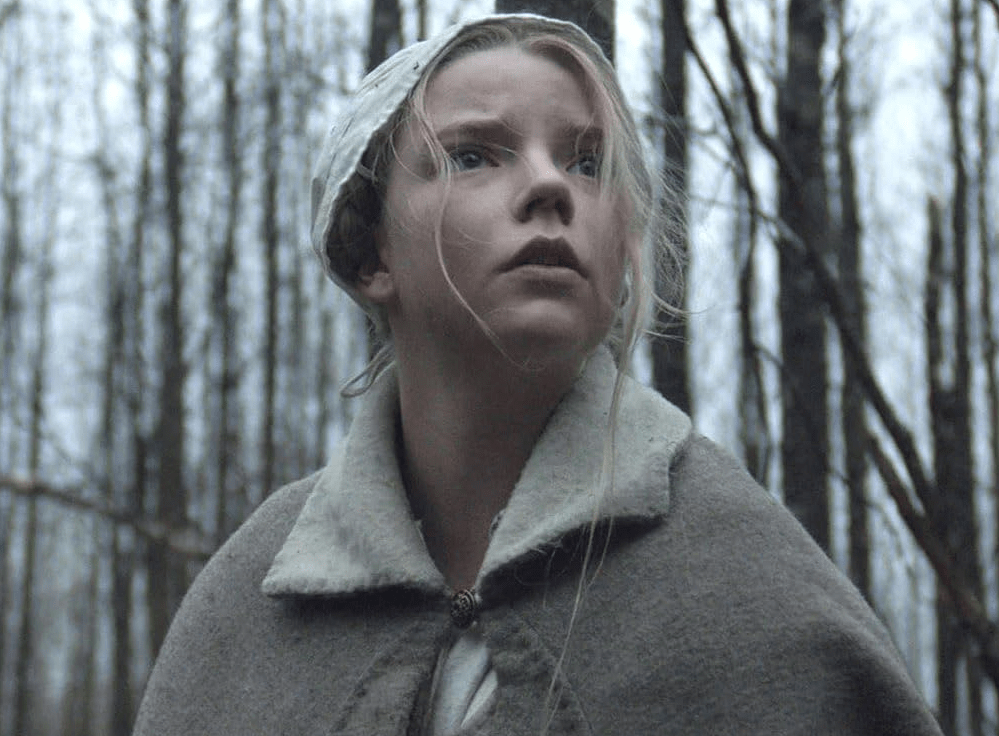
The Witch
Set in 1630s New England, Robert Eggers’ film creates terror through isolation, religious paranoia, and mounting distrust. Every unsettling moment feels historically grounded, making the family’s slow unraveling especially believable and unnerving.
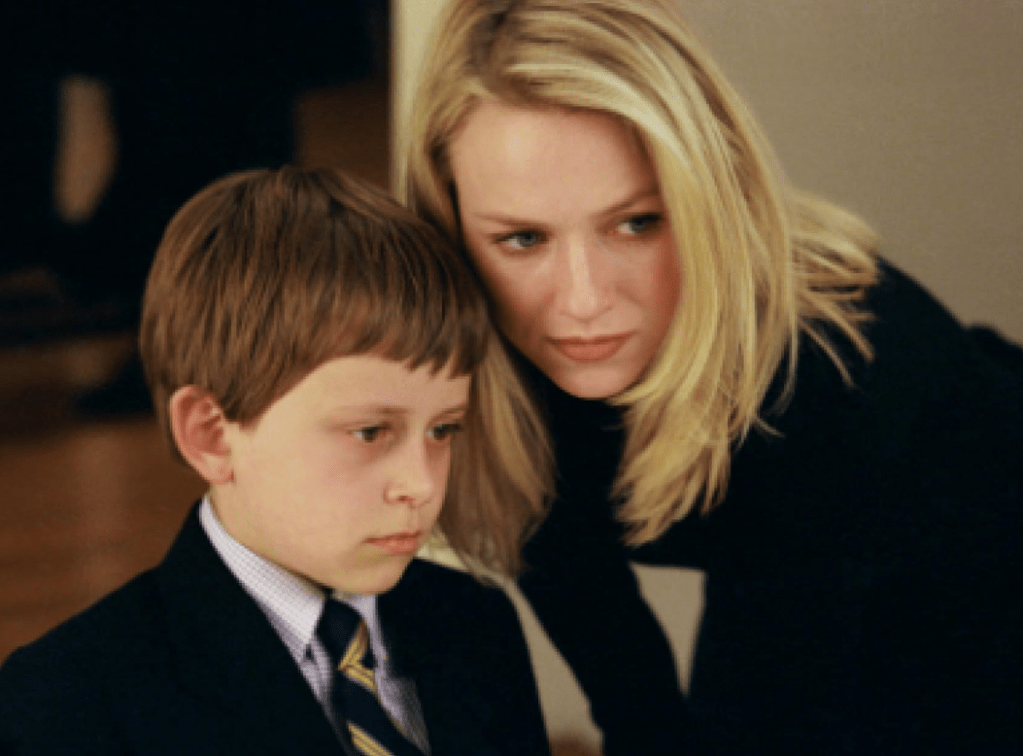
The Ring
The cursed videotape and Samara’s unforgettable emergence from the television became horror landmarks. More importantly, the film creates a persistent feeling that ordinary technology can become a conduit for something impossibly malevolent.
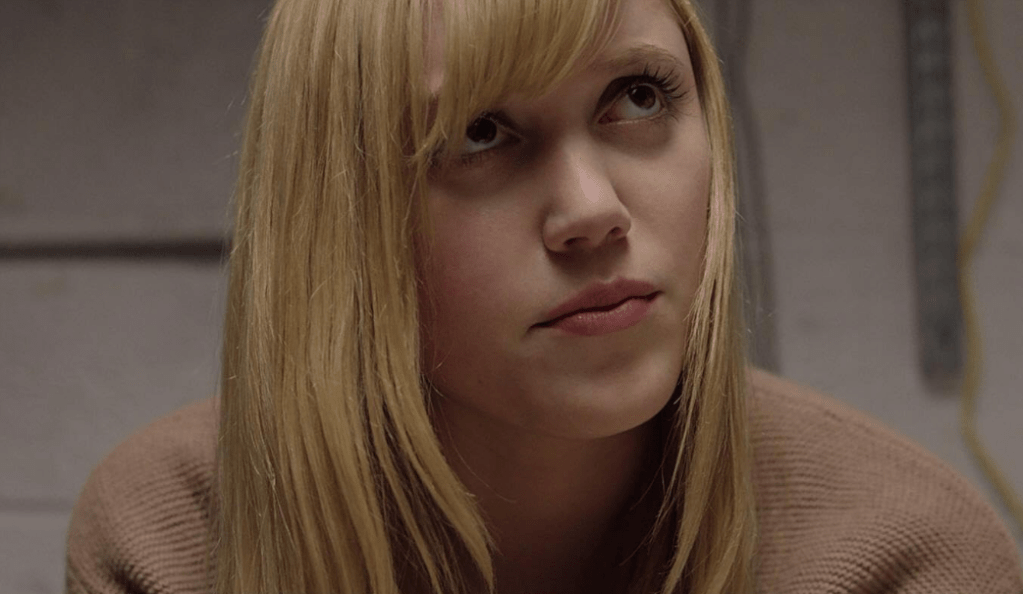
It Follows
A relentless supernatural entity walks toward its victims at a steady pace, never stopping and never tiring. That simple premise creates constant anxiety, turning every distant figure in the background into a potential threat.
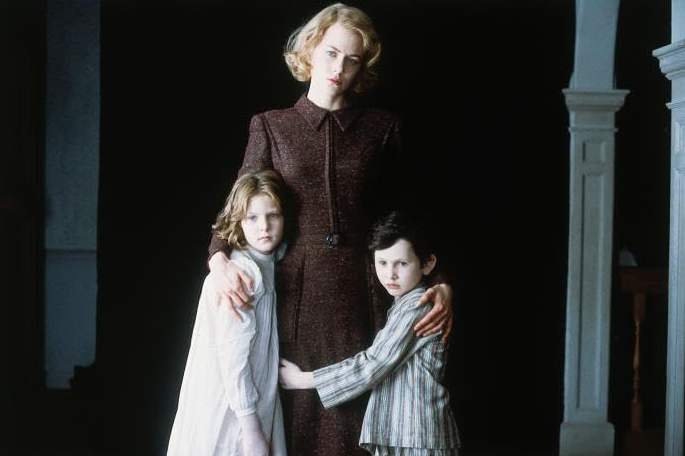
The Others
Alejandro Amenábar’s gothic ghost story relies on silence, shadows, and uncertainty rather than loud scares. Its carefully constructed mystery culminates in a revelation that encourages viewers to immediately reconsider everything they previously witnessed.
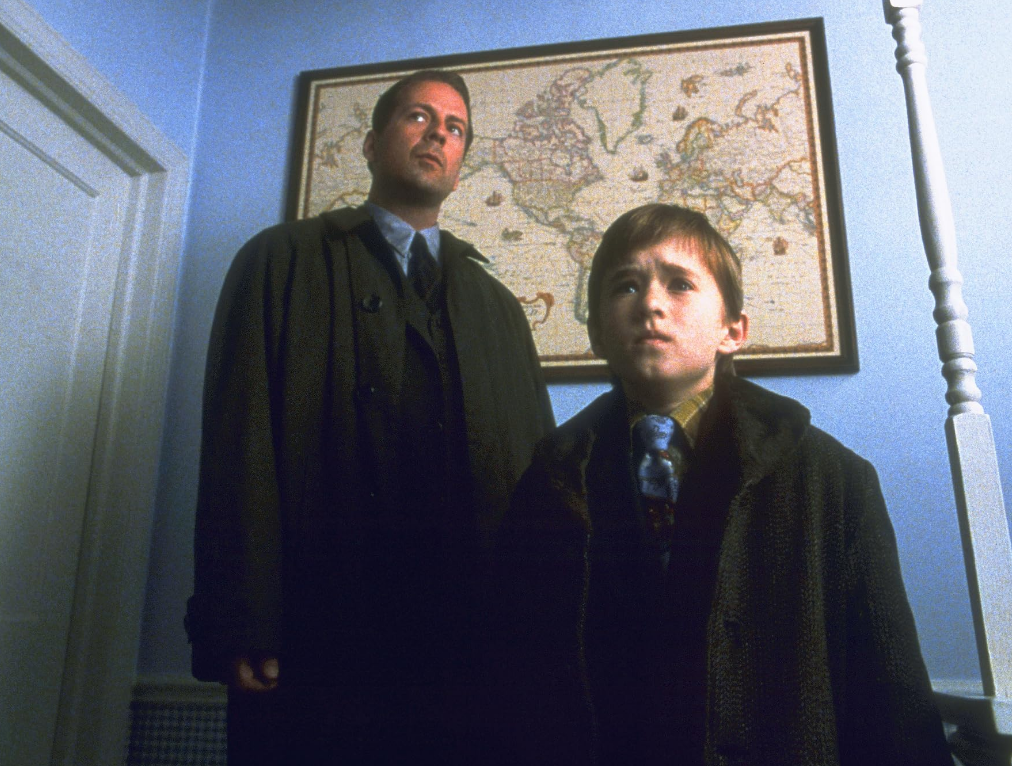
The Sixth Sense
M. Night Shyamalan’s supernatural drama balances emotional storytelling with lingering unease. Its famous twist doesn’t diminish the horror. Instead, it makes earlier scenes even more unsettling upon a second viewing.
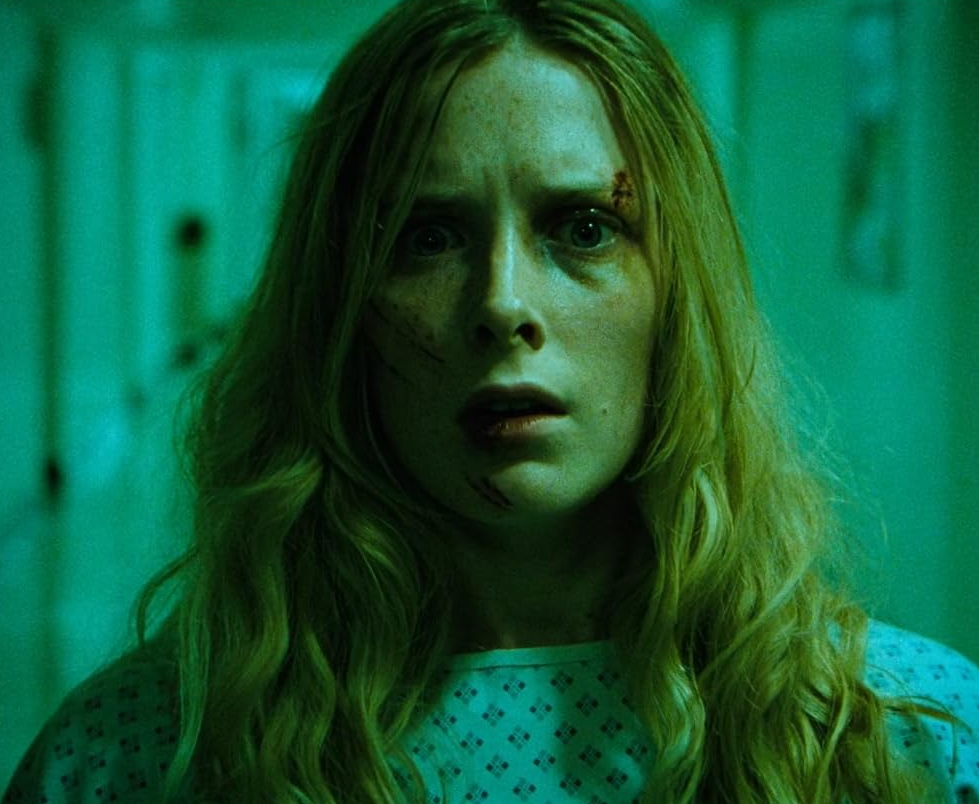
The Descent
A caving expedition becomes increasingly terrifying long before the creatures appear. The suffocating tunnels, darkness, and claustrophobic atmosphere are enough to make many viewers uncomfortable even without the film’s monstrous inhabitants.
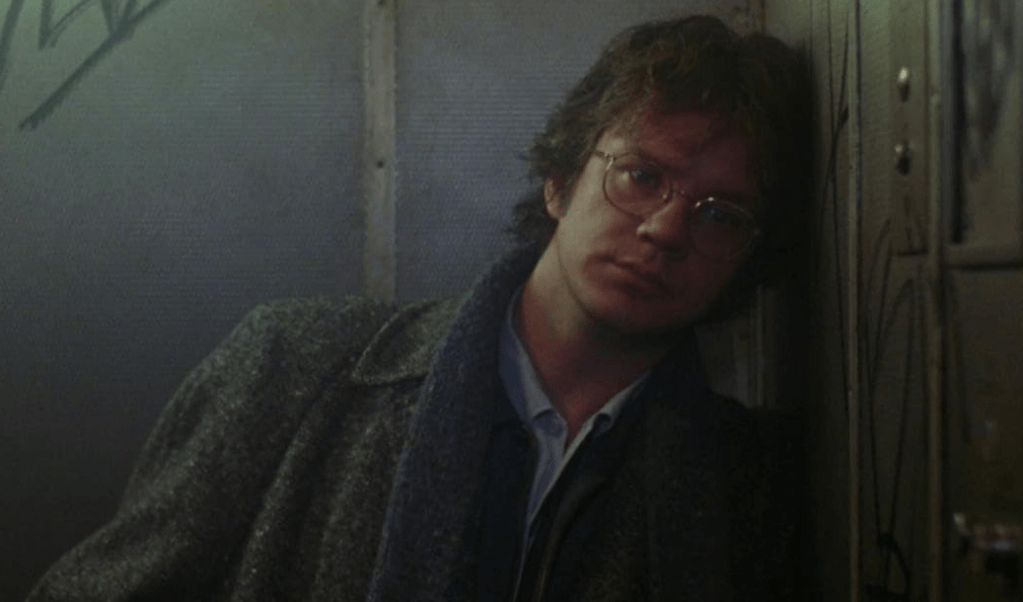
Jacob’s Ladder
Blending psychological horror with surreal imagery, Jacob’s Ladder constantly blurs reality and hallucination. Its disturbing visuals and emotionally devastating ending continue to inspire discussion about trauma, death, and the nature of perception.
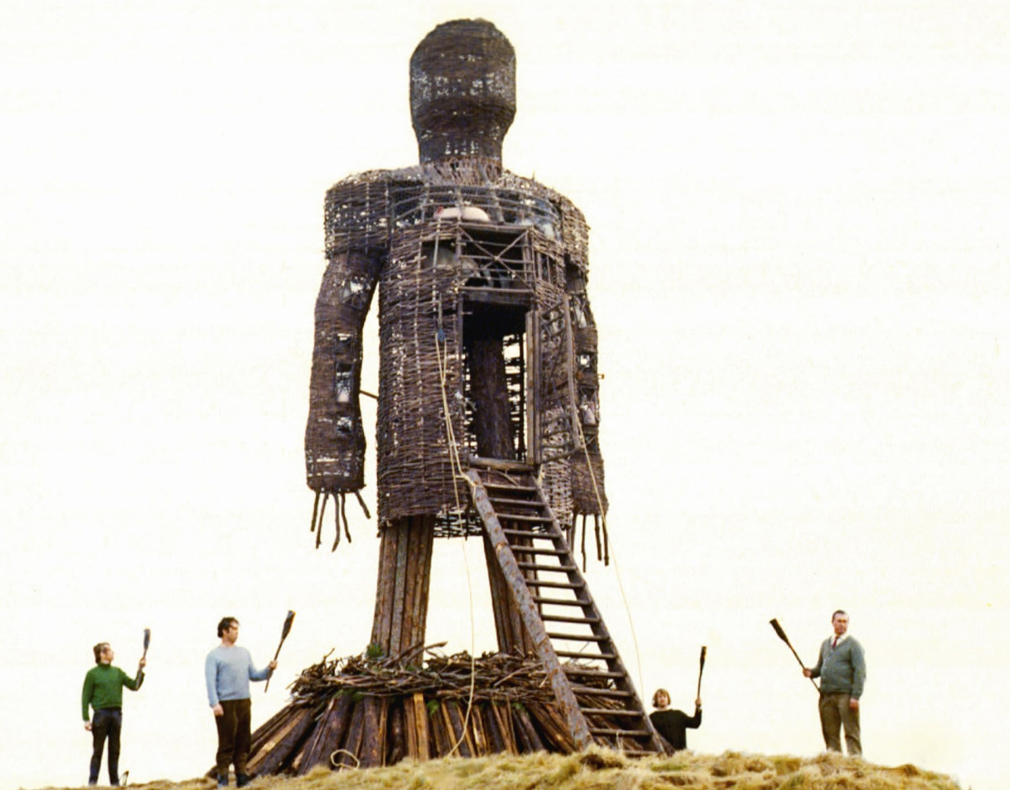
The Wicker Man (1973)
This folk horror classic builds tension through cheerful normalcy instead of obvious menace. The contrast between the island’s welcoming atmosphere and its increasingly disturbing customs leads to one of horror’s most unforgettable endings.
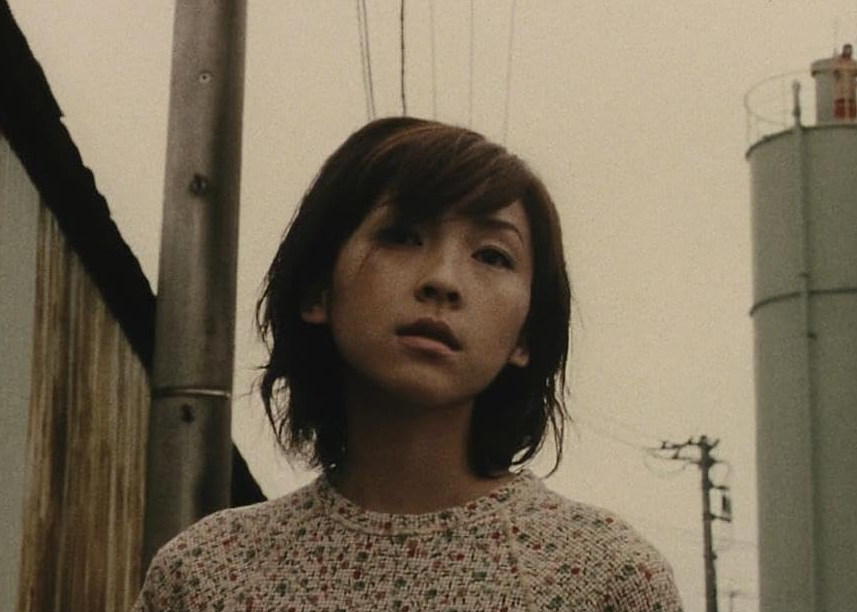
Pulse
Kiyoshi Kurosawa’s Japanese horror masterpiece links loneliness with supernatural intrusion through the internet. Its quiet pacing and haunting imagery create a profound sense of existential dread that lingers far beyond the final scene.
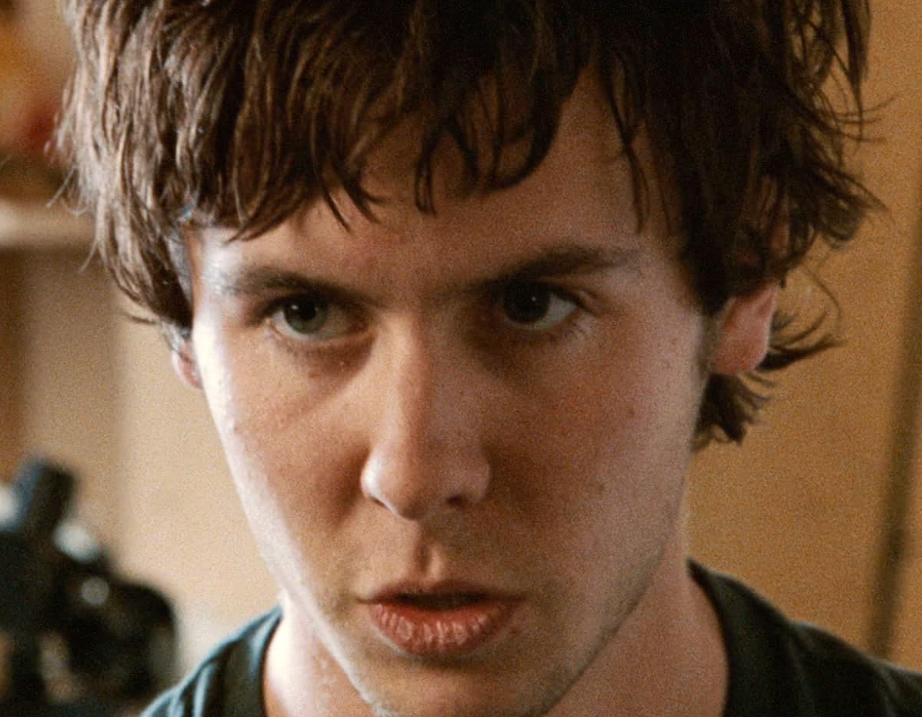
Lake Mungo
Presented as a documentary, Lake Mungo unsettles viewers by mixing grief with subtle supernatural elements. Rather than relying on constant scares, it gradually reveals disturbing details that become more haunting in retrospect.
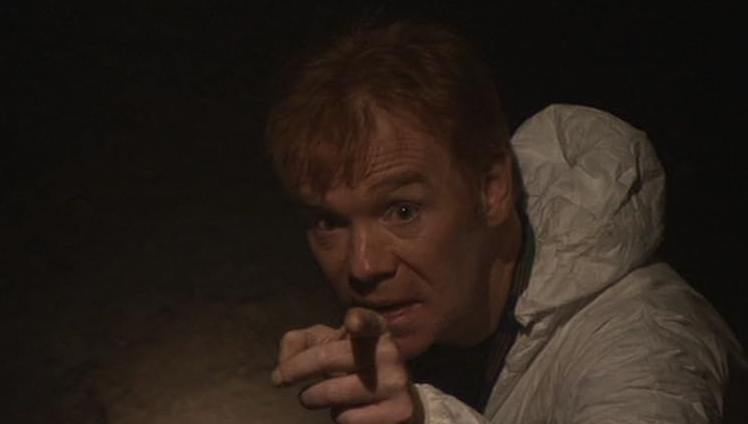
Session 9
An abandoned asylum provides the perfect setting for creeping psychological horror. As the workers uncover disturbing recordings, the line between external evil and internal breakdown becomes increasingly difficult to distinguish.
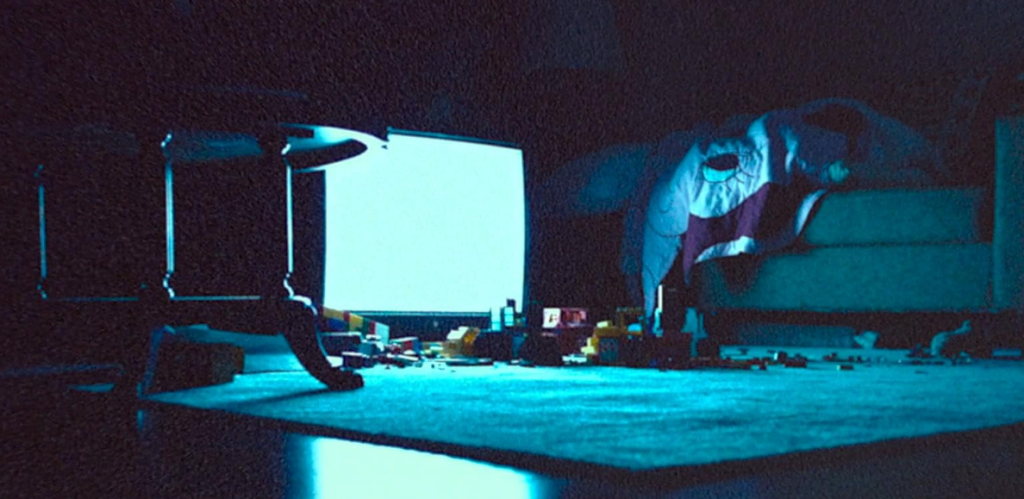
Skinamarink
Using static shots, darkness, and sparse dialogue, Skinamarink recreates the childhood fear of being alone in a house at night. Its unconventional approach has divided audiences, but many find its atmosphere uniquely unsettling.