15 TV Characters Who Needed to Die Much Sooner

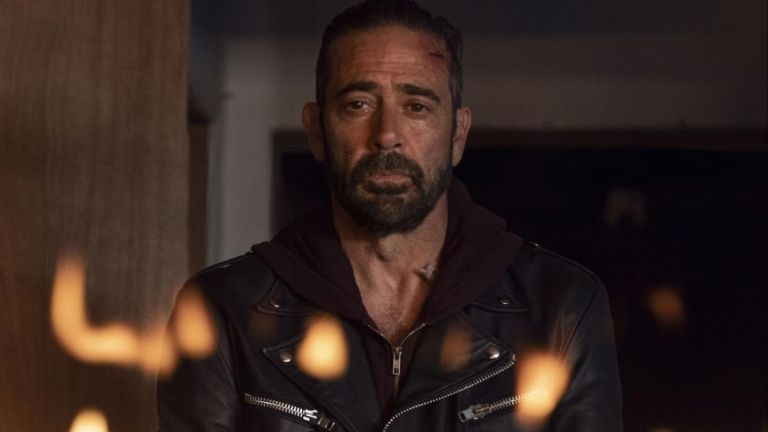
On long-running TV shows, characters tend to die quite often; it’s what keeps a show interesting after all. But certain characters, those that become loathsome for whatever reason, become the target of the audience’s ire, and we wished they left the show earlier than they did.
Not all of these characters are villains, some are just side characters that we don’t want to see anymore. Conflict is an important part of storytelling, but considering how hard it was to watch these characters on the screen, a bit less conflict would’ve sufficed. They did meet their end, but not soon enough.
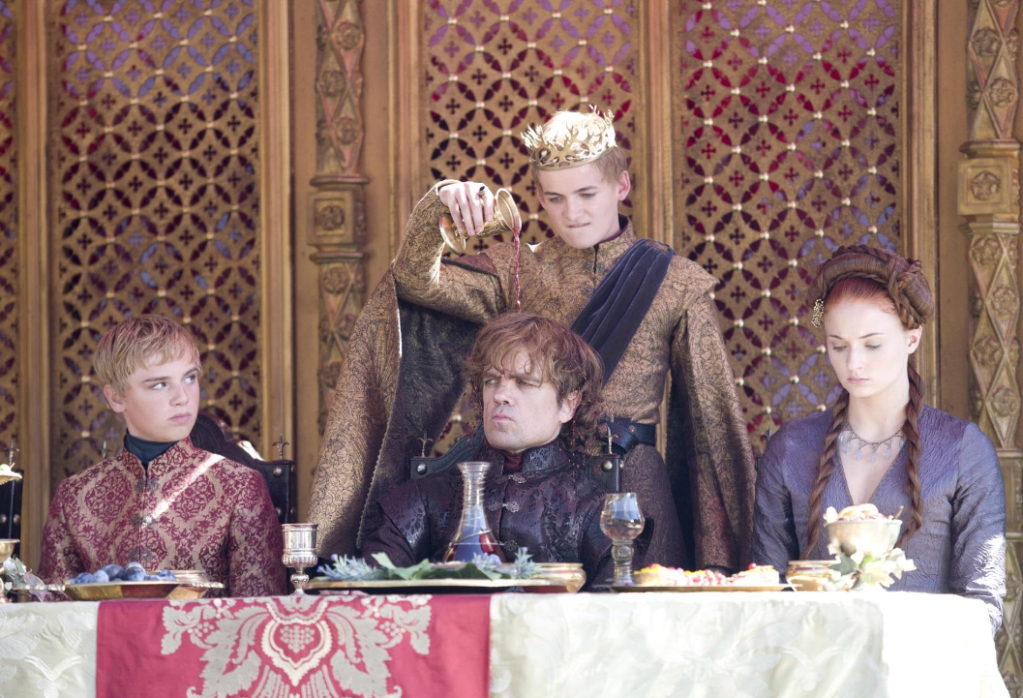
Joffrey Baratheon, Game of Thrones
Joffrey’s cruelty became so unbearable that audiences spent multiple seasons waiting for someone, anyone, to finally poison him before the show eventually delivered one of television’s most satisfying deaths.
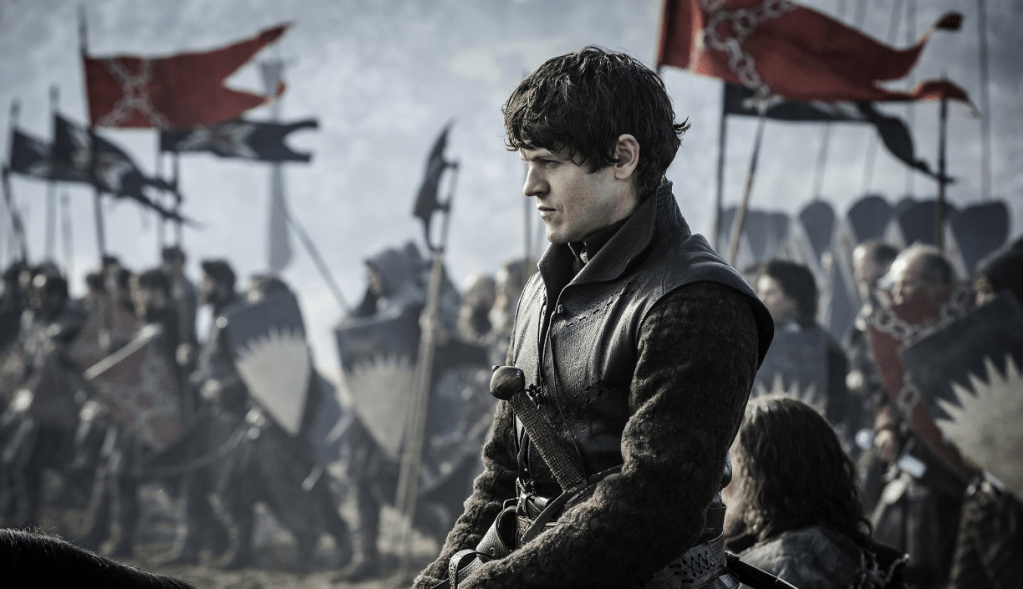
Ramsay Bolton, Game of Thrones
Ramsay remained horrifyingly untouchable for far too long, repeatedly torturing characters while escaping consequences until viewers practically celebrated once his own dogs finally turned against him.
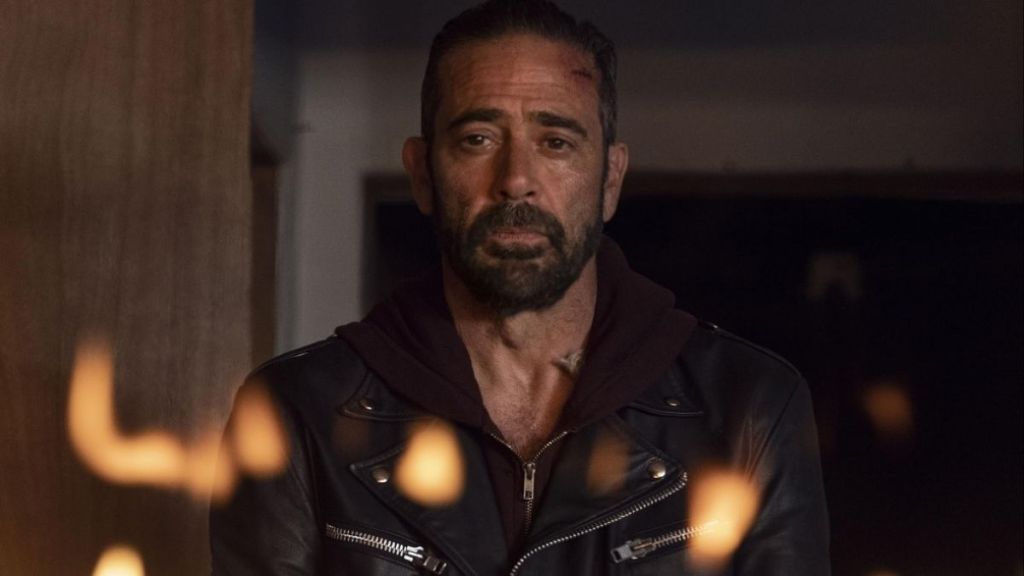
Negan, The Walking Dead
Although eventually redeemed by the writers, Negan’s brutal introduction and extended dominance left many viewers feeling the character overstayed his welcome before the show softened him considerably.
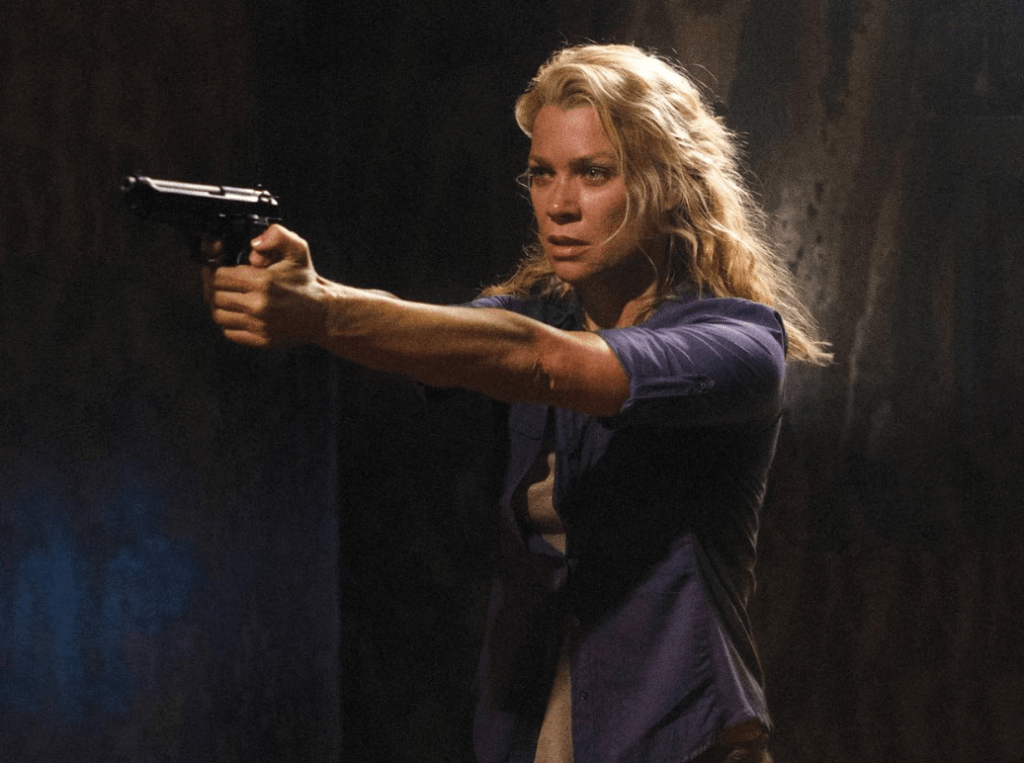
Andrea Harrison, The Walking Dead
Andrea’s increasingly frustrating decisions made her one of the show’s most criticized survivors, with many fans feeling the series dragged out her storyline long after audience patience disappeared.
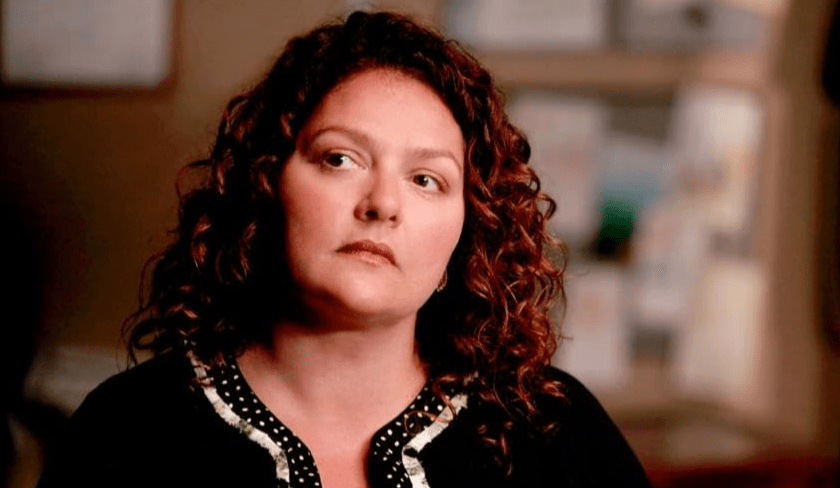
Livia Soprano, The Sopranos
Tony’s manipulative mother remained emotionally exhausting whenever she appeared, creating constant tension and misery that made many viewers relieved once the storyline finally concluded.
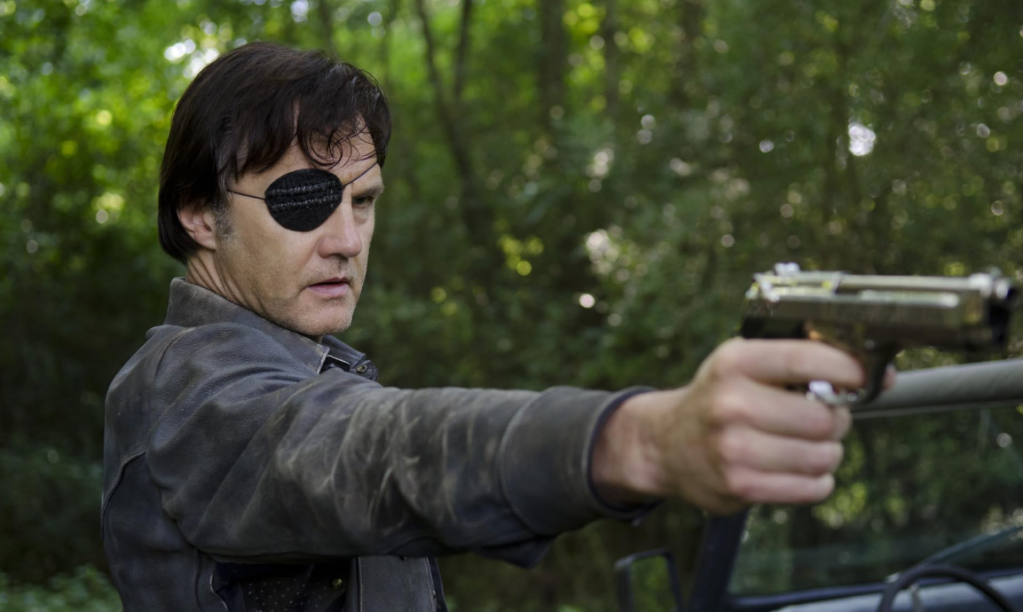
The Governor, The Walking Dead
The Governor repeatedly survived situations that felt like natural endings for the character, causing his storyline to stretch well beyond the point many viewers found believable.
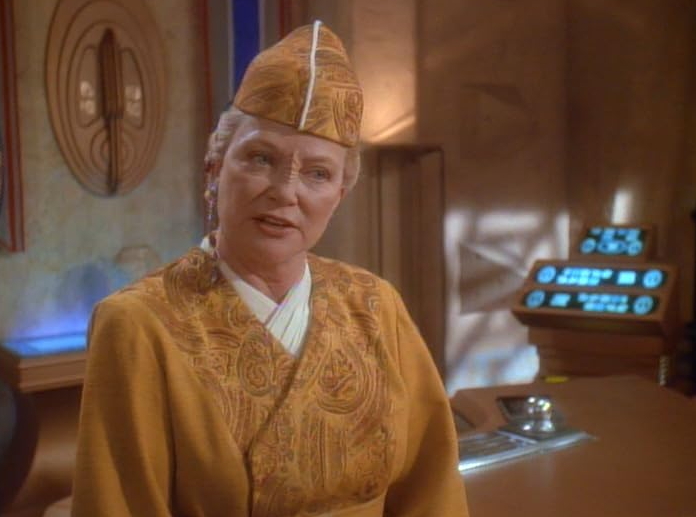
Kai Winn, Star Trek: Deep Space Nine
Kai Winn’s passive-aggressive manipulation made her one of Star Trek’s most infuriating villains, constantly undermining allies while somehow surviving political disaster after political disaster.
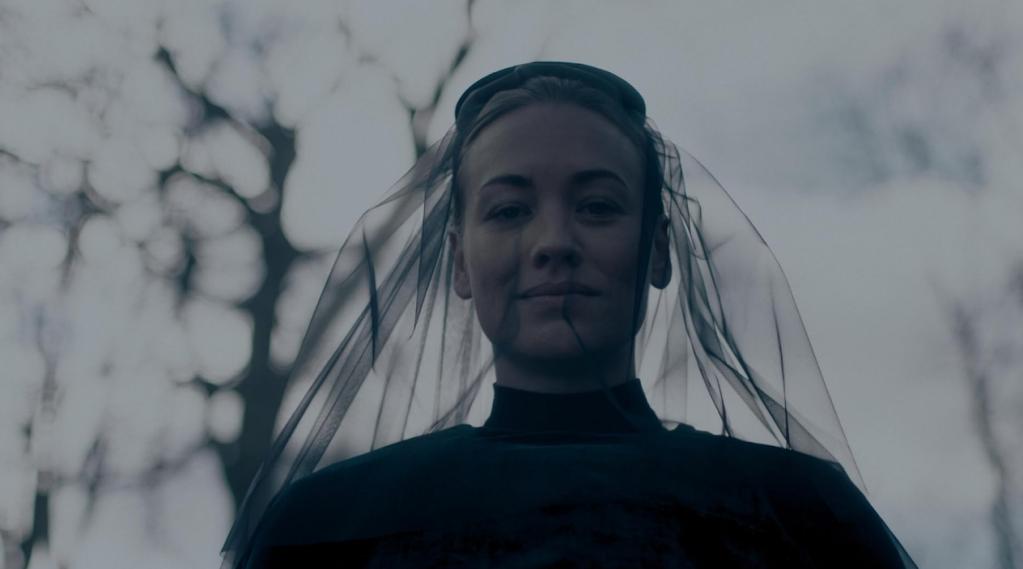
Serena Joy Waterford, The Handmaid’s Tale
Serena repeatedly oscillated between sympathy and cruelty, frustrating audiences who felt the series continuously delayed meaningful consequences for one of Gilead’s central architects.
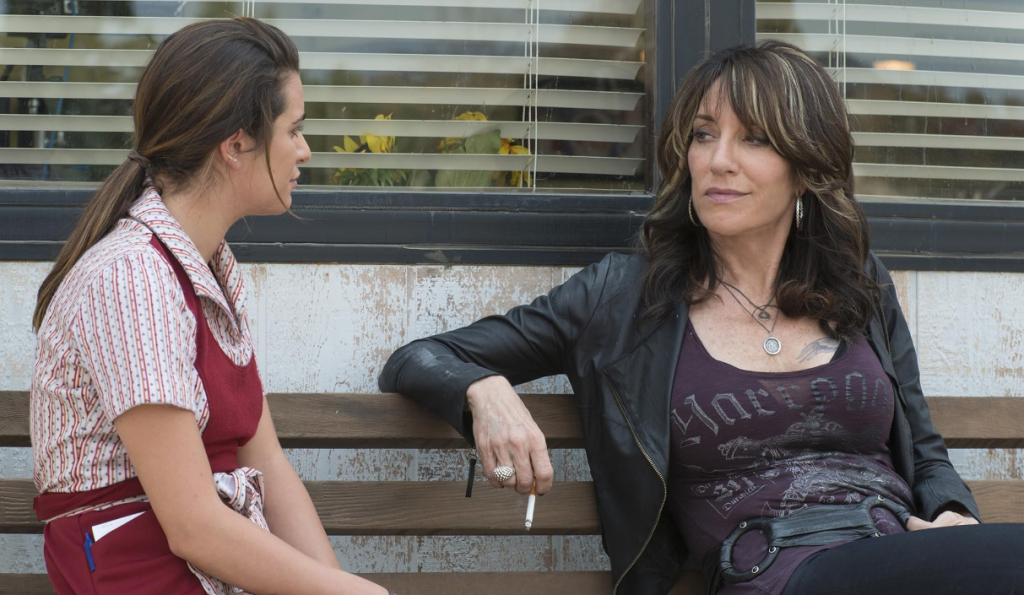
Tara Knowles, Sons of Anarchy
While tragic, Tara’s constant attempts to escape the club’s violence left audiences emotionally exhausted long before the show finally delivered her brutal and inevitable fate.
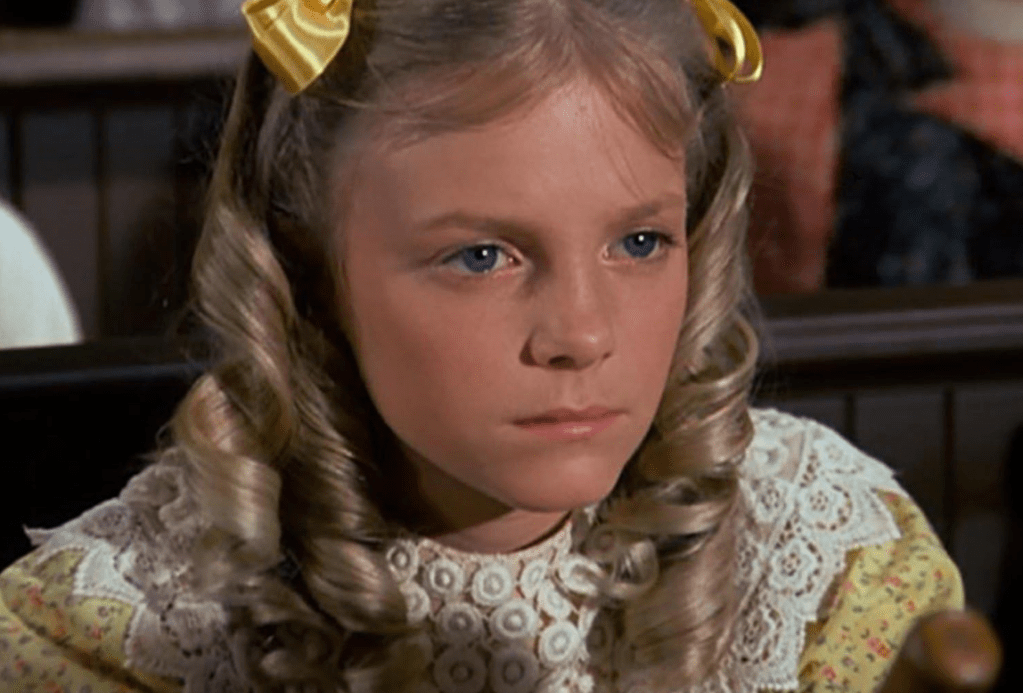
Nellie Oleson, Little House on the Prairie
Nellie survived years of manipulation, bullying, and cruelty toward nearly everyone in Walnut Grove, making her continued presence a constant source of frustration for viewers.
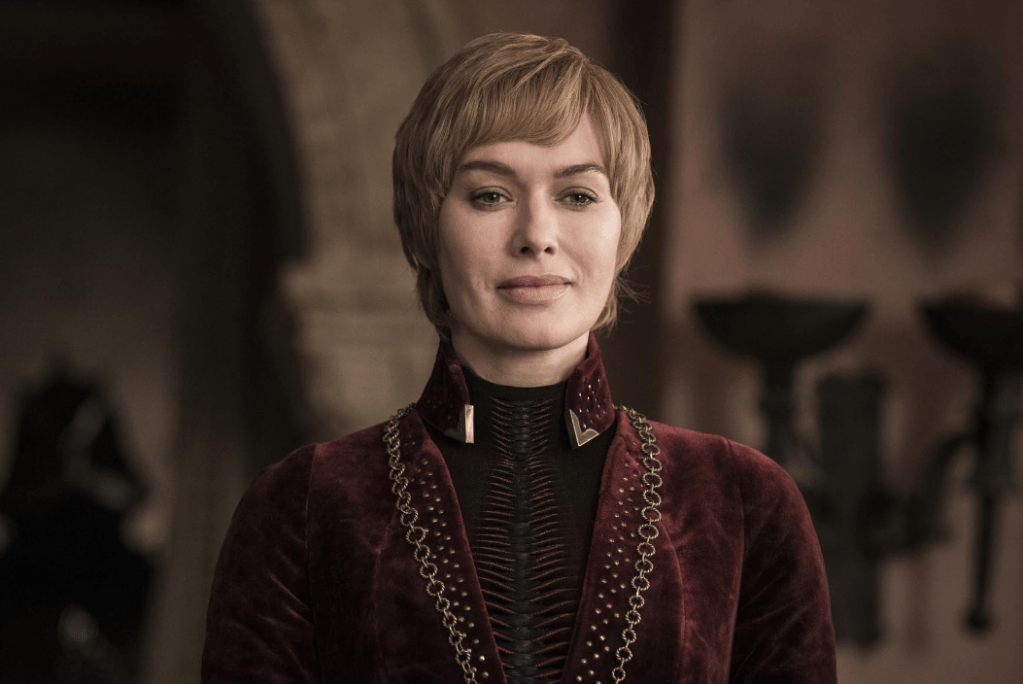
Cersei Lannister, Game of Thrones
Cersei spent multiple seasons escaping consequences through sheer luck and political chaos, leaving many viewers disappointed that the series waited until the final episodes to remove her.
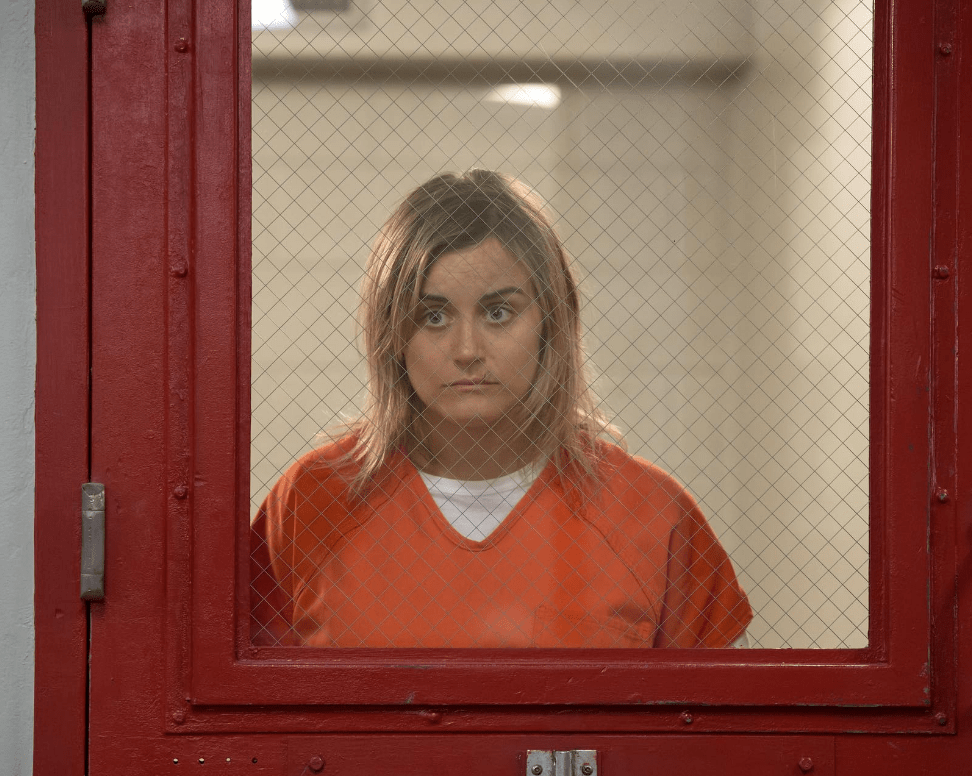
Piper Chapman, Orange Is the New Black
Piper increasingly frustrated audiences as the series progressed, with many viewers eventually preferring nearly every supporting inmate storyline over the supposed main character herself.

Ted Mosby, How I Met Your Mother
Not literally killed off, but Ted’s endless romantic disasters and self-important storytelling became so exhausting that many viewers joked the show itself outlived audience goodwill toward him.
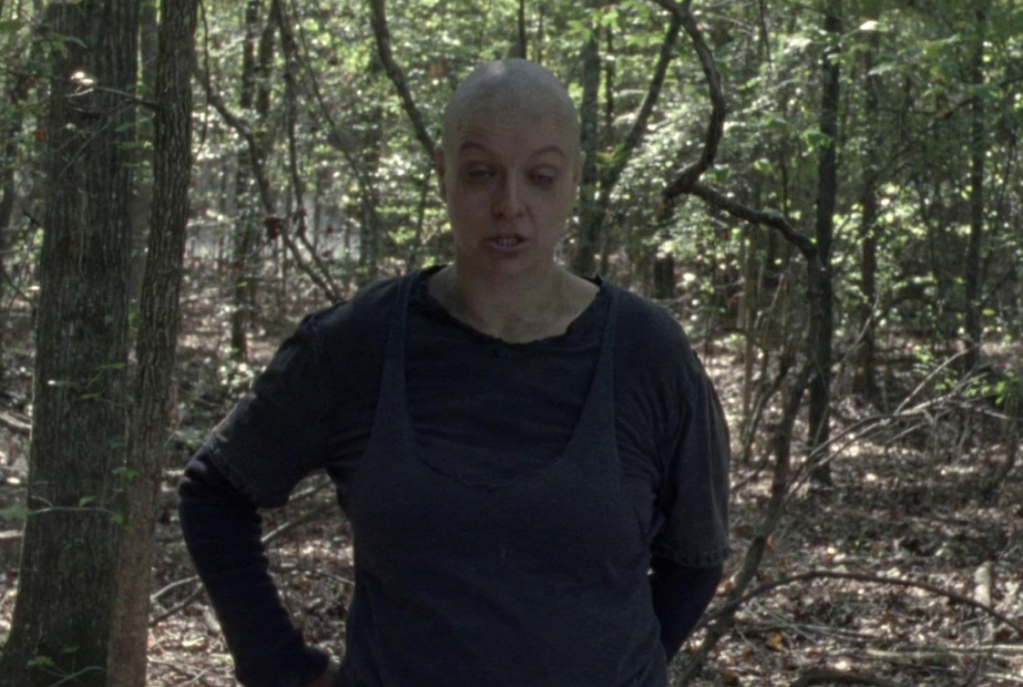
Alpha, The Walking Dead
Alpha’s psychological games and repetitive intimidation tactics eventually dragged on so long that many fans simply wanted the Whisperers storyline to finally end altogether.
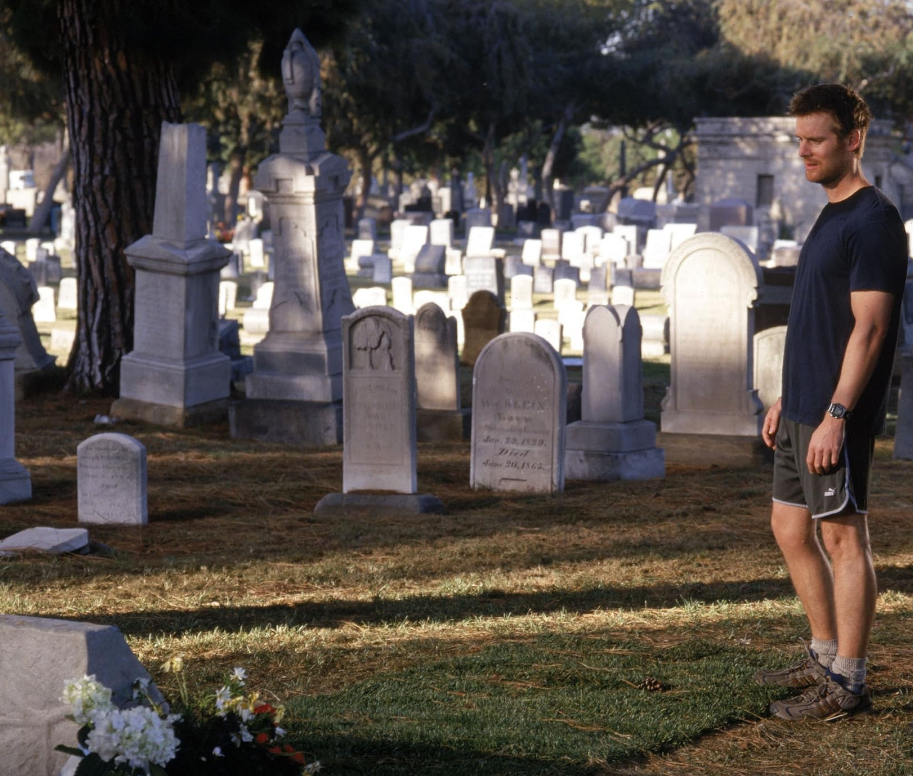
Nate Fisher, Six Feet Under
Nate’s constant indecision and emotional self-destruction increasingly alienated viewers over time, making his eventual death feel tragically inevitable rather than shocking.