15 Times the Trailer Was Way Better Than the Movie

A great trailer can sell almost anything. In just a couple of minutes, it can build excitement, set a tone, and make a movie feel like a must-watch event. That carefully crafted preview can sometimes backfire, ending up being more memorable than the film itself.
With clever editing, better pacing, or simply highlighting the strongest moments, some trailers create expectations the final product can’t meet. In these cases, audiences walk away feeling like they’ve already seen the best version of the movie before it even started. These are the films where the marketing didn’t help, setting a bar the movie couldn’t reach.
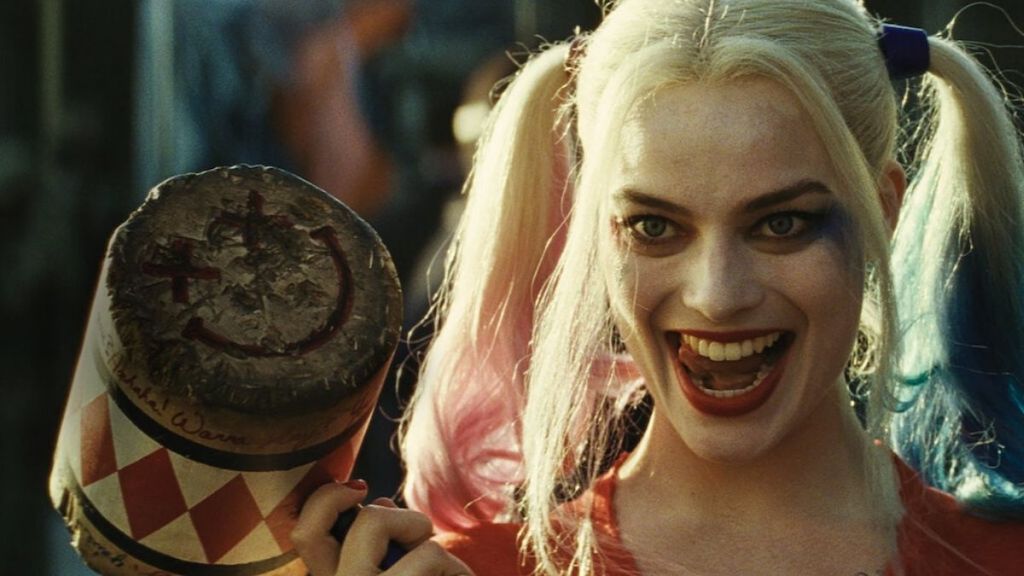
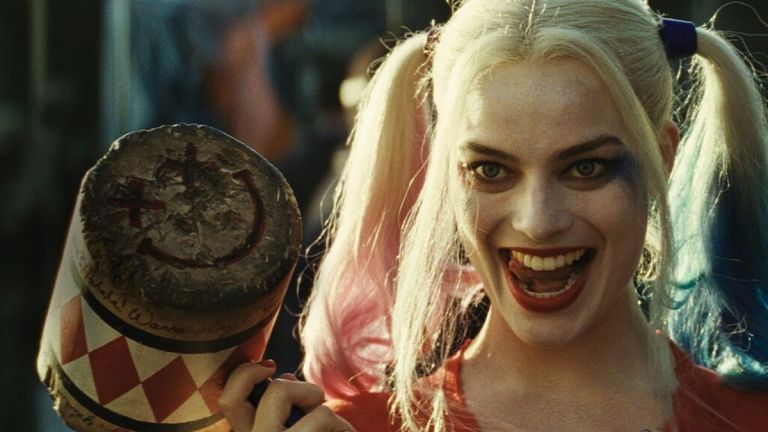
Suicide Squad
Its trailers, set to energetic music and sharp editing, created huge hype and a distinct tone. The final film felt disjointed, with many noting the marketing was more cohesive than the movie itself.
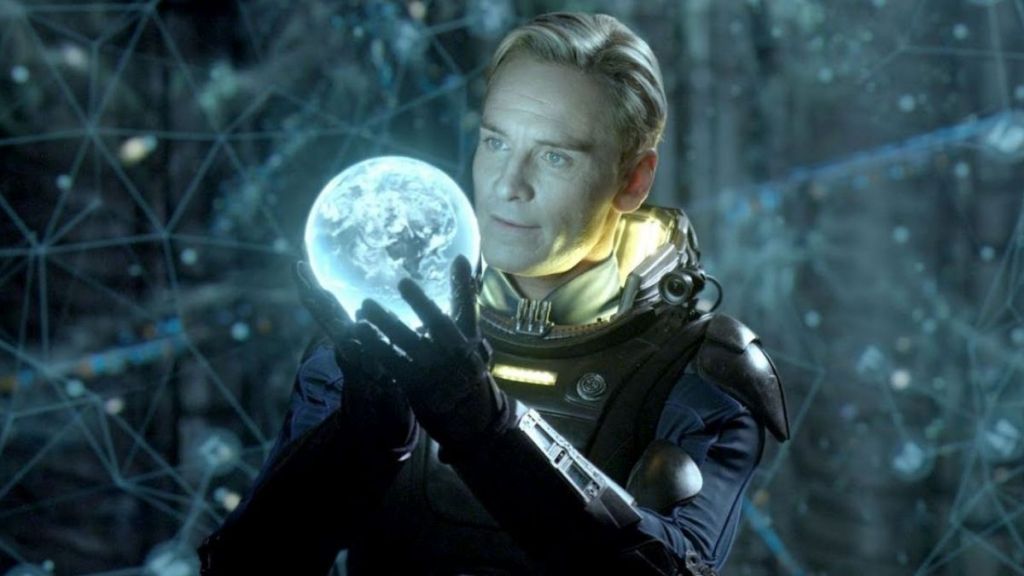
Prometheus
The trailers leaned heavily into mystery and existential horror, building expectations of a deeper sci-fi story. The final film divided audiences, with many feeling it didn’t deliver on the intrigue the marketing suggested.
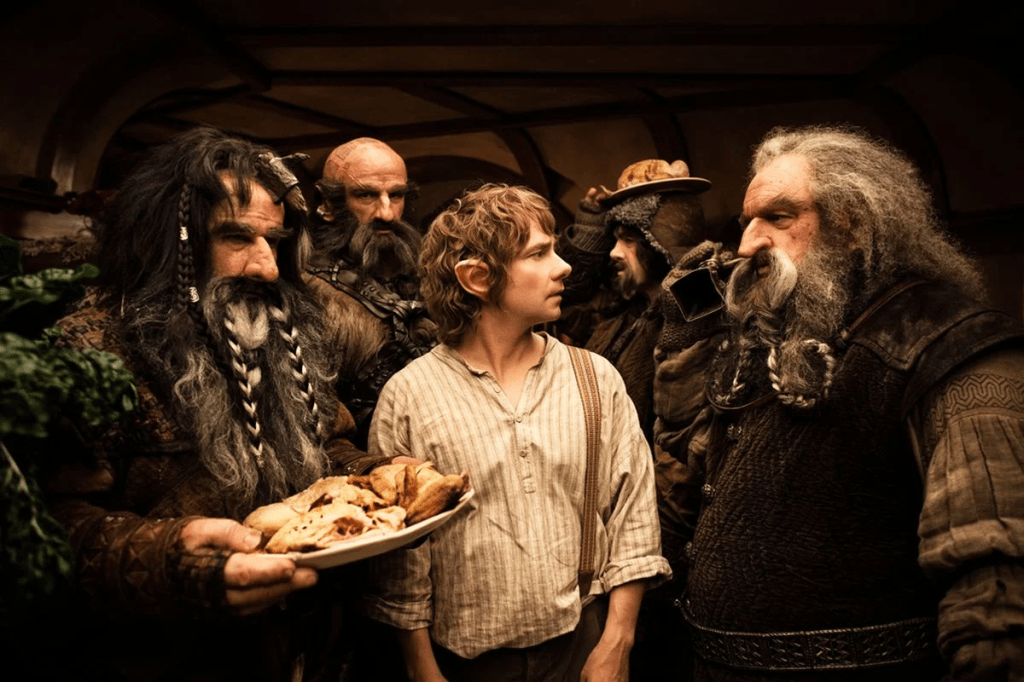
The Hobbit: The Battle of the Five Armies
Epic trailers promised a grand, emotional conclusion, but the film itself was criticized for overreliance on CGI and stretched storytelling that didn’t match the intensity teased beforehand.
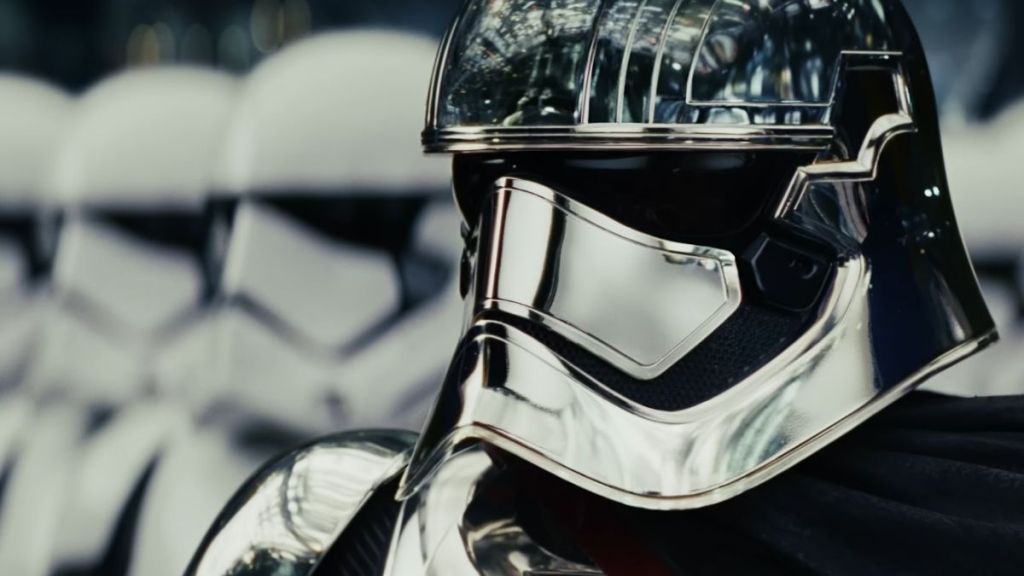
Star Wars: The Rise of Skywalker
Trailers teased a dramatic and cohesive finale, but the film’s pacing and narrative choices left many feeling it didn’t live up to the promise built by its marketing.
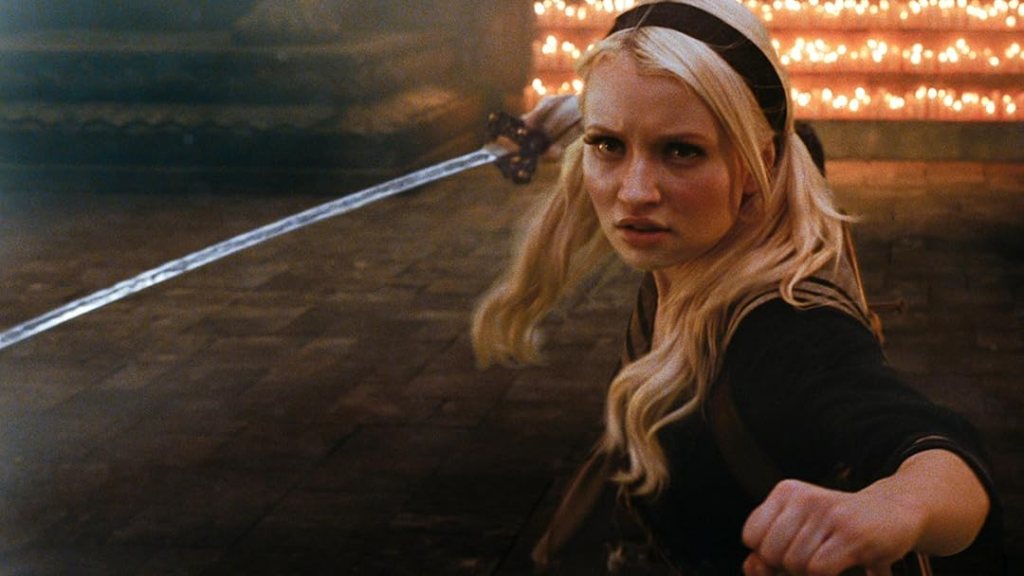
Sucker Punch
The trailers showcased a visually inventive, action-heavy experience. The final film was criticized for its storytelling, with many noting the trailer highlighted nearly all of its strongest moments.
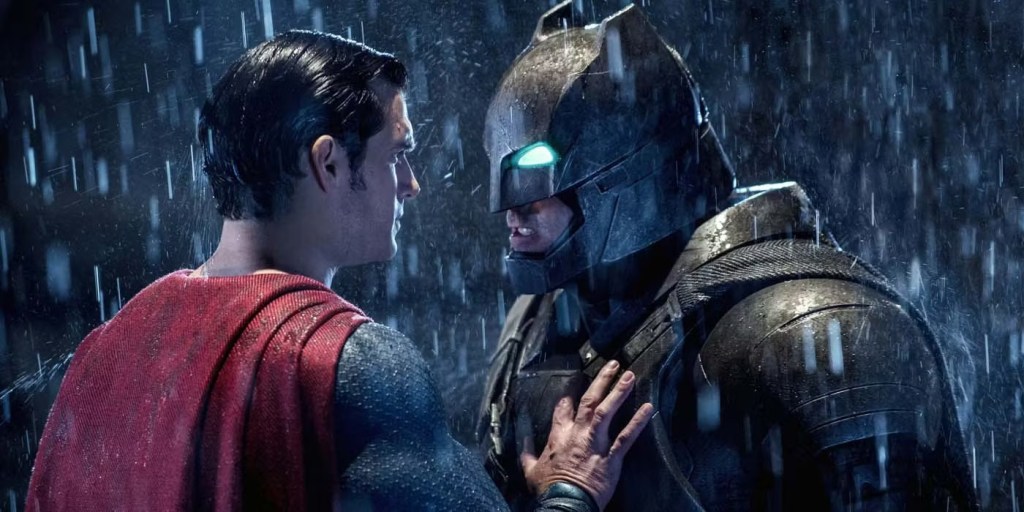
Batman v Superman: Dawn of Justice
Marketing emphasized a monumental clash and dramatic stakes, but the film’s structure and tone divided audiences, with some feeling the trailer better captured the excitement.
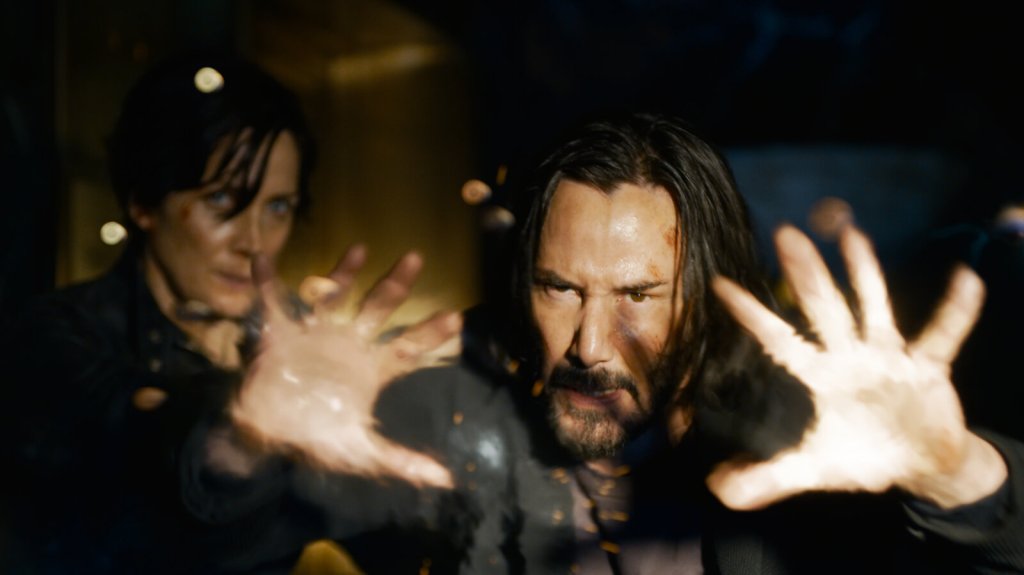
The Matrix Resurrections
The trailer built intrigue and nostalgia, suggesting a bold continuation. The film’s meta approach and narrative choices left many viewers feeling it didn’t meet those expectations.
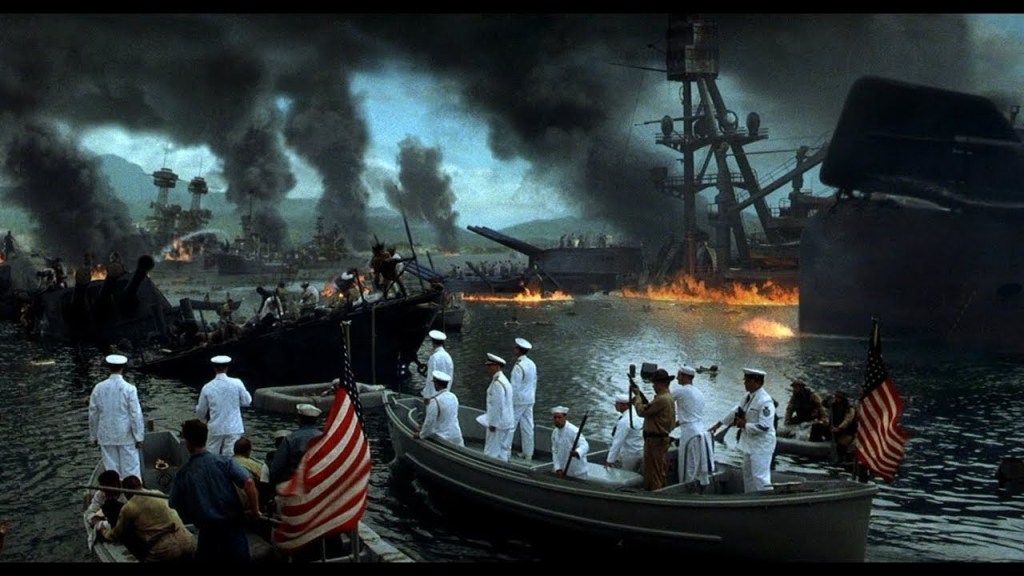
Pearl Harbor
The trailer highlighted romance and large-scale action, but the film was criticized for uneven pacing and tone, failing to match the emotional weight suggested in its marketing.
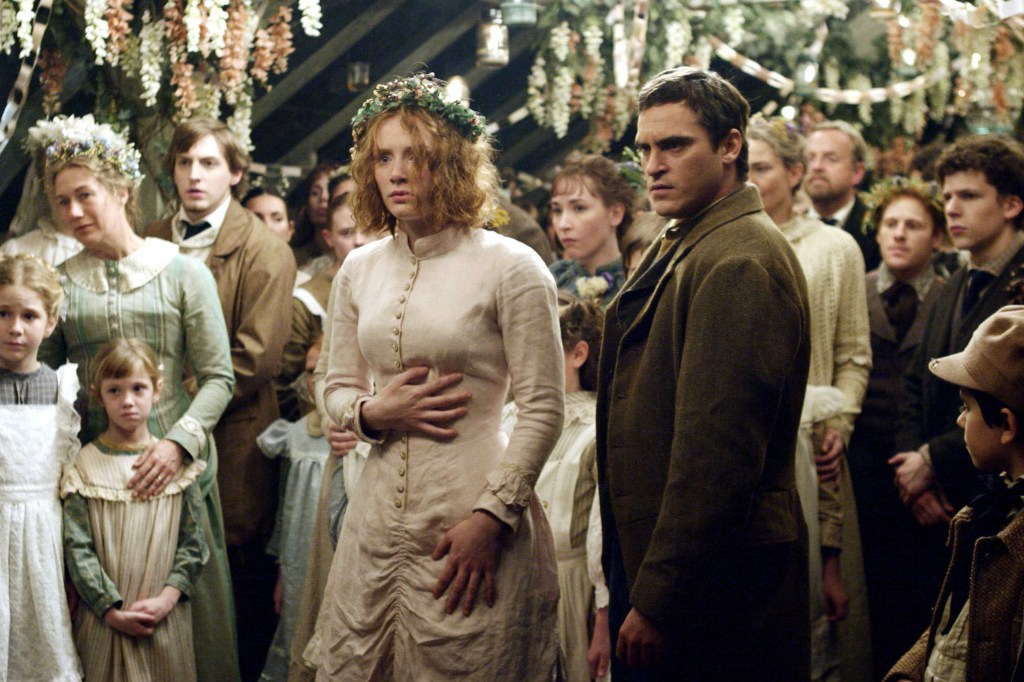
The Village
Trailers sold it as a horror film filled with creatures and suspense. The actual movie leaned more into drama and a twist-driven narrative, leaving many feeling misled.
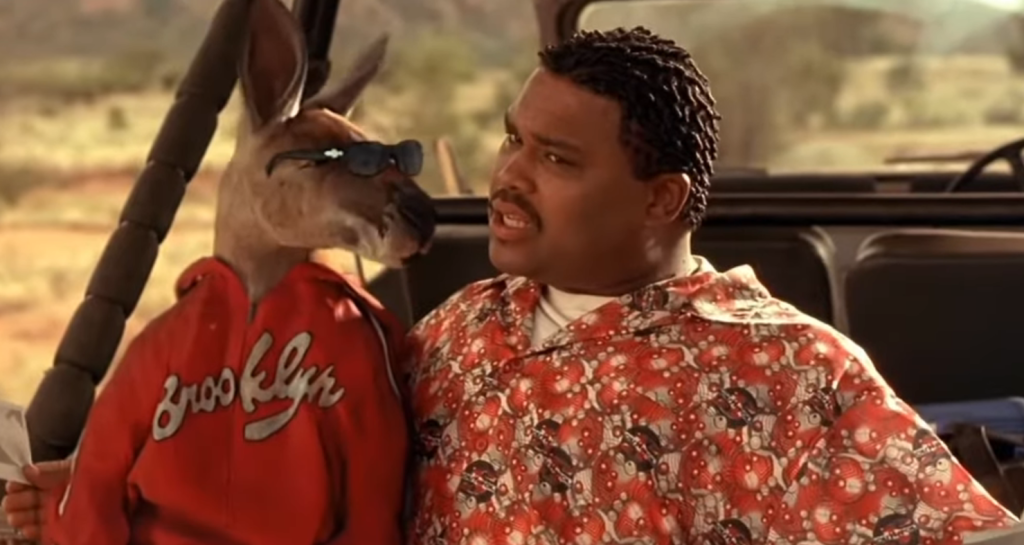
Kangaroo Jack
Marketed as a wacky talking-animal comedy, the trailer focused heavily on a brief fantasy sequence. The actual film barely featured that concept, leading to widespread disappointment.
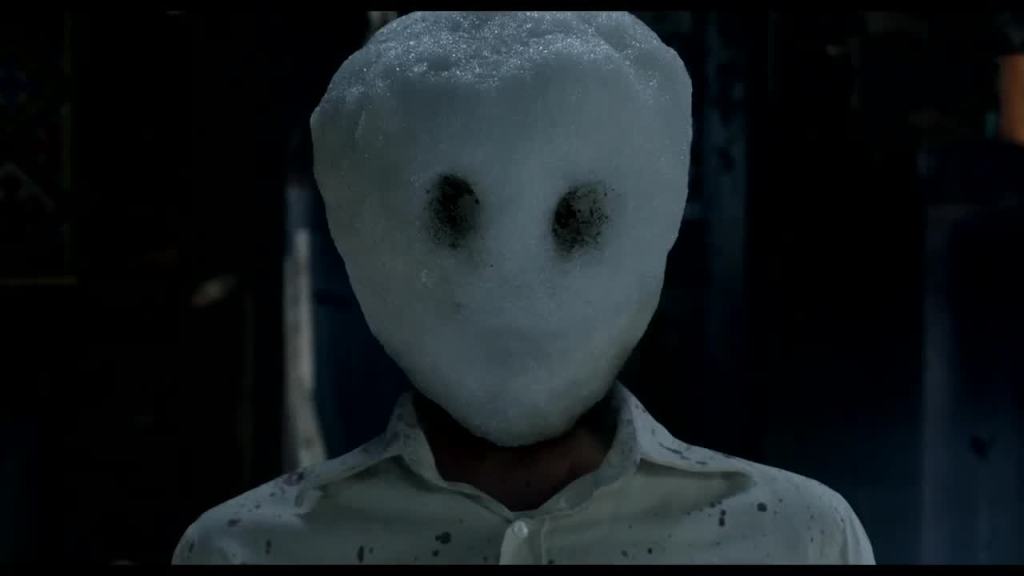
The Snowman
The trailer suggested a tense, atmospheric thriller. The finished film felt incomplete and confusing, with critics noting production issues that prevented it from matching its own marketing.
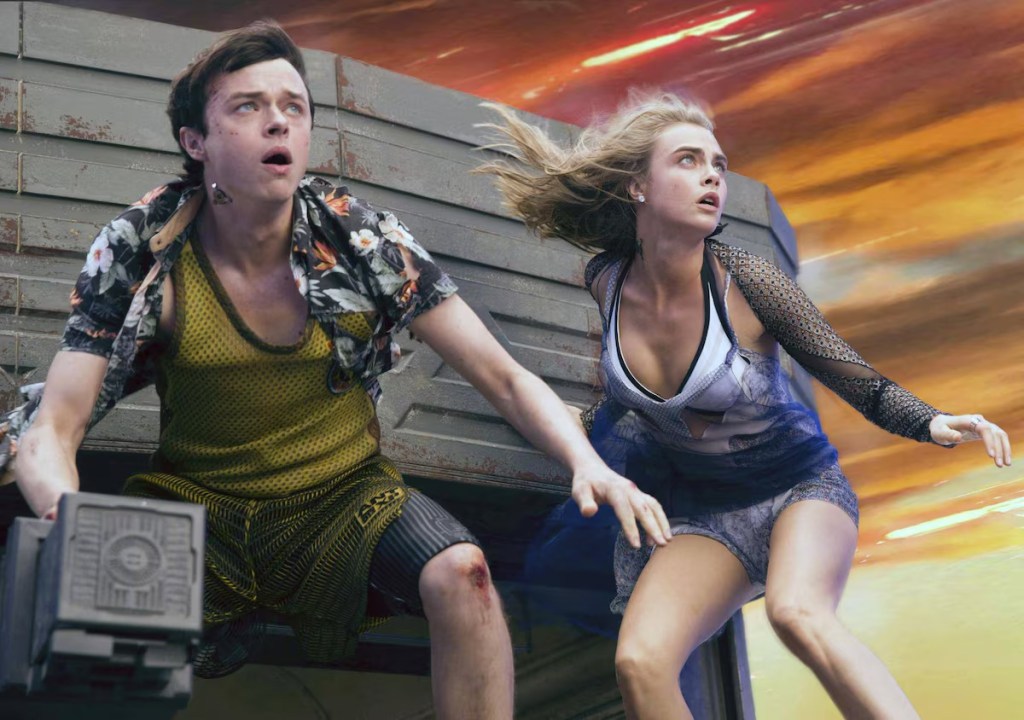
Valerian and the City of a Thousand Planets
Visually stunning trailers promised a vibrant sci-fi epic. The film struggled with character chemistry and storytelling, leaving many feeling the trailer captured its peak moments.
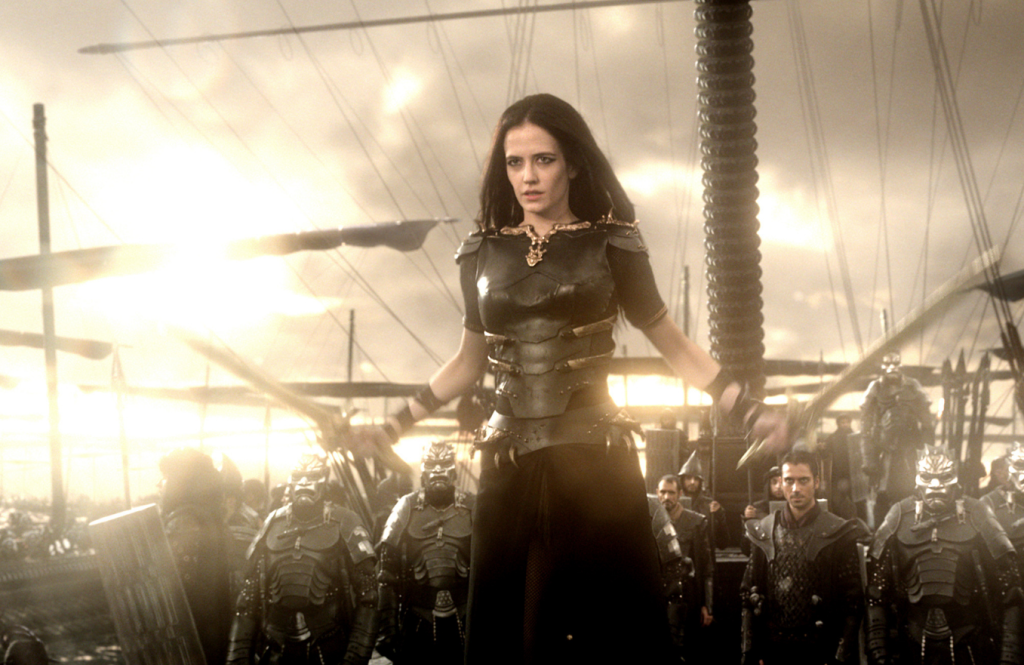
300: Rise of an Empire
The trailer leaned into the stylistic intensity of the original, but the sequel lacked the same impact, making the marketing feel more compelling than the final product.
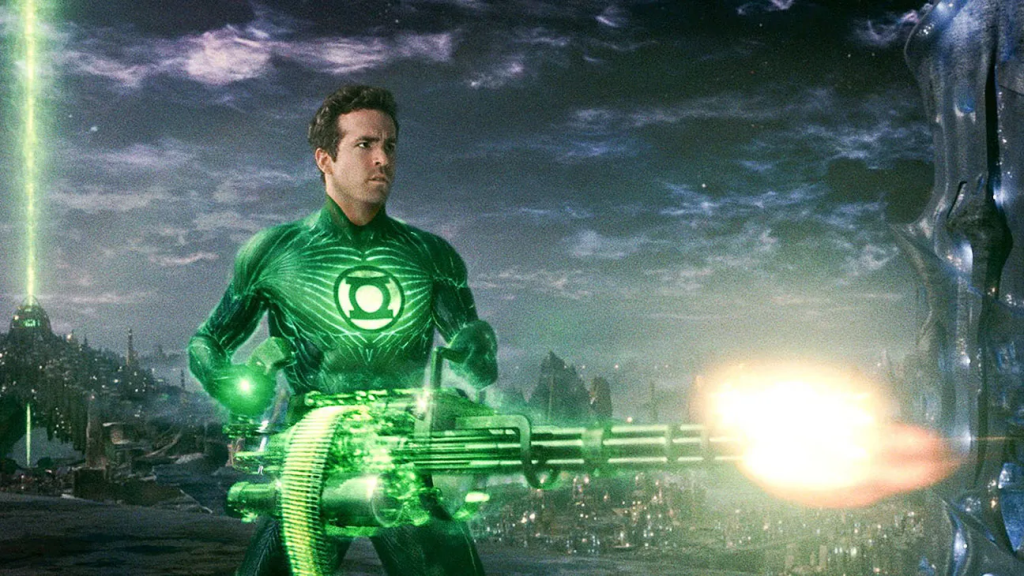
Green Lantern
Trailers highlighted large-scale action and visual spectacle, but the film’s execution and tone failed to resonate, making the promotional material feel more polished than the movie itself.
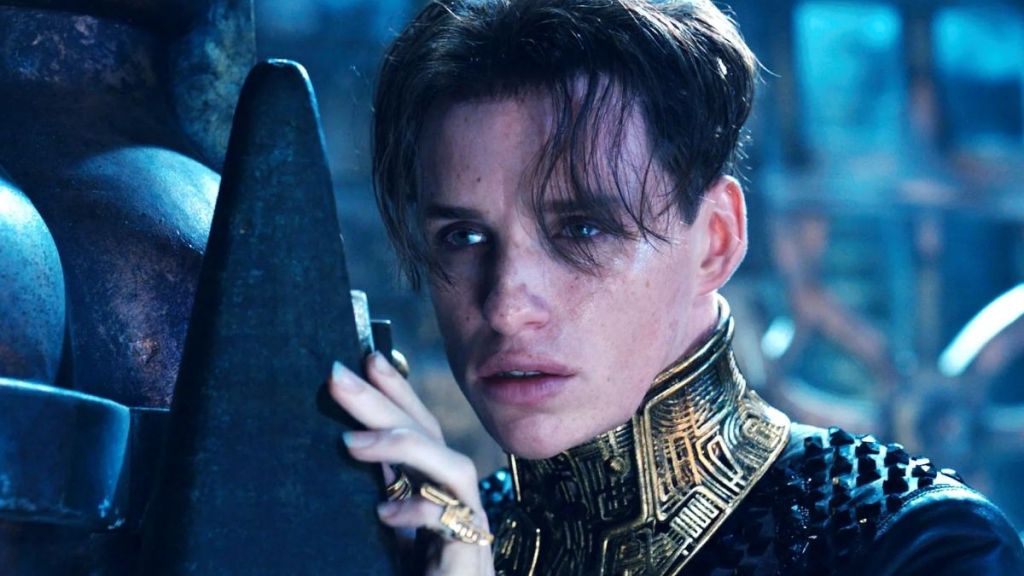
Jupiter Ascending
The marketing promised an ambitious sci-fi saga, but the film’s complex world-building and uneven tone left many feeling it didn’t deliver on its trailer’s promise.