15 Times Movies & Shows Pretended The Confederacy Was Ok

For decades, Hollywood and television often treated the Confederacy as little more than colorful historical scenery or a symbol of rebellious charm. Confederate uniforms, battle flags, and even former Confederate soldiers appeared as sympathetic or heroic figures with little acknowledgment of the institution of slavery that defined the Confederacy itself.
While many of these productions reflected the attitudes of their own eras, modern audiences often view them very differently. These movies and television shows largely present Confederate imagery or characters without meaningfully questioning what those symbols represented.
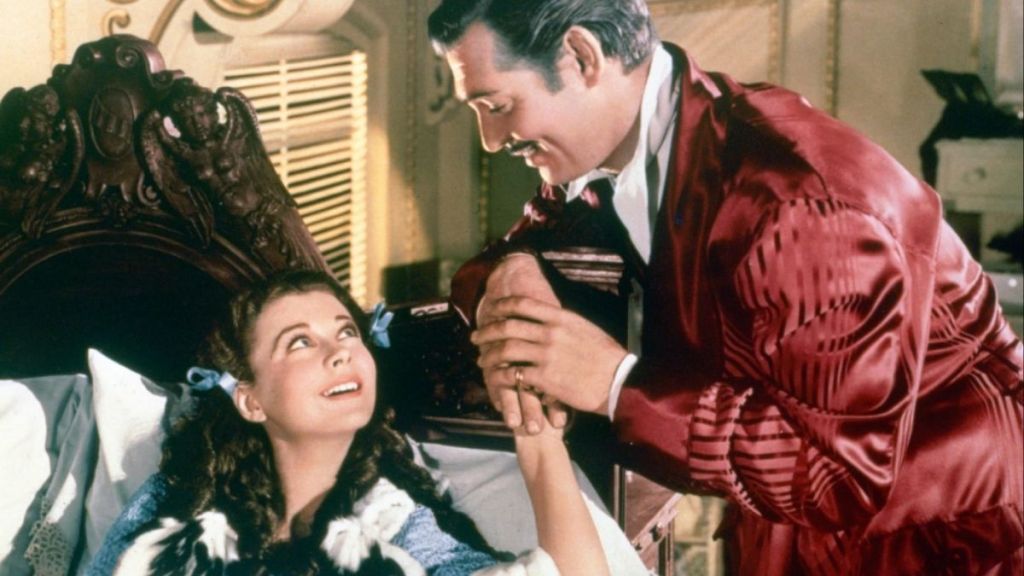
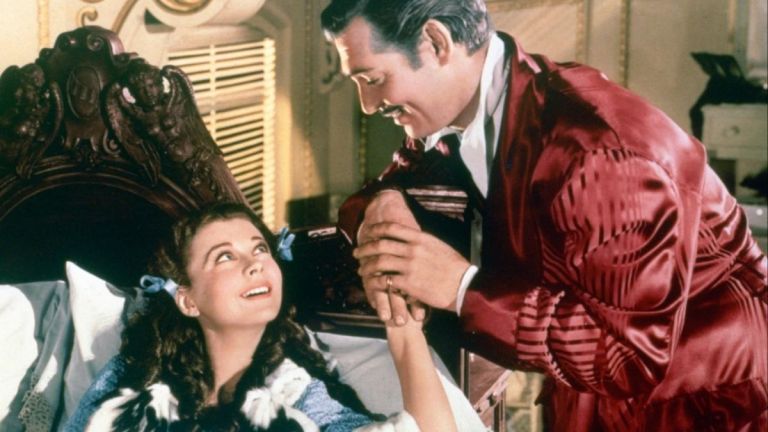
Gone with the Wind
The 1939 classic romanticizes the antebellum South through Scarlett O’Hara’s perspective, portraying Confederate characters sympathetically while largely embracing the Lost Cause interpretation of the Civil War and minimizing slavery’s central role.
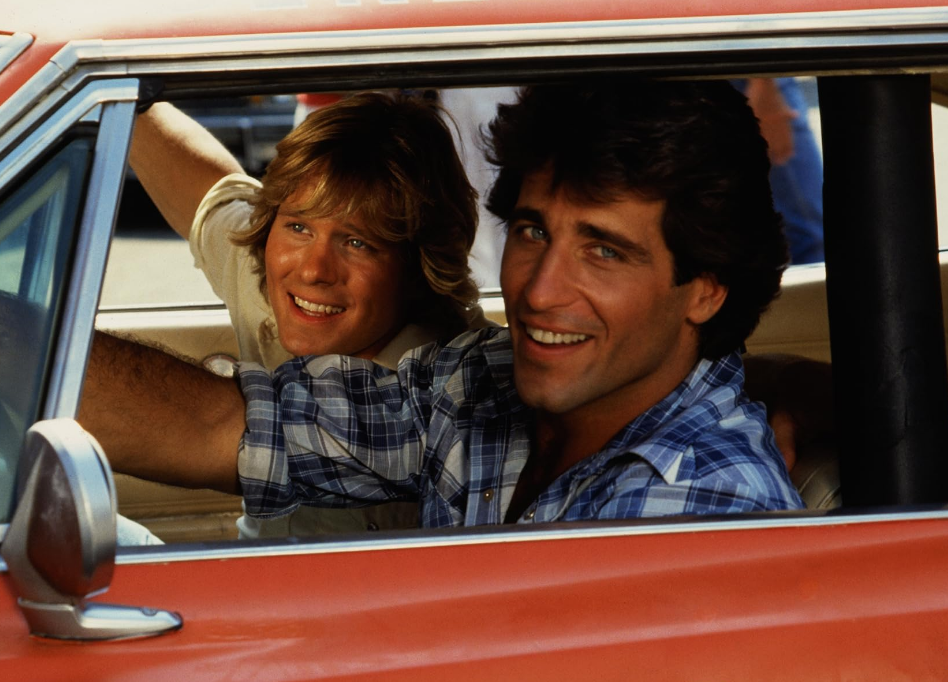
The Dukes of Hazzard
The General Lee’s Confederate battle flag was presented as harmless Southern flavor rather than a controversial symbol. The series rarely addressed race or the historical meaning behind the imagery prominently displayed every week.

The General
Buster Keaton’s silent comedy follows a devoted Confederate railroad engineer as its unquestioned hero. The Civil War serves mainly as an adventurous backdrop, with little interest in examining what the Confederacy was actually fighting to preserve.
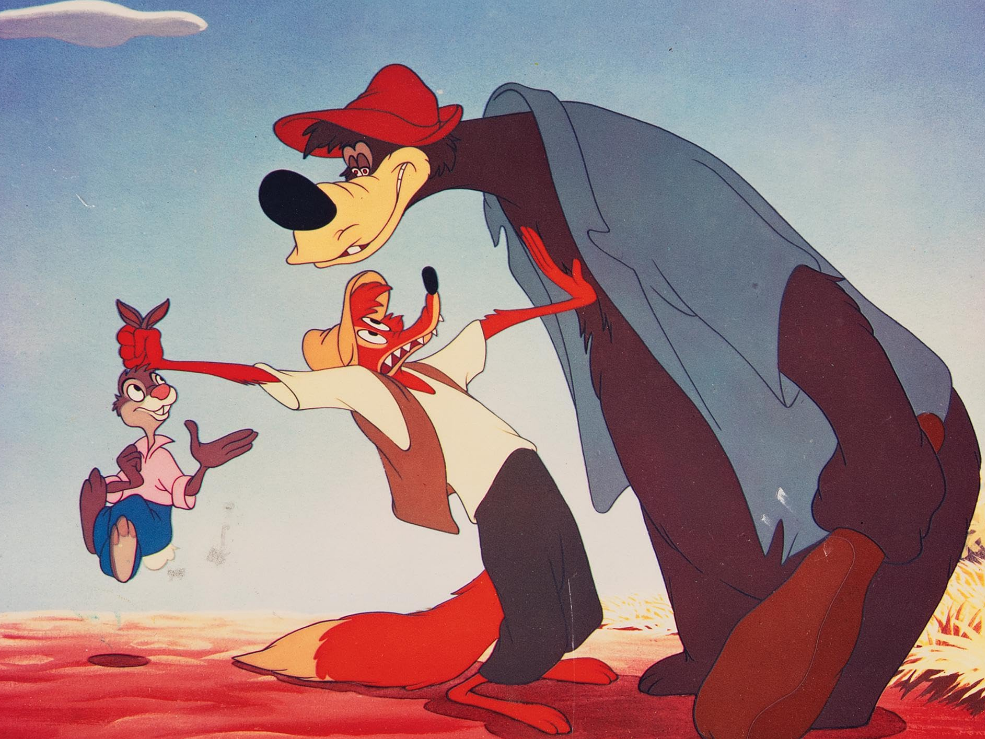
Song of the South
Disney’s controversial film presents an idyllic Reconstruction-era Southern setting while avoiding the realities of slavery and racial oppression. Its nostalgic portrayal has long been criticized for sanitizing the historical context surrounding the Confederacy.
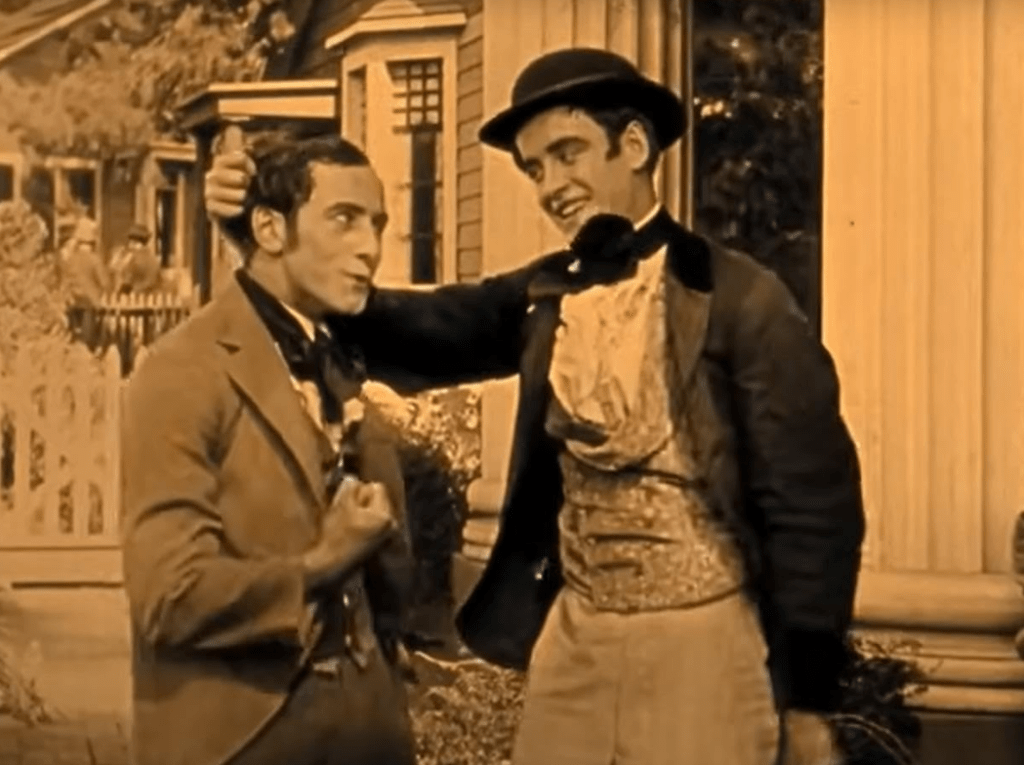
The Birth of a Nation (1915)
D.W. Griffith’s landmark film depicts the Confederacy sympathetically while portraying Reconstruction as disastrous. Its celebration of concepts that shouldn’t see the light of day has made it one of cinema’s most controversial works.
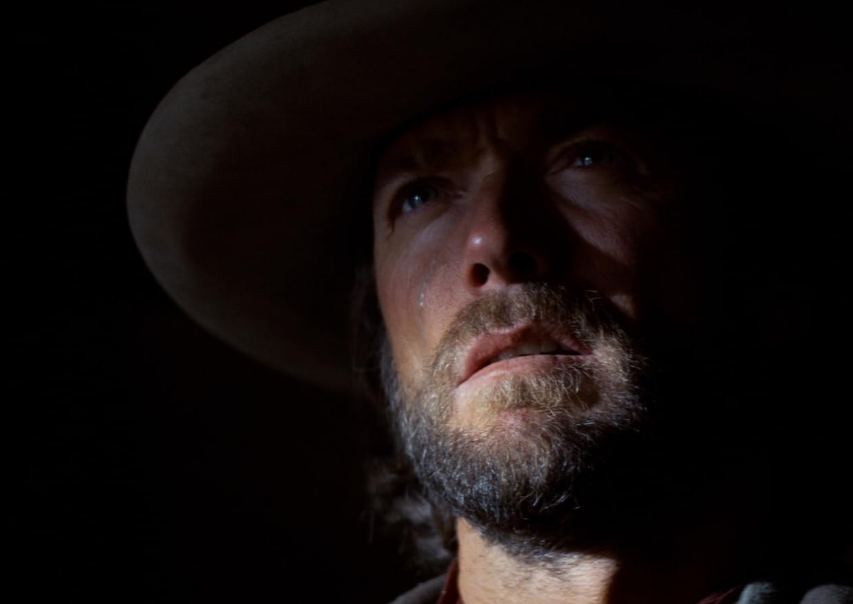
The Outlaw Josey Wales
Clint Eastwood’s Confederate guerrilla is portrayed as a sympathetic antihero seeking peace after the war. Although the story condemns violence, it largely avoids confronting the Confederacy’s underlying cause.
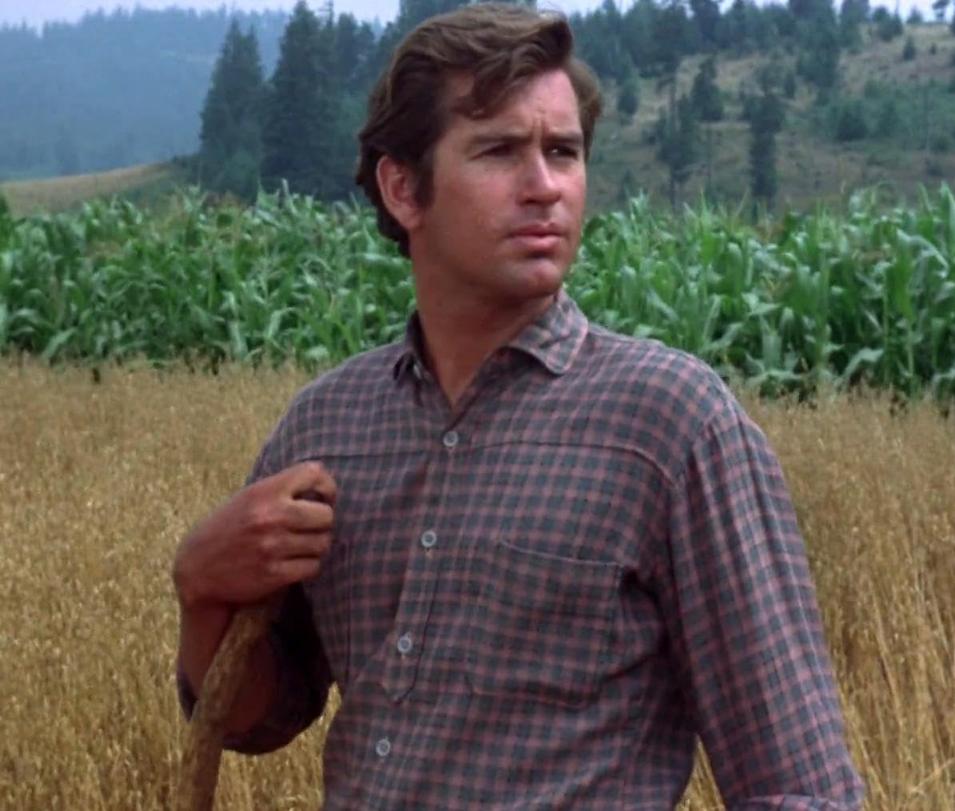
Shenandoah
James Stewart plays a Virginia farmer attempting to remain neutral during the Civil War. While emphasizing the tragedy of war, the film presents Confederate communities sympathetically and spends little time addressing slavery itself.
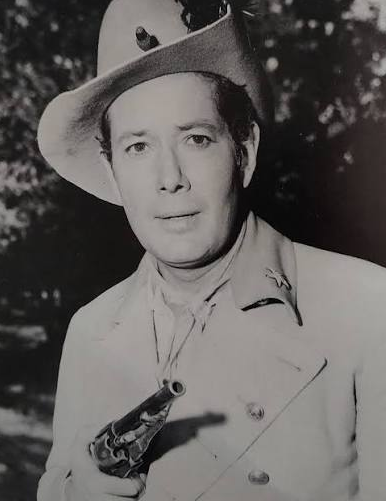
The Gray Ghost
This 1957 television series follows Confederate cavalry officer John Singleton Mosby as a heroic protagonist. Produced during the height of the Lost Cause’s cultural influence, it presents him almost entirely as a noble patriot.
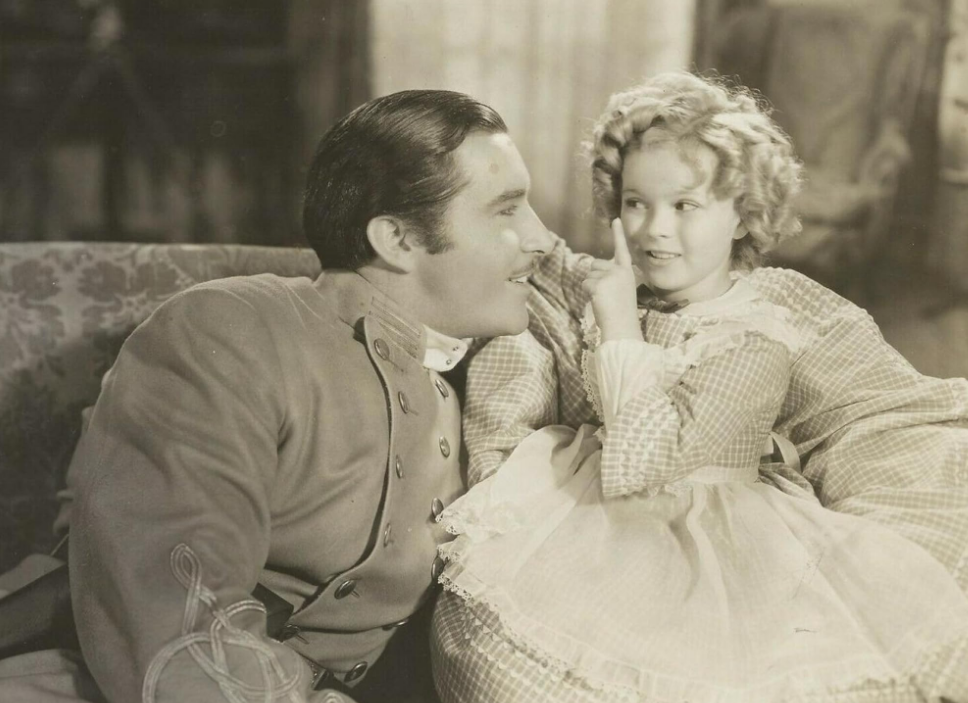
The Littlest Rebel
Shirley Temple stars as the daughter of a Confederate officer during the Civil War. The film affectionately depicts the Confederate family while largely sidestepping the conflict’s deeper moral and political issues.
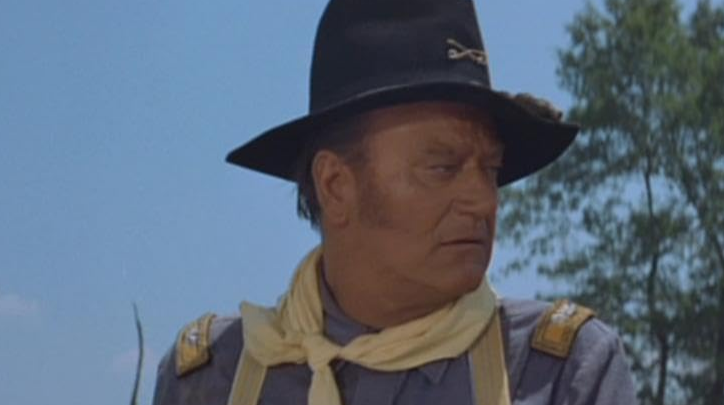
The Undefeated
John Wayne and Rock Hudson play former Confederate and Union officers who eventually unite against common enemies. The film emphasizes mutual respect while largely treating the Confederacy as simply another side in the conflict.

The Blue and the Gray
This 1982 television miniseries attempts to show both sides of the Civil War, but many Confederate characters are portrayed primarily as honorable soldiers, with relatively little emphasis on slavery’s role in the conflict.
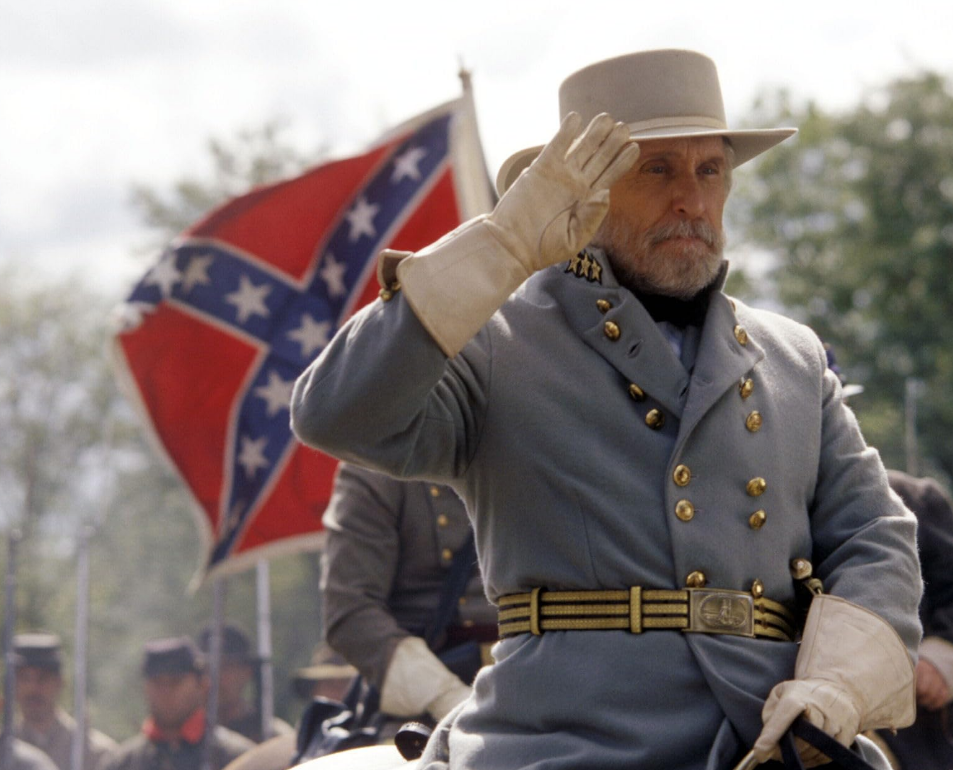
Gods and Generals
Focusing heavily on Confederate commanders such as Robert E. Lee and Thomas “Stonewall” Jackson, the film has been criticized for presenting an overwhelmingly sympathetic view of Confederate leadership and Lost Cause themes.
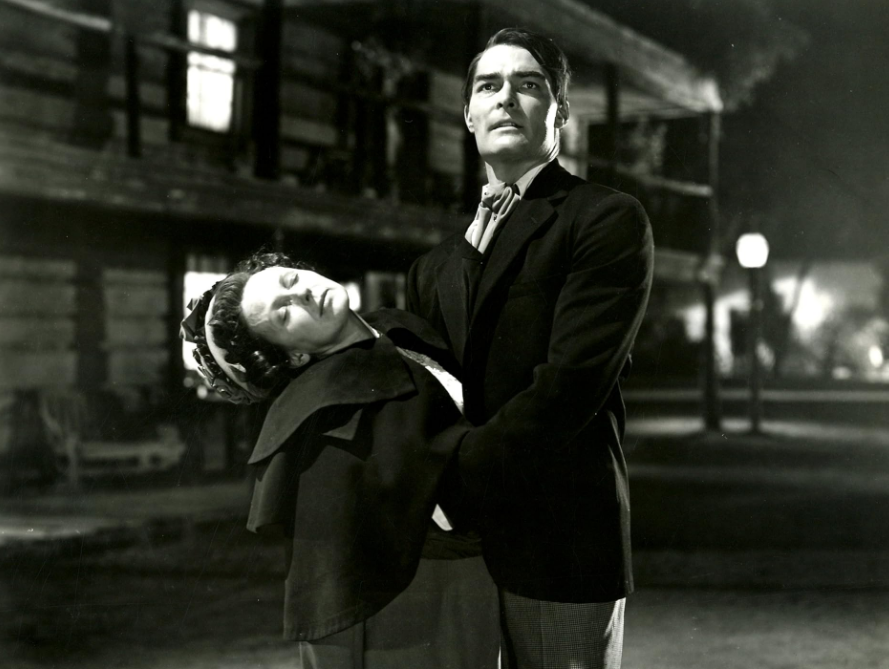
The Sun Shines Bright
John Ford’s drama celebrates a small Kentucky community still deeply shaped by Confederate memory. Former Confederate veterans are portrayed warmly, with their wartime service treated more as noble heritage than political rebellion.
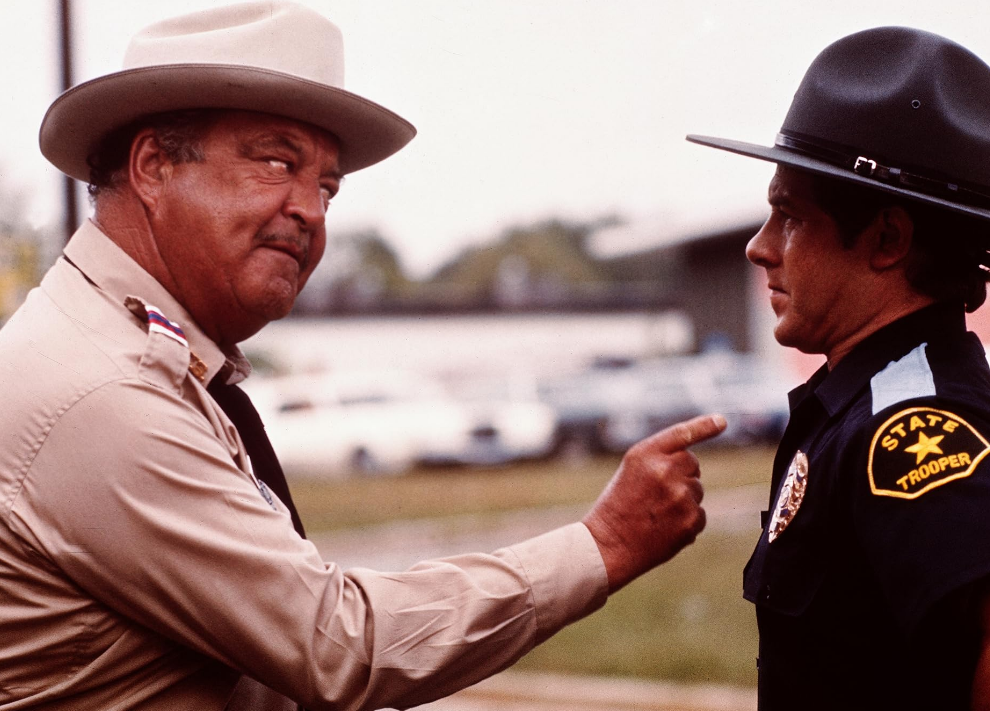
Smokey and the Bandit
The film isn’t about the Civil War, yet Confederate imagery appears as a symbol of carefree Southern rebellion rather than its historical association with slavery. That treatment helped normalize the flag in popular culture.
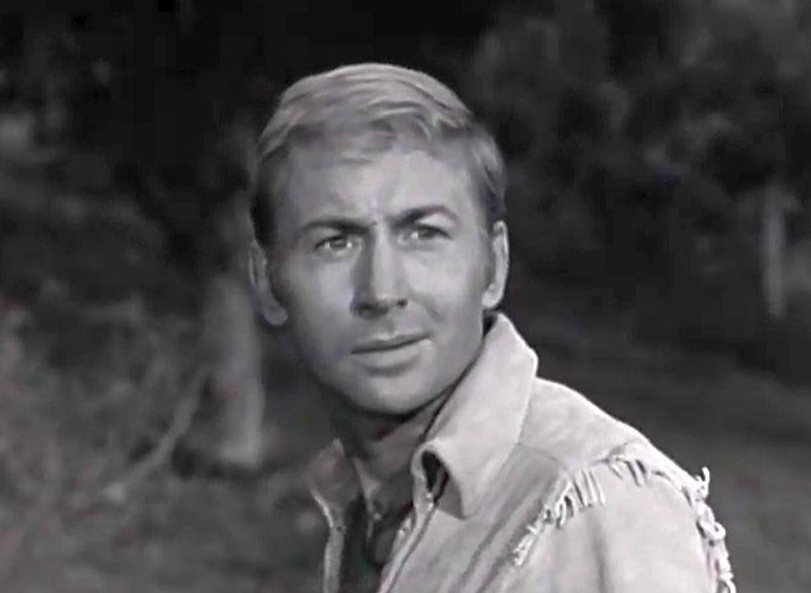
The Rebel
Nick Adams stars as a young Confederate soldier in this 1959 television western. The series presents his military service as an honorable backdrop for frontier adventures, rarely questioning the cause he originally fought for.