15 Movies That Tried So Hard to Be Smarter Than They Were

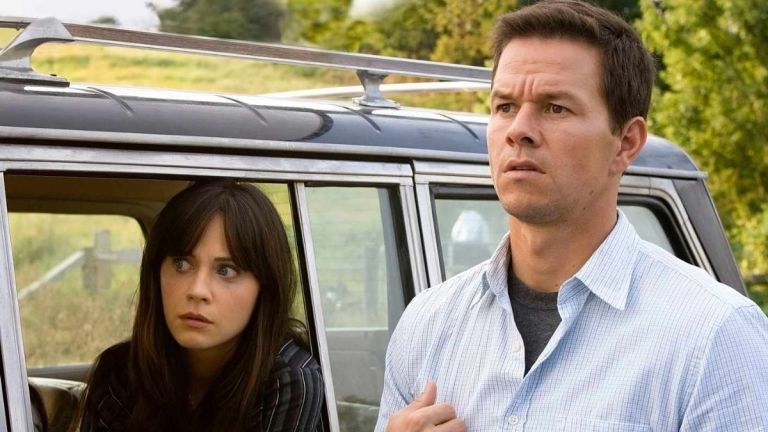
Many movies aim to develop complex thoughts throughout their runtime, something to be proud of, certainly. Sadly, aiming to do something is not succeeding, and there are films that focus too much on appearing deep or intellectual, losing sight of what makes a story engaging in the first place.
Overcomplicated plots, heavy-handed symbolism, and confusing narratives can leave audiences feeling more frustrated than impressed. In some cases, these movies gain a following for their boldness, while others are remembered for missing the mark. These are the films that reached for something profound, but ended up feeling like they were trying a little too hard to get there.
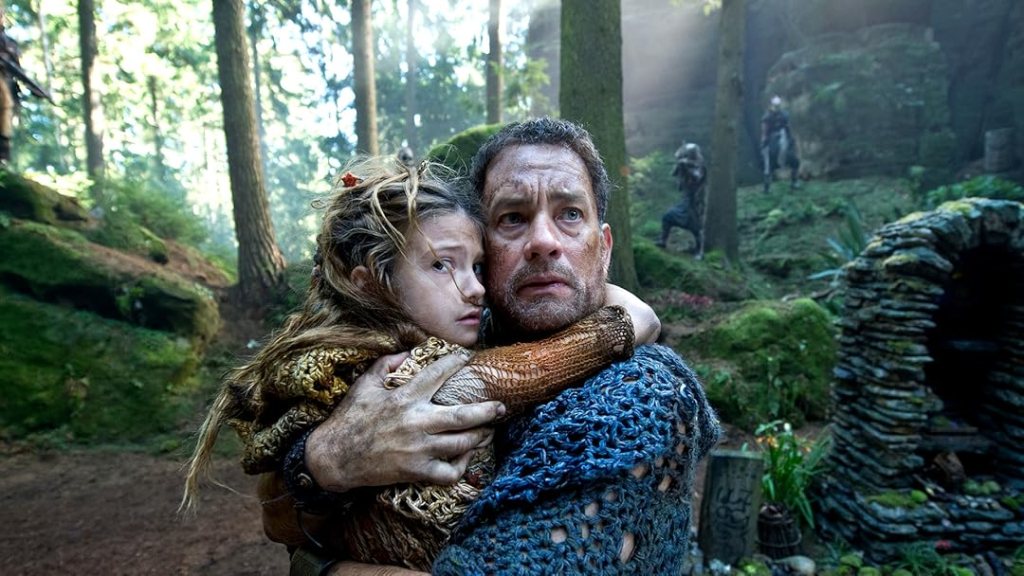
Cloud Atlas
A sprawling, multi-timeline narrative aiming for philosophical depth, but it can be argued it collapsed under its own ambition, making the premise overly complex and “pretentious” rather than profound.
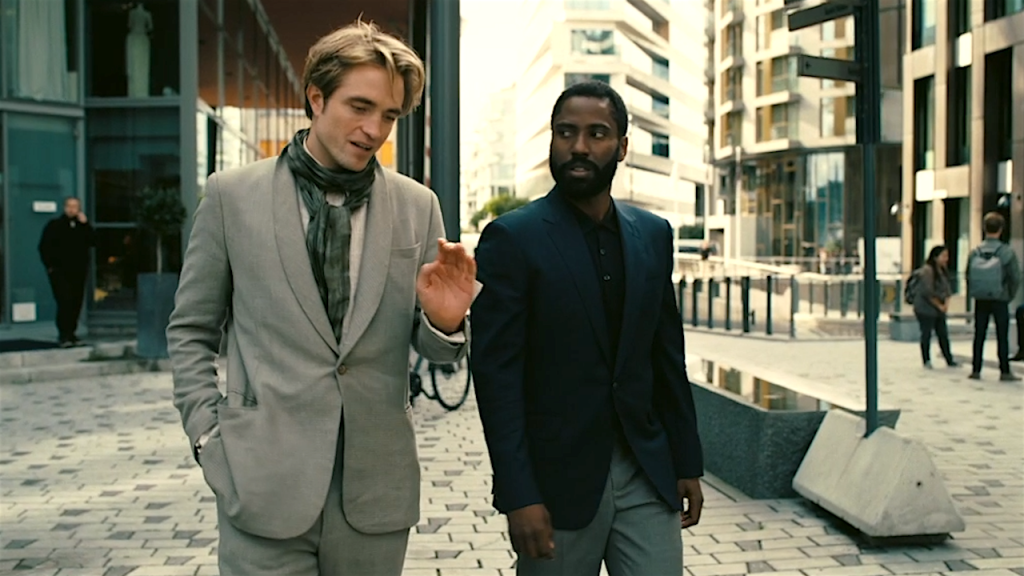
Tenet
Built around complex time inversion concepts, the film ends up prioritizing intricate mechanics over character and clarity, leaving many viewers confused despite its ambition.

The Tree of Life
Its abstract storytelling and philosophical imagery divided audiences; some praised its ambition while others saw it as overly self-serious and difficult to connect with emotionally.

The Fountain
Attempting to blend romance, science fiction, and existential themes, the film ended up being overly symbolic and emotionally distant despite its ambitious scope.
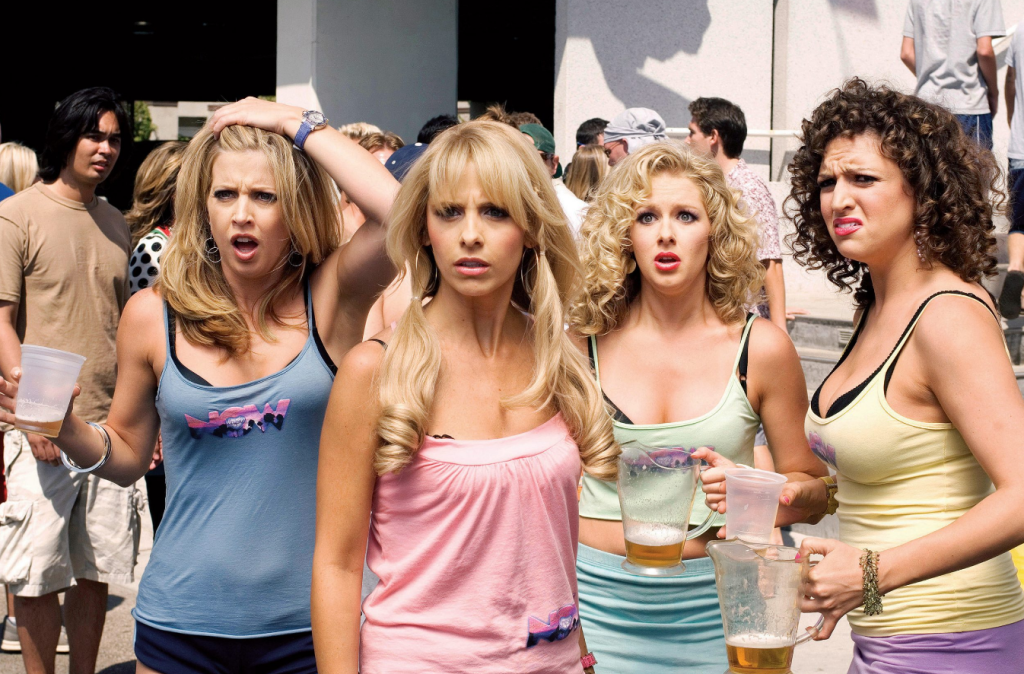
Southland Tales
A chaotic mix of sci-fi, satire, and political commentary, the film was widely criticized for being unfocused and overly ambitious, resulting in a confusing and often incoherent narrative.

Lucy
Built around exaggerated scientific ideas about brain capacity, the film presents pseudo-intellectual concepts as profound, undermining its attempts at philosophical storytelling.
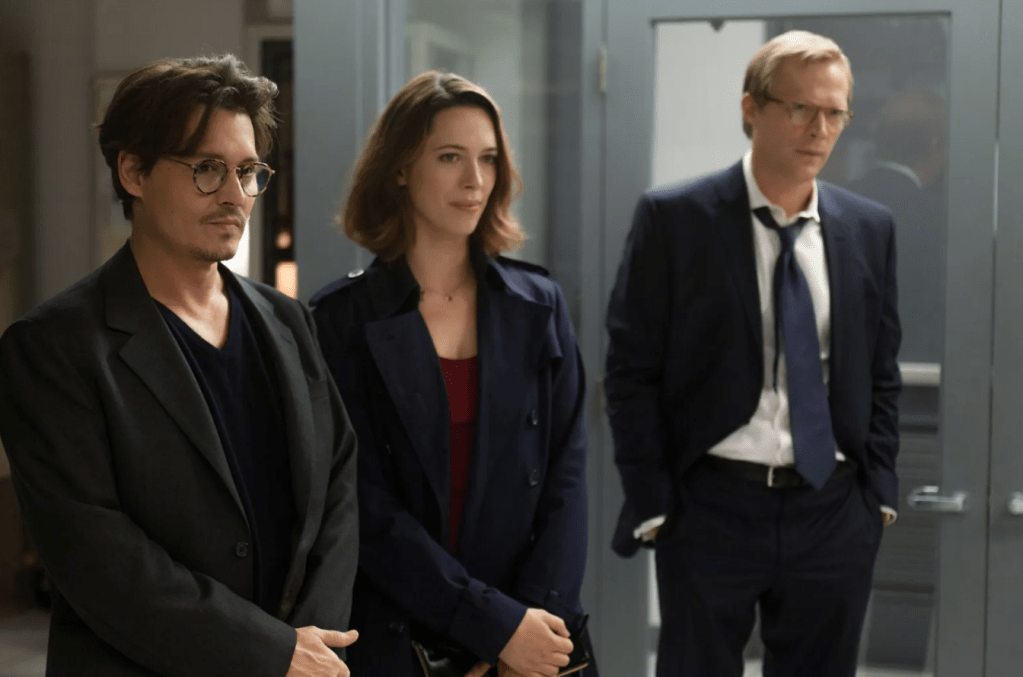
Transcendence
A high-concept sci-fi story about artificial intelligence that struggled to balance its ideas with engaging storytelling, often feeling more concerned with sounding smart than being compelling.
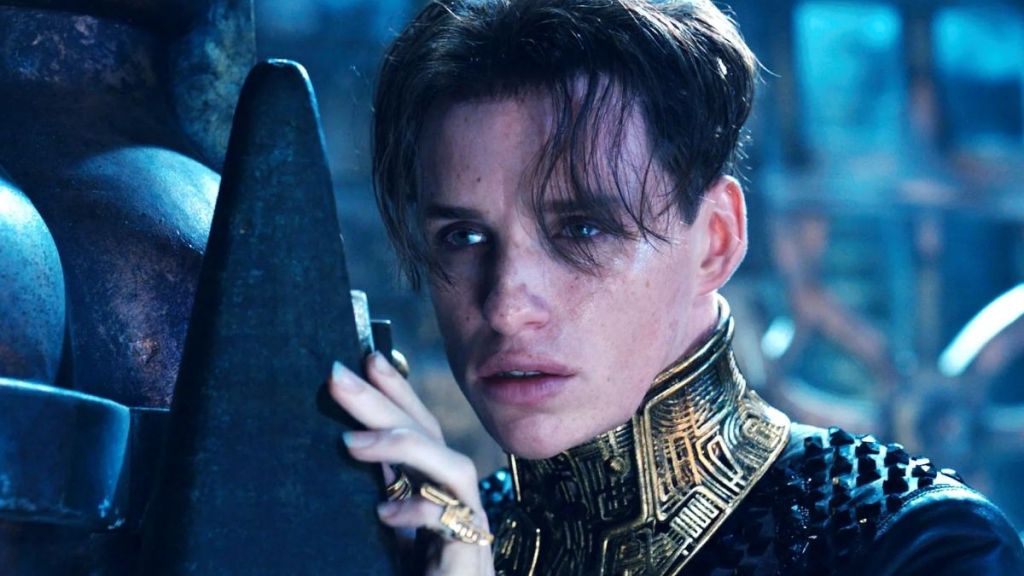
Jupiter Ascending
A dense mix of world-building and mythology that ended up overcomplicating its narrative, trying to establish a grand sci-fi universe without grounding it in clear storytelling.
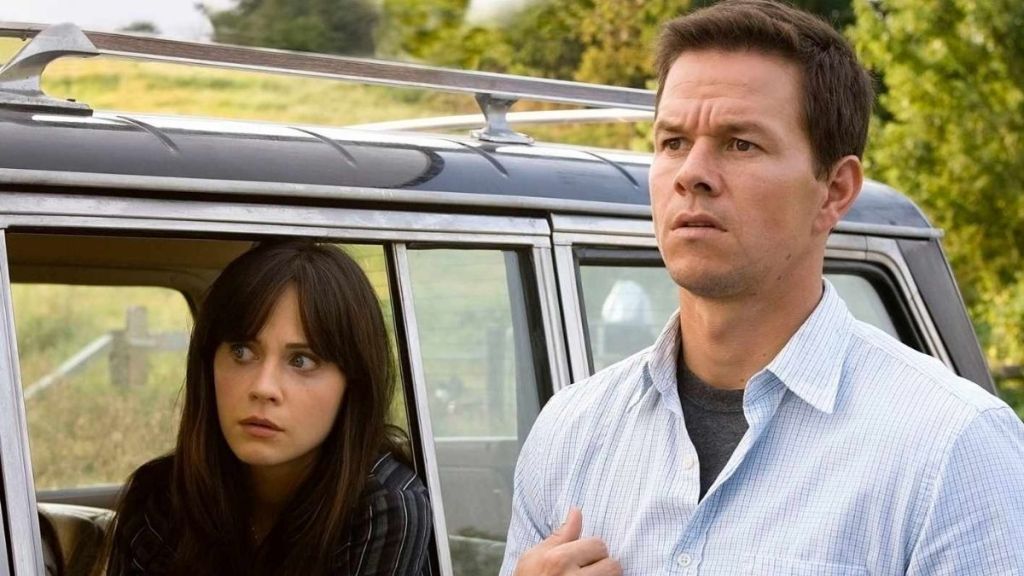
The Happening
Despite its attempt at a thought-provoking environmental message, its execution and dialogue were widely criticized, making its serious themes feel unintentionally simplistic (and comedic) rather than insightful.
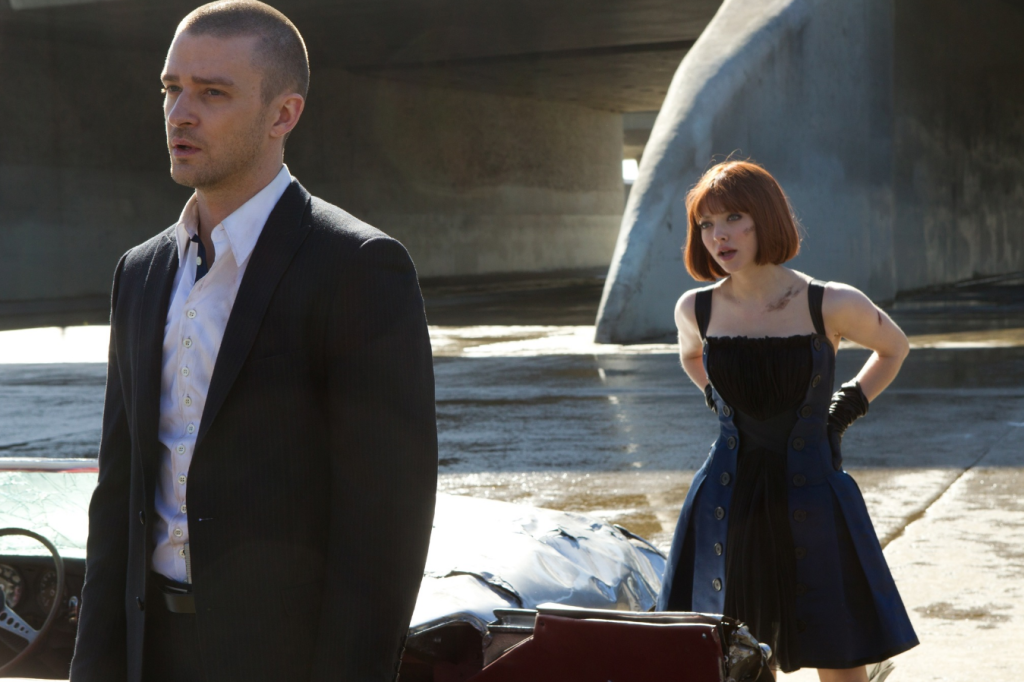
In Time
A strong conceptual premise about time as currency was weighed down by heavy-handed messaging, with critics noting it focused on its metaphor over developing a nuanced story.
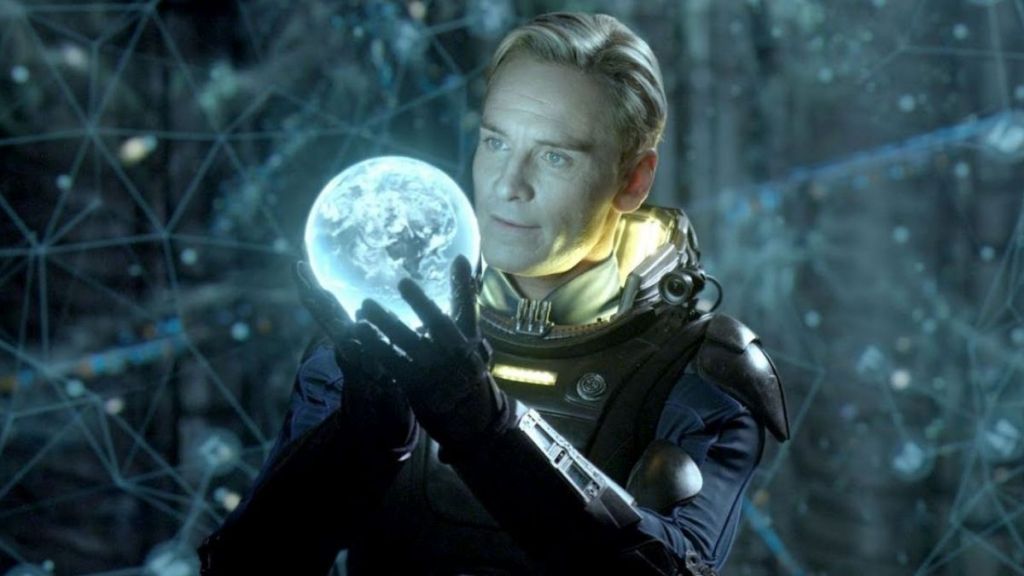
Prometheus
Attempting to explore existential questions about creation, the film raised complex ideas without providing satisfying answers or coherent character decisions.
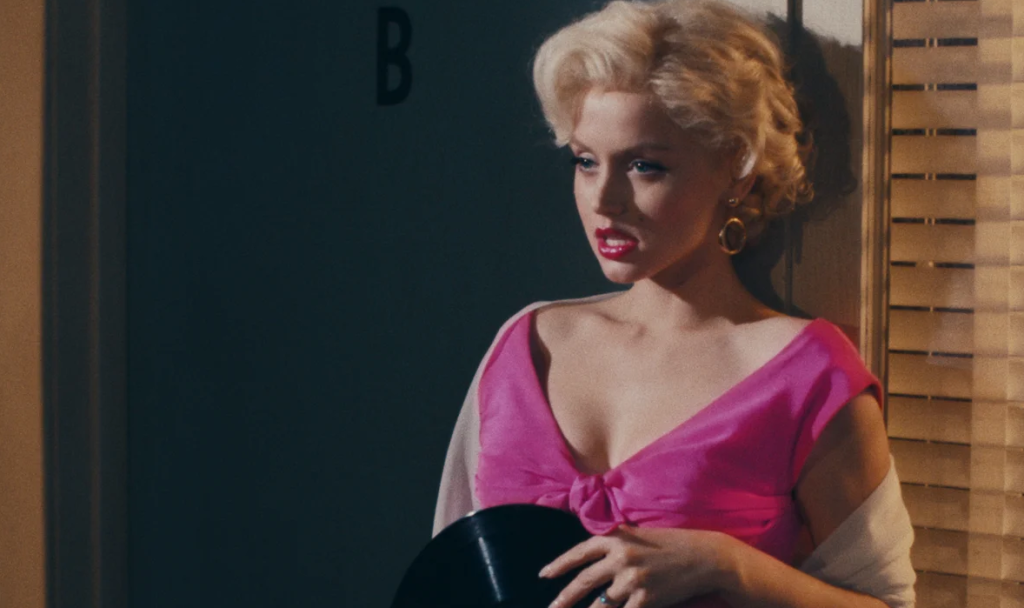
Blonde
Its stylized approach and heavy symbolism divided audiences, with some arguing it leaned too far into artistic expression at the expense of clarity and emotional resonance.
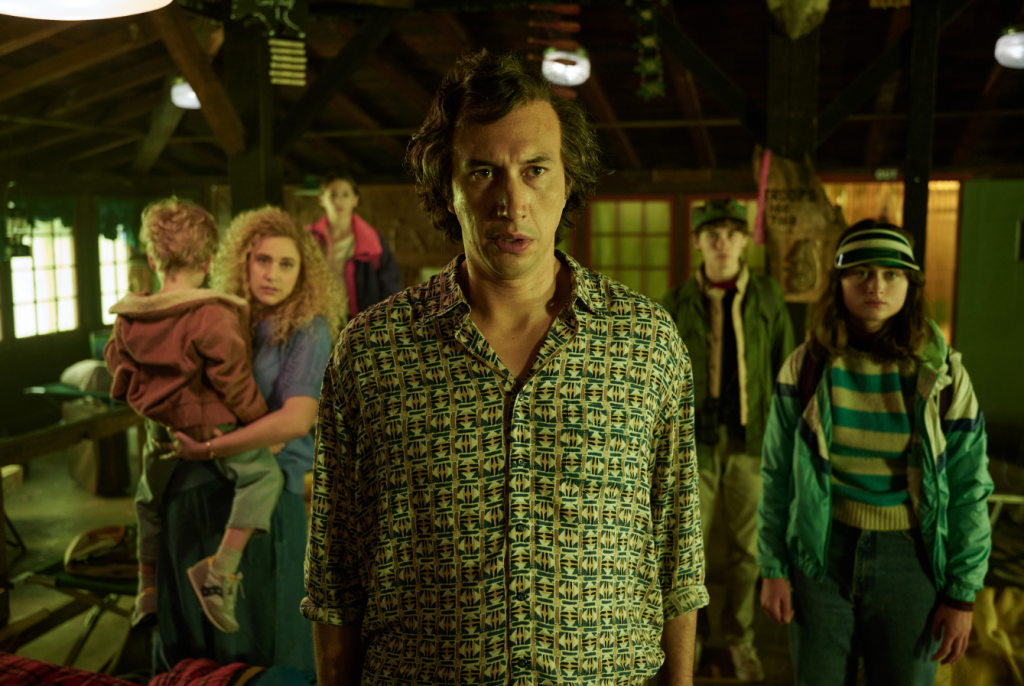
White Noise
An adaptation packed with intellectual themes and satire, but often criticized for feeling overly talkative and concept-heavy without fully translating those ideas into engaging cinema.
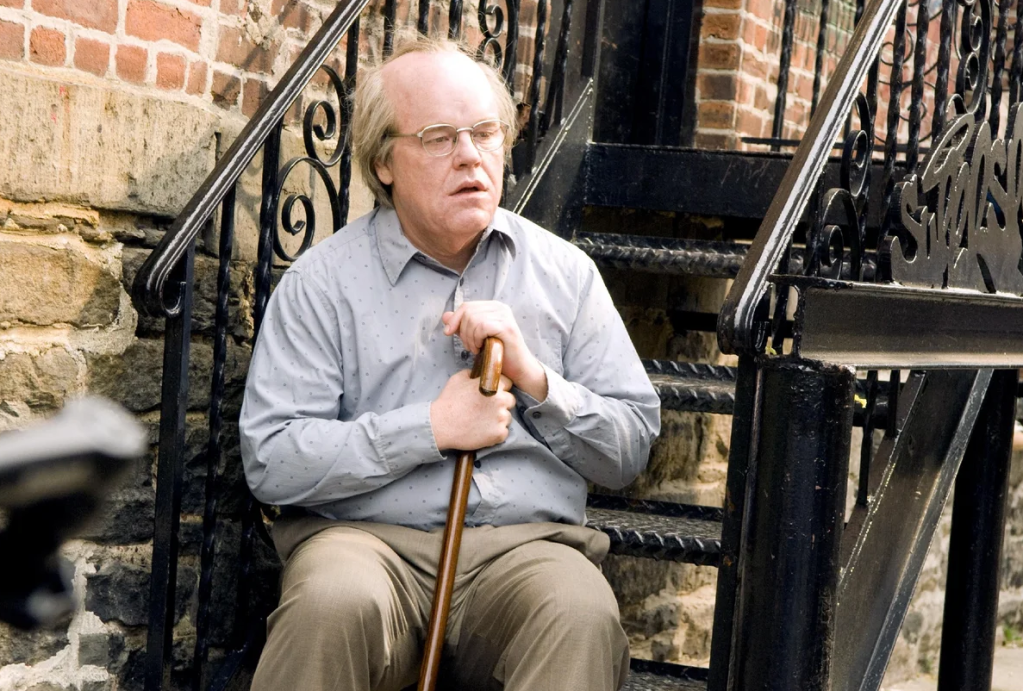
Synecdoche, New York
An extremely layered exploration of identity and art, often praised but also criticized for being so abstract and self-referential that it becomes difficult to emotionally engage with.
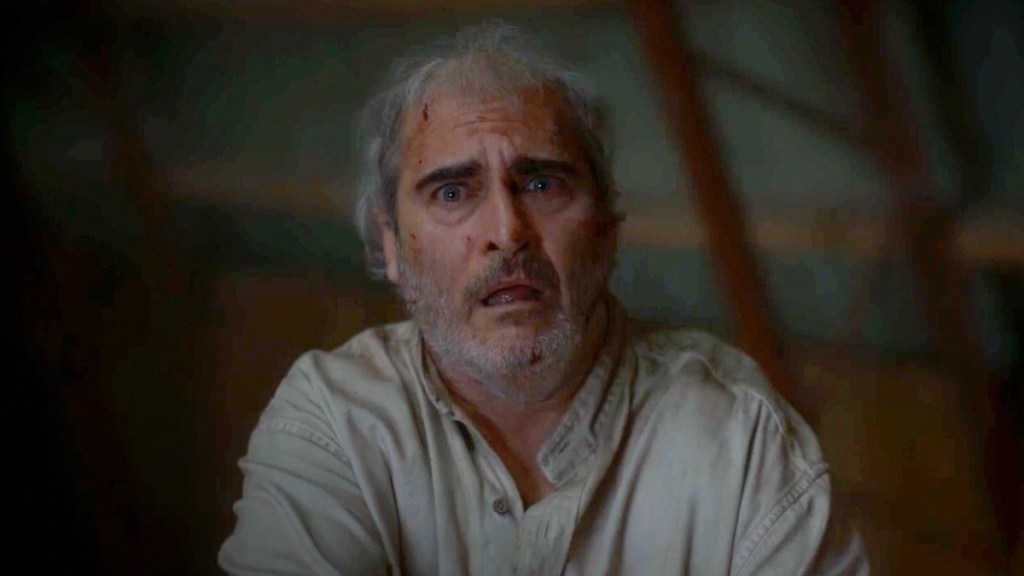
Beau Is Afraid
A surreal, anxiety-driven narrative that often felt indulged too heavily in symbolism and absurdity, making it feel more like an exercise in excess than a coherent story.