14 TV Characters Who Make the Same Mistake Over and Over

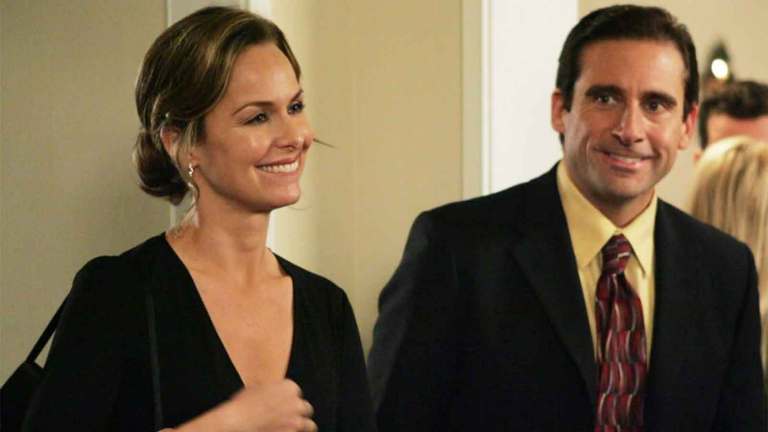
One of the easiest ways to keep a television series running is to give a character a flaw they never fully overcome. Week after week, season after season, they make the same bad decisions, ignore the same warnings, or fall into the same traps.
This can be what makes a character memorable to begin with, yet as you follow the story along, it transforms into something more frustrating than anything else. It’s particularly stressful in long-running shows, where it feels like there’s no break between one mistake and the next.
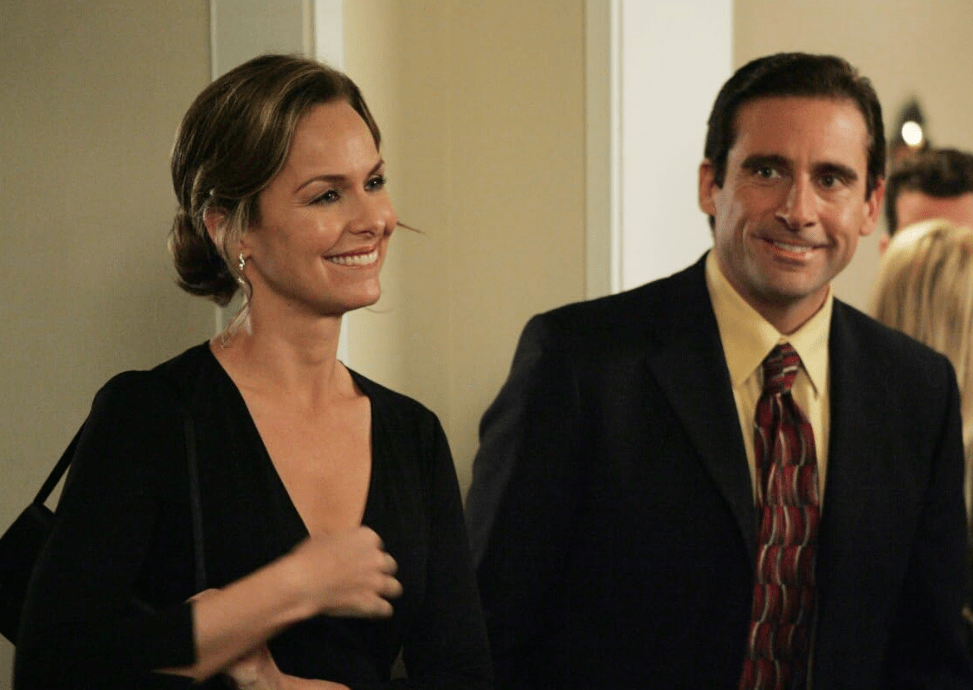
Michael Scott, Speaking Before Thinking
Throughout The Office, Michael Scott constantly says the first thing that comes to mind, regardless of how inappropriate or ill-advised it might be. Nearly every season features a new example of this self-inflicted problem.
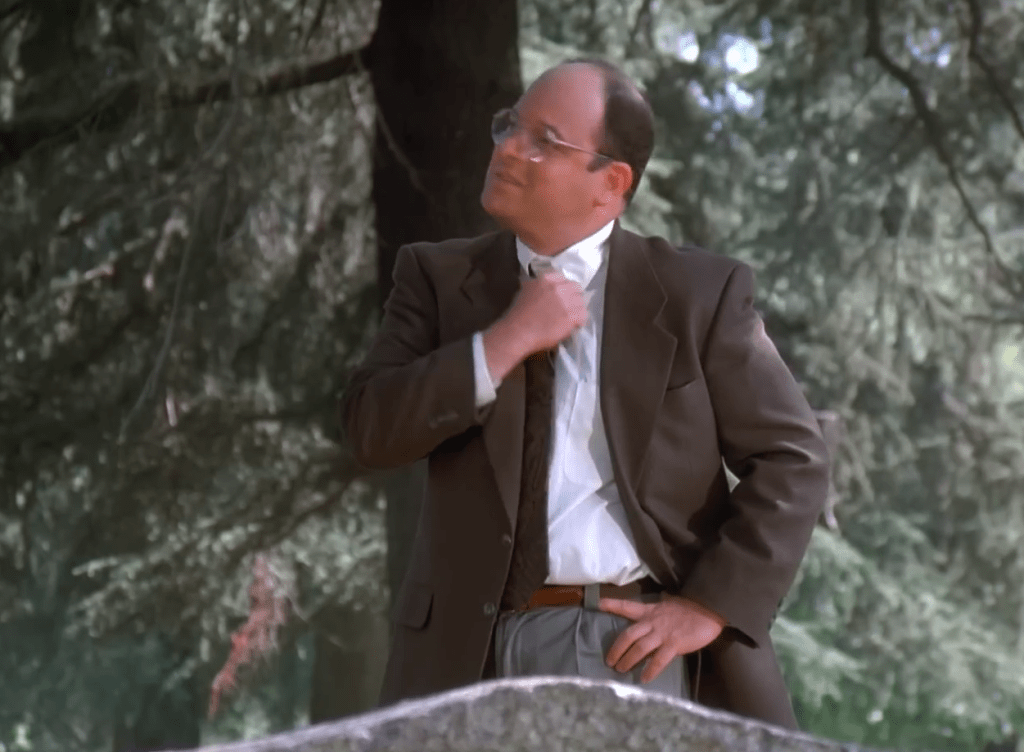
George Costanza, Choosing the Worst Possible Plan
George spends Seinfeld repeatedly convincing himself that terrible ideas are brilliant. Whether involving relationships, jobs, or friendships, his schemes almost always collapse in spectacular fashion.
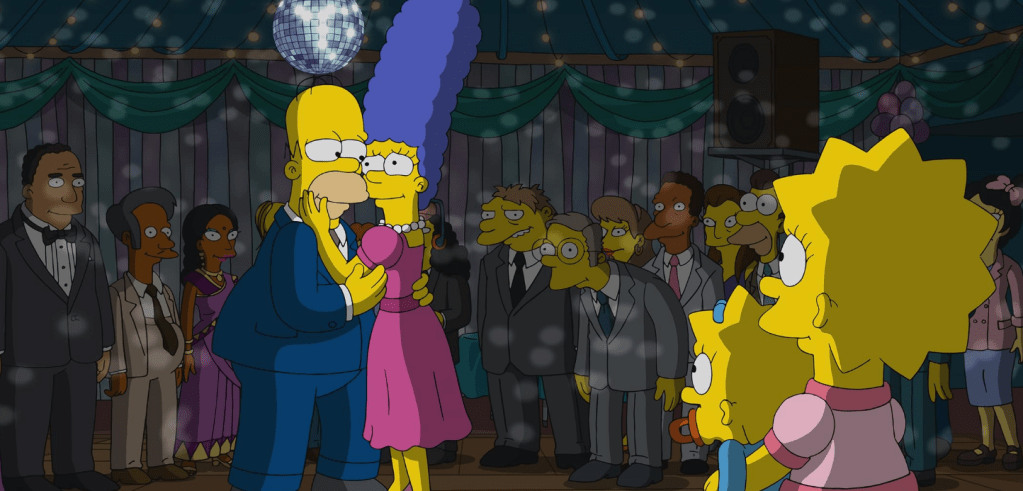
Homer Simpson, Ignoring Consequences
Homer frequently acts on impulse without considering the results. Decades of episodes have shown him repeating the same reckless behavior, usually leaving his family or Springfield to deal with the aftermath.

Charlie Harper, Self-Sabotaging Relationships
On Two and a Half Men, Charlie repeatedly undermines promising relationships through dishonesty, selfishness, or immaturity. The cycle becomes one of the defining traits of his character.
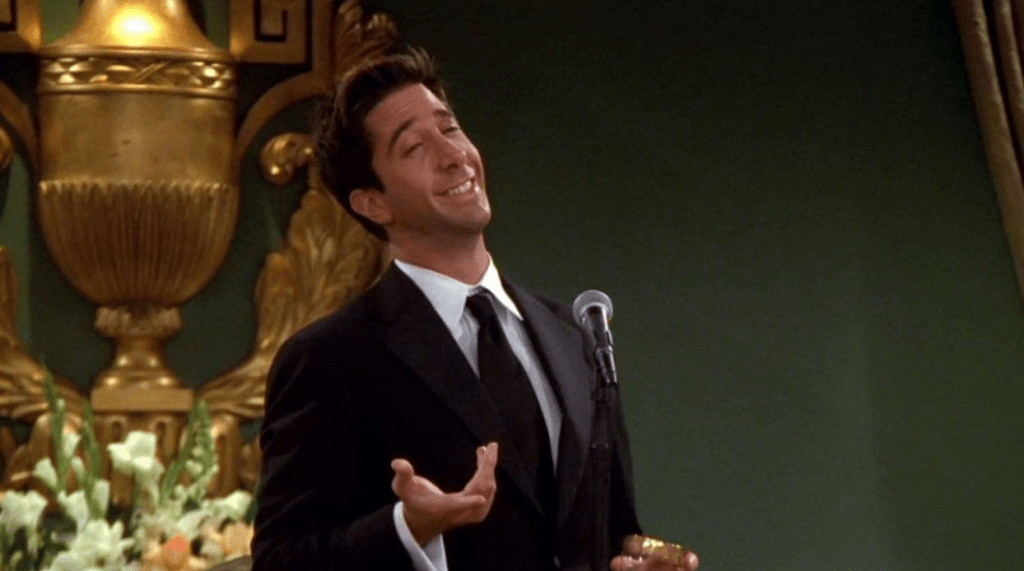
Ross Geller, Overthinking Romance
Ross repeatedly complicates his own relationships by overanalyzing situations and acting out of insecurity. His long-running relationship with Rachel provides some of the show’s clearest examples.
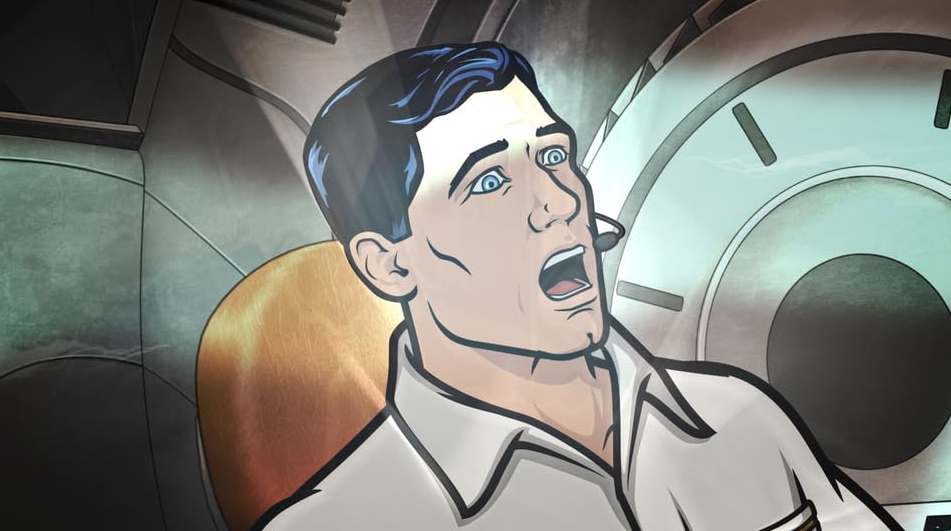
Sterling Archer, Letting His Ego Take Over
Archer is an extremely capable spy, but his confidence repeatedly turns into arrogance. Many missions become far more dangerous because he refuses to admit mistakes or follow instructions.

Ted Mosby, Falling in Love Too Fast
Ted repeatedly convinces himself he has found “the one” after minimal interaction. His tendency to rush emotionally into relationships creates many of the complications that drive the series.
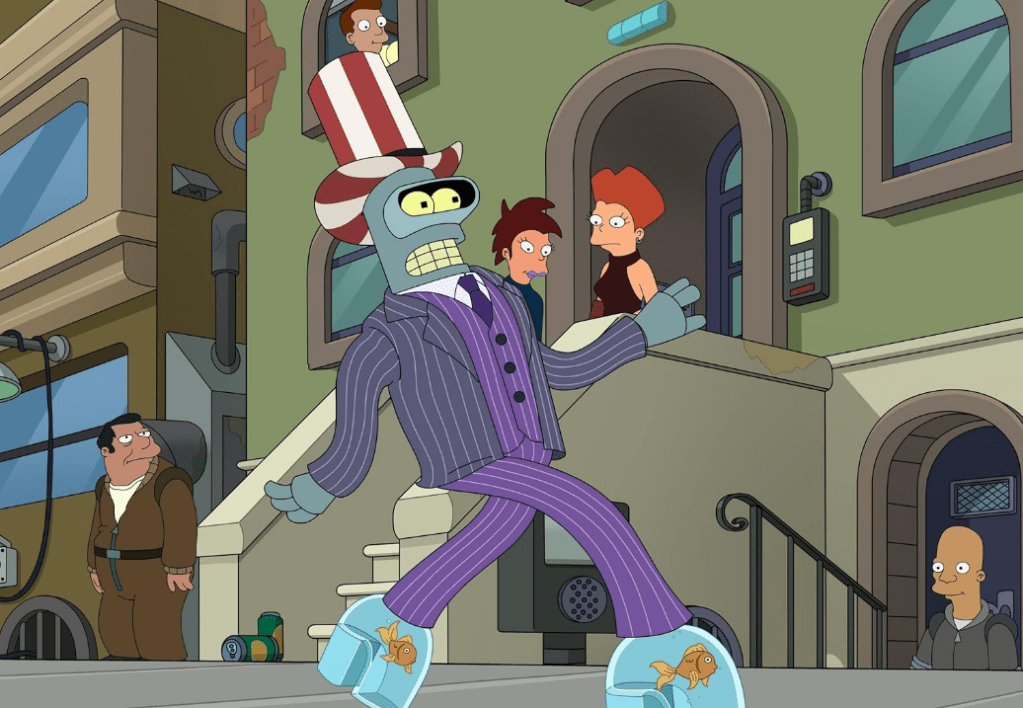
Bender, Taking the Easy Way Out
On Futurama, Bender constantly chooses shortcuts, scams, and selfish solutions. Even when he learns valuable lessons, he usually reverts to the same behavior by the next adventure.

Lucille Bluth, Solving Problems With Manipulation
Whenever difficulties arise in Arrested Development, Lucille typically resorts to manipulation rather than honest communication. The strategy rarely helps and frequently worsens family conflicts.

Sheldon Cooper, Ignoring Social Cues
Despite making progress over the years, Sheldon repeatedly struggles with empathy and social awareness. His inability to recognize how his behavior affects others drives countless storylines.
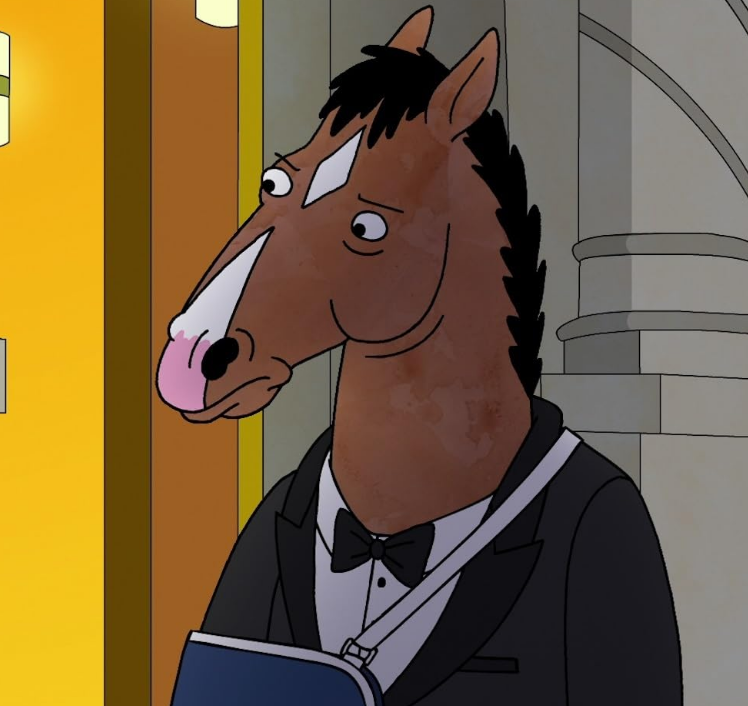
Bojack Horseman, Pushing Away People Who Care
Bojack frequently damages relationships with those trying to help him. The series explores how his repeated self-destructive choices create cycles he struggles to break.

Frank Gallagher, Avoiding Responsibility
The central joke of Shameless is that Frank never learns. No matter how many disasters occur, he continues avoiding responsibility and pursuing whatever benefits him in the moment.
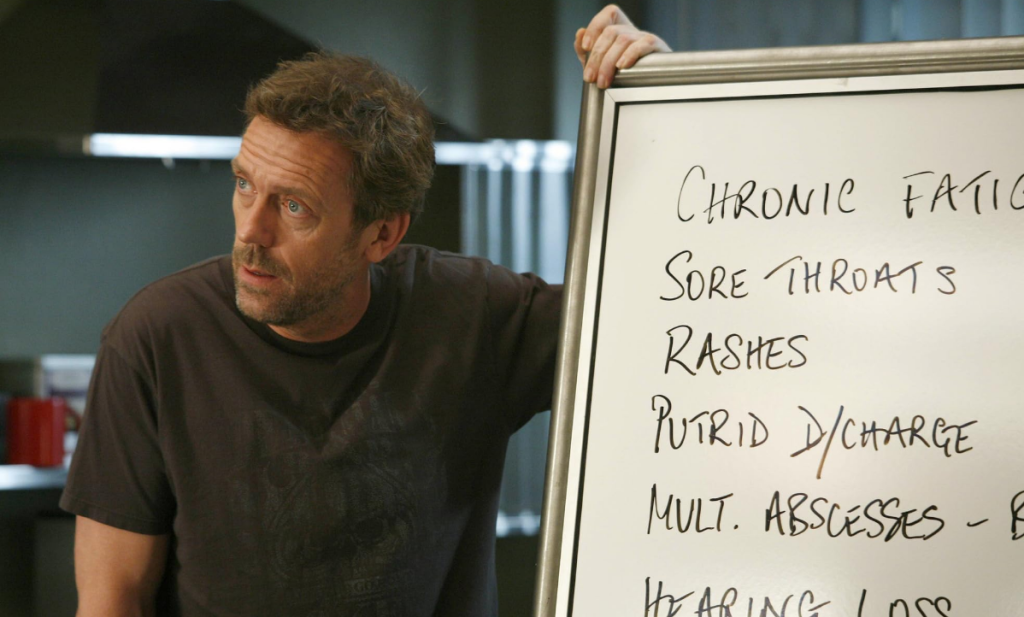
Dr. Gregory House, Refusing to Trust People
House repeatedly assumes deception before honesty. While his skepticism occasionally helps solve cases, it also damages friendships, professional relationships, and opportunities for personal growth.

Walter White, Needing More Power
Even after achieving goals that should satisfy him, Walter White repeatedly pushes for more control and influence. His refusal to stop when ahead becomes one of Breaking Bad’s central themes.