14 Darker Facts from Hollywood’s Troubled Past

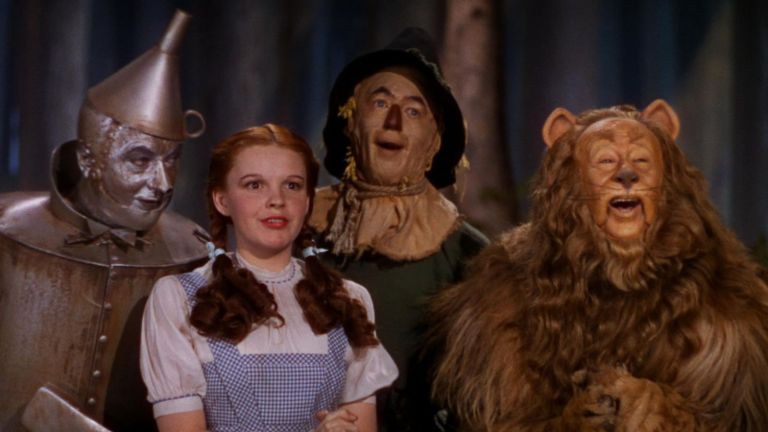
Hollywood has always had its glamorous side, but not everything behind the movies and red carpets is as polished as it looks. Over the years, plenty of stories have surfaced about difficult film sets, strict studio rules, behind-the-scenes feuds, and moments that changed the industry in unexpected ways. While audiences usually remember the finished movies, the road to getting them on screen wasn’t always smooth. Some productions became famous for what happened off camera, while others revealed a side of old Hollywood that studios would have rather kept out of the spotlight.
Here are 15 darker facts from Hollywood’s troubled past.
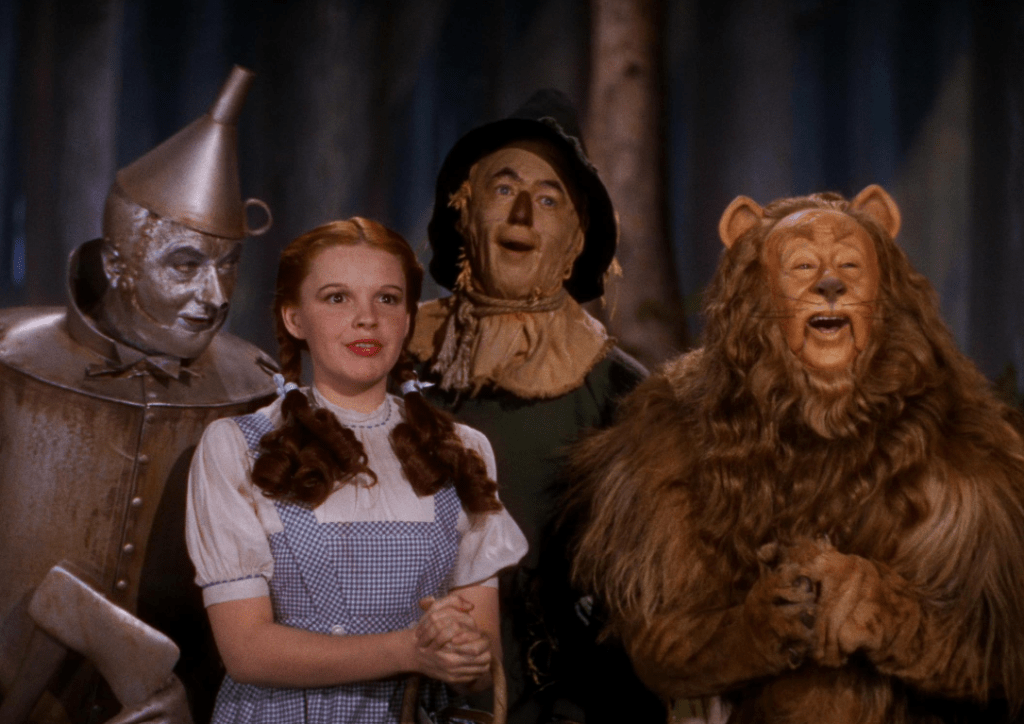
The harsh filming conditions behind The Wizard of Oz
The production wasn’t exactly magical for the cast. Bert Lahr wore a heavy lion costume made from real animal fur, Buddy Ebsen had to leave the film after developing a severe lung reaction to the Tin Man’s aluminum makeup, and Margaret Hamilton suffered burns while filming one of the Wicked Witch’s scenes.
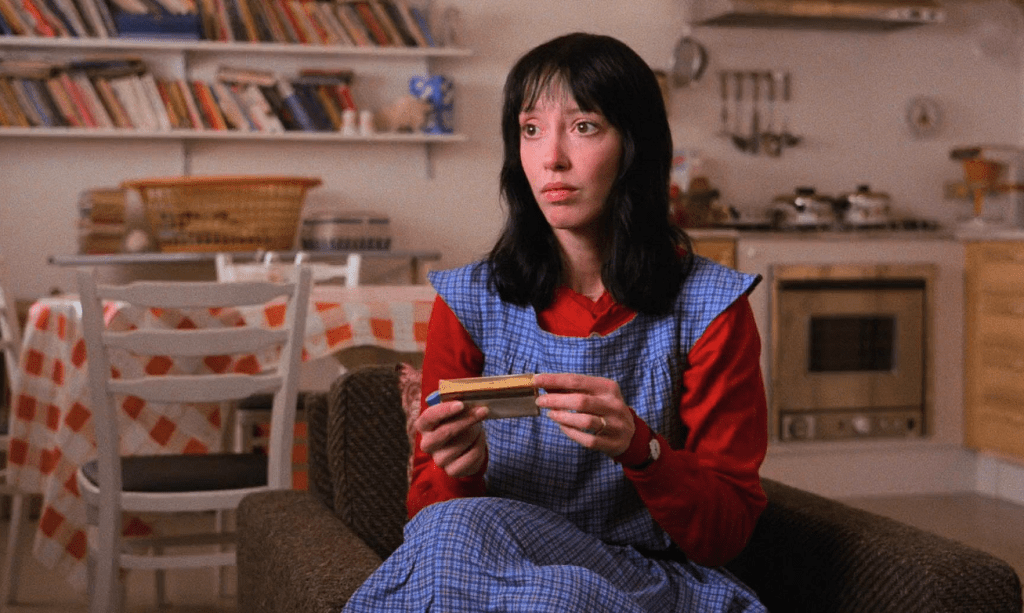
Shelley Duvall’s treatment while filming The Shining
Director Stanley Kubrick became known for pushing Shelley Duvall through dozens of takes, especially during emotional scenes. She later said the demanding production left her physically and emotionally drained.
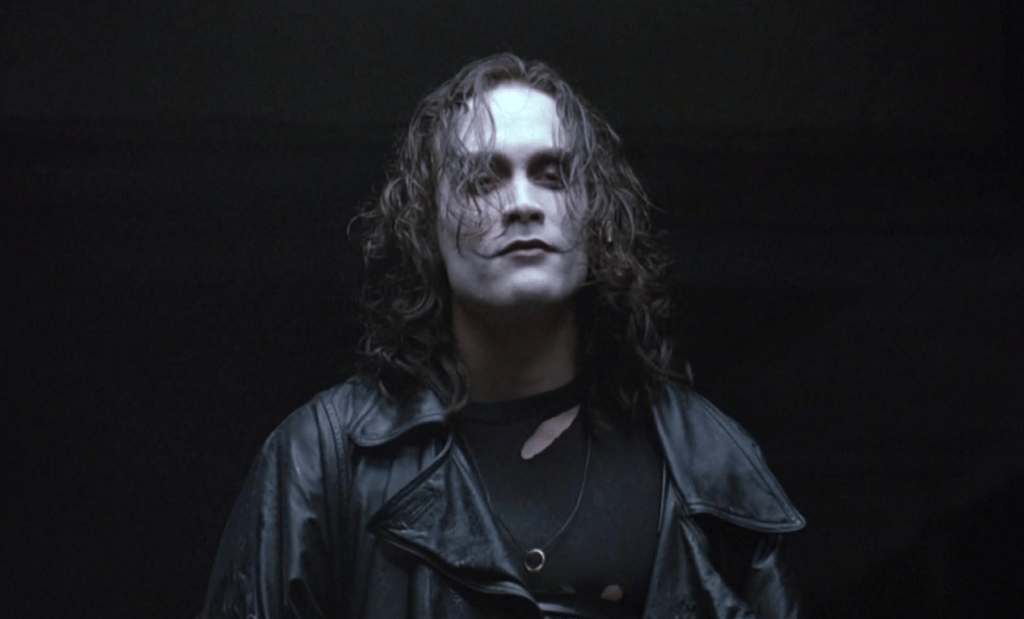
Brandon Lee’s death during The Crow
Production came to a halt after Brandon Lee was fatally wounded by a prop gun that had been improperly prepared. The film was eventually finished, but the accident remains one of Hollywood’s most tragic behind-the-scenes stories.
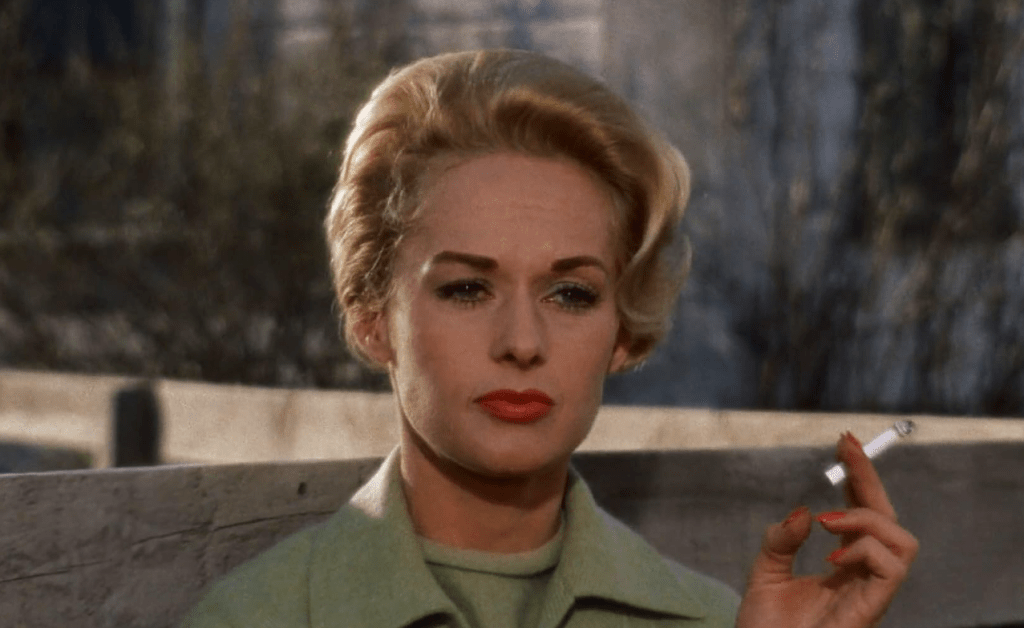
Tippi Hedren’s experience filming The Birds
Instead of relying on mechanical birds, Alfred Hitchcock insisted on using live ones for several scenes. After nearly a week of filming those sequences, Hedren was left scratched, exhausted, and emotionally shaken.
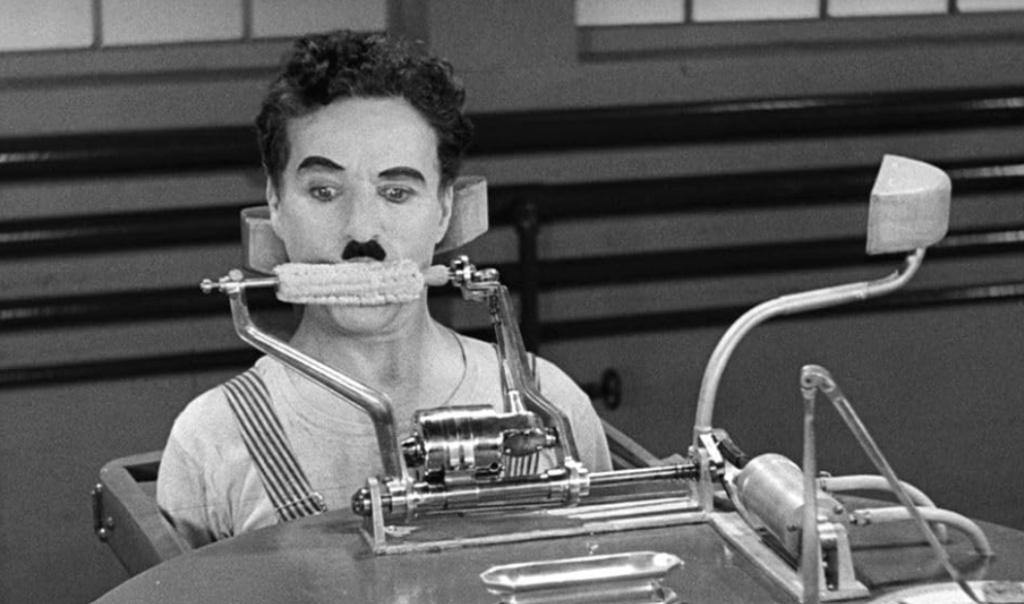
Charlie Chaplin’s fall from favor in Hollywood
During the McCarthy era, Chaplin was accused of having communist sympathies despite never being charged with a crime. The controversy grew so intense that he left the United States and spent years living abroad.
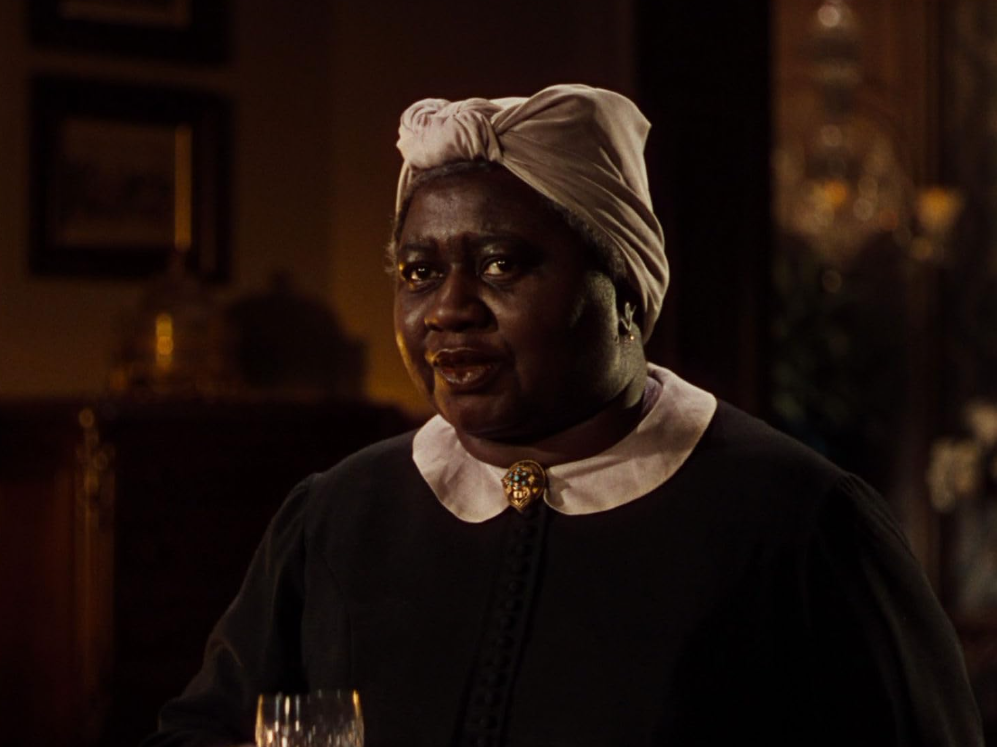
Hattie McDaniel’s historic Oscar came with segregation
When McDaniel became the first Black performer to win an Academy Award in 1940, she wasn’t allowed to sit with the rest of the Gone with the Wind cast because the ceremony took place in a segregated hotel.
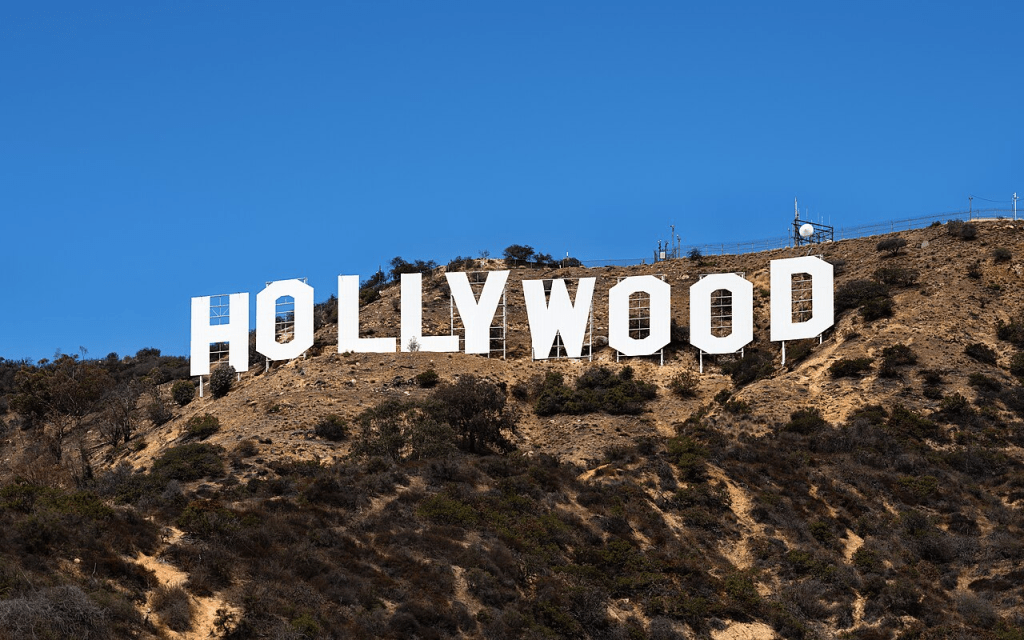
The studio contracts that controlled actors’ lives
For much of Hollywood’s Golden Age, actors couldn’t freely choose their roles or public image. Studios often decided everything from hairstyles to publicity appearances, and breaking a contract could end a career.
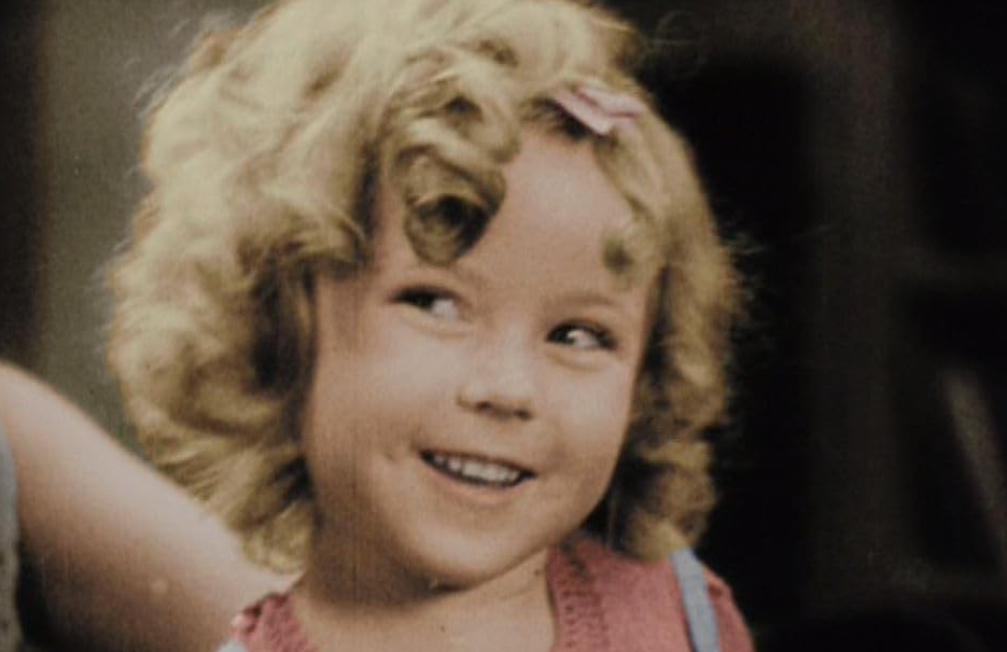
Shirley Temple’s childhood under Hollywood’s spotlight
Temple became one of the world’s biggest stars before she was ten years old. While audiences adored her movies, her childhood was largely shaped by long workdays and the demands of the studio system.
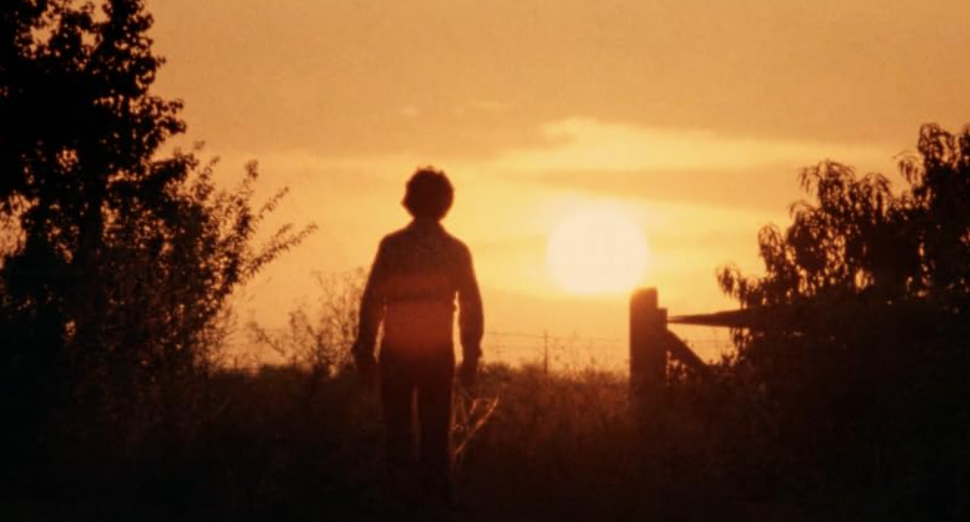
The making of The Texas Chain Saw Massacre pushed its cast to the limit
The film was made on a tiny budget, with the cast and crew working long hours inside a sweltering farmhouse during the Texas summer. Many involved later described the shoot as physically exhausting.
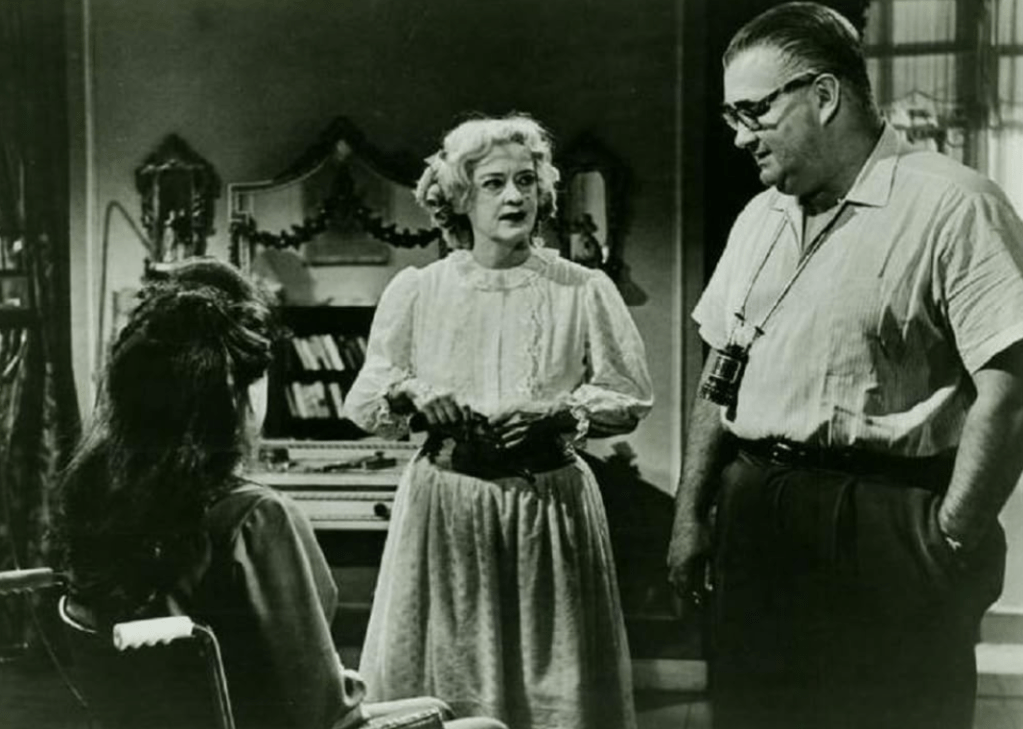
The decades-long feud between Bette Davis and Joan Crawford
Competition for major roles eventually turned into one of Hollywood’s most famous rivalries. Their tense relationship fueled headlines for years and even followed them when they finally worked together.
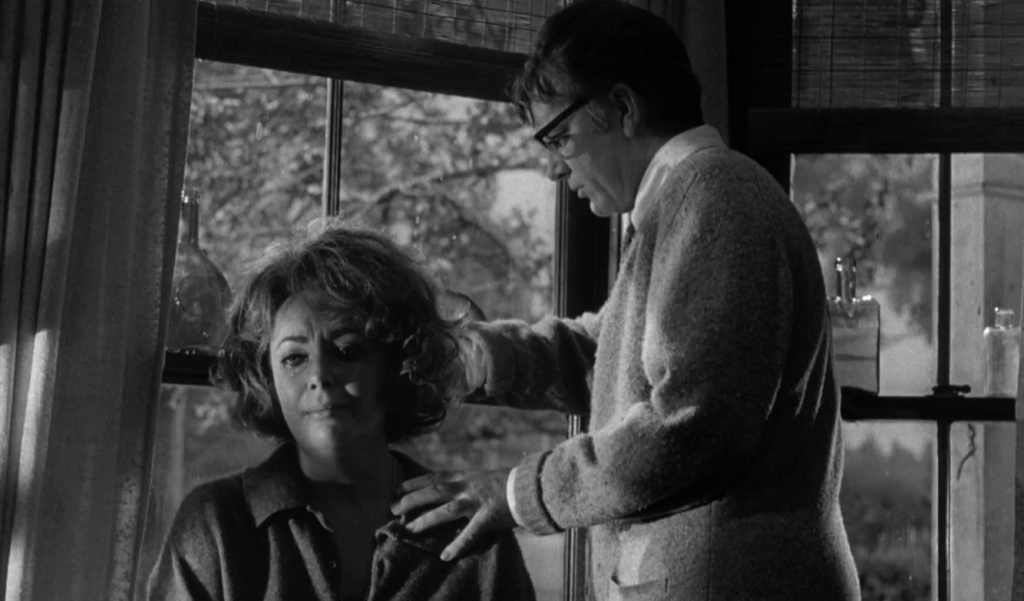
Who’s Afraid of Virginia Woolf? challenged Hollywood’s censorship rules
Its strong language and adult themes were considered so controversial at the time that the film became part of the debate over whether Hollywood’s strict Production Code still made sense.
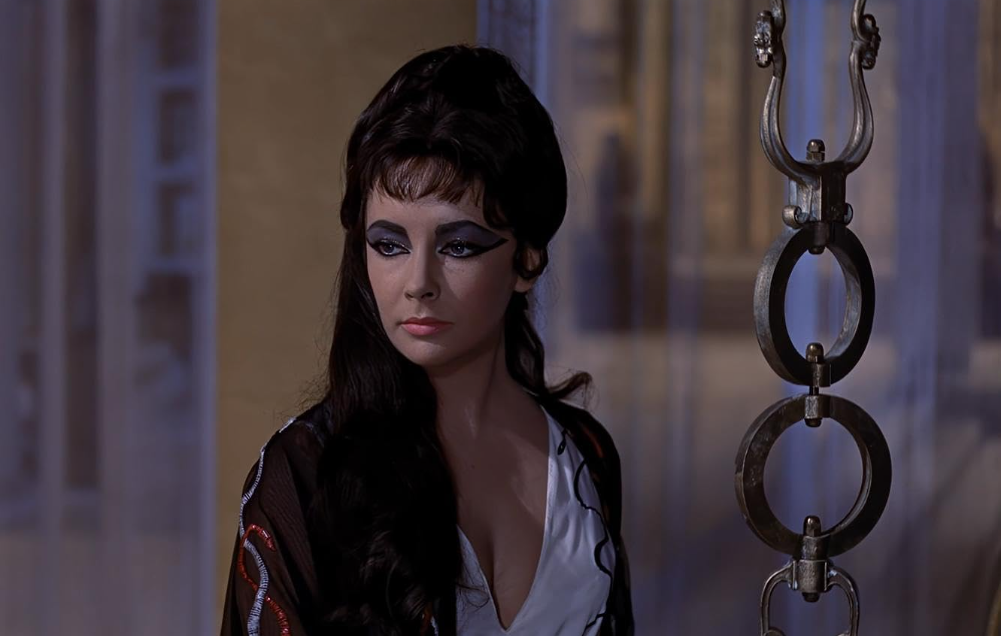
Cleopatra nearly became a financial disaster
Runaway costs, constant delays, and production setbacks pushed the budget far beyond expectations. The movie eventually became a hit, but not before nearly bankrupting 20th Century Fox.
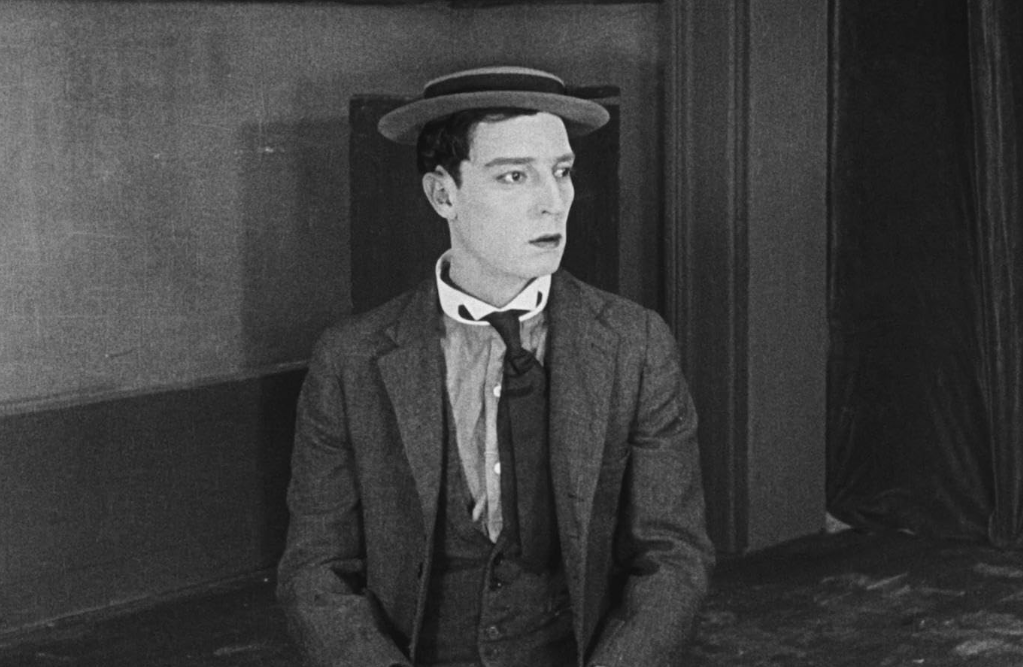
Buster Keaton kept working with a broken neck
While filming Sherlock Jr., Keaton injured his neck during a stunt but didn’t realize how serious it was until an X-ray years later revealed the fracture.
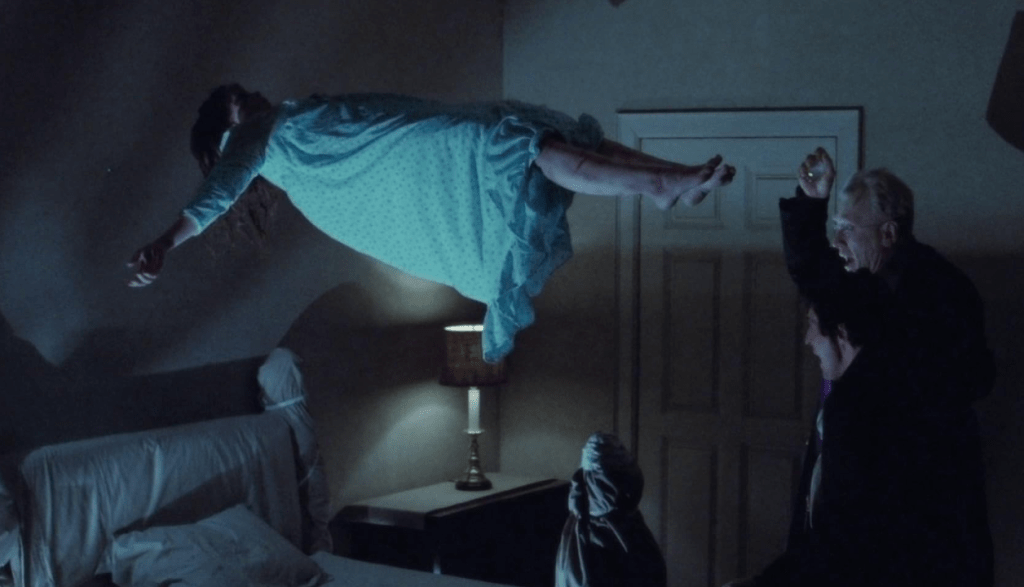
The Exorcist’s production was filled with setbacks
Production was hit by a series of real-life setbacks, including a fire that destroyed much of the set, filming delays, and several injuries involving members of the cast and crew. Those events later fueled the movie’s “cursed” reputation.