Unsettling Historical Facts, Even for the Nerds

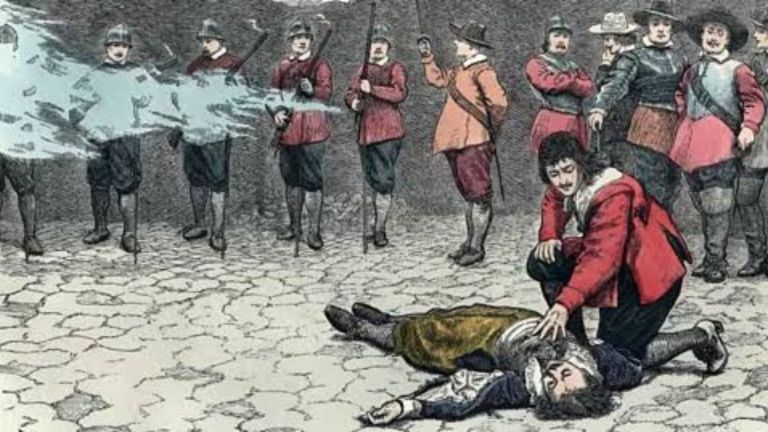
History has a strange way of becoming more disturbing the deeper you dig. Some of the most unsettling facts are not obscure legends or exaggerated stories, but things that were once completely ordinary to the people living through them. We’re extraordinarily resilient beings, until Gen Z anyway. Sorry.
Many old everyday customs, medical practices, punishments, disasters, or beliefs are remarkably difficult to imagine today. Even people who spend their free time reading about ancient civilizations and forgotten centuries can’t know how it really felt to feel living in those times. These are the kinds of historical facts that tend to stick with you, especially when you realize how recently some of them were considered normal, acceptable, or simply part of everyday life.
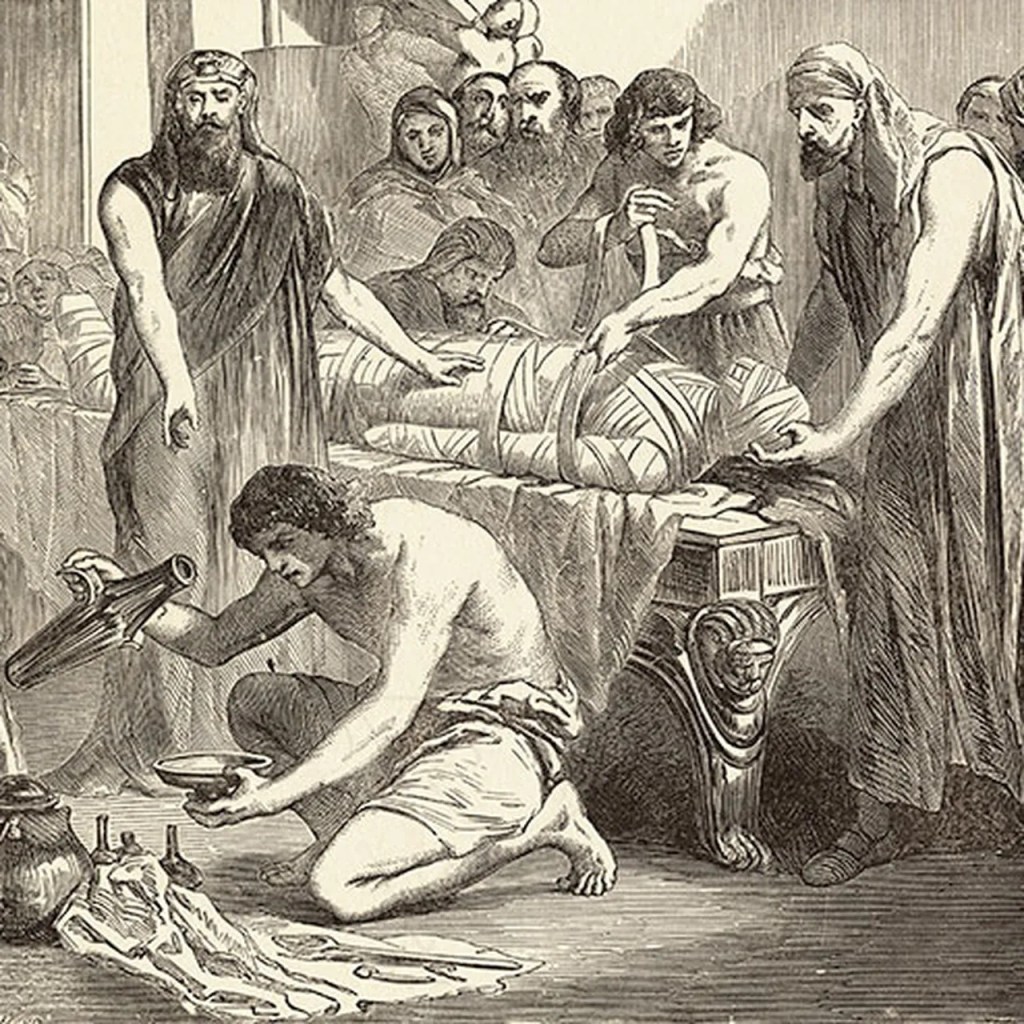
People Used to Eat Mummies as Medicine
In medieval and early modern Europe, powdered Egyptian mummies were sold as a medicinal substance and consumed as a treatment for various ailments.
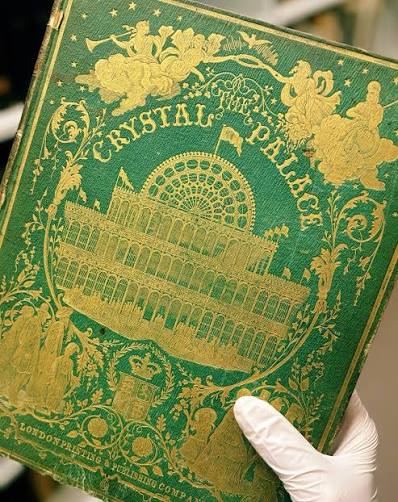
Green Wallpaper Could Contain Arsenic
Victorian-era wallpaper could be colored with arsenic-based pigments, and prolonged exposure was associated with serious illness and death.

Radium Girls Were Told the Paint Was Safe
Women who painted luminous watch dials with radium-based paint were exposed to radiation, with many later suffering devastating health effects.
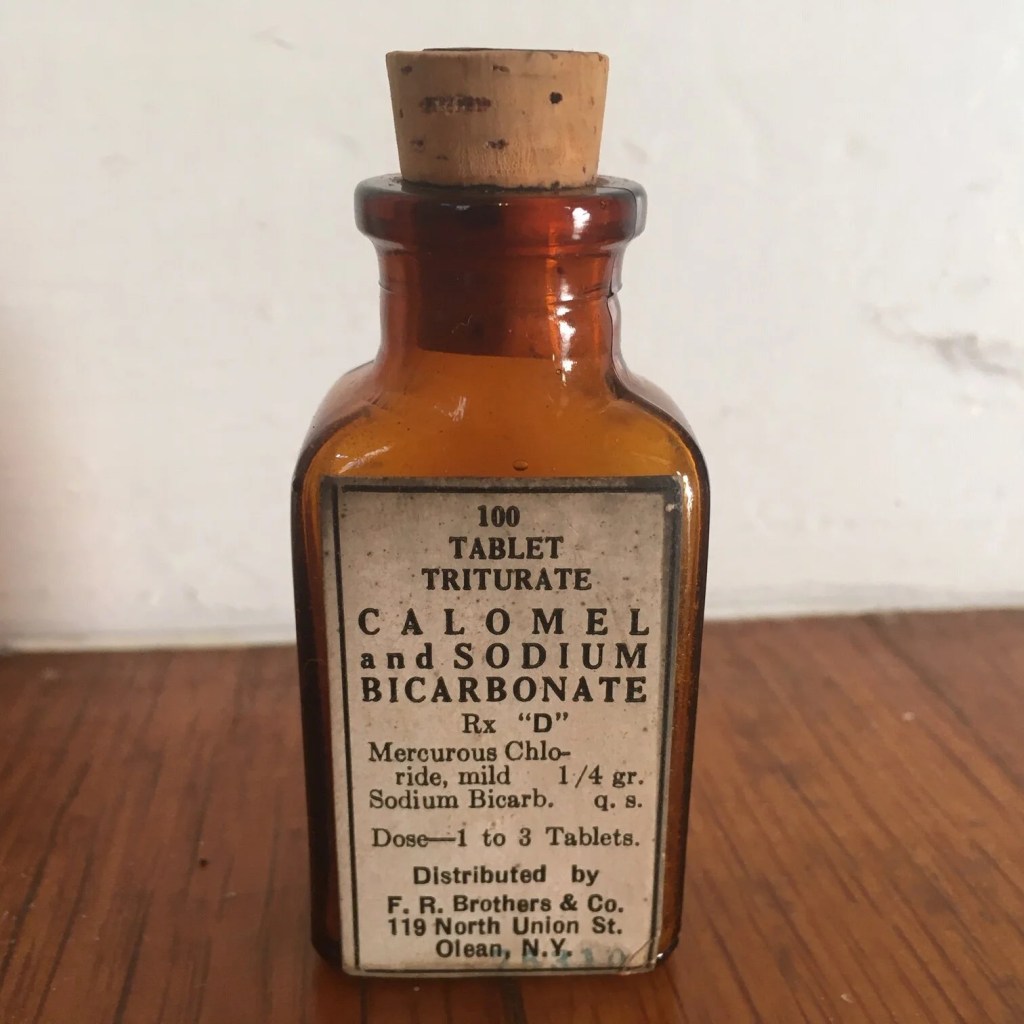
Doctors Once Used Mercury as Medicine
Mercury was prescribed for centuries for conditions including syphilis, despite its toxicity and the serious damage it could cause.
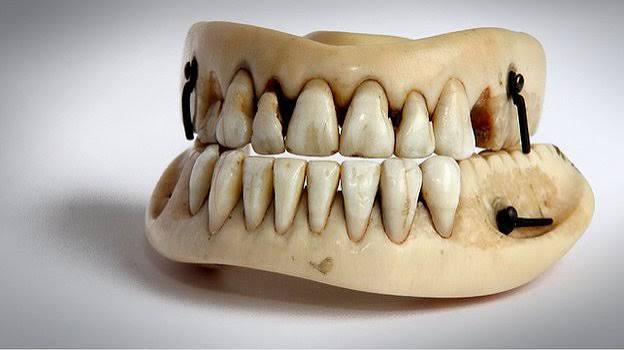
Teeth Were Made Into Dentures From the Dead
Human teeth were widely used in dentures during the 18th and 19th centuries, including teeth taken from battlefields.
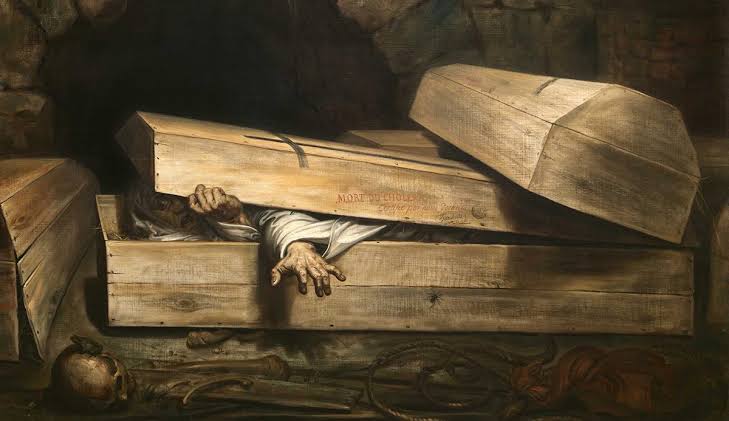
People Could Be Buried Alive by Mistake
Fear of premature burial was serious enough that inventors developed “safety coffins” equipped with mechanisms intended to signal from inside the grave.
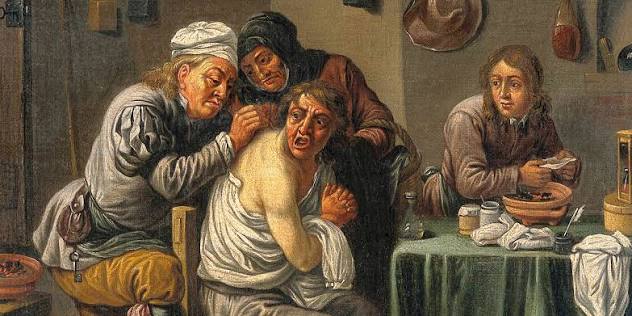
Doctors Once Performed Surgery Without Anesthesia
Before modern anesthesia became available, patients undergoing major operations often had to endure the procedure while fully conscious.
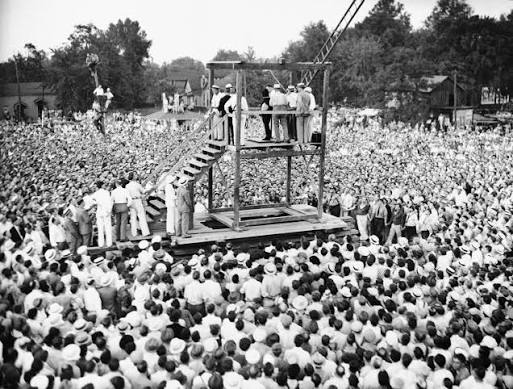
Public Executions Were Once Major Spectacles
In parts of Europe, executions were deliberately staged in public and could attract enormous crowds before governments increasingly moved executions behind closed doors.
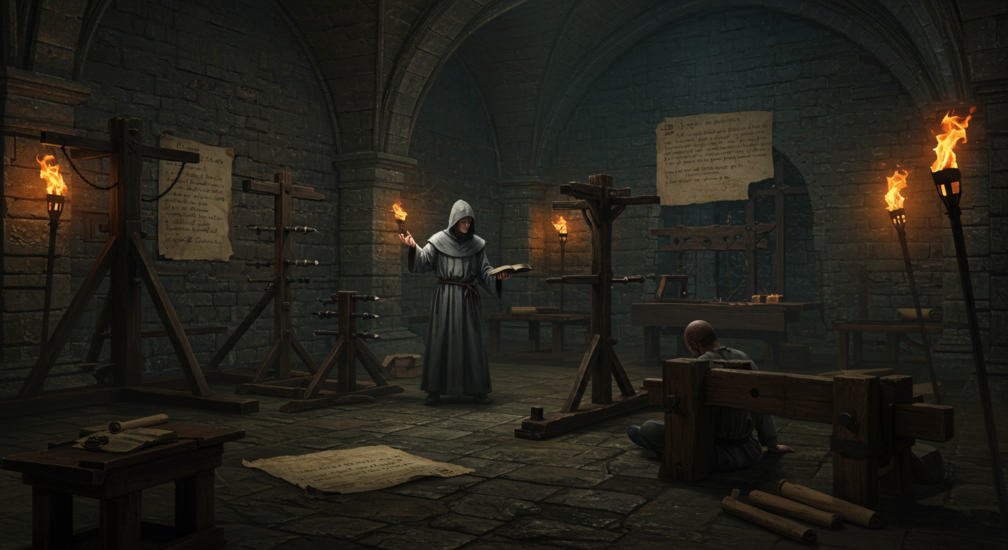
Medieval Punishment Wasn’t Always What Movies Show
Although extreme executions existed, historians note that many medieval crimes were actually punished through fines, compensation, imprisonment or other non-lethal penalties.