Things You Didn’t Know Could Be Hacked

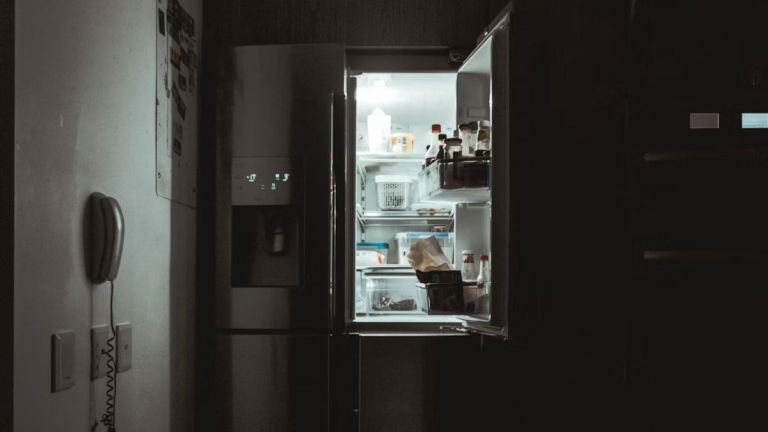
We are used to worrying about our computers and phones getting viruses or being vulnerable to hackers, so we don’t really think about what else could be a target of such things. Well, in reality, anything that can be qualified as a ‘smart device’ is likely to be as vulnerable as your laptop.
To get the point across, we’ve gathered the items that we, under normal circumstances, wouldn’t really worry about being hacked. But in the era we live in, we can’t be too cautious. These are the things you didn’t know could be hacked.
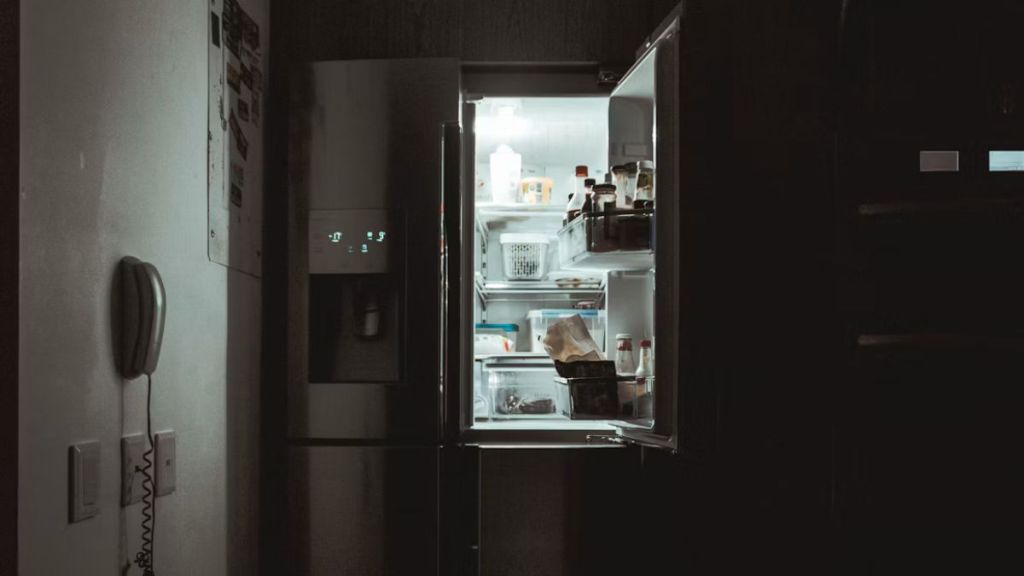
Refrigerators
These appliances do a lot more than keep your food cold. They track your inventory and notify you when supplies are running low. Unfortunately, that same computing function makes your grocery list vulnerable to unwanted digital guests.
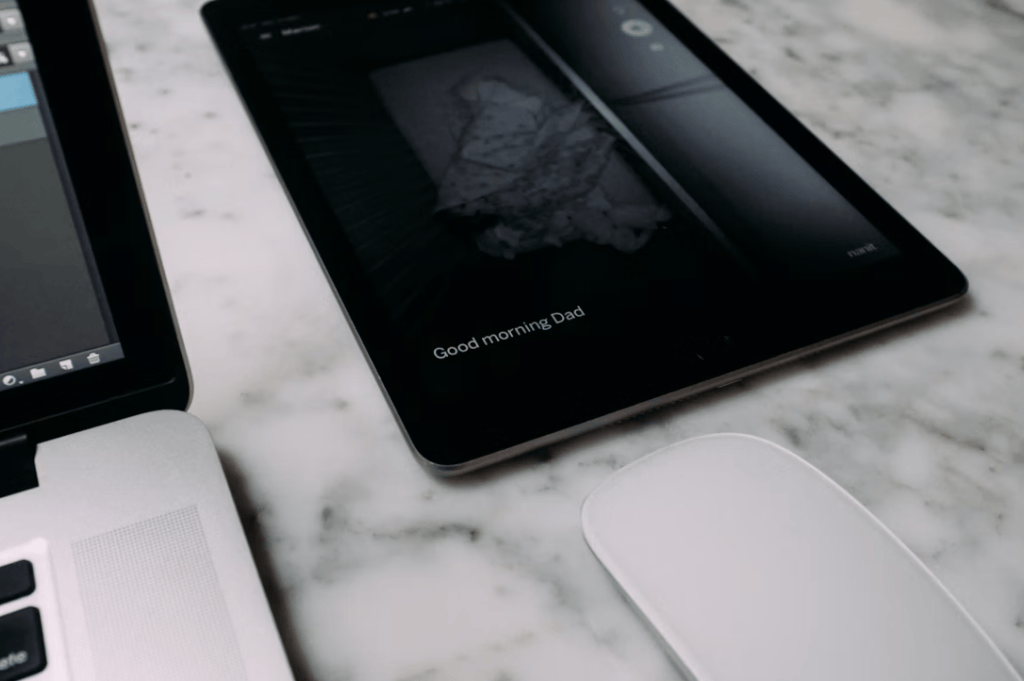
Baby Monitors
Bought by parents to keep an eye on their kids, hackers use leaked passwords to do just about the same. Bad actors have even managed to speak directly to children through compromised monitors.
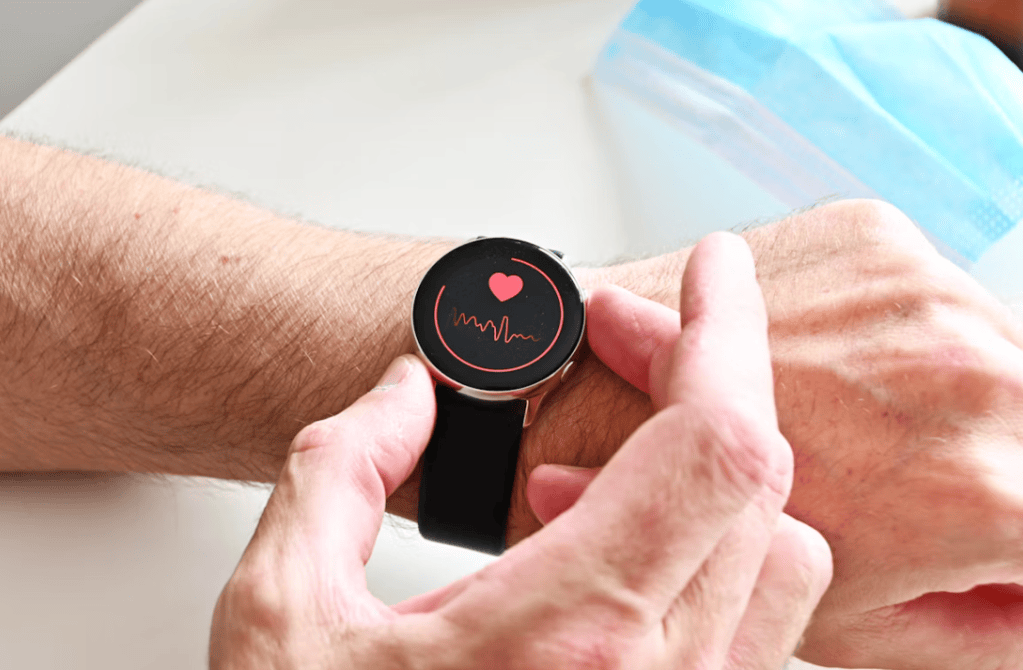
Cardiac Pacemakers
Having a medical device connected to the internet sounds helpful until you realize cybercriminals can access it. Hackers could remotely alter settings or even deplete the battery power on these lifesaving implants.
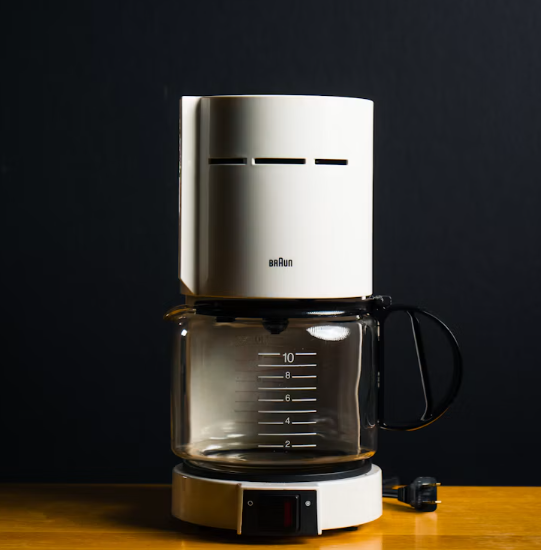
Coffee Makers
Researchers proved that malicious firmware could take over your morning routine. A hacked machine could be triggered to turn on the burner, dispense water, spin the bean grinder, beep loudly, and eventually display a digital ransom note.

Swimming Pool Systems
These systems were designed to vacuum up debris and sediment from the water with minimal human intervention. Because they are often hooked up to home networks, uninvited tech experts can take control of your backyard oasis.
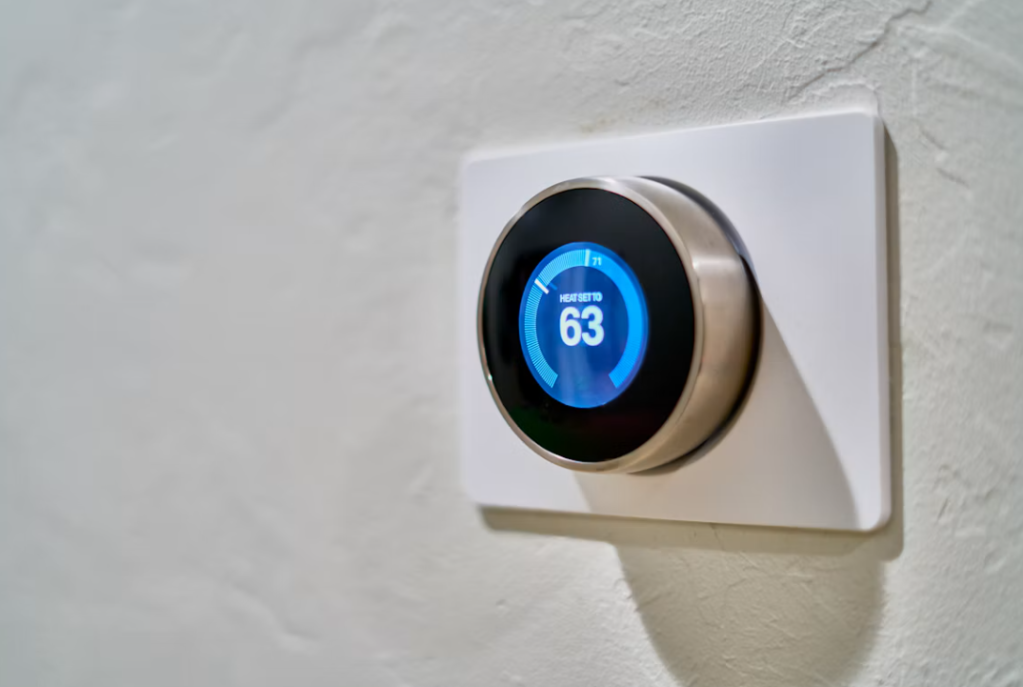
Smart Thermostats
Cyber attackers can exploit software vulnerabilities to launch ransomware, cutting off your heating or cooling until you pay up. They can also steal your passwords or eavesdrop on your family through the device’s embedded microphones.
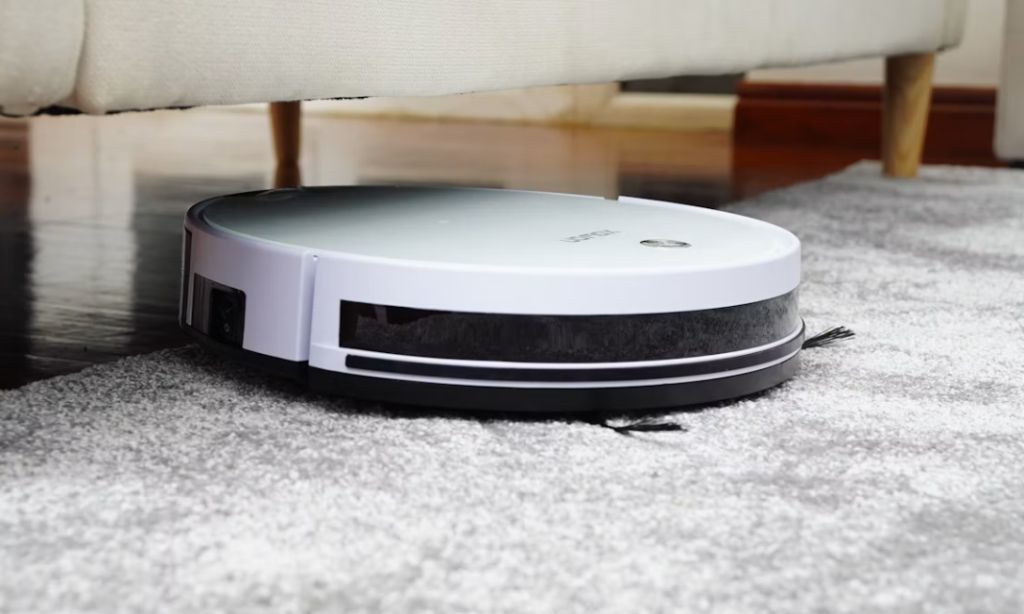
Autonomous Vacuum Cleaners
A major backend authentication flaw allowed outsiders to remotely drive thousands of these cleaning devices around. Intruders were able to access live camera feeds, listen through the microphone audio, and obtain exact floor plans of houses.
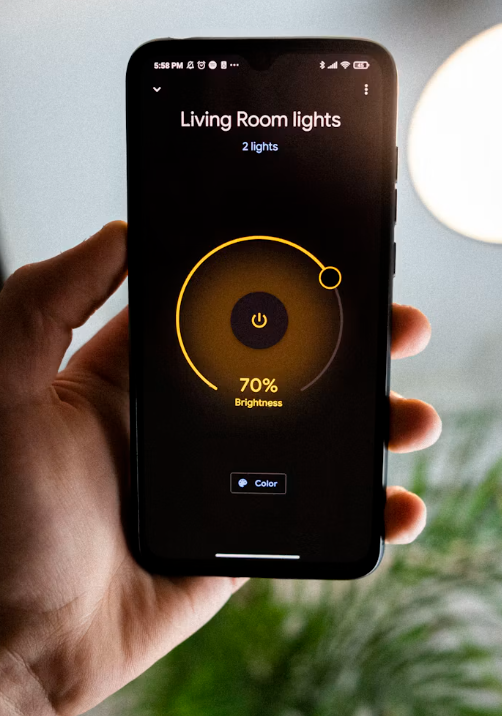
Smart Light Bulbs
Your fancy lighting setup might be giving away your passwords. Intruders use firmware vulnerabilities in these bulbs to steal home network credentials, which lets them pivot to much more sensitive devices that have cameras and microphones.
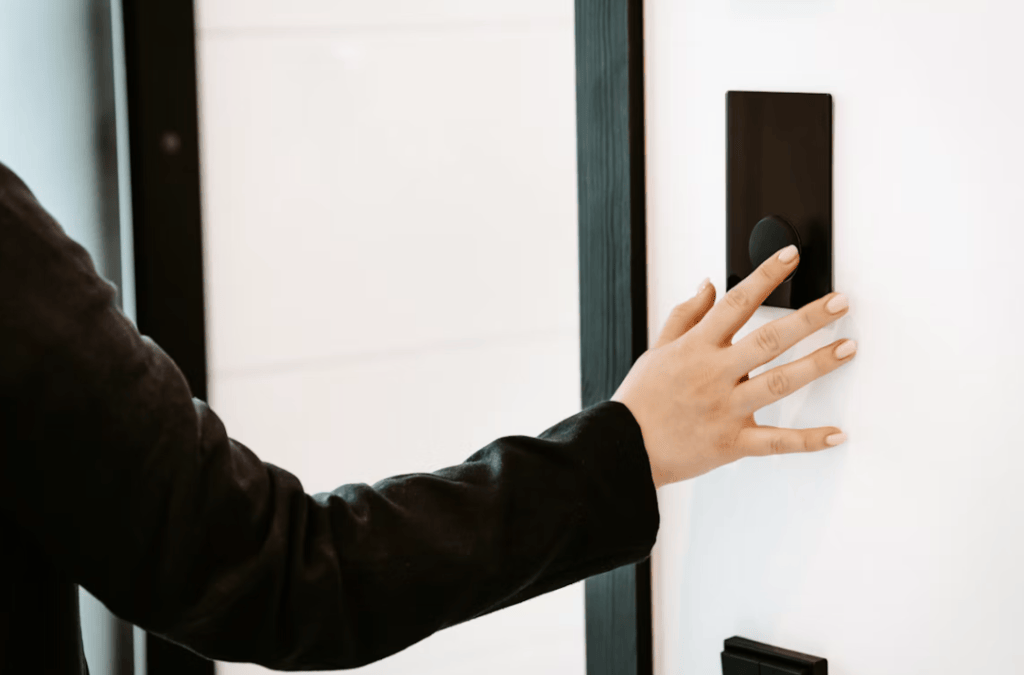
Keyless Electronic Door Locks
Convenience comes at a cost when attackers exploit outdated firmware or weak passwords to remotely unlock your front door. They can even record the signals from your physical key fobs using replay attacks to enter later.
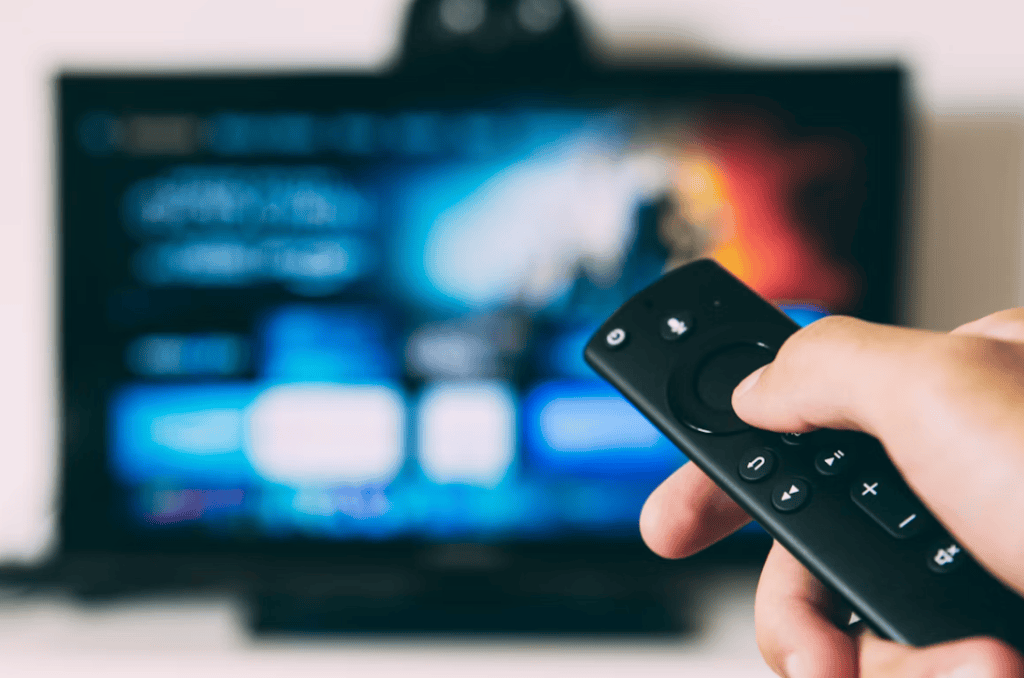
Smart Televisions
These devices are basically a total convergence of computers and traditional media players. Since they browse the internet and stream videos, they act just like a giant laptop on your wall, making them an easy target.
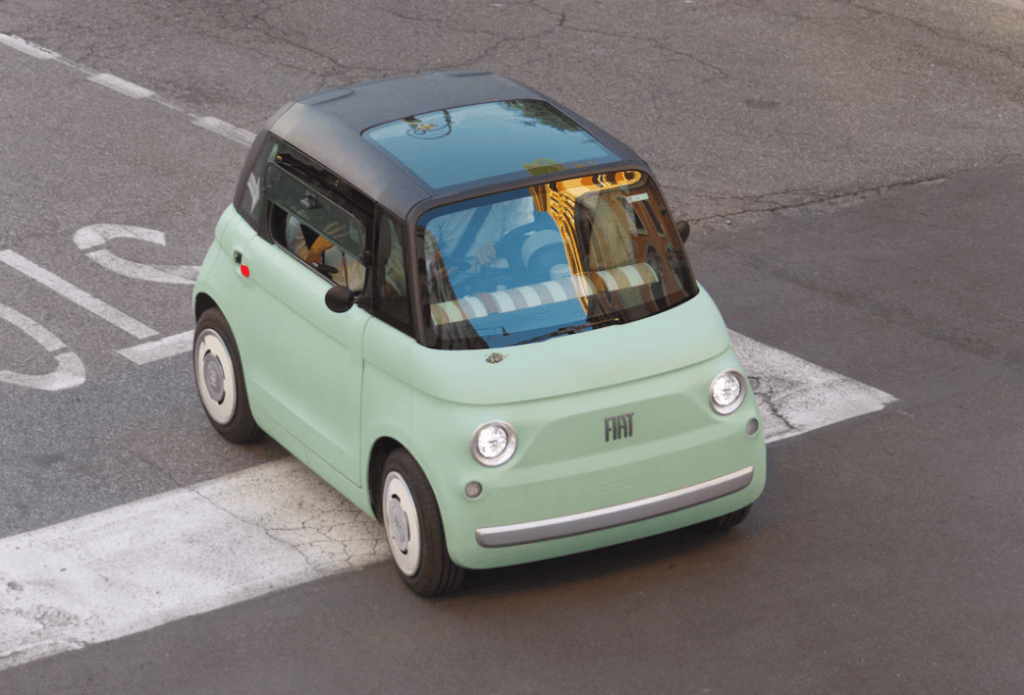
Internet Connected Vehicles
Modern cars communicate bidirectionally with outside systems to update software and manage navigation. While this helps with ride hailing and self driving features, it also means someone miles away could gain access to your vehicle.
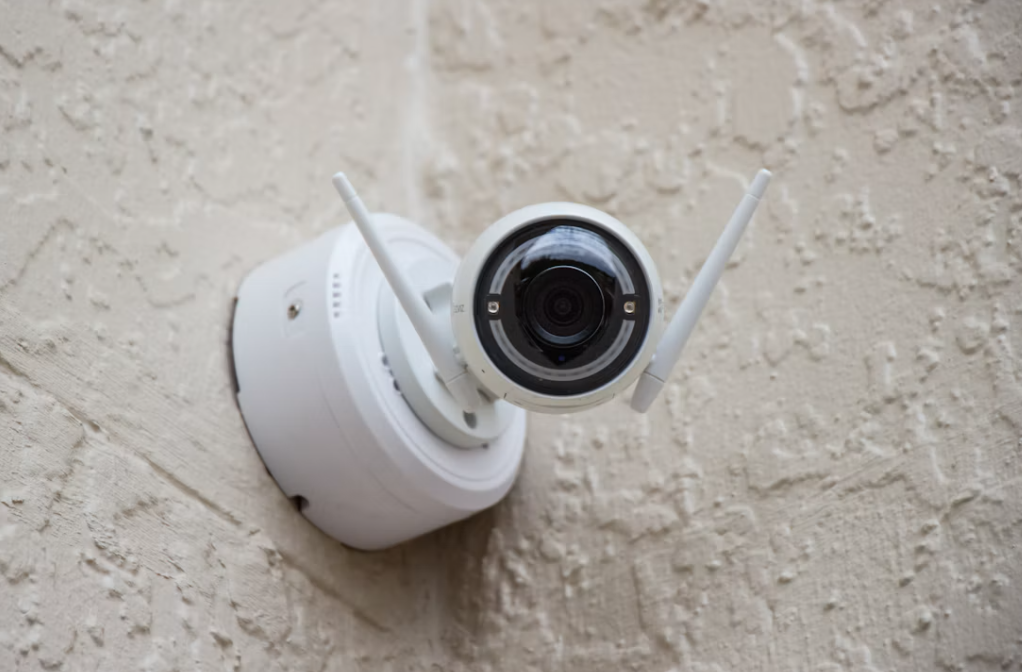
Home Security Cameras
The exact devices meant to keep you safe can easily be turned against you. In December 2019, Amazon had to issue security patches to fix serious vulnerabilities discovered in their widely used security camera systems.
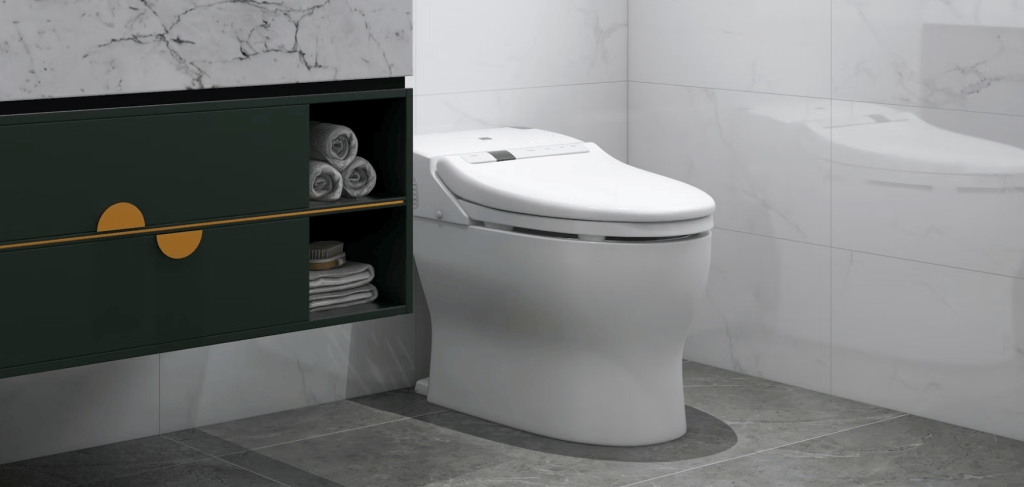
Toilets
It sounds ridiculous, but even your bathroom fixtures are joining the digital age with advanced computing features. Connecting a toilet to your home network just gives unauthorized users another bizarre appliance to control from a distance.
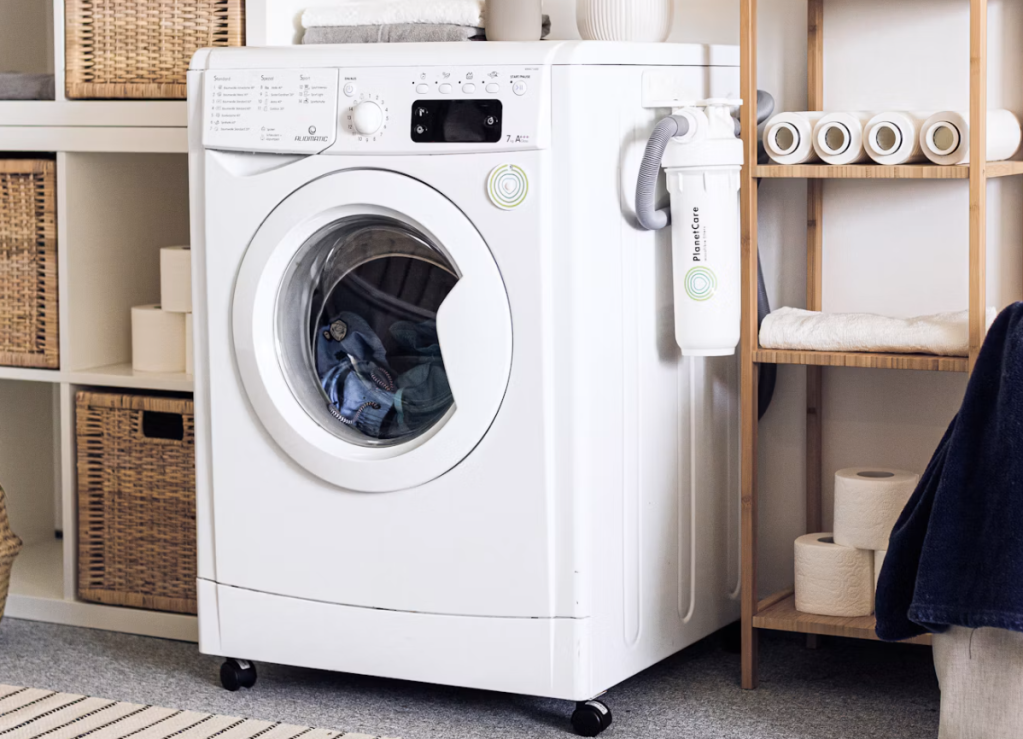
Washing Machines
The first electric clothes washer was produced in 1907, and the technology has grown tremendously since then. Now that modern units connect to home networks, outsiders can easily hijack their controls and disrupt your laundry schedule.
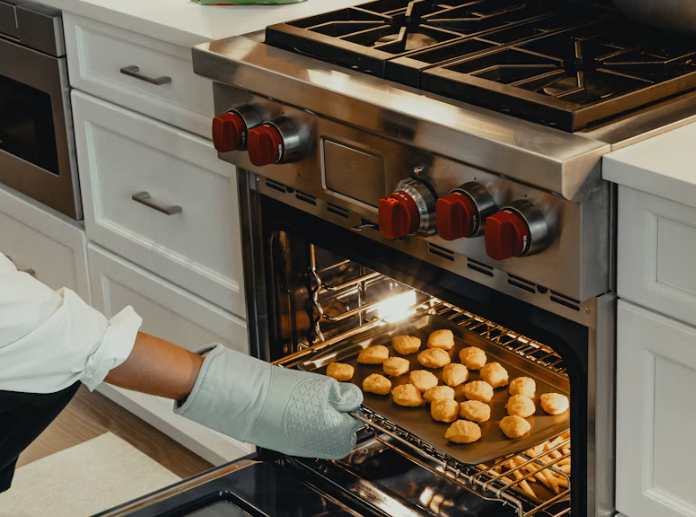
Kitchen Ovens
Cooking dinner has become a highly technical process as baking appliances connect to home networks. This allows for remote preheating, but it also creates a dangerous opportunity for outside users to take control of your cooking temperatures.