The World’s Most Famous Directors, and Their Signature Styles

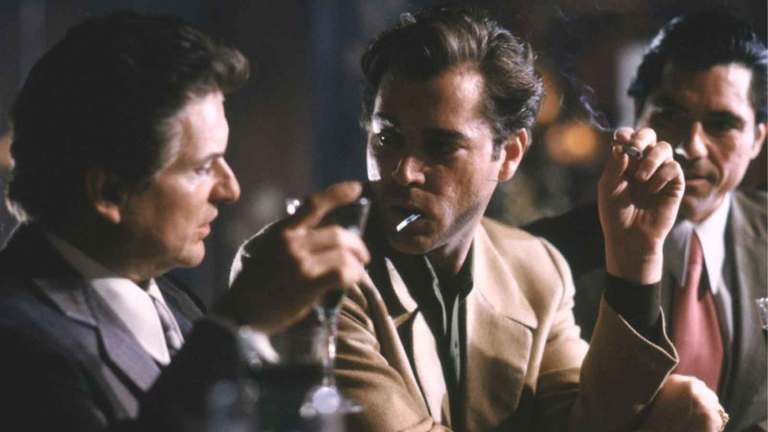
Nearly all film directors have a signature style, something that lets you tell it was made by them. It isn’t always done on purpose, since at times that vision just pours to the lens. The directors we’re covering today, though, definitely do it on purpose; it’s part of their brand at this point.
From Quentin Tarantino’s unusual camera angles to Wes Anderson’s obsession with perfect symmetry, these trademarks are what make their movies feel special. We’re going to look at the calling cards of some of cinema’s most iconic directors, including the ones they even apologized for.
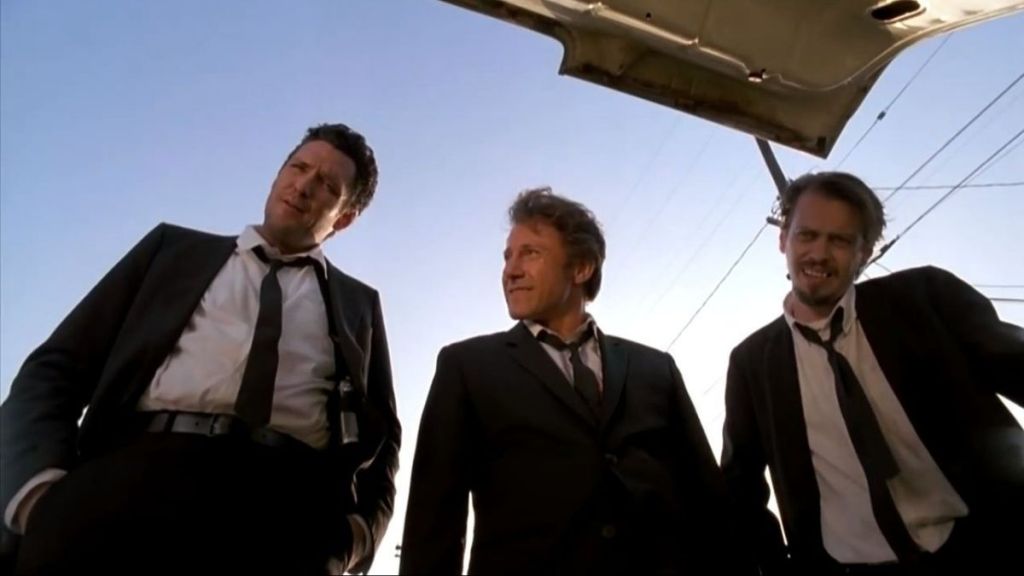
Quentin Tarantino’s Signature Trunk Shot
You know it when you see it: the low-angle shot from inside a car’s trunk. Tarantino used it in films from Reservoir Dogs to Pulp Fiction. He even put a twist on it in Death Proof, filming from under the hood instead.
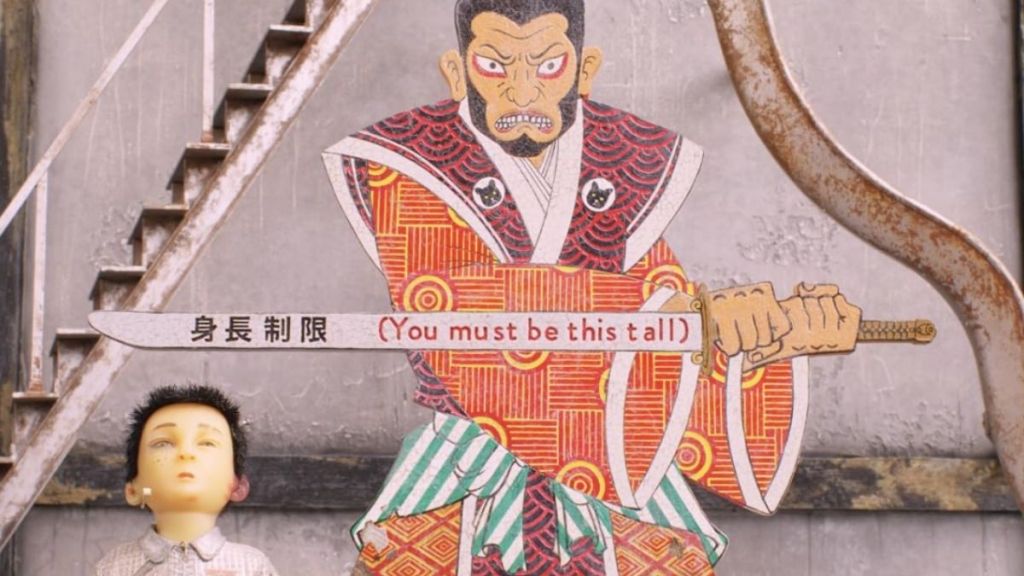
Wes Anderson’s Obsession with Symmetry
Anderson’s perfectly centered shots are no accident. His cinematographer, Robert Yeoman, literally measures to ensure the camera is in the exact middle of the set, creating a unique visual balance that makes his scenes look like detailed dioramas.
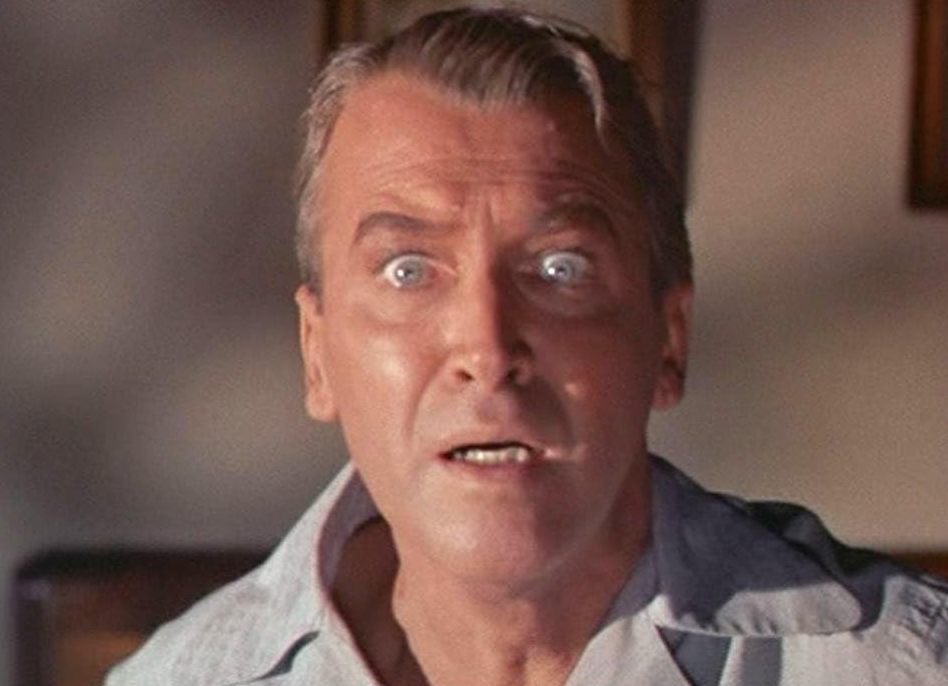
Alfred Hitchcock’s Unsettling Dolly Zoom
The ‘Master of Suspense’ loved to explore themes of voyeurism and paranoia. This disorienting camera trick, which zooms in while the dolly moves back, became a perfect visual tool to put the audience right inside a character’s feeling of dread.
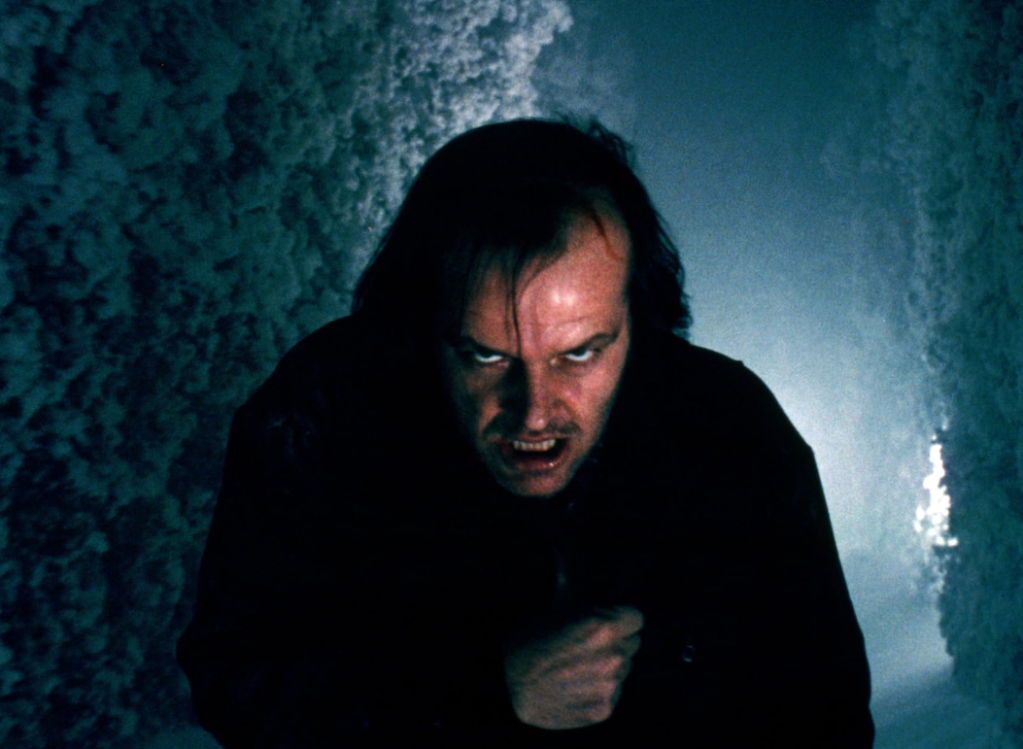
Stanley Kubrick’s One-Point Perspective
Kubrick created an immersive but deeply unsettling feeling by having all the lines in a shot lead to a single vanishing point. He used it in films like The Shining and 2001: A Space Odyssey to heighten psychological tension.
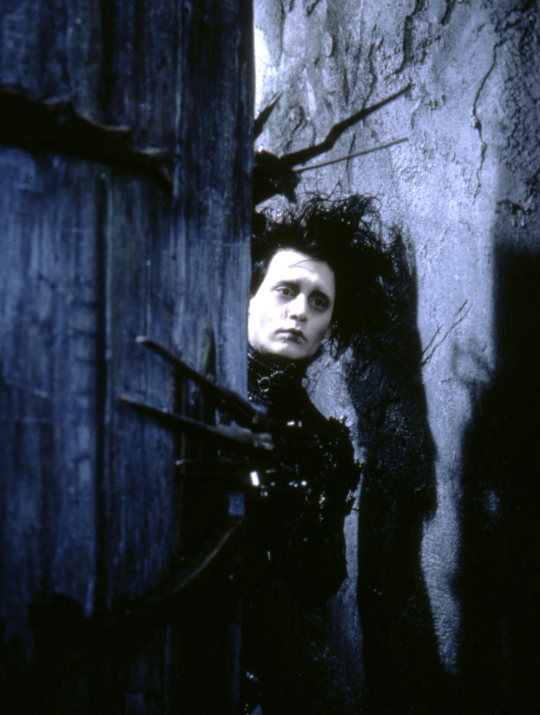
Tim Burton’s Dark, Gothic Aesthetic
So unique it’s been dubbed ‘Burtonesque,’ his style blends horror with humor. Characters often have huge eyes and pale skin, moving through dark, gothic worlds that are sometimes interrupted by a stark pop of color, flipping our expectations.
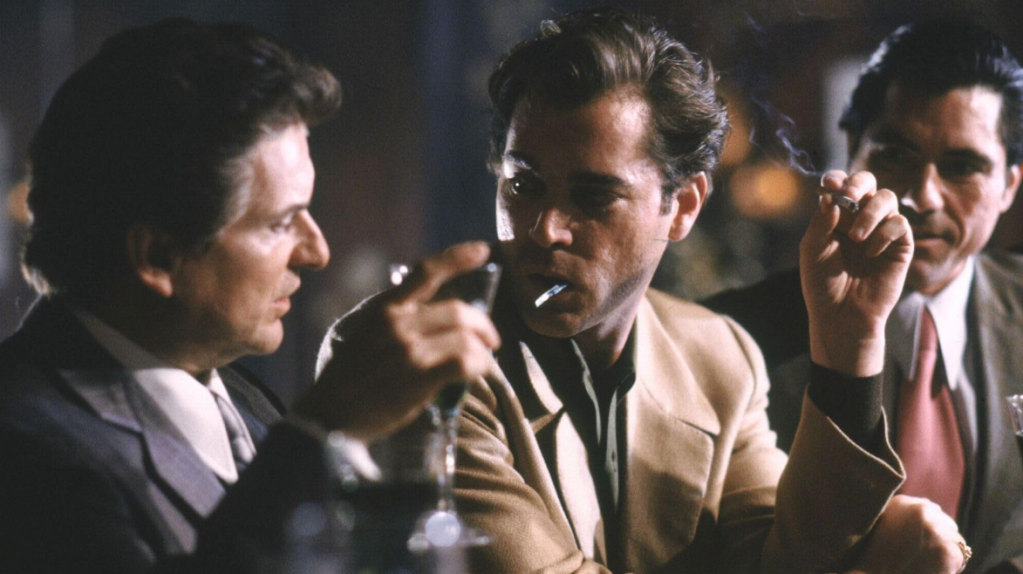
Martin Scorsese’s Gritty, Sweeping Long Takes
Scorsese loves to tell stories about Italian American life, faith, and violence. His famous long, unbroken takes immerse us directly in that world, following characters through restaurants and clubs without ever cutting away, making the scene feel intensely real.
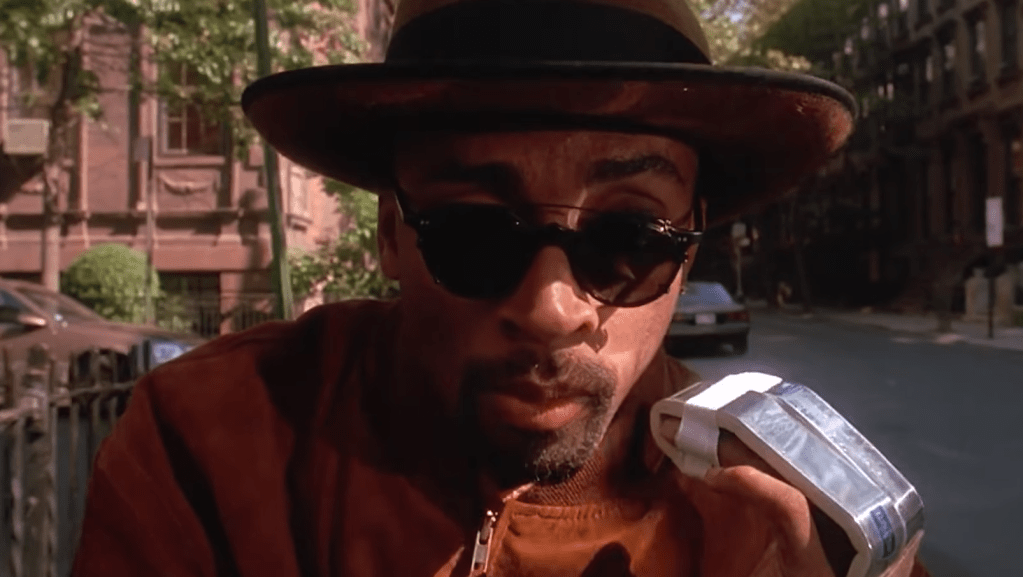
Spike Lee’s Floating Double-Dolly Shot
Lee created this signature shot by putting both the actor and the camera on separate dollies moving at the same speed. First used in Mo’ Better Blues (1990), Lee admitted he was initially just doing it to “show off.”
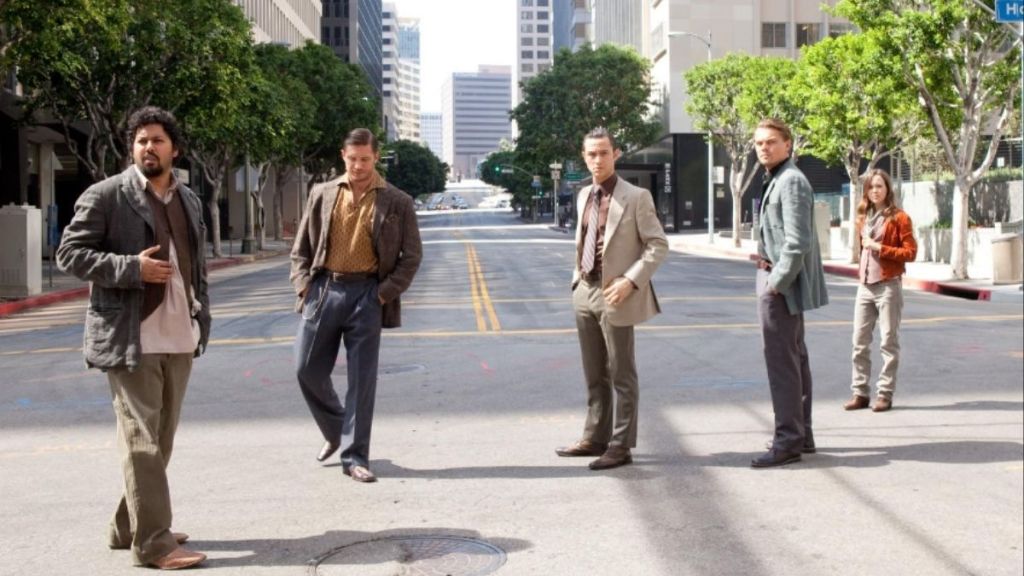
Christopher Nolan’s Mind-Bending Plot Structures
From Inception to The Dark Knight, Nolan is known for his complex narratives that challenge our sense of time and reality. His intricate stories and unconventional structures are a key part of what makes his films so unforgettable.
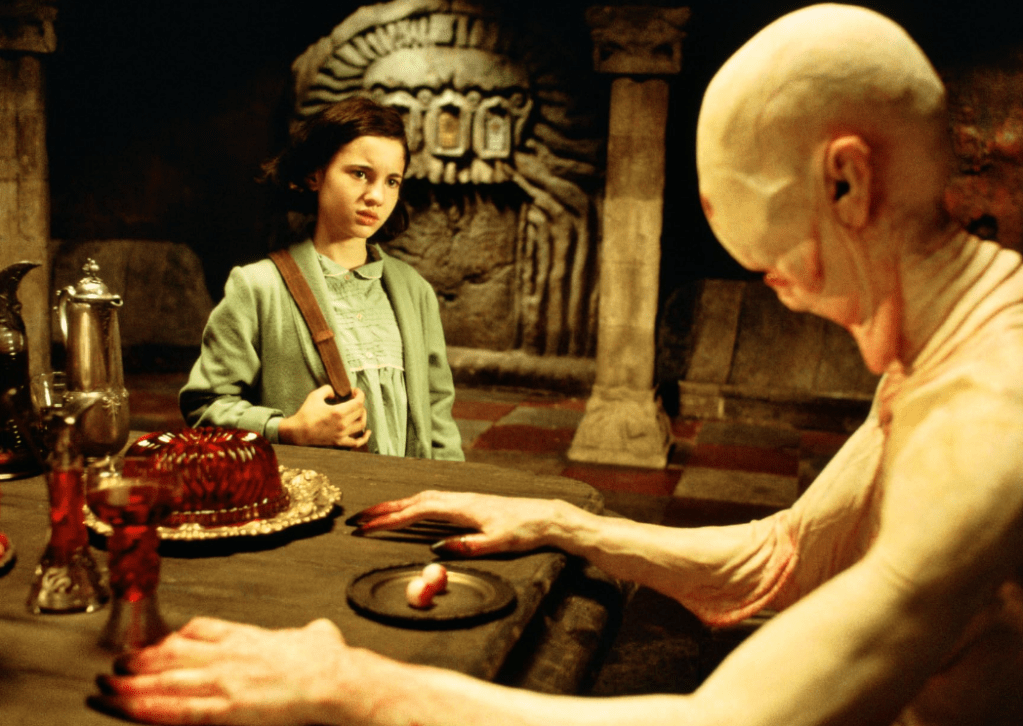
Guillermo del Toro’s Love for Monsters
“I love monsters, I identify with monsters,” the director once said. He sees them as the “ultimate outcasts” and symbols of our own flaws. His love for them even inspired him to start his career in makeup and special effects.
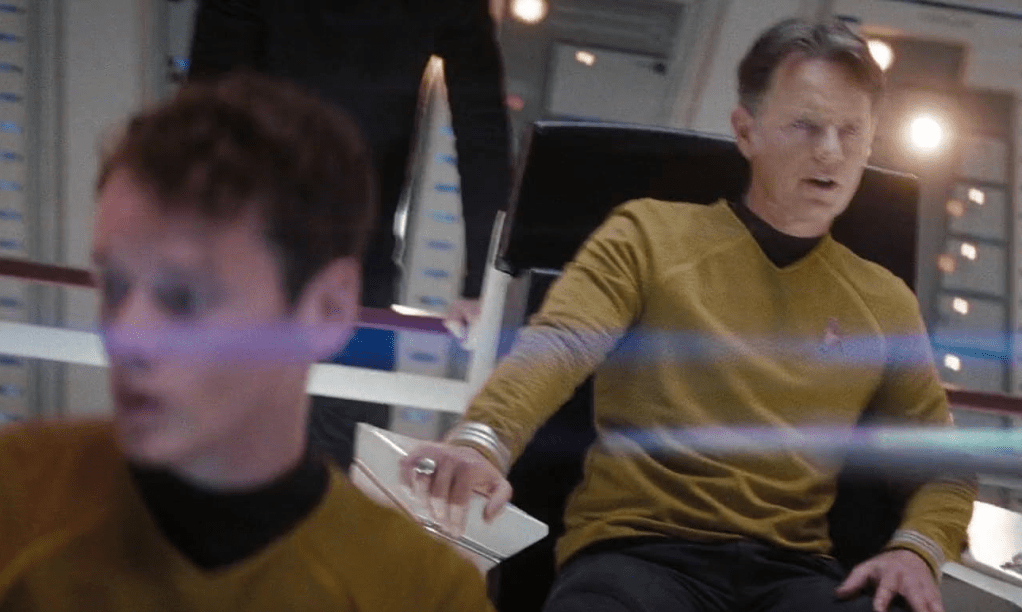
J.J. Abrams and His Infamous Lens Flares
Abrams’ love for lens flares became a running joke, especially in his Star Trek films. He later apologized for going “nuts” with it, admitting his own wife’s reaction to an early cut of a film made him realize he’d overdone it.
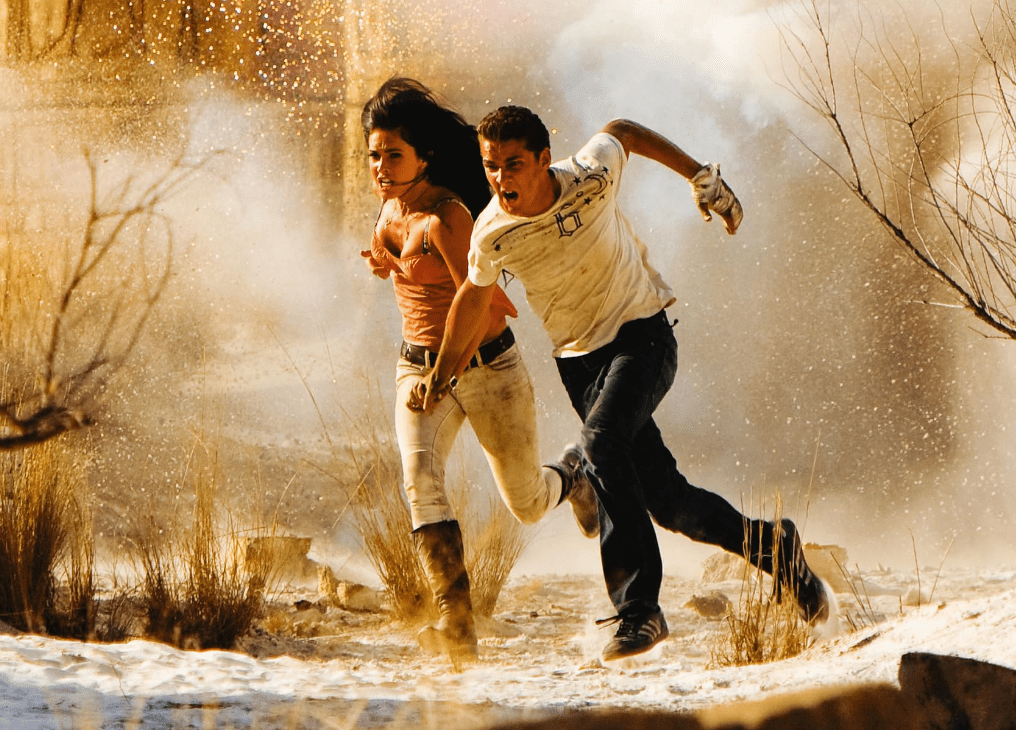
Michael Bay’s Explosive ‘Bayhem’
It’s a style so distinct it has its own name. Known for high-budget action films like Armageddon and Transformers, Bay delivers fast cuts, slick visuals, and, of course, his signature: lots and lots of massive explosions.
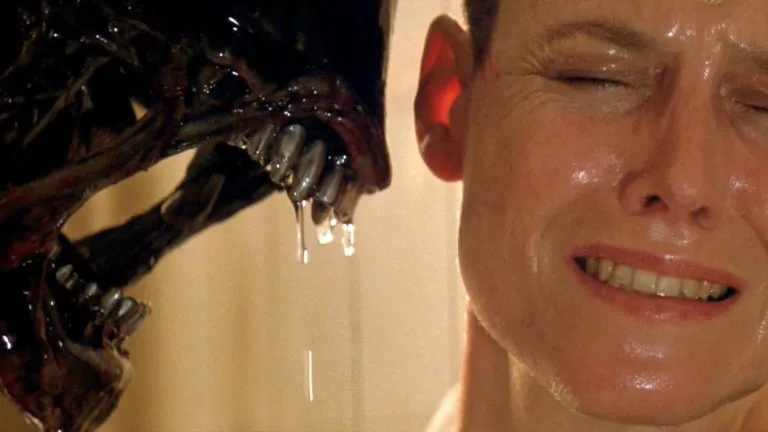
David Fincher’s Cool, Desaturated Color Palette
From his 1992 debut Alien 3, Fincher established a dark, atmospheric style. His films are famous for their cool, desaturated look, often leaning heavily on dark green and blue tones to create a moody, unsettling world.
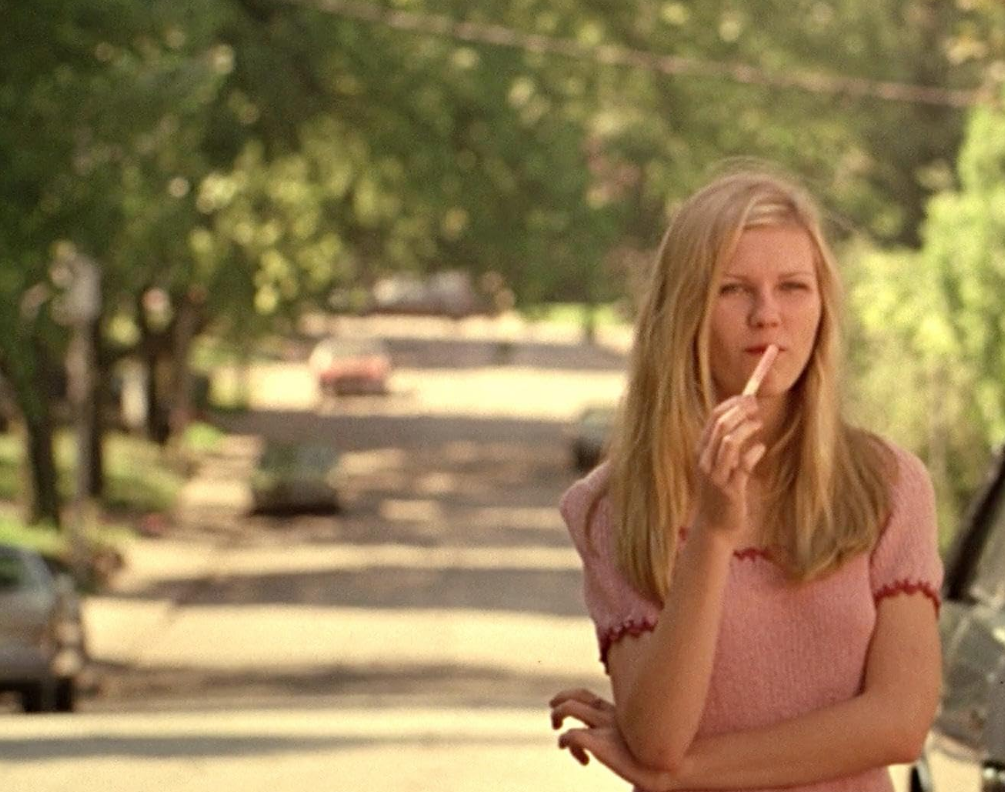
Sofia Coppola’s Dreamy, Melancholy Aesthetic
Coppola’s films have been called “love letters to loneliness and girlhood.” Starting early in her career, she established a dreamy, hazy style that uses intimate close-ups to capture a distinct sense of post-feminist melancholia.
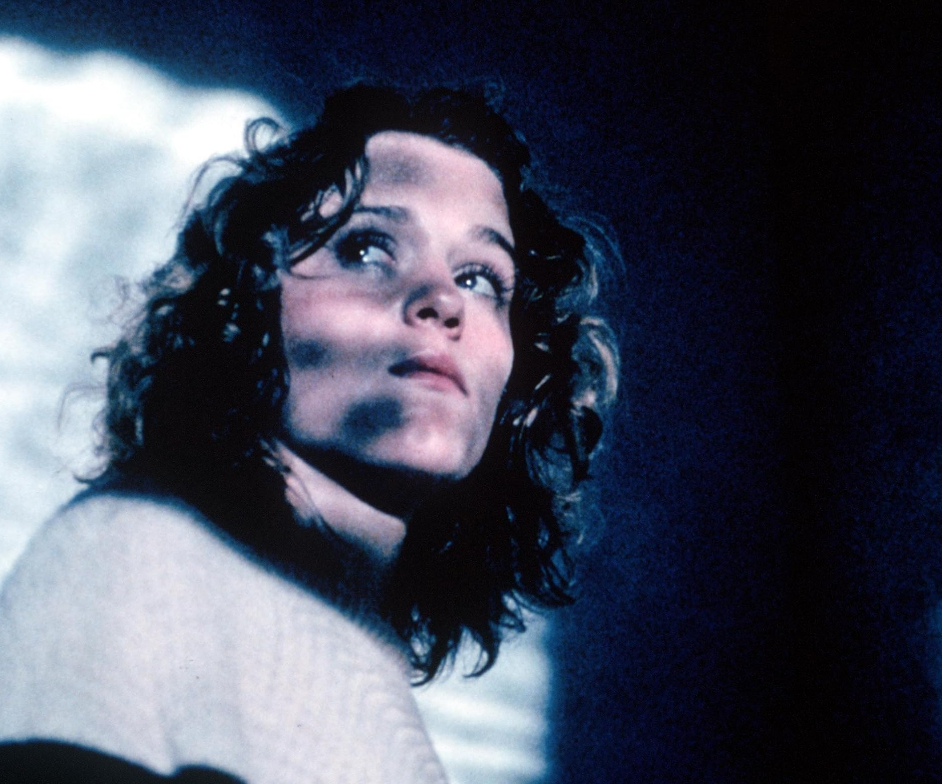
The Coen Brothers’ Darkly Comic Tone
Starting with their 1984 debut Blood Simple, Joel and Ethan Coen have mastered a unique tone. Their films like Fargo and The Big Lebowski expertly blend violent crime with quirky, absurd humor that is unmistakably their own.
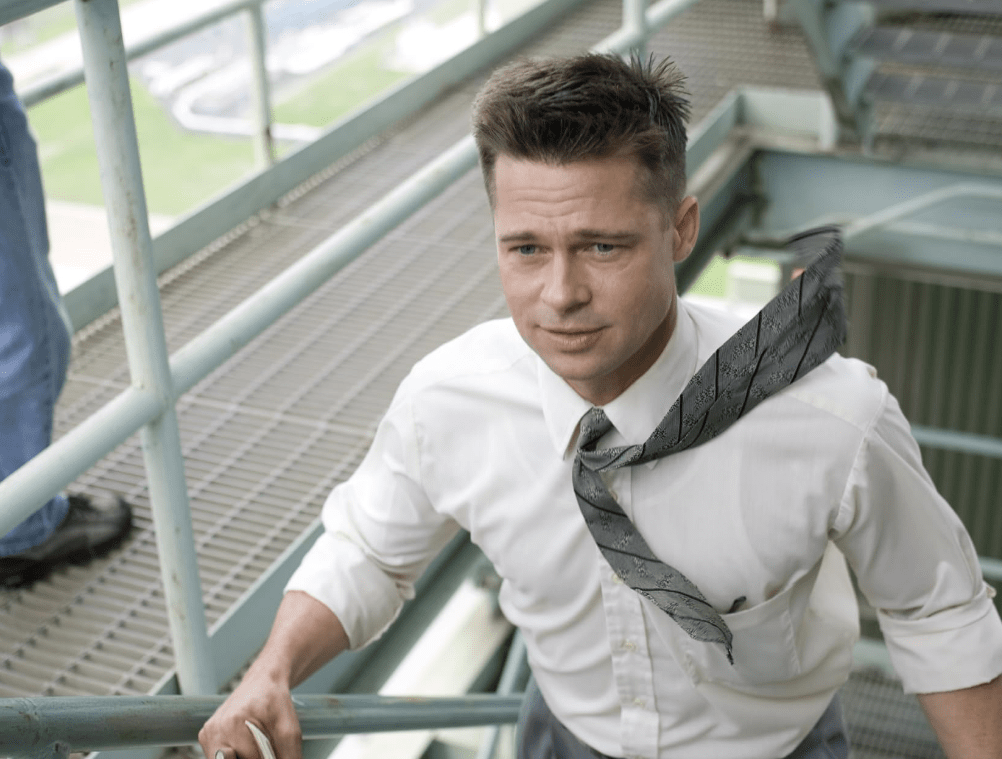
Terrence Malick’s Poetic Voice-Overs and Sun Flares
Celebrated for his poetic beauty, Malick’s films are instantly recognizable. From his 1973 debut Badlands to The Tree of Life, his work is marked by majestic cinematography, haunting philosophical voice-overs, and plenty of sunlight flaring into the lens.