The Movies Showing Why DC Will Never Have Cinematic Universe


With the success of the Marvel Cinematic Universe, it simply makes sense that its biggest competitor, DC Comics, will want its own cinematic universe. So far, it seems to have completely failed, but there’s no reason why it shouldn’t eventually work, right?
Well, it might some day, although each new live action movie released seems to point at something not working. And it’s not like there’s not a good enough source material; many fans of both brands agree that DC has the better stories. Maybe looking at the live action attempts can give us some insight.
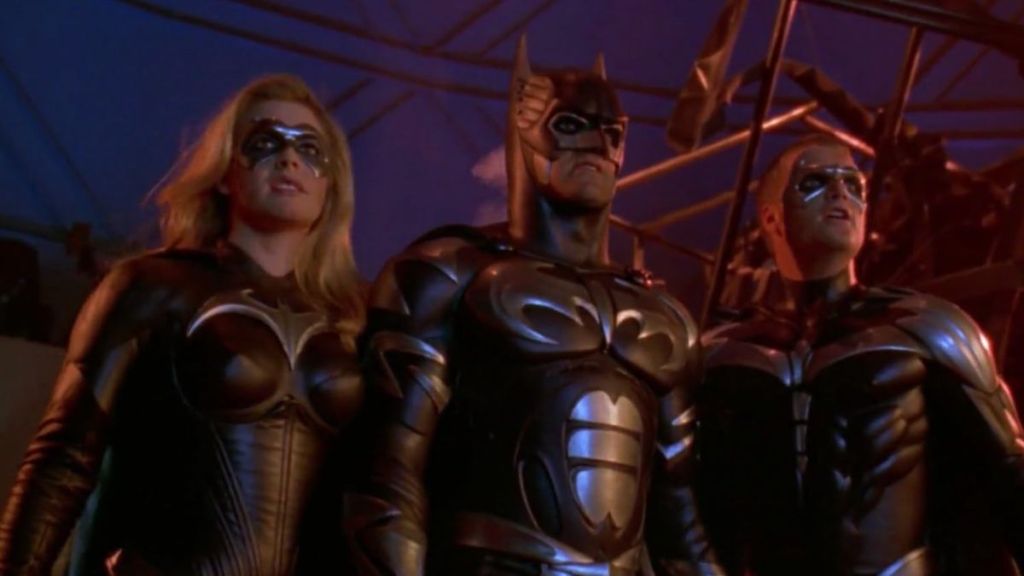
Batman & Robin
Batman & Robin proved that even the Dark Knight can be pushed too far into camp. Joel Schumacher’s film turned the characters into a collection of ice puns, toy commercials, and exaggerated performances. Sam Raimi’s Spider-Man showed that comic-book silliness could work without sacrificing emotional sincerity.

Green Lantern
Green Lantern is another reminder that DC’s problems with cinematic universes go back much further than the DCEU. The 2011 film became a critical and commercial disappointment, joining a long history of adaptations that struggled to translate the character’s cosmic mythology into an appealing movie.

Batman v Superman
Batman and Superman sharing the screen should have been an event capable of launching an entire franchise. Instead, Batman v Superman buried an exciting concept beneath convoluted plotting and a famously baffling series of decisions. It made the universe feel compromised before it had properly begun.
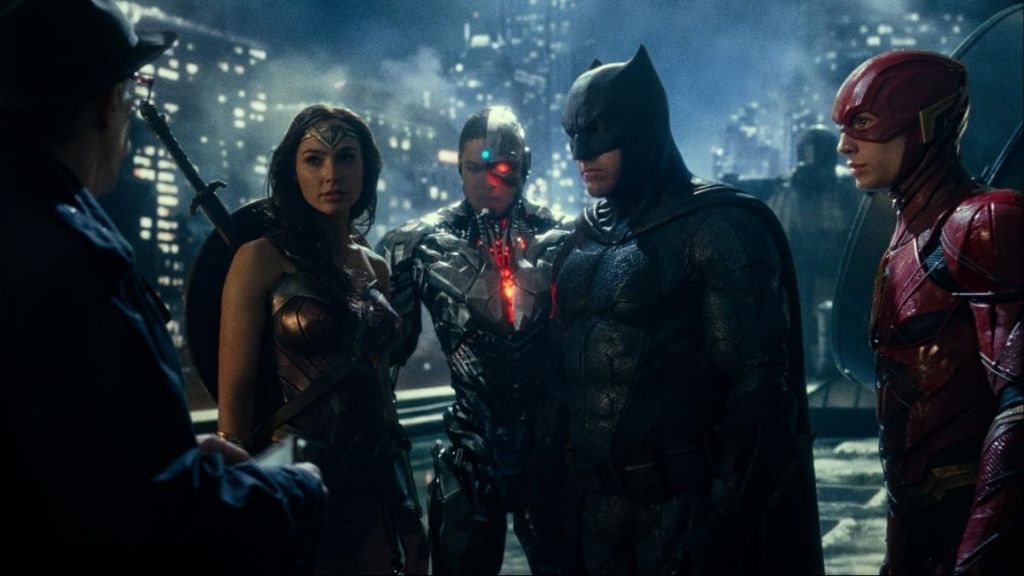
Justice League
Justice League looked like DC trying to copy Marvel’s homework without doing the groundwork. It rushed its heroes together before audiences had time to care about them, while behind-the-scenes upheaval, including Zack Snyder’s departure and Joss Whedon’s replacement work, left the film feeling disjointed.

Birds of Prey
While Birds of Prey is an entertaining enough detour, it illustrates how easily DC’s movies could feel disconnected from any larger plan. Harley Quinn’s colorful adventure introduced characters and possibilities without giving audiences much reason to expect those developments to matter elsewhere.

The Batman
Matt Reeves’ The Batman is one of DC’s strongest recent films, but its success also makes a compelling case for keeping certain characters separate. Its carefully constructed Gotham and self-contained mystery work, in part, because the movie doesn’t have to stop for a larger universe.
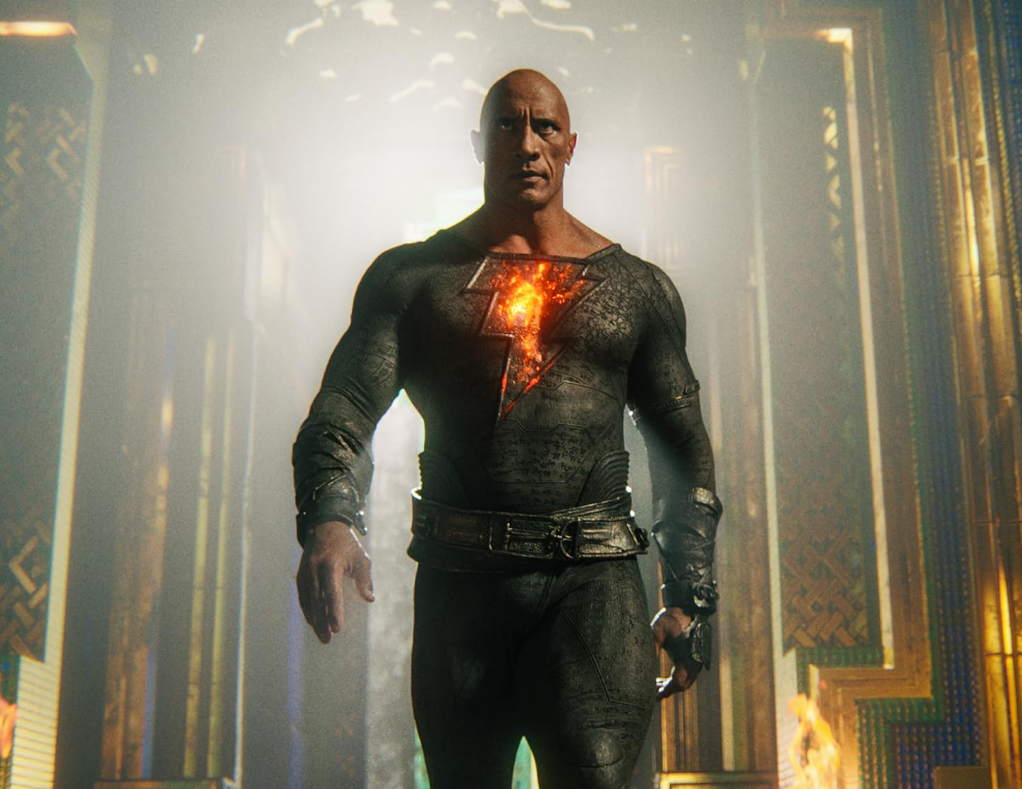
Black Adam
Black Adam arrived with the promise of introducing a major new player to DC’s movie universe, instead struggling to make audiences care about him or the Justice Society. Its characters and mythology felt more like franchise setup than compelling storytelling, and the promised future never materialized.
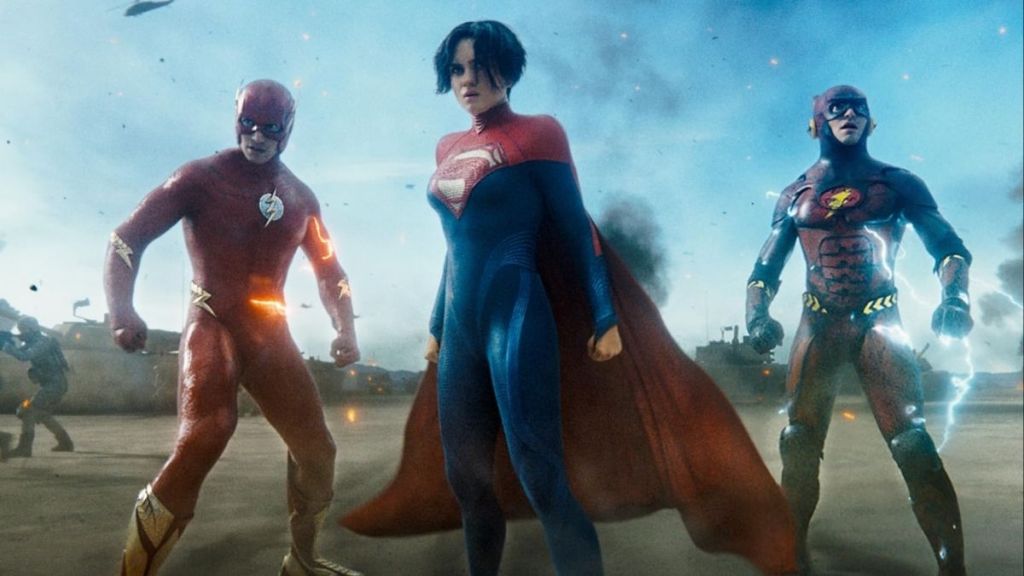
The Flash
The Flash was supposed to be a major event, using the multiverse to reshape DC’s cinematic future. It famously became another expensive disappointment, arriving amid franchise uncertainty and failing to provide a convincing new direction. Rather than repairing the universe, it helped bring the old one to a close.
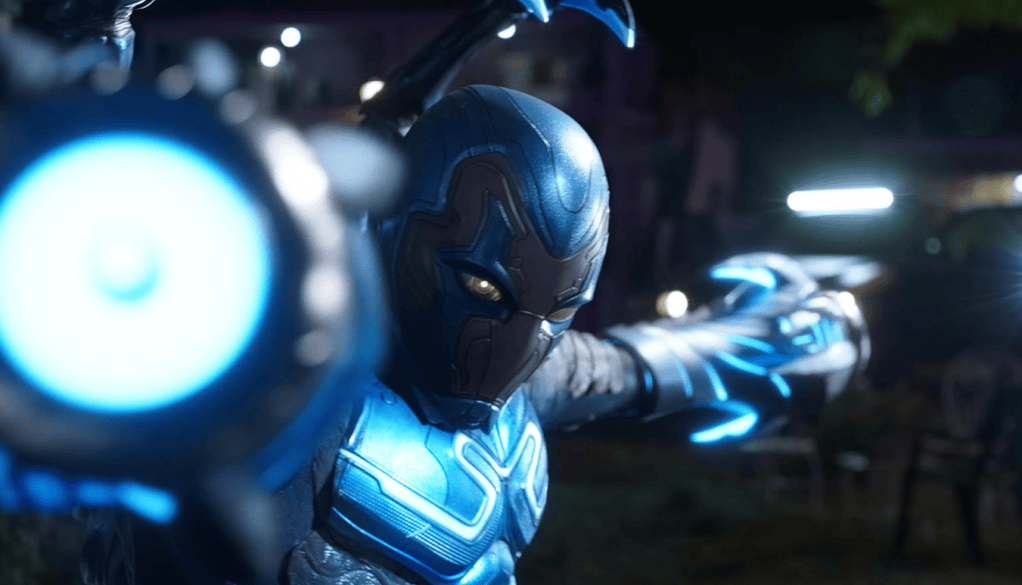
Blue Beetle
Blue Beetle was promoted as a possible starting point for DC’s next era, but its place in the franchise became confusing as the studio changed direction. If audiences cannot tell which universe a movie belongs to, it becomes difficult to trust promises about what comes next.
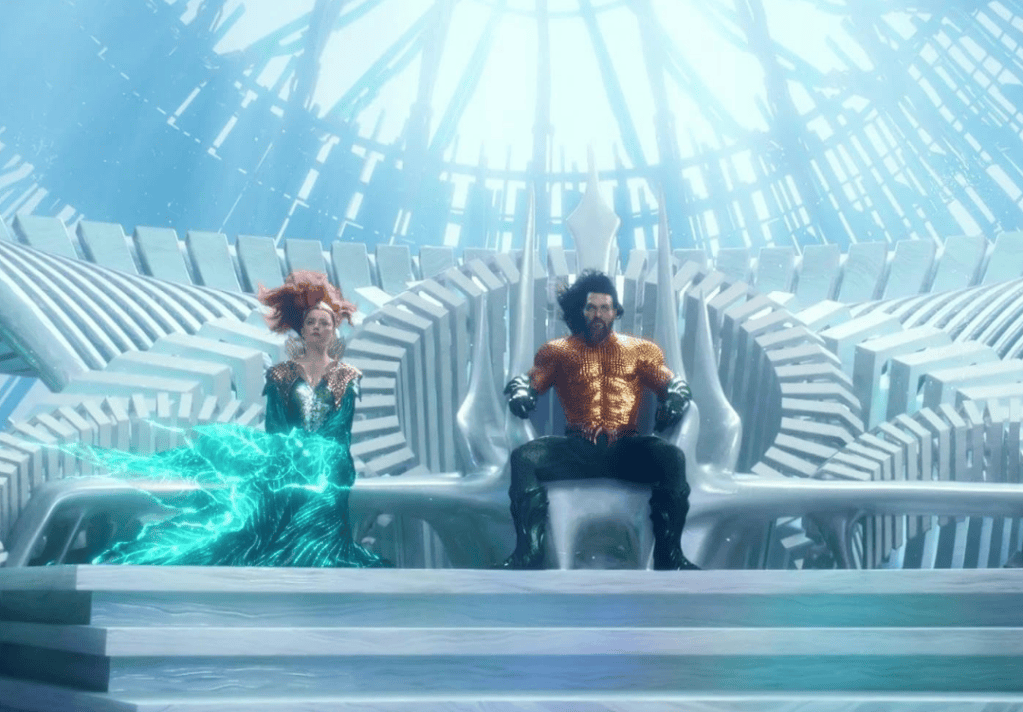
Aquaman and the Lost Kingdom
Aquaman and the Lost Kingdom was the final DCEU theatrical release, yet arrived after the next DC universe had already been announced. It captured the franchise’s frustrating habit of promising more adventures while leaving audiences unsure whether any of those stories would ever receive a meaningful follow-up.
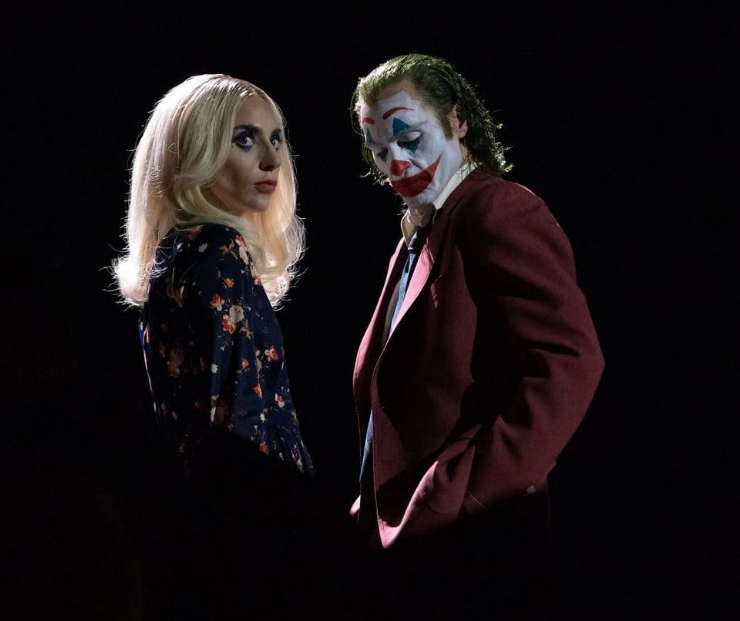
Joker: Folie à Deux
Joker was proof that DC could succeed with a film outside its shared universe, so its sequel carried enormous expectations. Folie à Deux demonstrated that a separate continuity is no guarantee of quality or audience goodwill. Even without franchise obligations, a movie can still squander its own momentum.
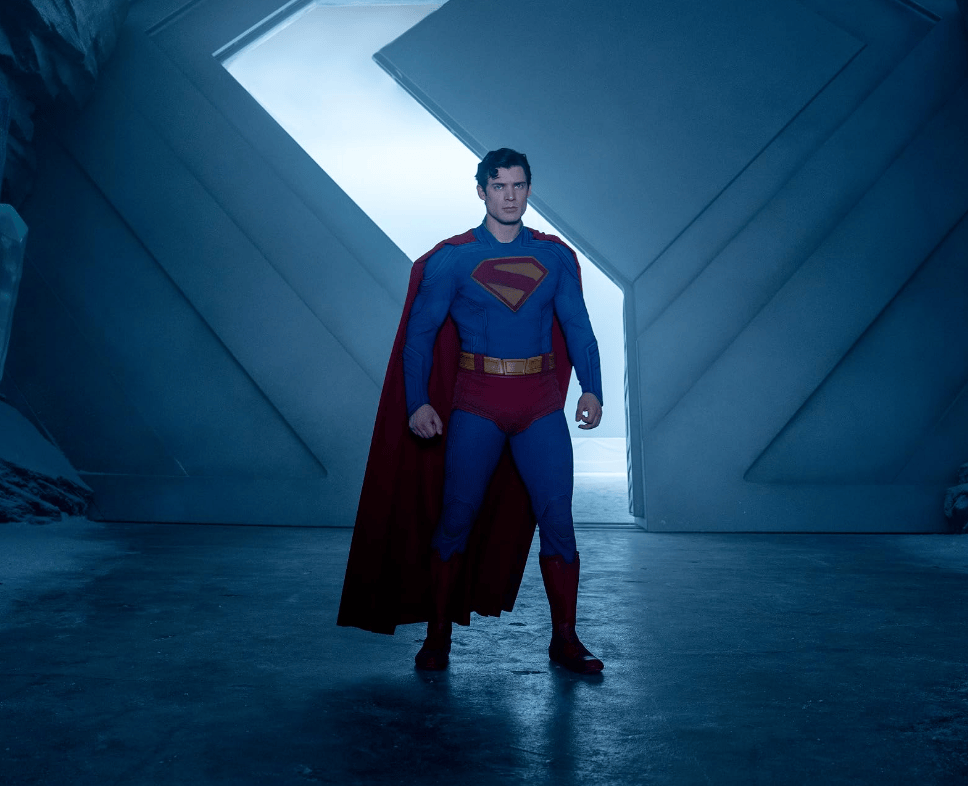
Superman
James Gunn’s Superman offered a fresh start, although its enthusiasm for introducing the new DCU sometimes worked against it. With a crowded supporting cast and numerous heroes competing for attention, the film occasionally felt like a universe showcase rather than a focused Superman story. It also arrived only three years after the character’s last major theatrical appearance.
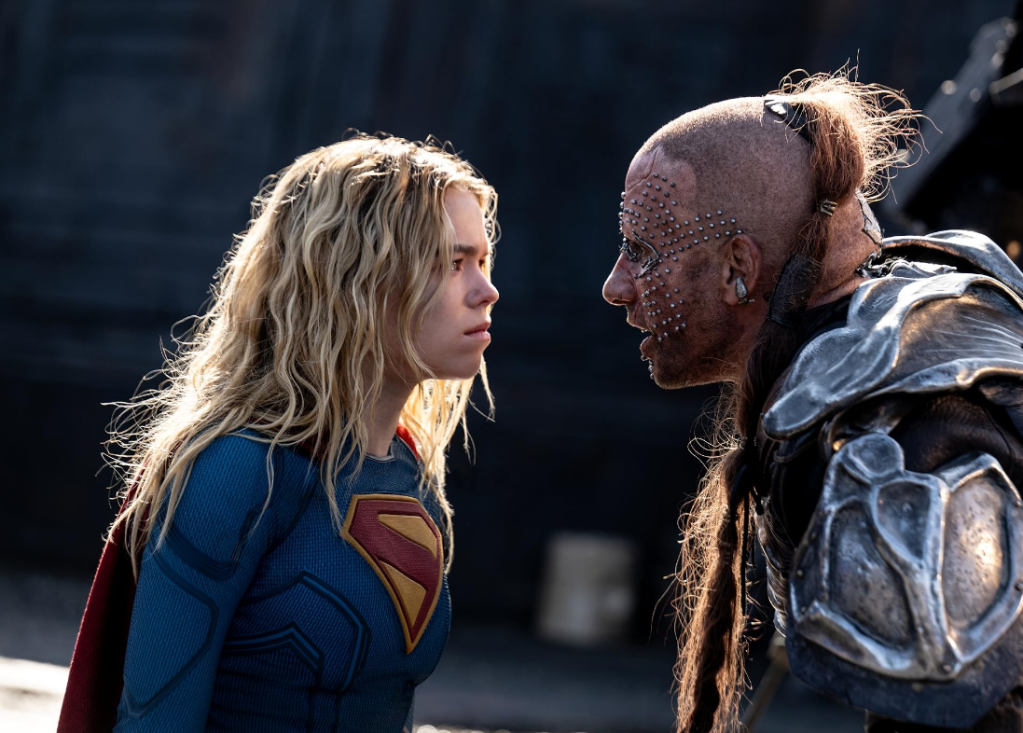
Supergirl
Supergirl had the opportunity to establish Kara Zor-El as a compelling new hero and broaden the DCU beyond Superman. Its uneven screenplay and underdeveloped supporting characters, however, left the film struggling to make its protagonist shine. It neither fully worked as a character story nor made the wider universe feel essential.

Clayface
Clayface is an intriguing attempt to take DC into body horror, and its more self-contained approach gives it a distinct identity. But a movie can be part of a shared universe without making that universe feel more compelling. Its story stands largely on its own, offering little sense of where the DCU goes next.