Historical Mistakes Hollywood Keeps Making

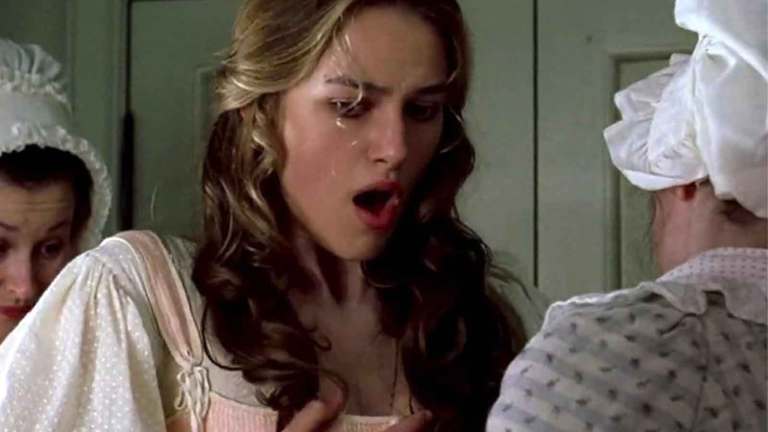
Hollywood movies aren’t always concerned with realism when they cover different periods of history, since it’s an entertainment industry after all. Some misconceptions are so widespread, though, that it ends up being the movie’s fault that we understand so little of our own past.
After all, it’s through stories that we best learn things, and there’s little we can do when those stories are wrong. This is why we’ve brought you the most common misconceptions that Hollywood keeps spreading to this day. We don’t expect them to be perfect, just better.

Dinosaurs Were Covered in Feathers
Movies such as Jurassic Park and Jurassic World continue to portray many dinosaurs as giant, scaly reptiles. But fossil discoveries have established that feathers were widespread among theropods, including Velociraptors and their relatives. The familiar featherless look is increasingly outdated.
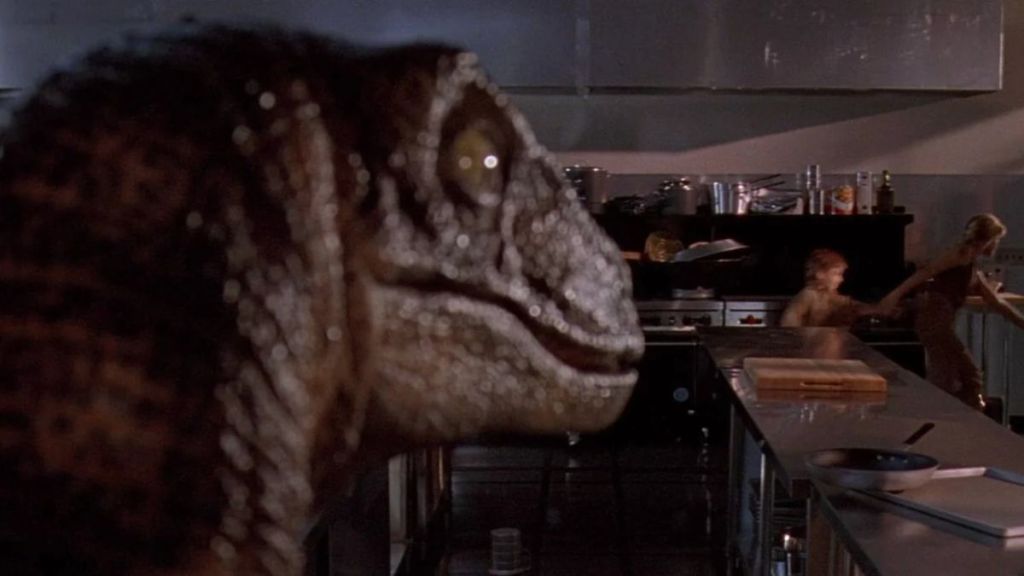
Velociraptors Were Much Smaller
The Velociraptors chasing people through Jurassic Park are closer in size to the related Deinonychus. Actual Velociraptors were roughly turkey-sized, not the towering predators seen in the films. The movie also gave them a more dramatic name than their anatomy deserved.
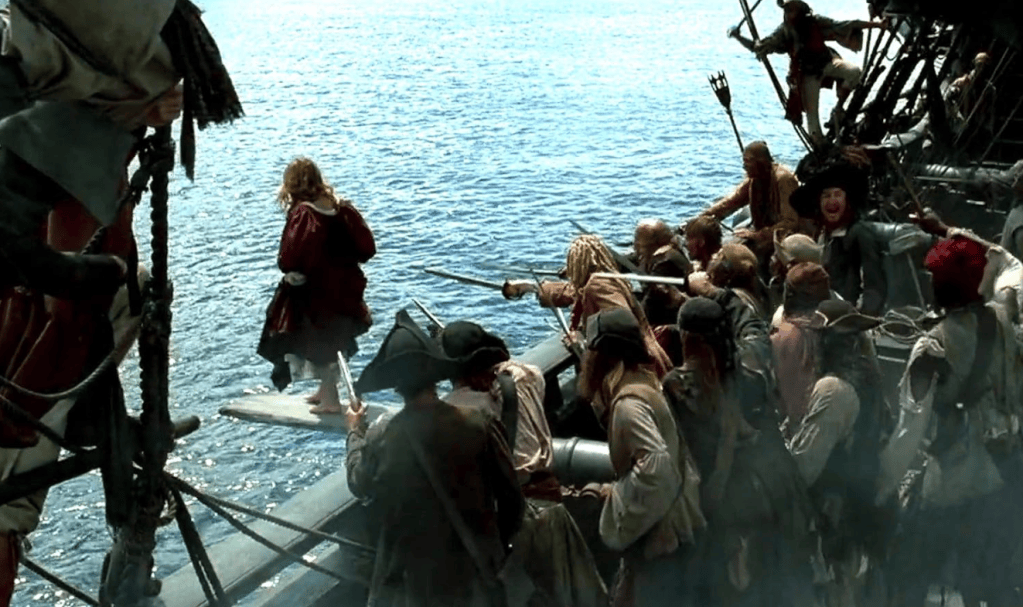
Pirates Didn’t Make People Walk the Plank
Movies such as Pirates of the Caribbean love showing captives forced onto a plank over the ocean. However, there’s virtually no historical evidence that this was a real pirate punishment. Pirates were more likely to throw victims overboard or maroon them.
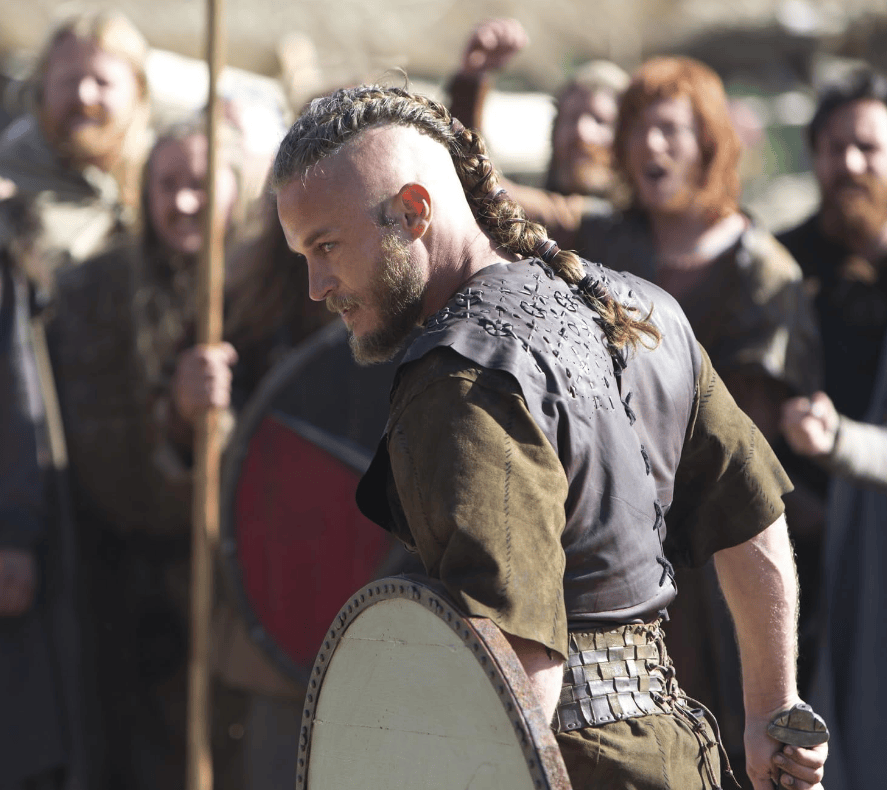
Vikings Didn’t Wear Horned Helmets
The horned Viking helmet is one of history’s most recognizable movie costumes, appearing in films such as Prince Valiant. But no Viking-era battle helmet with horns has ever been found. The familiar design became popular through 19th-century art and opera costumes.
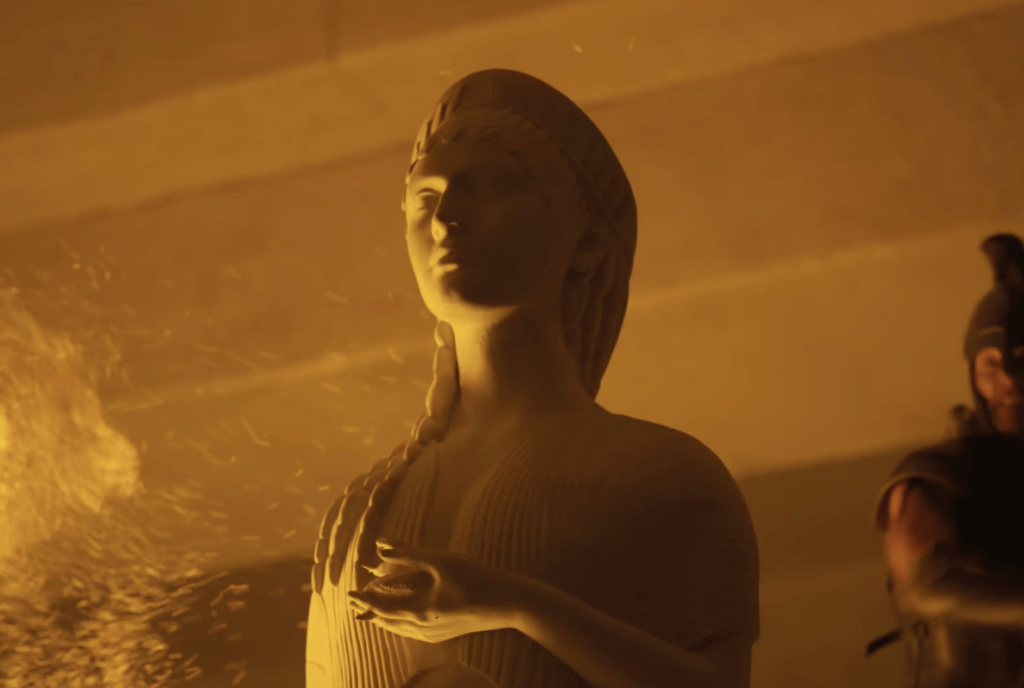
Ancient Greek Statues Weren’t White
Films such as The Odyssey tend to present ancient Greek statues and buildings as pristine white marble. In reality, much of their sculpture and architecture was painted in vivid colors. The pigments faded over centuries, leaving behind the pale surfaces we see in museums today.
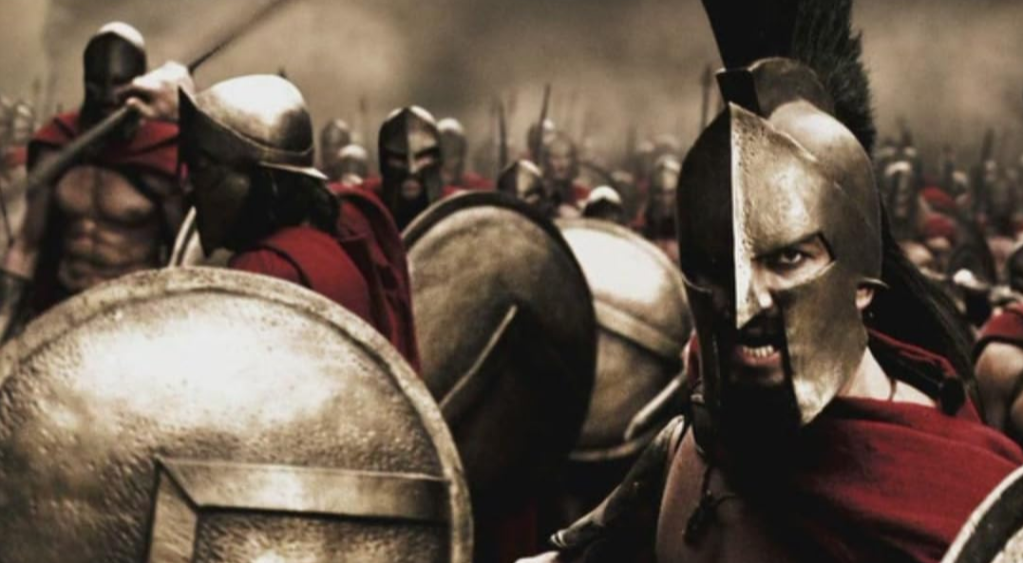
Spartan Warriors Did Wear Armor
Zack Snyder’s 300 made leather briefs and bare chests the iconic look of Spartan warriors. Real Greek hoplites wore protective armor, including bronze or linen body protection, along with helmets and greaves. The movie’s look is a stylized fantasy, not a reconstruction of battlefield equipment.
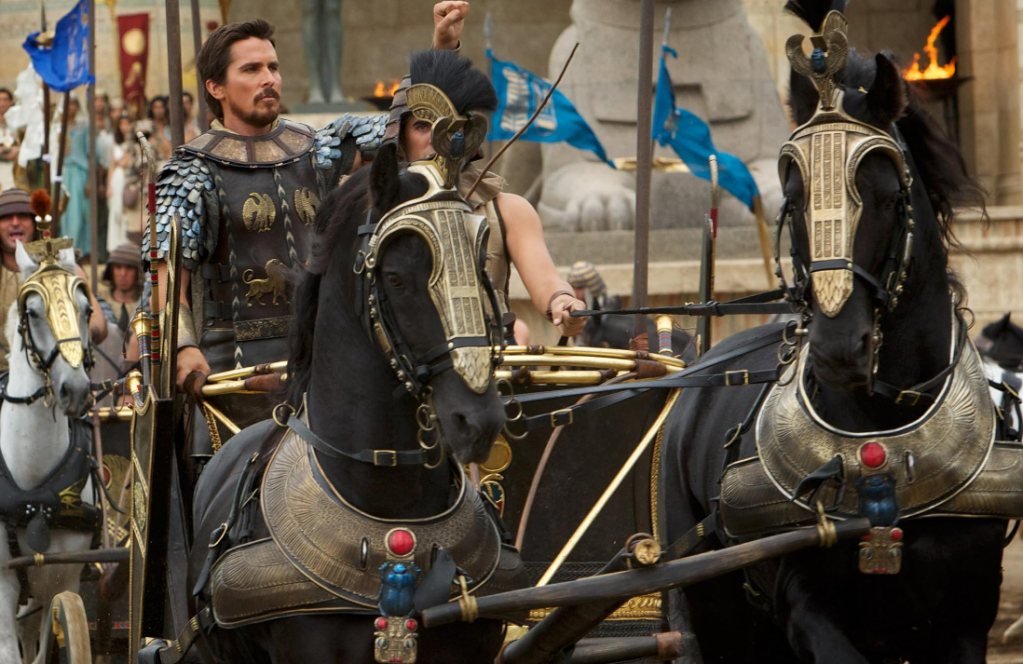
The Pyramids Weren’t Built by Slaves
Movies such as Exodus: Gods and Kings have helped perpetuate the image of enslaved people building Egypt’s monumental pyramids under the pharaoh’s whip. Archaeological evidence instead points to organized Egyptian workforces, including skilled laborers who received food and lodging.

Ancient Egyptian Tombs Weren’t Booby-Trapped
The Mummy franchise made ancient tombs seem like elaborate death traps, complete with swinging blades and deadly mechanisms. Real tombs did use measures to deter robbers, such as blocked passages and false corridors, but the cinematic obstacle courses are largely fantasy.

Medieval Lords Didn’t Have the Right to Sleep With Brides
Braveheart famously depicts English nobles claiming the right to sleep with newly married women. Known as prima nocta, this supposed feudal privilege has no convincing historical evidence behind it and is generally considered a later myth rather than an established medieval practice.
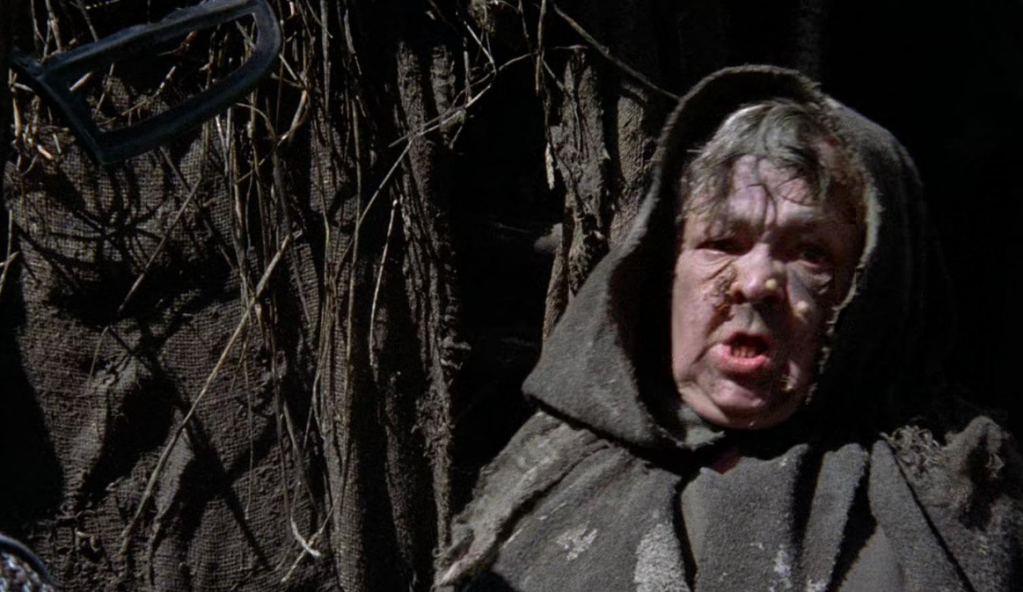
Medieval People Weren’t Constantly Filthy
Movies such as Monty Python and the Holy Grail have helped cement the image of medieval Europeans as permanently muddy, unwashed peasants. In reality, bathing, soap-making, and public bathhouses were part of medieval life. The period was not a thousand years without personal hygiene.
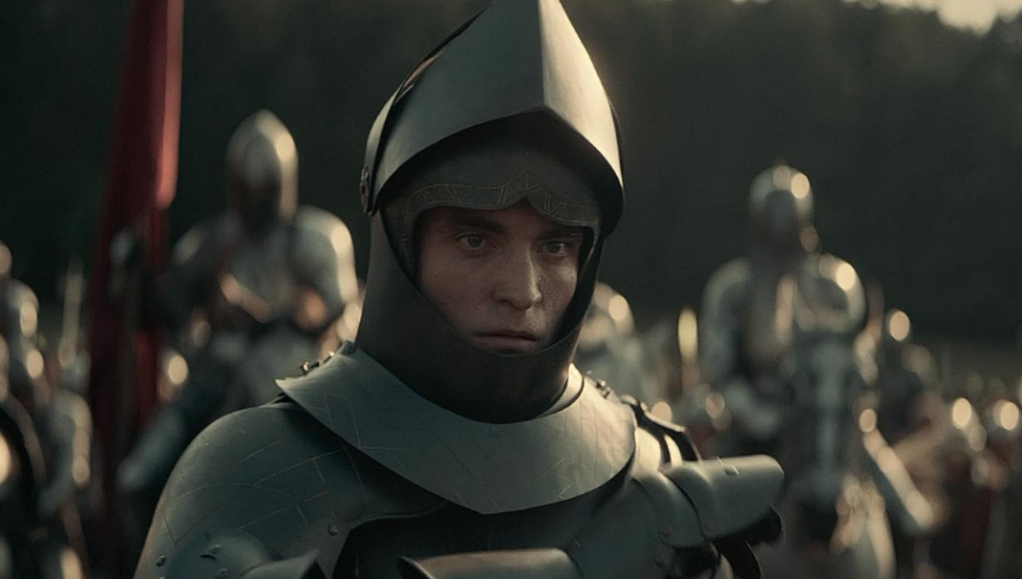
Knights Could Move in Their Armor
Films like The King often make medieval armor look so heavy that a knight can barely walk, let alone get back up after falling. But properly fitted plate armor allowed its wearer to run, mount a horse, and rise from the ground.
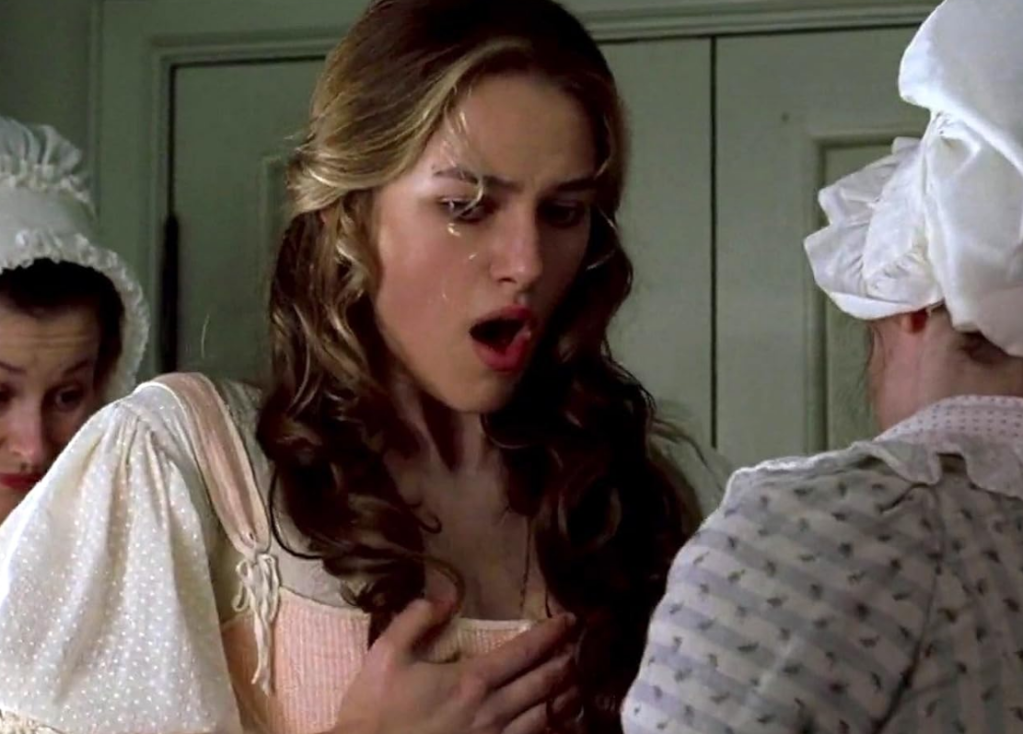
Corsets Didn’t Usually Make Women Faint
Period films such as Gone With the Wind, Titanic, and Pirates of the Caribbean often show women gasping as their corsets are pulled impossibly tight. While extreme tight-lacing did exist, corsets were generally supportive garments, not devices designed to crush their wearers’ organs.

Gladiators Didn’t Always Fight to the Death
Movies like Gladiator turn arena combat into a near-certain death sentence, with every match ending in a brutal execution. In reality, gladiators were expensive trained professionals, and historians estimate that only a minority of bouts ended with a fighter dying.
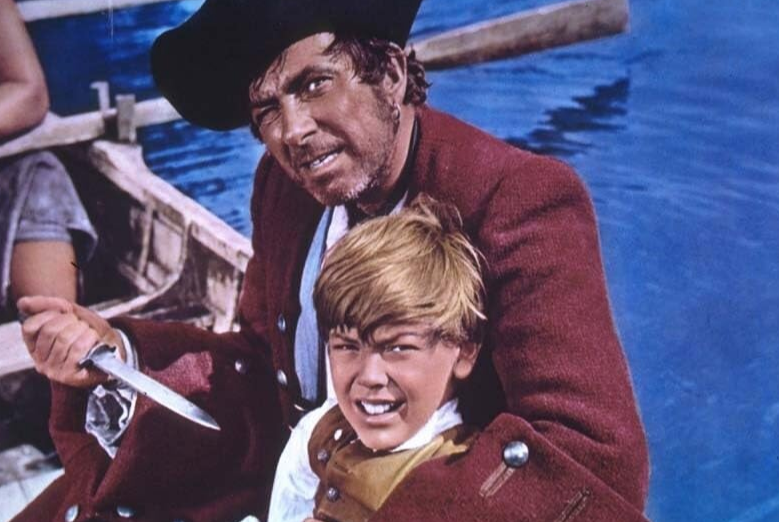
Pirates Didn’t All Talk Like Long John Silver
The stereotypical pirate accent, complete with exaggerated “Arrr!” sounds, owes more to Hollywood than history. Robert Newton popularized it as Long John Silver in Disney’s Treasure Island (1950), borrowing heavily from his own West Country English accent.
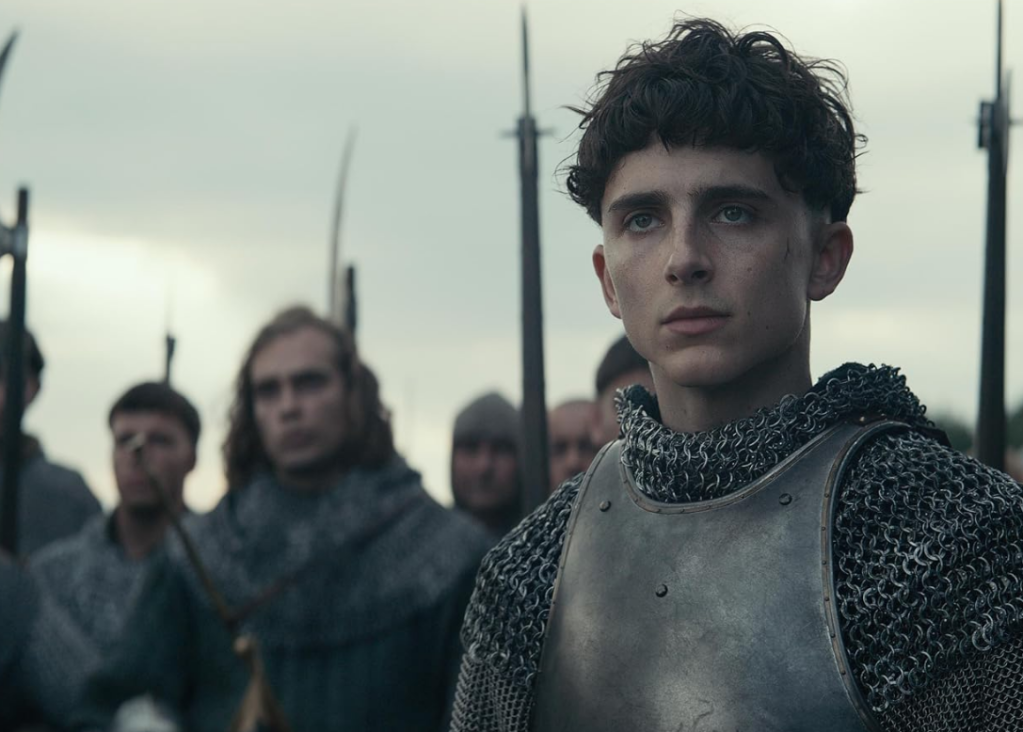
Medieval Armor Wasn’t Usually Black and Dull
Movies often dress medieval warriors in dark, matte armor to make them look grim and intimidating. But polished steel was a common feature of high-quality plate armor. Its shine wasn’t merely decorative, since it also displayed wealth and status.
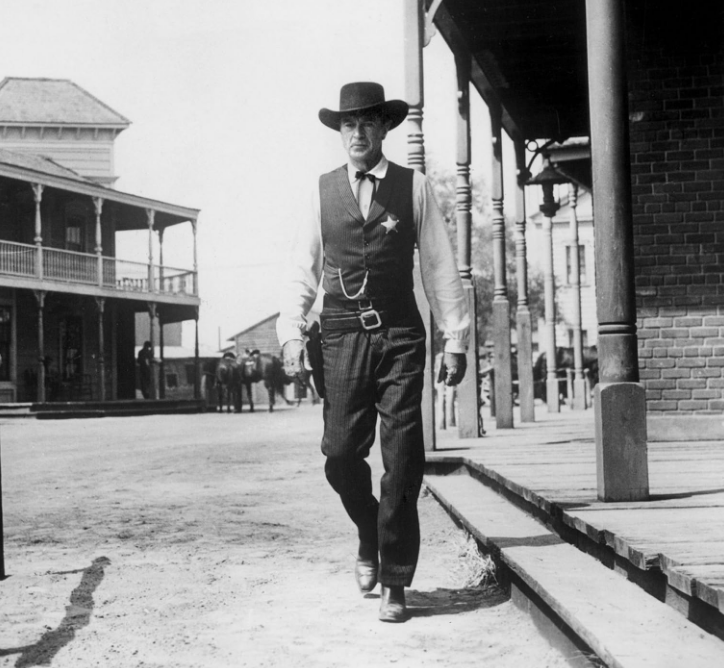
Wild West Gunfights Rarely Looked Like Movie Duels
The classic street showdown, with two gunfighters facing each other before drawing at the same time, is a staple of Westerns such as High Noon. In reality, formal quick-draw duels were rare. Many frontier shootings were sudden and far less theatrical.
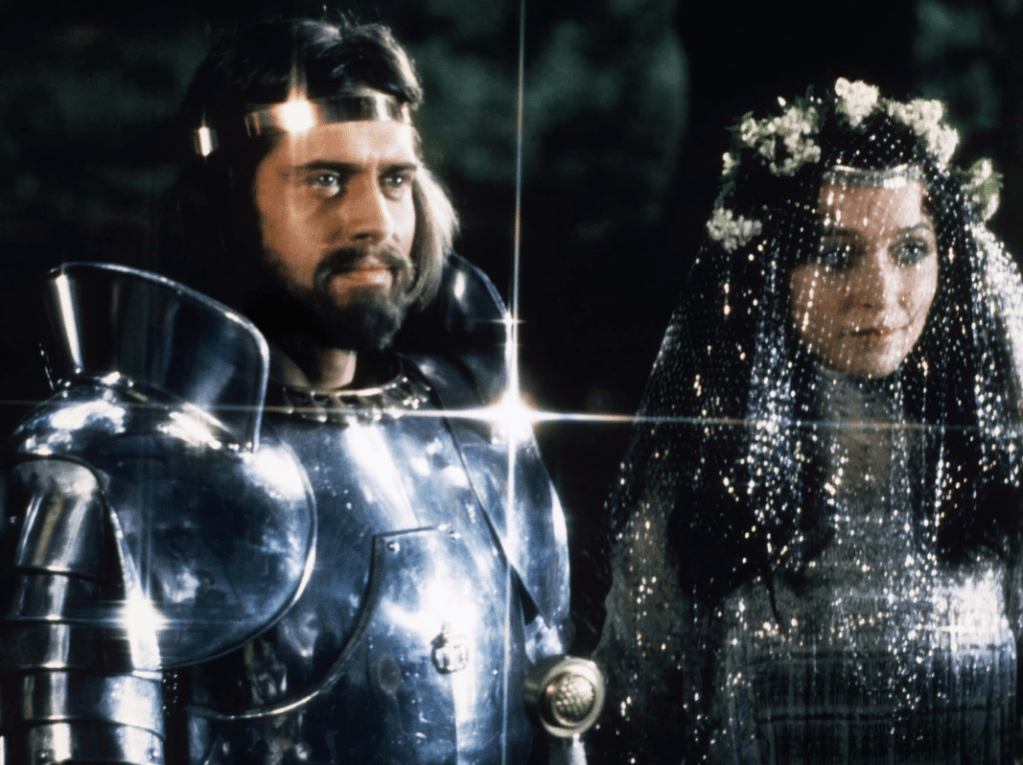
Medieval Swords Didn’t Make That Metallic Drawing Sound
In films such as Excalibur, swords often produce a distinctive metallic ring when pulled from their scabbards. But a sword drawn from a leather scabbard would not make that familiar sound. It’s a cinematic flourish that has become so common audiences now expect it.