Historical Figures Who Would Have Hated Their Legacy

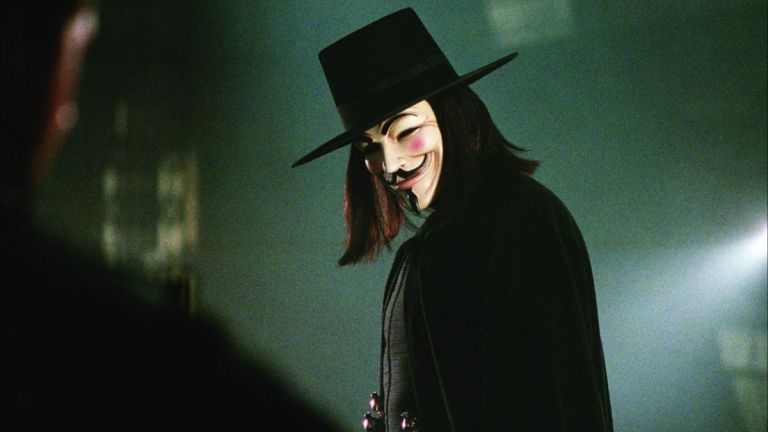
We can’t control what our legacy becomes, since that’s for future generations to decide. If we could see how the world sees us in the future, however, would we like what we see? We strive to be our best selves, to fight for what we believe in, but how will we be remembered?
For the people that fill our history books, they would probably be horrified to learn what their name has become synonymous with. These are people whose modern reputations likely bear little resemblance to how they hoped history would remember them.
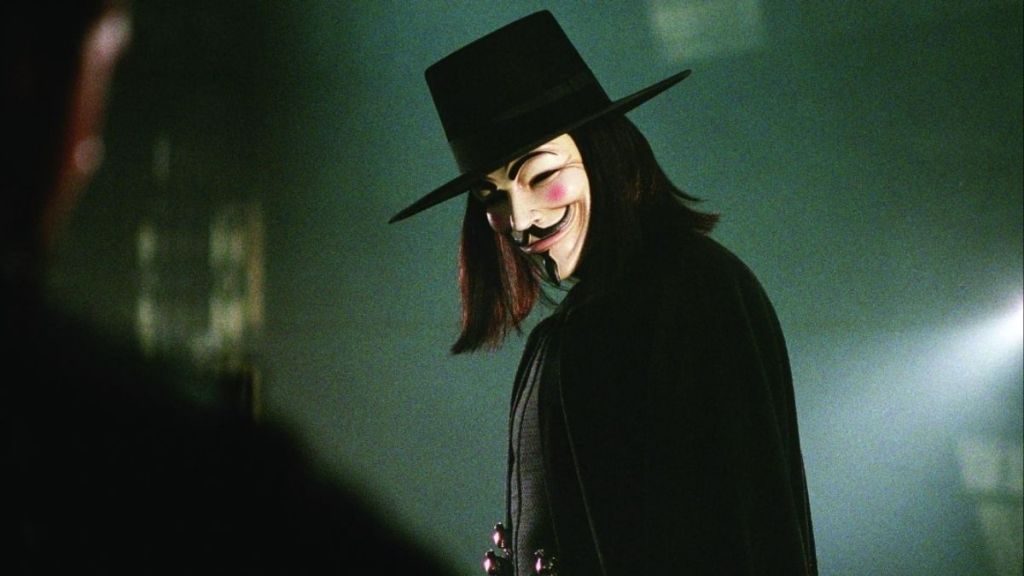
Guy Fawkes
Fawkes participated in the failed Gunpowder Plot hoping to overthrow England’s Protestant government. Today, he’s less remembered for his motives than for a stylized mask that became a global symbol of anonymous protest.
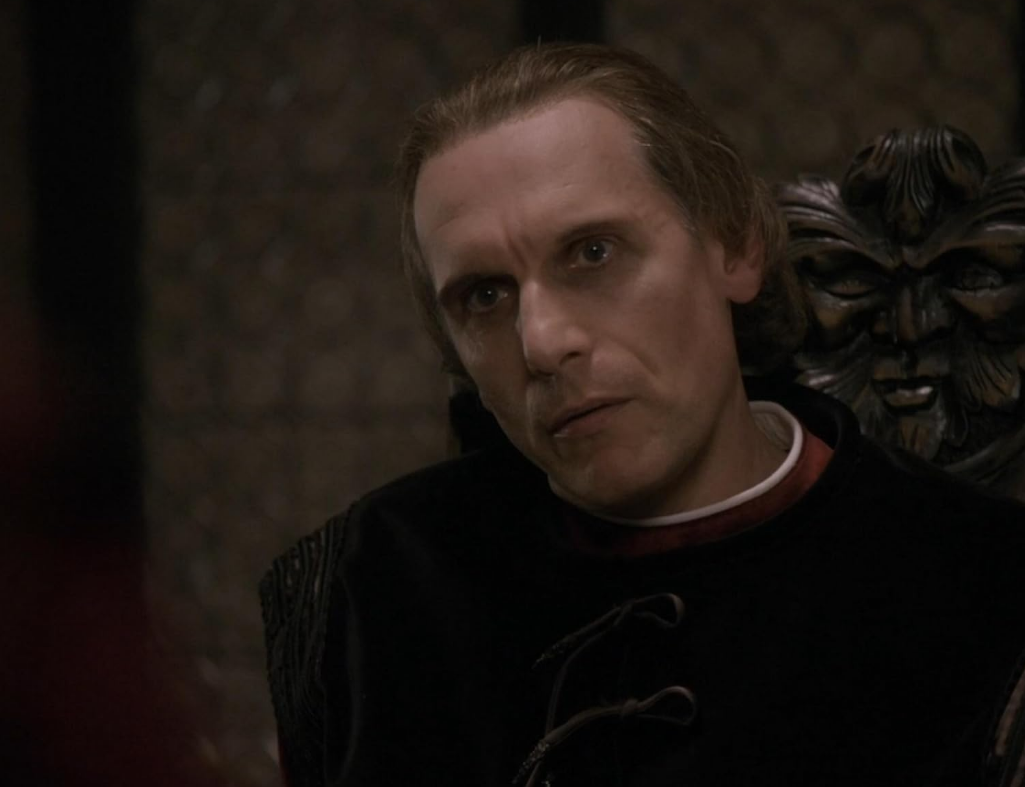
Niccolò Machiavelli
The Florentine diplomat intended The Prince as a practical political treatise, yet his name became synonymous with ruthless manipulation. “Machiavellian” now describes cynical deception more than nuanced political philosophy.

J. Robert Oppenheimer
After leading the Manhattan Project, Oppenheimer became one of nuclear weapons’ most conflicted critics. Given his later advocacy for arms control, he likely would have disliked being remembered primarily as the “father of the atomic bomb.” Or as part of the Barbenheimer phenomenon.
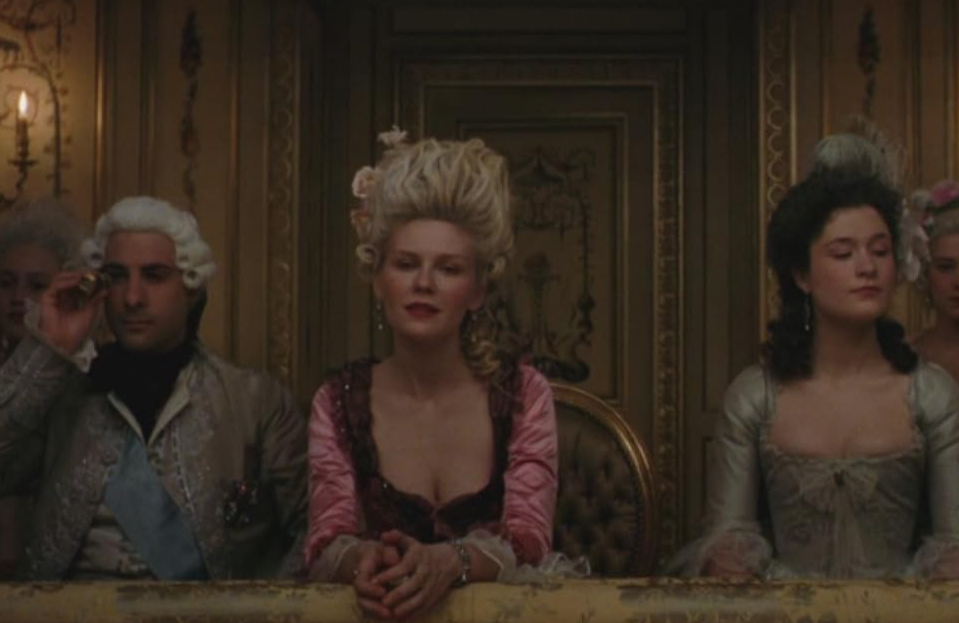
Marie Antoinette
Although historians overwhelmingly agree she never said, “Let them eat cake,” the phrase remains permanently attached to her. The enduring myth overshadows the far more complex reality of her life and downfall.
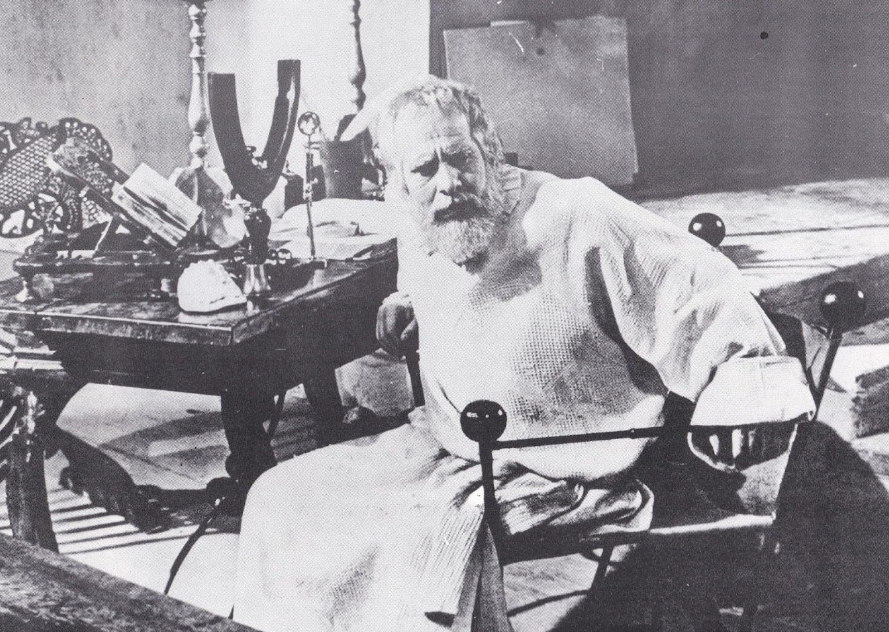
Galileo Galilei
Galileo devoted his life to advancing scientific understanding, yet his legacy is often reduced to a simplistic narrative of “science versus religion.” The real historical conflict was considerably more complicated than popular culture suggests.
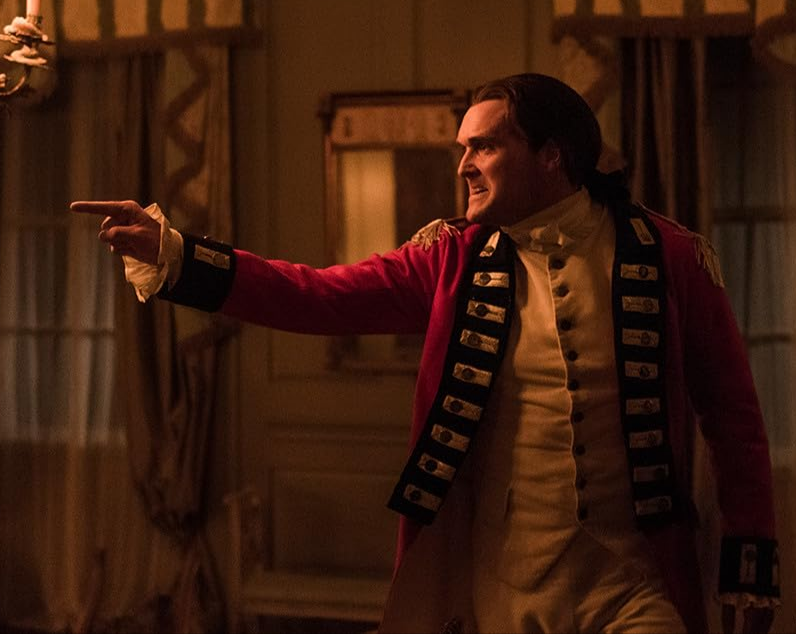
Benedict Arnold
Arnold was once one of the American Revolution’s most capable generals before defecting to the British. Today, his surname has become shorthand for “traitor,” erasing nearly all memory of his earlier military achievements.
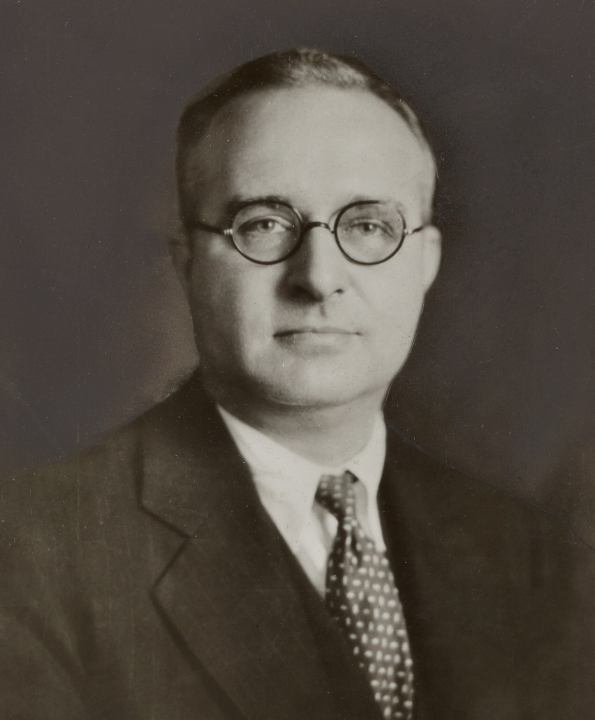
Thomas Midgley Jr.
Midgley helped develop tetraethyl lead gasoline and later chlorofluorocarbons, both initially celebrated innovations. After their devastating environmental and public health consequences became clear, he became associated with two of history’s most harmful inventions.
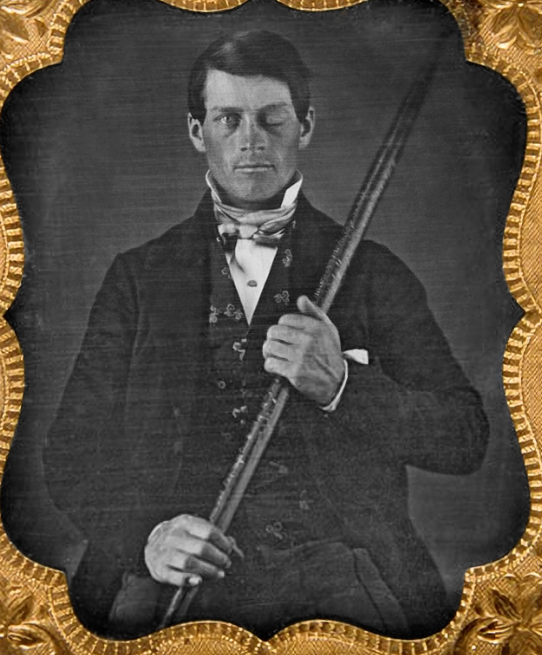
Phineas Gage
Gage survived a catastrophic brain injury that transformed neuroscience. He likely never imagined his life’s work would be overshadowed by becoming psychology’s most famous medical case study rather than being remembered as a railroad foreman.
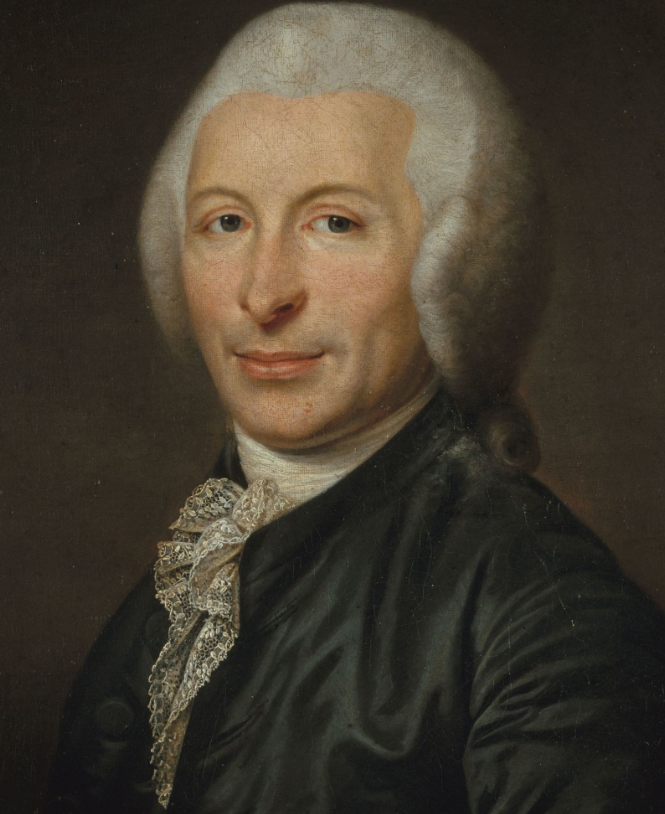
Joseph-Ignace Guillotin
Guillotin advocated a more humane method of execution and did not invent the guillotine itself. Nevertheless, his surname became permanently attached to one of history’s most infamous execution devices.
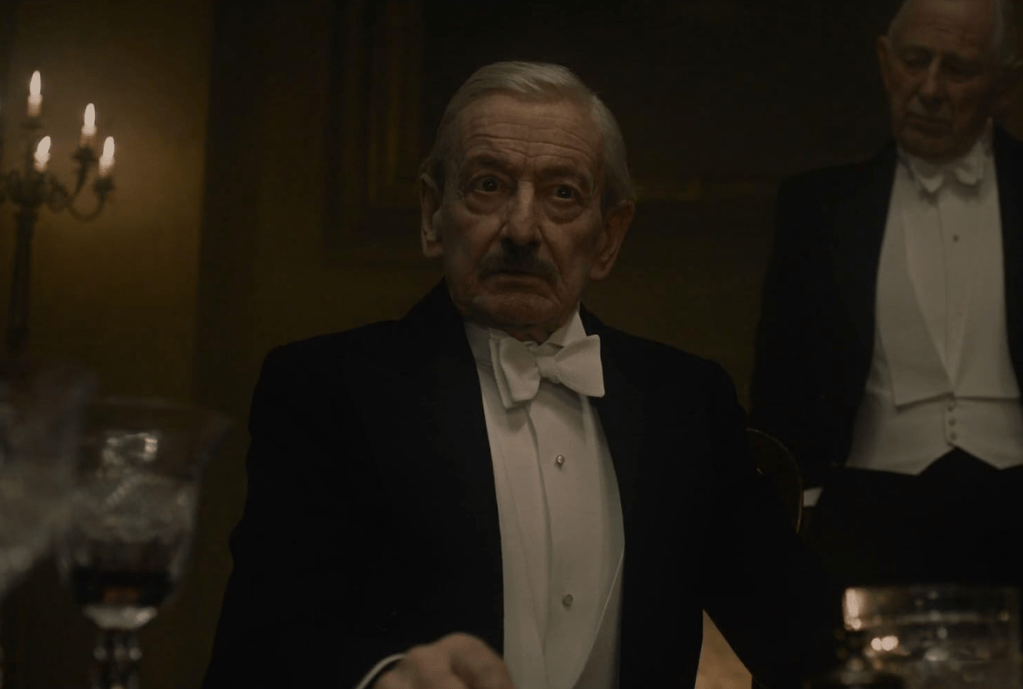
Neville Chamberlain
Britain’s prime minister hoped diplomacy would preserve peace in Europe. Instead, “appeasement” became inseparable from his name after Adolf Hitler repeatedly violated the agreements Chamberlain believed would prevent another world war.
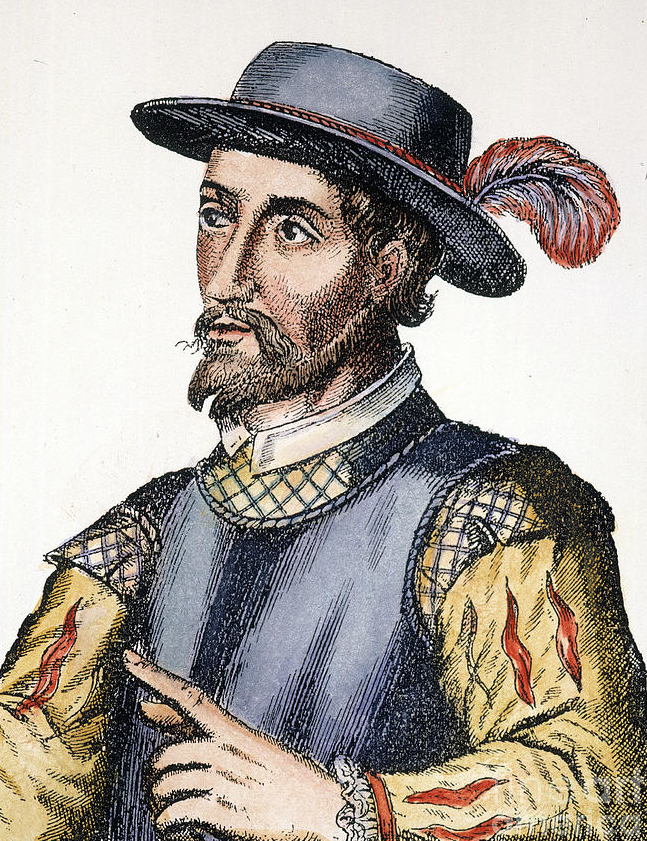
Ponce de León
Popular legend insists Ponce de León searched for the Fountain of Youth, but contemporary evidence suggests he was primarily pursuing exploration and colonization. The mythical quest now dominates his historical reputation.
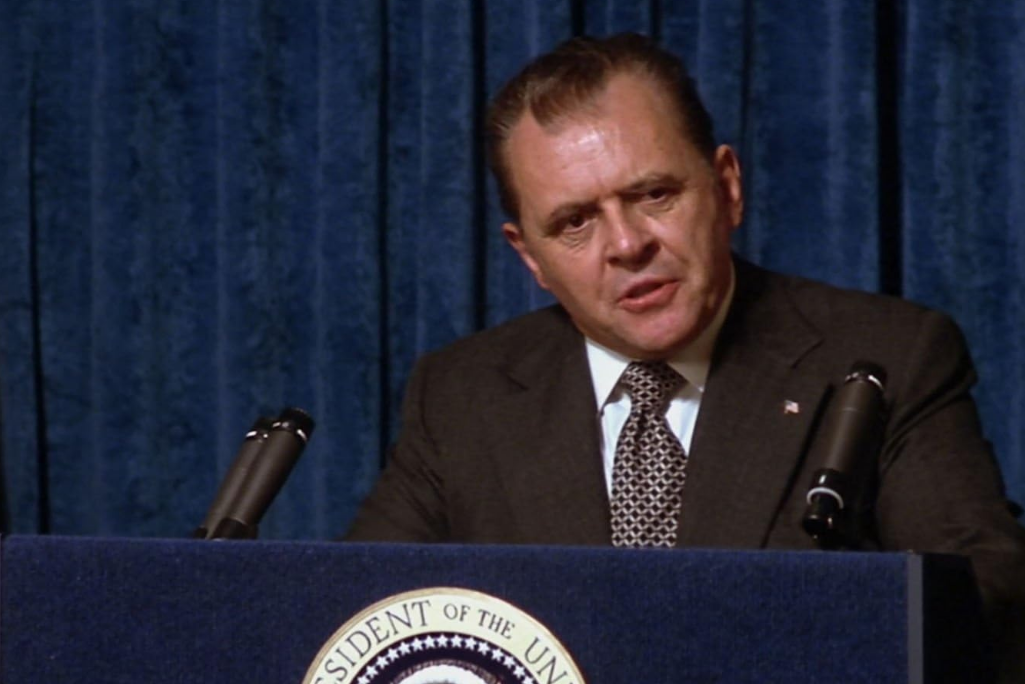
Richard Nixon
Despite major accomplishments in foreign policy, environmental legislation, and opening relations with China, Nixon’s presidency is remembered overwhelmingly through the lens of the Watergate scandal that forced his resignation.

John Wilkes Booth
Booth believed assassinating Abraham Lincoln would save the Confederacy’s cause. Instead, history remembers him almost exclusively as Lincoln’s murderer, with his acting career and political motivations largely forgotten.
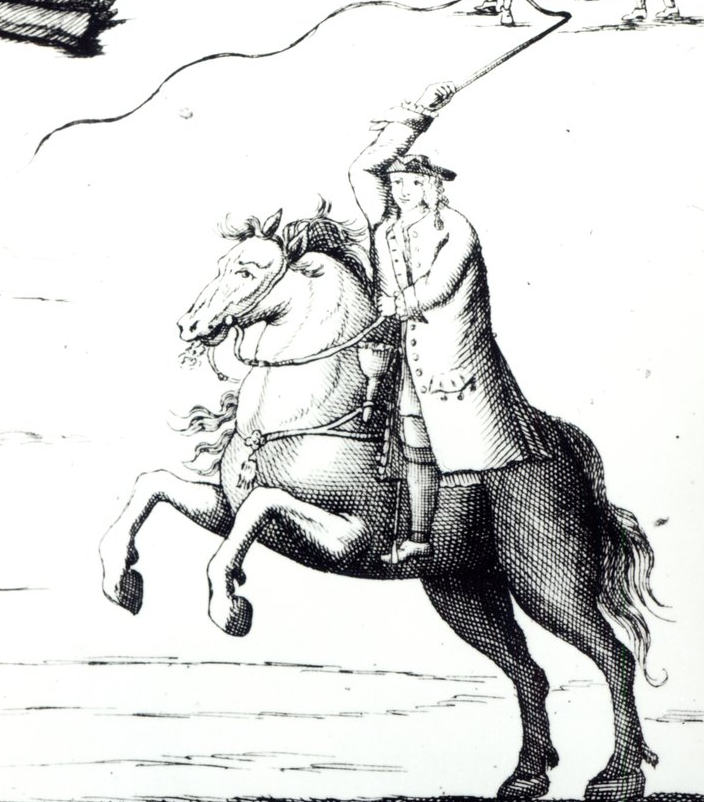
Étienne de Silhouette
As France’s finance minister, Étienne de Silhouette introduced unpopular austerity measures. His surname became associated with inexpensive outline portraits, and eventually with the word “silhouette,” an association he almost certainly never intended.