Here’s What 15 Famous Places Looked Like Before They Became Famous

Some places are so recognizable that it’s difficult to imagine them without the landmark, skyline, or crowds that define them today. Times Square without glowing advertisements sounds like a different city, while the Hollywood Hills without their famous white letters barely look like Hollywood at all. Yet every tourist destination had a before picture. Some were empty construction sites, others were ordinary neighborhoods, and a few already had completely different structures occupying the land. Fortunately, photographers were around early enough to preserve many of these transformations. Long before millions of visitors started posing for pictures there, these now-famous places looked considerably more ordinary, and occasionally almost impossible to recognize.
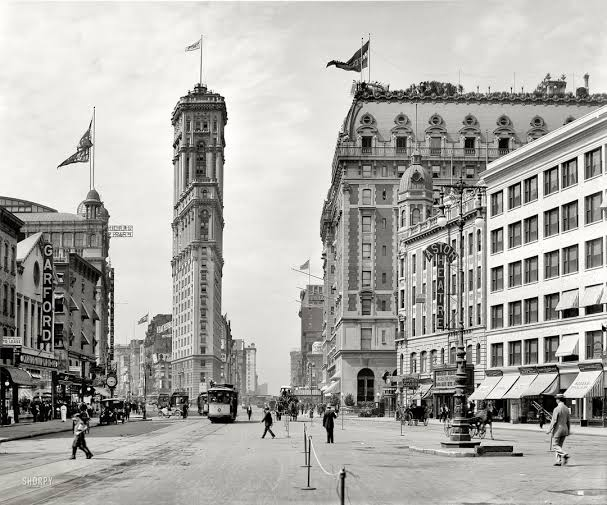
Times Square Was Once Longacre Square
Before giant screens and Broadway marquees covered nearly every available surface, Times Square was known as Longacre Square. Photographs from around 1900 show a comparatively quiet intersection filled with horse-drawn transportation and modest buildings. It wasn’t renamed Times Square until 1904, after The New York Times moved its headquarters there.
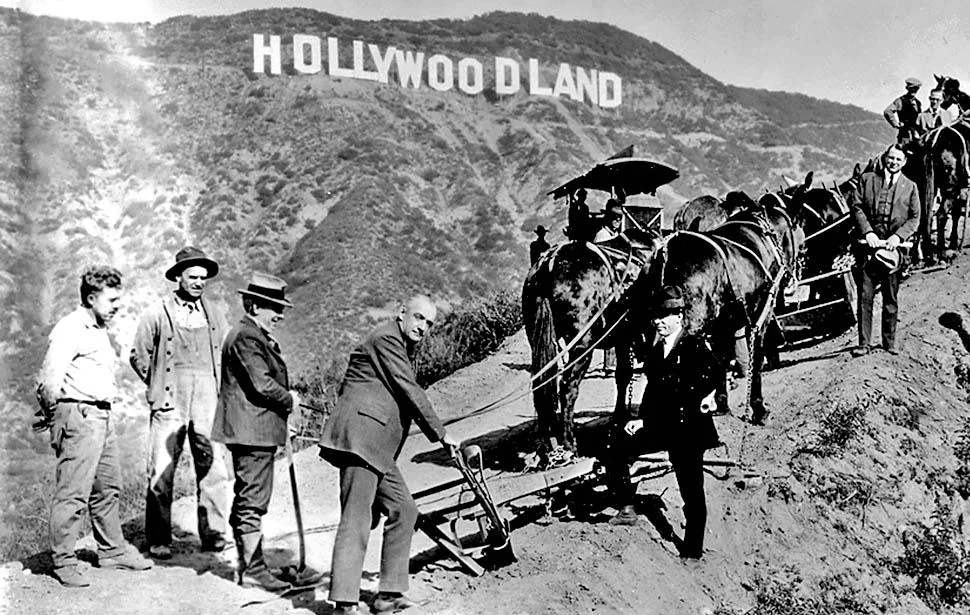
The Hollywood Sign Originally Said Hollywoodland
The Hollywood Sign wasn’t created as a monument to the movie industry. When it appeared in 1923, it actually read “Hollywoodland” and advertised a new housing development in the hills. It was supposed to be temporary, but those enormous letters ended up becoming one of Los Angeles’ defining landmarks.
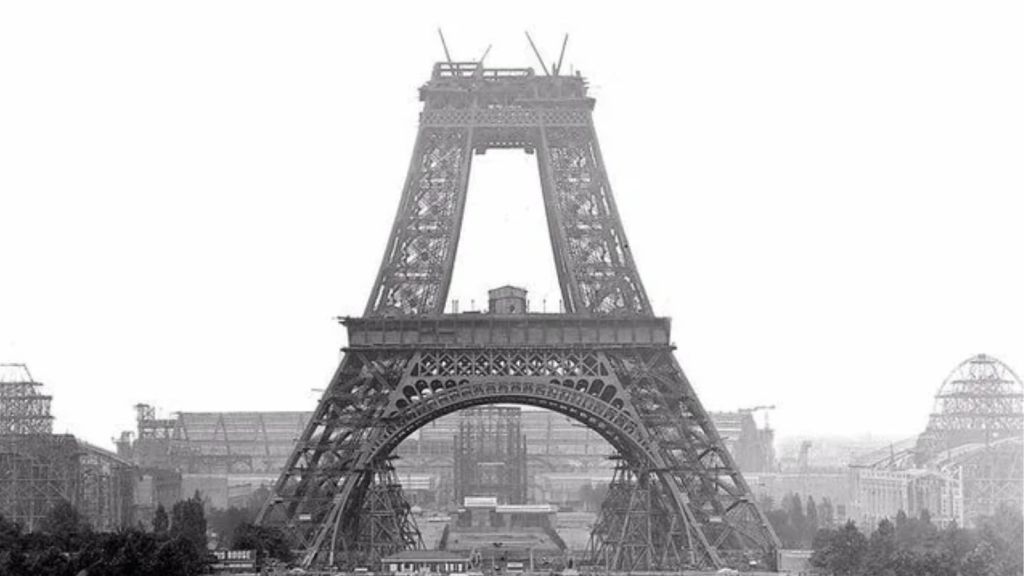
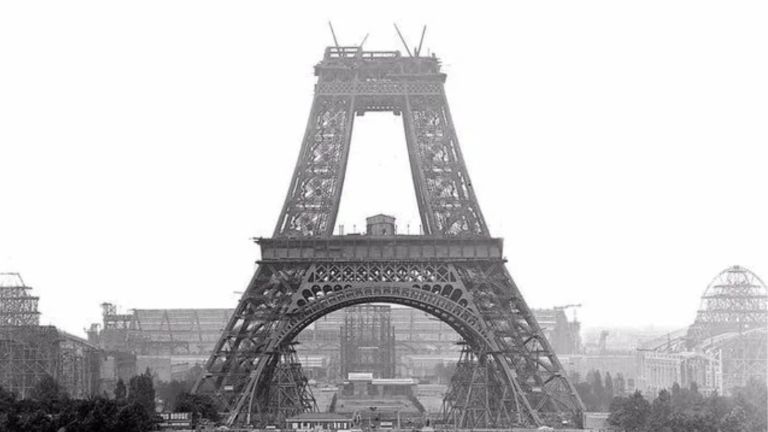
The Eiffel Tower Was Once Just a Giant Construction Site
It’s hard to separate Paris from the Eiffel Tower now, but photographs taken during construction show something much stranger. Beginning in 1887, enormous iron supports slowly rose above the Champ de Mars before meeting to create the structure visitors recognize today.
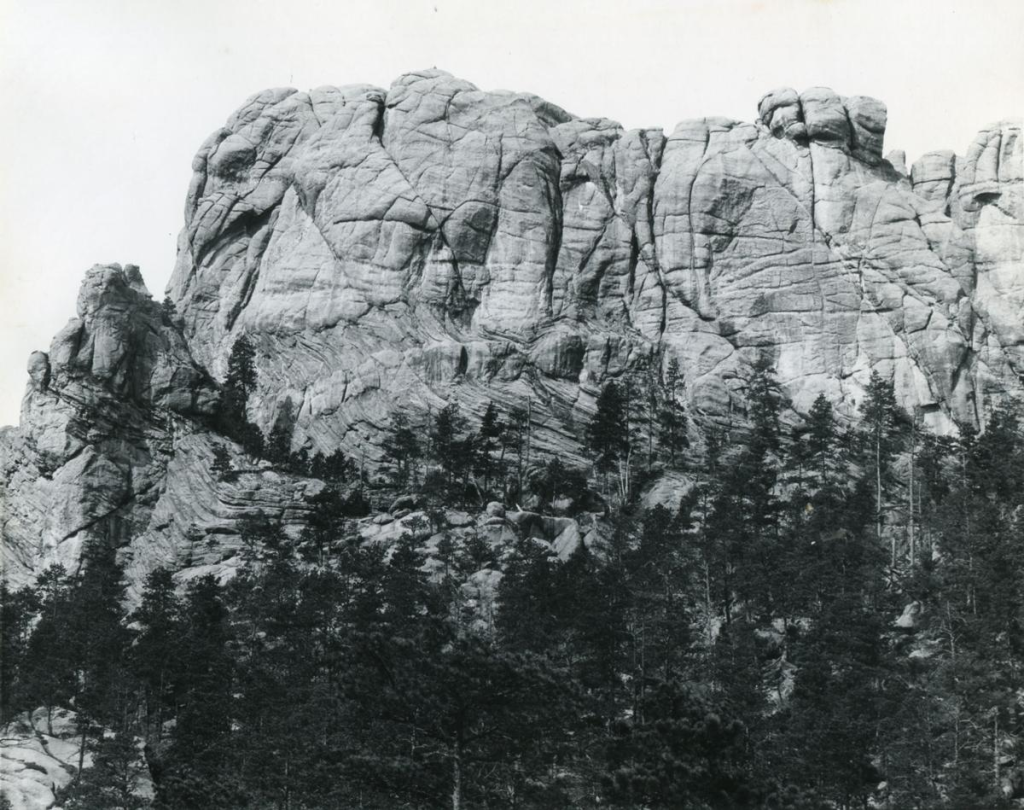
Mount Rushmore Started as an Ordinary Mountain
Before four enormous presidential faces appeared in the Black Hills, Mount Rushmore was simply a granite mountain. Work began in 1927 and continued for more than a decade, gradually transforming the rock into portraits of George Washington, Thomas Jefferson, Theodore Roosevelt, and Abraham Lincoln.
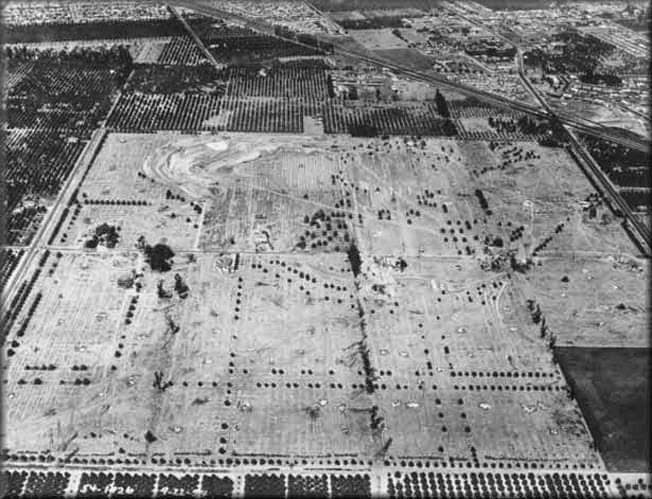
Disneyland Was Surrounded by Orange Groves
Before Sleeping Beauty Castle and Space Mountain, Anaheim looked considerably more agricultural. Walt Disney chose land surrounded by orange groves for Disneyland, and early photographs of the property and its construction make today’s packed theme park almost impossible to picture.
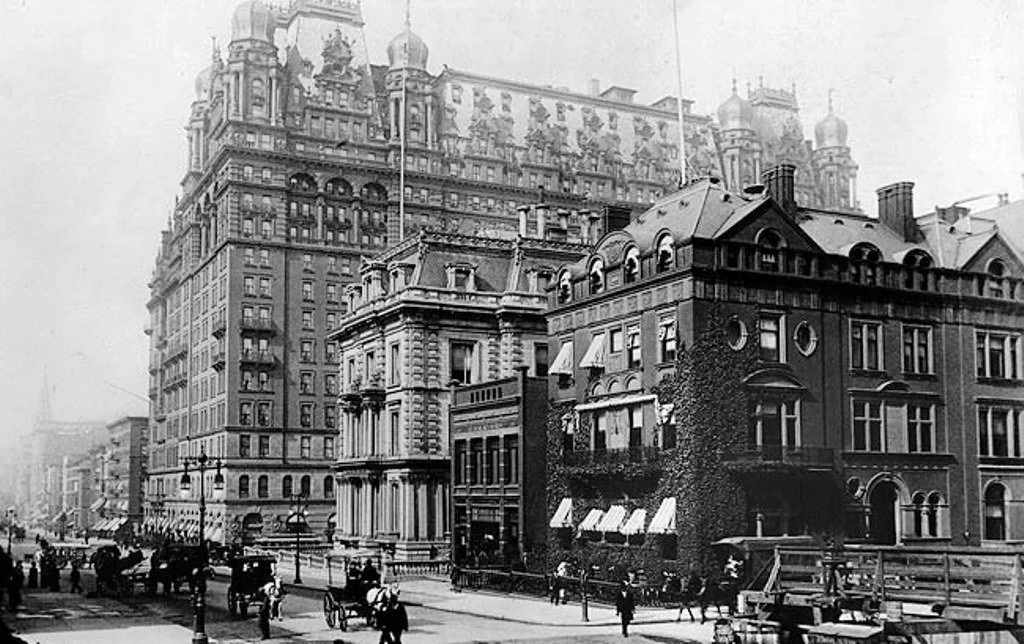
The Empire State Building Replaced a Famous Hotel
The corner occupied by the Empire State Building wasn’t empty before construction began. It had been home to the original Waldorf-Astoria hotel. The hotel was demolished in 1929, clearing the site for the skyscraper that would quickly become far more famous than its predecessor.
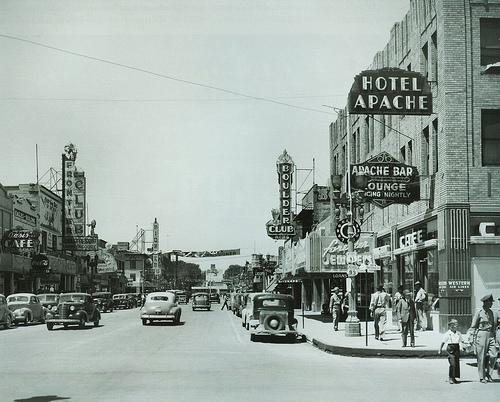
The Las Vegas Strip Was Mostly Desert
Today’s Las Vegas Strip is a wall of enormous hotels, lights, and traffic, but early photographs of the road show long stretches of open desert. Development accelerated during the 1940s and 1950s as resorts began transforming the highway into the entertainment corridor we know today.
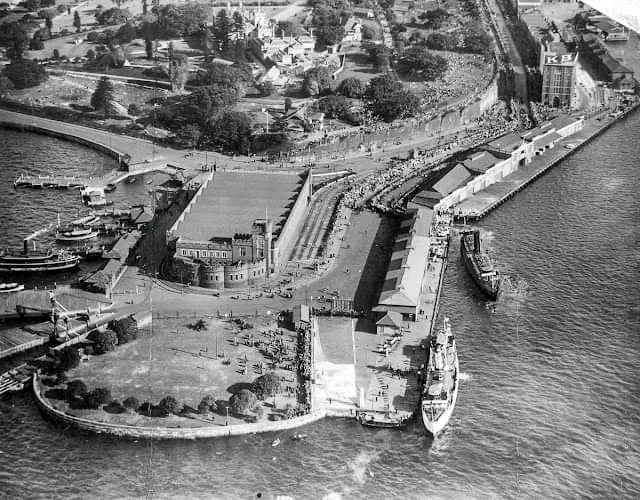
The Sydney Opera House Had a Tram Depot
Bennelong Point wasn’t always occupied by those famous white sails. Before construction of the Sydney Opera House began, the site contained a tram depot. It was demolished in the late 1950s to make way for one of Australia’s most recognizable buildings.
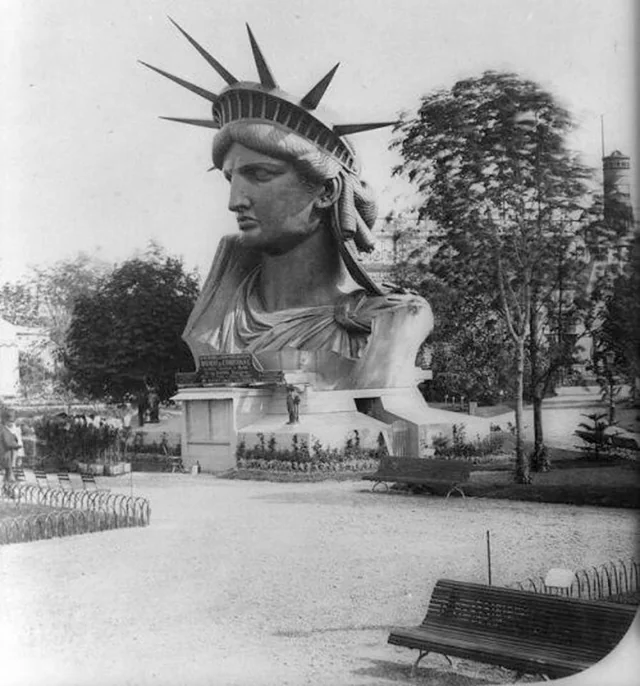
The Statue of Liberty Was Built in Pieces
Long before Lady Liberty stood over New York Harbor, parts of the statue could be seen separately during its construction. The head was even displayed publicly in Paris before the completed statue was shipped to the United States in pieces and reassembled on Bedloe’s Island.
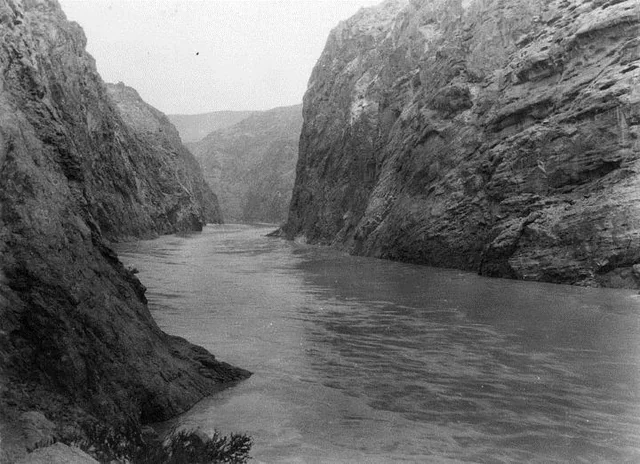
The Hoover Dam Began With an Empty Canyon
Before the enormous concrete wall and Lake Mead transformed the landscape, the Colorado River simply ran through Black Canyon. Construction beginning in the early 1930s turned the remote canyon into one of America’s most ambitious engineering projects.
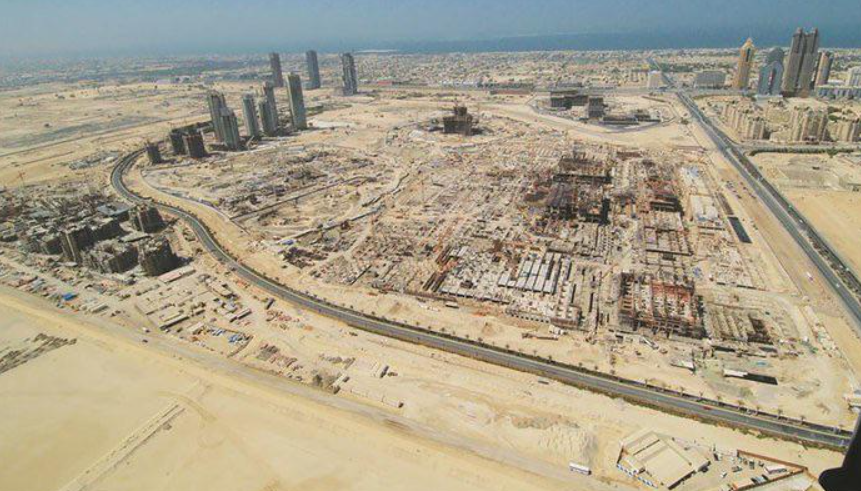
The Burj Khalifa Rose From an Almost Empty Site
Dubai’s skyline changed so quickly that photographs from the early 2000s can feel much older than they actually are. Images from before and during construction of the Burj Khalifa show relatively undeveloped land where the world’s tallest building and the dense Downtown Dubai district now stand.
Christ the Redeemer Took Shape on an Empty Mountaintop
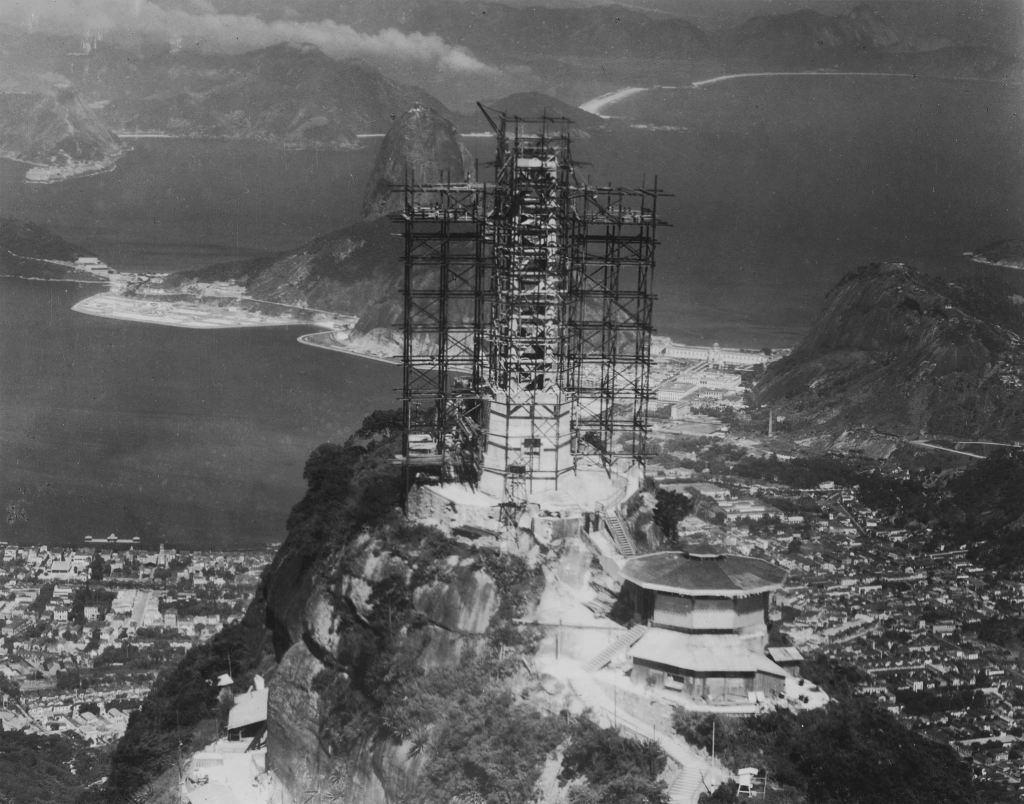
Corcovado Mountain already offered extraordinary views over Rio de Janeiro long before its most famous resident arrived. Construction of Christ the Redeemer began in the 1920s, and photographs show scaffolding surrounding the enormous figure as it gradually took shape above the city.
The Gateway Arch Replaced an Older Riverfront Neighborhood
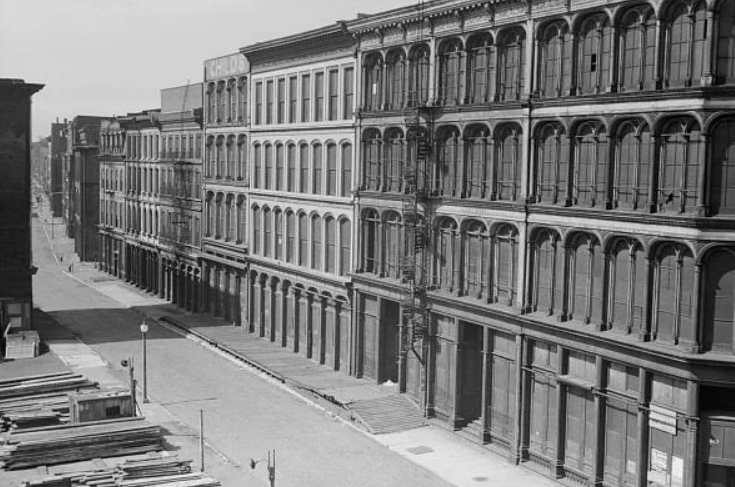
Before the Gateway Arch dominated the St. Louis skyline, its riverfront was filled with older commercial buildings and streets. Large sections of the district were cleared for the Jefferson National Expansion Memorial, eventually leaving space for the Arch, which began construction in 1963.
Central Park Wasn’t Empty Land
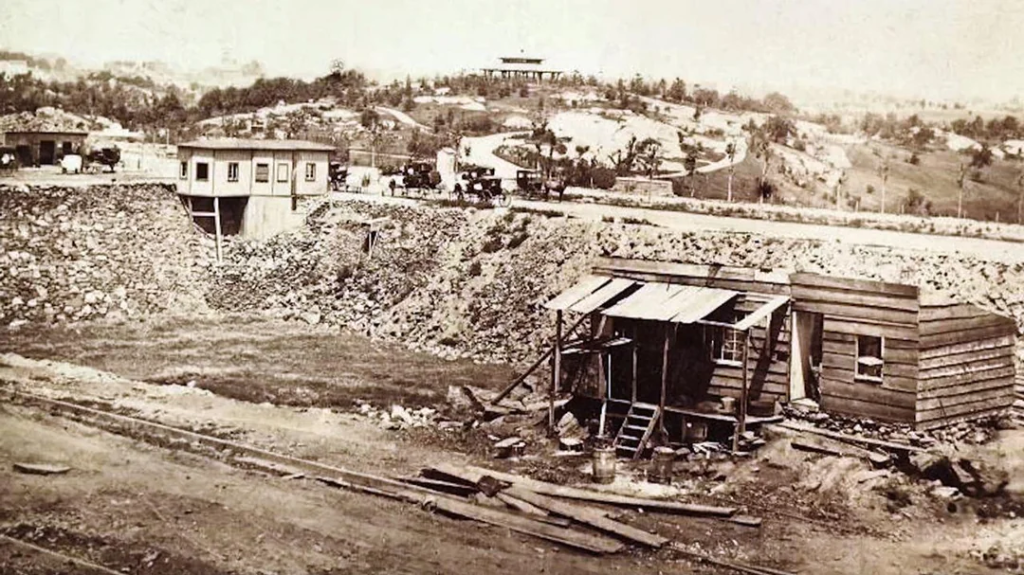
Central Park can look like a piece of untouched nature preserved in the middle of Manhattan, but the land had communities, roads, farms, and other development before the park opened. Among them was Seneca Village, a predominantly Black community whose residents were displaced when the city acquired land for the park.
Rockefeller Center Replaced a Very Different Manhattan Block
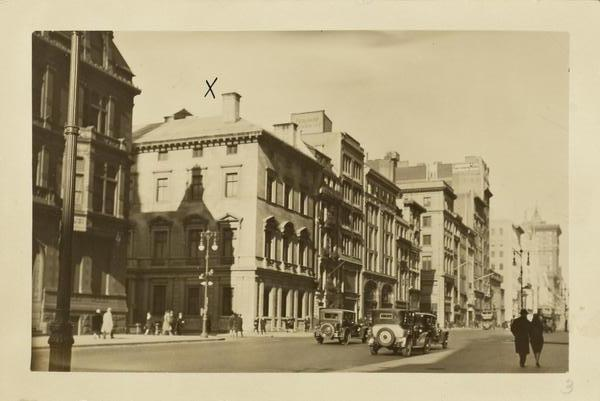
Rockefeller Center feels inseparable from Midtown Manhattan today, but its enormous complex only began taking shape during the 1930s. Earlier photographs show smaller buildings occupying the surrounding blocks before demolition and construction completely changed the area.