Every Single American President and Their Most Famous Photo

Being the President of the United States of America is an important job, mostly due to how influential the country is around the globe. As such, the role is also highly iconic, and it has been ever since the Declaration of Independence was penned by the Founding Fathers.
In today’s world, where everything is commercialized, iconic pictures of Presidents from present and past times are a commodity, with people using them as profile pictures, background images and even t-shirts. From what we could find, these are the most famous photos of each American President.
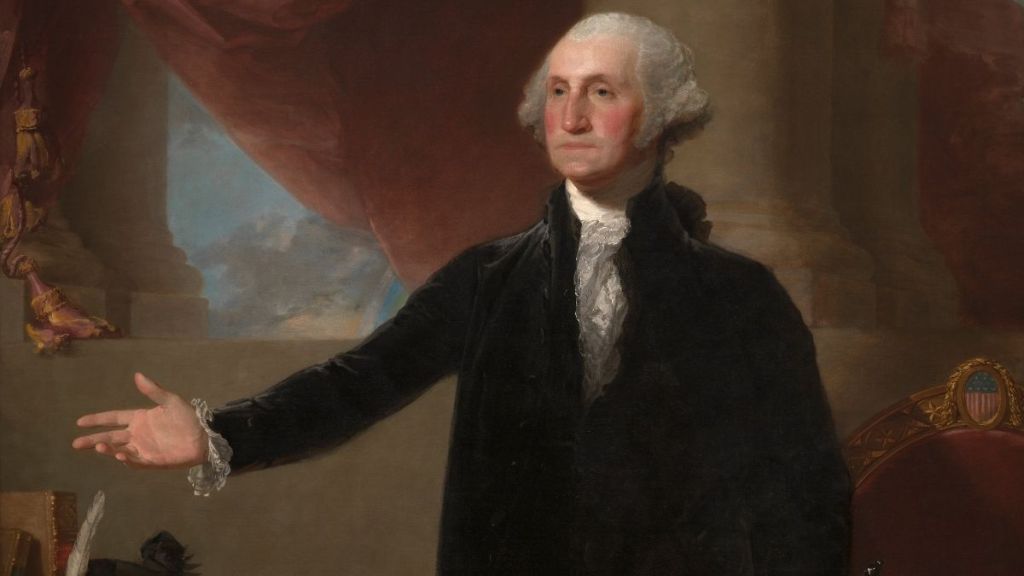
George Washington
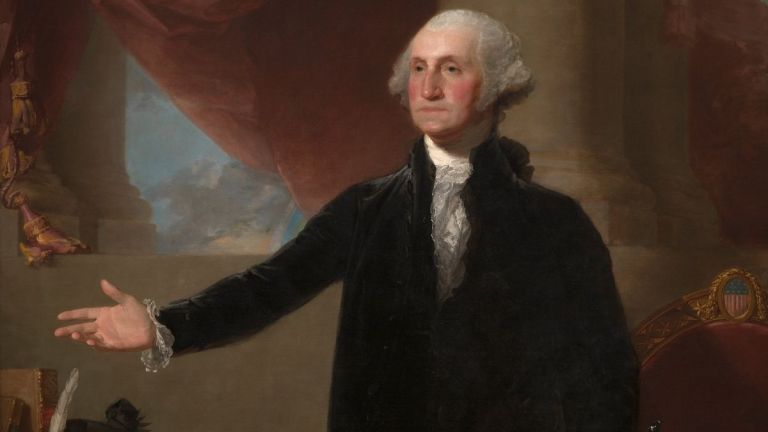
Gilbert Stuart’s Lansdowne Portrait became one of the defining images of America’s first president. Painted in 1796, it depicts Washington standing beside a desk and books, presenting the dignified statesman who helped establish the presidency itself.
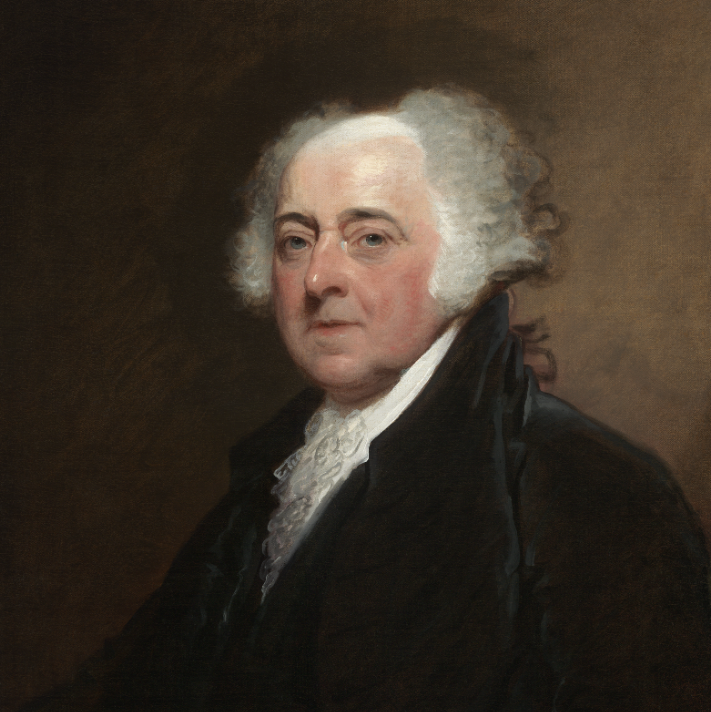
John Adams
John Adams is best represented by Gilbert Stuart’s formal portrait, painted during Adams’ presidency. The image captures the second president as an older statesman, providing one of the clearest visual records of the man who followed Washington.
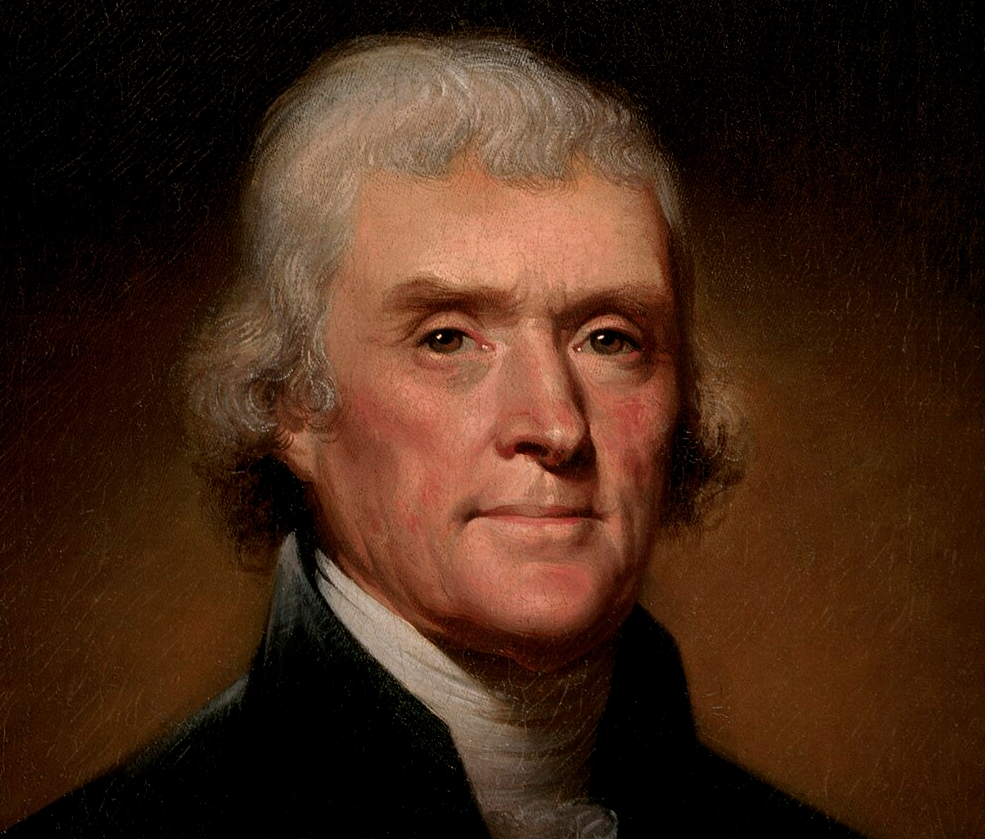
Thomas Jefferson
Rembrandt Peale’s portrait of Thomas Jefferson is among the most recognizable depictions of the third president. Jefferson’s image became inseparable from his legacy as principal Declaration of Independence author, president, and architect of the young republic.
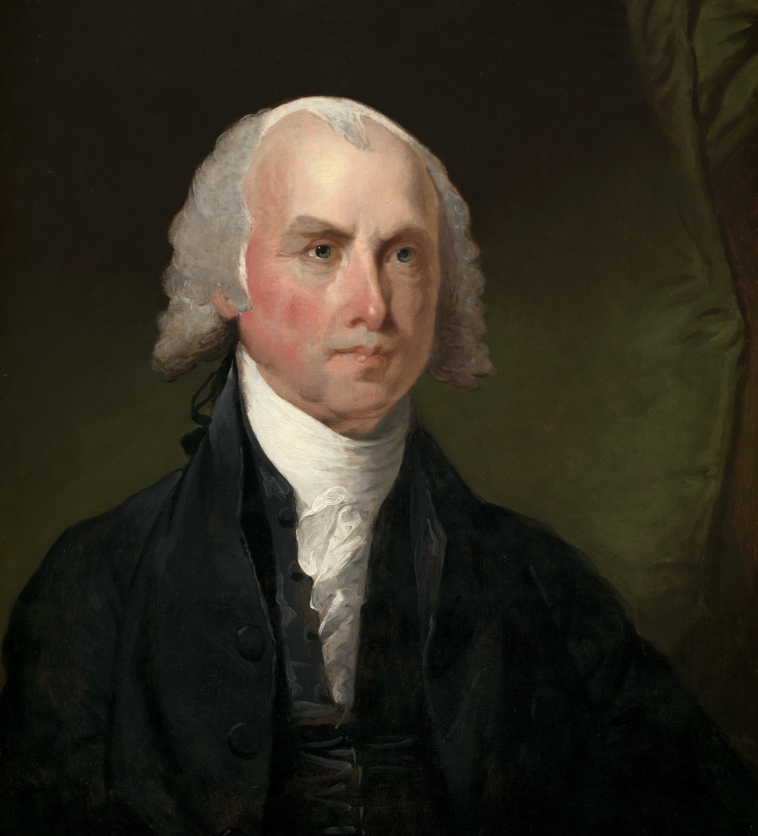
James Madison
Gilbert Stuart’s portrait of James Madison offers one of the most familiar images of the diminutive fourth president. Madison’s appearance contrasts with his enormous constitutional legacy as a principal architect of the Constitution and Bill of Rights.
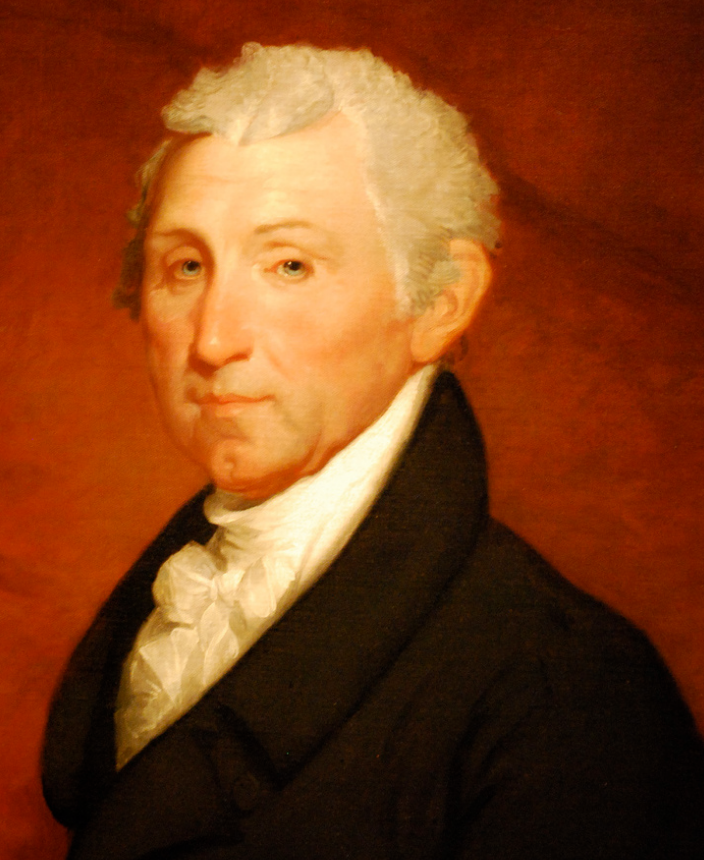
James Monroe
James Monroe’s formal portraits show the fifth president in the dignified style expected of an early American statesman. He is remembered particularly for the Monroe Doctrine, which became a foundational statement of American foreign policy.
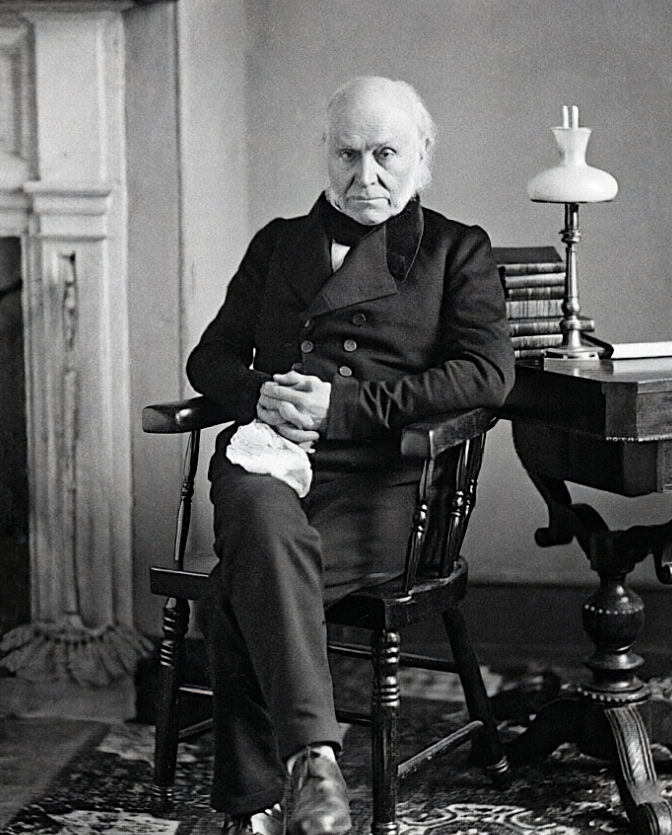
John Quincy Adams
John Quincy Adams appears in some of the earliest recognizable presidential photographs, including works by Charles Osgood. The sixth president’s stern expression suits a remarkable career that included diplomacy, the presidency, and decades in Congress.
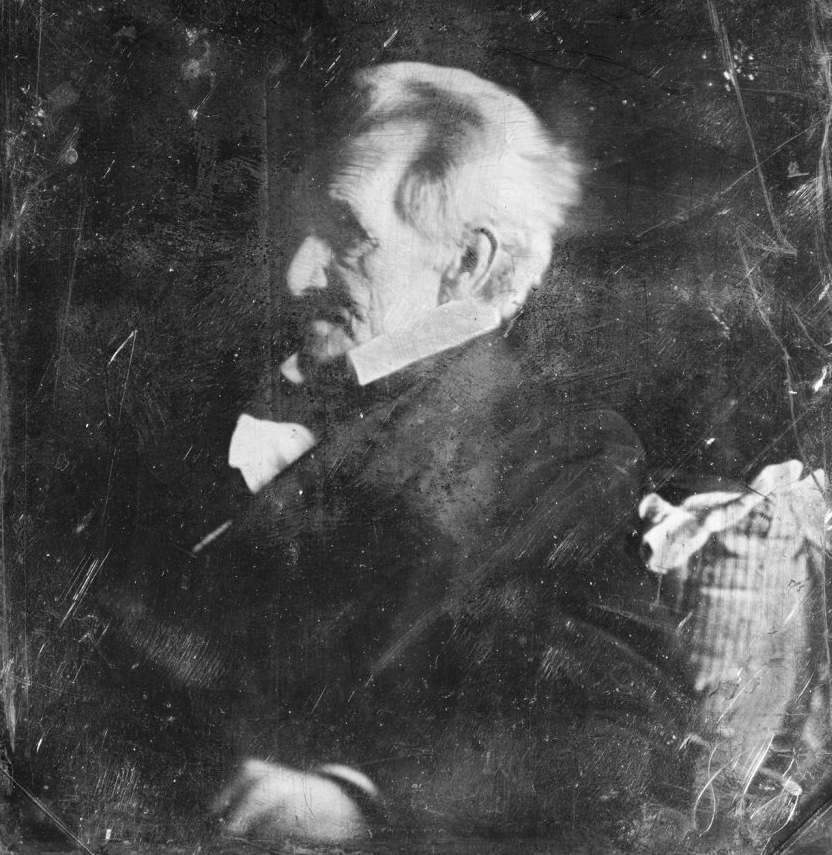
Andrew Jackson
Andrew Jackson’s portrait by Ralph E.W. Earl became one of the defining images of the controversial seventh president, yet when talking about photographs, this is the one to consider. Its formal presentation reflects Jackson’s transformation from military hero into a powerful symbol of populist American politics.
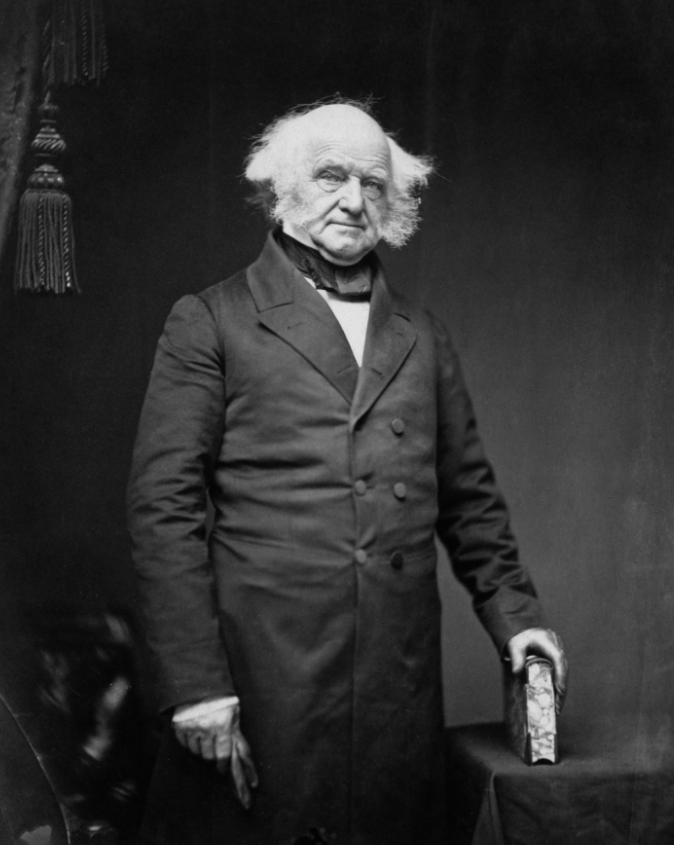
Martin Van Buren
Martin Van Buren was among the earliest presidents to be photographed, making his likeness particularly significant in the history of presidential imagery. His formal portraits and early photographs capture a transitional figure between painted and photographic political culture.
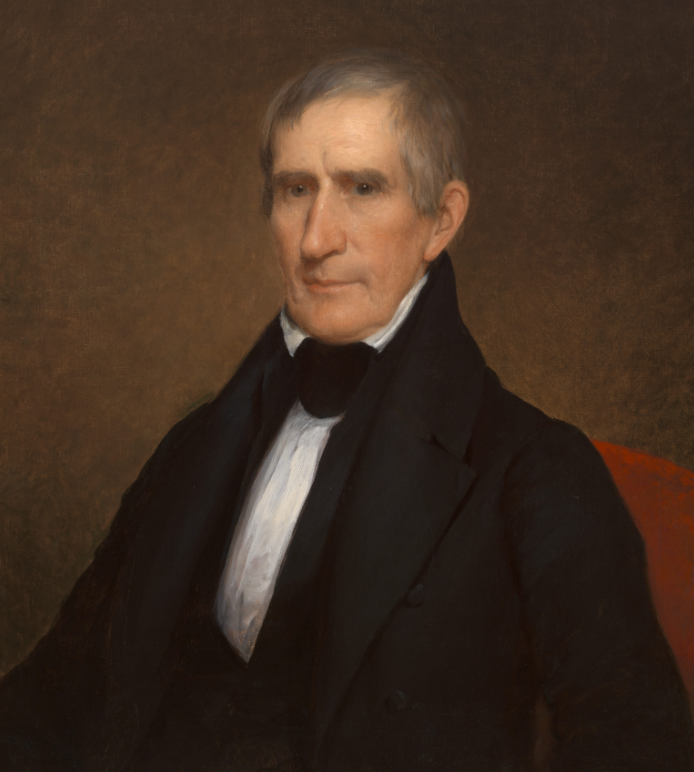
William Henry Harrison
William Henry Harrison’s presidential portrait is a reminder of how different political imagery was before photography became widespread. Harrison’s presidency lasted only 31 days, making his brief tenure one of the most unusual in presidential history.
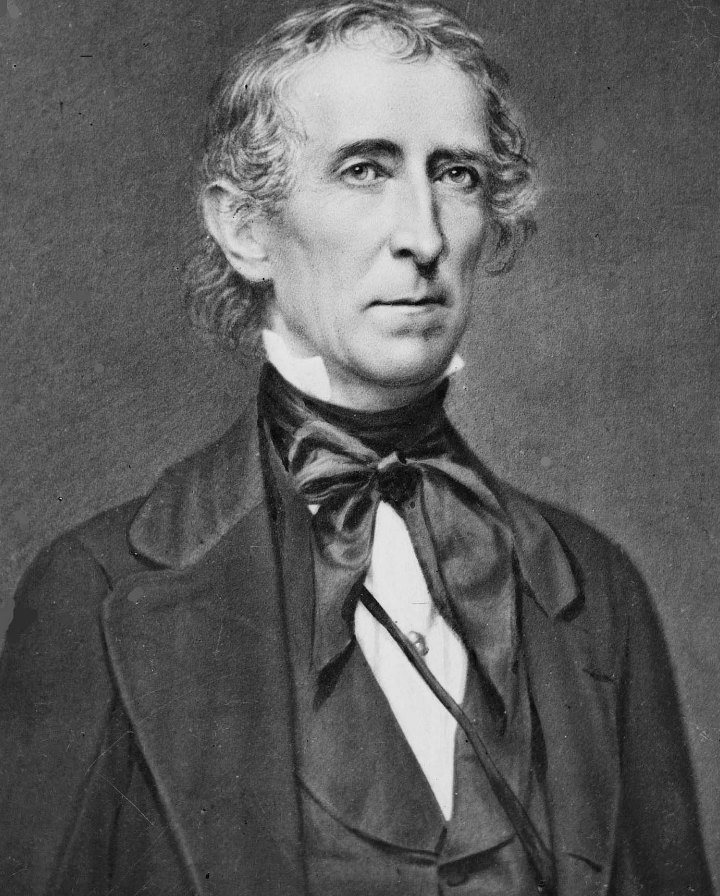
John Tyler
John Tyler is represented by surviving photographs from the Brady-Handy collection, giving people an unusually direct look at a president from photography’s early era. Tyler became president after Harrison’s death, establishing an important constitutional precedent.
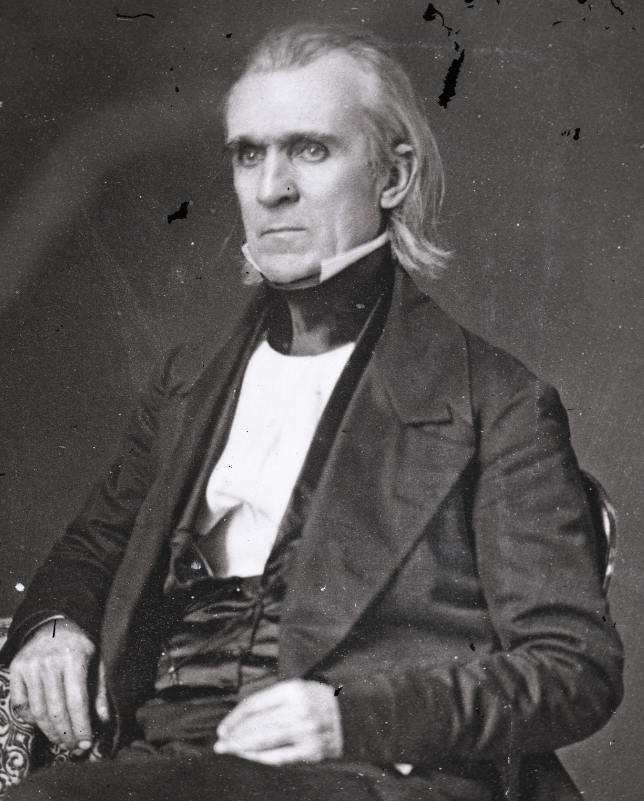
James K. Polk
James K. Polk was the first sitting president known to have been photographed, making his likeness historically important beyond his presidency. His photograph captures a leader whose administration oversaw enormous American territorial expansion.
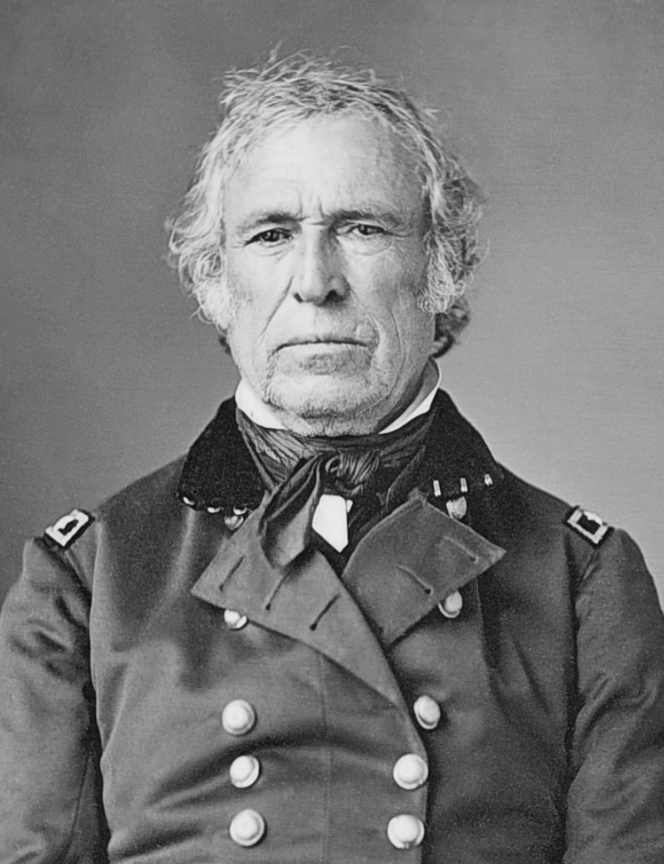
Zachary Taylor
Zachary Taylor’s formal military portrait captures the image that helped propel the career soldier to the presidency. Known as “Old Rough and Ready,” Taylor became a national hero after his service during the Mexican-American War.
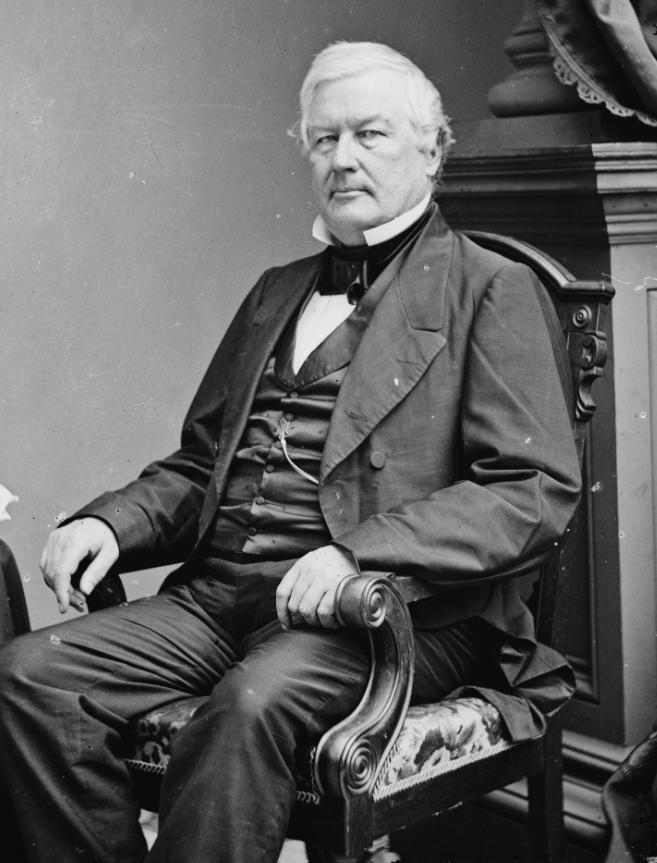
Millard Fillmore
Millard Fillmore’s surviving photographic portraits show the 13th president during photography’s early development. He entered the White House after Zachary Taylor’s death and is remembered for signing the controversial Compromise of 1850.
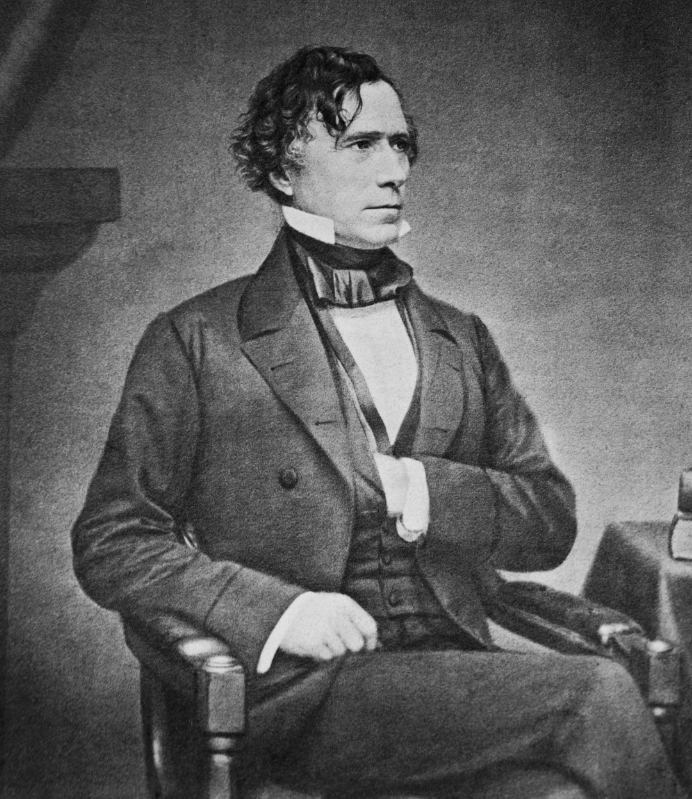
Franklin Pierce
Franklin Pierce’s photographic portraits show a youthful-looking president whose personal tragedy contrasted sharply with his political career. His administration struggled with mounting sectional tensions that would eventually push the United States toward civil war.
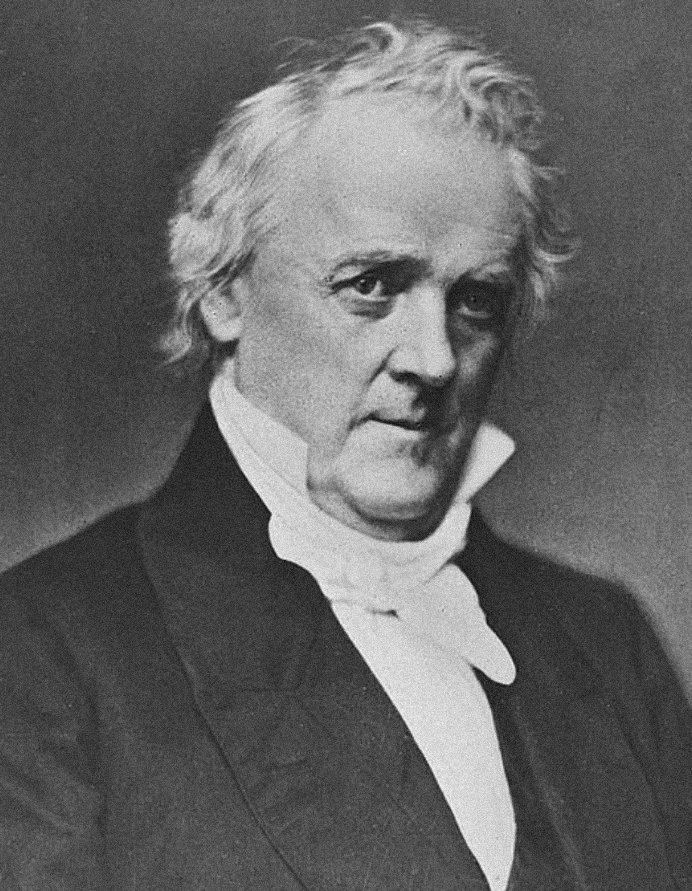
James Buchanan
James Buchanan’s formal photographs capture the only U.S. president elected while remaining a lifelong bachelor. His presidency became synonymous with the escalating sectional crisis, particularly his inability to prevent the country’s slide toward civil war.
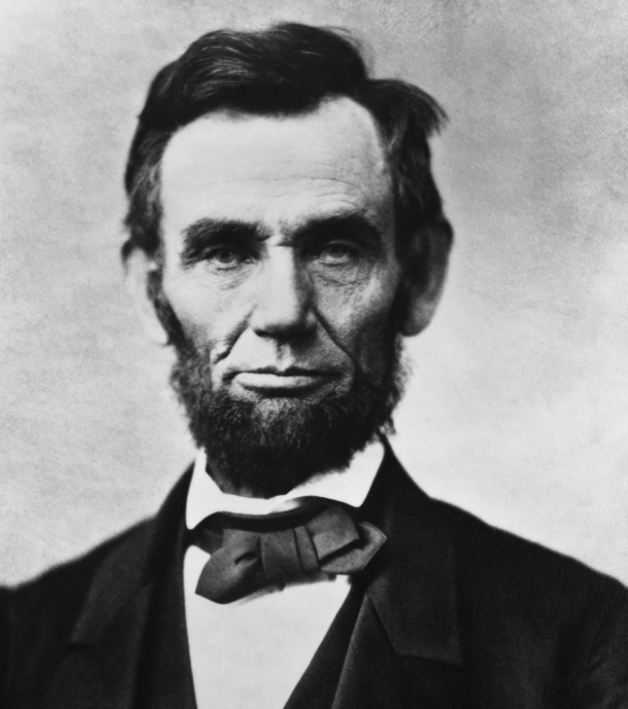
Abraham Lincoln
Abraham Lincoln’s photographs by Alexander Gardner and other photographers transformed his public image into one of the most recognizable in American history. His gaunt features became inseparable from the Civil War, emancipation, and the preservation of the Union.
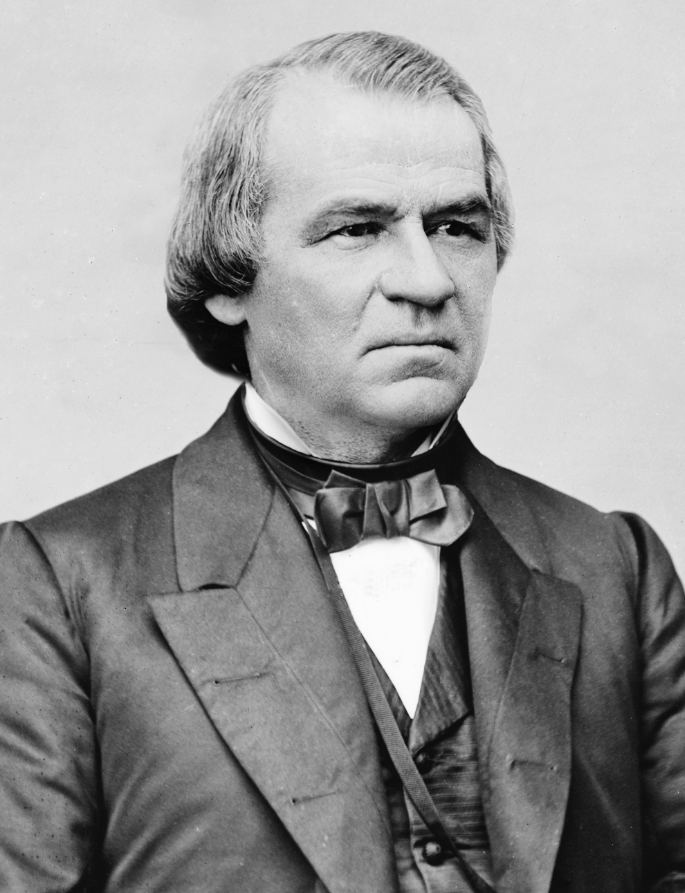
Andrew Johnson
Andrew Johnson’s photographs capture the stern-looking successor to Lincoln, whose presidency became defined by an extraordinary clash with Congress. His impeachment trial made him the first American president to face formal impeachment proceedings.
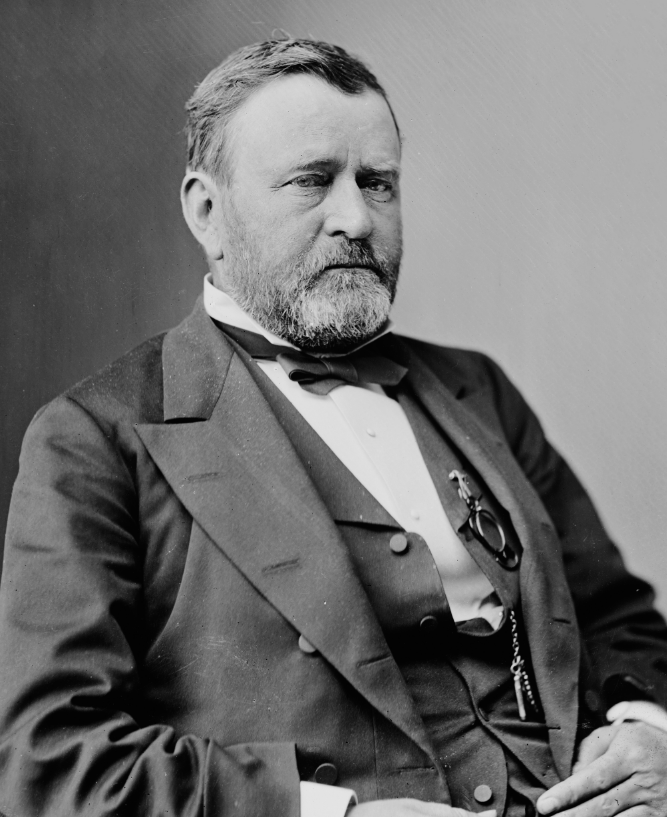
Ulysses S. Grant
Photographs of Ulysses S. Grant frequently emphasize the quiet, serious demeanor of the Union general who became president. His military reputation made him a national hero before his two presidential terms brought a very different legacy.
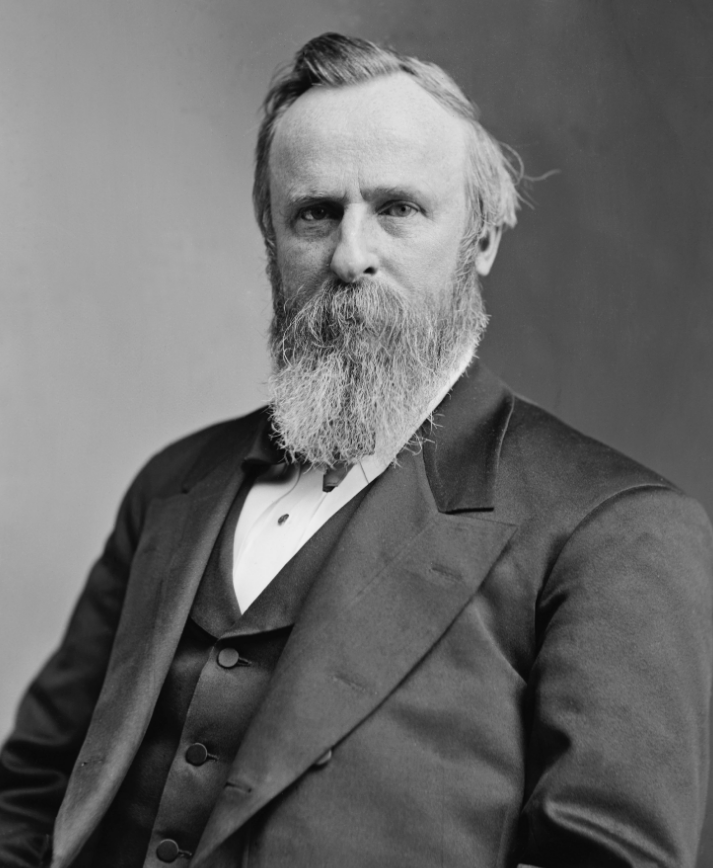
Rutherford B. Hayes
Rutherford B. Hayes is best represented by his formal presidential photographs, which reflect the restrained appearance of a politician whose disputed 1876 election ultimately ended Reconstruction. His presidency remains closely connected to that controversial political settlement.
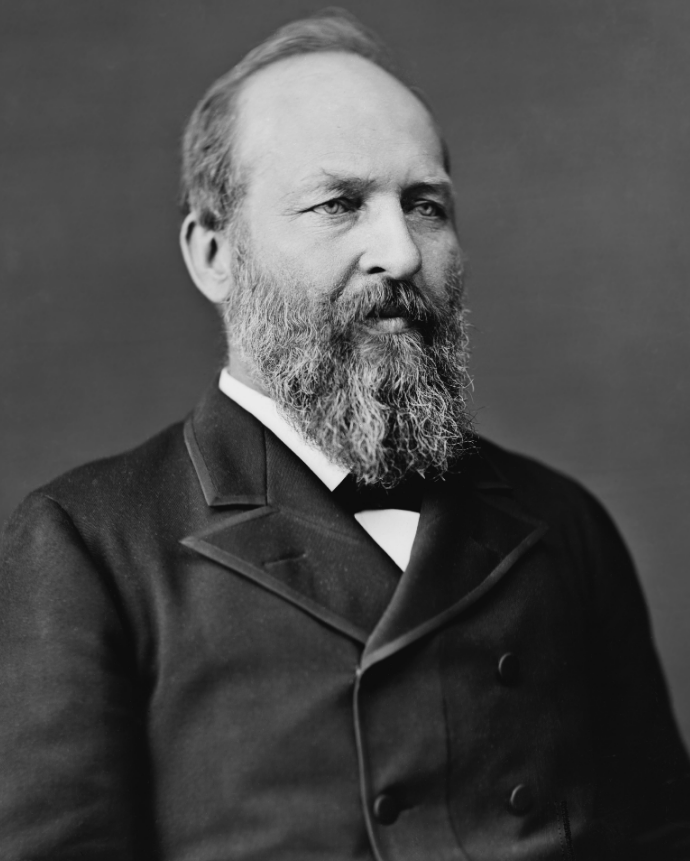
James A. Garfield
Photographs of James A. Garfield preserve the image of a president whose time in office was tragically brief. Garfield was assassinated only months after taking office, dying in 1881 after a prolonged struggle with his wounds.
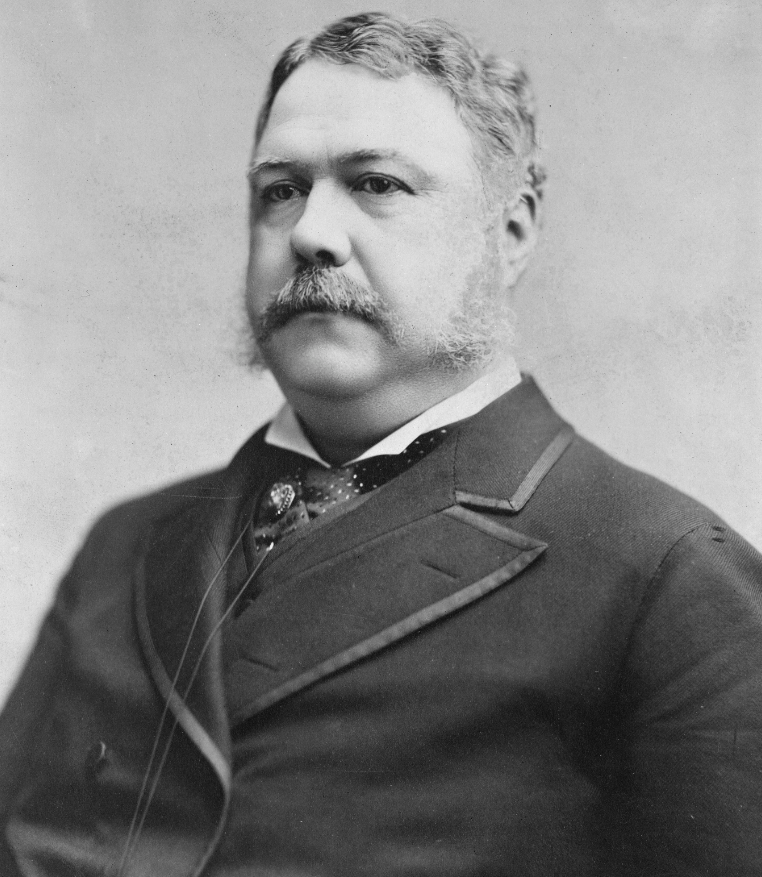
Chester A. Arthur
Chester A. Arthur became famous for an unusually meticulous personal appearance, and his photographs capture the elaborate sideburns and carefully groomed style that made him one of America’s most visually distinctive presidents.
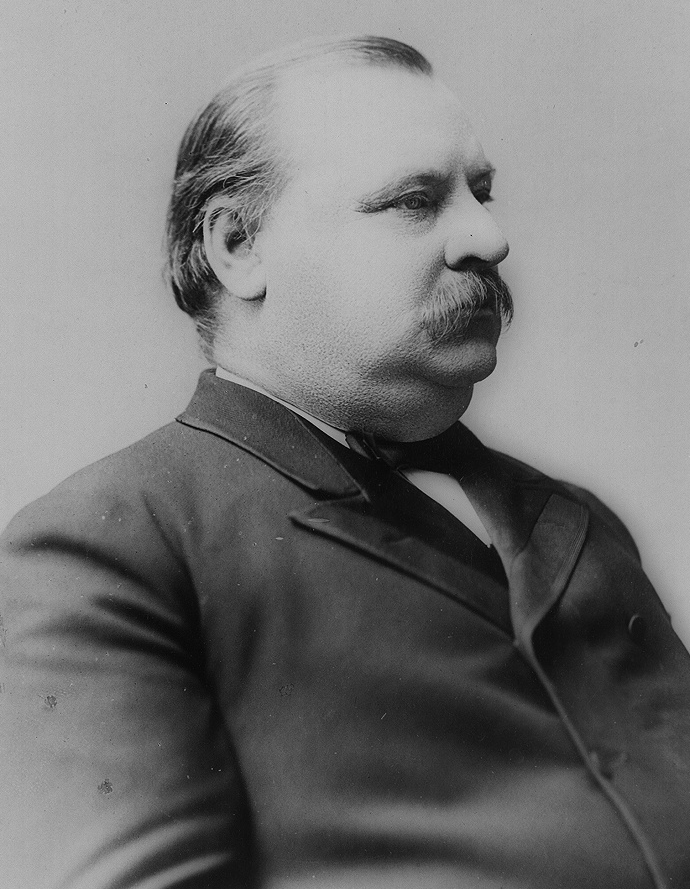
Grover Cleveland
Grover Cleveland’s imposing photographs reflect the unusual political career of the only president to serve two nonconsecutive terms. His first and second presidencies made him both the 22nd and 24th president of the United States.
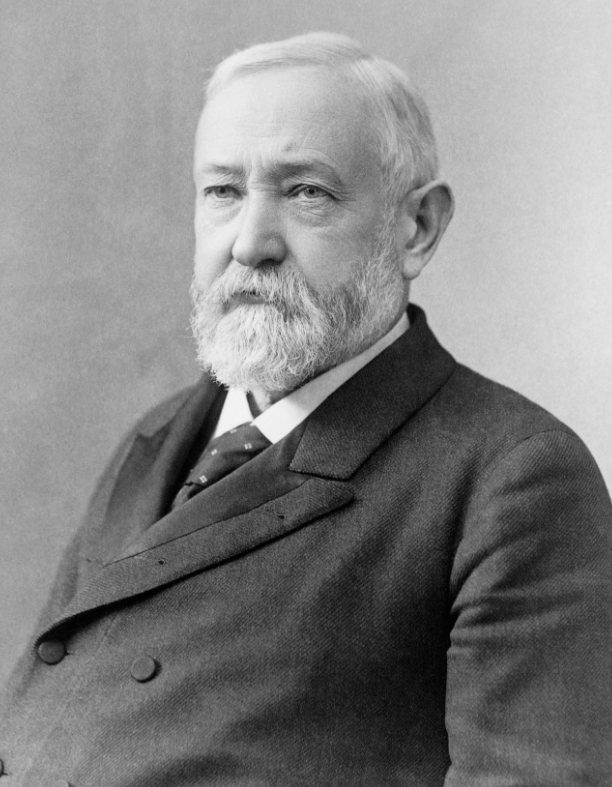
Benjamin Harrison
Benjamin Harrison’s formal photographs portray a notably serious-looking president who followed Cleveland into the White House. His administration oversaw significant economic legislation and the admission of six new states to the Union.
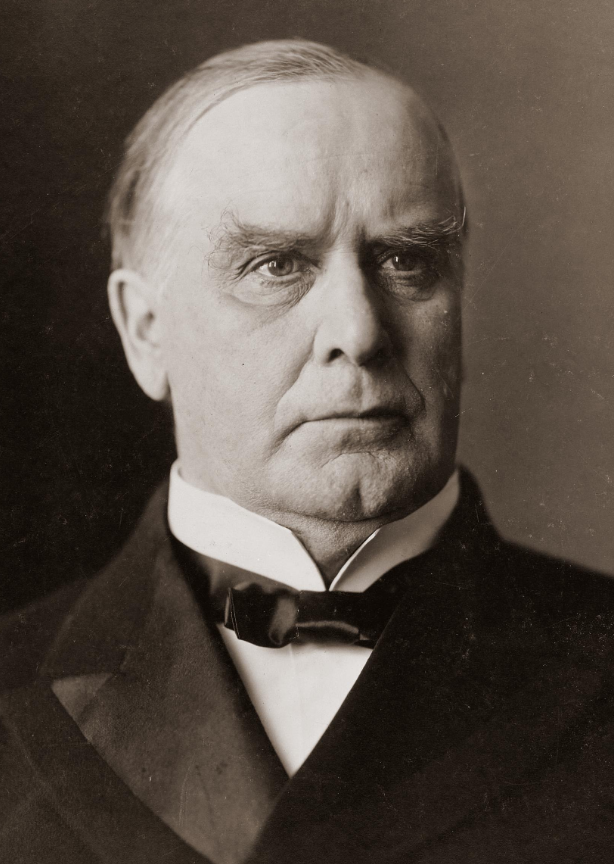
William McKinley
William McKinley’s formal presidential photographs capture the reserved appearance of the leader associated with the Spanish-American War. His presidency marked a major expansion of American influence overseas before his assassination in 1901.
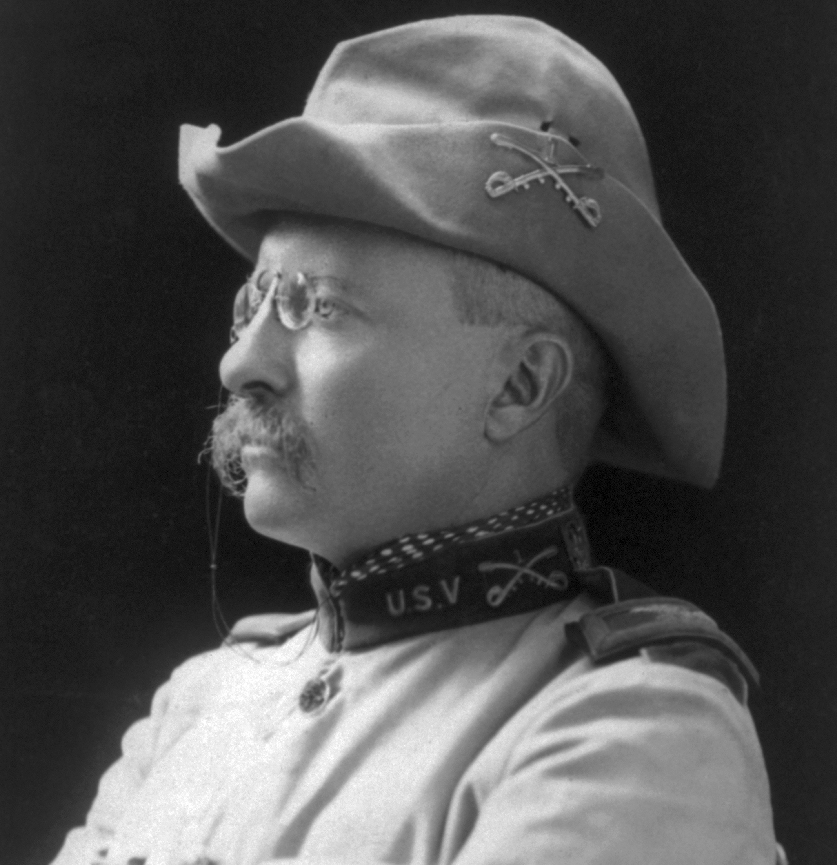
Theodore Roosevelt
Photographs of Theodore Roosevelt in his Rough Rider uniform capture the exuberant personality that made him one of America’s most recognizable presidents. His military image, progressive politics, and famously energetic personality made him a natural photographic subject.
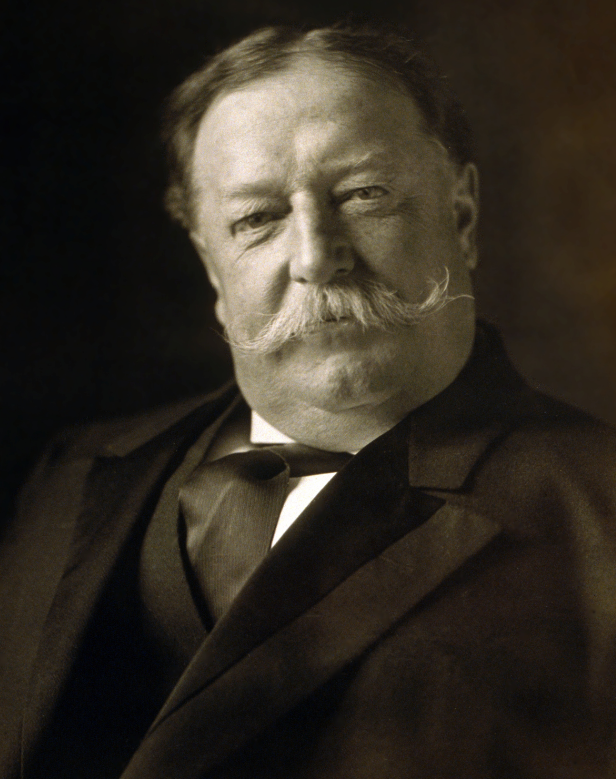
William Howard Taft
William Howard Taft’s presidential portraits are memorable partly because his imposing size became a constant subject of public fascination. Yet his legacy extends beyond appearances: he later became the only former president to serve as Chief Justice.
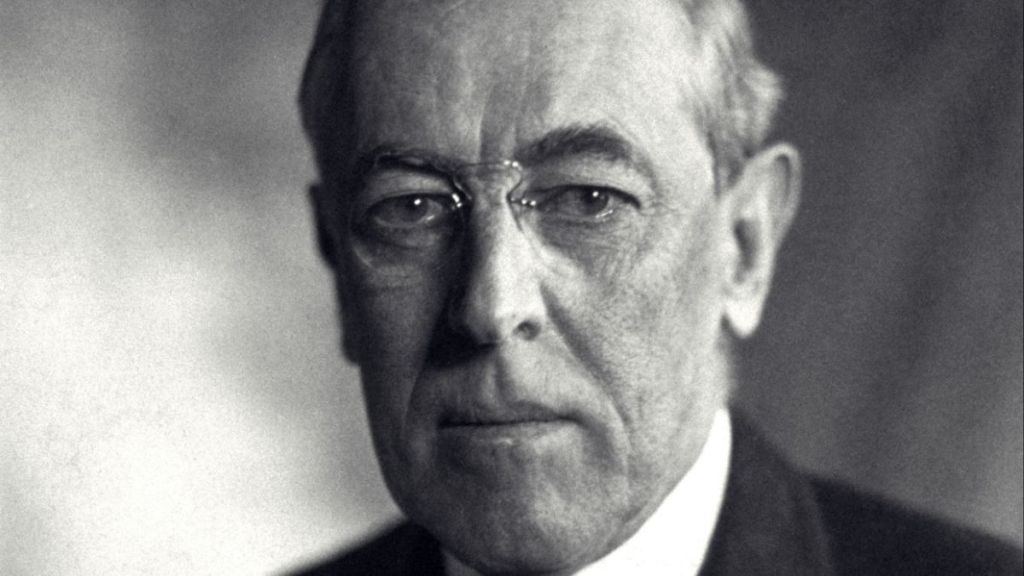
Woodrow Wilson
Woodrow Wilson’s photographs capture a president whose administration was dominated by World War I and his campaign for the League of Nations. Later images showing his declining health also became an important part of his historical story.
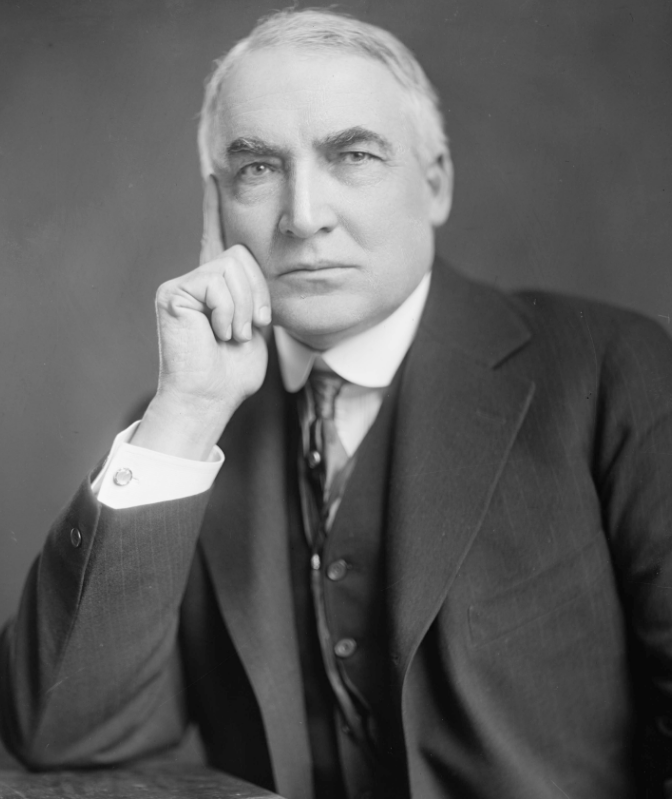
Warren G. Harding
Warren G. Harding’s photographs present the genial, presidential image that helped make him enormously popular during the 1920 campaign. His presidency later became associated with scandals, particularly the corruption surrounding the Teapot Dome affair.
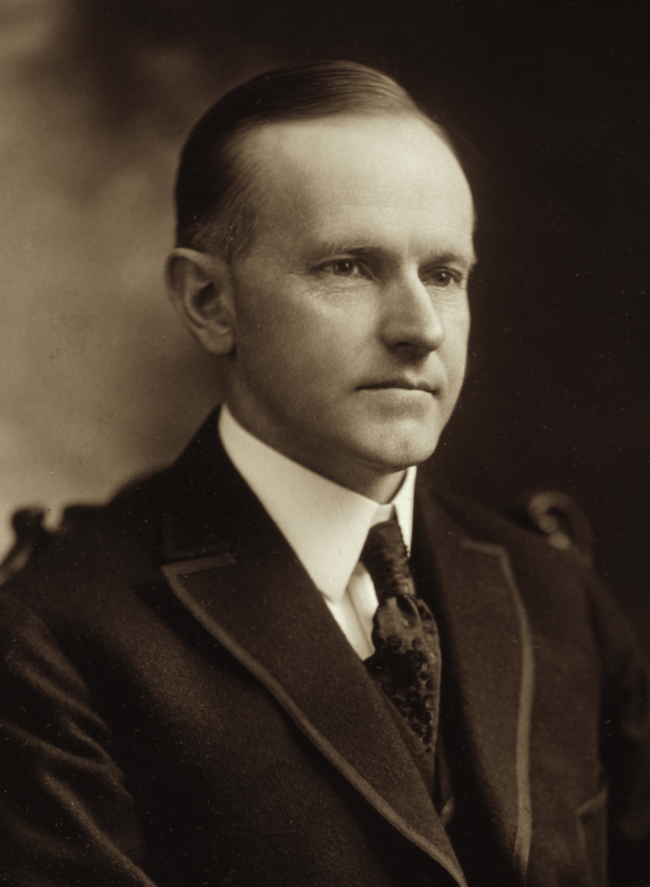
Calvin Coolidge
Calvin Coolidge’s famously reserved expression perfectly matched his nickname, “Silent Cal.” Photographs of the taciturn president helped establish an enduring public image of a leader who preferred limited government, short statements, and an unusually quiet personality.
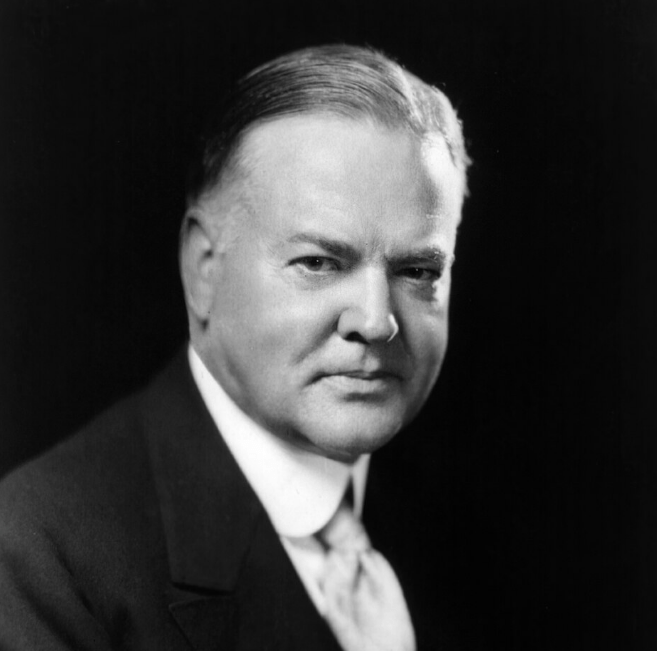
Herbert Hoover
Photographs of Herbert Hoover became inseparable from the Great Depression, particularly images of the president confronting a devastating economic collapse. The contrast between Hoover’s formal presidential appearance and widespread suffering shaped his historical reputation.
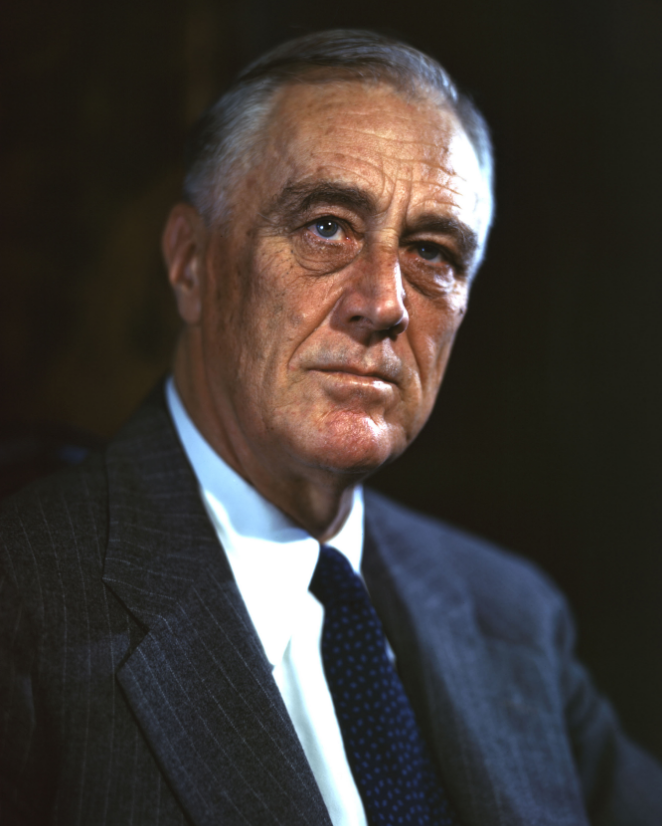
Franklin D. Roosevelt
Photographs of Franklin D. Roosevelt often show the extraordinary public confidence he projected despite paralysis caused by polio. Images of the president at his desk or surrounded by Americans became symbols of leadership during the Depression and World War II.
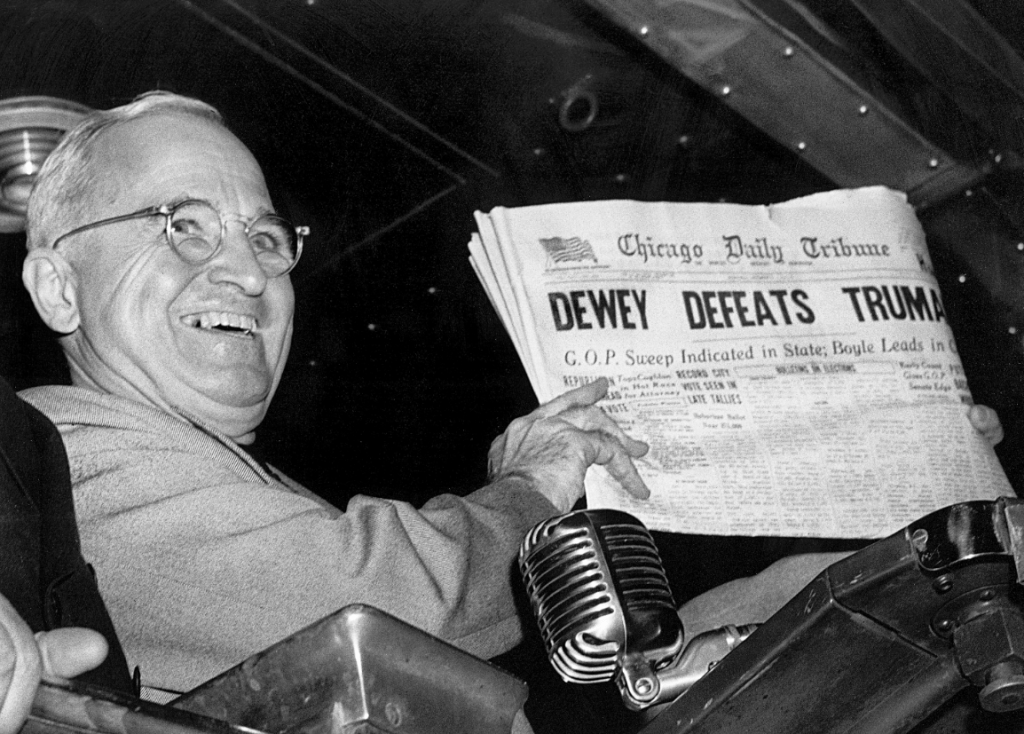
Harry S. Truman
Few presidential photographs are as instantly recognizable as Harry Truman holding a newspaper declaring “Dewey Defeats Truman.” Taken after his 1948 upset victory, the image captured Truman’s triumph over widespread expectations that he would lose.
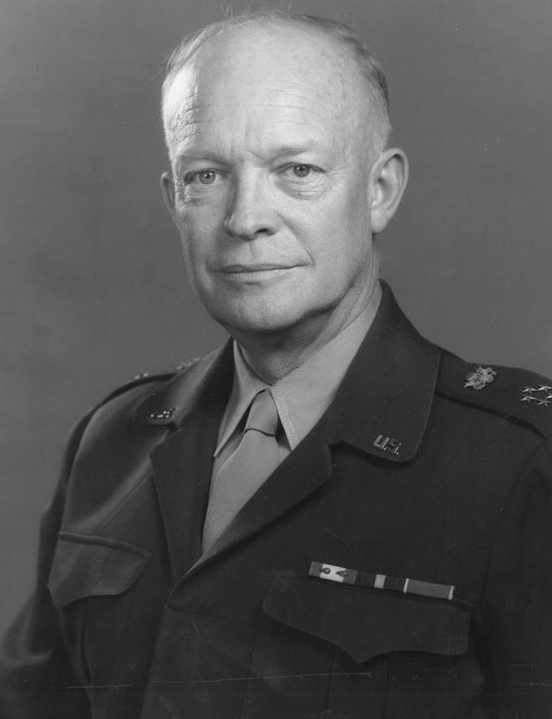
Dwight D. Eisenhower
Photographs of Dwight D. Eisenhower in his military uniform preserve the image of the celebrated Allied commander who became president. His wartime leadership made him one of the most recognizable American figures before he entered the White House.
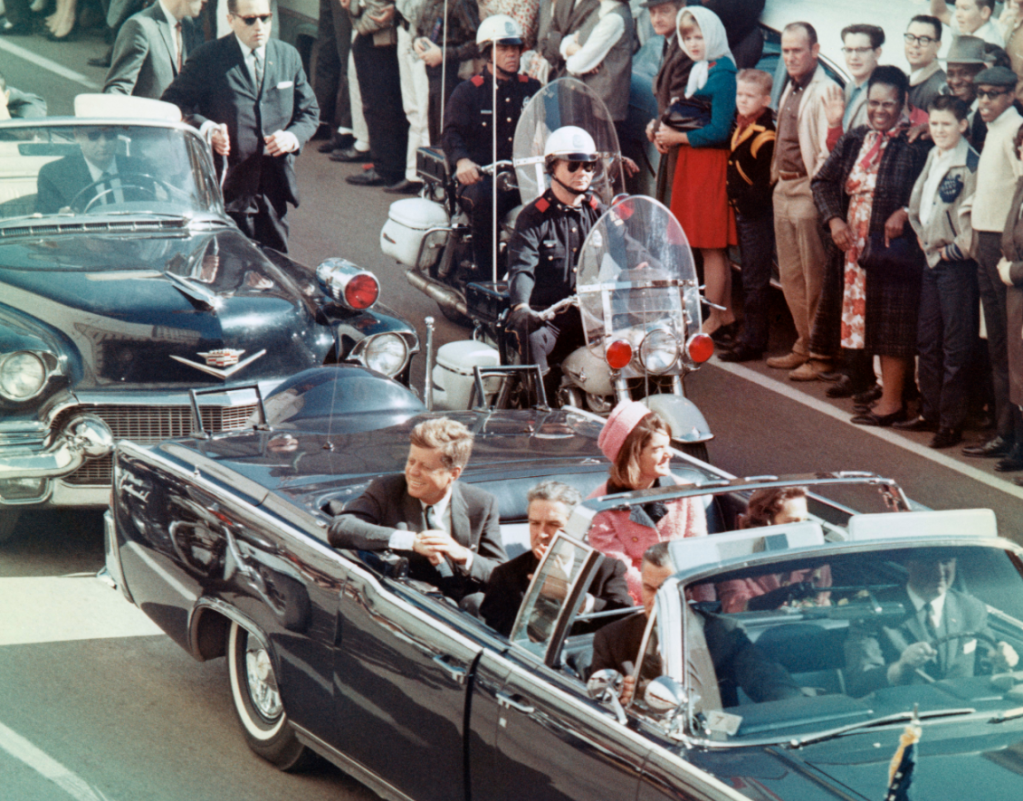
John F. Kennedy
After the tragic assassination of President John F. Kennedy, few photographs remain that are as prevalent as the one taken minutes before his demise. There are other more candid pictures, but not a single one as famous as this one.
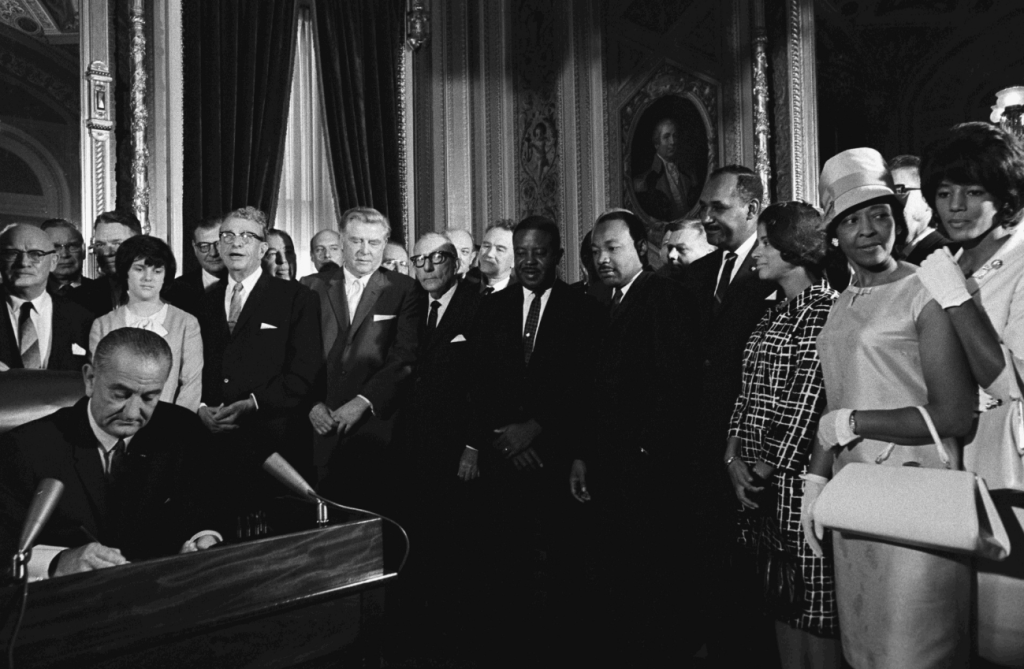
Lyndon B. Johnson
Lyndon B. Johnson’s famous photographs often capture his overwhelming physical presence, whether looming over aides or speaking directly to people. Images of him with his “Great Society” legislation reflect the forceful personality behind his presidency.
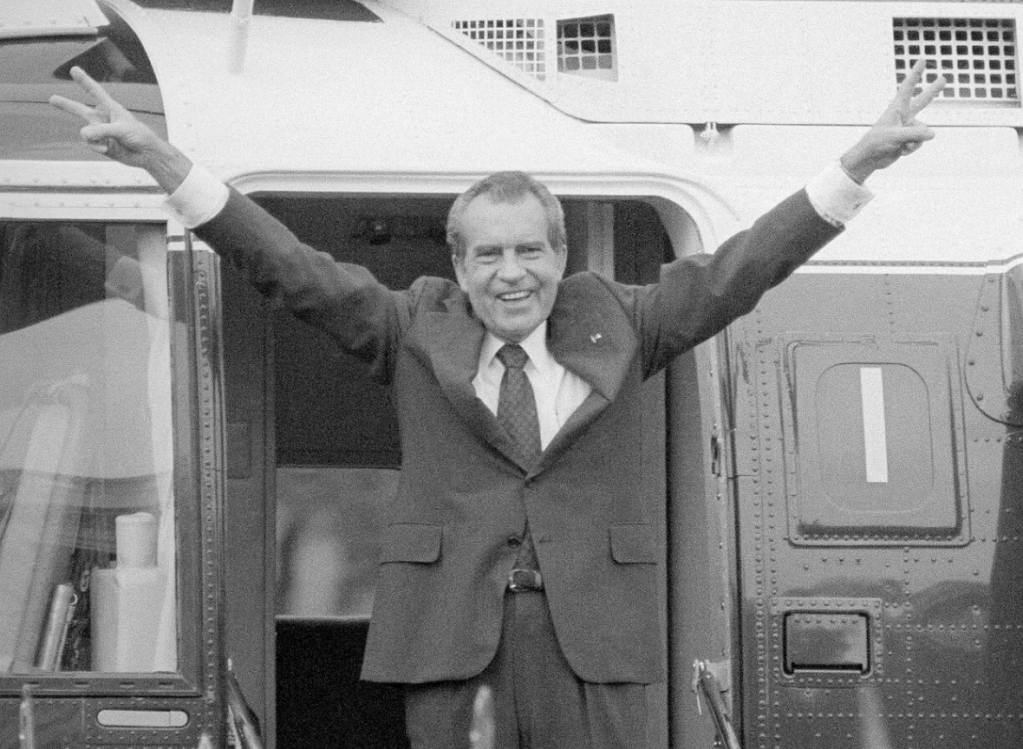
Richard Nixon
One of Richard Nixon’s most memorable photographs shows him leaving the White House after resigning in 1974, smiling and giving his famous victory signs. The image became an extraordinary visual ending to the Watergate scandal.
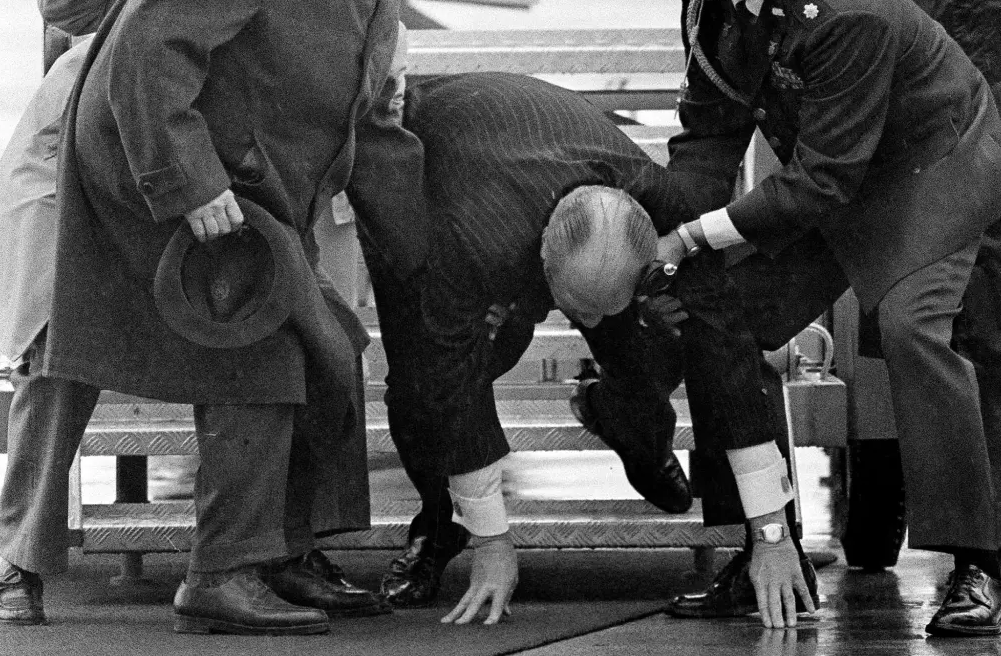
Gerald Ford
Gerald Ford became unexpectedly famous for an entirely different reason: photographs of his notorious missteps. Images of Ford falling down the steps of Air Force One became symbols of the reputation for clumsiness that followed him throughout his presidency.
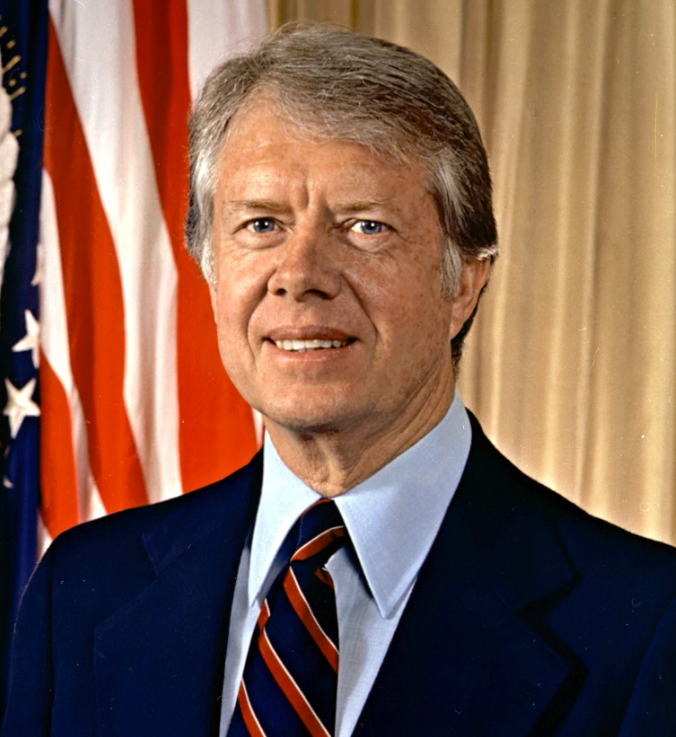
Jimmy Carter
Jimmy Carter’s image became closely associated with his rural Georgia roots and humble personality. Photographs of the peanut farmer turned president helped distinguish him from Washington insiders and became central to the carefully down-to-earth image of his campaign.
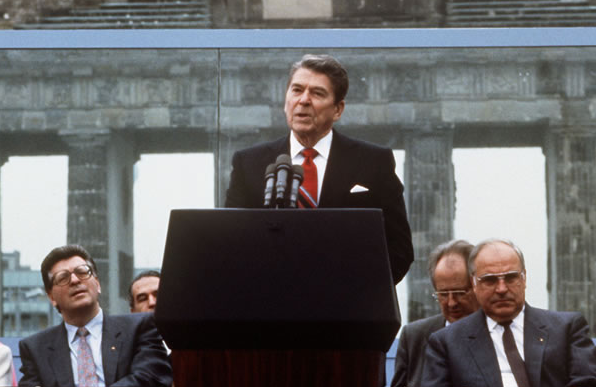
Ronald Reagan
Photographs of Ronald Reagan at the Brandenburg Gate, particularly those surrounding his famous “Tear down this wall” speech, became powerful symbols of the Cold War. The images helped cement Reagan’s association with the confrontation against Soviet communism.
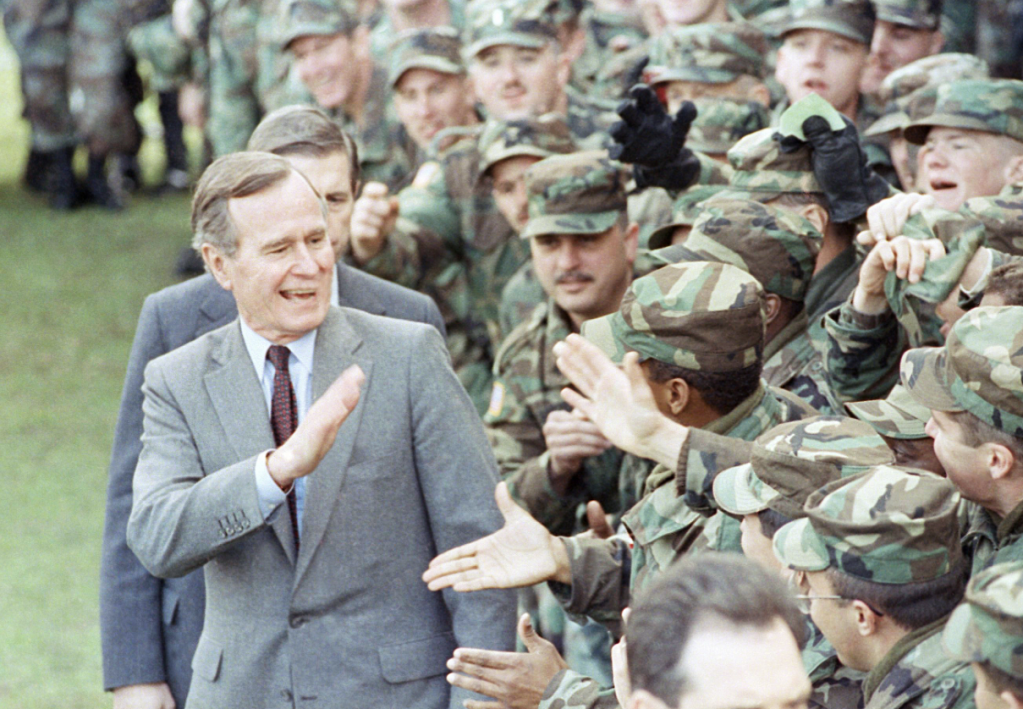
George H. W. Bush
George H. W. Bush’s presidency produced many memorable photographs, but images of him aboard a military aircraft or visiting troops capture the former naval aviator’s public identity. His wartime service remained an important part of his personal story.
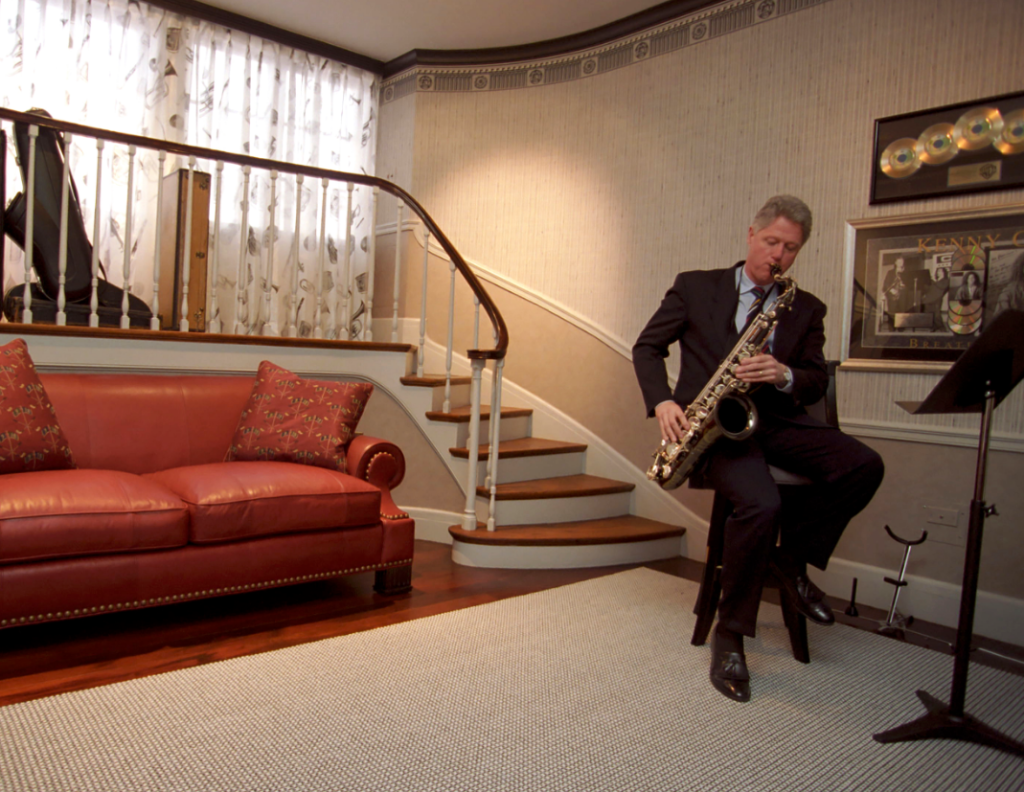
Bill Clinton
Bill Clinton’s campaign-era photograph playing saxophone on television became one of the defining images of his political persona. The moment helped present the Arkansas governor as a younger, culturally modern candidate during the 1992 presidential campaign.
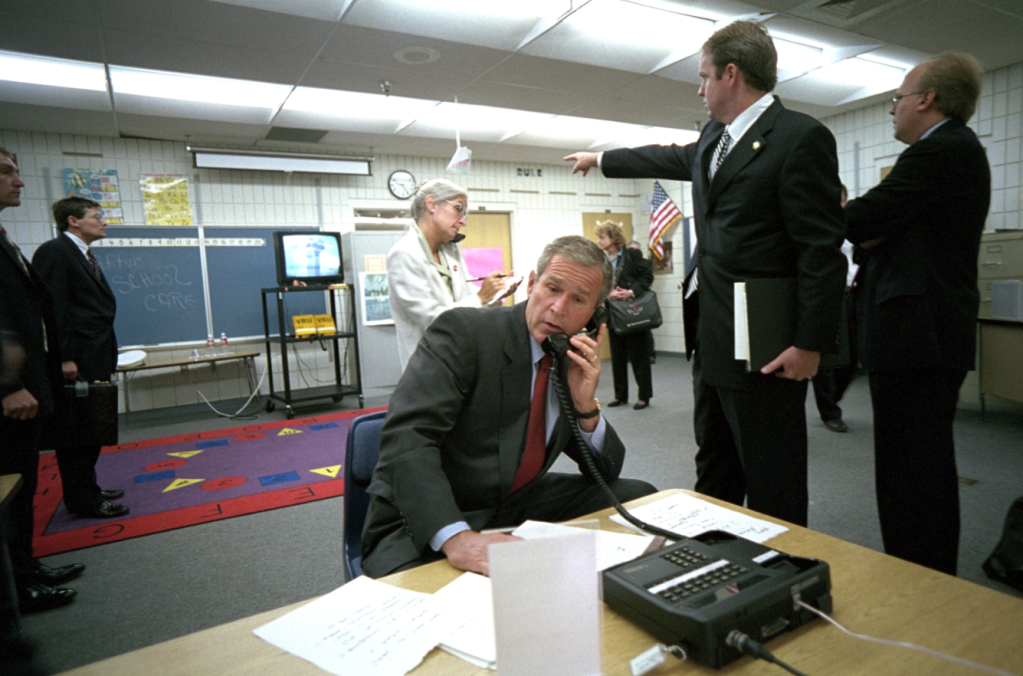
George W. Bush
The photograph of George W. Bush sitting in a Florida classroom on September 11, 2001, after being informed that America was under attack became one of the defining images of his presidency.
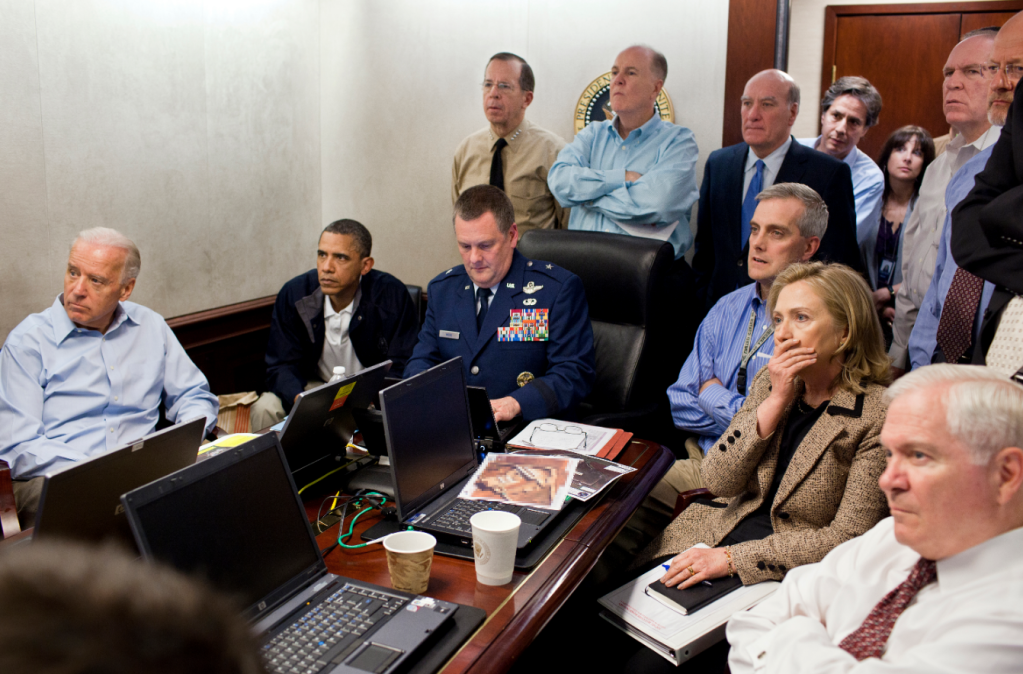
Barack Obama
Pete Souza’s Situation Room photograph showing Barack Obama and his national-security team during the 2011 bin Laden operation became an extraordinary visual record of presidential decision-making. Obama’s concentrated expression helped make the photograph instantly recognizable worldwide.
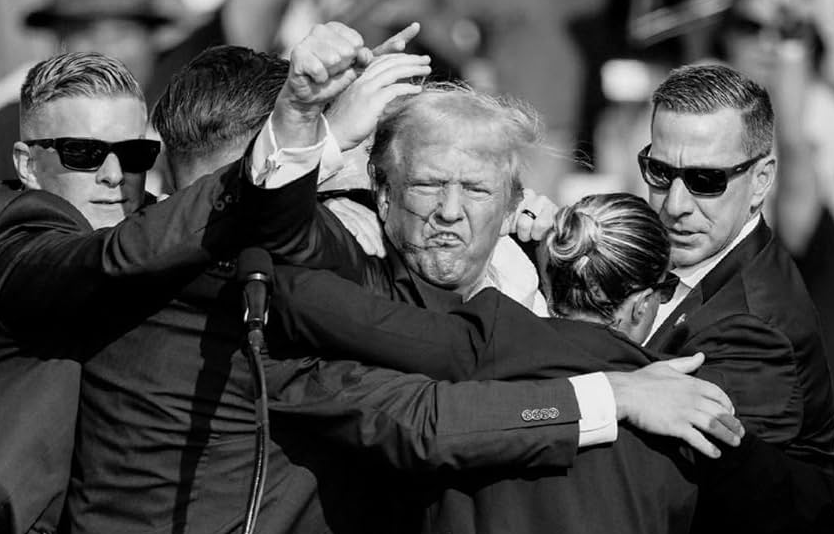
Donald Trump
Donald Trump’s 2024 campaign produced an extraordinary photograph after an assassination attempt in Butler, Pennsylvania, showing him bloodied, raising his fist, and surrounded by Secret Service agents. The image rapidly became one of the defining photographs of his political career.
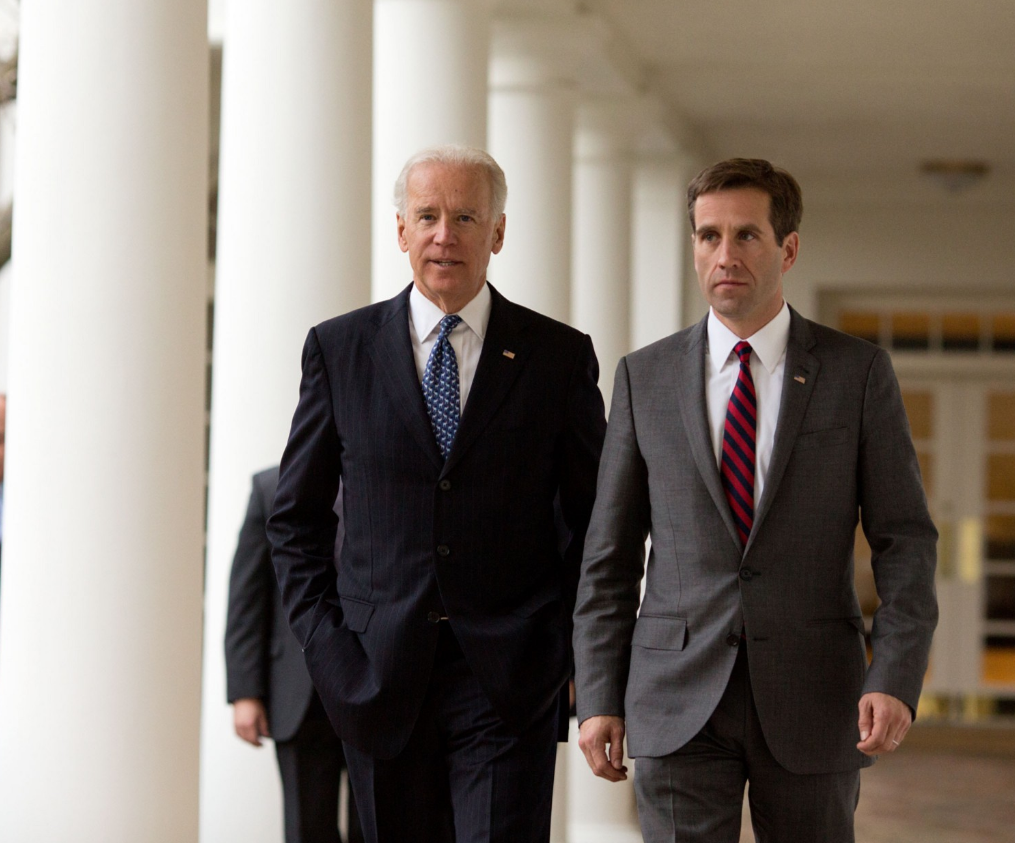
Joe Biden
Joe Biden’s presidency produced numerous recognizable photographs, but images of him alongside his son Beau remain particularly significant to understanding his public persona. Biden frequently discussed Beau’s influence, making photographs of their relationship emotionally important to his political story.