17 People Share the Piece of Internet History They’ve Convinced Nobody Else Remembers

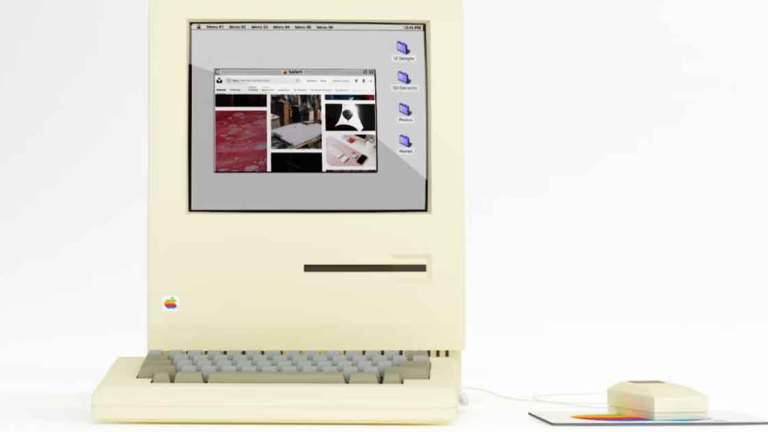
In the world we live in today, we’re used to the internet being part of our everyday lives, to the point that we just assume everyone has access to it. For us that lived the early years, though, we not only remember a time where there was no internet, we have tales of how it slowly came to be.
A recent Reddit thread asked people to name the pieces of internet history they were convinced nobody else remembered, producing everything from forgotten messaging services to bizarre memes and ancient Usenet wars. Many of these recollections were once so ubiquitous that it’s strange to realize younger internet users may have never encountered them.
The Little Visitor Counters
Before analytics dashboards, websites proudly displayed tiny counters announcing exactly how many people had visited. These public tallies became particularly common during the 1990s, functioning as primitive analytics and a badge of popularity.
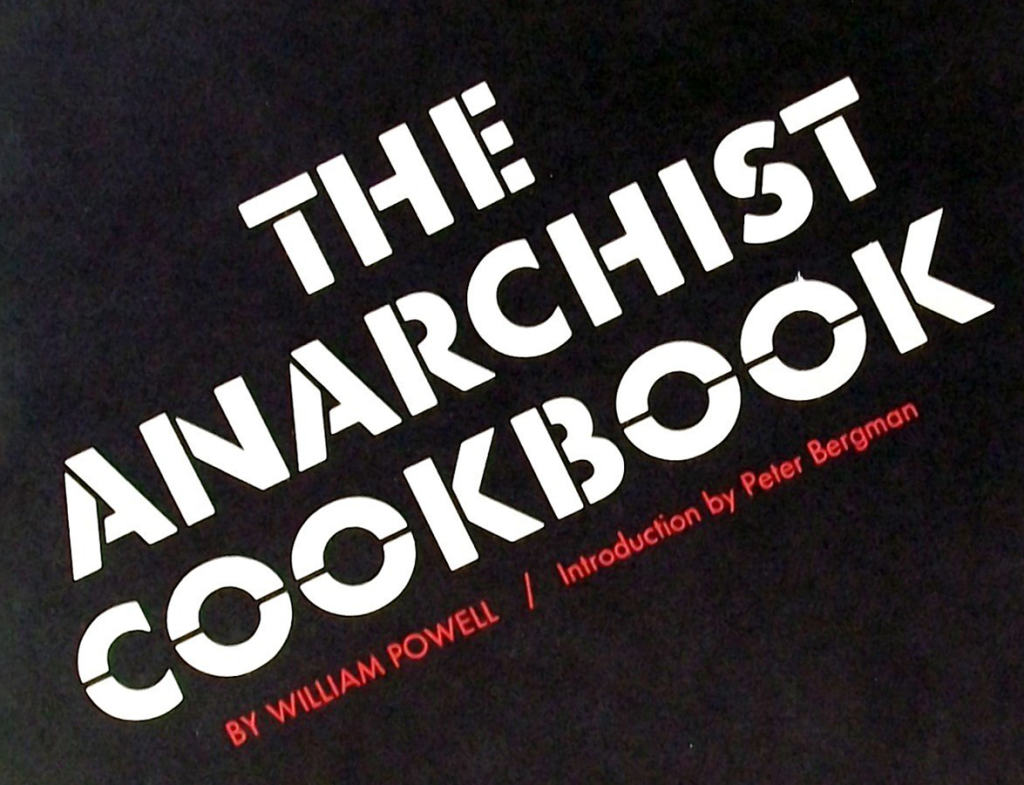
The Anarchist Cookbook Online
The Anarchist Cookbook wasn’t merely a physical counterculture book. During the early internet era, large portions circulated as text files through Usenet and FTP sites, making the controversial 1971 publication surprisingly prominent in early online culture.

IMDb Before It Was Corporate
IMDb began in 1990 as a collection of movie information assembled by users, long before Amazon acquired it. Early trivia could include colorful behind-the-scenes anecdotes submitted by enthusiasts, meaning reliability varied considerably alongside the entertainment value.

Your Area Pirate
“Your Area Pirate” was one of those wonderfully specific YTMND-era jokes that could feel inexplicably important to people who were online at exactly the right moment. YTMND itself became a home for countless tiny, rapidly spreading internet memes.

Blockatiel
Blockatiel was an unusually specific meme: a screaming cockatiel photograph placed over the supposedly interesting part of an image, effectively censoring it. The earliest documented example dates to March 2007, with the meme spreading through image communities afterward.
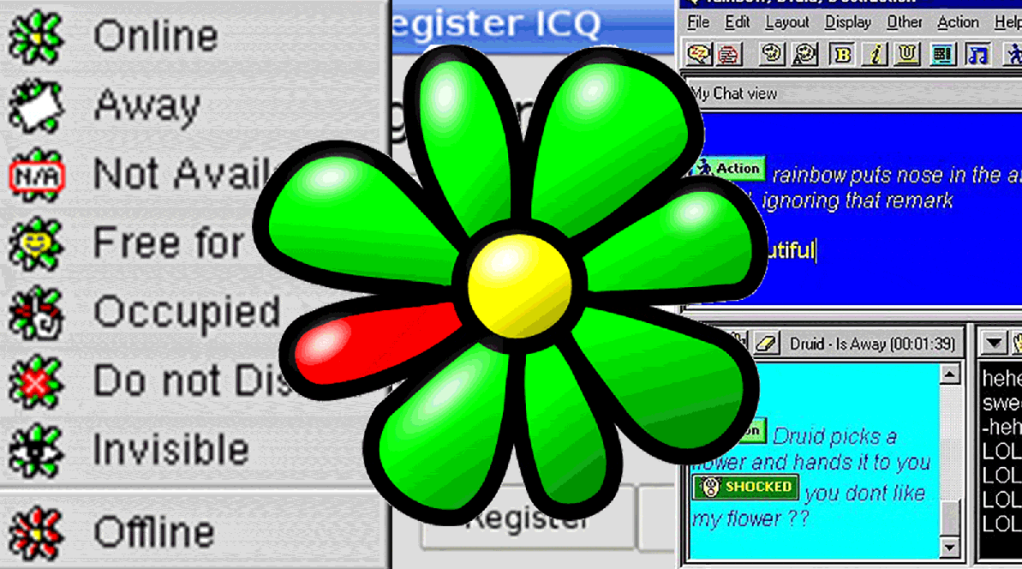
ICQ
ICQ launched in 1996 and became one of the earliest widely adopted instant-messaging services. Users were identified by unique numbers rather than familiar usernames, and the service eventually surpassed 100 million registered accounts at its 2001 peak.

Xanga
Xanga launched in 1999 as a site for sharing book and music reviews before evolving into a blogging and social-networking platform. Its combination of journals, profiles, friends, and customization made it an important precursor to later social platforms.

AOL Punters
AOL’s late-1990s underground scene included “punters,” “proggies,” and tools designed to disrupt other users’ AOL sessions. Archives preserving thousands of these programs show how elaborate the subculture became, including punters, phishers, chat tools, and mail bombers.

Tunak Tunak Tun
Daler Mehndi’s 1998 “Tunak Tunak Tun” eventually became an international internet phenomenon. The bizarrely catchy song inspired dance parodies and gaming references throughout the 2000s, becoming particularly memorable because of its colorful video and repeated choreography.

The Usenet Wars
Usenet could produce spectacularly obscure feuds. The Serdar Argic spam campaign generated tens of thousands of automated posts in 1994, while the Kremvax hoax had earlier pretended the Soviet Kremlin had joined Usenet. Both remain legendary pieces of early network culture.

Albino Blacksheep
Albino Blacksheep launched in 1996 and became a major hub for Flash animations, games, music, and early viral media. Before YouTube dominated online video, sites like ABS provided places where bizarre animations could spread across the web.

Webrings
Webrings connected independent websites around shared interests, with visitors navigating between participating pages through “previous” and “next” links. They offered an early, human-curated alternative to modern algorithms, helping niche communities discover one another.

Gopher
Gopher appeared before the modern graphical web took over, organizing internet resources into text-based hierarchical menus. The protocol was designed at the University of Minnesota and formally documented in 1993, making it an important predecessor to browser-based web navigation.
Netscape Navigator 2.0
Netscape Navigator 2.0 represented a huge leap for early web users, introducing features that made pages considerably more dynamic. For people accustomed to extremely basic websites, suddenly encountering frames, multimedia, and richer page formatting could feel revolutionary.
Hotmail
Hotmail’s 1996 launch changed the relationship between email and internet access. Instead of having an address tied to a particular internet provider or computer, users could access their mailbox through the web, giving email unprecedented portability.

Napster and the MP3 Revolution
Napster made digital music feel almost limitless to early internet users. Downloading songs could take hours over dial-up, but the ability to find and exchange MP3s with strangers fundamentally changed how people thought about owning and sharing music online.

GeoCities
GeoCities gave ordinary people free space to build their own websites, organizing them into themed “neighborhoods.” Founded in 1994, it became one of the defining homes of personal web culture before Yahoo shut the service down in 2009.