15 WWI Facts for Nerds of the ‘Great War’

World War I was the conflict that dragged the nineteenth century into the industrial age of warfare. It was a bizarre collision of nineteenth-century tactics and twentieth-century technology, producing stories that sound almost impossible today. Peace times make these warring moments sound fascinating.
Beyond the famous battles, the Great War is packed with bizarre stories or general tidbits that history nerds love to collect. These details reveal a war that was as technically fascinating as it was catastrophically destructive. Here are just a few Great War facts worth obsessing over, and a reminder of how good we have it.
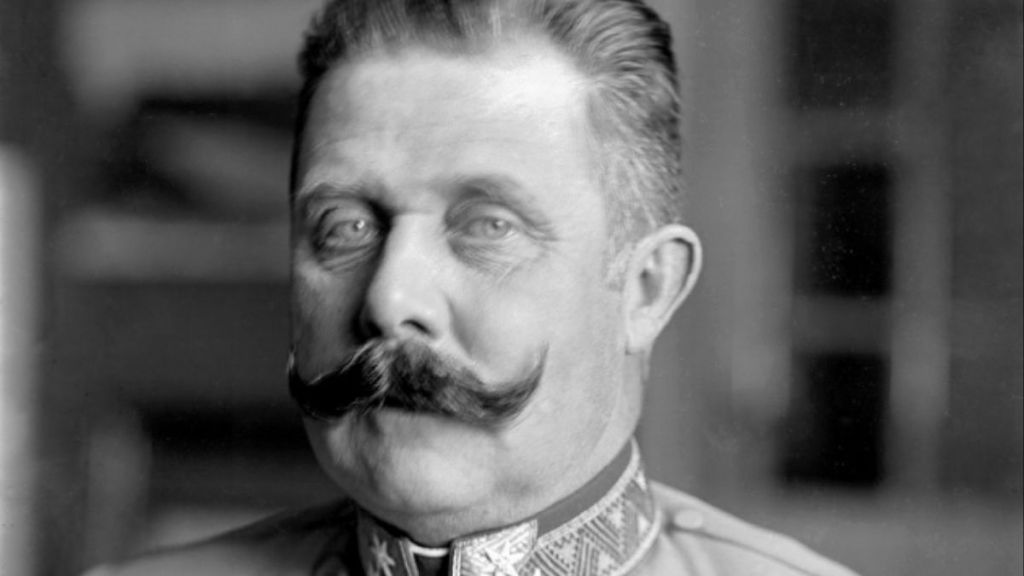
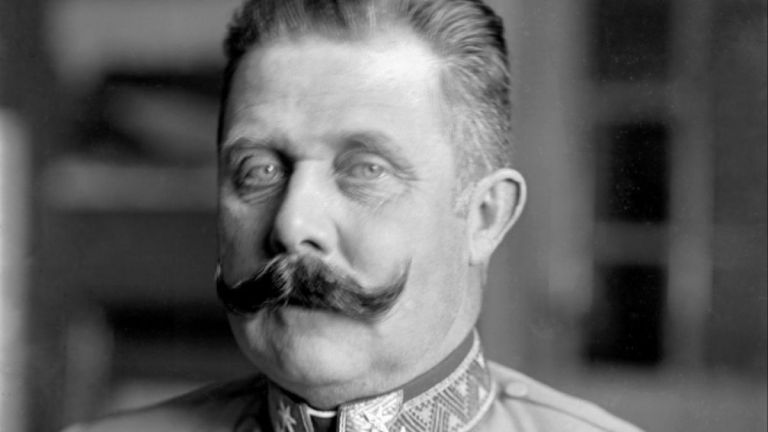
The War Began Because of a Wrong Turn
Archduke Franz Ferdinand’s driver accidentally took a wrong turn through Sarajevo after an earlier assassination attempt failed. The mistake placed the Archduke directly in front of Gavrilo Princip, who seized the unexpected opportunity to kill him.
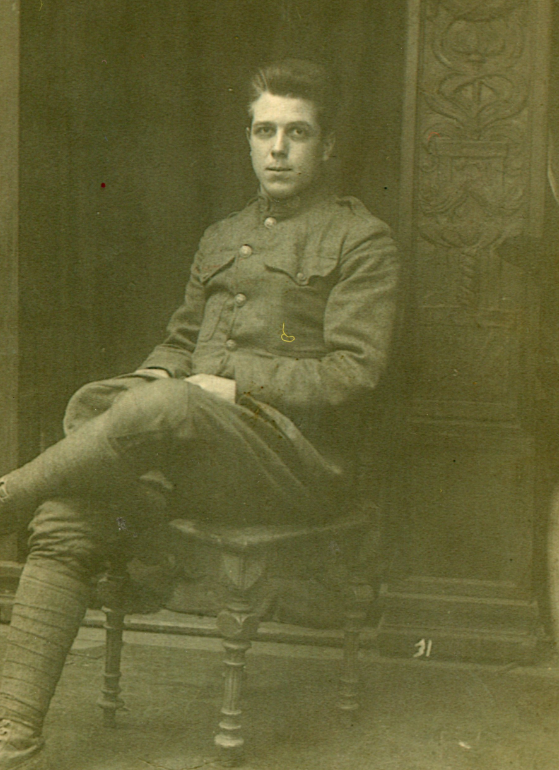
The Last Soldier Died One Minute Before Peace
The armistice took effect at 11:00 a.m. on November 11, 1918. American Sergeant Henry Gunther was killed at 10:59 a.m., making him one of the final soldiers to die before the fighting officially ended.
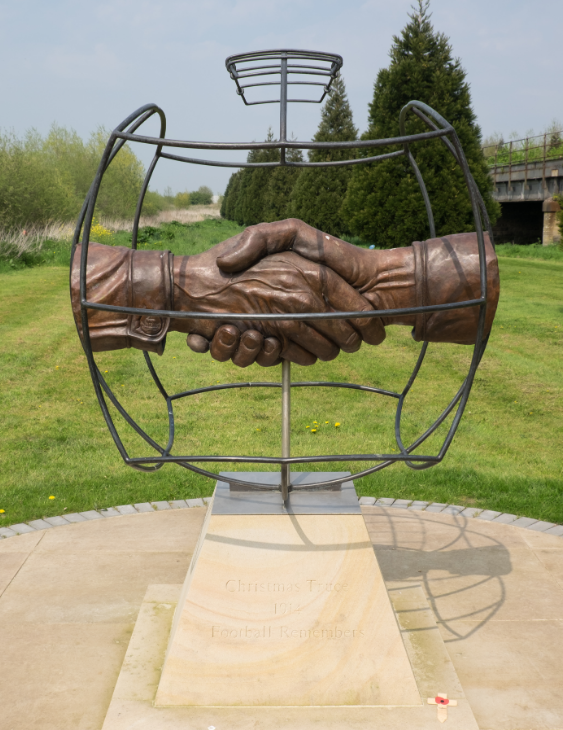
The Christmas Truce Really Happened
During Christmas 1914, soldiers along parts of the Western Front voluntarily stopped fighting. Enemies exchanged food, cigarettes, and souvenirs, sang carols together, and even played informal football matches in no man’s land.
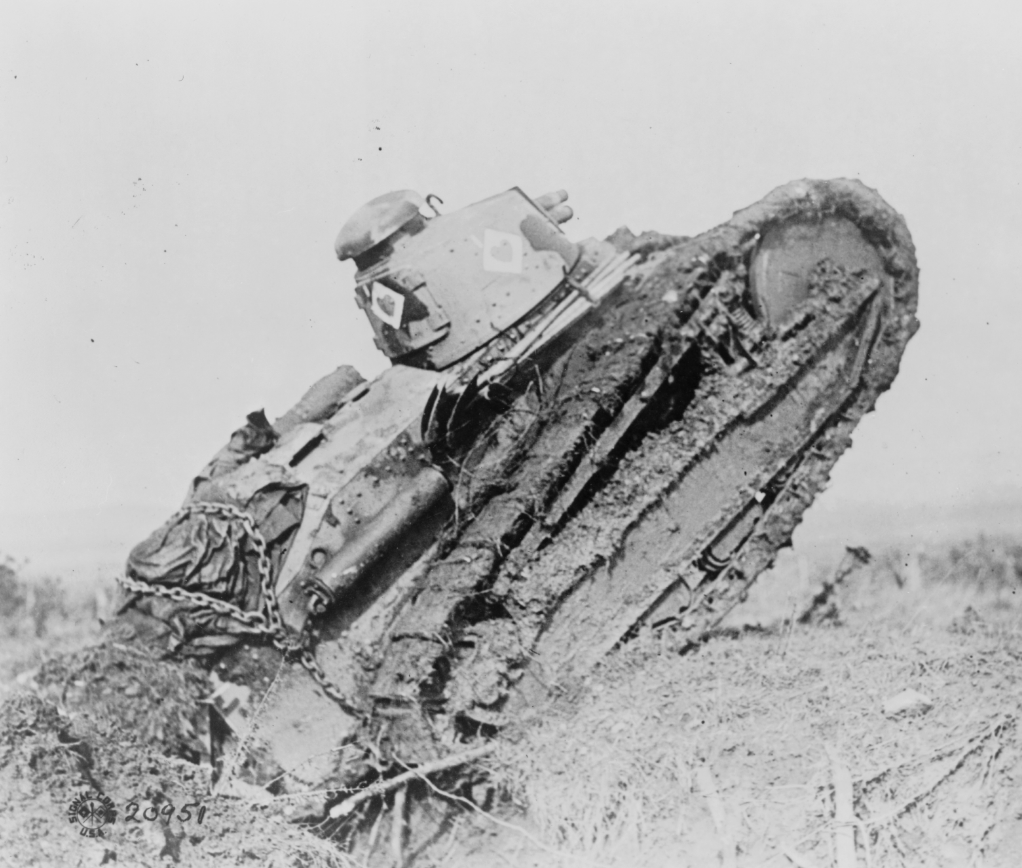
The First Tanks Were Secret Weapons
Britain disguised its new armored vehicles by calling them “tanks,” pretending they were water containers being shipped overseas. The codename remained, and these machines forever changed the future of warfare.
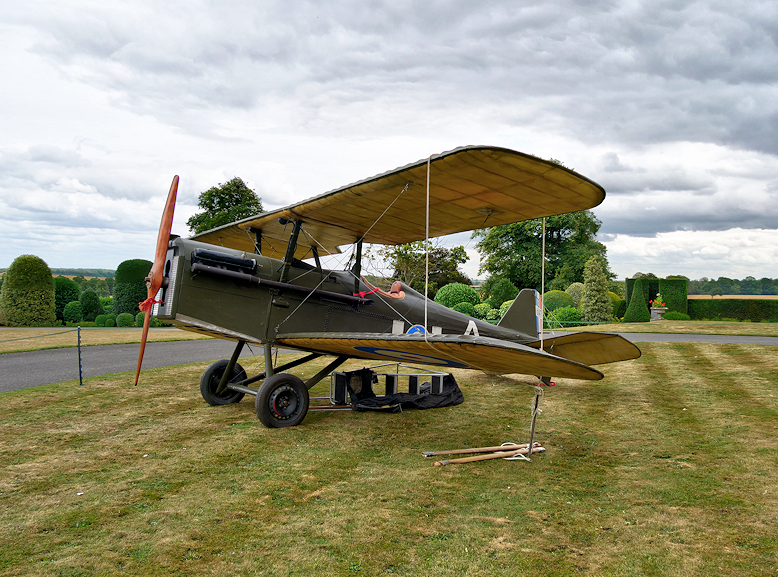
Pilots Used Pistols Before Machine Guns
Early fighter aircraft lacked synchronized machine guns. Pilots initially fought using pistols, rifles, grenades, grappling hooks, and even bricks before specialized aircraft weapons became standard during the war.
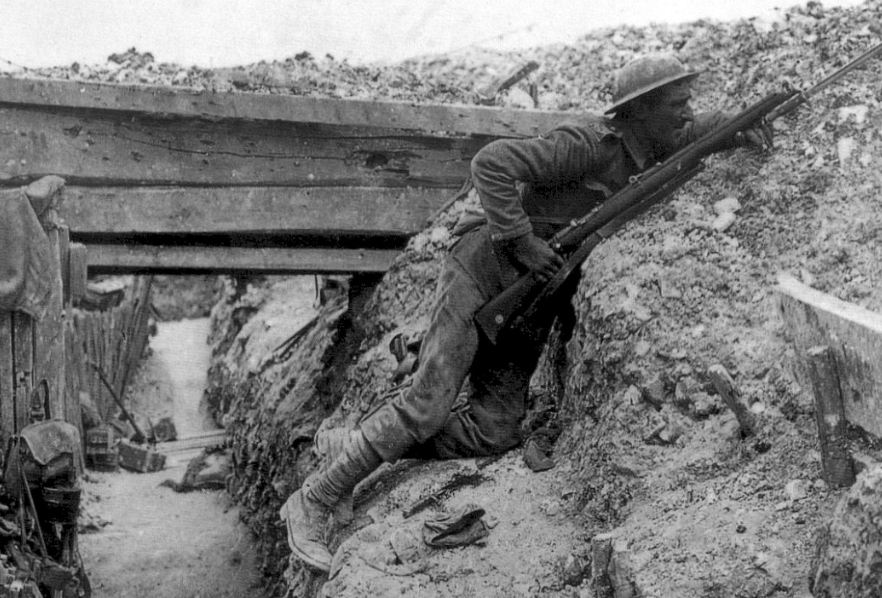
An Underground War Was Fought Beneath the Trenches
Engineers secretly dug tunnels beneath enemy lines, packed them with explosives, and detonated entire sections of the battlefield. The mines at the Battle of Messines were among the largest explosions ever created before the atomic age.
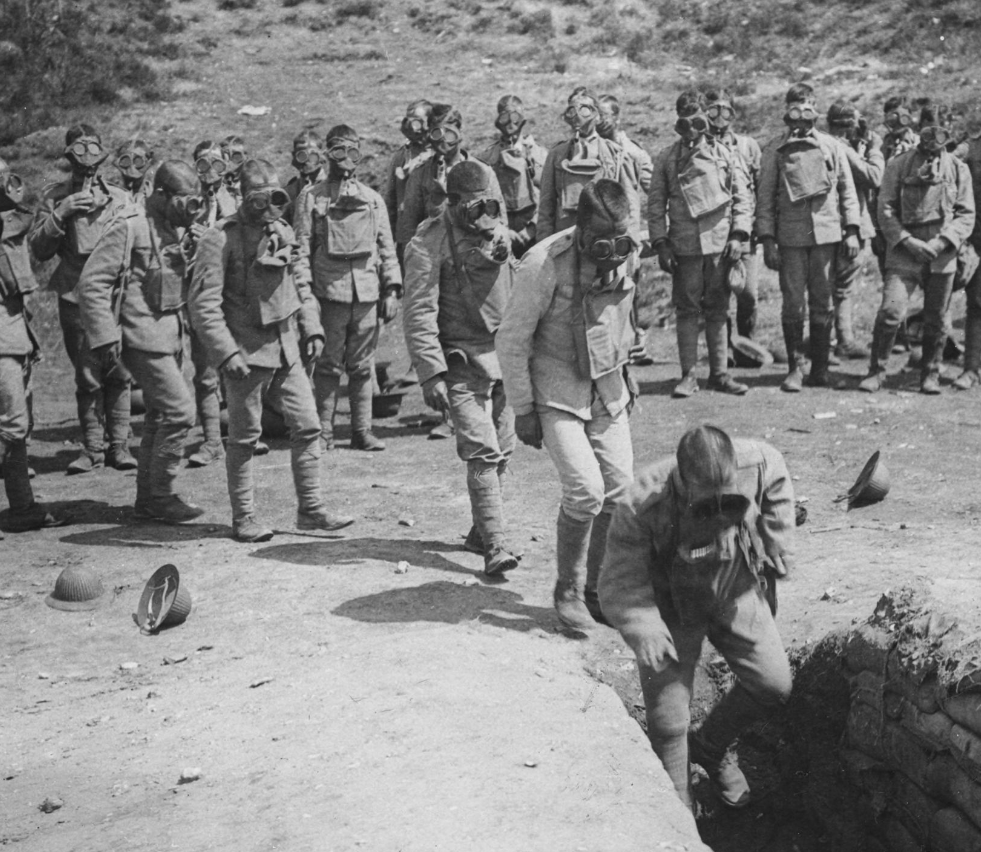
Poison Gas Was More Terrifying Than Effective
Mustard gas and chlorine became infamous symbols of World War I, but artillery caused far more casualties. Chemical weapons inflicted horrific burns, blindness, and psychological trauma despite accounting for relatively fewer battlefield deaths.
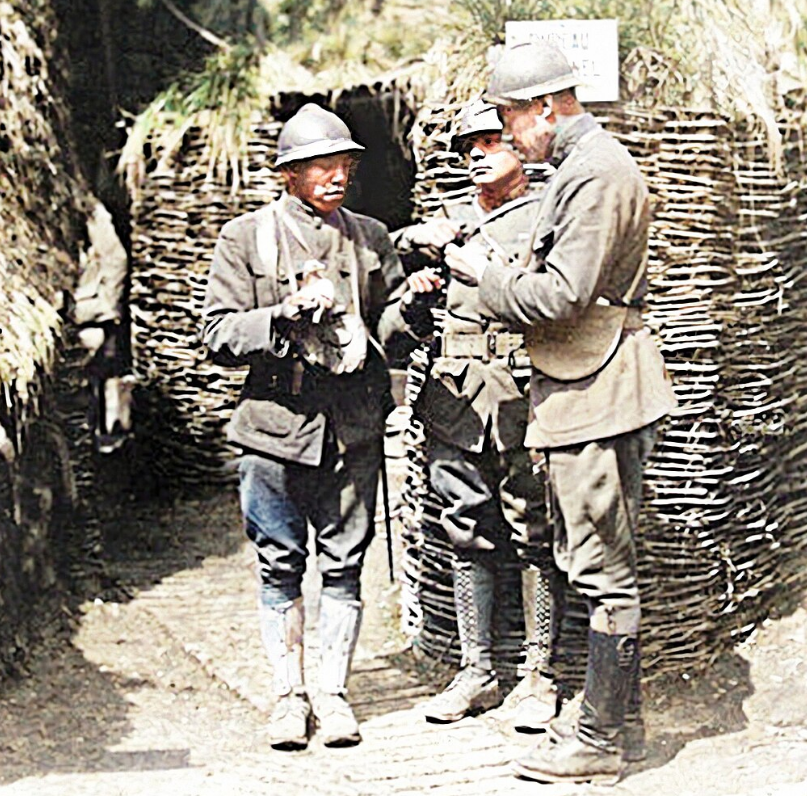
The Harlem Hellfighters Set an Incredible Record
The 369th Infantry Regiment, known as the Harlem Hellfighters, spent 191 consecutive days on the front lines, longer than any other American unit. Fighting under French command, they earned widespread recognition for extraordinary bravery.
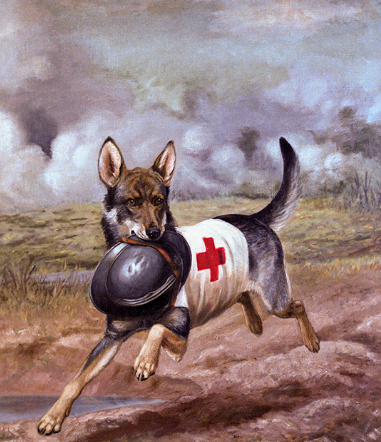
Dogs Had Their Own Gas Masks
Military dogs served as messengers, guards, and rescue animals throughout the war. Because chemical weapons threatened every living creature on the battlefield, specially designed gas masks were manufactured for canine soldiers.
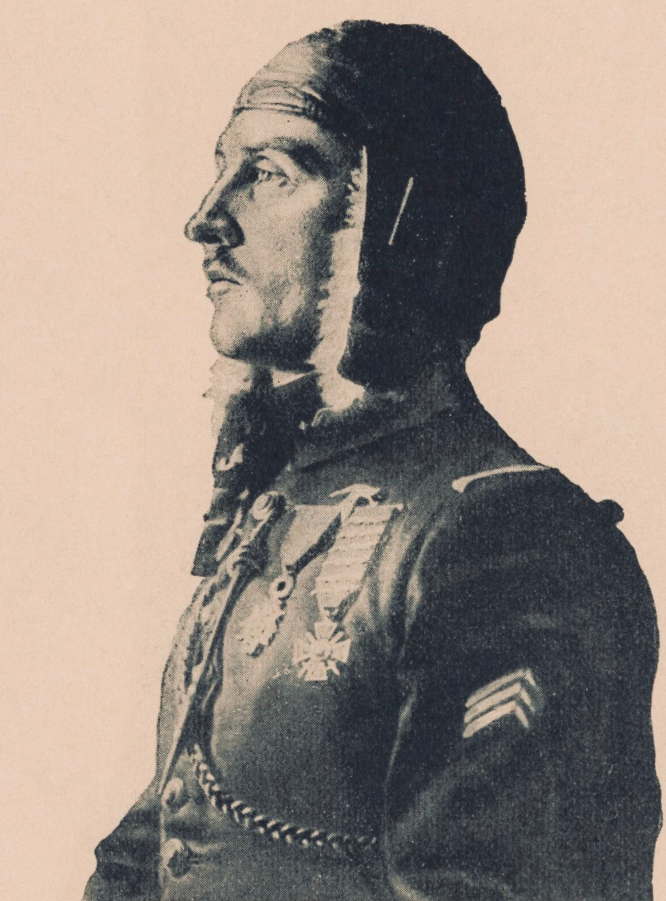
The Red Baron Wasn’t Germany’s Top Ace
Manfred von Richthofen remains the war’s most famous flying ace with 80 confirmed victories. However, Germany’s highest-scoring pilot was Erich Löwenhardt until his death, and later Ernst Udet surpassed many better-known aviators.
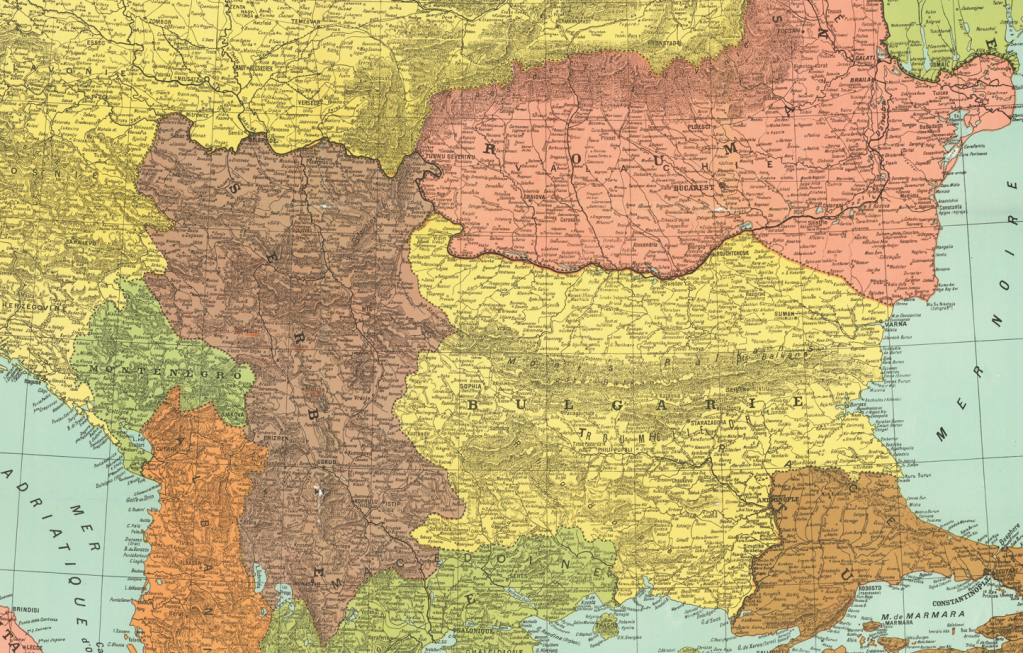
Four Great Empires Disappeared
The First World War directly contributed to the collapse of the German, Austro-Hungarian, Ottoman, and Russian Empires. The political map of Europe and the Middle East was dramatically redrawn almost overnight.
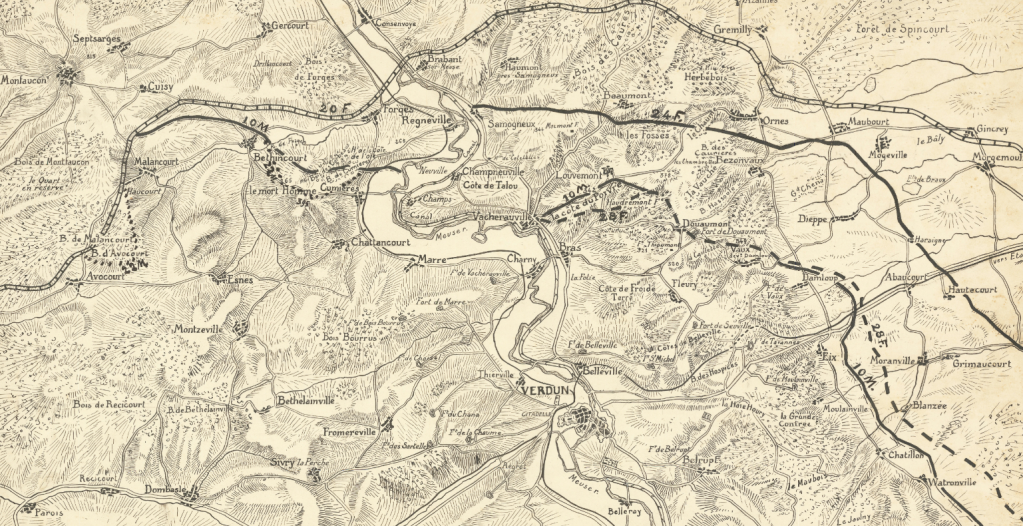
Verdun Lasted Nearly the Entire Year
The Battle of Verdun raged for 303 days in 1916. With roughly 700,000 casualties, it became one of history’s longest and most exhausting battles, symbolizing France’s determination to resist at any cost.
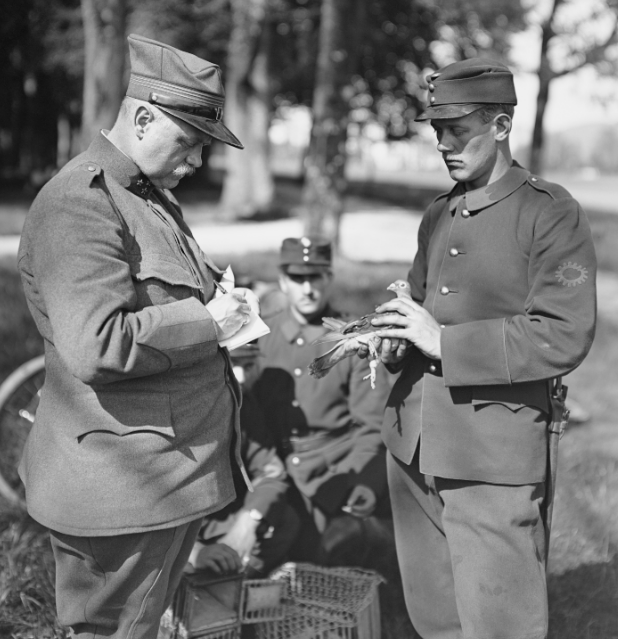
Carrier Pigeons Saved Thousands of Lives
Despite modern technology, armies still relied heavily on carrier pigeons to deliver messages. One famous bird, Cher Ami, completed a mission despite severe wounds, helping save nearly 200 trapped American soldiers.
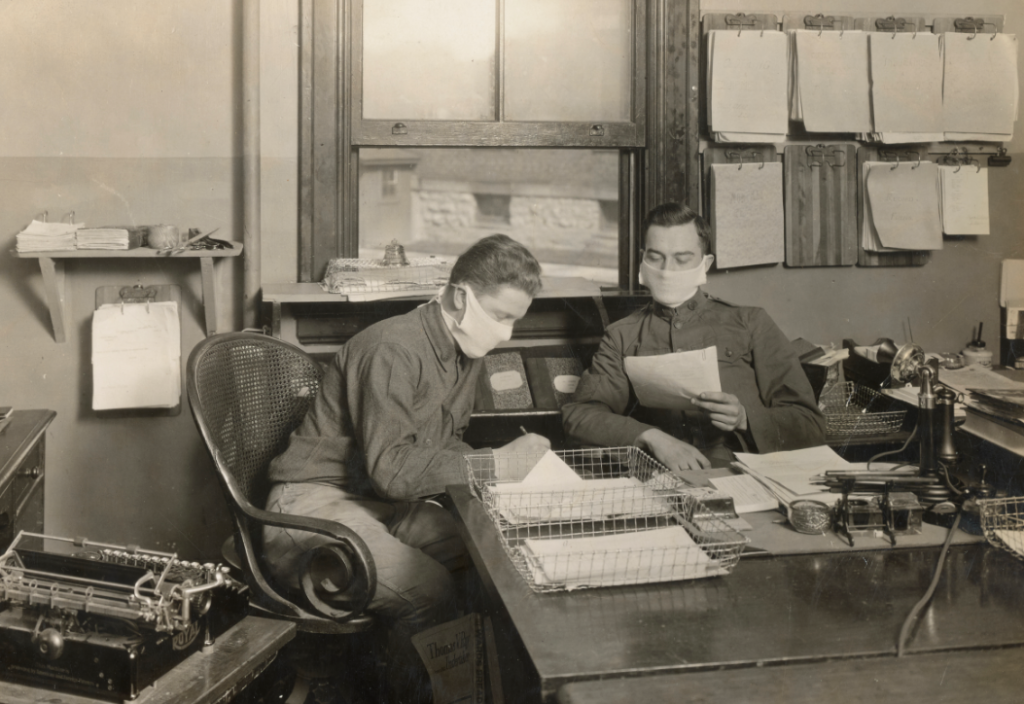
The Spanish Flu Spread With the Armies
The deadly influenza pandemic of 1918 spread rapidly as millions of soldiers moved between continents. Crowded troop ships, military camps, and hospitals accelerated one of the deadliest disease outbreaks in recorded history.
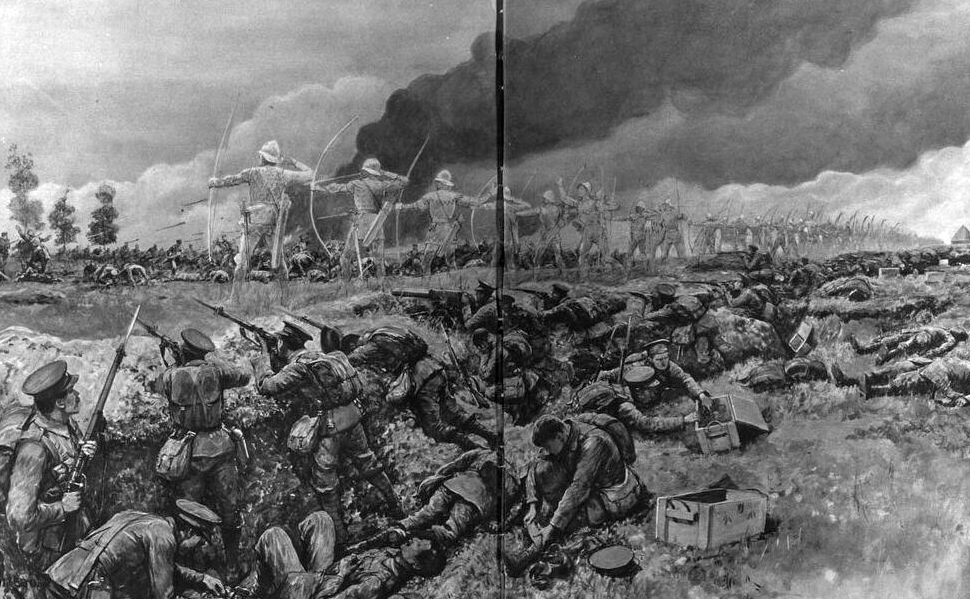
The “Angel of Mons” Became a Wartime Legend
Soon after the Battle of Mons in 1914, stories spread that angelic figures had protected British soldiers from German forces. Though based on fiction and rumor, many people genuinely believed the supernatural tale during the war.