15 Workplace Rules That Explain Why People Quiet Quit


Every workplace has rules, but some managers seem determined to turn the simplest tasks into administrative emergencies. Need a bathroom break? Ask permission. Want to sit down after standing for six hours? Absolutely not. And don’t even think about leaving at 5 p.m. if your boss is still answering emails. It’s enough to make employees reconsider how much enthusiasm they’re willing to bring to work. Quiet quitting doesn’t necessarily mean doing nothing. It often means sticking to the job description instead of constantly going above and beyond. When companies start treating basic comforts like special privileges, that approach becomes pretty understandable. Here are 15 workplace rules that might explain why some employees have stopped doing extra.

Bathroom Breaks Require Permission
Some workplaces expect employees to ask a manager before using the restroom, apparently trusting them with company equipment but not their own bathroom schedule.

Sitting Down Is Apparently Unprofessional
Even when there’s nothing to do, some retail employees are expected to stand throughout their shifts because sitting somehow looks less productive.
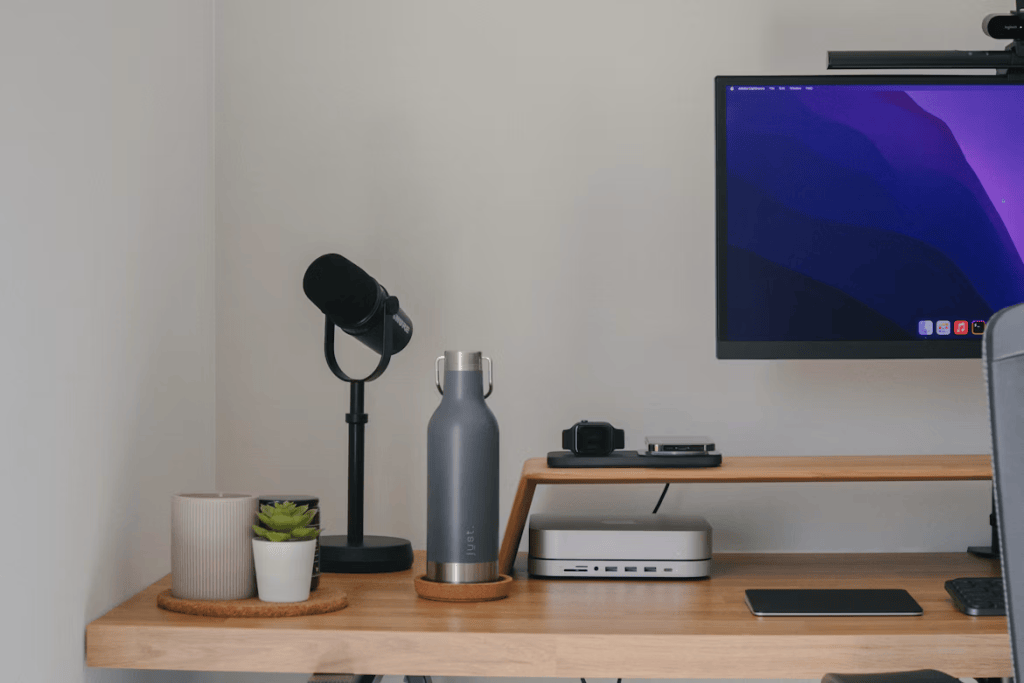
Your Water Bottle Is a Problem
Some employees have reported being forbidden from drinking water at their desks because management considers it unprofessional. Coffee, naturally, can be a different story.

Leaving on Time Raises Questions
Your shift ends at 5 p.m., but the boss is still sitting at their desk. Apparently, leaving when you’re supposed to is suspicious behavior.

The Lunch Break Comes With a Timer
Some employees have dealt with strictly timed breaks, where a few extra minutes away from their desks can earn them an uncomfortable conversation with management.

No Talking Unless It’s About Work
Imagine spending eight hours beside your coworkers without being allowed to have a normal conversation. Some workplaces have actually imposed restrictions on casual chatting.

Your Desk Has Too Much Personality
Family photos, plants, and personal decorations can become forbidden items under strict desk policies, leaving employees with a computer and absolutely nothing interesting to look at.

Every Minute Must Be Accounted For
Some workplaces track employee activity so closely that stepping away from a computer can raise questions, even when all the assigned work is finished.

Working From Home Is Suddenly Impossible
Employees who successfully worked remotely for years can still find themselves ordered back to the office, sometimes just to attend video meetings from another desk.

Taking a Sick Day Requires an Investigation
Being sick is unpleasant enough without having to explain every symptom to a manager who seems determined to decide whether you’re sick enough.

Vacation Requests Are a Negotiation
Some workplaces demand vacation requests months in advance, then act surprised when employees expect to actually take the days they’ve earned.

Your Phone Is Public Enemy Number One
Checking your phone for a moment can attract immediate attention from management, even when there’s no customer waiting and nothing urgent to finish.

The Dress Code Has Opinions About Everything
Some workplaces have rules covering tattoos, facial hair, hairstyles, and even clothing colors, with managers apparently finding plenty of time to inspect everyone’s appearance.
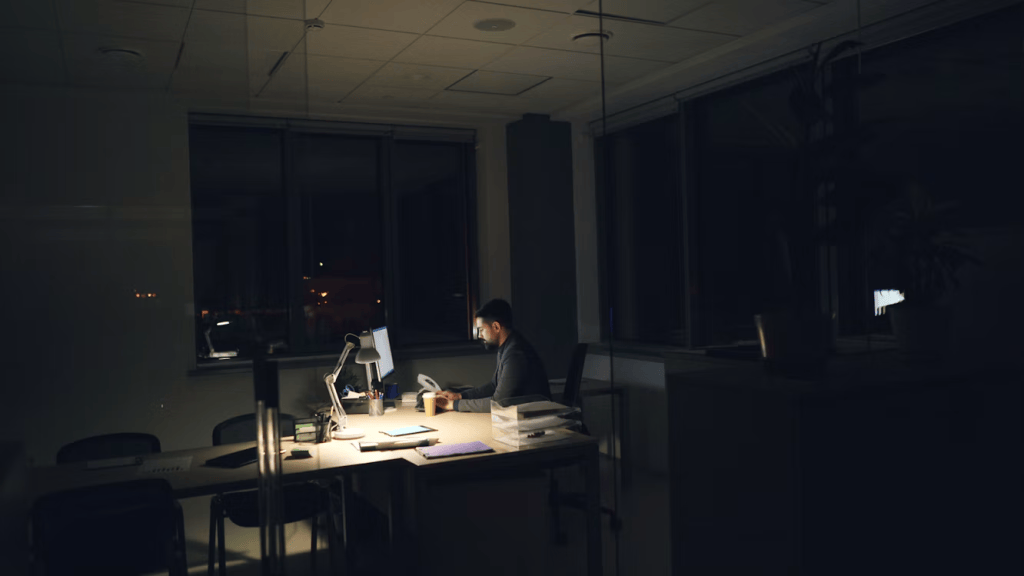
Overtime Is Expected, Not Appreciated
The official schedule says eight hours, but some managers expect employees to stay late regularly without treating that extra time as anything unusual.

The Weekend Is Just Another Workday
A manager sends a message on Saturday morning and expects an immediate reply, despite the employee being off the clock and nowhere near the office.