15 Wild Facts About the Universe it’s Hard to Wrap Your Head Around

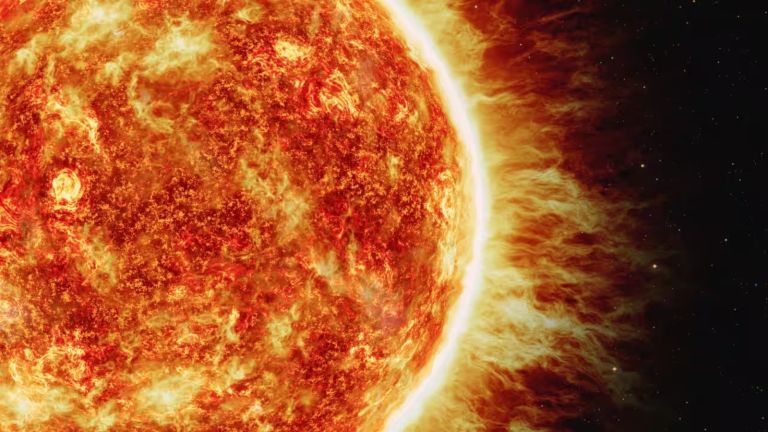
The universe has a talent for making even the wildest science fiction sound reasonable. Distances are beyond human comprehension, stars can explode, and events that happened millions or even billions of years ago can still be seen from Earth today. The strangest part is that these are not hypothetical ideas invented for a movie. They are observations, measurements, and physical phenomena that scientists have spent decades trying to understand. Some of them involve numbers so enormous that they stop feeling real, while others completely change the way we think about the sky above us. Once you start looking closely, space gets very weird very quickly.
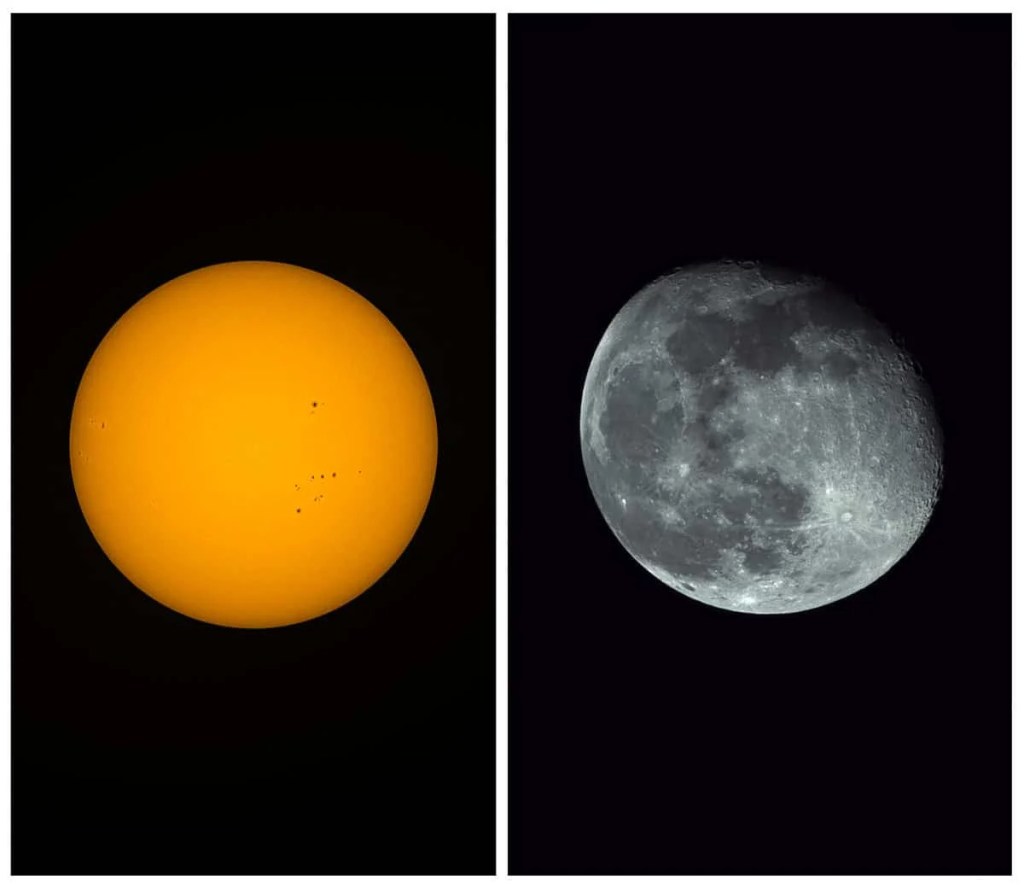
The Sun and Moon Look Almost Exactly the Same Size From Earth
The Sun is about 400 times wider than the Moon, but it is also roughly 400 times farther away, creating the remarkable coincidence that allows total solar eclipses to happen.
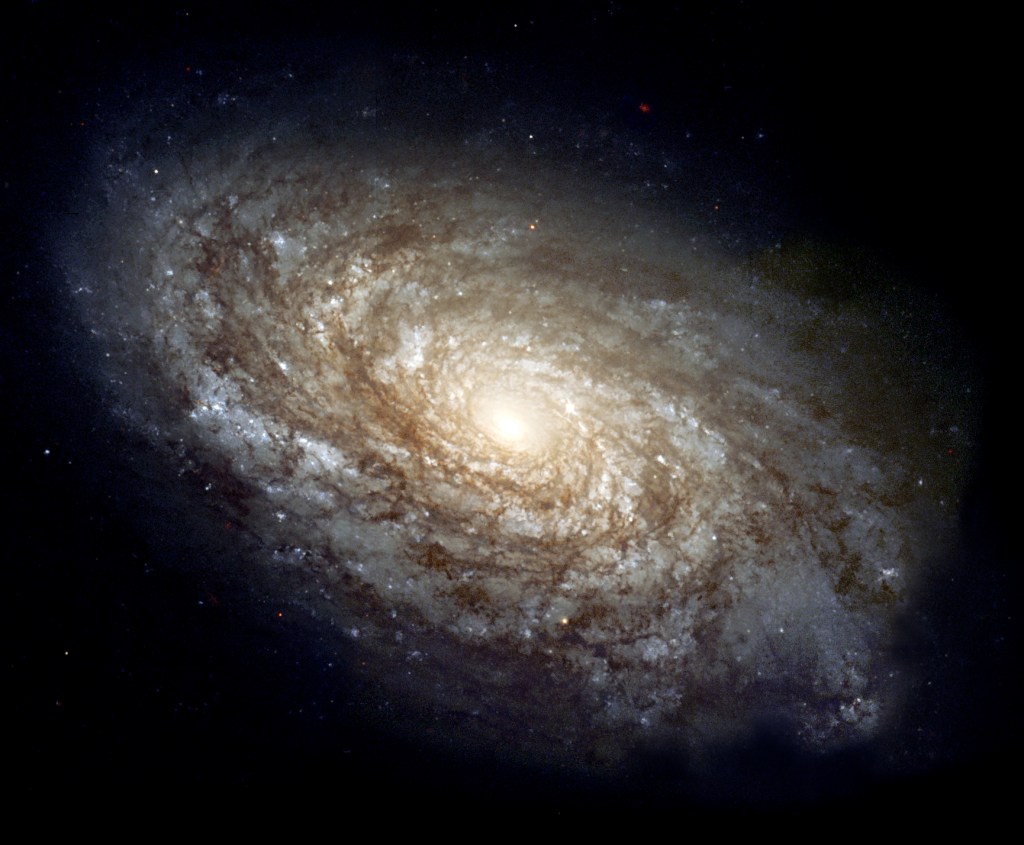
A Galaxy Can Collide Without Its Stars Colliding
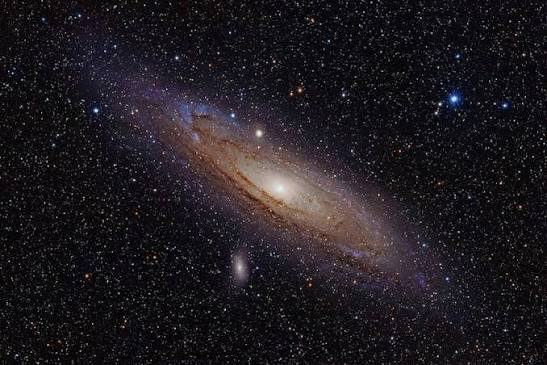
The Milky Way and Andromeda are expected to interact and eventually merge, yet individual stars are unlikely to physically crash into one another because the distances between them are enormous.
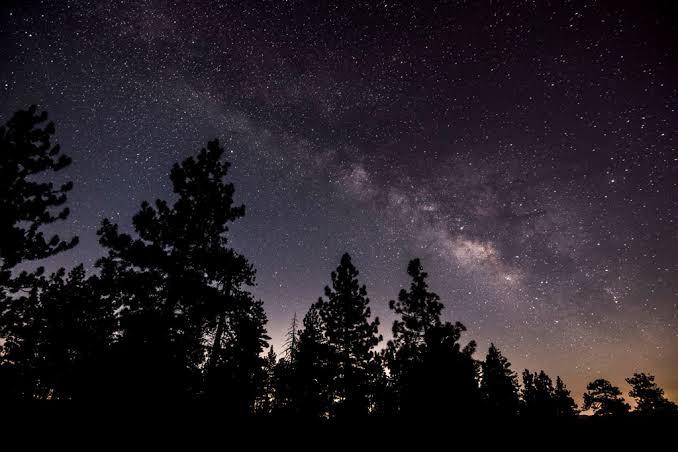
The Night Sky Is Mostly Our Own Galaxy
Almost every star visible to the naked eye belongs to the Milky Way. The fact that we can see the Andromeda Galaxy without a telescope is already an extraordinary exception.
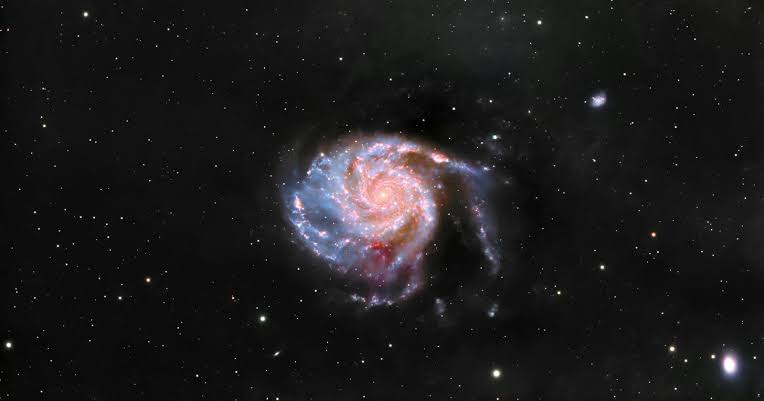
A Tiny Patch of Empty Sky Can Contain Thousands of Galaxies
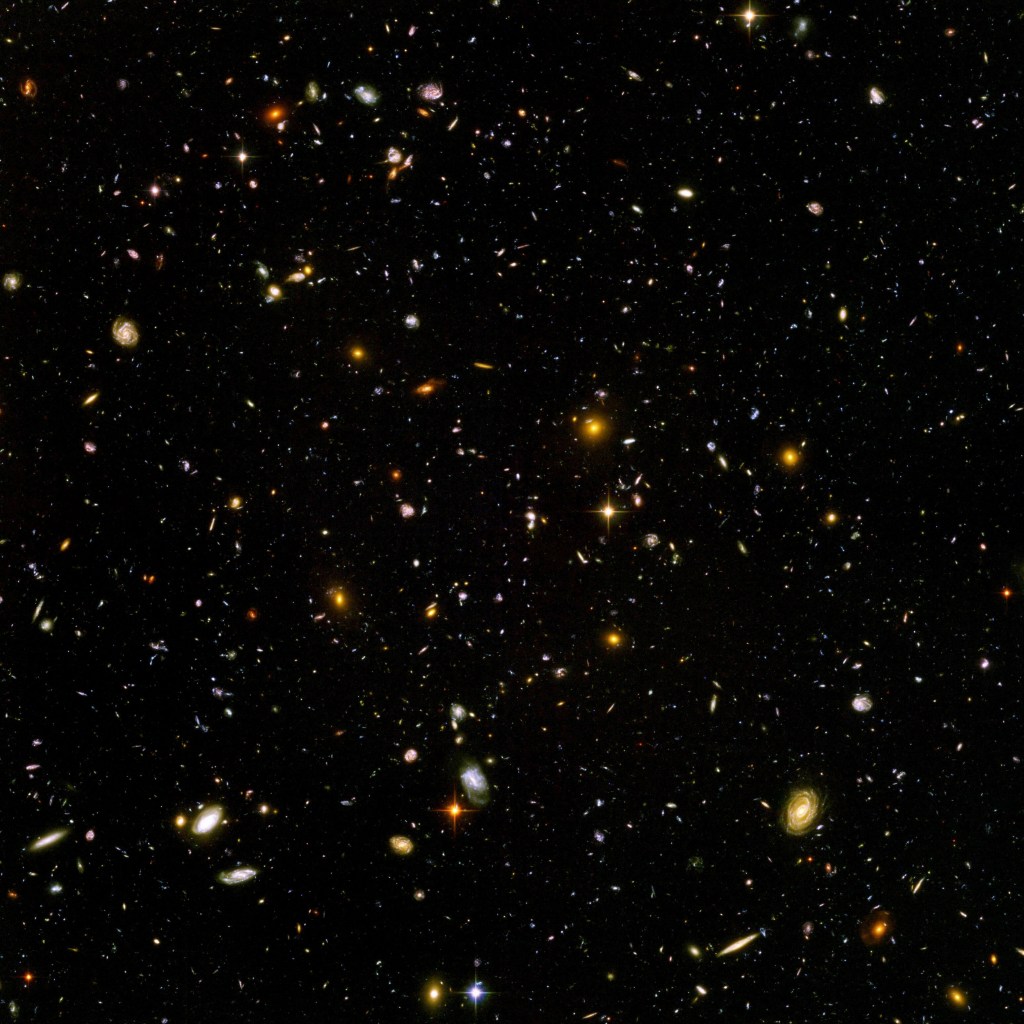
When astronomers pointed Hubble at an apparently blank region of space for the original Hubble Deep Field, the resulting image revealed thousands of distant galaxies packed into an incredibly small area of sky.
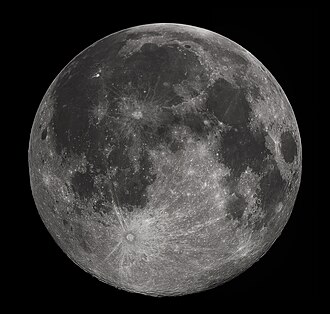
The Moon Is Slowly Moving Away From Earth
The Moon drifts away from Earth by roughly 3.8 centimeters every year, gradually changing the geometry of future solar eclipses.
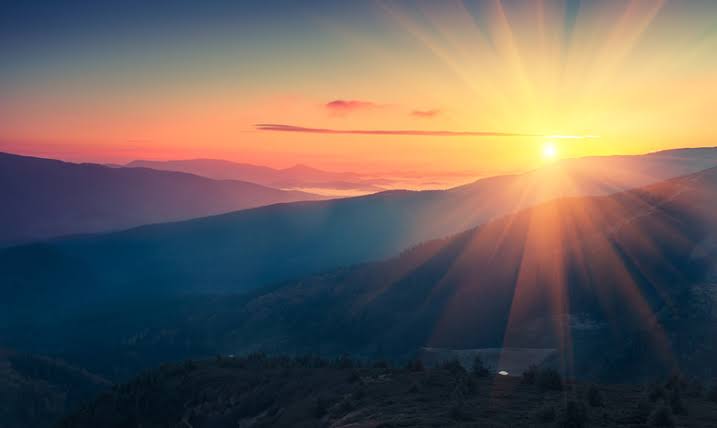
Light From the Sun Is Already Eight Minutes Old When You See It
Sunlight takes about eight minutes and twenty seconds to reach Earth, meaning every view of the Sun is technically a glimpse into the past.
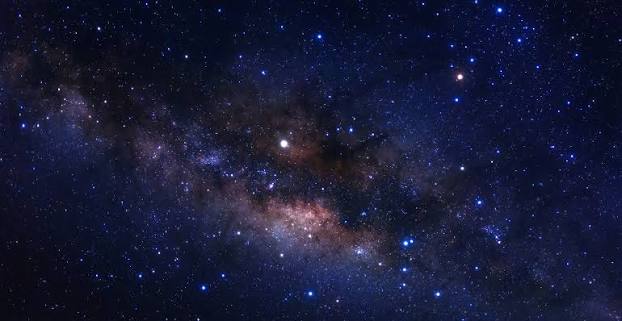
Looking Farther Into Space Means Looking Further Back in Time
Because light takes time to travel, distant galaxies are visible as they existed millions or billions of years ago. The farther away astronomers look, the farther back into cosmic history they can see.
The Universe Could Be Vastly Larger Than What We Can Observe
The observable universe is limited by how far light has been able to travel to us since the universe became transparent, but that does not necessarily represent the full extent of everything that exists.
Neutrinos Are Passing Through You Constantly
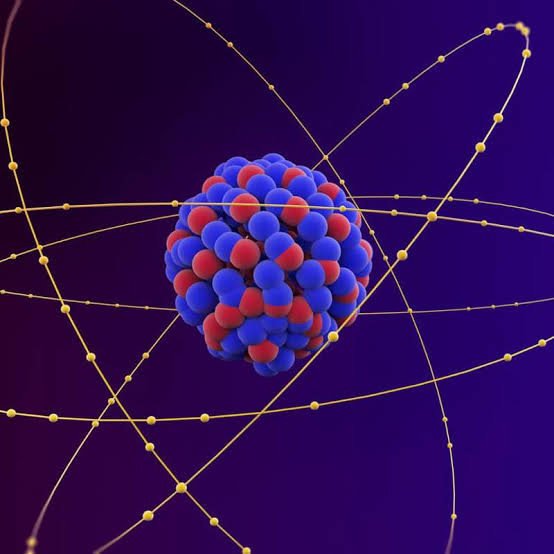
Enormous numbers of neutrinos produced by the Sun and other cosmic sources pass through Earth and through our bodies almost without interacting with matter.
Space Is Far Emptier Than Movies Make It Look
Even regions containing stars, planets, and asteroids are dominated by enormous amounts of empty space. The asteroid belts seen in science fiction are dramatically more crowded than the real thing.
You Could Travel Around Earth About Eight Times in One Second at Light Speed
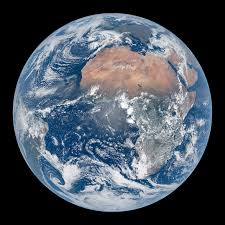
Light travels roughly 300,000 kilometers per second, enough to circle Earth several times in the time it takes to blink.
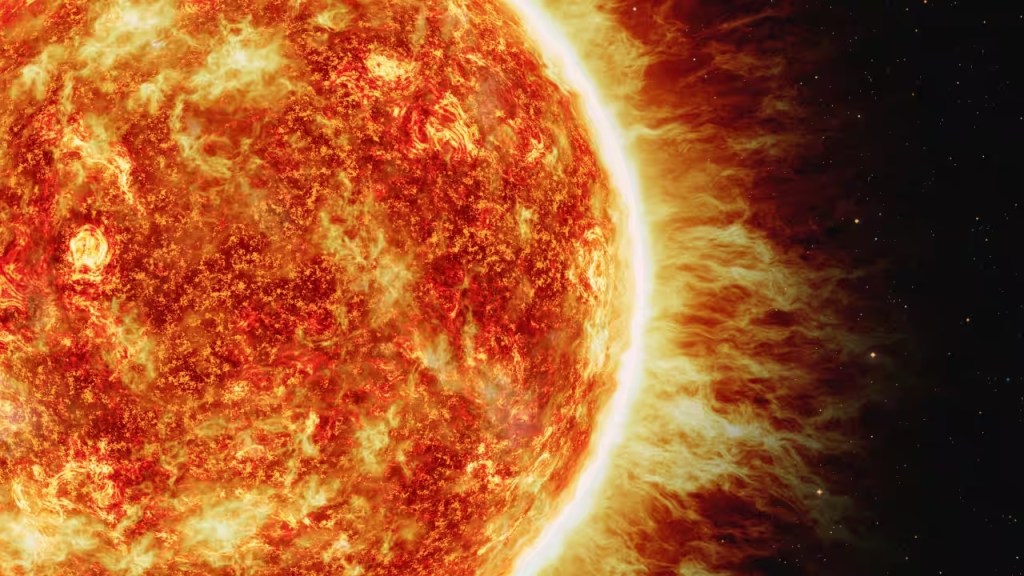
The Energy Produced in the Sun’s Core Takes an Extremely Long Time to Reach the Surface
Energy generated by nuclear fusion in the Sun’s core does not simply travel straight outward. It undergoes countless interactions inside the dense solar interior before eventually reaching the surface, while the resulting sunlight takes only minutes to reach Earth.
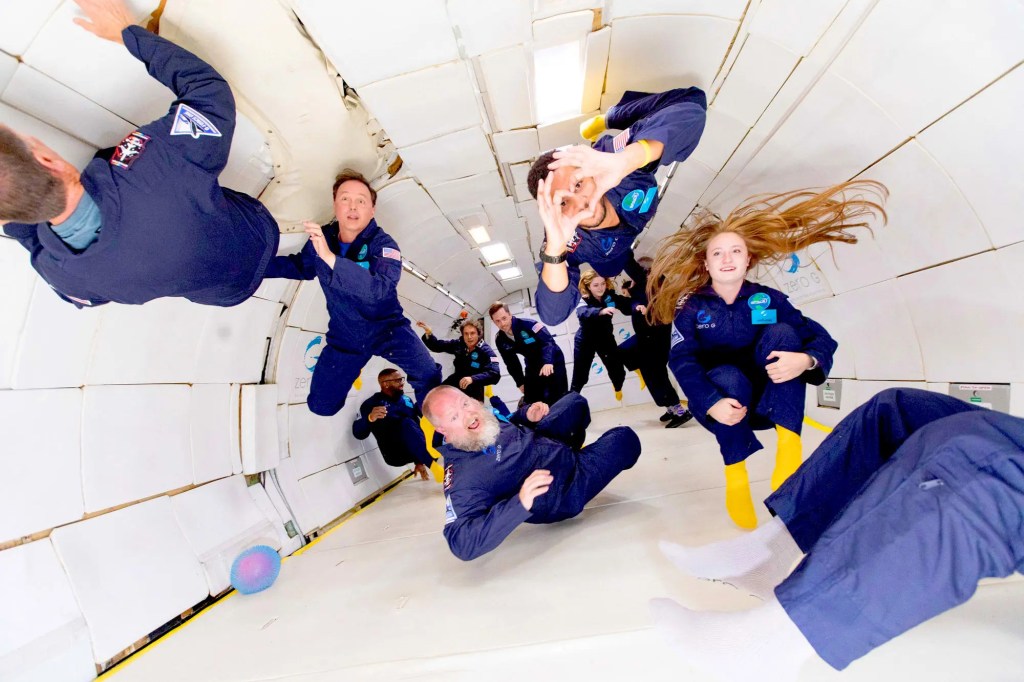
Gravity Never Truly Stops Reaching Across Space
Gravity has an unlimited range, although its influence becomes weaker with distance. In principle, massive objects throughout the universe exert gravitational effects on one another.
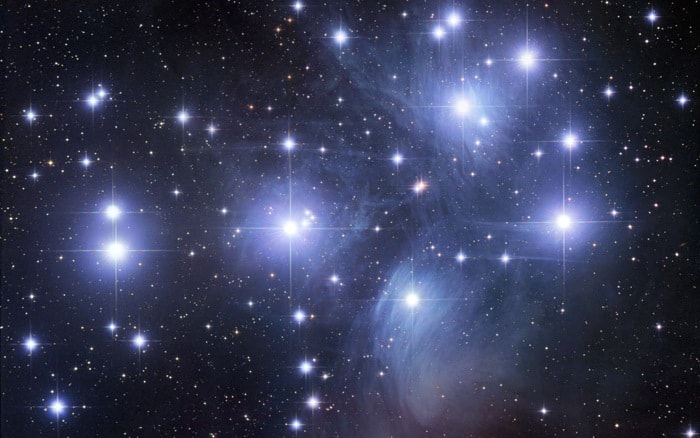
Some Stars We See Are Much Younger Than Ancient Life on Earth
The Pleiades star cluster is only around 100 million years old, meaning its stars formed long after sharks had already appeared on Earth.
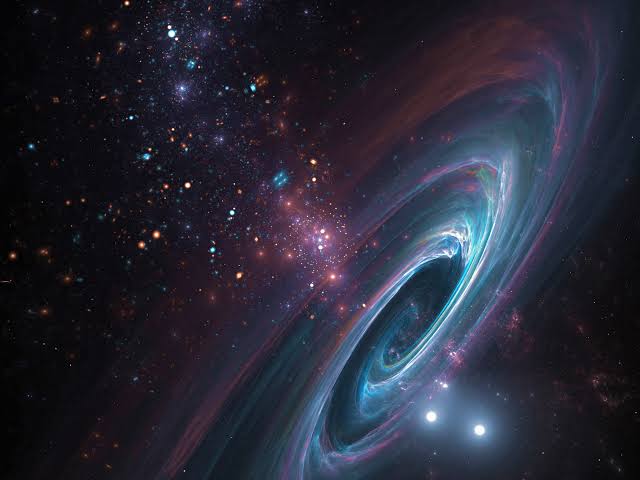
The Universe Is Not Just Incomprehensibly Large, It Is Incomprehensibly Old
The universe is about 13.8 billion years old, giving cosmic events an amount of time that is almost impossible to visualize on a human scale. Even our entire history as a species occupies only a tiny fraction of that timeline.