15 Ways The Internet Is Making Us Dumber


The internet was supposed to be the great equalizer, putting the sum of all human knowledge right at our fingertips. In many ways, it’s done that, although having constant access to everything is having some… weird side effects on our brains. It seems to be the great irony of our time: we’ve never had more information, and we’ve never felt so misinformed.
We’re going to look at some of the sneaky ways the web might be chipping away at our smarts. We’ll get into how fake news travels faster than the truth, why you have the attention span of a goldfish now, and how we’ve all started outsourcing our own memory to a search bar.

Forgetting What Isn’t Online
They call it the ‘Google effect’ or ‘digital amnesia.’ Because we know any fact is just a few taps away, our brains don’t bother with the effort of storing the information. Why remember something when your phone remembers it for you?
The Rapid Spread of Misinformation
Here’s a scary thought: a 2018 MIT study found that on Twitter (now X), false news was 70% more likely to be retweeted than the truth. Outrageous lies spread faster because they get a bigger emotional reaction, which algorithms love.

Creating an Illusion of Knowledge
That feeling of “I know this” when you really just know how to Google it is a real phenomenon. A 2021 study found that simply searching for answers online made people feel they knew more than they actually did.
Training Our Brains to Have Shorter Attention Spans
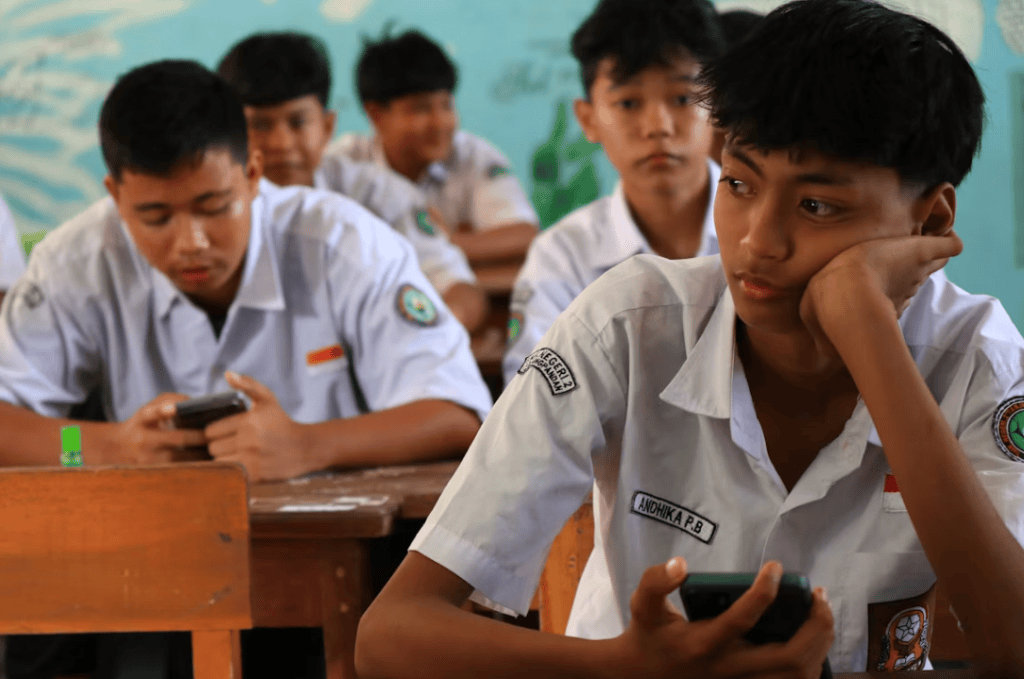
The endless stream of notifications and content trains our brains to crave constant novelty. One study showed the average human attention span dropped from 12 seconds in 2000 to just 8 seconds in 2013. A goldfish has us beat.

Weakening Our Critical Thinking Skills
When answers are instant, we’re less likely to question them. A 2016 Stanford study found that most students struggled to tell credible online sources from fake ones, showing a real weakness in evaluating what they read online.

Constant Distractions Hinder Deep Learning
Those little notifications are more damaging than you think. Studies show that frequent interruptions, which are a hallmark of internet life, disrupt our focus, make tasks take longer, and cause us to make more errors.
Outsourcing Skills We Used to Know
From remembering phone numbers to navigating your own town, we’ve outsourced dozens of little mental tasks to our devices. We’re using our phones as external hard drives for our brains, and letting our own skills get rusty.
Living Inside an Echo Chamber
Social media algorithms are designed to show you more of what you already like. This can trap you in an echo chamber where you’re only exposed to opinions that confirm your own, making the outside world seem alien.

Trapping Us in Filter Bubbles
Similar to echo chambers, ‘filter bubbles’ are your own personal, unique universe of information. The term was coined in 2011 to describe how algorithms shield us from content that might challenge our views, based on our past clicks.
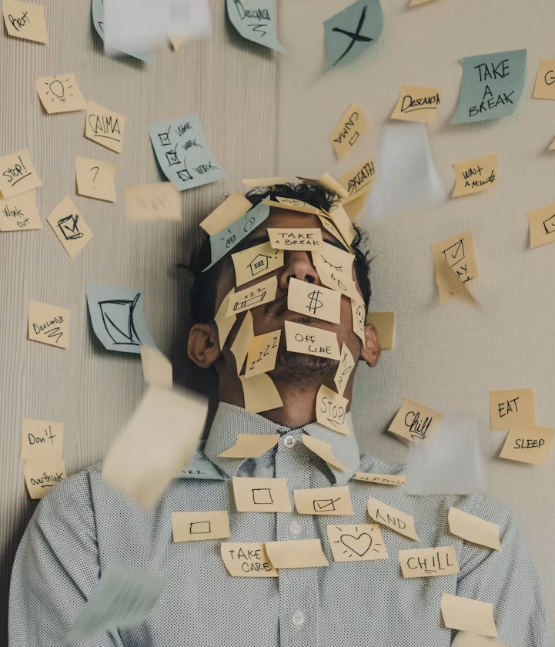
Causing Information Overload and Mental Fatigue
Your brain wasn’t built to process the entire world’s output every single day. The sheer volume of data we consume leads to mental fatigue, making it difficult to process information clearly or make sound decisions.
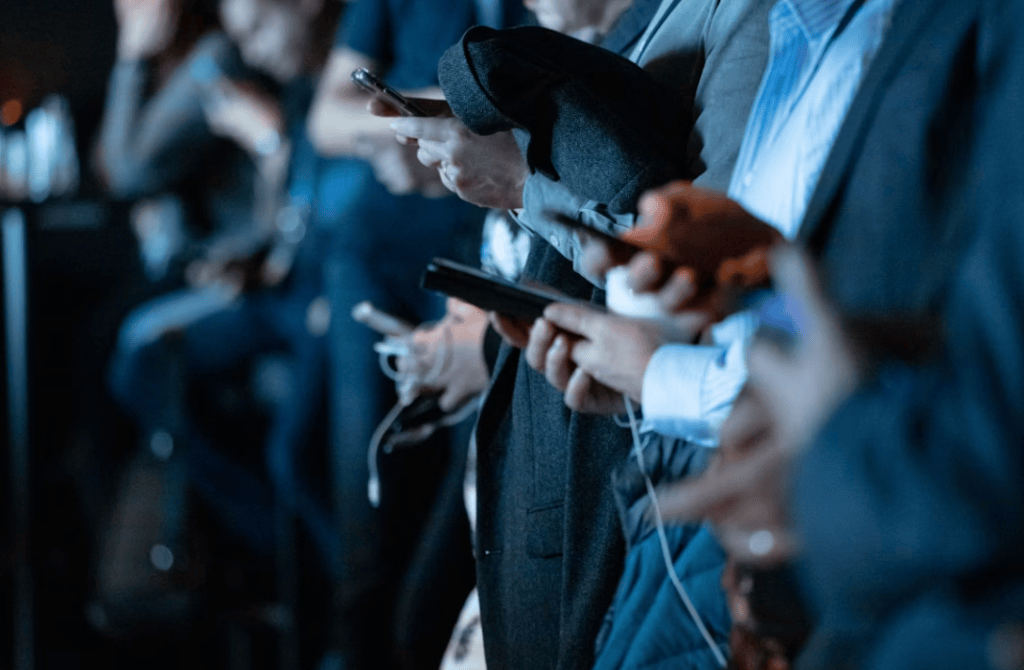
Impairing Our Social Intelligence
When most of your communication is text-based, you miss out on practicing real-world social skills. This can weaken our ability to read non-verbal cues like tone of voice and body language, which is crucial for empathy.

The Decline of Deep Reading
The internet encourages skimming and scanning, not the immersive deep reading we do with a book. Author Maryanne Wolf argues that this habit might be physically rewiring our brains, making it harder to absorb complex ideas.
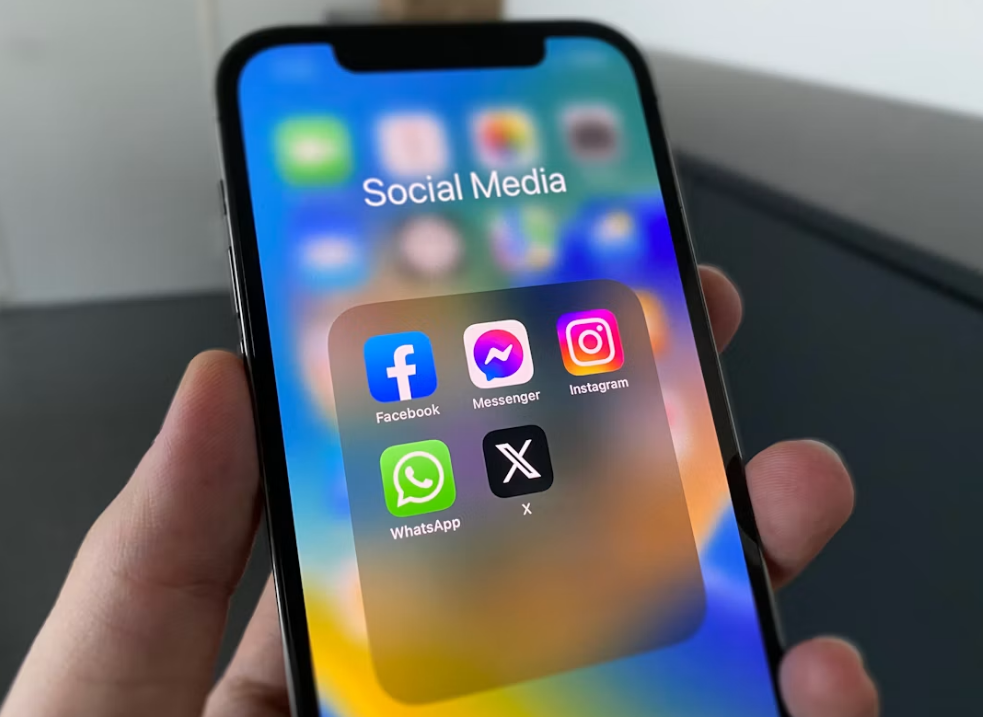
Encouraging a Need for Instant Gratification
We expect instant downloads, instant answers, and instant entertainment. This conditioning makes us less patient and less willing to engage in difficult tasks that require sustained effort and don’t provide an immediate reward.
Replacing People With AI
By refusing to engage with skilled artists and writers, replacing them with AI, their areas of expertise become less wanted in the job market. Overreliance on AI makes us not only engage less with people, but try fewer things ourselves.

Experiencing ‘Digital Amnesia’
‘Digital amnesia’ is the simple act of forgetting information specifically because you assume you’ll be able to look it up later. Your brain is actively offloading the work, leading to a form of short-term memory loss.