15 Vintage Movie Stars We Still Can’t Get Enough Of

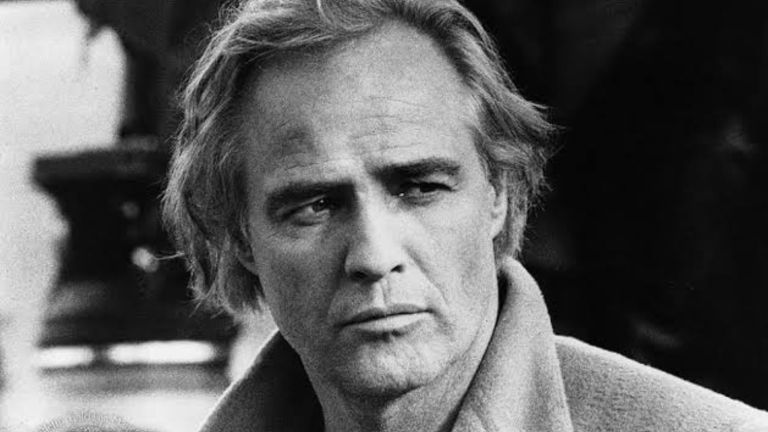
Some movie stars feel like they belong to a particular era, yet their appeal never really goes away. Decades after their biggest films were released, their faces remain instantly recognizable, their performances are still quoted, and new generations continue discovering what made them special in the first place. Part of that appeal comes from talent, but there is also something about the way these actors carried themselves on screen that feels difficult to recreate. Whether they were leading men, unforgettable character actors, or stars whose careers stretched across several decades, they left behind performances that still hold up remarkably well. These are the vintage movie stars whose screen presence continues to make audiences stop, watch, and want to see just a little more.
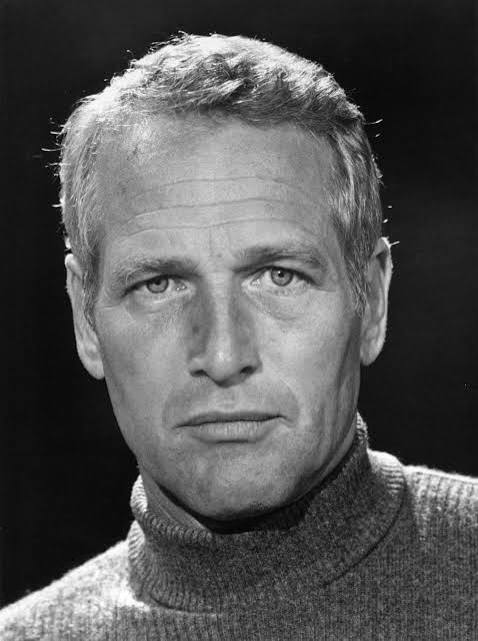
Paul Newman
His effortless charisma, piercing blue eyes, and remarkable range made him one of the rare stars equally convincing in dramas, romances, thrillers, and comedies.
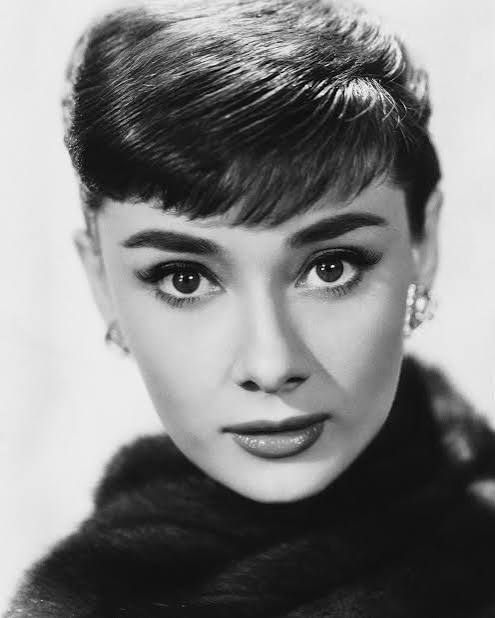
Audrey Hepburn
Hepburn’s elegance and understated performances in films like Roman Holiday (1953) and Breakfast at Tiffany’s (1961) made her an enduring screen icon.
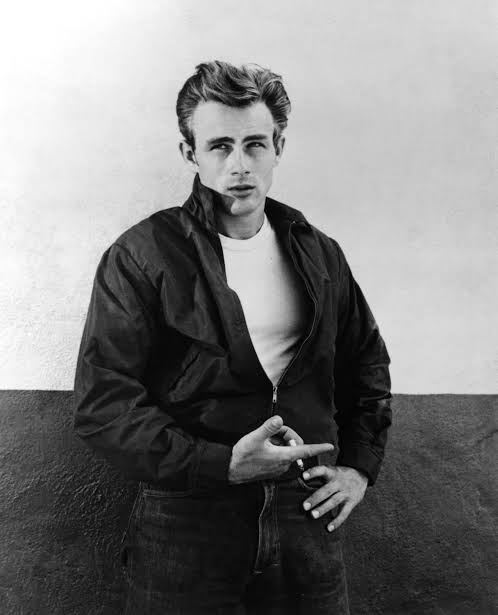
James Dean
With only a handful of major films, Dean created an image of youthful rebellion that continues to define what a movie star can represent.
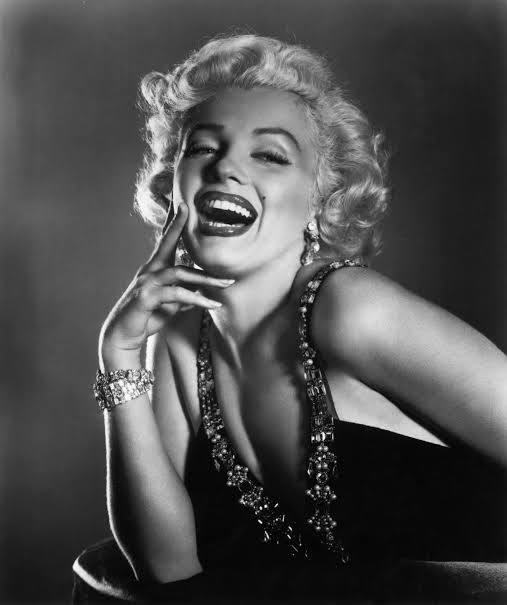
Marilyn Monroe
Monroe combined comic timing, vulnerability, and undeniable screen presence in a way that made even her smallest gestures memorable.
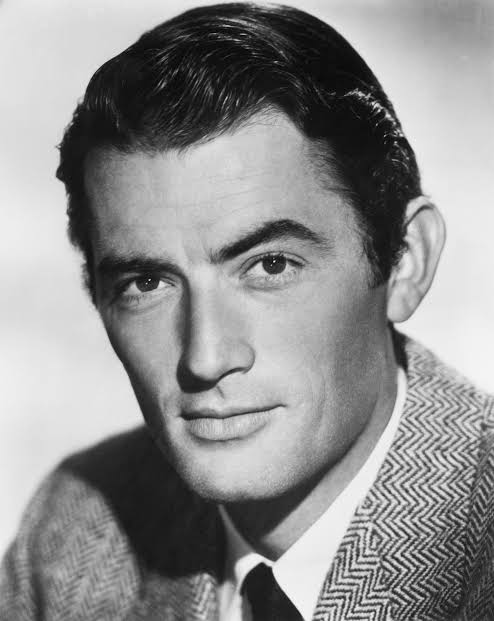
Gregory Peck
Peck brought a quiet authority to roles such as To Kill a Mockingbird (1962), making him one of classic Hollywood’s most enduring leading men.
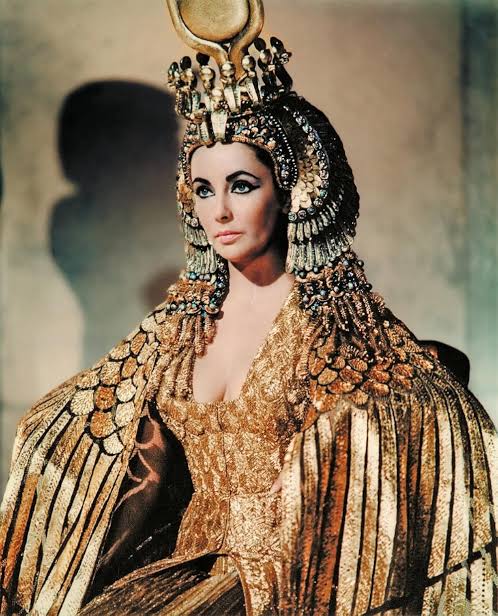
Elizabeth Taylor
Taylor’s extraordinary beauty and powerful performances in films like Who’s Afraid of Virginia Woolf? (1966) gave her a career that remains fascinating decades later.
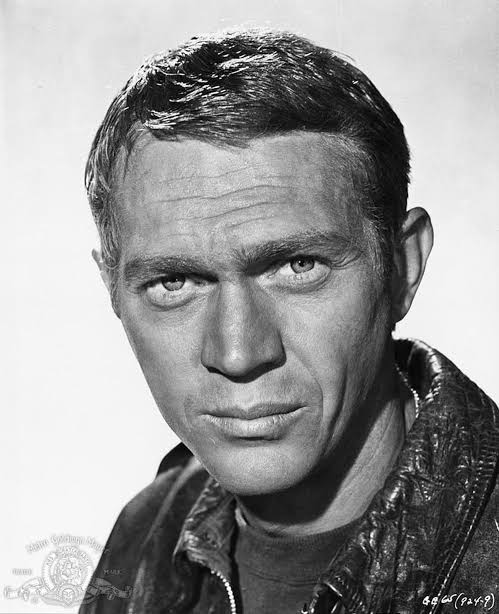
Steve McQueen
His cool, understated presence made him particularly magnetic in films such as The Great Escape (1963) and Bullitt (1968).
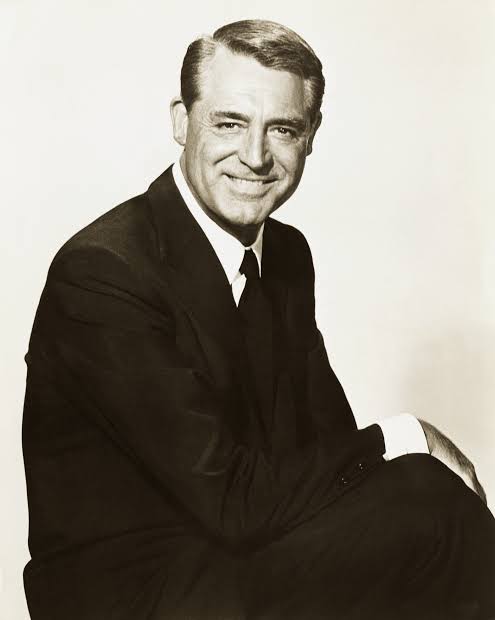
Cary Grant
Grant’s combination of sophistication, physical comedy, and impeccable timing made him equally compelling in romantic comedies and thrillers.
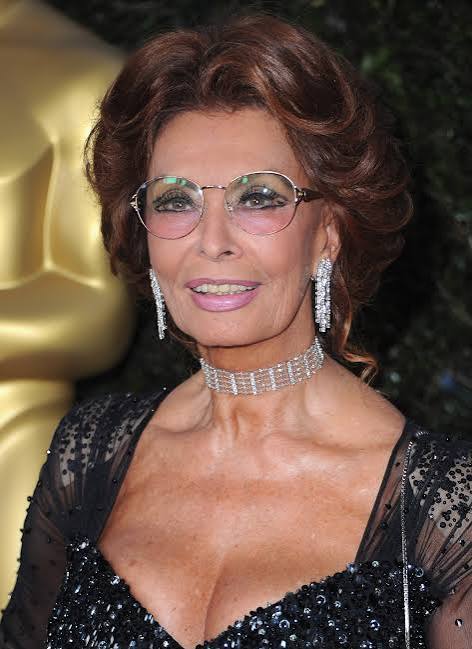
Sophia Loren
Loren possessed the rare ability to dominate a scene through both glamour and intensely grounded performances, particularly in her Italian films.
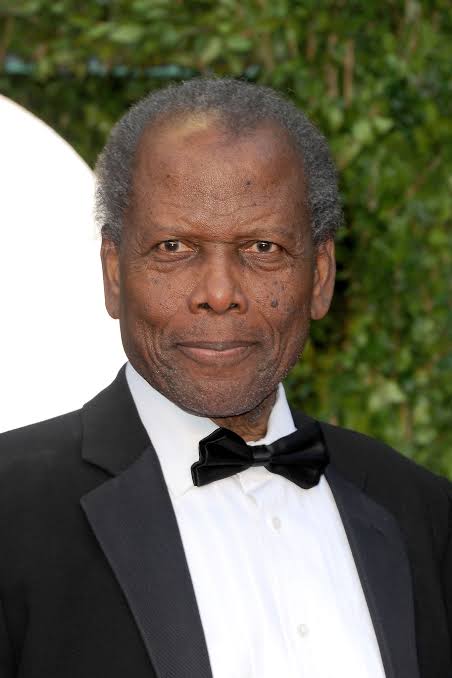
Sidney Poitier
Poitier brought tremendous dignity and emotional strength to his performances while becoming a landmark figure in American cinema.
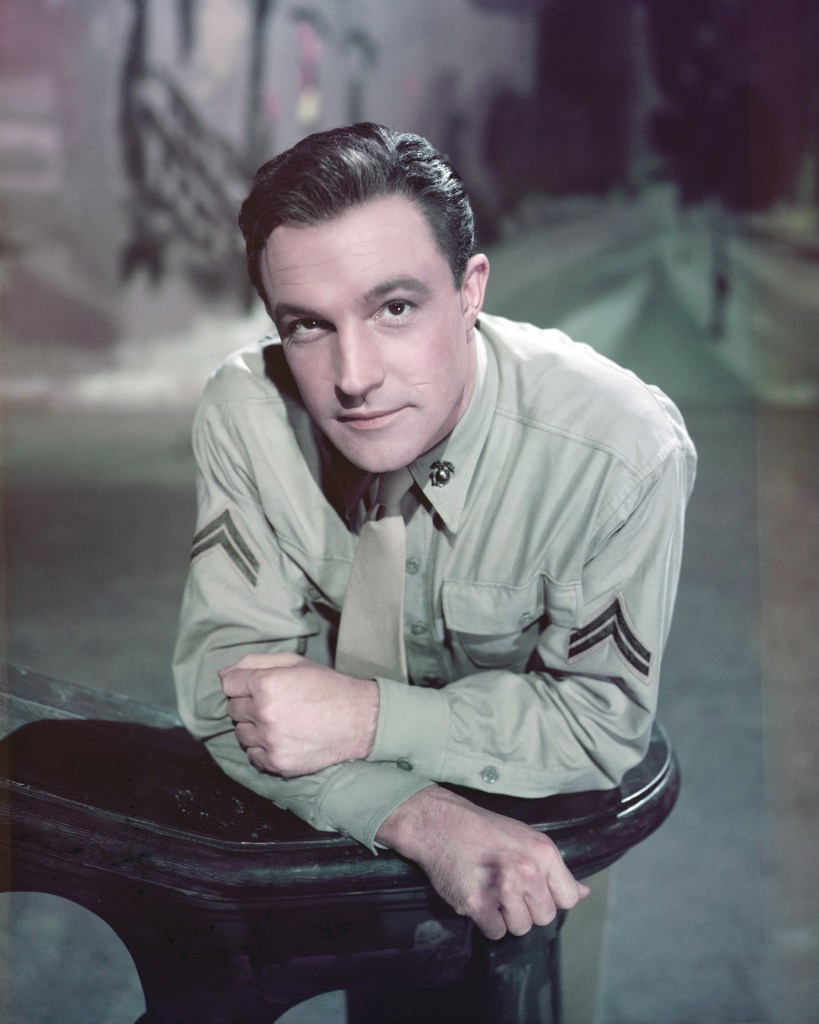
Gene Kelly
Kelly’s athletic dancing, infectious personality, and creative approach to choreography made his musical performances feel completely alive.
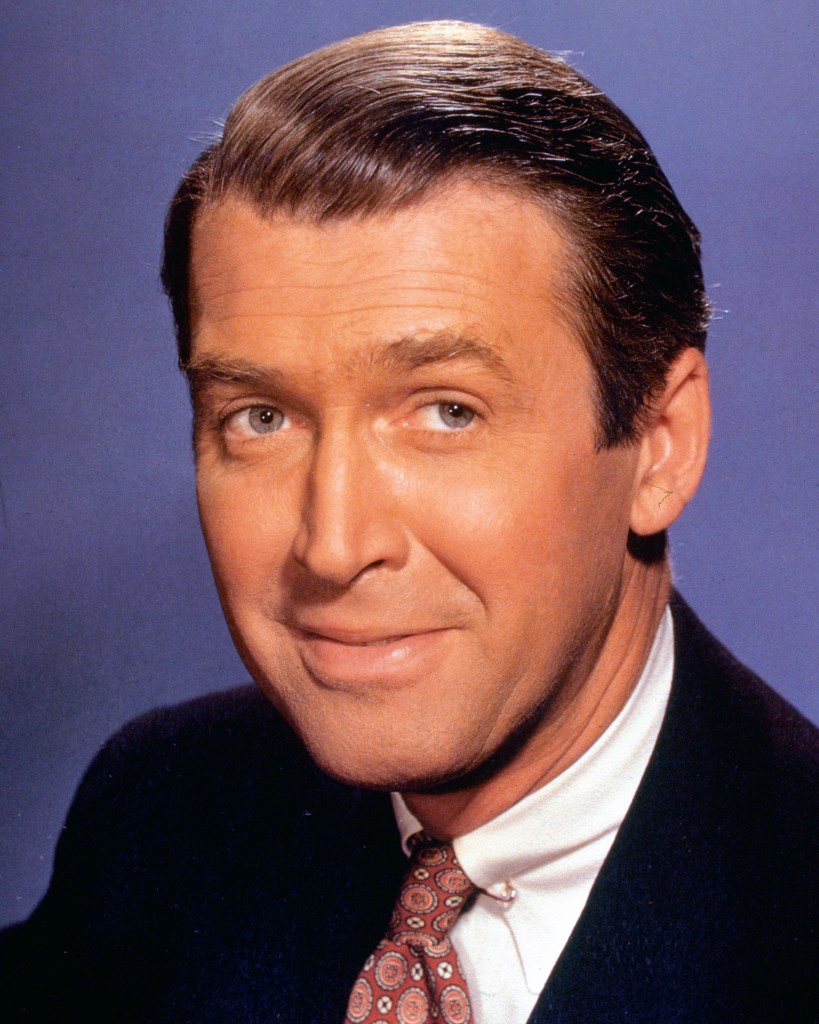
James Stewart
Stewart’s distinctive voice and seemingly ordinary screen presence made his characters unusually relatable, particularly in films such as Rear Window (1954) and Vertigo (1958).
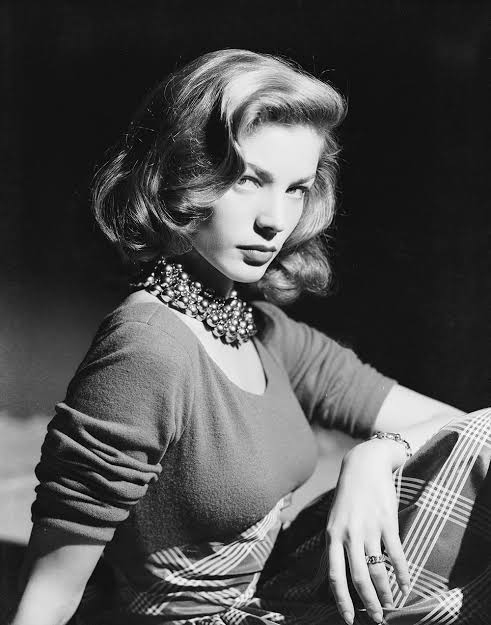
Lauren Bacall
Bacall’s unmistakable voice, confidence, and chemistry with her co stars made her one of classic Hollywood’s most memorable screen personalities.
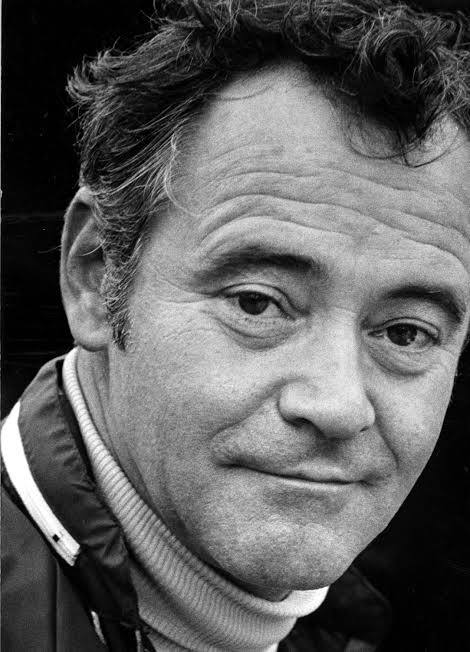
Jack Lemmon
Lemmon could move effortlessly between heartbreaking drama and physical comedy, giving even his funniest characters surprising emotional depth.
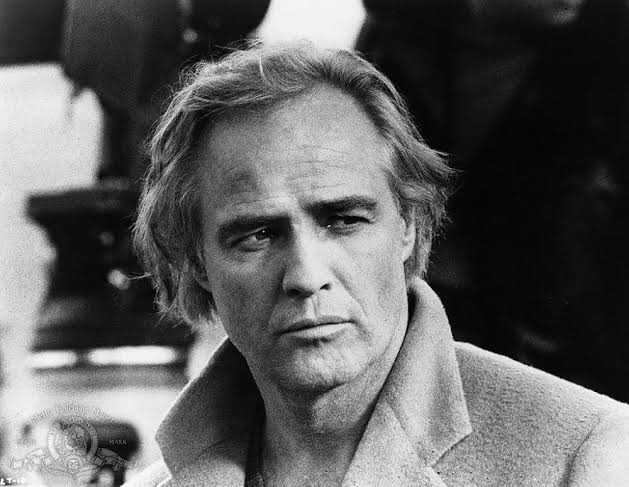
Marlon Brando
Brando’s performances in films such as A Streetcar Named Desire (1951) and On the Waterfront (1954) helped redefine screen acting and influenced generations of performers.