15 Vintage Classic Movies We Just Don’t Talk About Enough

Taste in anything is subjective, so when looking at someone’s list of ‘best movies from a given era,’ we don’t have to agree on everything; they have their taste, and we have ours. It can happen, though, that whenever classic movies are discussed, it’s always the same few films.
This is why we decided to highlight today some lesser known movies. Of course, we mean lesser known by today’s standards, since most of them made the rounds back when they were released. If you’re a fan of the era and want to find something new to watch, look no further.
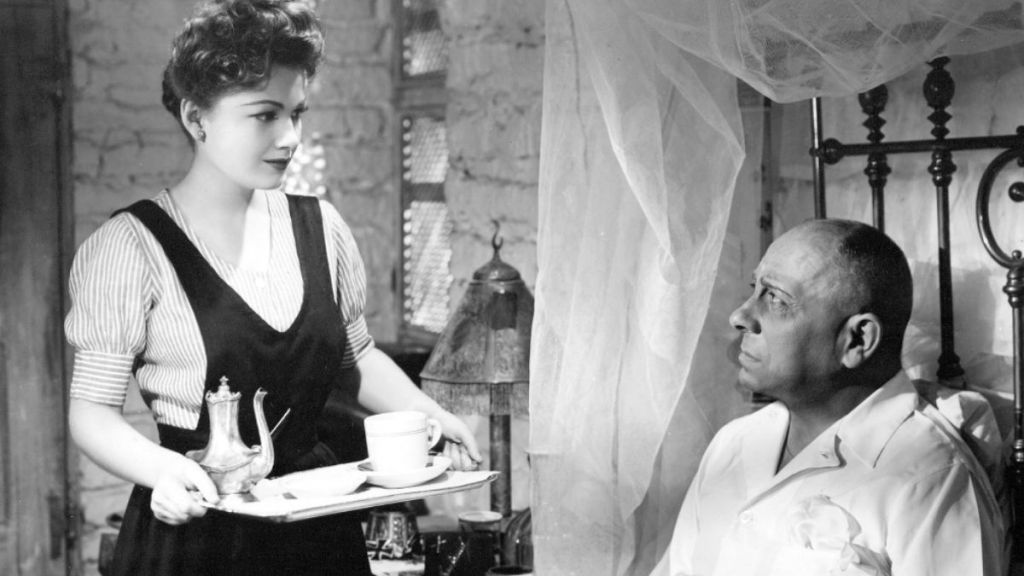
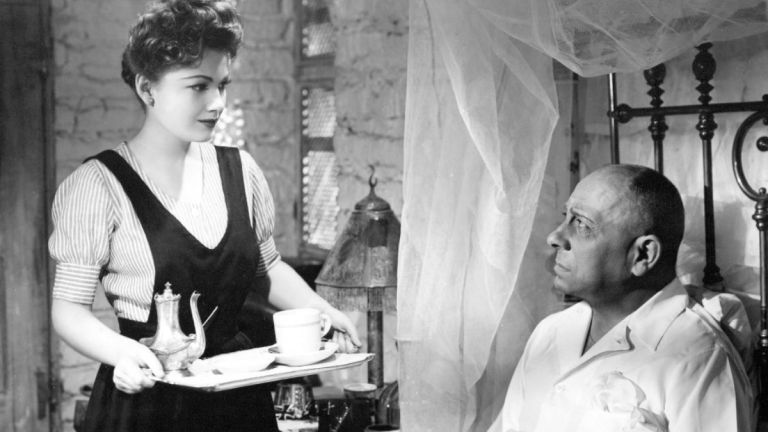
Five Graves to Cairo (1943)
Billy Wilder’s wartime thriller follows a British soldier who infiltrates a North African hotel after a battle, encountering Erwin Rommel’s forces. Wilder combines espionage, suspense, dark humor, and wartime propaganda into an unusually tense early directorial effort.
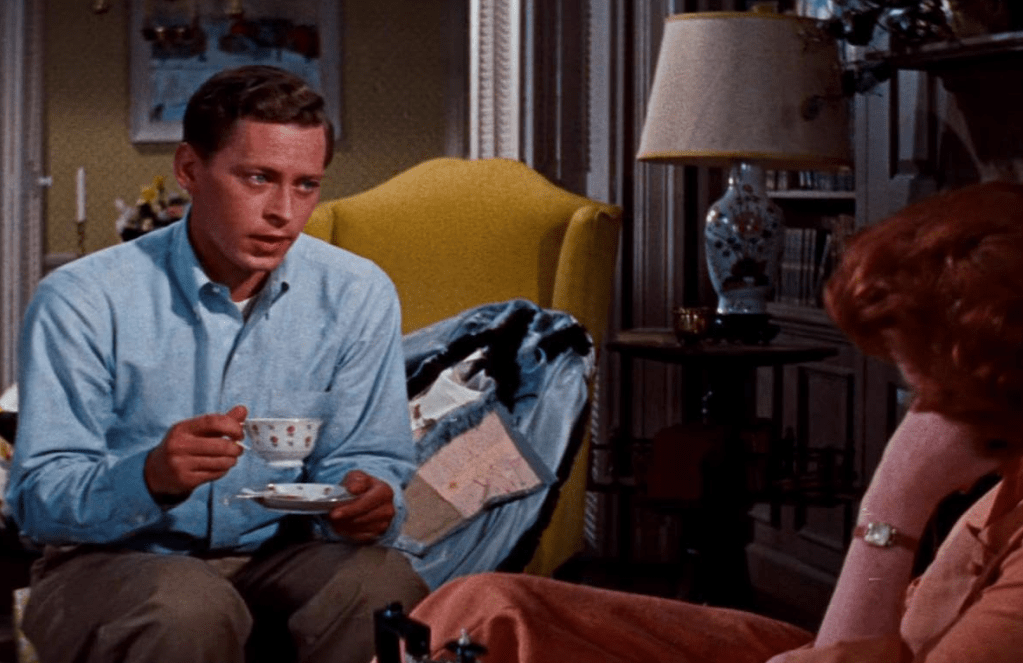
Tea and Sympathy (1956)
Vincente Minnelli’s adaptation of the acclaimed Broadway play tackles teenage bullying, masculinity, sexuality, and social conformity. Deborah Kerr gives the film emotional weight as a faculty wife who risks her marriage to help a troubled student.
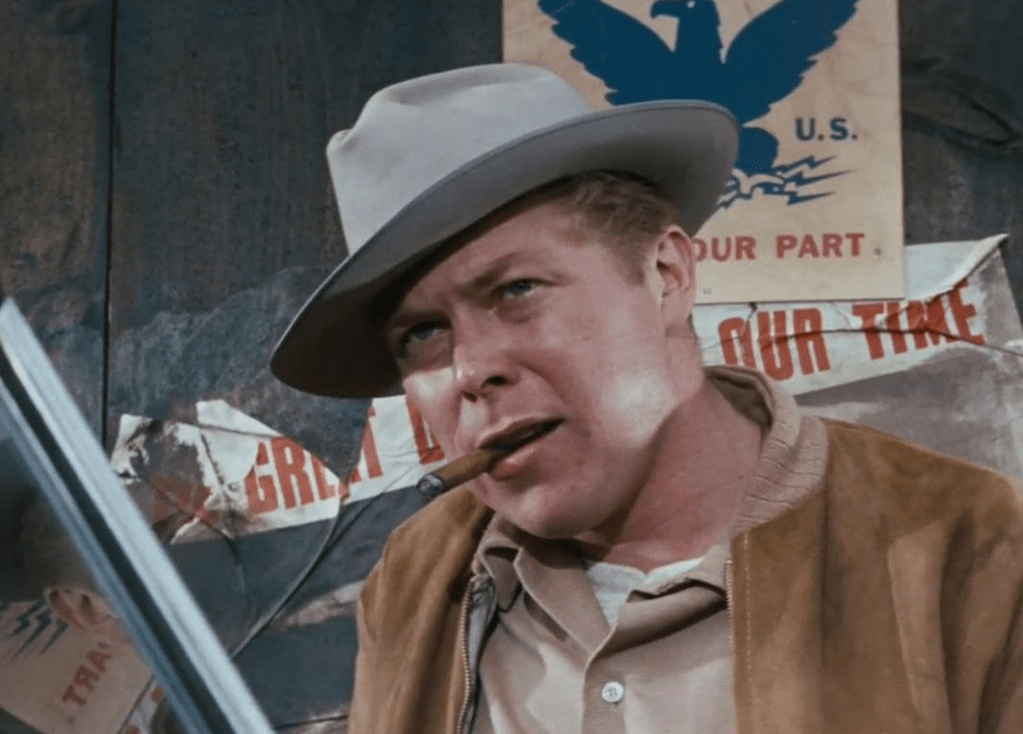
Wild River (1960)
Elia Kazan’s neglected drama centers on a Tennessee Valley Authority employee confronting an elderly landowner whose home will be flooded by a dam. Montgomery Clift, Lee Remick, and Jo Van Fleet anchor a story about progress, tradition, race, and displacement.
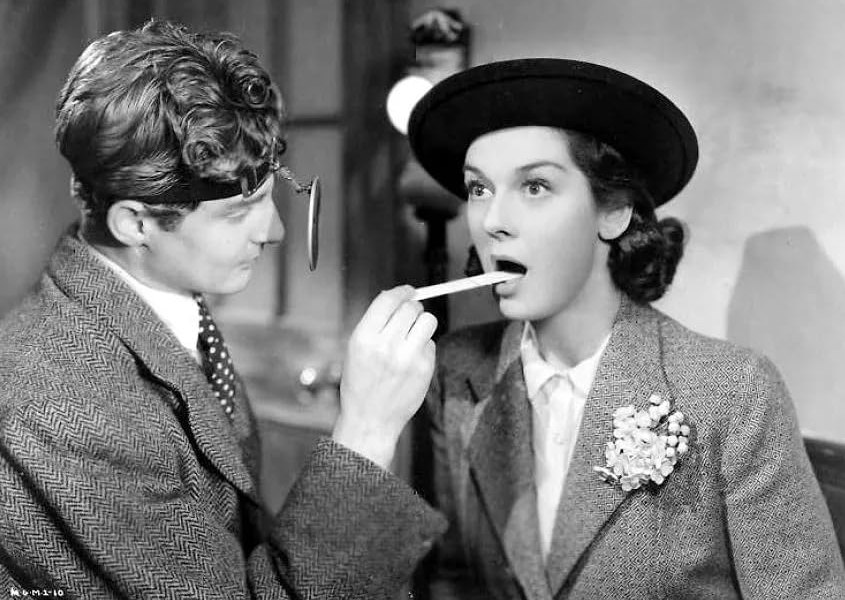
The Citadel (1938)
King Vidor’s adaptation of A.J. Cronin’s novel follows an idealistic young doctor whose experiences gradually challenge his principles. Robert Donat leads an excellent cast in a socially conscious drama about medicine, class, professional ethics, and the pressures surrounding ambition.
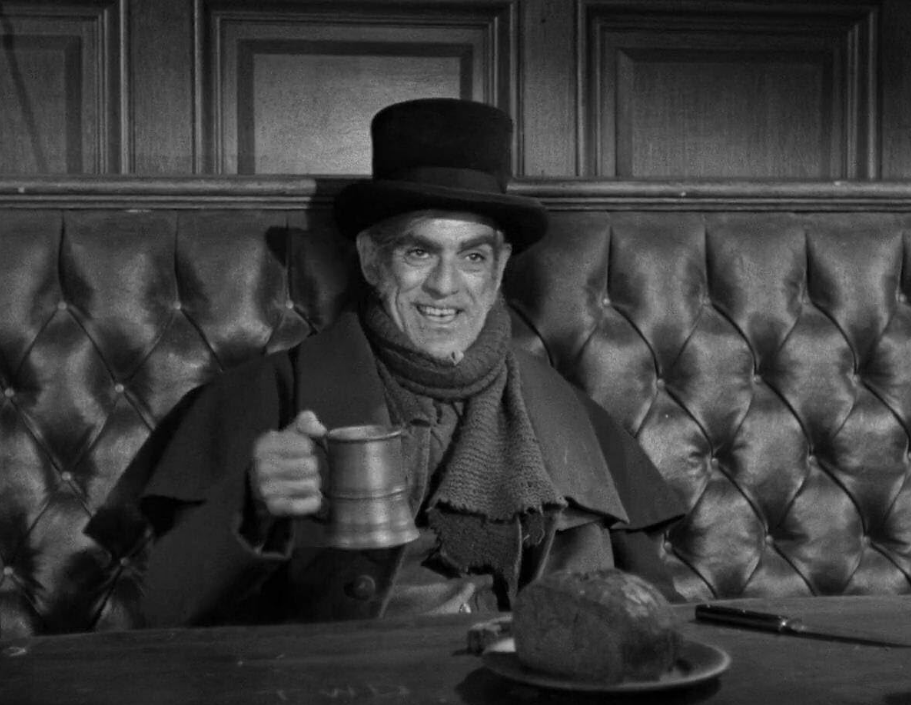
The Body Snatcher (1945)
Robert Wise’s atmospheric horror film stars Boris Karloff as a grave robber supplying corpses to a medical school. Produced by Val Lewton and featuring Bela Lugosi, it transforms Robert Louis Stevenson’s story into a grim character study.
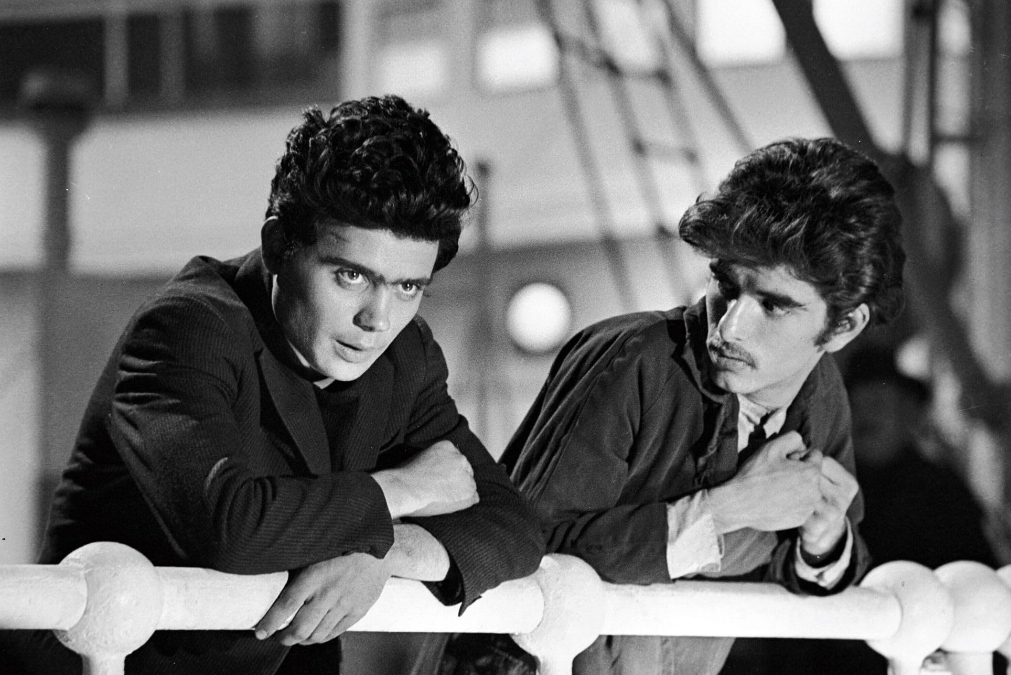
America, America (1963)
Elia Kazan’s deeply personal epic follows a young Greek man determined to reach America despite poverty, political violence, and betrayal. Its deliberately difficult journey makes the American dream feel less like a promise than something painfully earned.
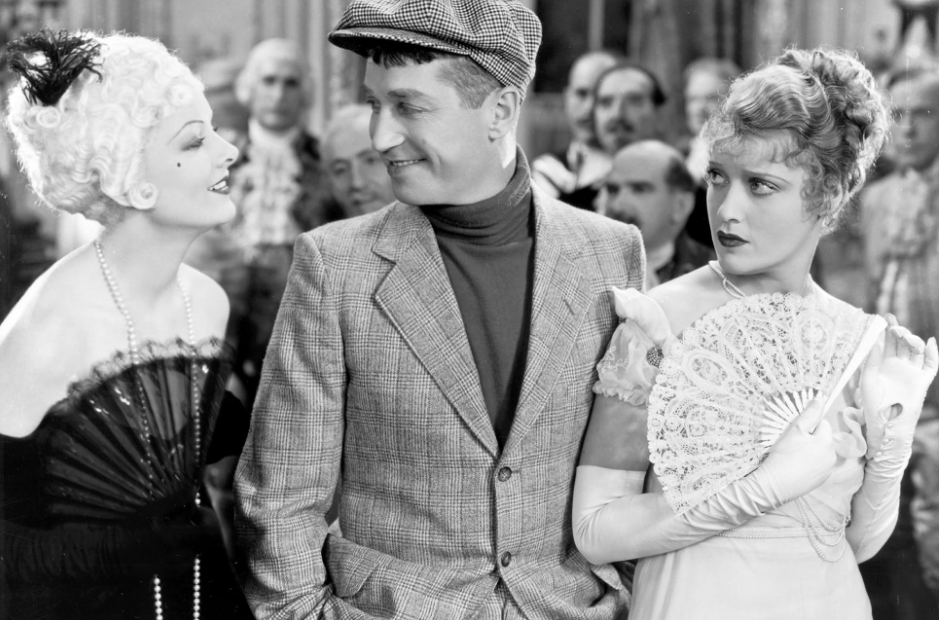
Love Me Tonight (1932)
Rouben Mamoulian’s pre-Code musical stars Maurice Chevalier as a tailor who pretends to be an aristocrat and falls for Jeanette MacDonald’s princess. Its inventive editing, sophisticated songs, and playful visual style make it far more ambitious than its premise suggests.
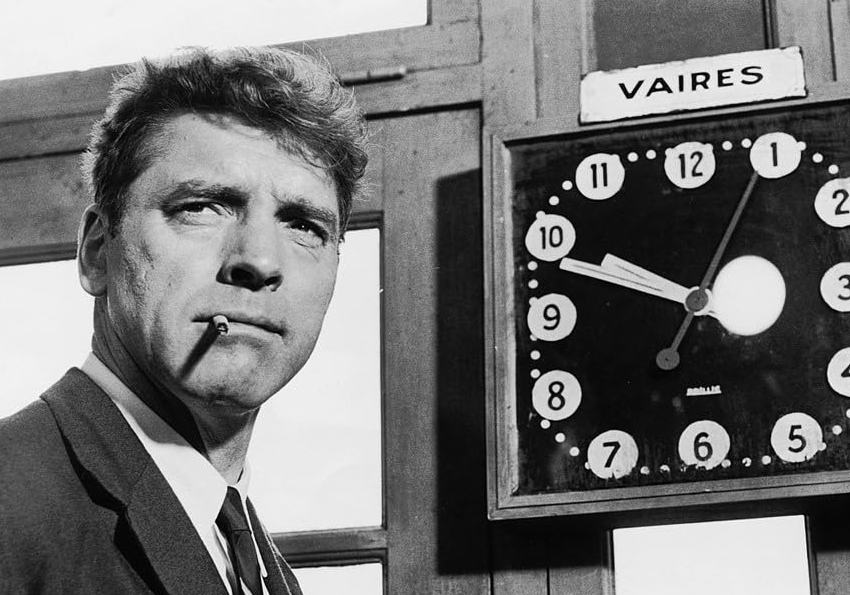
The Train (1964)
Burt Lancaster stars in John Frankenheimer’s gripping wartime thriller about French Resistance fighters trying to prevent Nazi officers from transporting stolen artwork into Germany. Its enormous practical action sequences complement a thoughtful story about art, sacrifice, and moral priorities.
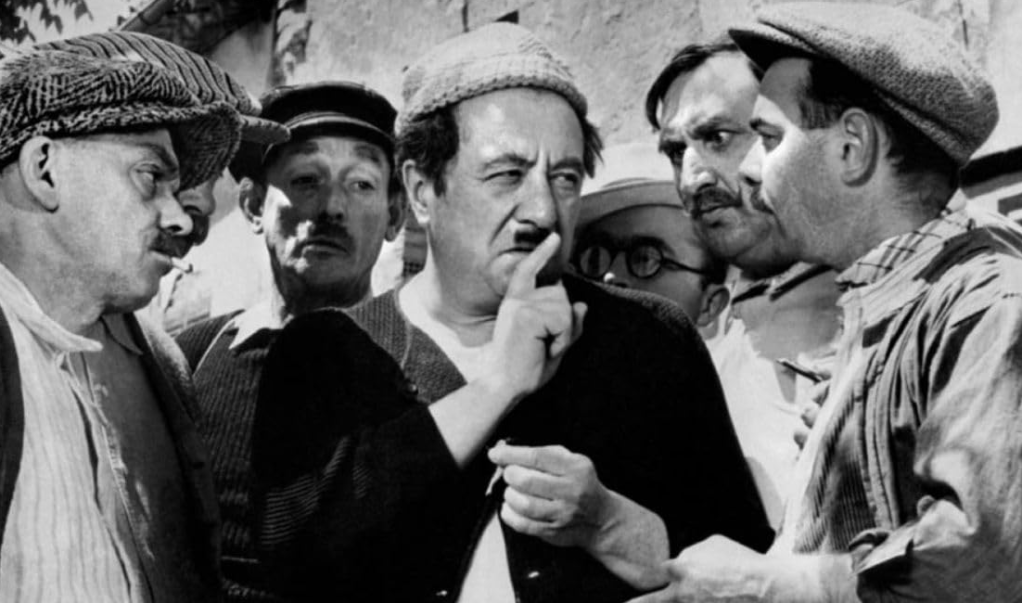
The Baker’s Wife (1938)
Marcel Pagnol’s French classic follows a village baker whose wife runs away, prompting the entire community to rally around restoring his ability to bake bread. Its earthy humor, eccentric characters, and humane storytelling have earned enduring critical admiration.
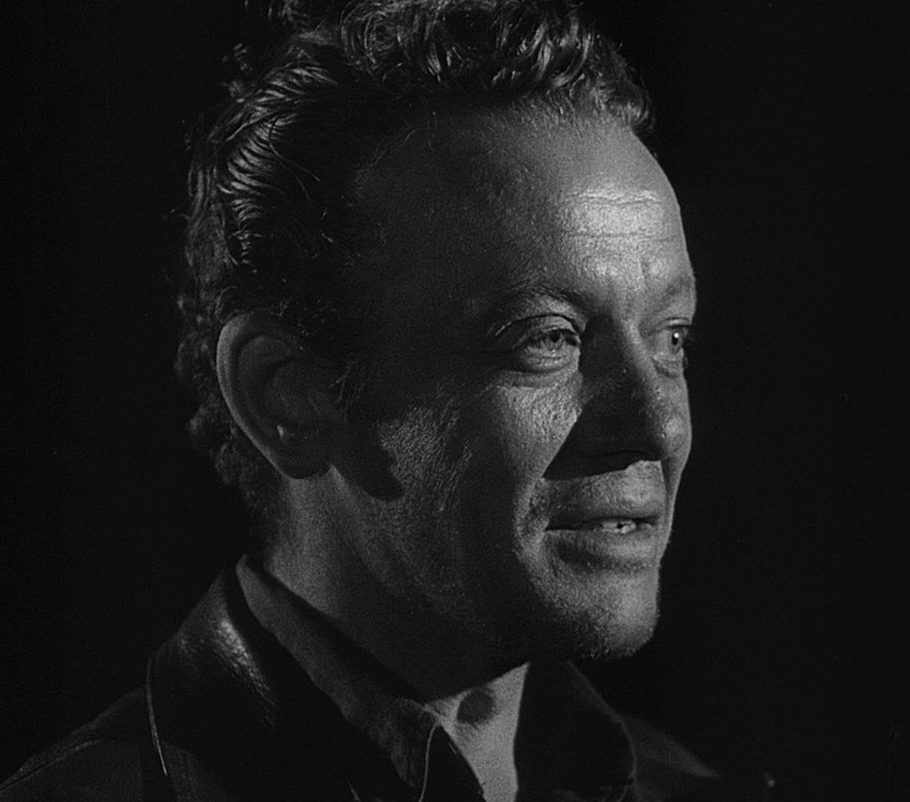
The Hitch-Hiker (1953)
Ida Lupino directed this lean, disturbing film noir about two friends abducted by a murderous hitchhiker during a fishing trip. Based on real crimes, it became a landmark as the first American film noir directed by a woman.
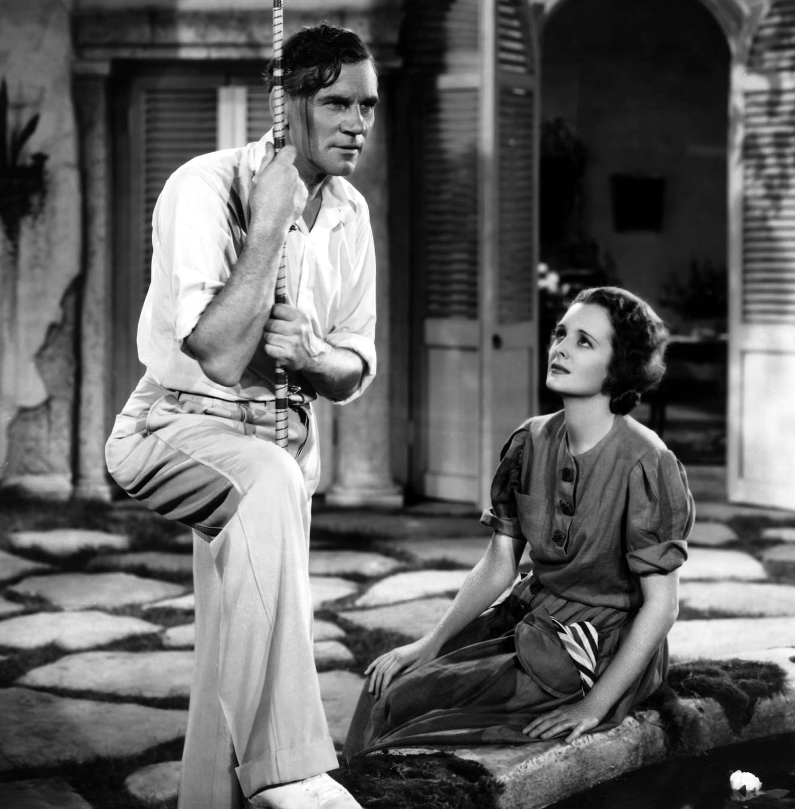
Dodsworth (1936)
William Wyler’s sophisticated adaptation of Sinclair Lewis follows a retired automobile executive traveling through Europe with his increasingly dissatisfied wife. Walter Huston anchors a remarkably mature examination of marriage, aging, independence, and discovering what actually matters later in life.
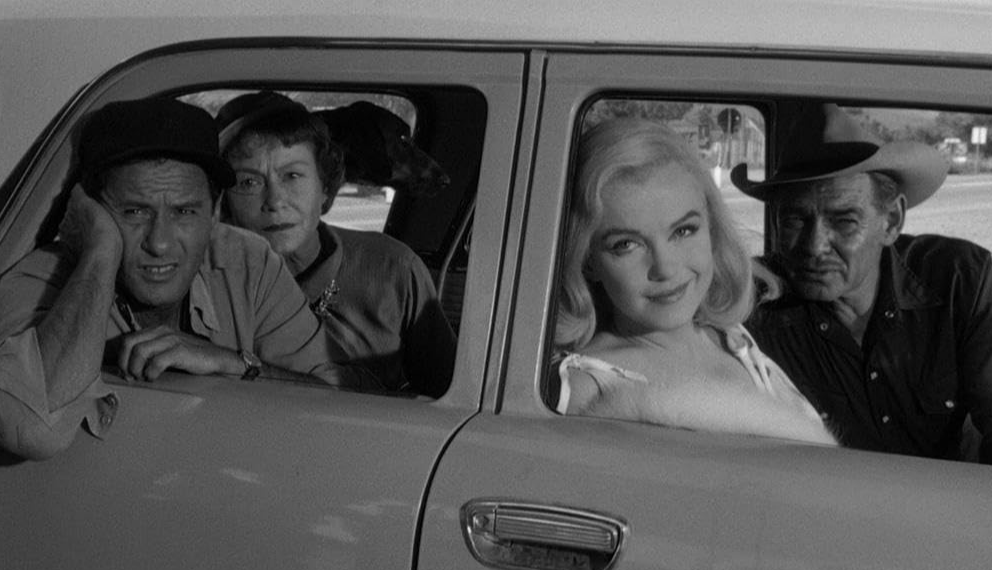
The Misfits (1961)
John Huston’s melancholy Western brings together Marilyn Monroe, Clark Gable, Montgomery Clift, and Eli Wallach in Arthur Miller’s story about lonely people struggling to find purpose. Its reputation has grown considerably, with critics increasingly recognizing its emotional power.
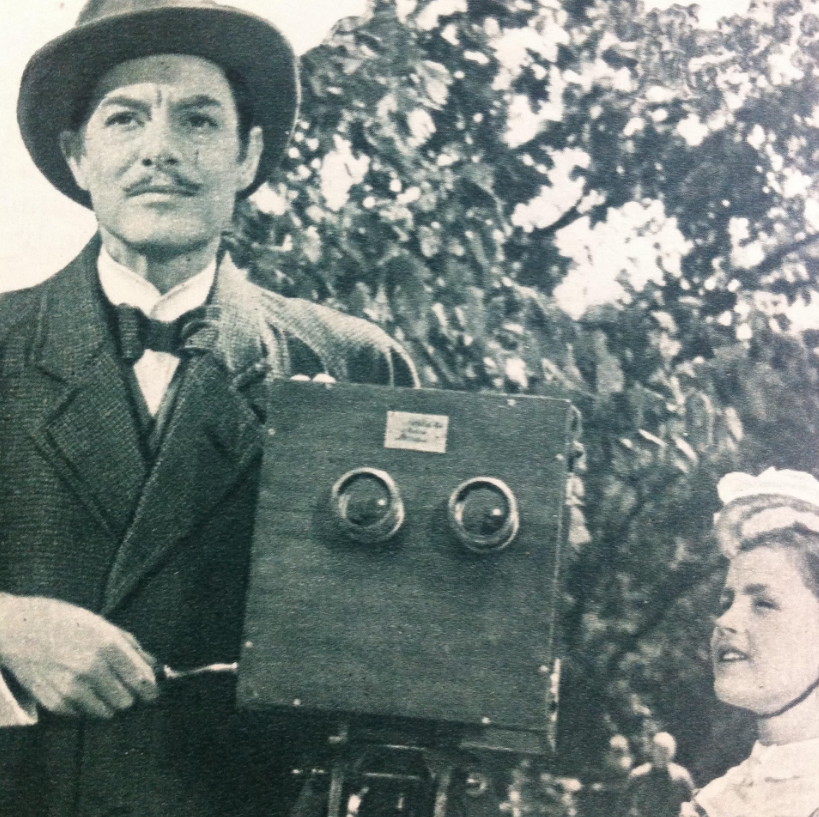
The Magic Box (1951)
This British biographical drama tells the story of William Friese-Greene, an early cinema pioneer whose experiments helped advance motion-picture technology. Robert Donat brings warmth to an unusual story about invention, obsession, financial hardship, and cinema’s earliest days.
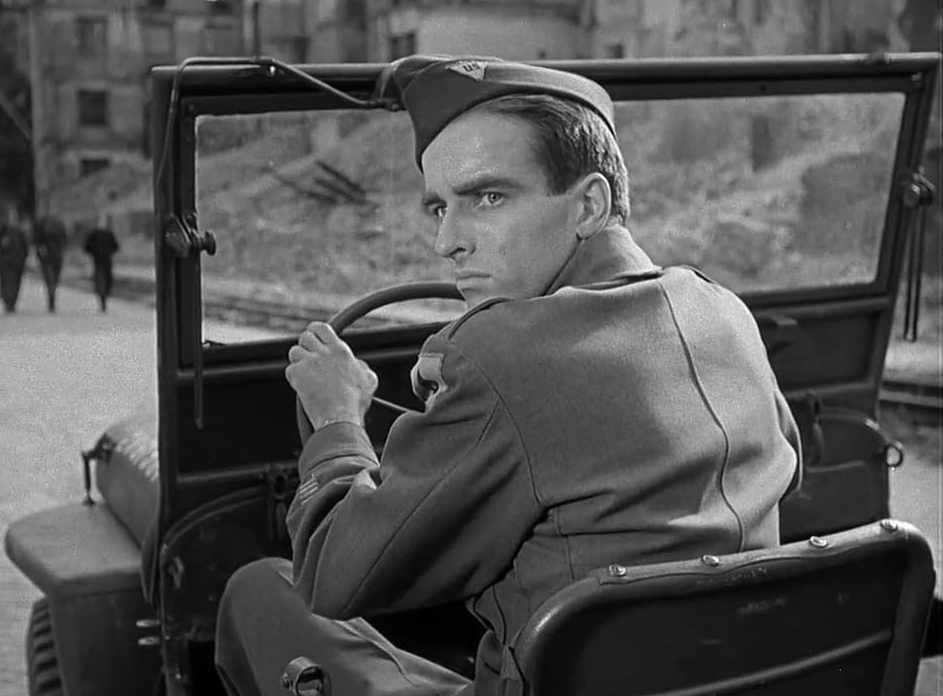
The Search (1948)
Fred Zinnemann’s postwar drama follows a young Auschwitz survivor searching for his mother amid the ruins of Europe. Montgomery Clift and Ivan Jandl lead a deeply compassionate film, much of which was shot among actual bomb-damaged German cities.
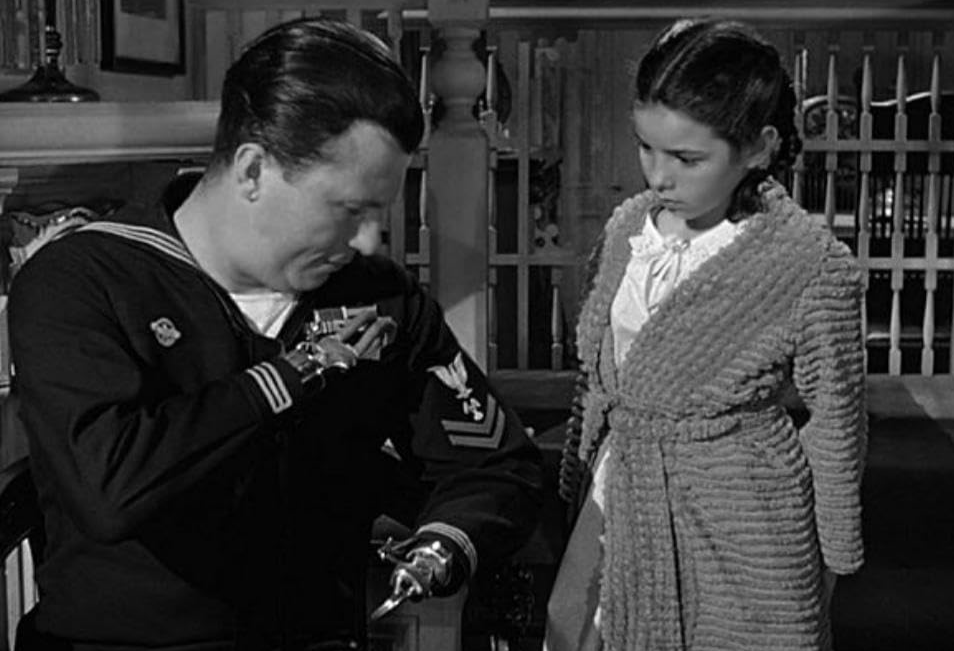
The Best Years of Our Lives (1946)
William Wyler’s landmark drama follows three World War II veterans struggling to readjust to civilian life. Its remarkable sensitivity toward disability, family, work, and trauma helped make it the decade’s top-grossing picture and a seven-time Oscar winner.